Coffee Reviews
Best Grocery Store Coffee Brands: A Blind Taste Test of Five Major Brands
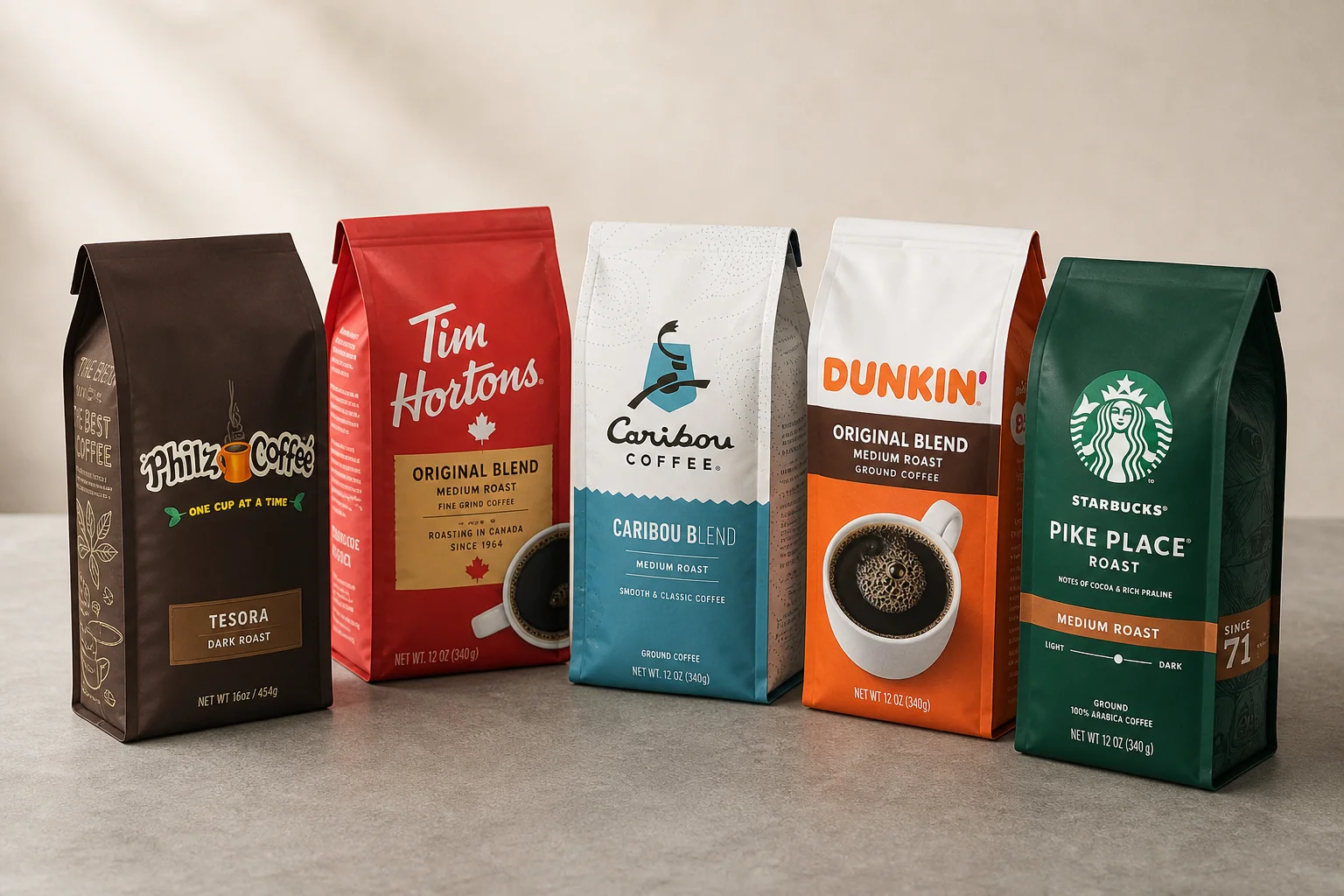
A comprehensive blind taste test comparing Philz Coffee, Tim Hortons, Caribou Coffee, Dunkin' Coffee, and Starbucks across light, medium, and dark roasts to find the best grocery store coffee.
Introduction
Finding quality coffee in the grocery store can feel overwhelming when faced with dozens of options from major brands. This blind taste test evaluates five prominent grocery store coffee brands across 32 different products to determine which offers the best value and flavor. By removing brand recognition from the equation, the tasting focuses purely on what matters most: how the coffee actually tastes.
Tournament Structure and Tasting Methodology
The evaluation uses a head-to-head tournament format across five rounds, with 32 coffee samples competing until a single winner emerges. Each tasting is conducted blind, meaning the taster cannot see which brand is being evaluated until after the decision is made. This approach eliminates bias and ensures that brand reputation does not influence the assessment.
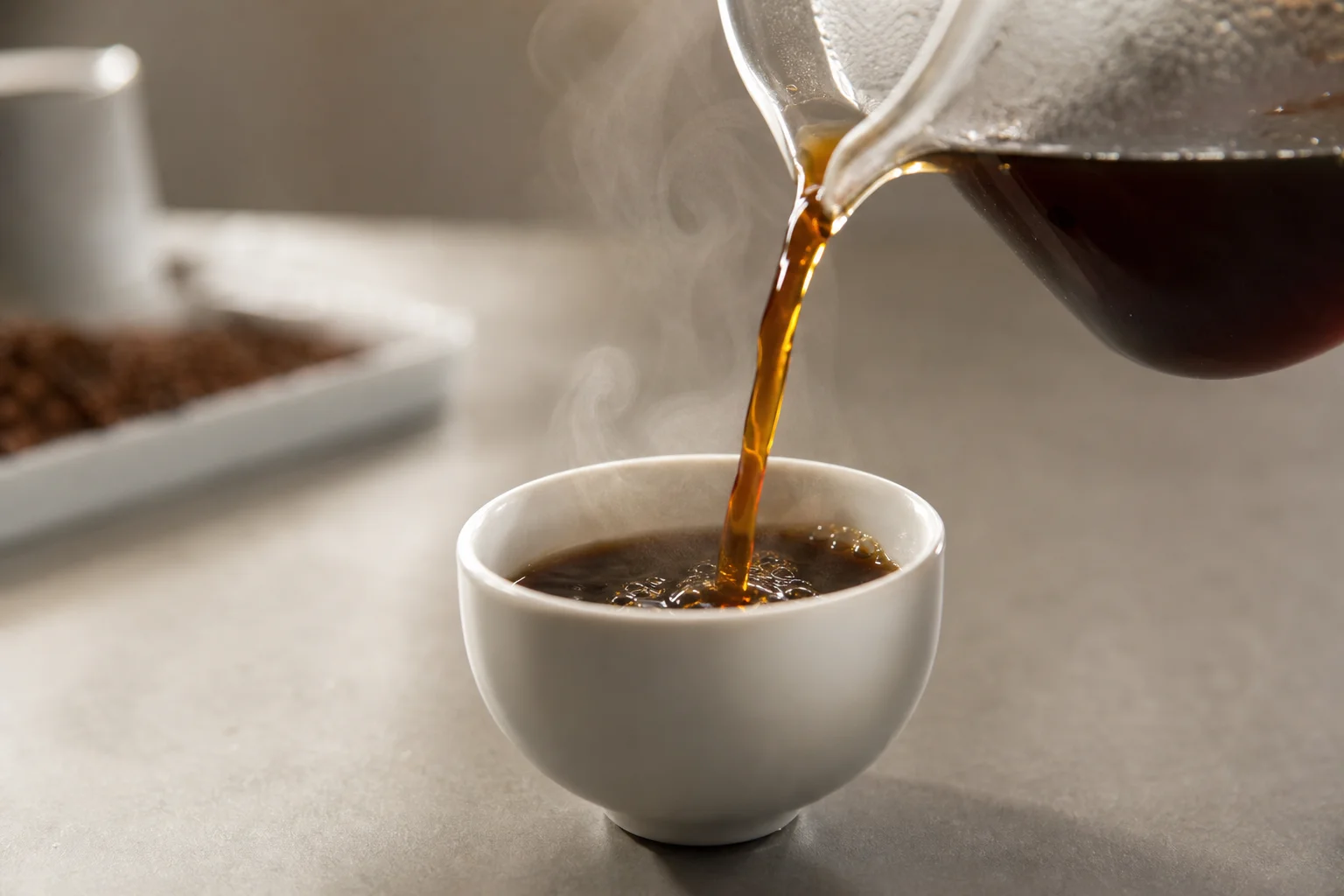
The tasting methodology prioritizes specific flavor characteristics. Natural sweetness, complexity, and clean flavor profiles are preferred, while harsh bitterness, rubbery notes, and overly earthy or woody flavors are marked as negatives. This preference framework remains consistent throughout all comparisons, allowing for fair evaluation across different roast levels and brewing styles.
Most samples were purchased pre-ground from grocery store shelves, with one notable exception: Philz Coffee arrived as whole beans and was ground to the appropriate level before tasting. This distinction may have influenced the final results, though the impact cannot be definitively measured.
Round One: Initial Eliminations
The first round presents the widest range of flavor profiles and quality levels. Many coffees display harsh, bitter characteristics or unusual flavor notes that make them less enjoyable as black coffee. Some samples show vegetable-like or papery qualities, while others demonstrate surprising sweetness and complexity for grocery store offerings.
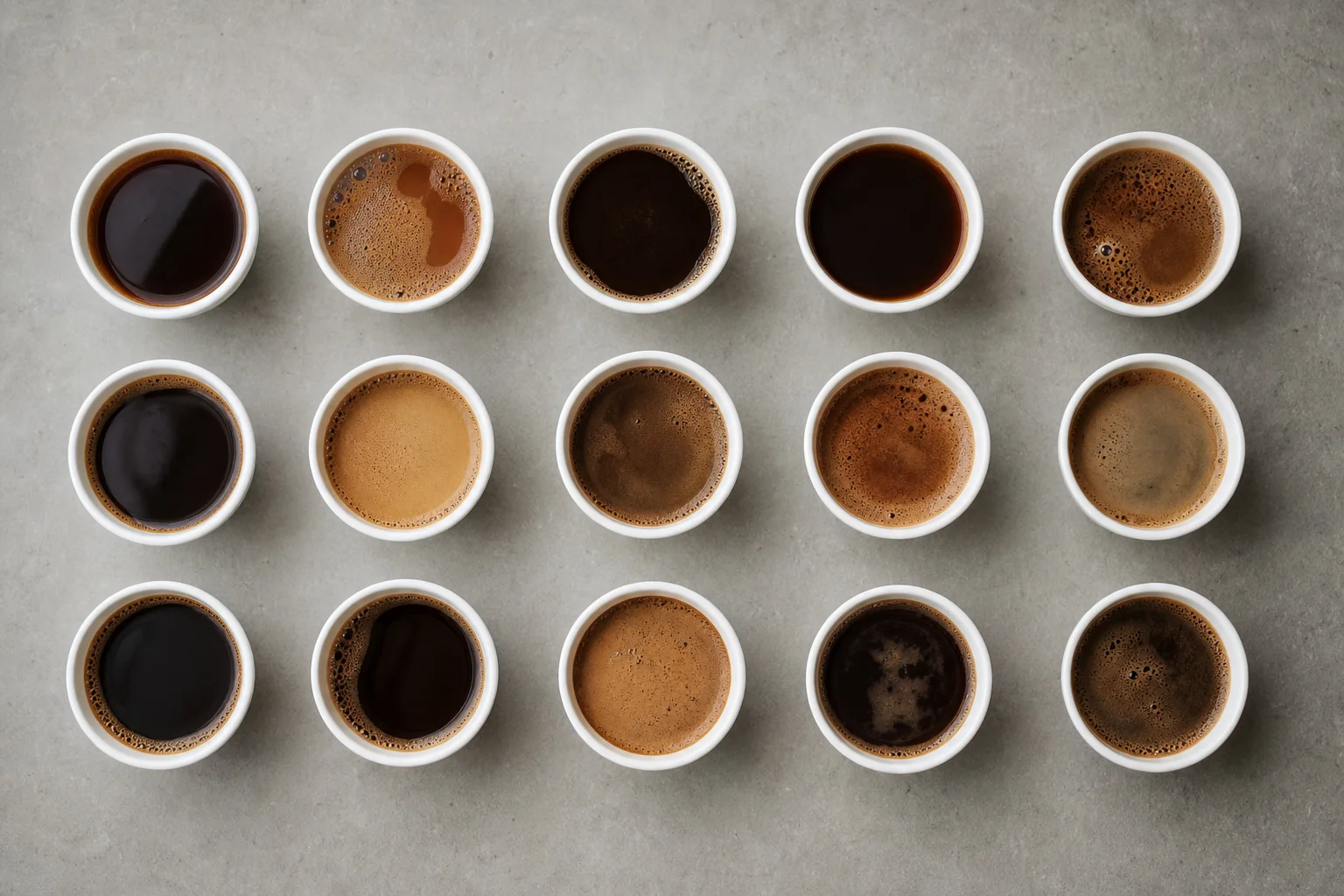
Several coffees are eliminated for excessive bitterness or unpleasant flavor combinations. One sample with chicory notes proves particularly divisive, as the distinctive flavor profile appeals to some but not others. The round also reveals that roast level significantly impacts perceived quality, with some darker roasts becoming almost undrinkable while lighter options retain more nuance.
By the end of round one, 16 coffees advance to the next stage, representing a mix of roast levels and flavor profiles. The survivors tend to show either natural sweetness, interesting complexity, or a balance of both qualities that makes them more approachable than their eliminated counterparts.
Round Two: Competitive Matchups
Round two features more competitive head-to-head comparisons as the field narrows to eight finalists. Several coffees that seemed unremarkable in isolation prove more interesting when compared directly to alternatives. This comparative tasting reveals subtle differences in sweetness, acidity, and overall balance that were less apparent in earlier rounds.
Some surprising results emerge during this stage. Two coffees taste remarkably similar to each other, making the decision between them extremely difficult. Another coffee that seemed unlikely to advance this far demonstrates enough character and complexity to earn its place in the quarterfinals.
The round also highlights how roast level affects perception. A lighter roast may seem empty when compared to a darker, more developed option, but the same coffee might seem bright and interesting when matched against an overly dark, burnt-tasting alternative. This context-dependent evaluation reflects how real-world coffee choices often depend on what alternatives are available.
Quarterfinals and Semifinals
As the field narrows further, the remaining coffees represent the strongest performers from the initial rounds. The quarterfinals feature increasingly difficult decisions, as the gap in quality between advancing and eliminated coffees narrows significantly.
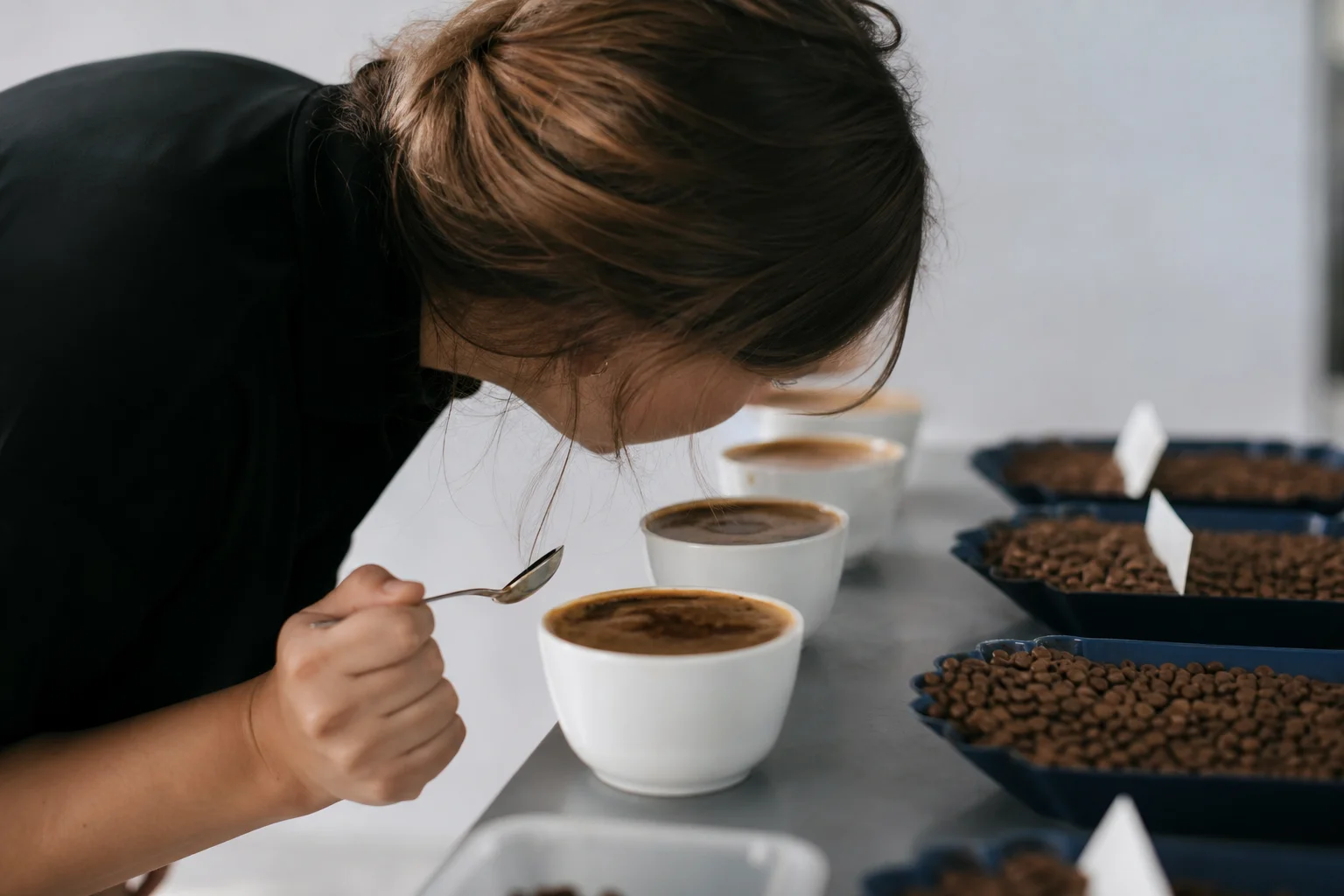
The semifinals present an unexpected result: one coffee that performed well throughout the tournament is eliminated in favor of a competitor that shows more fruit-forward characteristics and interesting complexity. This decision surprises even the taster, who acknowledges the difficulty of choosing between two genuinely good options.
The final matchup pits two coffees with distinctly different profiles against each other. One offers a sweeter, more caramel-forward profile with friendly approachability, while the other displays more acidity, brightness, and fruit notes that suggest greater complexity. The decision ultimately favors the coffee with more character and interesting flavor development, even though it is not a perfect cup.
The Winner: Philz Coffee
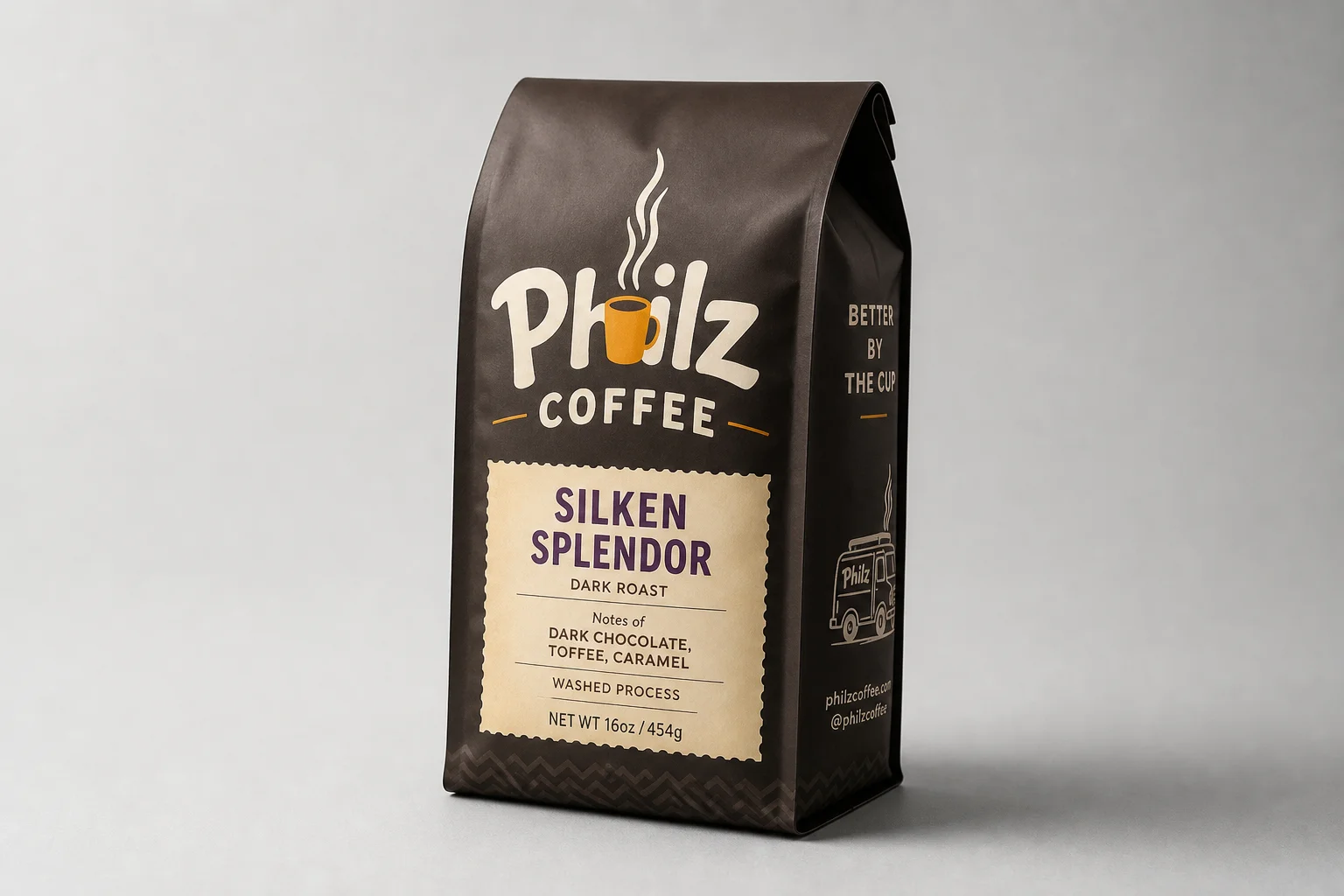
The tournament winner is Philz Coffee, specifically their Silken Splendor blend. This result surprises the taster, who had limited prior experience with the brand. The coffee distinguishes itself through interesting character and fruit-forward notes that set it apart from other grocery store options.
Philz Coffee’s victory is notable because it arrived as whole beans rather than pre-ground, which may have contributed to its superior flavor profile. The fresher grind likely preserved more volatile flavor compounds that would have degraded in pre-ground samples. However, the coffee’s inherent quality in terms of bean selection and roasting also plays a significant role in its success.
The winning coffee demonstrates that grocery store options can offer genuine complexity and character when sourced from specialty-focused roasters. Philz Coffee’s presence in grocery stores represents a middle ground between mass-market brands and dedicated specialty coffee shops.
Final Recommendations by Roast Level
Beyond the overall winner, the tasting process reveals strong performers in each roast category that deserve consideration based on personal preference.
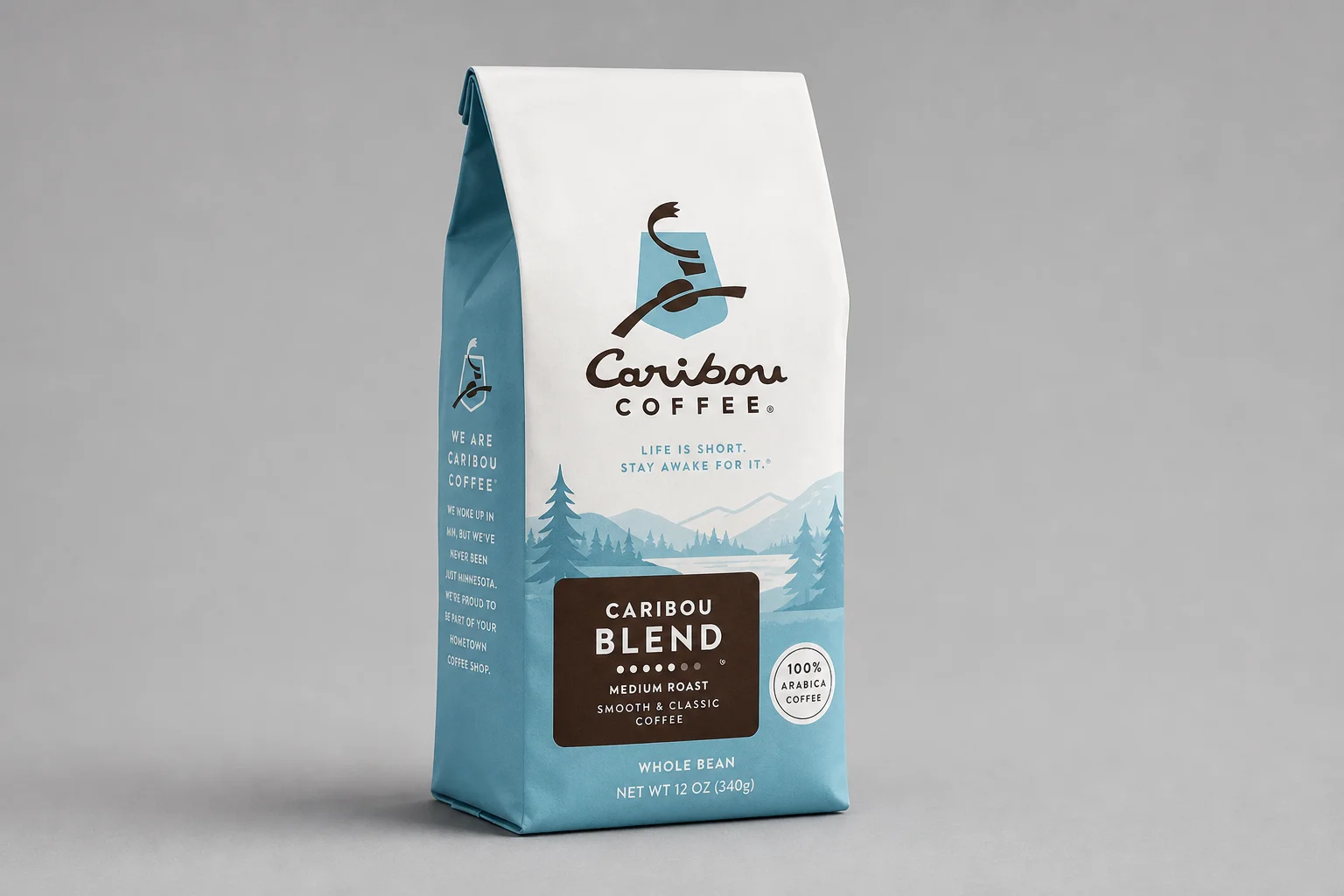
Best Light Roast: Caribou Coffee
Caribou Coffee emerges as the lightest option in the entire tasting. For those who prefer minimal roast flavor and maximum origin characteristics, this coffee delivers exactly what the category promises. The light roast emphasizes brightness and acidity while minimizing the heavy, developed flavors of darker options.
However, Caribou Coffee shows some limitations in sweetness and complexity compared to medium-roasted alternatives. The light roast profile makes it feel slightly empty when compared directly to more developed coffees. This characteristic is not a flaw but rather a reflection of the light roast style itself. Consumers who specifically seek light roasts will find this option satisfying, while those preferring more body and sweetness should consider medium roasts instead.
Best Medium Roast: Dunkin’ Coffee and Tim Hortons
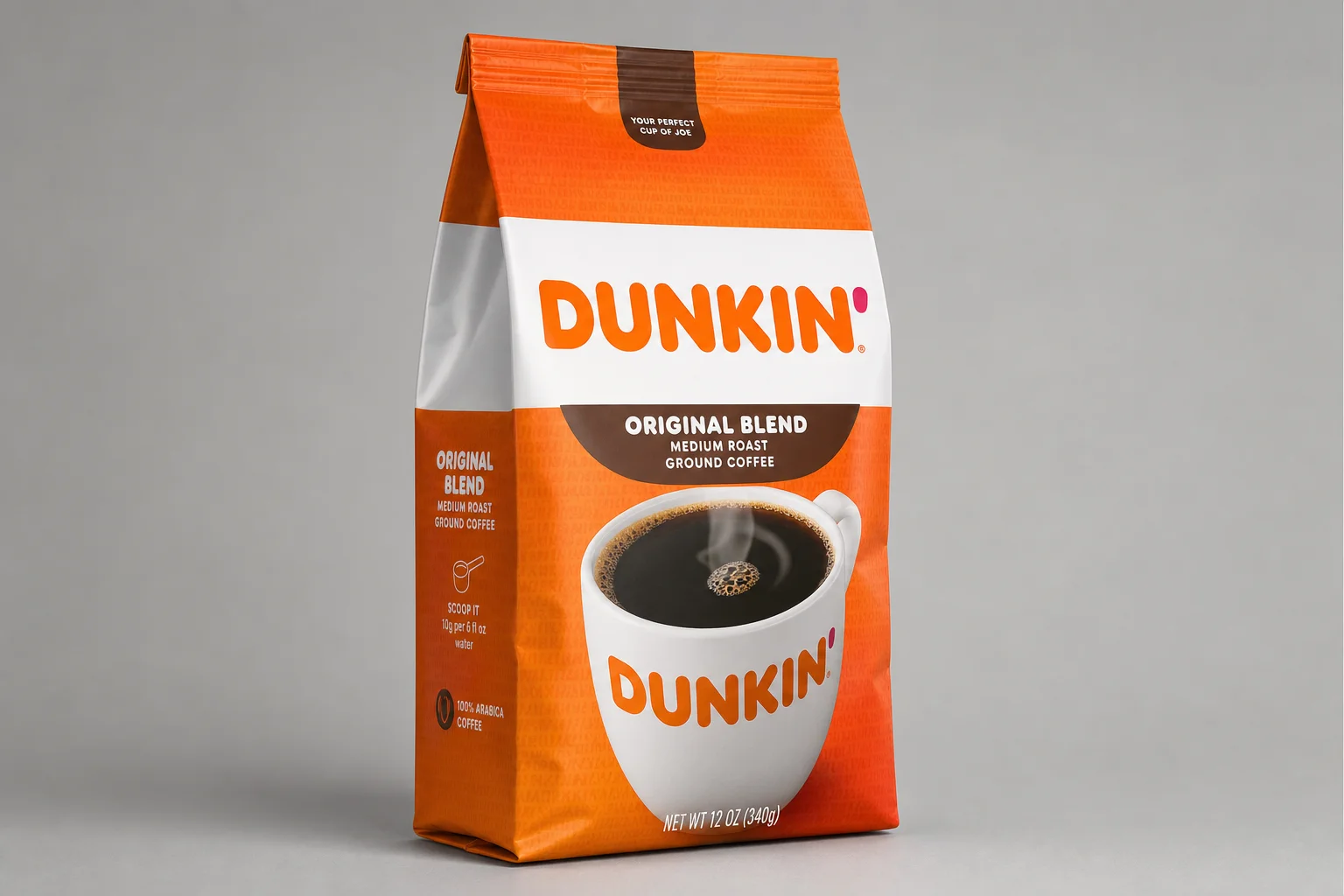
The medium roast category produces two standout options that both perform surprisingly well. Dunkin’ Coffee shows impressive complexity and balance, demonstrating that the brand’s grocery store offerings represent genuine quality. The coffee displays enough sweetness and development to feel complete without becoming overly dark or bitter.
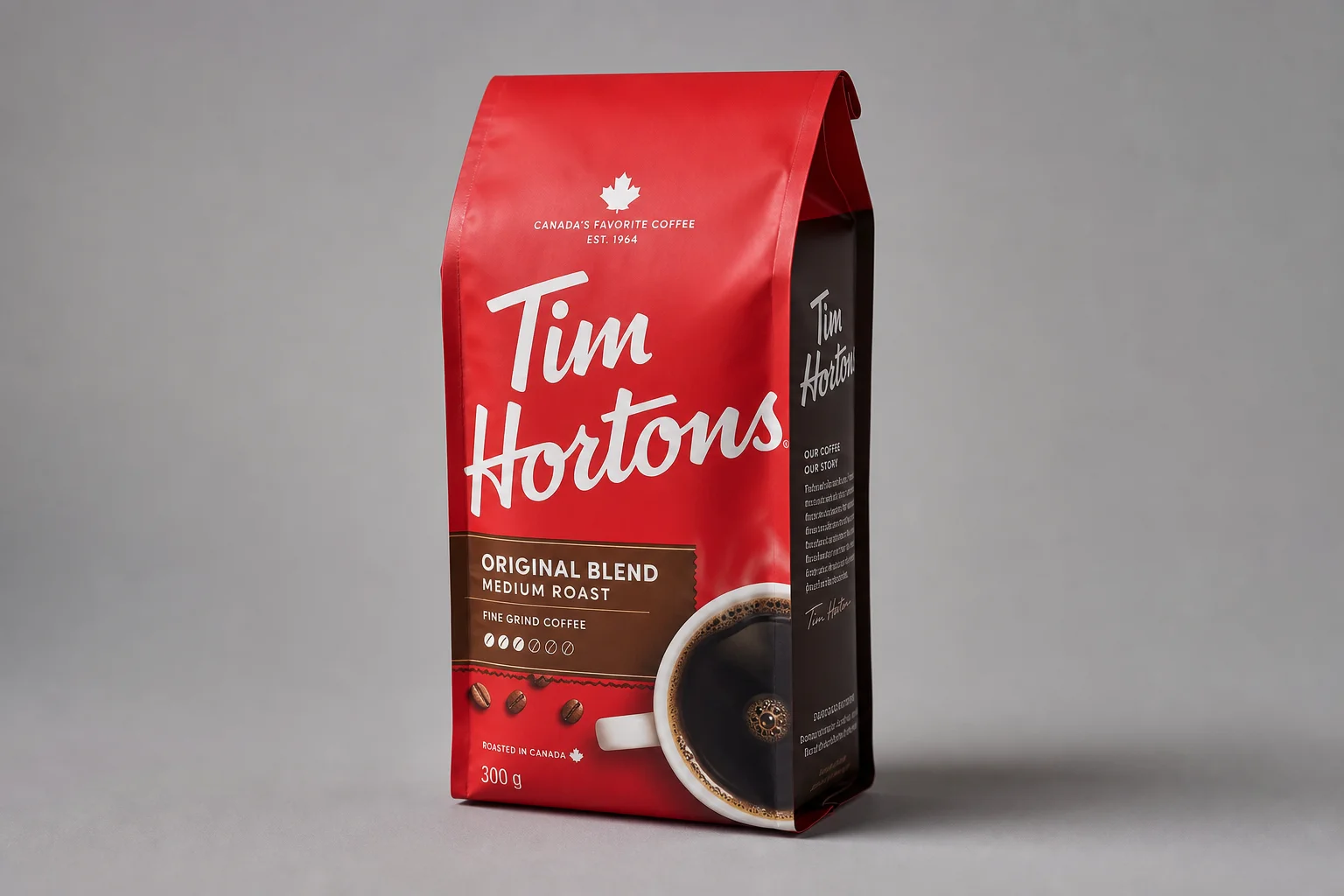
Tim Hortons also impresses in the medium roast category, offering complexity and character that exceeds expectations based on prior experience with the brand. Both coffees represent solid, dependable options that balance approachability with enough flavor development to remain interesting.
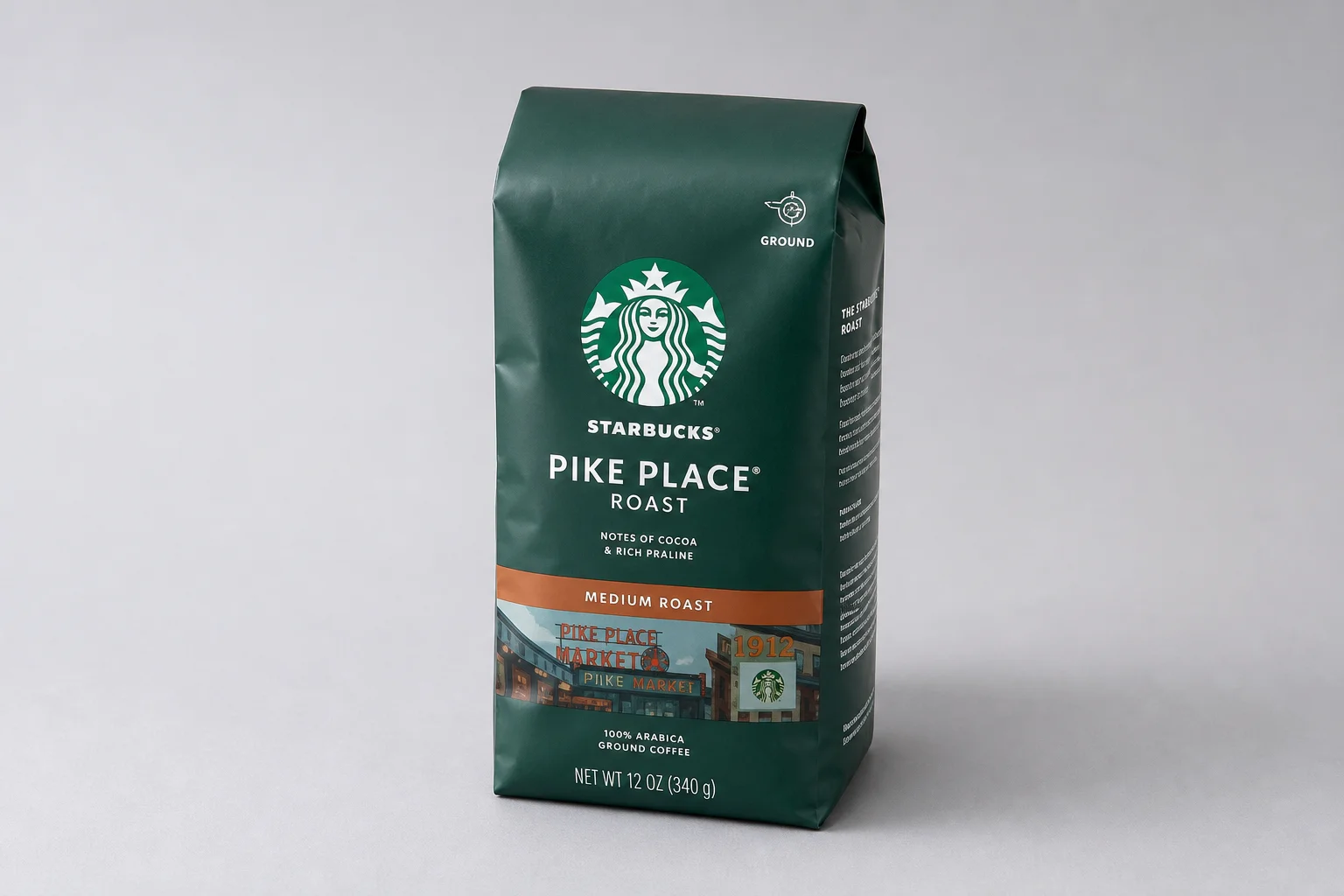
Starbucks Coffee rounds out the medium roast options with a solid, dependable profile. The coffee shows no significant flaws and represents the brand’s consistent approach to roasting. While not as interesting as Dunkin’ or Tim Hortons, Starbucks offers reliable quality that many consumers find satisfying.
Best Dark Roast: Caribou Coffee (Dark Profile)
The dark roast category presents a controversial recommendation. One coffee that was eliminated relatively early in the tournament actually represents the best dark roast option when reconsidered. The coffee lost in head-to-head matchups primarily because it was fractionally darker than competing coffees, making it seem less appealing in direct comparison.
Upon reflection, the raw coffee quality in this dark roast option appears superior to other dark roasts that advanced further in the tournament. For consumers who specifically enjoy dark roasted coffee, this option likely delivers better flavor and complexity than alternatives that performed better in the tournament format. The lesson here is that tournament-style comparisons do not always identify the best option in every category, particularly when roast level preferences vary significantly among consumers.
Conclusion
The grocery store coffee landscape offers more quality and variety than many consumers realize. While mass-market brands dominate shelf space, specialty roasters like Philz Coffee are increasingly available in conventional retail settings, offering an alternative to traditional options.
The key takeaway is that personal preference for roast level and flavor profile should guide purchasing decisions. A coffee that ranks highly in this tasting may not be the best choice for someone who prefers a completely different roast style. The recommendations provided here serve as a starting point for exploration rather than definitive rankings that apply universally to all coffee drinkers.
For those seeking the most interesting and complex option available in grocery stores, Philz Coffee represents the best choice. For those with specific roast preferences, the category-specific recommendations provide alternatives that deliver quality and satisfaction at the grocery store level.
Further reading
Related Reviews
Coffee Reviews
Nespresso OriginalLine Capsules: A Complete Tasting Guide to 36 Varieties
A comprehensive review of all 36 Nespresso OriginalLine capsules available in the UK store, evaluating roast level, complexity, and character across single-origin, blended, and flavored options.

Backpacking Gear
Building a 10 lb Base Weight: An Ultralight Backpacking Gear List
A practical walkthrough of the ultralight pieces behind a 10 lb base weight, from a 765 g pack and a roomy one-person tent to a full camp chair and a dependable water filter.

Road Bikes
10 New Road Bikes Worth Watching: Aero, Titanium, Steel and Endurance Standouts
A practical roundup of 10 new road bikes, from aero flagships chasing single-watt gains to titanium, steel and endurance platforms built for real roads.