Sleeping Pads
Therm-a-Rest NeoAir XLite vs NeoAir XLite NXT vs Nemo Tensor Elite: Ultralight Sleeping Pads Compared
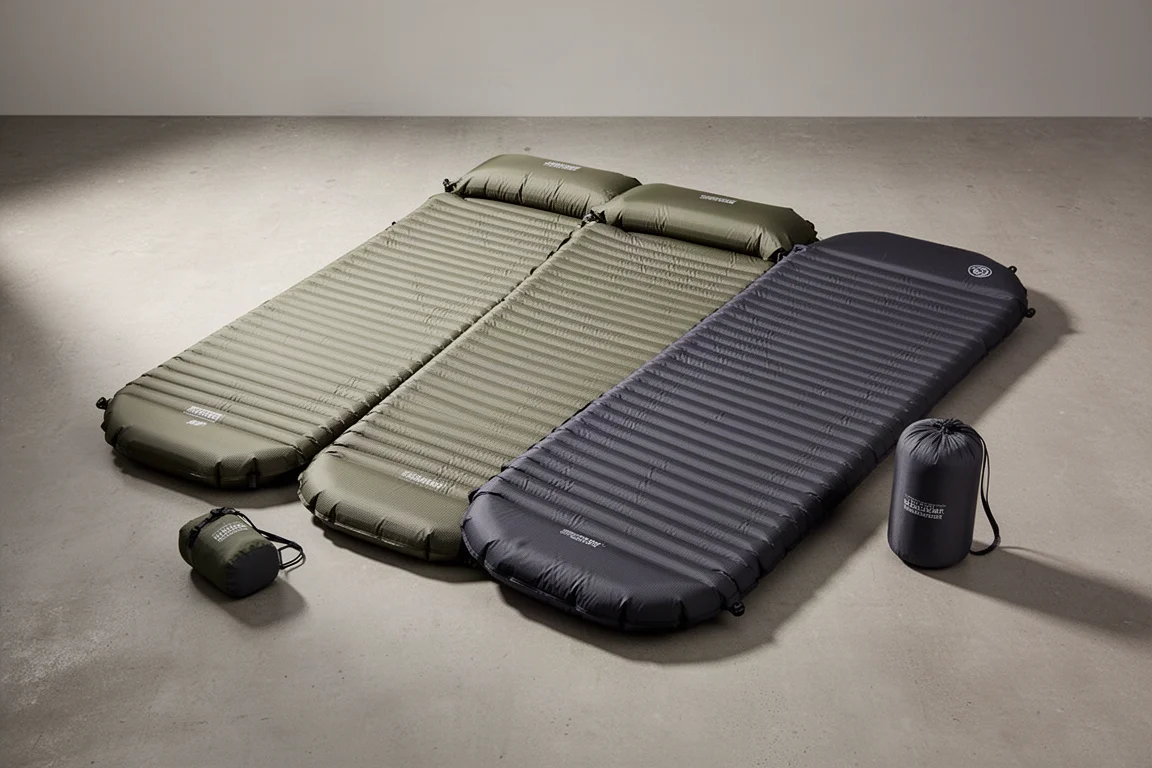
A three-way look at ultralight three-season sleeping pads: the discontinued NeoAir XLite, its NXT successor, and the full-length Nemo Tensor Elite.
Introduction
Sleep is the part of a backpacking trip that gear can make or break, and few items shape it more than the sleeping pad. A closed-cell foam mat weighs almost nothing and never fails, but after a few hundred miles of long-distance walking, hips and shoulders tend to file complaints that no foam mat can answer.
The Therm-a-Rest NeoAir XLite is the pad that changed that calculation for a lot of three-season backpackers, and it stayed the reference point for years. This comparison sets the original XLite against its current successor, the NeoAir XLite NXT, and against the Nemo Tensor Elite, a full-length pad that undercuts both on weight.
What Ultralight Backpackers Should Look For
Four numbers decide most of the argument: weight, thickness, R-value, and length. Weight is the obvious one, since every ounce rides on your back for the whole trip. Thickness determines whether you sleep comfortably on your side or wake up with a numb shoulder. R-value describes how much warmth the pad keeps between you and the ground, which decides whether it works across three seasons or only in summer. Length is the trade that thru-hikers make most often: a short pad that runs from head to knees saves real weight, as long as you are willing to put your pack under your legs.
Durability is the fifth factor, and the one that is hardest to judge from a spec sheet. An inflatable pad is a thin fabric envelope holding air, so punctures are a matter of when rather than if. What separates pads is how well they survive a repair and whether the maker gives you the tools to fix one in the field.
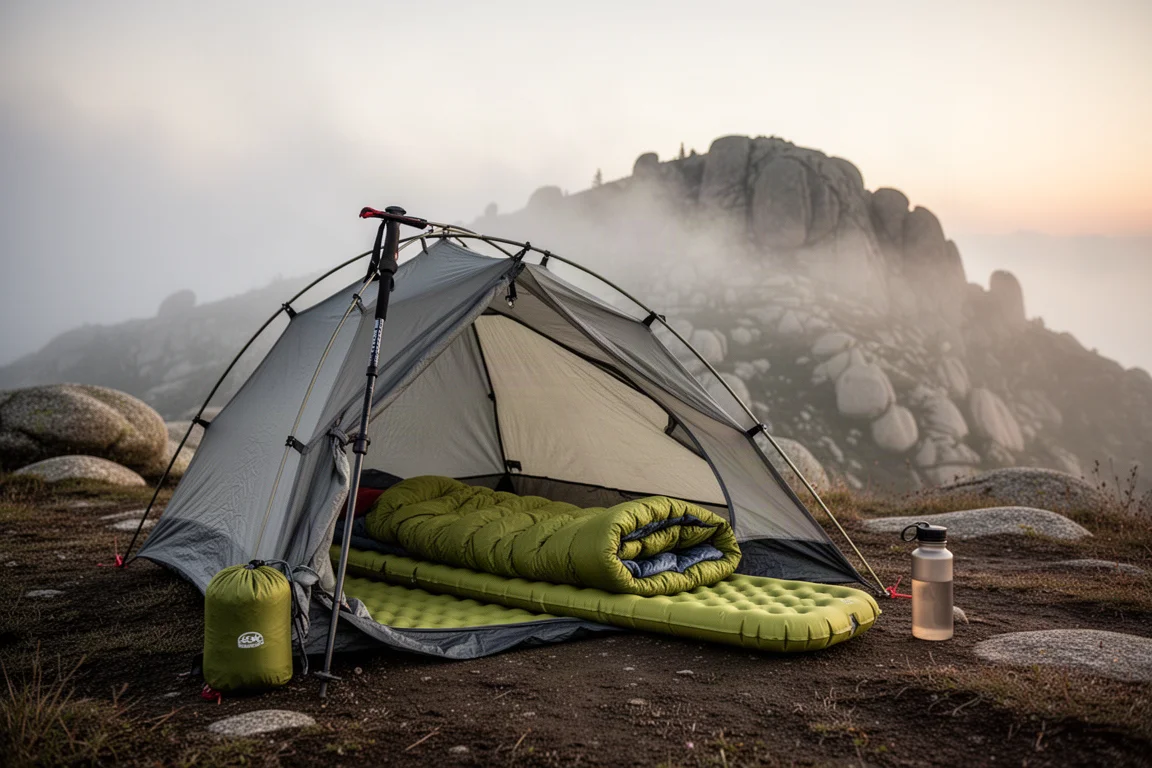
That last point matters more on a long trail than in a weekend campsite. A pad that springs a slow leak in the middle of a thru-hike turns every night into a maintenance job, and replacing gear mid-trail is rarely simple.
Therm-a-Rest NeoAir XLite: The Original Benchmark
The XLite earned its following on long-distance trails. The short version weighs 8 ounces, which is remarkable for a pad that is 2.5 inches thick and carries an R-value of 4.2. Those numbers make it a genuine three-season pad rather than a summer-only mat, and the combination of low weight and real warmth is why it stayed the default recommendation for so many thru-hikers.
Therm-a-Rest offered it in several lengths, including short, regular, and long, and at one point sold a women’s-specific version that was slightly warmer. That range of sizes made it easy to match the pad to a body and to a personal budget of ounces.
Within the inflatable category it also proved reasonably durable. Punctures happened, but usually as a result of poor campsite selection rather than a weak pad. Every pad shipped with an in-field patch kit, and those patches were simple to apply and held for thousands of miles afterwards, which is the kind of reliability that keeps a piece of gear in a pack for years.
The catch is that the original XLite has been discontinued. Therm-a-Rest moved the line to the NXT version, so the original now lives on mainly through secondhand listings.
Therm-a-Rest NeoAir XLite NXT: More Comfort at a Weight Cost
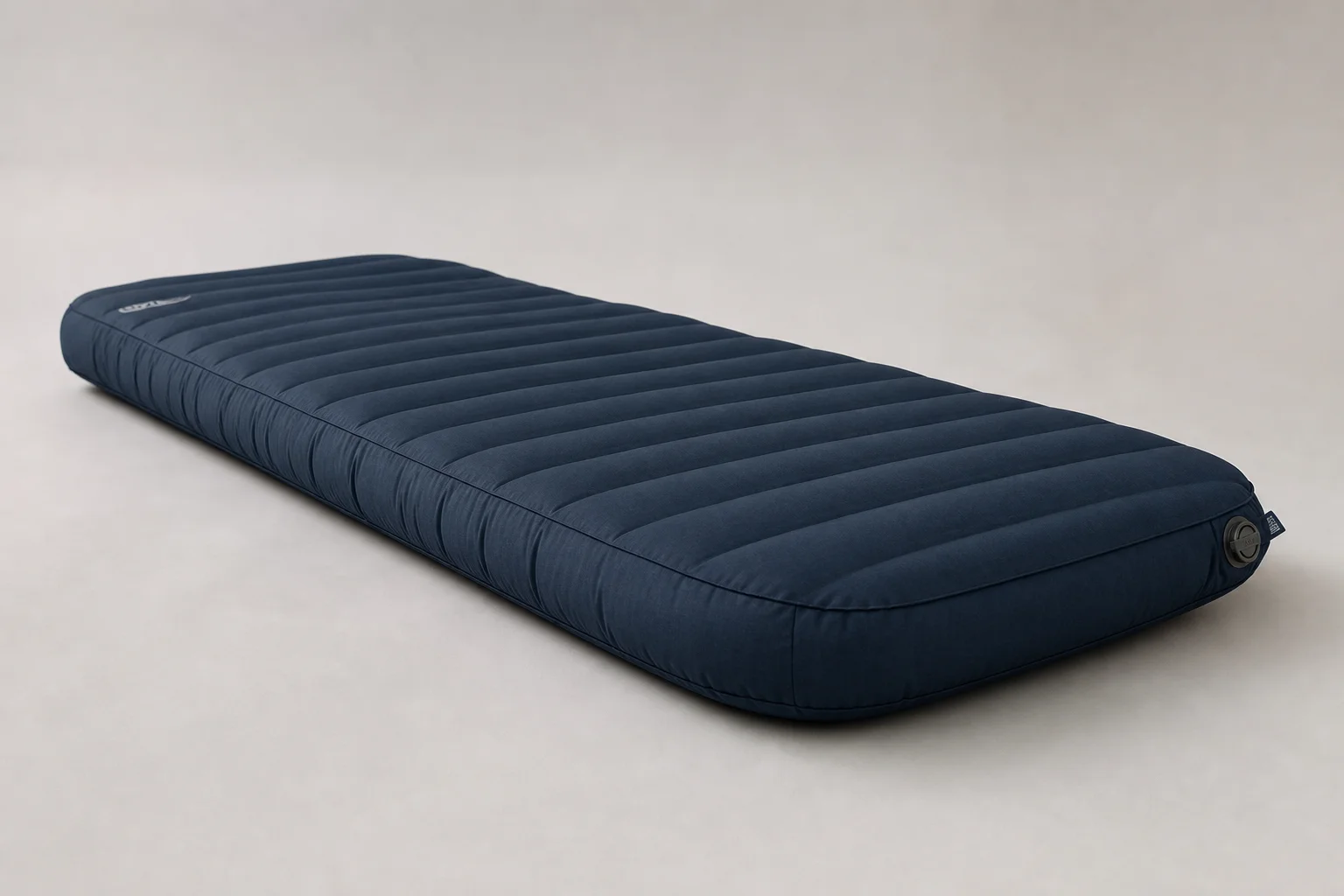
The NXT is the current XLite. It is slightly thicker and slightly warmer than the original, which sounds like an unambiguous upgrade until you look at the scale: the short version weighs about 11.5 ounces, roughly 3.5 ounces more than the short XLite it replaces.
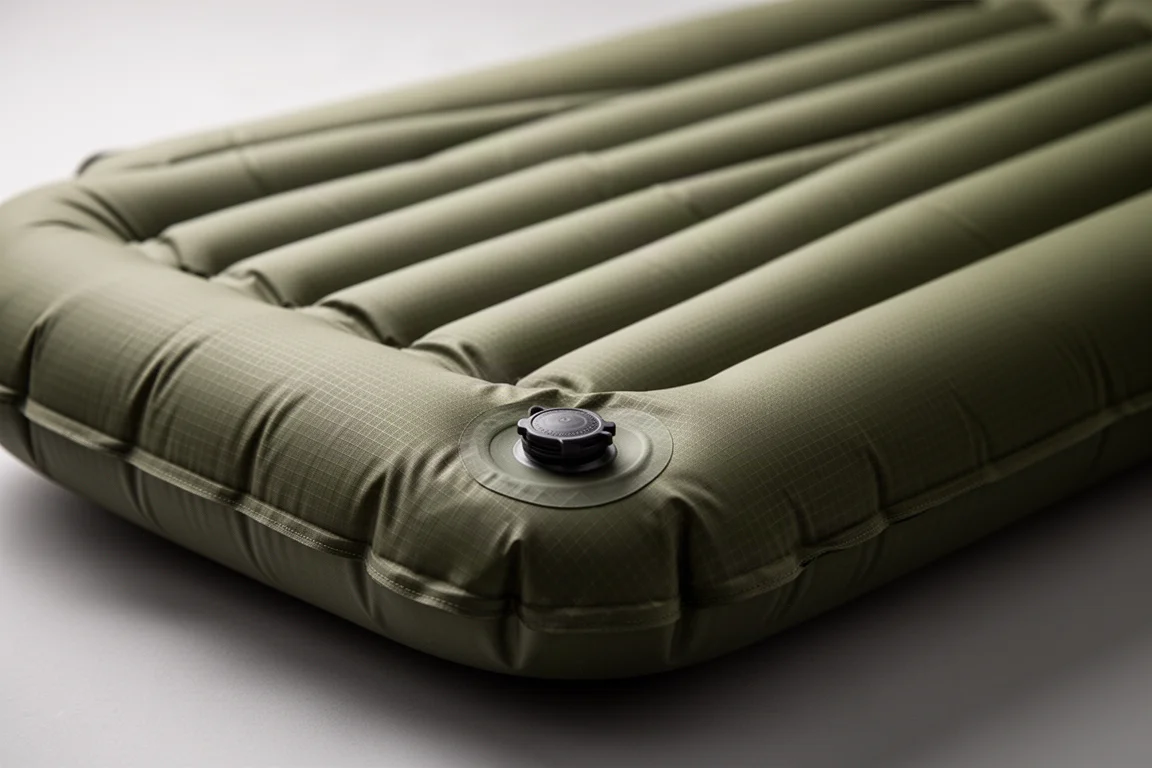
For a thru-hiker who chose the short pad specifically to save weight, that is the whole story. The extra thickness and warmth are genuine improvements for some sleepers, but they are not features that everyone was asking for. If the original already kept you warm enough on a three-season trip, the NXT asks you to carry more weight for comfort you did not need.
Nemo Tensor Elite: Full Length, Just Under Eight Ounces
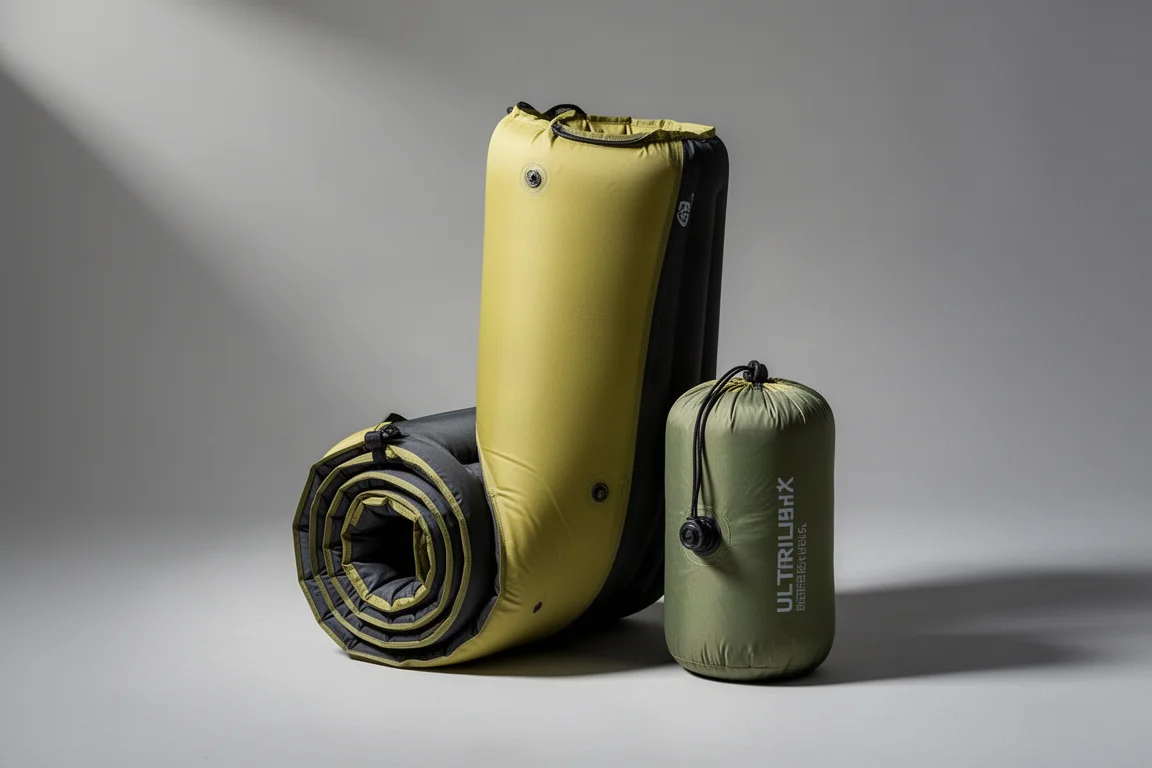
The Nemo Tensor Elite takes a different approach. It weighs just under 8 ounces while being a full-length pad, which is an unusual combination and the main reason it is worth a look if the original XLite is no longer an option. It is also 3 inches thick, a little more cushioning than the XLite offered.
The trade-off is warmth. Its R-value is 2.4, well below the XLite’s 4.2, which makes it a less comfortable choice in cold spring weather and late autumn conditions depending on where you are hiking.
Durability was the bigger concern on a long trail. A pad can be punctured by something as ordinary as a stubby stick left where a plant once grew, and in that case the patch kit worked exactly as it should. The problem came later, when a slow leak developed elsewhere on the pad during a thru-hike. Nights turned into repeated inflation, and a pad that cannot be counted on is a difficult thing to carry for weeks at a time.
Durability, Patching, and Long-Term Reliability
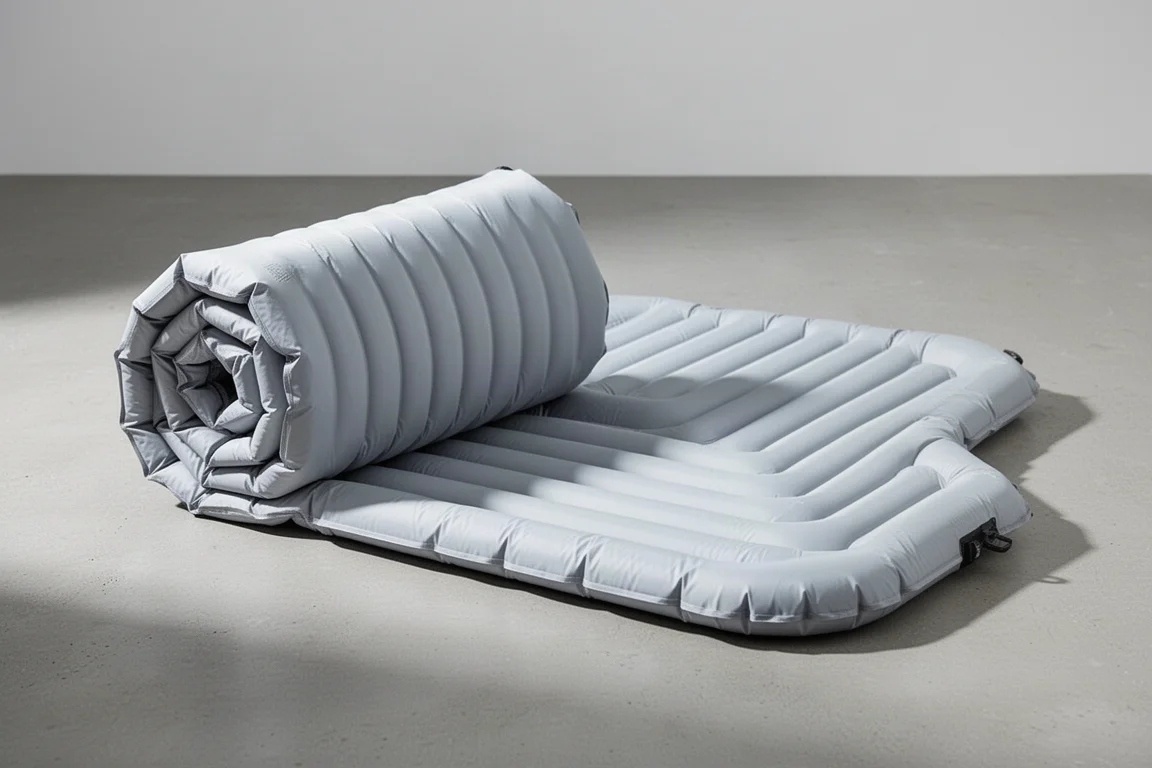
Inflatable pads all fail eventually, so the useful question is how they fail and how they recover. Two things separate a manageable puncture from a trip-ruining one: whether the patch holds, and whether the leak stays fixed.
Therm-a-Rest includes an in-field patch kit with its pads, and the patches are straightforward to apply. Once applied, they have a record of holding for thousands of miles without leaking from the repaired spot. That is the difference between a pad you trust for another season and a pad you keep checking every night.
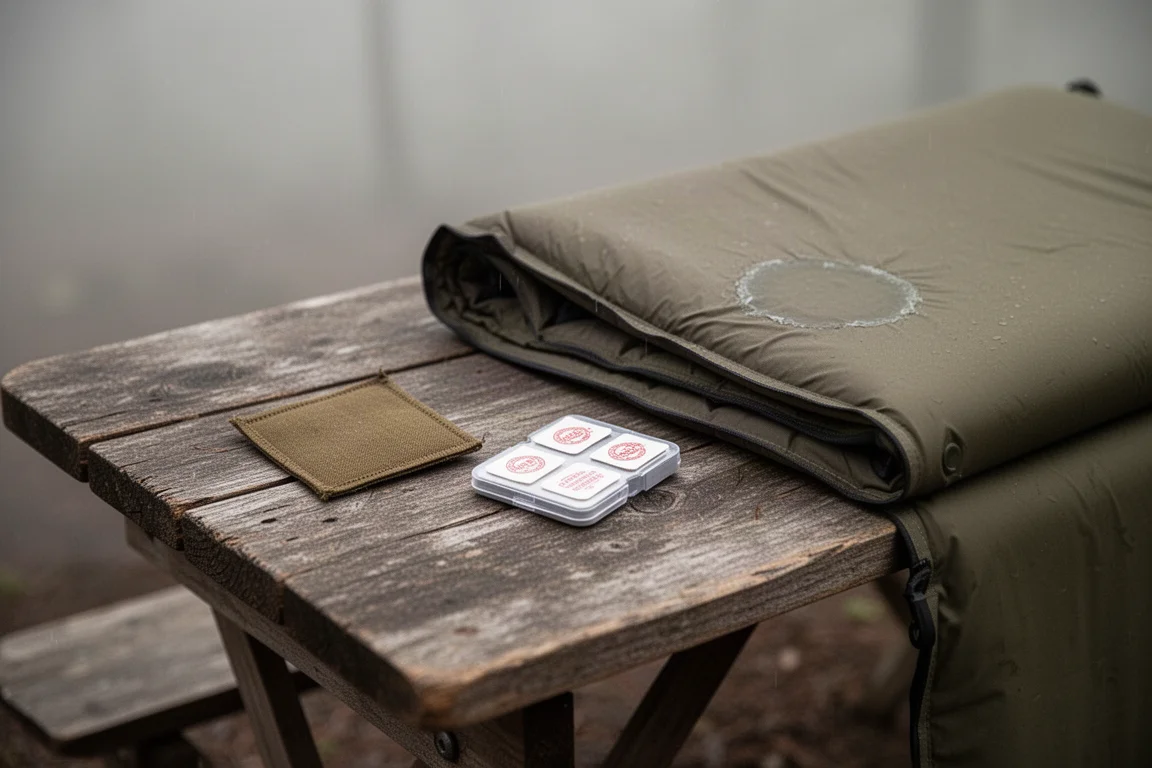
A slow leak that appears somewhere other than the repaired area is a different problem entirely. It is also the reason a lighter pad is not automatically the better one on a long-distance trip, where reliability is worth more than a few ounces saved.
Weighing Warmth, Weight, and Length
Set the three pads side by side and the trade-offs become clear. On weight, the short XLite is the lightest at 8 ounces, the Tensor Elite is close behind at just under 8 ounces while being full length, and the NXT short sits at about 11.5 ounces.
On warmth, the XLite’s 4.2 R-value is comfortably ahead of the Tensor Elite’s 2.4, and that gap decides whether a pad works through a cold shoulder season or only in mild conditions. On length, the Tensor Elite gives full coverage without a weight penalty, while the short XLite depends on the hiker’s willingness to put a pack under their legs.
Buying Advice
If you want the exact balance of 8 ounces, 2.5 inches of thickness, and a 4.2 R-value that made the original XLite a benchmark, the honest answer is that the pad has been discontinued, and secondhand listings are the remaining route. Those listings are worth checking carefully, because the value of this pad is tied to its condition and its repair history.
The NXT is the current model in that line. It is the right choice if you want a little more cushioning and warmth and can accept the extra weight, and it keeps the same patch kit support. Backpackers who were happy with the original’s warmth may find the added ounces harder to justify.
The Nemo Tensor Elite makes sense for warm-weather trips where a full-length pad under 8 ounces matters more than a high R-value, and for anyone willing to keep an eye on durability across a long season of use.
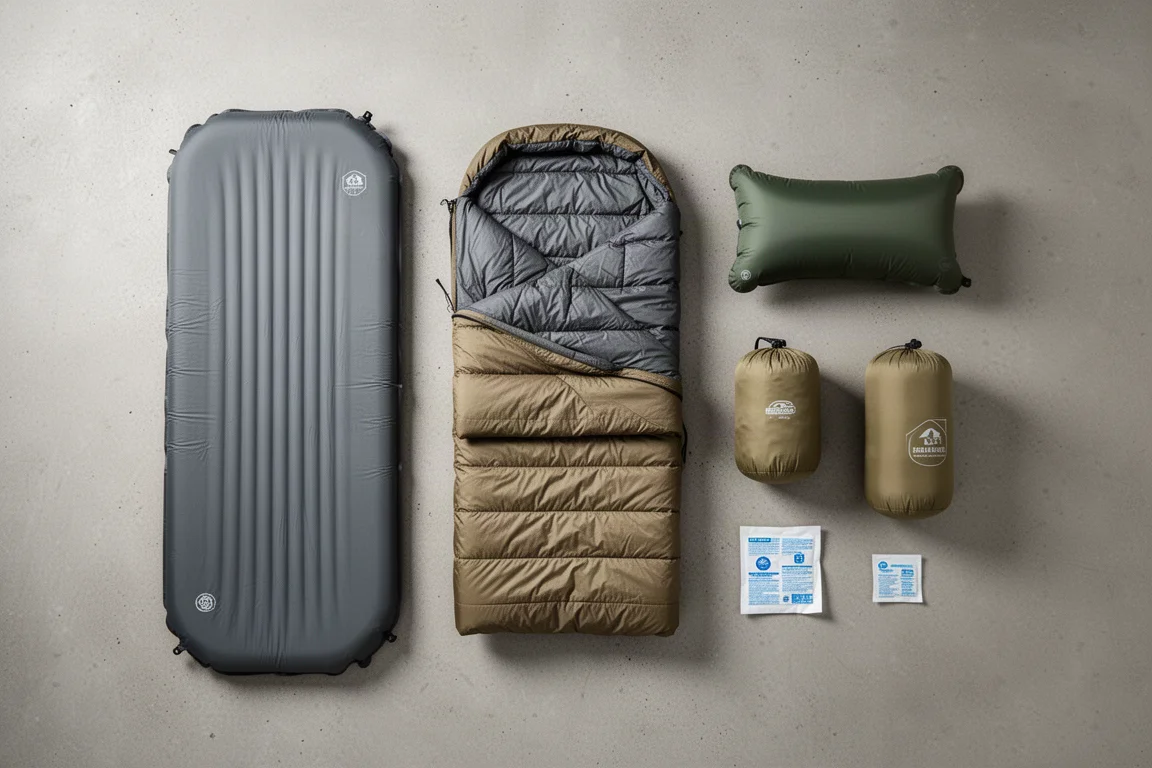
Whatever you choose, match the pad to the conditions you actually hike in rather than the ones you hope to hike in. A warm pad you never needed is dead weight, and a light pad that leaves you cold at two in the morning is worse than the ounces you saved.
Conclusion
Three pads, three different answers. The Therm-a-Rest NeoAir XLite remains the reference point for three-season thru-hiking at 8 ounces with a 4.2 R-value, even though it is no longer in production. The NeoAir XLite NXT is its direct successor, thicker and warmer but about 3.5 ounces heavier in the short size. The Nemo Tensor Elite is the lightest full-length option of the three, with a lower R-value and durability that asks for more care.
The right pad is the one that matches your terrain, your season, and how much you are willing to carry. If you are counting ounces on three-season trips, start with the warmth you need and work backwards to weight, rather than the other way around.
Further reading
Related Reviews
Sleeping Pads
Best Backpacking Sleeping Pads 2026: Nine Pads Rated on Price, Comfort, Warmth, and Weight
Nine backpacking sleeping pads compared on price, comfort, warmth, and weight, from a $65 summer pad to a year-round option rated at R-7.3.
Sleeping Pads
Best Backpacking Sleeping Pads: Comfort, Warmth, and Weight Compared
A practical comparison of the Nemo Quasar 3D, Therm-a-Rest NeoAir XTherm Max, and Big Agnes Rapide SL for backpackers choosing between comfort, warmth, and packed weight.
Sleeping Pads
Best Backpacking Sleeping Pads: Ultralight, Winter, Comfort and Budget Picks
A practical roundup of the sleeping pads that stand out for ultralight weight, winter warmth, pressure relief and value, plus three popular pads that fell short.