Sleeping Pads
Nemo Tensor Sleeping Pads Compared: Trail vs All-Season vs Extreme Conditions
A practical comparison of the three redesigned Nemo Tensor sleeping pads, covering R-value, weight, insulation layers, price, and which model suits which trip.
Introduction
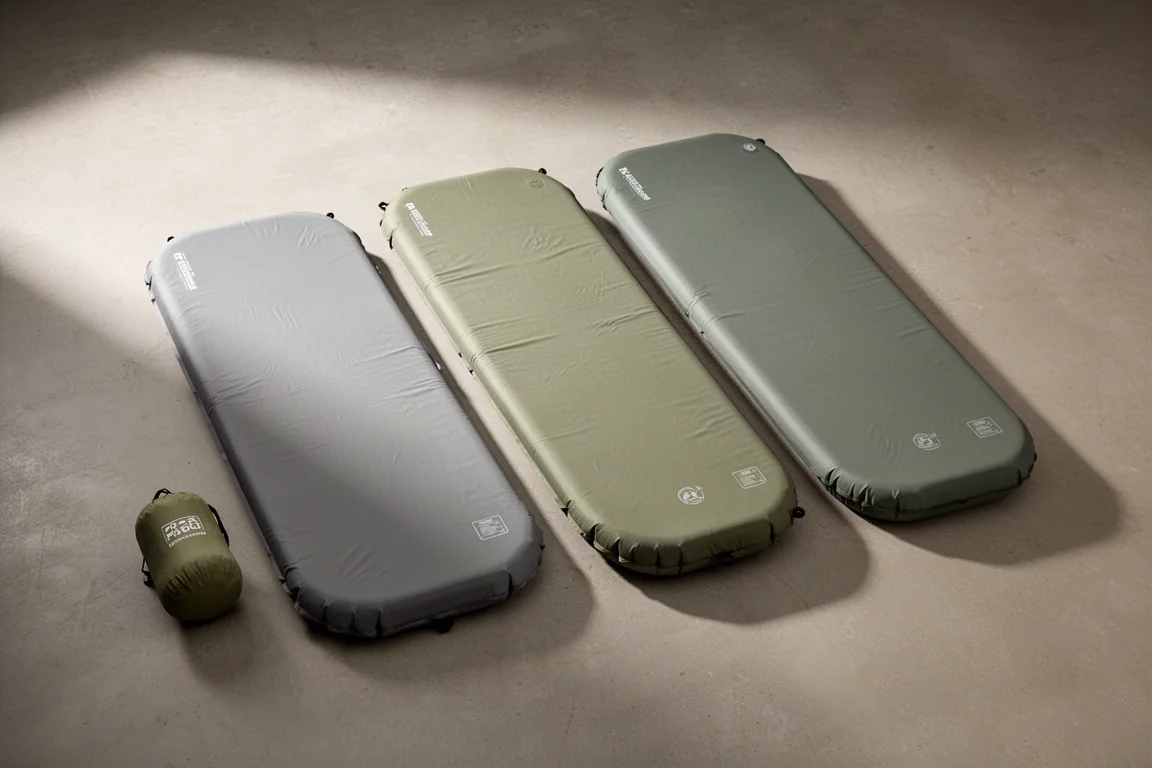
The redesigned Nemo Tensor line is built around a straightforward idea: match the pad’s warmth to the trip you are actually taking. The series now splits into three models, and the main thing separating them is R-value, the measure of how well a pad resists heat loss to the ground. The Tensor Trail sits at the warm-weather end, the Tensor All-Season covers the middle, and the Tensor Extreme Conditions pushes insulation to the top of the range.
All three are inflatable backpacking pads with weight savings as a design priority. They share the same fabric specification, the same 3.5 inch thickness, and the same updated valve, so the decision mostly comes down to how much insulation you need and how much you are willing to pay for it. This comparison looks at all three in a regular wide size for a like-for-like read on warmth, weight, and price.
How the Three Tensor Models Differ
Insulation is the clearest dividing line. The Tensor Trail carries an R-value of 2.8 with a single layer of metallized film suspended inside the pad. The Tensor All-Season moves up to an R-value of 5.4 with two layers of suspended metallized film. The Tensor Extreme Conditions reaches an R-value of 8.5 using four layers of the same suspended film.
Baffle construction separates the warmest model from the other two. Trail and All-Season use Nemo’s space frame baffles, a rectangular truss that supports the pad and holds the insulation in position. Extreme Conditions uses what Nemo calls an Apex baffle, a trapezoidal truss with smaller cutouts designed to keep the four film layers from settling toward the bottom of the pad.
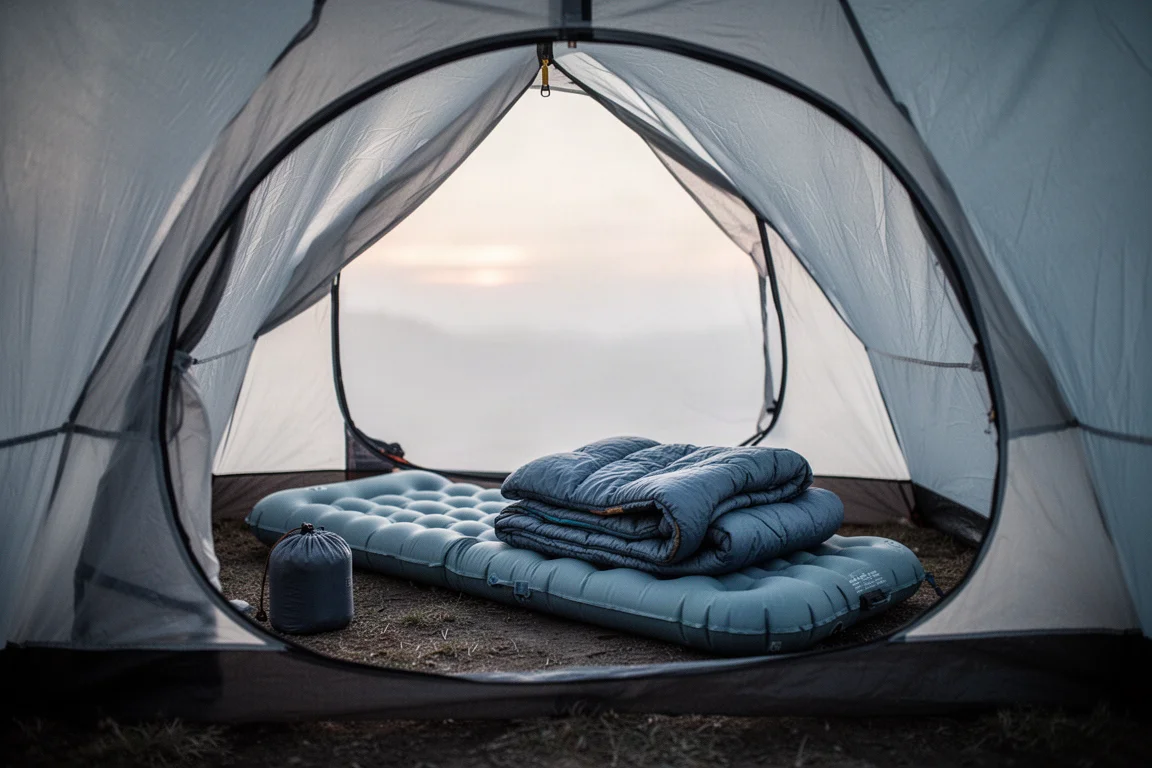
Price and weight rise with the warmth rating. In the regular wide size, the Trail is $189 and 20 oz, the All-Season is $220 and 22 oz, and the Extreme Conditions is $259 and 25 oz. That works out to a modest weight spread across the entire series, which is the detail worth keeping in mind as you read the individual models.
Nemo Tensor Trail: Warm-Weather Weight Savings
The Tensor Trail is the most cost-effective pad in the series and the lightest of the three at 20 oz in the regular wide size. Its 2.8 R-value places it firmly in warm-weather territory, and it is not a pad to take below freezing. The intended use case is summer and shoulder-season trips where a higher R-value would simply be unnecessary weight and expense.
Even with the lower rating, the single layer of metallized film insulation inside the pad still shields you from cold ground on brisk alpine evenings. The space frame baffle construction gives the pad a supportive, stable feel, and the packed size is small enough to disappear into a backpack. For a warm-weather backpacker who wants dependable sleep without spending heavily, this is a sensible starting point.
Nemo Tensor All-Season: The Versatile Middle Ground
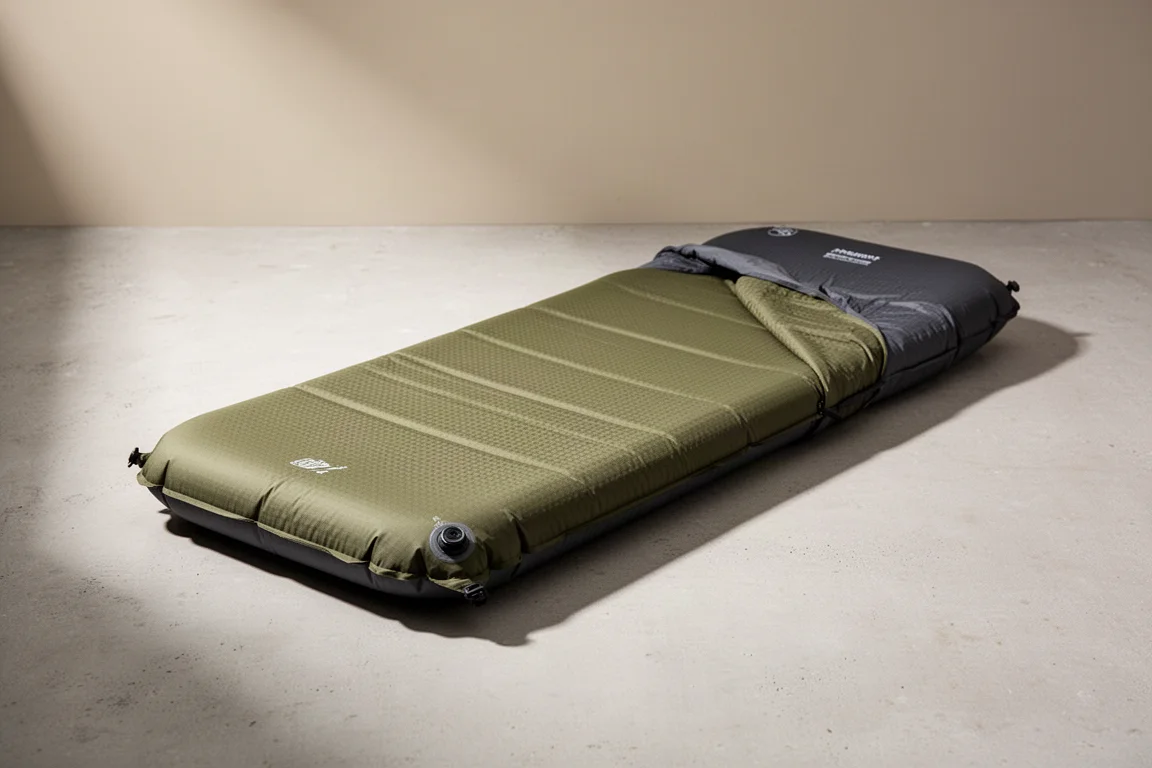
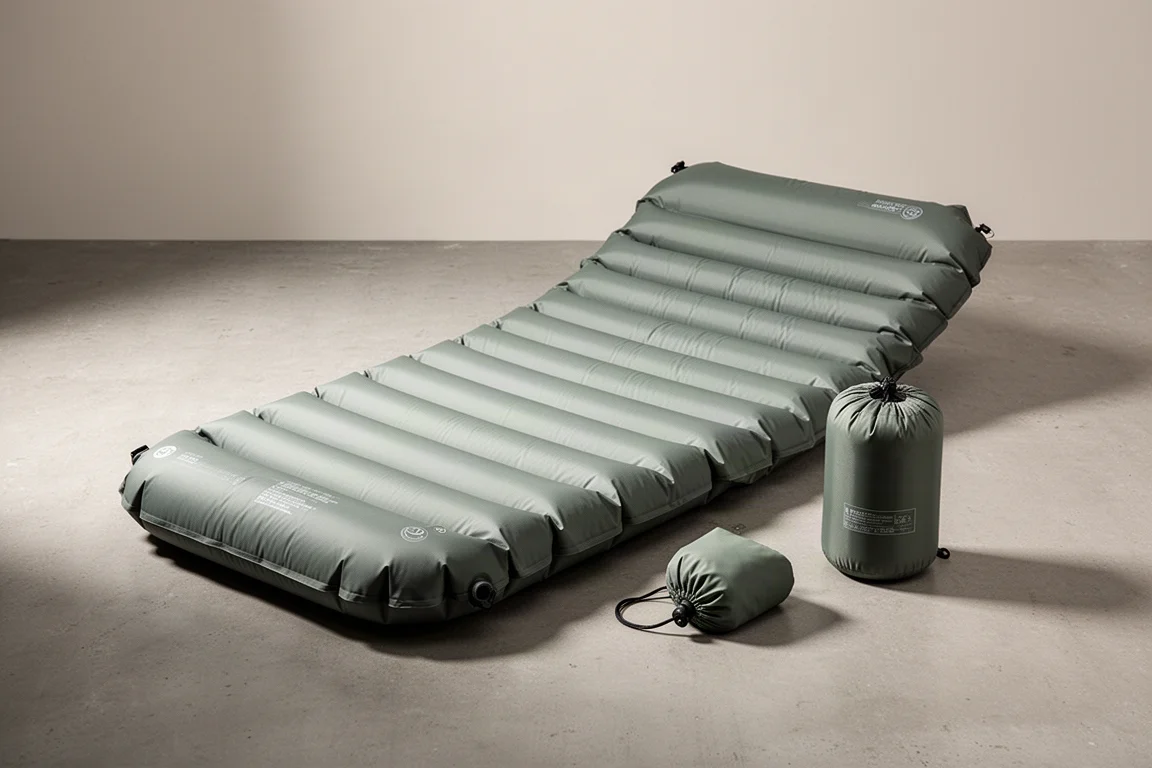
The Tensor All-Season is the middle model and the one that fits the widest range of trips. Its 5.4 R-value comes from two layers of suspended metallized film, which adds enough insulation to handle freezing temperatures and cold ground. In the regular wide size it weighs 22 oz and costs $220, only 2 oz and a modest amount more than the Trail.
For most backpackers this is the most versatile option in the line. It delivers meaningfully more warmth than the Trail for a small weight penalty, and it costs less than the Extreme Conditions while covering the conditions that typical three-season trips involve. It uses the same space frame baffles and the same 3.5 inch height as the Trail, so the difference between the two is insulation rather than shape or feel.
Nemo Tensor Extreme Conditions: Maximum Warmth
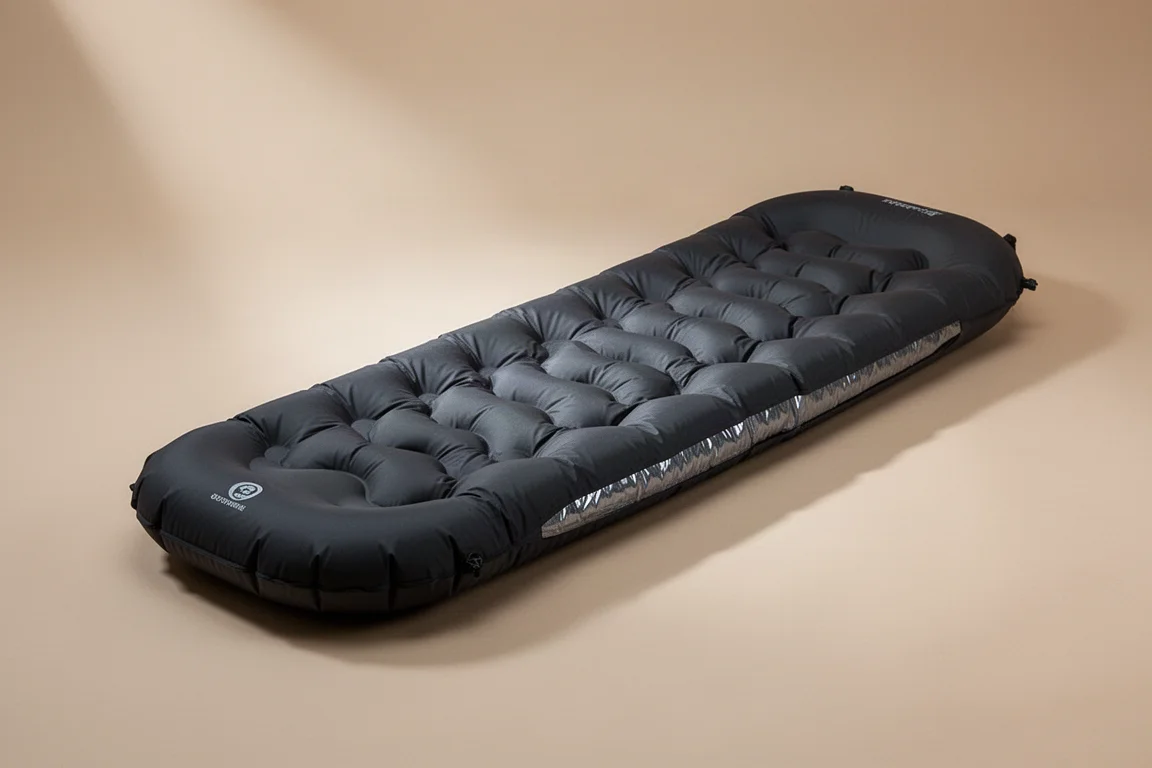
The Tensor Extreme Conditions is the flagship of the range. An 8.5 R-value is achieved with four layers of suspended metallized film, and the Apex baffle design keeps those layers spread through the pad instead of collecting at the bottom. Nemo claims the highest warmth-to-weight ratio of any inflatable pad of this type currently on the market, and the numbers behind that claim are a 25 oz weight in the regular wide size at $259.
That is a lot of insulation, and it is worth asking honestly how often you will need it. This pad is aimed at sleepers who run cold, who camp on frozen ground, or who head out in winter conditions. For the majority of three-season backpacking trips, the extra warmth goes largely unused while the price premium stays with you.
Shared Construction and Materials
All three pads use the same fabric specification. The top layer is 20 denier nylon, chosen to keep weight and packed size down, while the bottom layer is a tougher 40 denier nylon that provides the durability needed for ground contact. That combination is a deliberate balance between saving grams and surviving seasons of use.
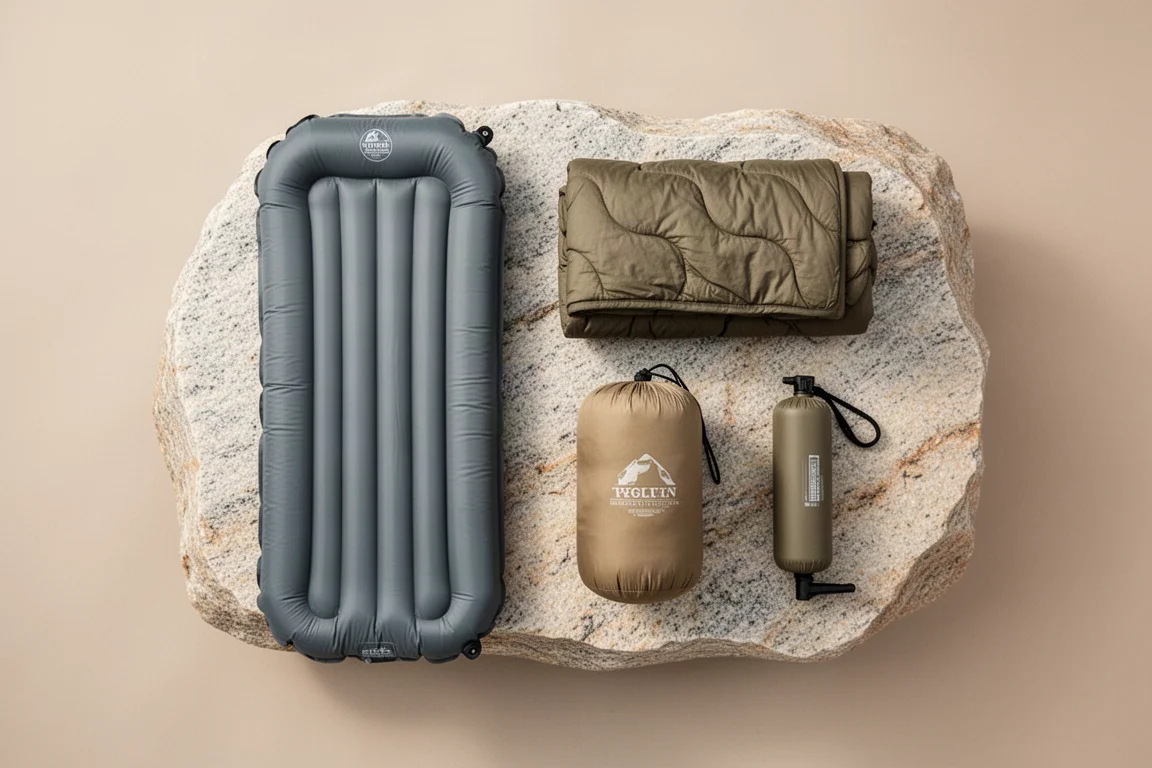
The valve has also been updated across the series. Rather than being attached to the outer fabric, it is contained within the pad itself, made from a softer material, and is easier to operate as a result. Every model in the line stands 3.5 inches tall, which gives enough depth for back sleepers and side sleepers alike.
Weight, Pack Size, and Comfort in Practice
Weight rises gradually across the range: 20 oz for the Trail, 22 oz for the All-Season, and 25 oz for the Extreme Conditions in the regular wide size. Those are small increments, and each one buys a step up in insulation value rather than a bulkier or slower-packing pad. Packed size stays compact across all three models.
On comfort, these pads are supportive and stable thanks to the baffle construction, and they sleep well for both back and side sleepers. They are not the plushest pads on the market, and anyone who prioritizes maximum cushioning above all else should compare a few alternatives before committing. What the Tensor line offers instead is a predictable, well-tested design where the warmth rating you buy is the warmth you get.
Buying Advice: Which Tensor Pad Makes Sense
Start with the coldest conditions you realistically expect to camp in, then work backward to a model. If your trips are mostly summer and warm-weather outings, the Tensor Trail delivers reliable comfort with the lowest weight and the lowest price in the series. It is a strong choice for anyone expanding into backpacking without overspending.
For the broadest group of backpackers, the Tensor All-Season is the pick. Its 5.4 R-value handles freezing nights and cold ground, and the 2 oz gap over the Trail is easy to accept in exchange for that added protection. It covers three-season conditions comfortably and remains a high-performance pad rather than a compromise.
The Tensor Extreme Conditions earns its place for cold sleepers, winter campers, and anyone who regularly pitches on frozen ground. If that describes your trips, the 8.5 R-value and the modest 3 oz increase over the All-Season make a persuasive case. If it does not, the All-Season will likely keep you just as warm for less money.
Conclusion
The redesigned Nemo Tensor series makes the choice unusually clear, because the three models differ mainly in insulation rather than in shape, fabric, or features. The Trail is the light, affordable warm-weather pad, the All-Season is the versatile middle option that suits most three-season backpacking, and the Extreme Conditions is the specialist for genuinely cold conditions. Pick the warmth level your trips demand, and the rest of the decision falls into place.
Further reading
Related Reviews
Sleeping Pads
Best Backpacking Sleeping Pads 2026: Nine Pads Rated on Price, Comfort, Warmth, and Weight
Nine backpacking sleeping pads compared on price, comfort, warmth, and weight, from a $65 summer pad to a year-round option rated at R-7.3.
Sleeping Pads
Best Backpacking Sleeping Pads: Comfort, Warmth, and Weight Compared
A practical comparison of the Nemo Quasar 3D, Therm-a-Rest NeoAir XTherm Max, and Big Agnes Rapide SL for backpackers choosing between comfort, warmth, and packed weight.
Sleeping Pads
Best Backpacking Sleeping Pads: Ultralight, Winter, Comfort and Budget Picks
A practical roundup of the sleeping pads that stand out for ultralight weight, winter warmth, pressure relief and value, plus three popular pads that fell short.