Sleeping Pads
Nemo Tensor Sleeping Pads Compared: Trail vs All-Season vs Extreme Conditions
Nemo's redesigned Tensor line splits into three R-value tiers. Here is how the Trail, All-Season, and Extreme Conditions differ in warmth, weight, and price.
Introduction
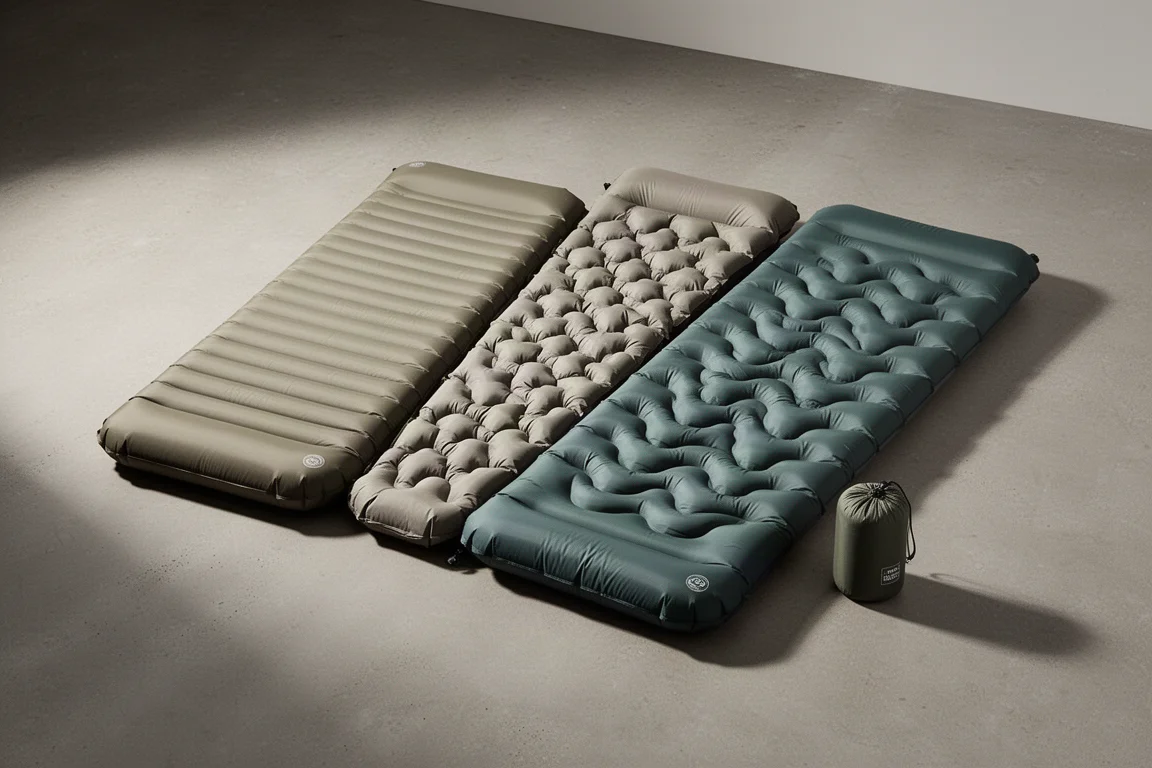
The Nemo Tensor series has been rebuilt around a straightforward question: how much warmth does your trip actually require? Instead of one pad with a single specification, the line now splits into three models separated mainly by R-value, so you only pay in weight and money for the insulation you genuinely need.
The three pads are the Tensor Trail, the Tensor All-Season, and the Tensor Extreme Conditions. They share the same face fabrics, the same valve design, and the same 3.5 inch thickness, which makes the decision between them simpler than the spec sheets suggest. This comparison uses Regular Wide versions of all three so that weights and prices line up directly.
How the Tensor Series Is Organized
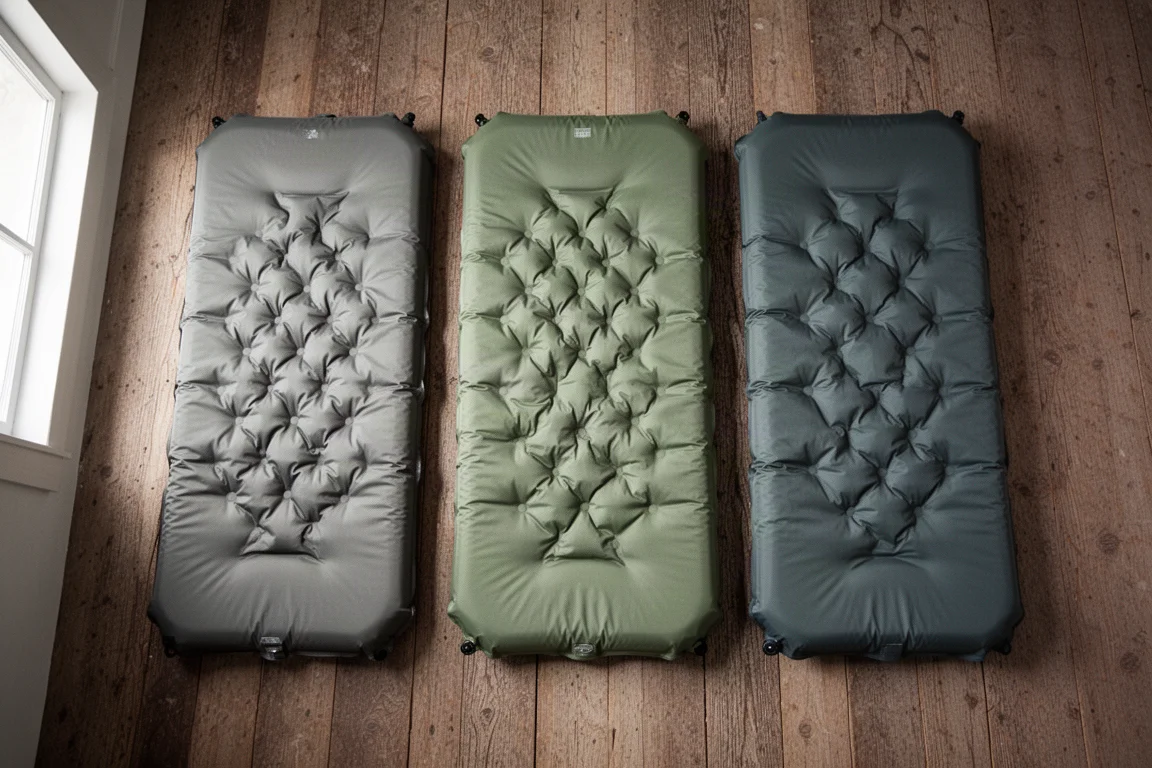
R-value is the organising principle behind the range. The Tensor Trail sits at 2.8, the All-Season at 5.4, and the Extreme Conditions at 8.5. That progression comes from the number of suspended metallized film layers inside each pad: one layer in the Trail, two in the All-Season, and four in the Extreme Conditions.
The numbers that matter day to day stay close together. In Regular Wide, the Trail weighs 20 oz at $189, the All-Season weighs 22 oz at $220, and the Extreme Conditions weighs 25 oz at $259. Packed size is comparable across the line, so the trade is essentially insulation against a modest weight and price step.
Read that way, the range is less about which pad is best and more about where your trips sit. A summer weekend and a winter overnight ask for very different amounts of insulation, and Nemo has effectively priced those two scenarios separately.
Nemo Tensor Trail: Best for Warm Weather Trips
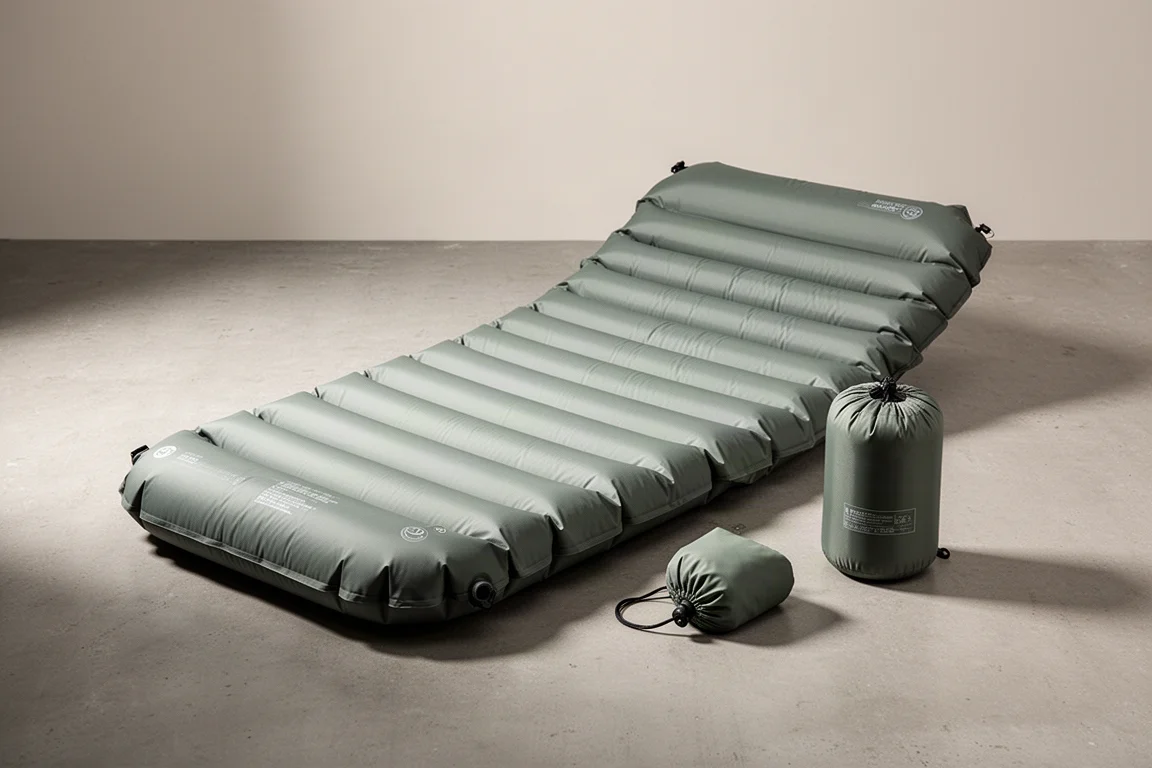
The Tensor Trail is the most cost effective entry into the series. Its 2.8 R-value marks it clearly as a warm weather pad, and it is not intended for temperatures below freezing. What it does offer is a genuinely light and compact package at 20 oz in Regular Wide, with a single layer of metallized film insulation inside to take the edge off cold ground on chilly alpine nights.
For backpackers who mostly travel in summer and want to cut pack weight without giving up a proven design, this is the sensible starting point. The construction is the same space frame baffle used on the All-Season, so support and stability feel familiar, and the packed size is the smallest of the three.
Nemo Tensor All-Season: The Most Versatile Option
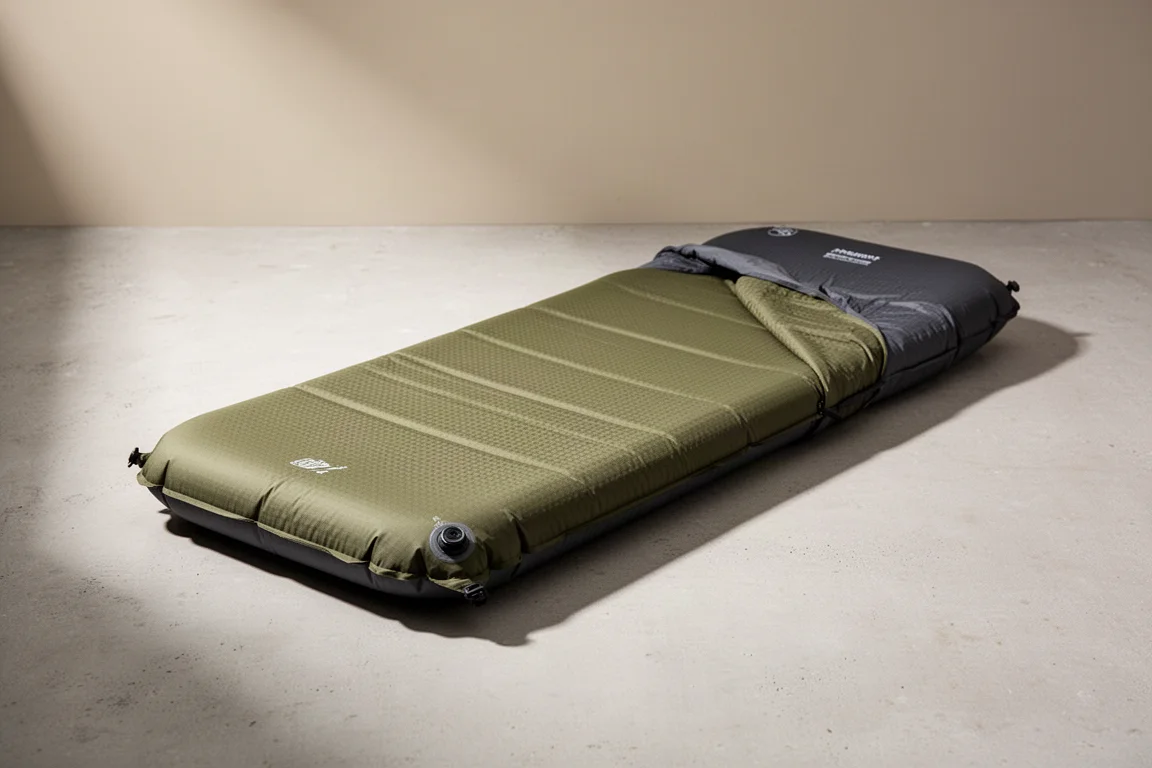
The Tensor All-Season is the middle tier of the line and the pad with the most field time behind it, including more than 20 nights out in the backcountry. Its 5.4 R-value comes from two layers of suspended metallized film, and it has kept sleepers warm down to lows in the low 20s Fahrenheit, which puts it firmly in three season territory.
The weight penalty over the Trail is small at only 2 oz in Regular Wide, and the price step is equally contained. In exchange you get insulation that holds up on frozen ground and through shoulder season conditions, which is where most backpacking trips actually happen.
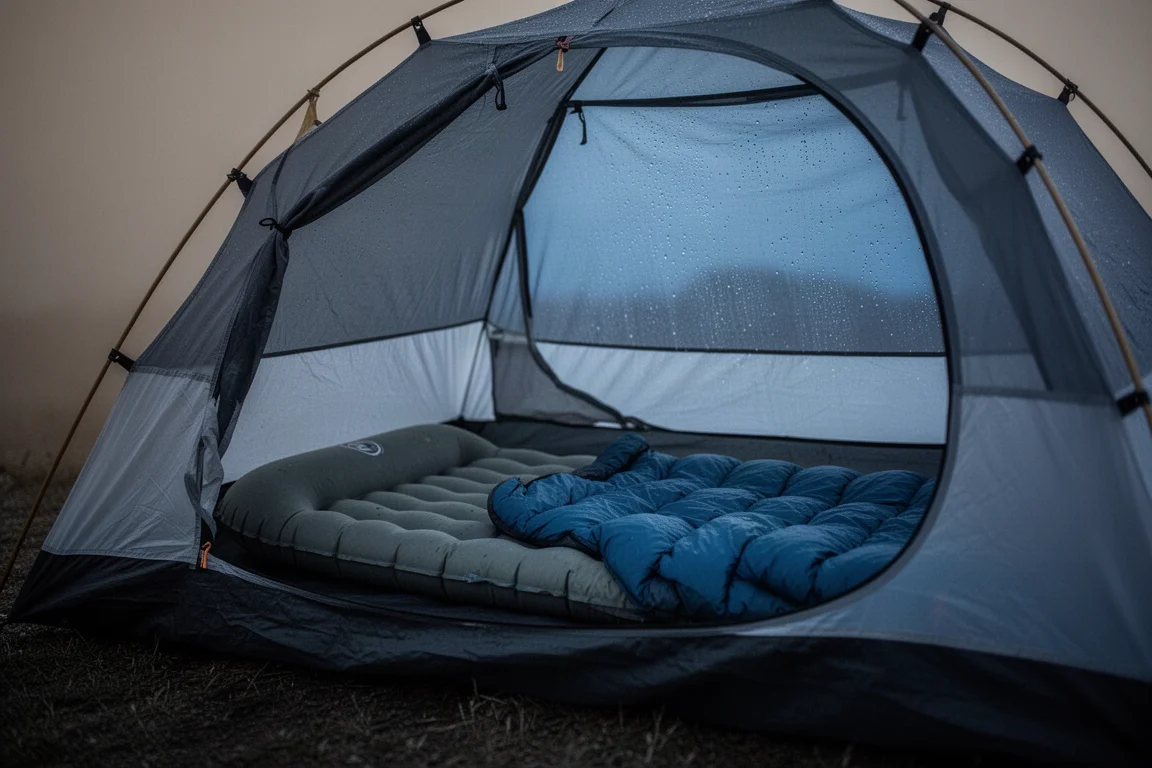
Comfort is good rather than class leading. The space frame baffles provide plenty of support for back and side sleepers, and the pad sleeps well night after night, though there are plusher options on the market if comfort is your single priority.
Nemo Tensor Extreme Conditions: Built for Serious Cold
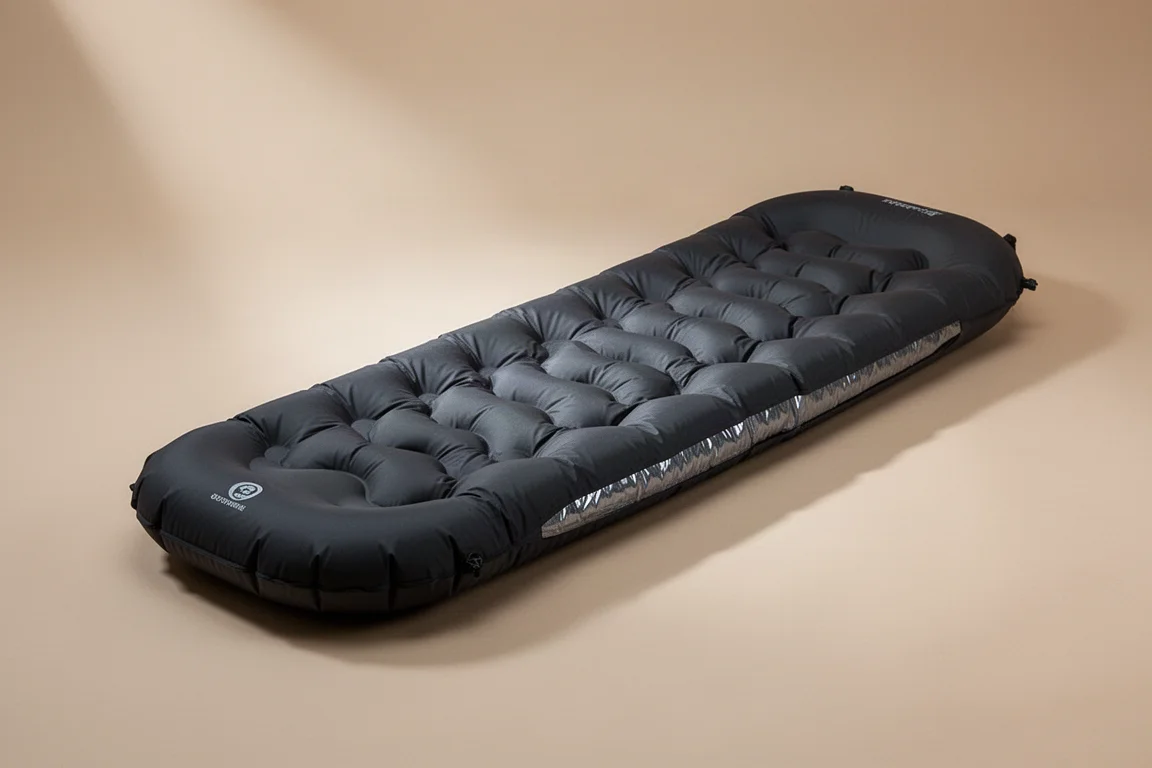
The Tensor Extreme Conditions is the headline model of the range, with an 8.5 R-value built from four layers of suspended metallized film. Nemo positions it as having the highest warmth to weight ratio of any inflatable pad currently on the market, and that claim rests on more than extra insulation.
The baffle construction changes here. Instead of the rectangular space frame truss used on the other two pads, this model uses what Nemo calls an Apex baffle, a trapezoidal truss with smaller cutouts that keeps the suspended film layers from dropping to the bottom of the pad. The result is a pad that weighs 25 oz in Regular Wide, only 3 oz more than the All-Season, at $259.
Field experience so far covers six nights in winter conditions with lows in the low teens Fahrenheit, and sleep stayed warm throughout. Based on that performance, the pad should keep most sleepers comfortable at temperatures above 0 degrees Fahrenheit. For the majority of backpackers, though, this is more insulation than a typical three season trip calls for, and the All-Season remains the more practical buy. The exception is anyone who sleeps cold or regularly camps on frozen ground.
Shared Construction Details Across the Series
All three pads use a 20 denier nylon on the top surface and a 40 denier nylon underneath. The heavier bottom fabric is the right place to add durability, since that is the side facing rough ground, and it protects the pad over years of use without pushing weight or packed size up noticeably.
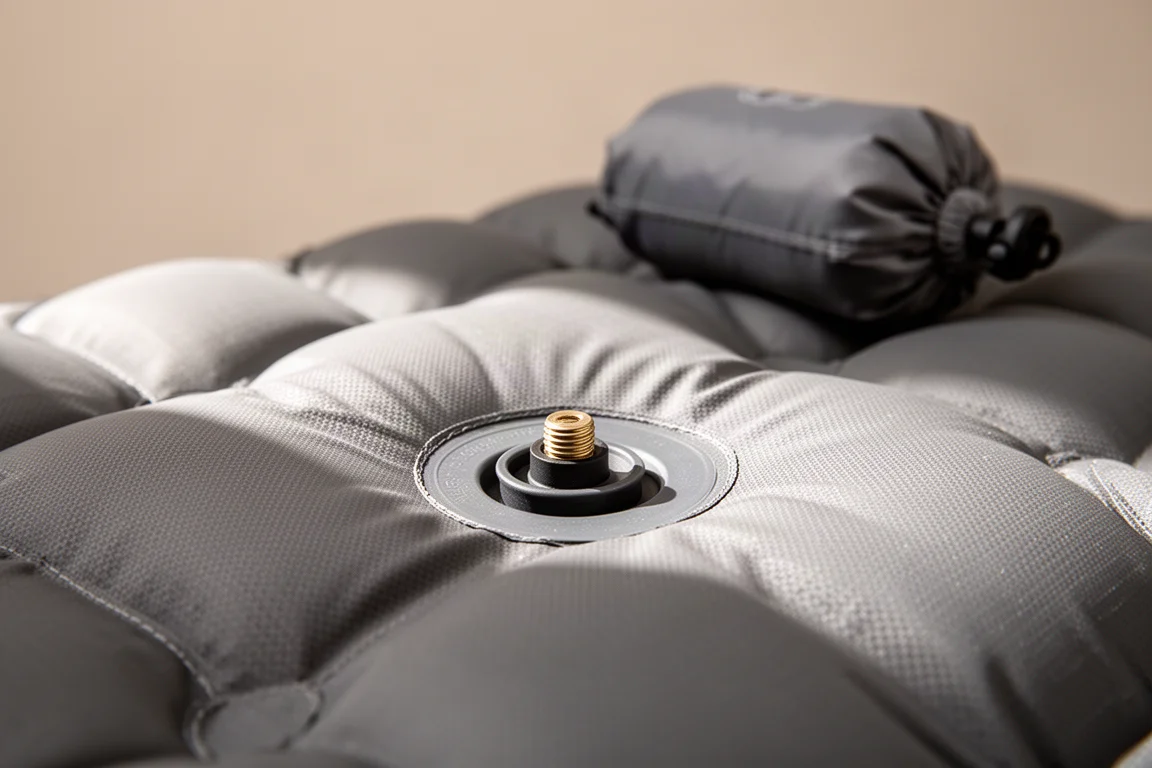
The valve is a meaningful update over the previous generation. It is no longer bonded to the fabric but contained inside the pad, made from a softer material, and considerably easier to use. It has also proven reliable in practice.
Every model shares the same 3.5 inch height, which gives side sleepers enough clearance to keep hips and shoulders off the ground. Combined with the baffle structure, that thickness is a large part of why these pads sleep comfortably across different sleeping styles.
Who Each Tensor Pad Suits
The Trail is the right pick for warm weather backpackers who want to spend less, save weight, and still carry a proven pad into the backcountry. The All-Season covers the widest range of real trips, handling freezing nights and shoulder season conditions while adding very little weight over the Trail. The Extreme Conditions is for cold sleepers, winter campers, and anyone who spends nights on frozen ground and wants the highest insulation value in the line.
Buying Advice
If you are unsure which one to choose, the All-Season is the safest default. Its 5.4 R-value keeps you warm through the conditions most backpackers actually meet, and at 22 oz it stays close enough to the Trail that the extra 2 oz is easy to justify. It is the pad that covers the most trips with the fewest compromises.
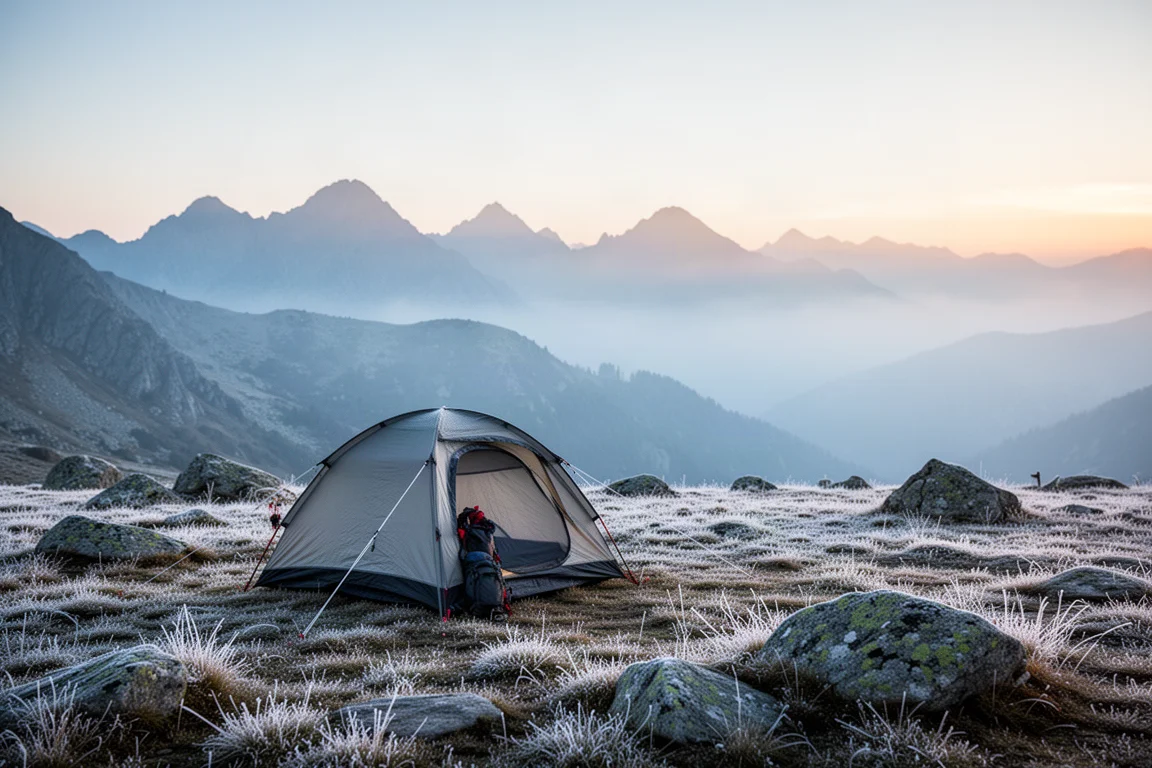
Move to the Extreme Conditions only if you know you run cold or camp on frozen ground often, since that is where the 8.5 R-value earns its higher price. Move down to the Trail if your trips are reliably warm and your priority is the lightest, smallest, least expensive option in the series.
Conclusion
The Tensor range works because the three pads are genuinely the same design at three levels of insulation. Pick the R-value that matches the coldest nights you realistically expect, and the weight and price differences between them stay small enough that the decision comes down to the conditions you camp in rather than the specification sheet.
Further reading
Related Reviews
Sleeping Pads
Best Backpacking Sleeping Pads 2026: Nine Pads Rated on Price, Comfort, Warmth, and Weight
Nine backpacking sleeping pads compared on price, comfort, warmth, and weight, from a $65 summer pad to a year-round option rated at R-7.3.
Sleeping Pads
Best Backpacking Sleeping Pads: Comfort, Warmth, and Weight Compared
A practical comparison of the Nemo Quasar 3D, Therm-a-Rest NeoAir XTherm Max, and Big Agnes Rapide SL for backpackers choosing between comfort, warmth, and packed weight.
Sleeping Pads
Best Backpacking Sleeping Pads: Ultralight, Winter, Comfort and Budget Picks
A practical roundup of the sleeping pads that stand out for ultralight weight, winter warmth, pressure relief and value, plus three popular pads that fell short.