Sleeping Pads
Nemo Tensor Insulated vs Therm-a-Rest XTherm: Two Cold-Weather Sleeping Pads Compared
A practical comparison of the Nemo Tensor Insulated and the Therm-a-Rest XTherm, from R-value and comfort to noise, materials, and price.
Introduction
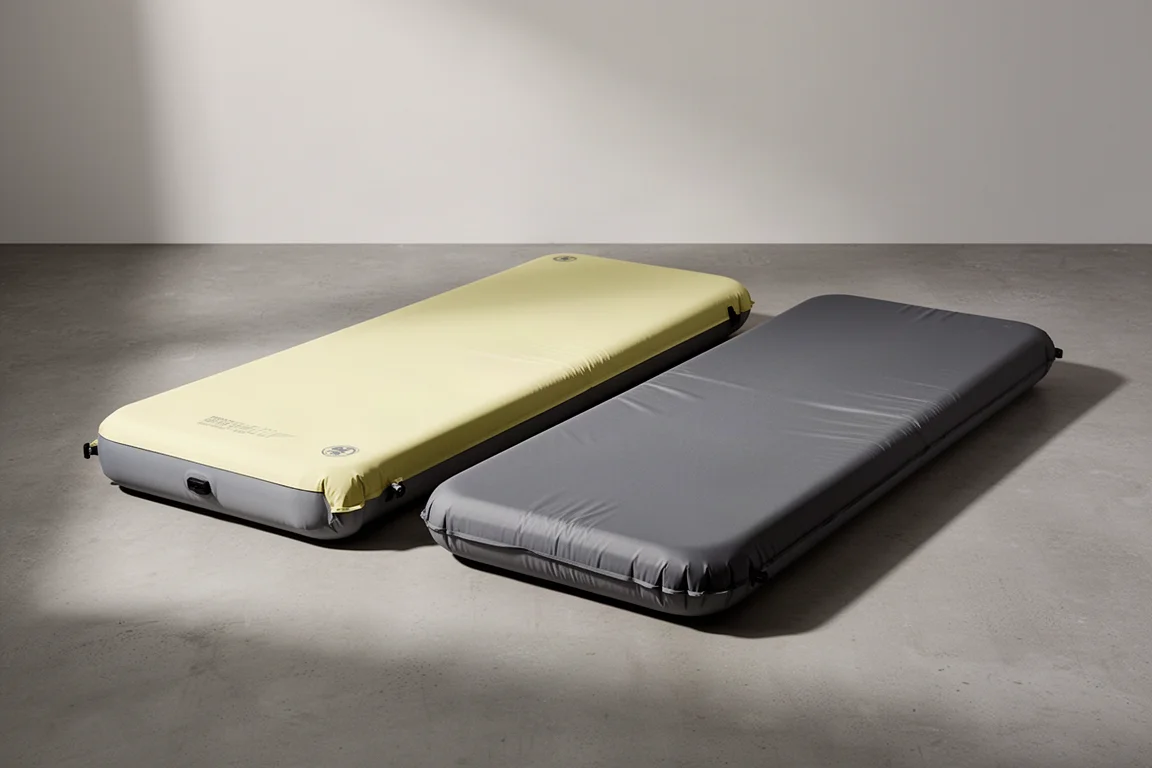
Two insulated sleeping pads come up again and again when the conversation turns to cold-weather camping: the Nemo Tensor Insulated and the Therm-a-Rest XTherm. Both are reflective, air-filled pads built for backpackers who want warmth without bulk. They get there in different ways, and the gap between them comes down to insulation, comfort, noise, and price.
The Tensor Insulated has been through two cold seasons of field use, including a winter and the shoulder months on either side. The XTherm has been a dependable winter pad for more than five years. That overlap makes a head-to-head comparison genuinely useful, because the strengths of one pad are often the compromises of the other.

This guide covers what each pad does well, where each one gives ground, and which type of camper is likely to be happier with which.
What Matters in a Cold-Weather Sleeping Pad
R-value is the number that decides most of the conversation. The Tensor Insulated carries an R-value of 3.5, while the Alpine version of the same pad steps up to 4.8. For most users, an R-value of 3.5 stays comfortable down to roughly 20 degrees Fahrenheit, though that figure is personal and depends on the sleeper, the clothing, and the rest of the sleep system. Below that point, a pad with a higher R-value or a closed-cell foam mat underneath is the more sensible setup, since the foam layer cuts the cold coming up from the ground.
Weight, packed size, valve design, surface noise, and the toughness of the face fabric matter just as much night after night. The two pads here differ on nearly all of those points.
Nemo Tensor Insulated Sleeping Pad
The Tensor Insulated uses a 20 denier polyester shell with a PU coating, thermoplastic valves, and two layers of aluminized thermal mirror film. That reflective interior is the same general approach found in the XTherm, and it is what sends body heat back to the sleeper. Nemo offers the pad in several versions, including a non-insulated model and the Alpine version with the higher R-value.
The regular length, regular width rectangle version measures 72 inches long and 20 inches wide, with three inches of cushion. It weighs 15 ounces and packs to roughly 9 by 4 inches. Short, regular mummy, regular length wide, and long and wide rectangle versions round out the range. The regular rectangle is priced at $160, with other sizes costing less or more. The ultra-light version comes in yellow, while the Alpine version comes in orange. A storage bag with a draw pull and a velcro compression strap is included, along with a repair kit and an inflation bag.
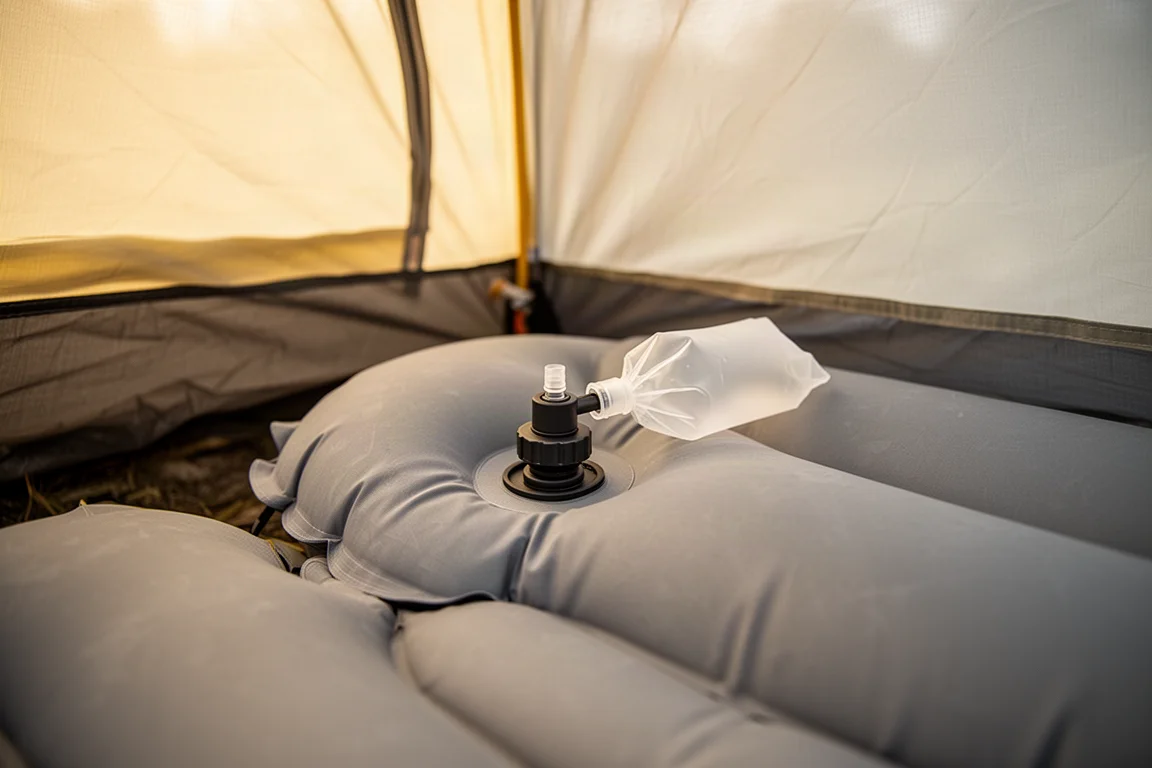
The valve is a multi-purpose design. Open it fully and the pad dumps its air; open only the top layer and a stopper lets you inflate by mouth without losing what you have already put in. That said, mouth inflation takes effort, and a firm pad took roughly 22 to 23 breaths. The included inflation bag is a better route, and it is a stronger design than many pads ship with.
Comfort is where the Tensor stands out most. It is long and wide enough to move around on, and the three inches of cushion mean the ground stays out of the picture once you lie down. Heat comes back quickly through the reflective layers. Side sleepers are well supported. The only time the ground makes itself known is when sitting up with weight concentrated in one spot. It is also a quiet pad, without the crinkle that reflective pads often produce.
The trade-offs center on the materials and the inflation routine. The 20 denier fabric feels delicate in hand and rewards careful handling. It is not a pad to lay directly on bare ground, and under a tarp it needs a ground sheet beneath it. Because the pad is large and thick, it takes a lot of air, and the inflation bag’s intake opening is small enough to limit how much air it gathers at once. Blowing into the bag to speed things up pushes moisture inside, which can freeze in cold conditions and reduce warmth, so opening the bag and rolling it is the safer method. The storage bag is also on the tight side, and a pad rolled hastily with gloves on can be a struggle to fit.
Therm-a-Rest XTherm Sleeping Pad
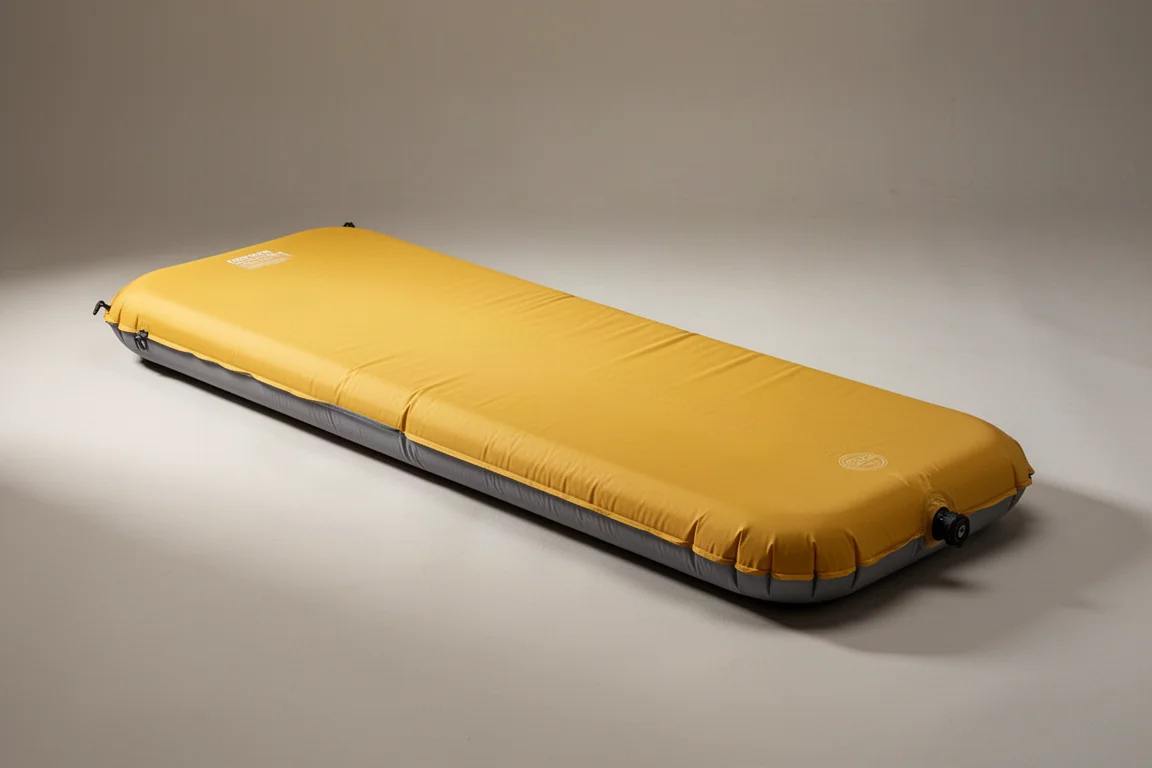
The XTherm is the pad that has handled winter trips for over five years without a single issue. Its clearest advantage is a substantially higher R-value than the Tensor, which is what makes it the safer pick when temperatures fall well below freezing. The materials feel considerably stronger in hand, and the storage bag is sized generously enough that a quickly rolled pad still fits inside.
The trade-offs are just as clear. The XTherm is substantially more expensive than the Tensor, and it is a loud pad. The reflective interior has a pronounced crinkle that sounds like a bag of chips whenever you shift at night, which is worth knowing if you share a tent with a light sleeper.
Comfort, Noise, and Insulation Compared
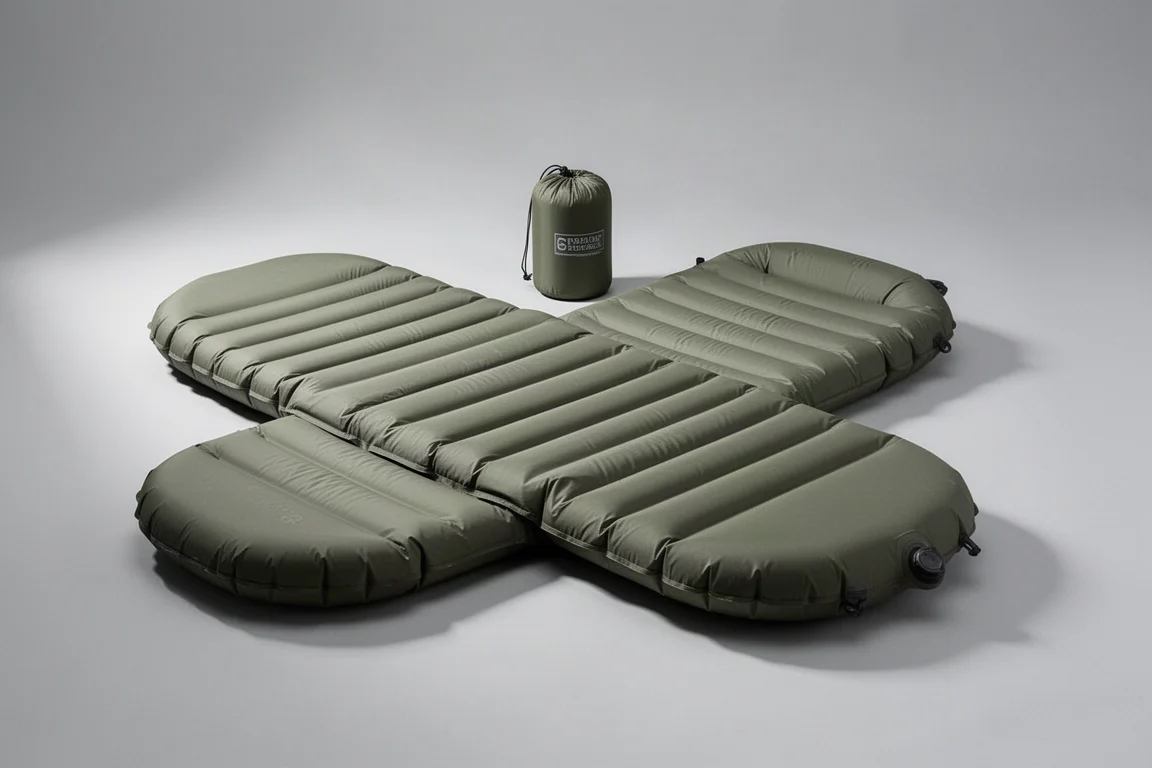
On comfort, the Tensor comes out ahead. Its surface materials are soft, and lying on it is noticeably more comfortable than lying on the XTherm. Both pads reflect heat effectively, but they are built for different temperature ranges: the Tensor suits three-season and milder winter use, while the XTherm is aimed squarely at serious cold.
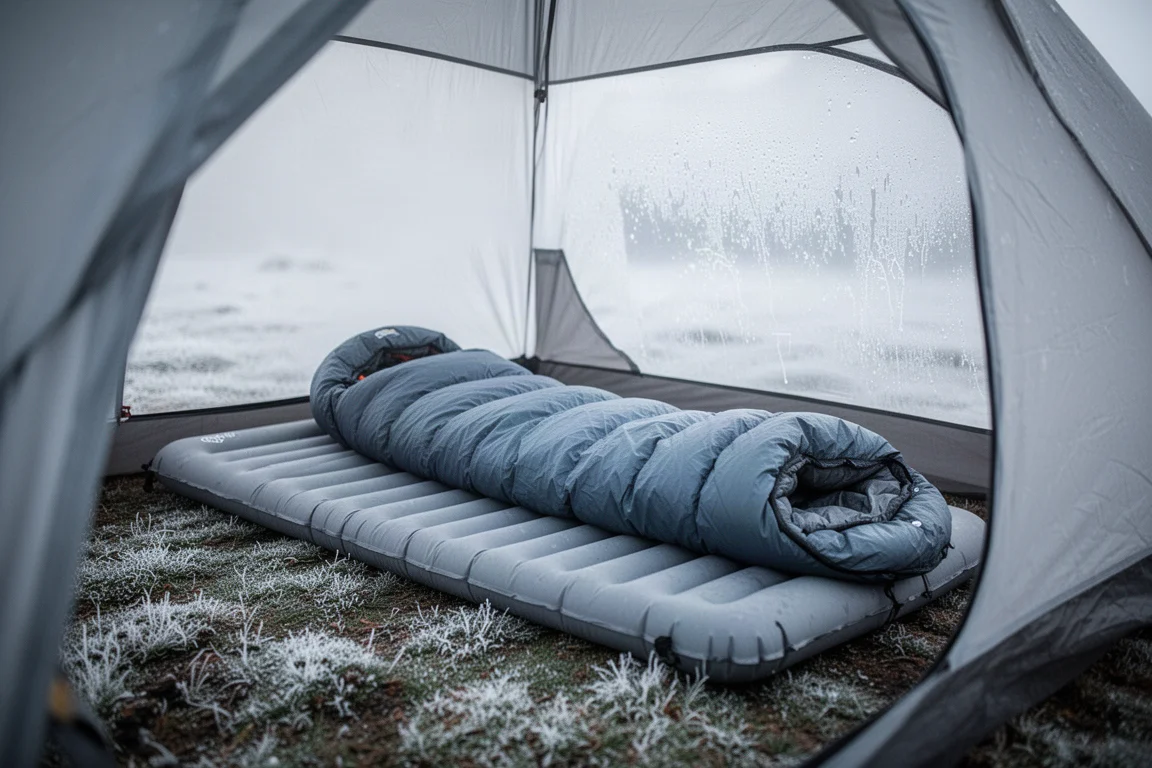
Noise is the widest gap between them. The Tensor stays quiet through the night, while the XTherm’s crinkle is hard to ignore. If you sleep lightly or share a tent, that difference alone can decide the purchase.
Care, Materials, and Long-Term Durability
The Tensor’s thin face fabric is the price of its low weight, and it has held up well through two seasons of careful use. The XTherm’s stronger construction has taken five-plus years of winter trips without complaint. Neither pad should be treated as indestructible, but the XTherm asks for less care and the Tensor asks for more.
For the Tensor, the practical habits are simple: keep it off bare ground, use a ground sheet under a tarp, and roll it with a little patience so it fits its storage bag. Treated that way, it should serve for a long time.
Overall Buying Advice
The decision rests on temperature range and priorities. If your trips run down to around 20 degrees Fahrenheit, or if comfort and quiet matter most, the Tensor Insulated is the more rewarding pad. It is easier on the wallet, soft under the body, and quiet enough to sleep through the night on.
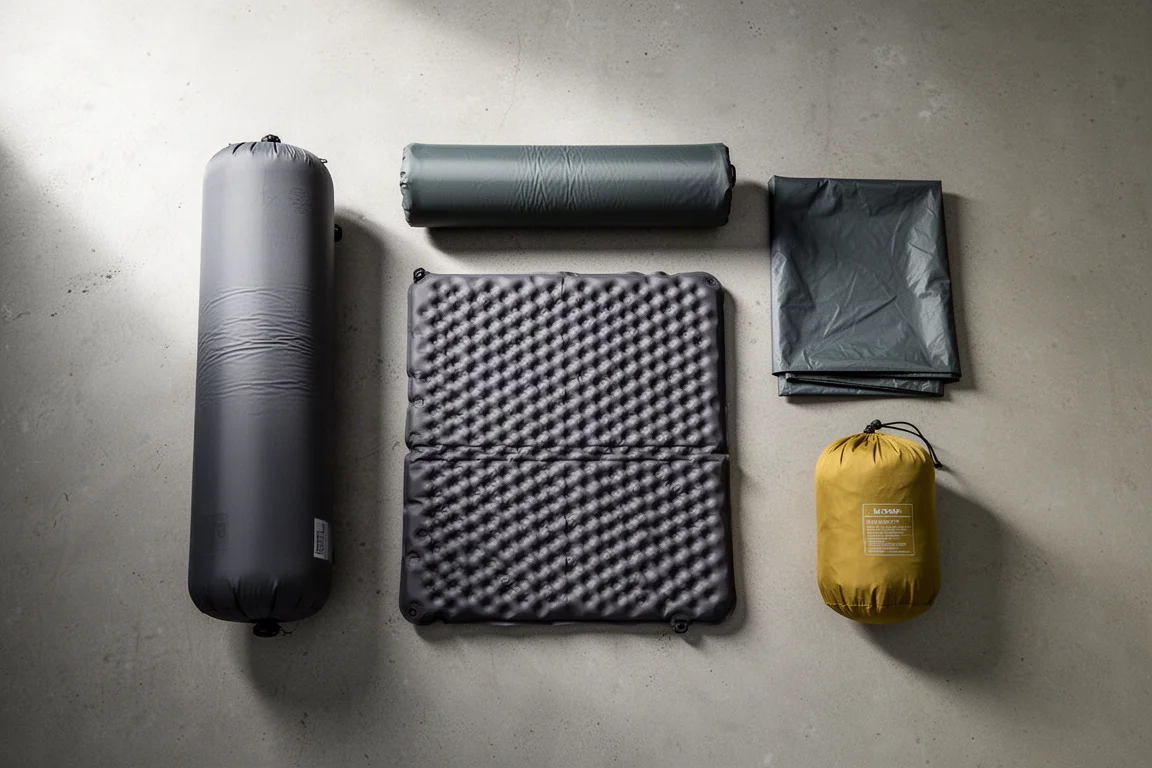
If you camp in genuinely cold conditions and want the extra insulation margin, the XTherm is the pad that has proven itself over multiple winters. It costs substantially more and it is noisy, but its higher R-value and tougher materials make it the more capable choice when the mercury drops.
For anyone pushing below the 20 degree mark with the Tensor, a closed-cell foam mat underneath is a straightforward way to extend its range without buying a second insulated pad.
Conclusion
Both pads earn their place. The Nemo Tensor Insulated delivers standout comfort, quiet nights, and a lighter price in a package that asks for careful handling. The Therm-a-Rest XTherm trades some comfort and quiet for a higher R-value and materials that shrug off hard winter use. Match the pad to the coldest night you actually expect, and either one will do its job well.
Further reading
Related Reviews
Sleeping Pads
Best Backpacking Sleeping Pads 2026: Nine Pads Rated on Price, Comfort, Warmth, and Weight
Nine backpacking sleeping pads compared on price, comfort, warmth, and weight, from a $65 summer pad to a year-round option rated at R-7.3.
Sleeping Pads
Best Backpacking Sleeping Pads: Comfort, Warmth, and Weight Compared
A practical comparison of the Nemo Quasar 3D, Therm-a-Rest NeoAir XTherm Max, and Big Agnes Rapide SL for backpackers choosing between comfort, warmth, and packed weight.
Sleeping Pads
Best Backpacking Sleeping Pads: Ultralight, Winter, Comfort and Budget Picks
A practical roundup of the sleeping pads that stand out for ultralight weight, winter warmth, pressure relief and value, plus three popular pads that fell short.