Sleeping Pads
Nemo Tensor Insulated vs Therm-a-Rest XTherm: Two Insulated Sleeping Pads Compared
A practical comparison of the Nemo Tensor Insulated and the Therm-a-Rest XTherm, covering warmth, comfort, noise, materials, and which cold-weather camper each pad suits.
Introduction
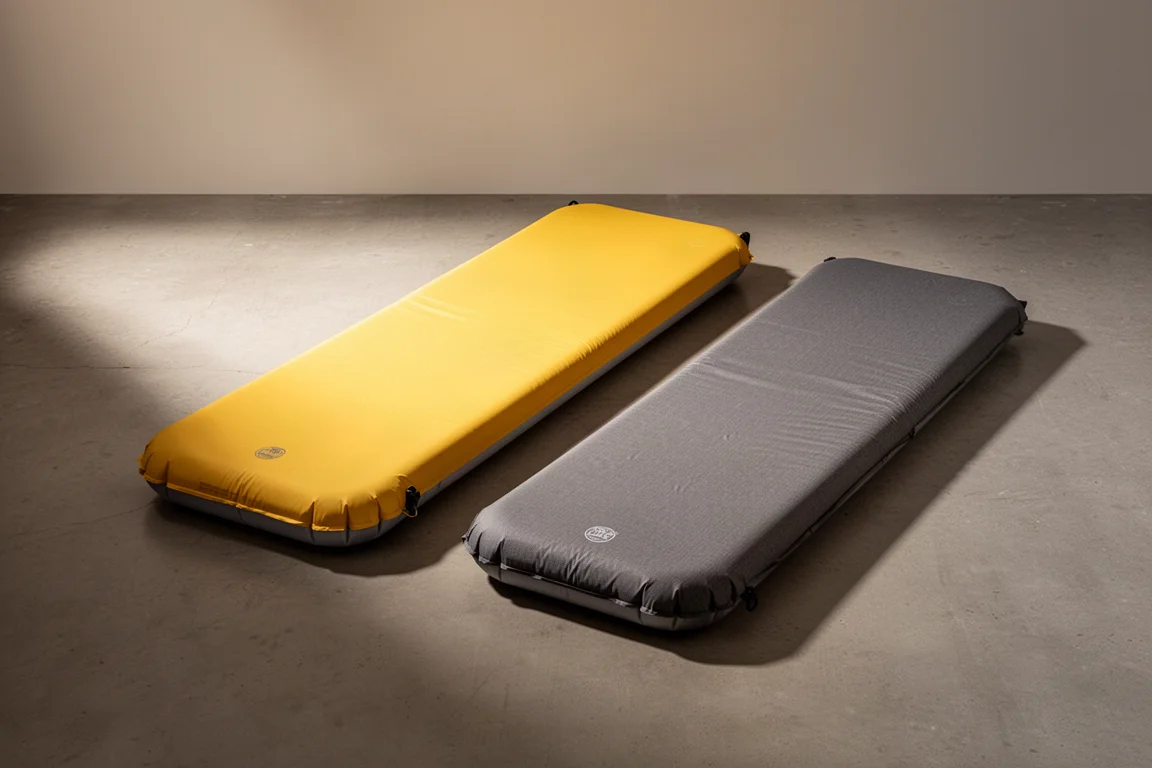
Two insulated sleeping pads dominate the conversation for cold-weather camping: the Nemo Tensor Insulated and the Therm-a-Rest XTherm. They solve the same problem in different ways. The Tensor Insulated goes after low weight, quiet nights, and a friendlier price. The XTherm goes after the coldest conditions and a build that keeps going season after season.
The Tensor Insulated has now been through a second season of use, running from winter into spring, summer, and fall, and heading back into winter again. The XTherm has been the winter pad of choice for years. This comparison looks at what each pad does well, where each one asks for care, and which kind of trip each one fits.
What to Look For in an Insulated Sleeping Pad
Three things decide whether an insulated pad works for you: warmth rating, packed size and weight, and how the materials hold up over time.
Warmth comes down to R-value. The Tensor Insulated is rated at 3.5, and the Alpine version of the same pad steps up to 4.8. An R-value of 3.5 keeps most people comfortable down to roughly 20 degrees. Below that, the usual answers are a pad with a higher R-value or a closed-cell foam mat placed underneath for extra separation from the ground.
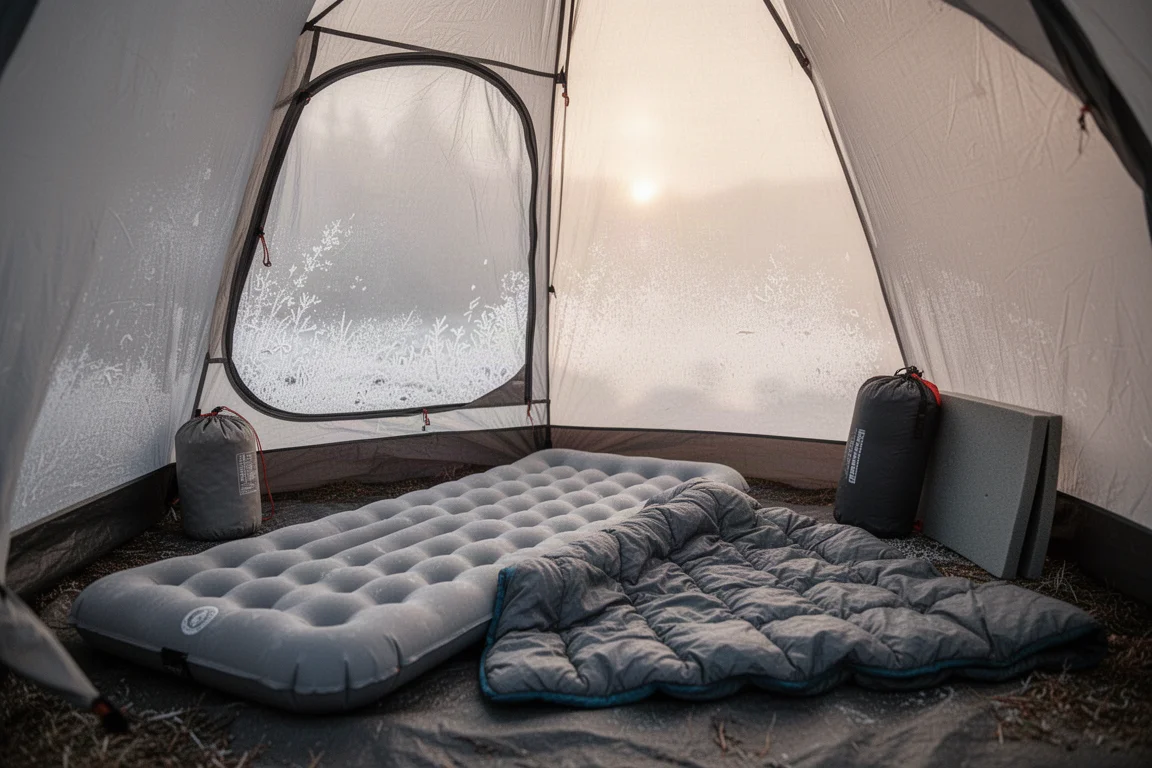
Weight and packed size matter just as much on a backpacking trip. The Tensor Insulated in the regular length and width rectangle measures 72 inches long and 20 inches wide, offers 3 inches of cushion, weighs 15 ounces, and packs down to about 9 by 4 inches. That combination of thickness and low weight is the core of its appeal.
Materials round out the picture. The Tensor Insulated uses a 20 denier polyester with a PU coating, thermoplastic valves, and an aluminized thermal mirror film that reflects body heat back toward the sleeper. Two layers of that film provide the insulation. A repair kit and a storage bag are included, and an inflation bag comes in the box as well.
Nemo Tensor Insulated: Light, Quiet, and Very Comfortable
Comfort is where the Tensor Insulated makes its strongest case. The 3-inch cushion and the generous 72 by 20 inch footprint mean you can lie in almost any position without feeling the ground underneath. Heat starts radiating back as soon as you settle in, which is the aluminized film at work. Side sleepers get enough cushion to stay comfortable, and the only time the ground makes itself known is when you sit up and concentrate your weight in one spot.
The pad is also quiet. It does not crinkle or rustle when you shift at night, which matters in a small tent.
Inflation is handled by a multi-purpose valve set into one corner. Open it fully and the air dumps out; open only the top layer and a stopper keeps air from escaping while you add breaths by mouth, which takes roughly 22 to 23 breaths depending on how firm you want the pad. The included inflation bag, which Nemo calls the Vortex pump sack, attaches to the valve and fills the pad in minutes without leaving you lightheaded.
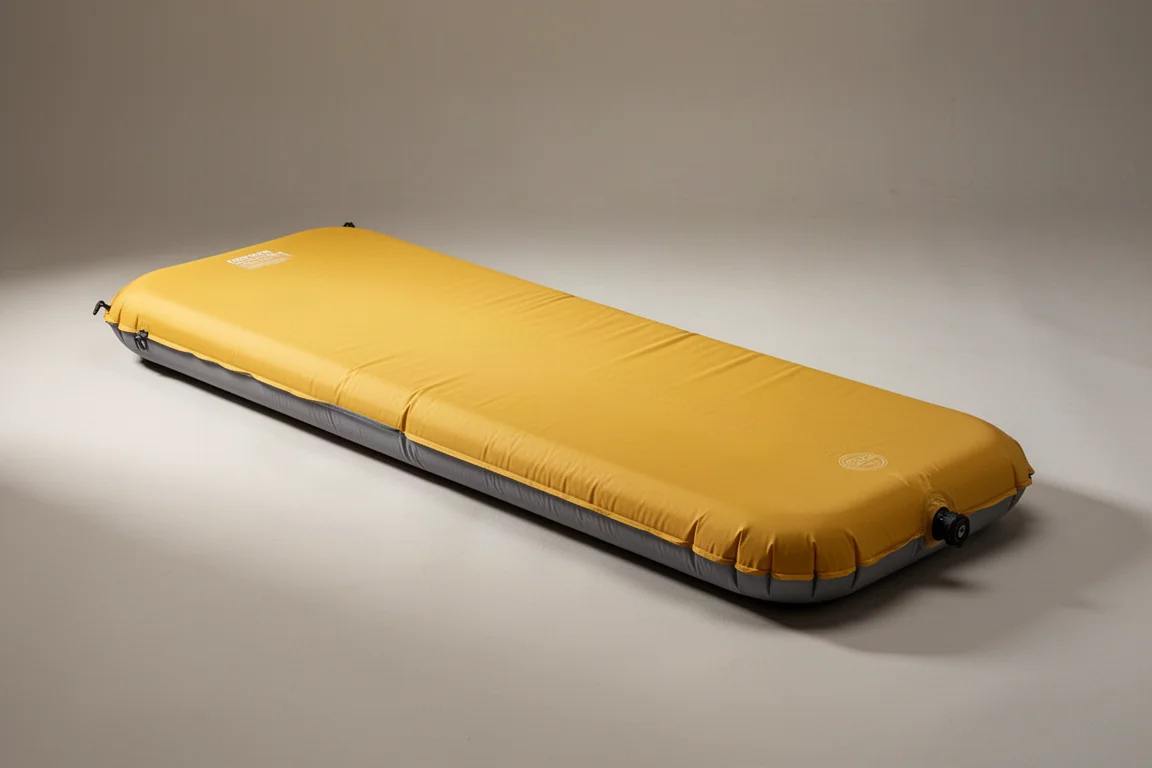
There are several versions to choose from: a non-insulated model, this insulated model, and an Alpine version with a higher R-value. The ultralight versions come in yellow, while the Alpine version comes in orange. Sizes include a short, a regular mummy, a regular rectangle, a regular length wide, and a long and wide rectangle. The regular length and width rectangle is $160, with the short version costing less and the larger versions costing more.
Quality is a strong point here. The construction is well thought out and the materials are soft against the skin, without the slick or plasticky feel some pads have.
Therm-a-Rest XTherm: The Colder-Weather Benchmark
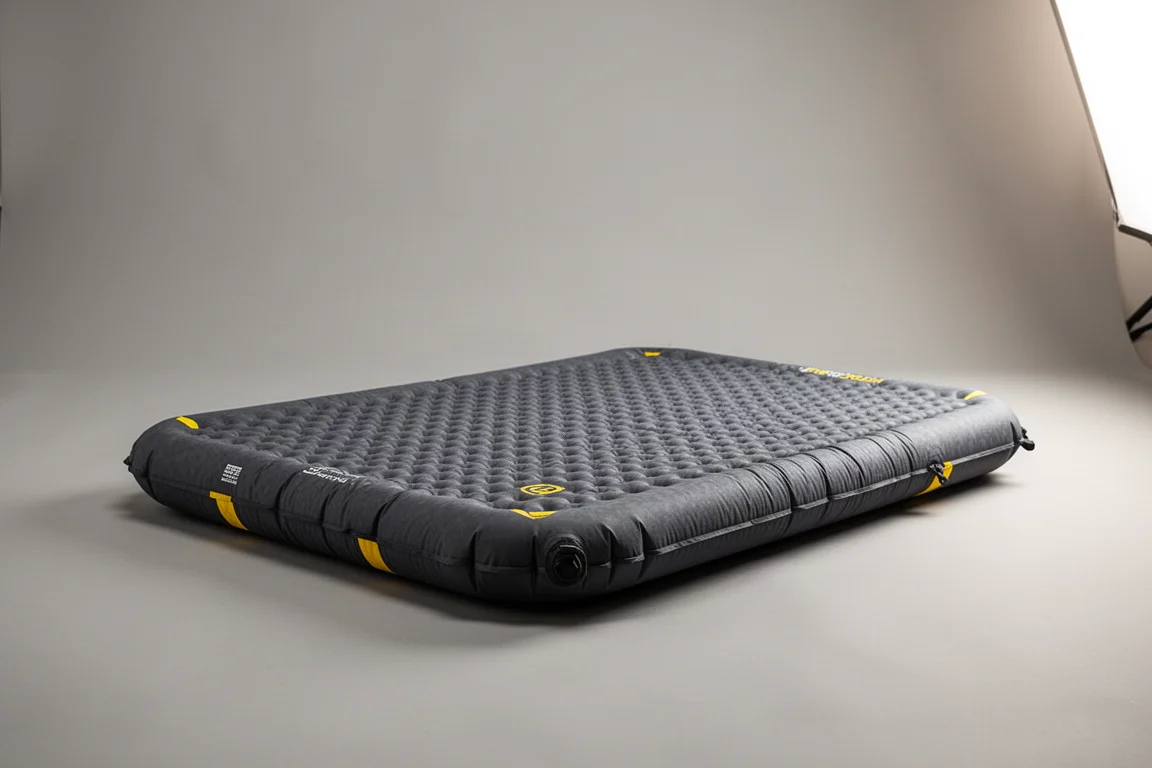
The XTherm is the pad to reach for when the forecast is genuinely cold. Its R-value is substantially higher than the 3.5 rating of the Tensor Insulated, which is exactly what you want when temperatures drop well below the range a mid-level insulated pad handles comfortably.
Durability is the other half of the story. The XTherm’s materials feel substantially stronger than the Tensor’s, and it has held up over more than five years of use without a single issue. It also comes with a storage bag that is properly sized for the pad, which sounds minor until you have fought a tight stuff sack with cold hands.
The trade-offs are real. The XTherm costs substantially more than the Tensor Insulated, its fabric is loud enough to sound like a bag of chips when you move around on it, and it is not as comfortable to lie on as the Tensor.

If cold-weather confidence and long-term durability are the priorities, that trade-off is easy to accept. If quiet nights and a softer surface matter more, the Tensor Insulated is the better fit.
Warmth and Insulation Compared
This is the clearest dividing line between the two pads. The Tensor Insulated’s 3.5 R-value covers three-season camping and milder winter nights for most people. The XTherm’s substantially higher R-value extends comfortable use into colder conditions.
Both pads rely on a reflective aluminized layer to send body heat back toward the sleeper, so the underlying idea is similar. The difference is how much insulation sits between you and the ground, and the XTherm simply has more of it.
For trips that regularly dip below roughly 20 degrees, the XTherm is the more straightforward choice. With the Tensor Insulated, the practical options are to add a foam mat underneath or to move up to the Alpine version of the same pad, which raises the R-value to 4.8. Warmth is subjective, so personal experience will vary, but matching the pad to the coldest night you realistically expect is the safest approach.
Comfort, Noise, and Materials Compared
Comfort favors the Tensor Insulated. Its 3-inch cushion and soft fabric make it the more comfortable pad of the two, and it is the one that disappears underneath you at night.
Noise favors the Tensor Insulated as well. The XTherm’s fabric is loud and crinkly, while the Tensor stays quiet when you turn over. In a shared tent, that difference is noticeable.
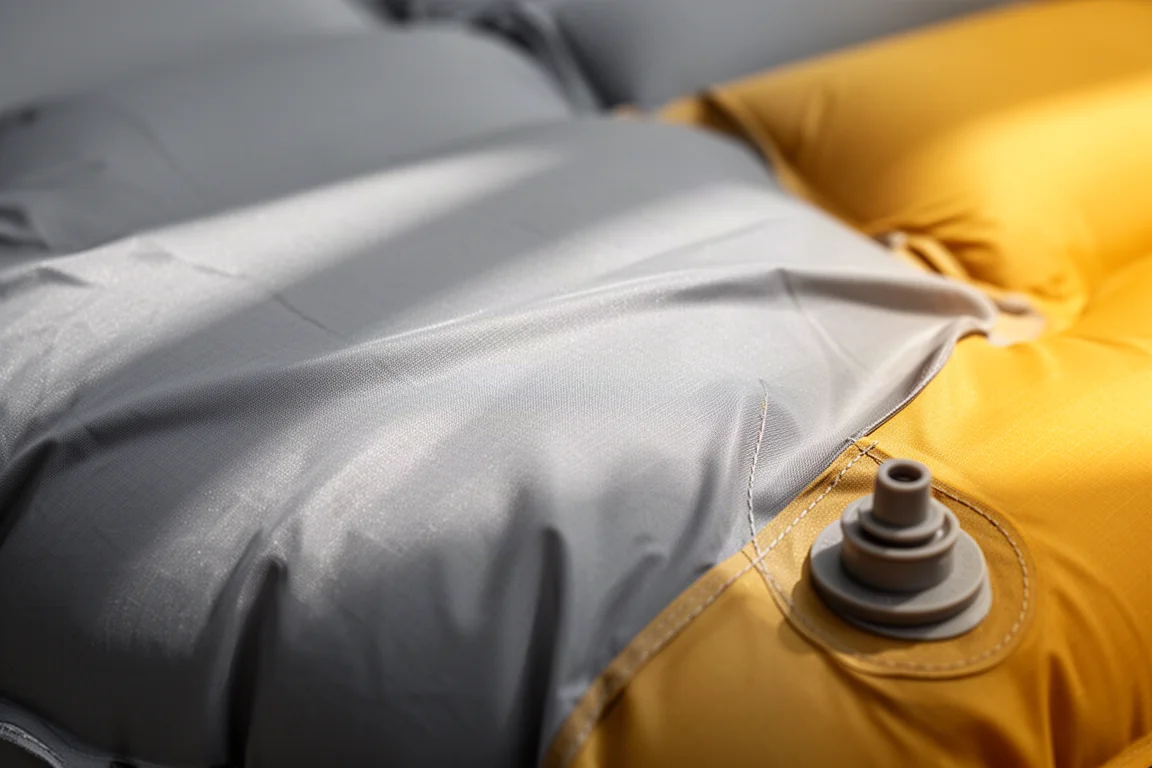
Materials favor the XTherm. Its fabric feels substantially stronger, while the Tensor Insulated’s 20 denier polyester and thin construction feel delicate by comparison. The Tensor has proven durable through two seasons of use, but it rewards careful handling. That thinness is the price of a 15-ounce pad, and it is a deliberate trade rather than a flaw.
Storage, Care, and Long-Term Durability
The Tensor Insulated’s storage bag is the weak point in an otherwise well-designed package. Roll the pad tightly and it fits; roll it loosely, which is what happens in the cold with gloves on, and it does not fit well. A larger bag would solve the problem, and the XTherm shows how it should be done.
The included inflation bag has a similar quirk. Its opening is small relative to the bag’s wide body, a deliberate choice that makes the bag easy to roll up but limits how quickly it fills with air. You can either open the bag by hand and roll it, or blow into it. Blowing into it works, but it pushes moisture into the bag and eventually into the pad, and in genuinely cold conditions that moisture can freeze inside and reduce how warm the pad sleeps. Opening and rolling the bag takes longer but keeps the interior dry.
On durability, the Tensor Insulated has held up well across two seasons with no issues, but it is not a pad to lay directly on bare ground. Inside a tent it is fine. Under a tarp or in a shelter, a ground sheet underneath is the sensible precaution. Treated with that level of care, it should last a long time.
Buying Advice: Matching the Pad to Your Trip
The decision comes down to conditions and priorities rather than which pad is better overall.
Choose the Nemo Tensor Insulated if you want an ultralight pad that is comfortable, quiet, and priced at $160 for the regular rectangle. It suits three-season backpacking, milder winter trips, and anyone who values a soft, silent sleeping surface. If you expect nights below roughly 20 degrees, plan on adding a foam mat underneath or stepping up to the Alpine version with its 4.8 R-value.
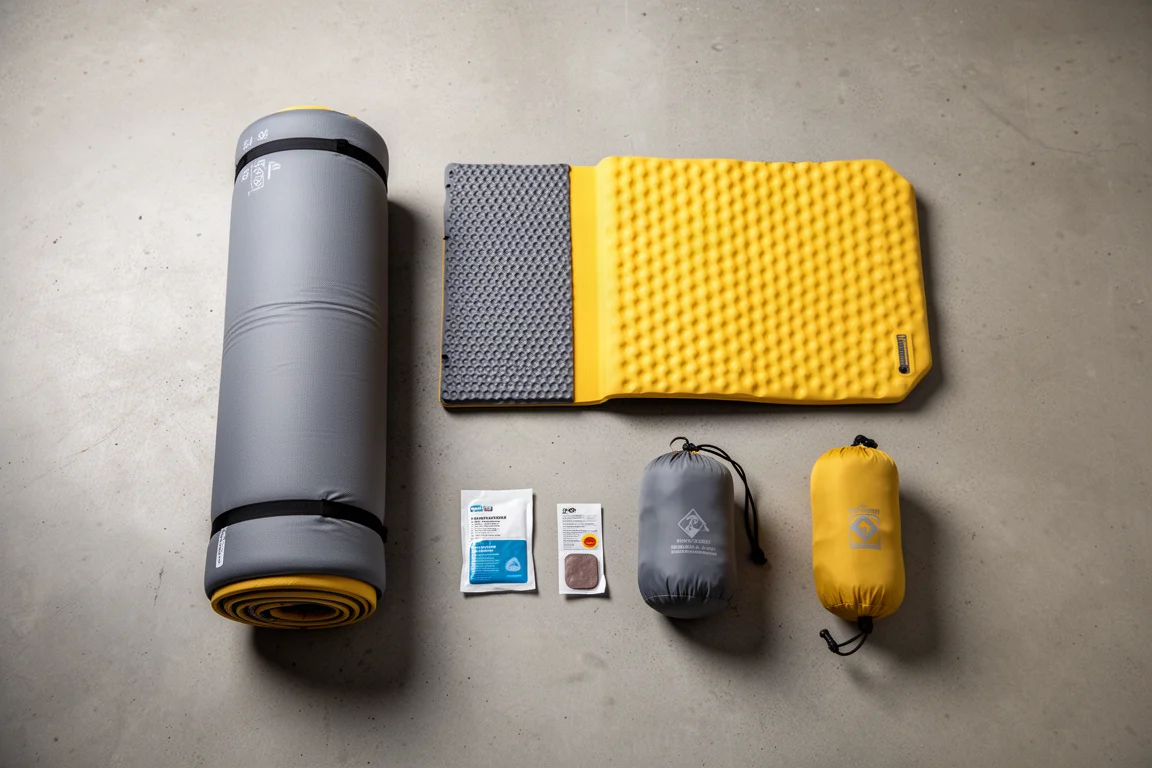
Choose the Therm-a-Rest XTherm if you camp in genuinely cold conditions and want a pad that will absorb years of use without complaint. It costs substantially more, and it is noisier and less comfortable, but its higher R-value and stronger materials make it the more capable option when the temperature drops.
Either way, the practical habits are the same: protect the pad from bare ground, keep moisture out of the interior, and store it loosely when you get home.
Conclusion
The Nemo Tensor Insulated and the Therm-a-Rest XTherm are both excellent insulated sleeping pads, and the right pick depends on the trips you actually take. The Tensor Insulated wins on comfort, quiet operation, low weight, and price, as long as you handle its thin 20 denier fabric with care and keep it off bare ground. The XTherm wins on warmth and durability for cold-weather camping, at a substantially higher cost and with a noisier surface.
Match the pad to the coldest night you realistically expect, and either one will serve you well.
Further reading
Related Reviews
Sleeping Pads
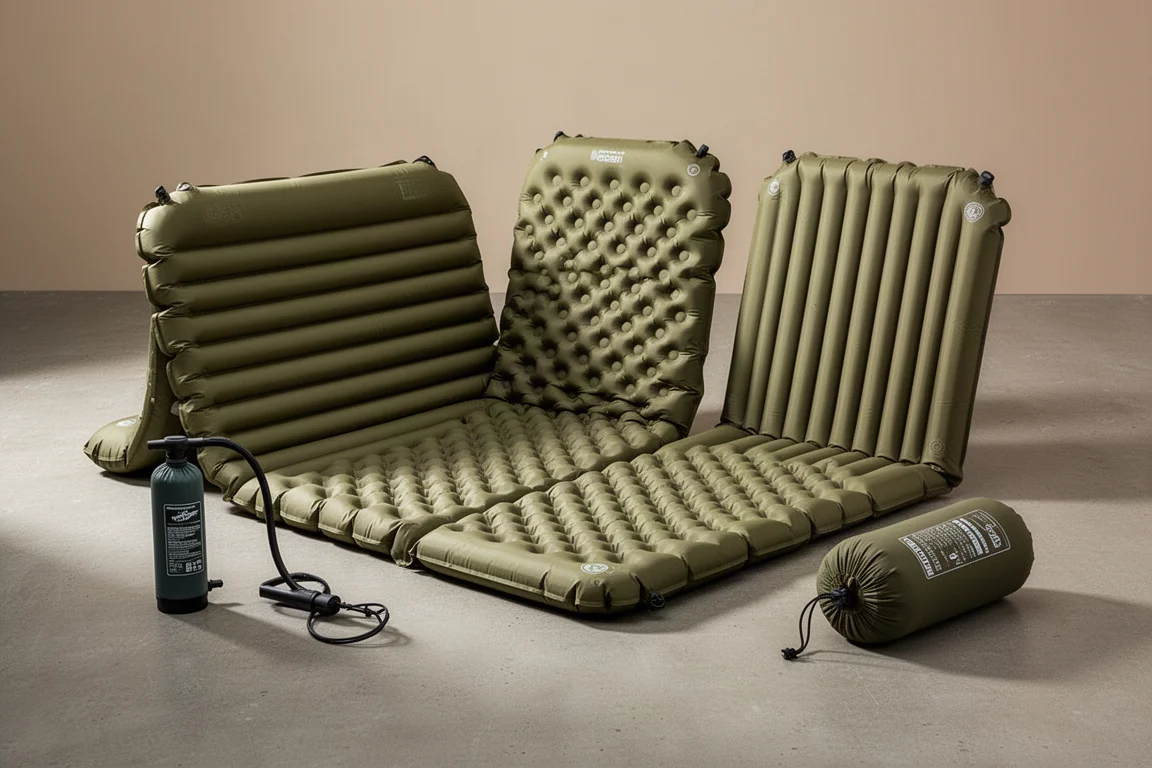
Best Backpacking Sleeping Pads 2026: Nine Pads Rated on Price, Comfort, Warmth, and Weight
Nine backpacking sleeping pads compared on price, comfort, warmth, and weight, from a $65 summer pad to a year-round option rated at R-7.3.
Sleeping Pads
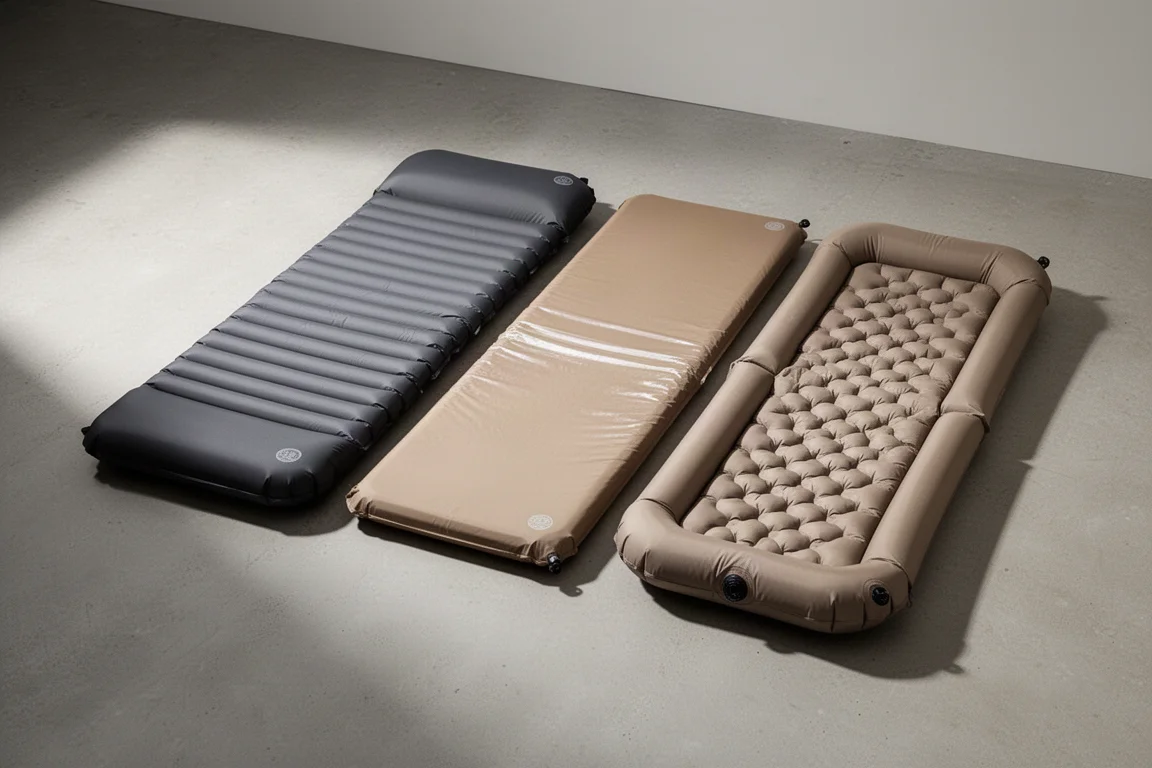
Best Backpacking Sleeping Pads: Comfort, Warmth, and Weight Compared
A practical comparison of the Nemo Quasar 3D, Therm-a-Rest NeoAir XTherm Max, and Big Agnes Rapide SL for backpackers choosing between comfort, warmth, and packed weight.
Sleeping Pads
Best Backpacking Sleeping Pads: Ultralight, Winter, Comfort and Budget Picks
A practical roundup of the sleeping pads that stand out for ultralight weight, winter warmth, pressure relief and value, plus three popular pads that fell short.