Sleeping Pads
Nemo Tensor Insulated Sleeping Pad Review: Ultralight Comfort With a Few Cautions
A close look at the Nemo Tensor Insulated Sleeping Pad, covering its R value of 3.5, three inches of cushion, 15 oz weight, inflation system, and the care it asks for.
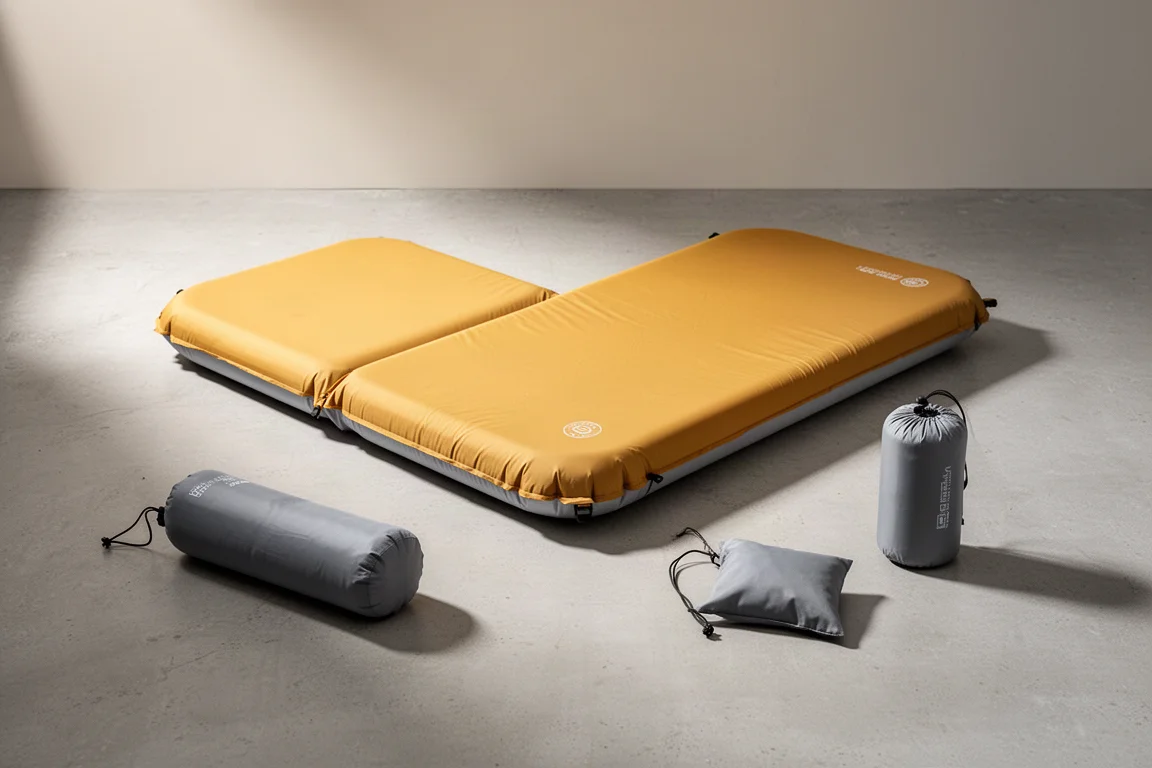
Introduction
The Nemo Tensor Insulated Sleeping Pad sits in a genuinely useful spot in the ultralight market. It pairs an R value of 3.5 with three inches of cushion and a 15 oz weight in the regular rectangle size, which is a lot of comfort for the packed bulk. It has now been used across two seasons, from winter into spring, summer and fall, and back into cold weather, which is long enough to understand how the materials hold up and where the design asks for patience.
It is also a pad that invites comparison. Campers who have spent years on a Therm-a-Rest XTherm will notice that the Tensor trades some cold-weather headroom and some material toughness for a lower price and a much softer, quieter feel. The regular length, regular width rectangle version is priced at $160, and the rest of the range moves up or down from there depending on size and insulation level.
Who the Nemo Tensor Insulated Sleeping Pad Is For
This pad is aimed at backpackers who count grams but are not willing to give up a comfortable night. The three-season window is where it makes the most sense. With an R value of 3.5, most users will be comfortable down to roughly 20 degrees Fahrenheit, and that figure is subjective, so personal experience will vary.

Side sleepers are a particularly good match. The three inches of cushion keep hips and shoulders clear of the ground, and the pad is long enough and wide enough that you can shift position at night without hunting for the edge. Anyone planning regular nights below 20 degrees Fahrenheit should look at a higher R value instead, or plan to add a foam mat underneath for extra separation from the cold ground.
Main Strengths
Build quality is the first thing that stands out. The construction is well thought out, and the details reflect a brand with long experience in sleeping pads and sleeping bags.
Comfort is the headline. This is one of the most comfortable pads available in its class, and the heat reflection is immediate: as soon as you lie down, warmth starts coming back to you from the aluminized thermal mirror film inside.
Weight is the second headline. For a pad with this much cushion, 15 oz is impressive, and a packed size of roughly 9 in by 4 in keeps it easy to slide into a pack.
The valve design is another strength. The multi-purpose valve in the corner lets you dump air quickly, and the inner layer can be opened so you can breathe into the pad without air escaping.
The included inflation bag, which Nemo calls the Vortex Pump Sac, is better designed than what many brands ship. It attaches to the valve and fills the pad in a couple of minutes without leaving you lightheaded.
Value rounds out the list. At $160 for an insulated pad with this level of comfort, the price is a fair deal, particularly given that pads with higher insulation ratings typically cost substantially more.
Comfort, Warmth, and Side-Sleeping Support
Lying on the Tensor feels different from most ultralight pads. The three inches of cushion absorb pressure points, so you do not feel the ground through a hip or shoulder, and you can sleep in any position without bottoming out.
The insulation does its job in a way you can feel. The aluminized film reflects body heat back toward you, and the effect starts within seconds of settling in. The only time ground feel appears is when you sit up and push all your weight through one small contact point; with your body spread across the surface, the pad stays supportive.

Sound is another point in its favour. The Tensor is fairly quiet in use, so shifting at night does not produce the crisp rustling that some reflective insulated pads are known for. The surface itself is soft, with none of the slick or crinkly feel that can make a pad unpleasant to lie on.
Inflation, Valves, and the Included Pump Sack
Inflating the Tensor by mouth takes real effort. It needs a lot of air, and a full fill runs to roughly 22 to 23 breaths depending on how firm you like the pad. That is a long enough job to leave you lightheaded.
The pump sack solves most of that problem. It connects to the valve and pushes a large volume of air in with each roll, so the pad is ready in a couple of minutes.
There is one design compromise worth knowing. The opening on the pump sack is small relative to its wide body, which limits how quickly the bag fills. You either work your hand inside to open it up or blow into it to inflate the bag. Blowing into it introduces moisture, and in cold conditions that moisture can travel into the pad, freeze, and reduce how warm the pad sleeps. In winter, opening the bag and rolling it is the better habit even when it takes longer.
Things to Consider Before Buying
The materials are the main trade-off. The 20 denier polyester with a PU coating has held up well, but it feels delicate and more fragile than the fabric used on a Therm-a-Rest XTherm, which feels substantially stronger. A pad this light stays light by using thinner materials, and that is the bargain you are accepting.
Care matters more than usual here. Laying this pad directly on the ground is a bad idea. Inside a tent it is fine, and under a tarp it needs a ground sheet underneath. Treated carefully, it should last a long time; across two seasons it has shown no issues at all.

The storage bag is the other annoyance. Rolled perfectly tight, the pad fits inside it. In the real world, with cold hands and gloves, a tight roll is hard to manage, and the pad often does not fit adequately inside the bag. A slightly larger stuff sack would be an easy improvement.
How It Compares With Higher R-Value Pads
The Therm-a-Rest XTherm remains a benchmark for cold-weather camping, and it earns that position with a substantially higher R value. For genuinely cold conditions, that extra insulation is the difference between a good night and a cold one.
The Tensor answers back in other areas. It is substantially more comfortable, both in surface feel and in the way it supports the body, and it is considerably quieter in use. The XTherm has a reputation for a crisp, rustling sound, close to lying on a bag of potato chips, and that is not something you will notice here.
Price separates them as well. The XTherm is substantially more expensive, while the Tensor delivers its comfort and its 3.5 R value at $160 for the regular rectangle. If your trips are mostly three-season, the Tensor is the easier purchase to justify. If you camp in real winter cold, the higher R value is worth the money.
Buying Advice
Buy the Tensor if you want an ultralight pad that feels like a comfortable bed and you mostly sleep in three-season conditions. It suits side sleepers, weight-conscious backpackers, and anyone who has been putting up with a thin foam mat.

Sizing is worth thinking through before you order. The range includes a short version, a regular mummy, a regular rectangle, a regular length wide, and a long and wide rectangle. Prices move up or down with size and insulation, and the regular length, regular width rectangle is $160. There are also non-insulated and Alpine versions; the Alpine carries a higher R value of 4.8 and comes in orange, while the ultralight version is yellow. A repair kit is included with the pad.
If you expect to camp below 20 degrees Fahrenheit regularly, plan on a higher R value or bring an extra foam mat to place underneath. Otherwise, the Tensor covers the majority of three-season trips comfortably.
Conclusion
The Nemo Tensor Insulated Sleeping Pad earns its place as an excellent ultralight option. It is exceptionally comfortable, genuinely light at 15 oz, quiet in use, and fairly priced at $160 for the regular rectangle. The trade-offs are real but predictable: the materials feel delicate and need care, mouth inflation is slow, and the storage bag runs small. Know those points going in, and the pad delivers exactly what it promises.
Product link
View more details for Nemo Tensor Insulated Sleeping Pad
This product is mentioned in the review. Check the specifications, options, and compatibility before buying.
View more details for Nemo Tensor Insulated Sleeping PadFurther reading
Related Reviews
Sleeping Pads
Best Backpacking Sleeping Pads 2026: Nine Pads Rated on Price, Comfort, Warmth, and Weight
Nine backpacking sleeping pads compared on price, comfort, warmth, and weight, from a $65 summer pad to a year-round option rated at R-7.3.
Sleeping Pads
Best Backpacking Sleeping Pads: Comfort, Warmth, and Weight Compared
A practical comparison of the Nemo Quasar 3D, Therm-a-Rest NeoAir XTherm Max, and Big Agnes Rapide SL for backpackers choosing between comfort, warmth, and packed weight.
Sleeping Pads
Best Backpacking Sleeping Pads: Ultralight, Winter, Comfort and Budget Picks
A practical roundup of the sleeping pads that stand out for ultralight weight, winter warmth, pressure relief and value, plus three popular pads that fell short.