Sleeping Pads
Nemo Tensor Extreme Conditions Review: High Warmth Claims, Open Questions
Nemo's warmest ultralight pad claims an R-value of 8.5 at 23.5 oz. Here is what that rating covers, what it does not, and who should consider it.
Introduction
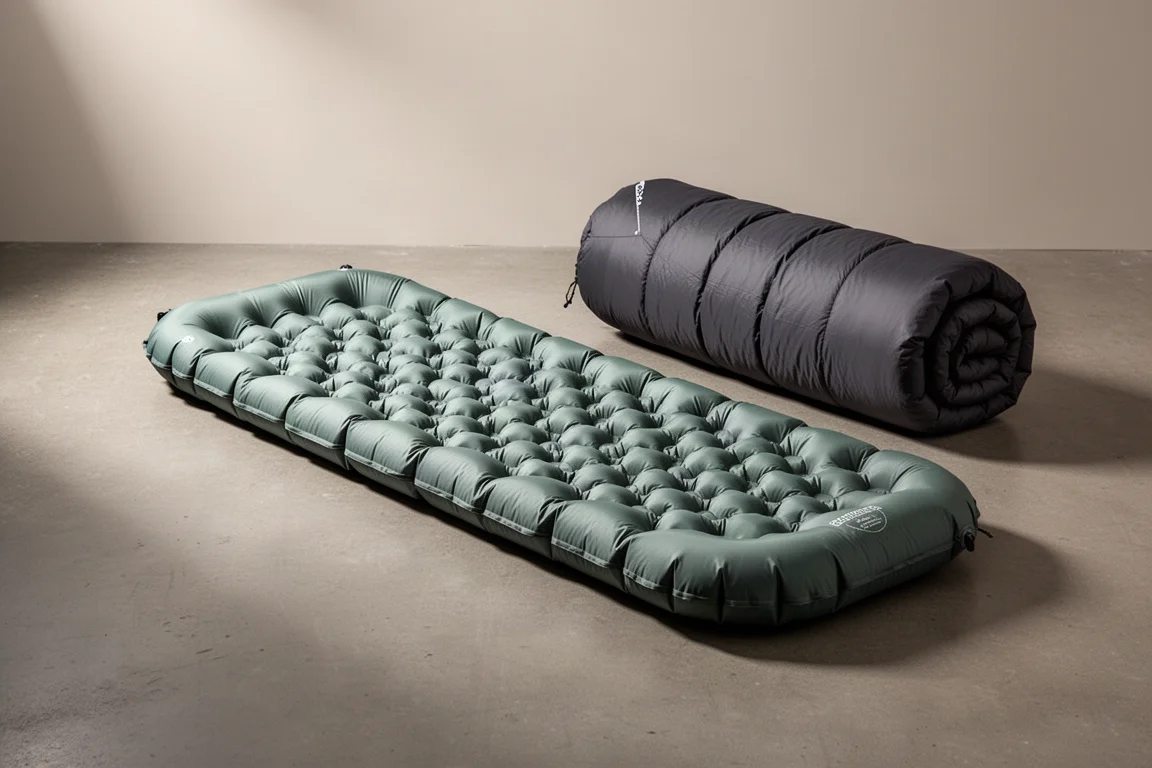
Cold-weather sleeping pads solve a problem that sleeping bags cannot. A bag stays warm because its insulation lofts and traps air, but body weight compresses that insulation from below, so the pad has to carry the job of stopping heat from draining into frozen ground. The Nemo Tensor Extreme Conditions is built specifically for that role. It carries an R-value of 8.5, a figure that stands a full point above the Therm-a-Rest XTherm, the pad it is measured against, and its stated aim is to take over as the best warmth-to-weight pad in the category.
On specification, the two are close. A pre-production Tensor Extreme weighed 23.5 oz, exactly the same as the XTherm, while claiming a point more warmth. Whether that extra point translates into a warmer night is the interesting question, and it is not one that a bench test answers on its own.
This review covers what the Tensor Extreme Conditions offers, who it is built for, and the parts of its warmth claim that current pad testing does not yet capture.
Who the Nemo Tensor Extreme Conditions Is For
The Tensor Extreme Conditions is aimed at people who sleep outside in genuinely cold conditions: snow camping, winter mountaineering, late-season alpine routes, and any trip where the ground under the tent is frozen or snow-covered.
For those users, the pad is not a comfort item. It is the layer that keeps body heat out of the ground, and it has to do that while staying light enough to carry on a multi-day route. The Tensor Extreme is designed around that trade-off, with a warmth-to-weight target that places it at the top of the category.
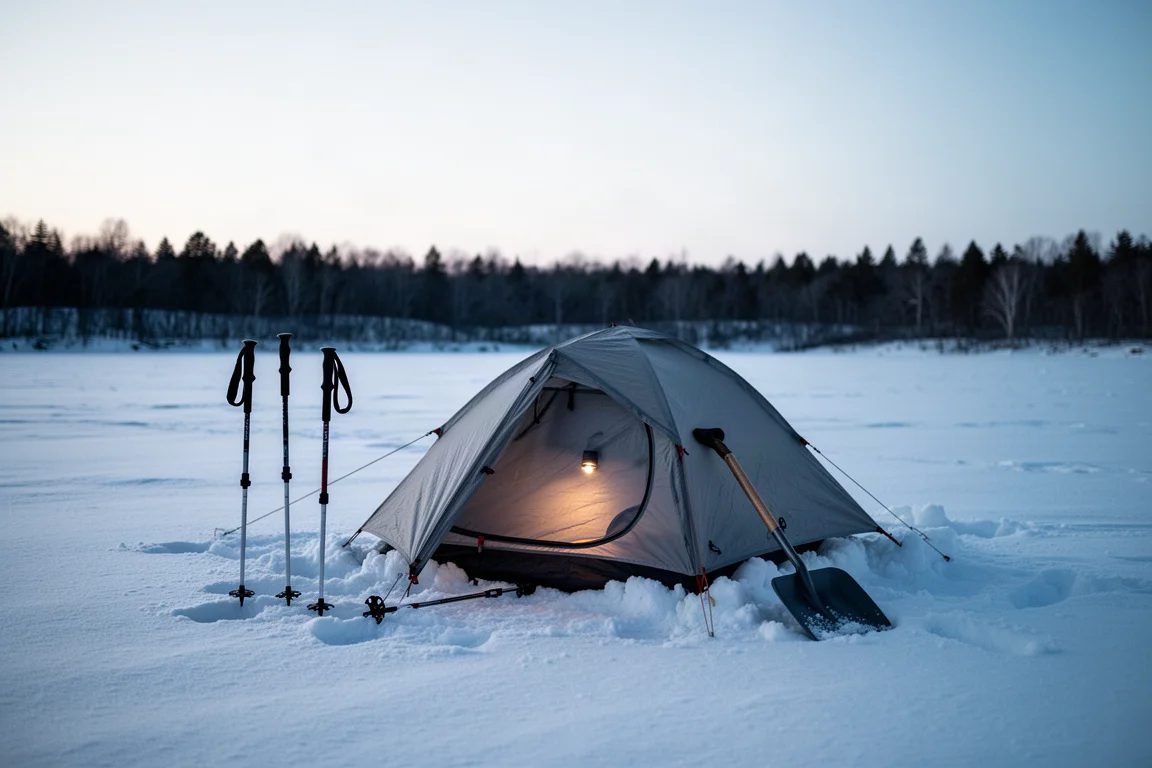
That focus makes it a specialist rather than an all-rounder. Three-season backpackers who rarely camp below freezing can spend less and carry less, while anyone planning nights on snow is exactly the buyer this pad was designed for.
Main Strengths
The headline strength is the R-value of 8.5. That is a full point higher than the Therm-a-Rest XTherm, and it is an unusually high rating for a pad that still counts as lightweight.
Weight is the second strength. The pre-production sample came in at 23.5 oz, the same figure as the XTherm, which means the pitch is a higher claimed warmth rating at no weight penalty. For winter travelers who count grams, that combination is the whole point.
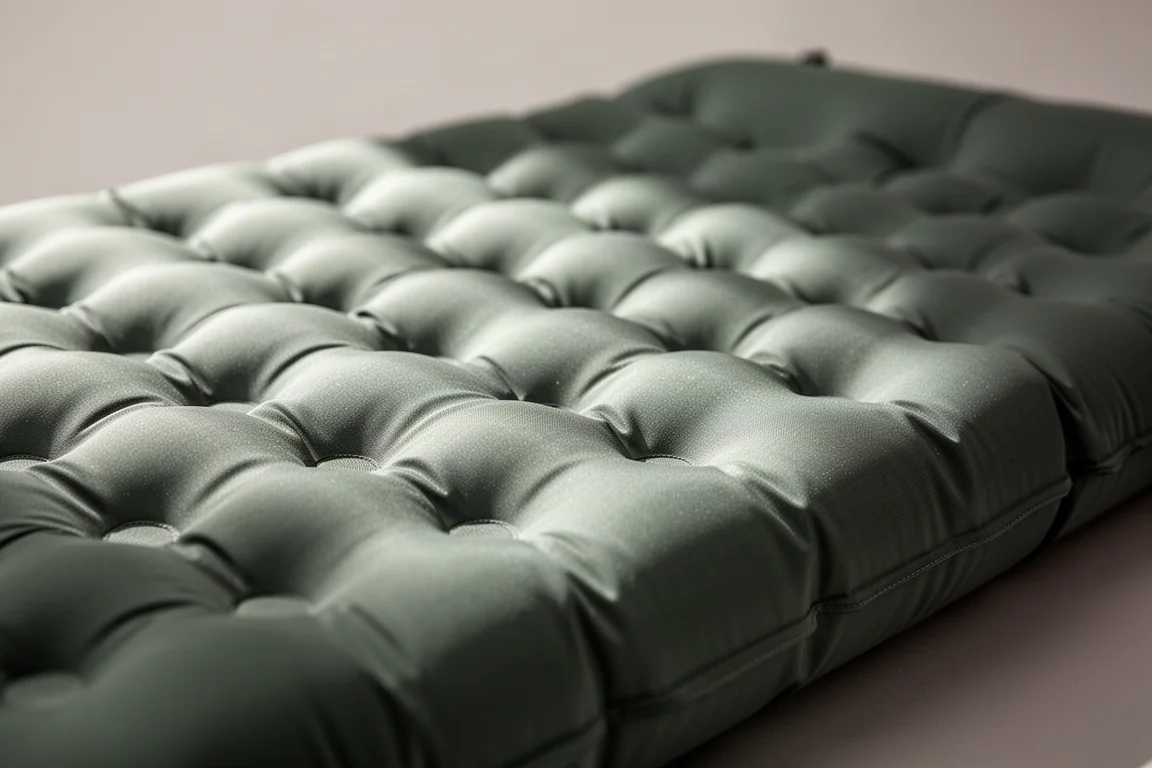
The construction behind the claim is four layers of reflective insulation. Those layers sit between the sleeper and the ground, and they are what allows the pad to stay thin and light while still targeting serious cold. Four layers also means more internal structure to manage, which is worth keeping in mind when the question of side insulation comes up.
What the R-Value Rating Does and Does Not Tell You
R-value is a standardized number. Pads are measured on a machine with a hot plate on one side and a cold plate on the other, and the test records how much energy is required to hold both plates at set temperatures. Less energy means a higher R-value, and the rating is certified through independent testing.
The limitation is that the test only tracks heat moving straight down through the pad. It says nothing about the edges, where cold air meets the side of the pad in real conditions, and it says nothing about how the surface feels against a body.
Dimpled pad designs are a particular case. Thermal imaging of dimpled pads has shown cold spots forming where the dimples sit, because the depressions give cold air a shorter path to the sleeper. A machine can register low energy transfer while a person lying on top still feels cold patches. That gap between a lab number and a night’s sleep is the reason the Tensor Extreme’s R-value is best treated as a strong starting point rather than a final answer.
Things to Consider Before Buying
The dimpled surface is the first thing to weigh. It is part of how the pad manages weight and packed size, but it also creates the cold-spot pattern described above, and that effect tends to matter most to people who sleep cold.
Side insulation is the second consideration. As pads get thicker, more of the pad’s edge is exposed to cold air, and no current certification measures that. In one controlled enclosure test, cold surrounding the pad on all sides travelled horizontally along the insulating layers and reached the sleeper, even though the pad’s top-to-bottom performance was unchanged. That result reflected the test setup rather than the pad, but it highlights a real question about how thick pads behave once the air around them is freezing.
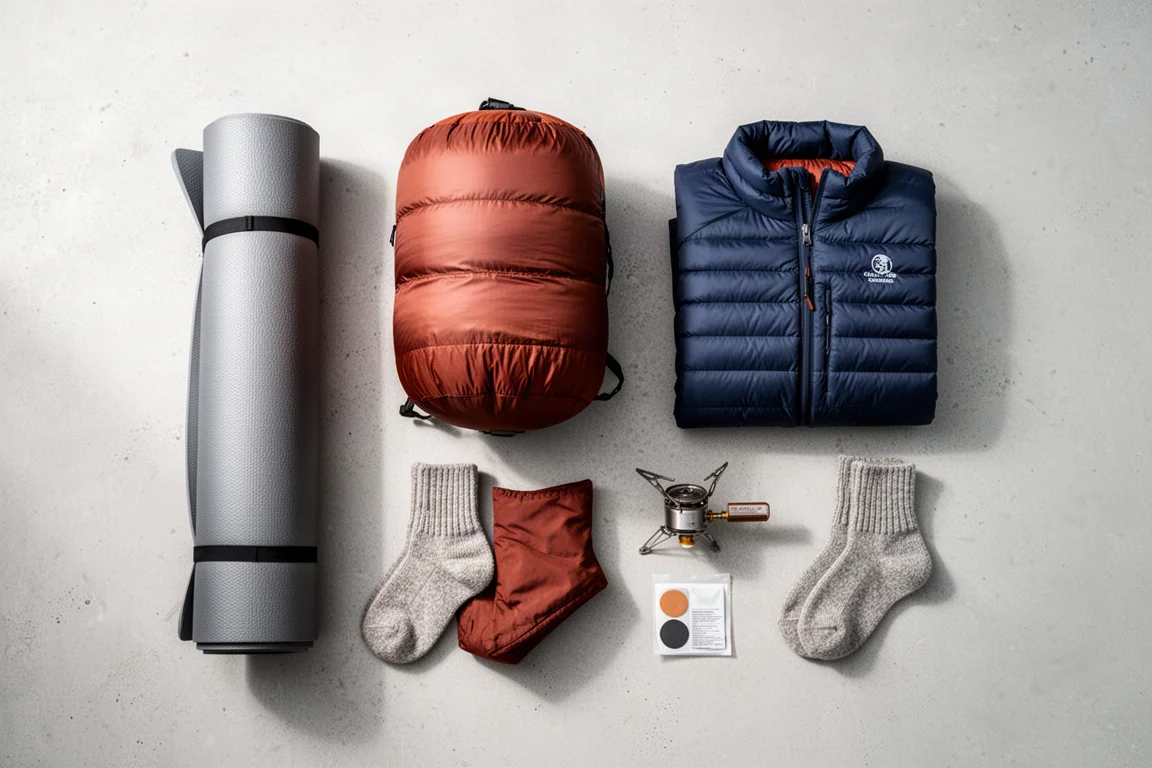
The third point is timing. The unit discussed here was a pre-production sample, and its warmth claim had not been confirmed in the extreme conditions it was designed for. Buyers who want certainty before a winter trip should expect the picture to firm up as field reports arrive.
What Testing Has Revealed So Far
An early attempt to test the pad in a controlled sub-zero enclosure produced confusing results. The pad was placed on a bed of ice inside a freezer that held around 6 degrees Fahrenheit, and the sleeper felt cold through the pad while the air above stayed close to 80 degrees Fahrenheit, with the underside of the pad reading near 11 degrees Fahrenheit. The same pattern appeared with a Therm-a-Rest XTherm NXT MAX, which pointed to the setup rather than to either pad.
The explanation was the enclosure itself. Refrigerant lines run through the walls, so cold reached the pad from the sides as well as from below, and that sideways cold moved along the pad’s insulating layers. Digging a pad-sized hole in ice would create the same effect, and no camper would do that on purpose.
A second attempt was simpler: ice blocks laid on the ground with the pad on top. After a couple of hours, the pad felt far less cold than in the enclosure, although a slight chill was still noticeable through the pad and a 0 degree Fahrenheit sleeping bag, most of all under the seat. The takeaway was that the enclosure test was not a fair representation, and that the pad needs real snow and real winter nights before its warmth can be judged.
Buying Advice
For winter backpackers who count grams and expect to sleep on snow, the Tensor Extreme Conditions deserves a serious look on specification alone. An R-value of 8.5 at a claimed 23.5 oz puts it in the top tier of the category, and four layers of reflective insulation is a credible way to chase warmth without bulk.
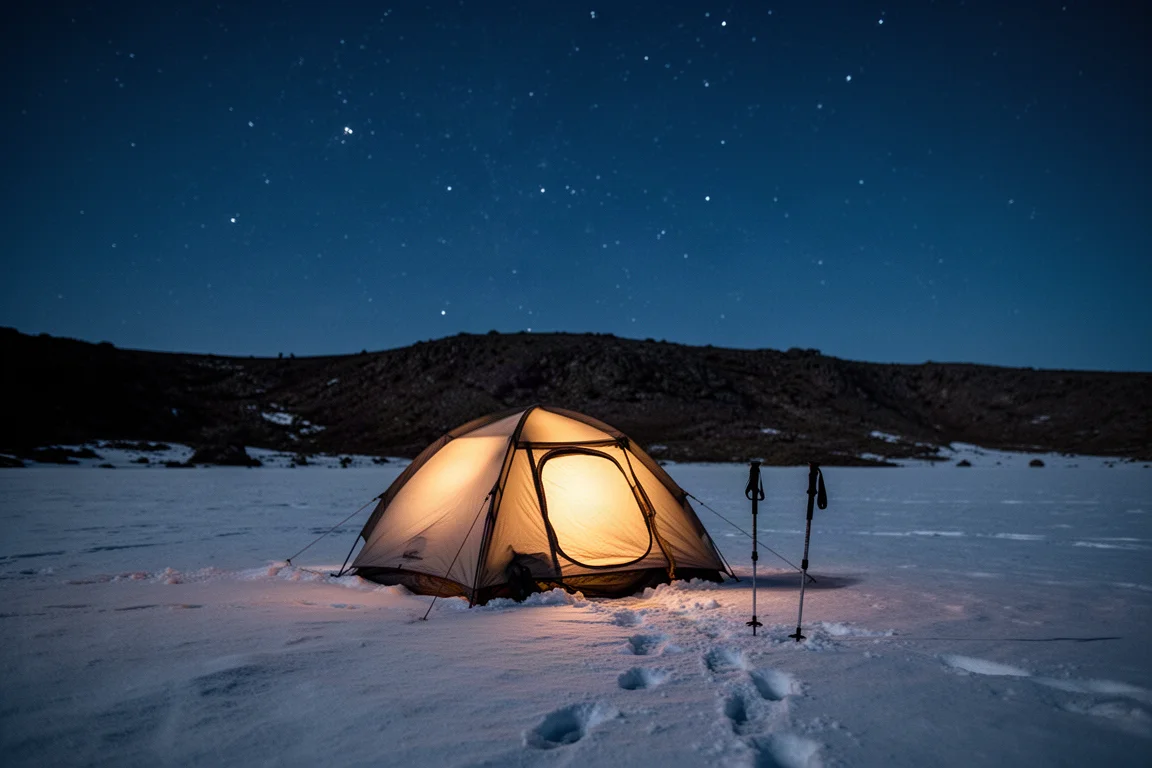
The honest caveat is that the warmth claim has not been verified in the conditions it was built for. If a trip is coming up this season, treat the rating as a strong starting point and pair the pad with a sleeping bag rated for the temperatures you expect. Cold sleepers who are sensitive to pressure points and cold patches should also think carefully about whether a dimpled surface suits them, since that design choice is central to how this pad manages weight.
It is also worth watching how pad certification develops. A standard that measures side-to-side performance, not just top-to-bottom, would tell buyers far more about how a thick pad behaves on a freezing night than the current test can.
Conclusion
The Nemo Tensor Extreme Conditions makes a compelling specification case: an R-value of 8.5, a claimed 23.5 oz, four layers of reflective insulation, and a target set squarely on the warmest pad in its class. Whether it delivers on that promise in deep winter remains open. What is already clear is that sleeping pad certification does not account for side insulation or for the cold spots that dimpled surfaces can produce, and those are exactly the factors that decide whether a pad feels warm in the small hours. Buyers who want the best warmth-to-weight numbers have a genuinely interesting option here, with the sensible expectation that the final verdict will arrive with the first real snowfall.
Product link
View more details for Nemo Tensor Extreme Conditions
This product is mentioned in the review. Check the specifications, options, and compatibility before buying.
View more details for Nemo Tensor Extreme ConditionsFurther reading
Related Reviews
Sleeping Pads
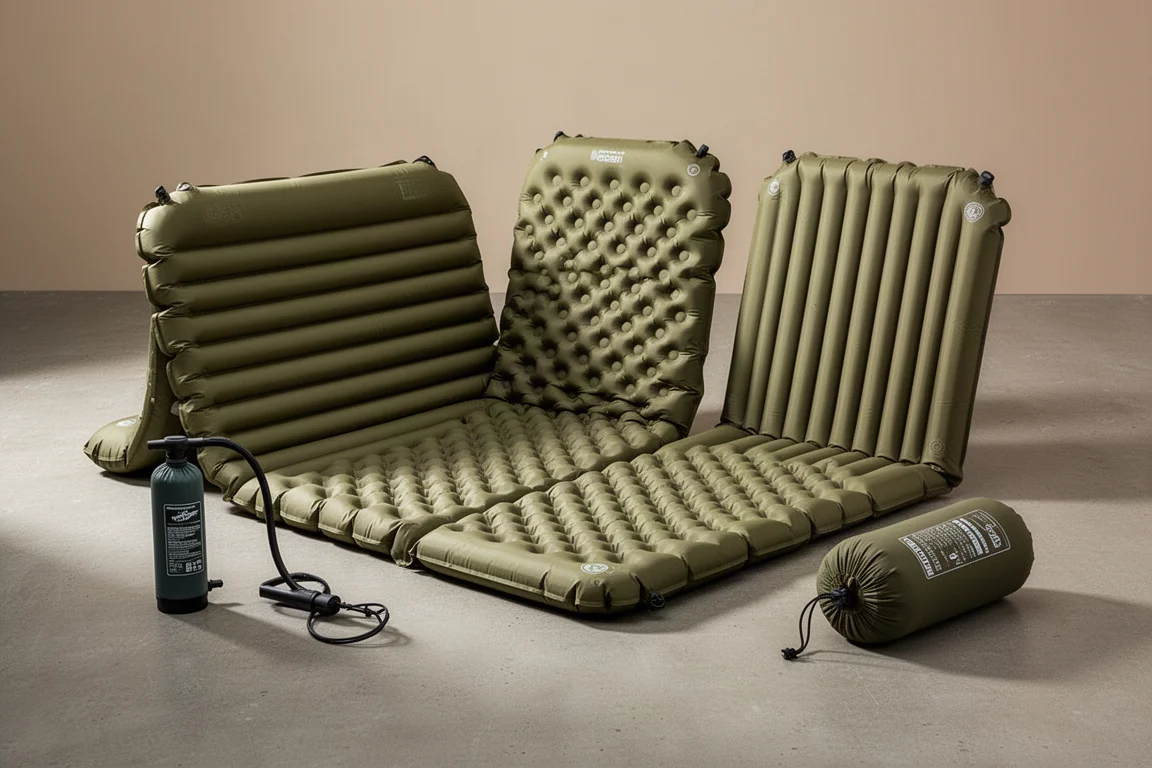
Best Backpacking Sleeping Pads 2026: Nine Pads Rated on Price, Comfort, Warmth, and Weight
Nine backpacking sleeping pads compared on price, comfort, warmth, and weight, from a $65 summer pad to a year-round option rated at R-7.3.
Sleeping Pads
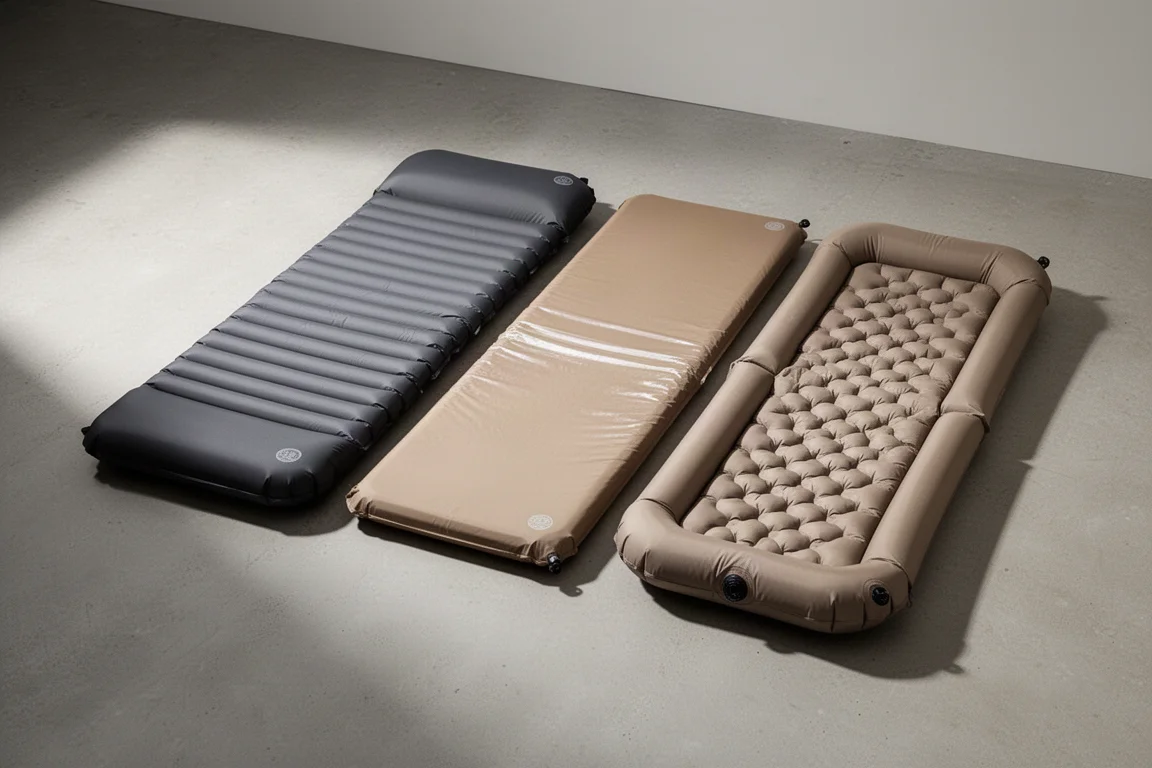
Best Backpacking Sleeping Pads: Comfort, Warmth, and Weight Compared
A practical comparison of the Nemo Quasar 3D, Therm-a-Rest NeoAir XTherm Max, and Big Agnes Rapide SL for backpackers choosing between comfort, warmth, and packed weight.
Sleeping Pads
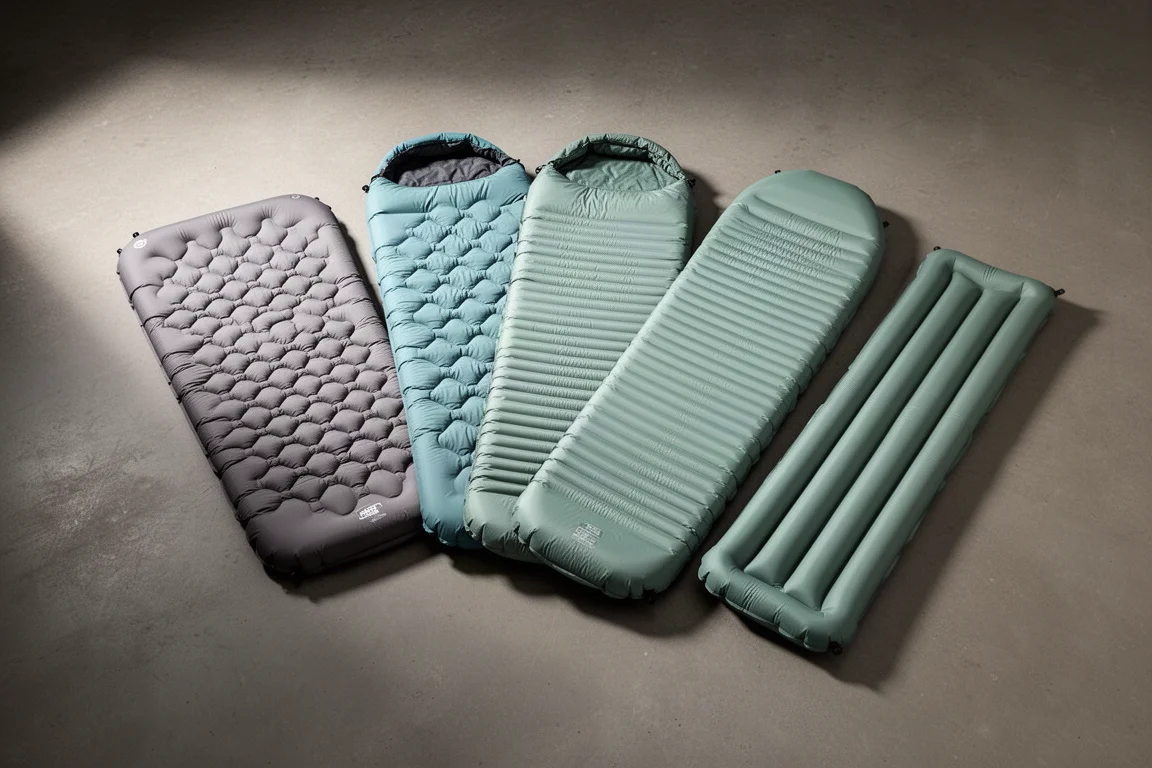
Best Backpacking Sleeping Pads: Ultralight, Winter, Comfort and Budget Picks
A practical roundup of the sleeping pads that stand out for ultralight weight, winter warmth, pressure relief and value, plus three popular pads that fell short.