Sleeping Bags
Nemo Sonic vs Teton Sports Altos: Two 0°F Winter Sleeping Bags Compared
A $600 down winter bag against a $120 synthetic bag, both rated to 0°F. Here is how they differ in warmth, construction, and real overnight comfort.
Introduction
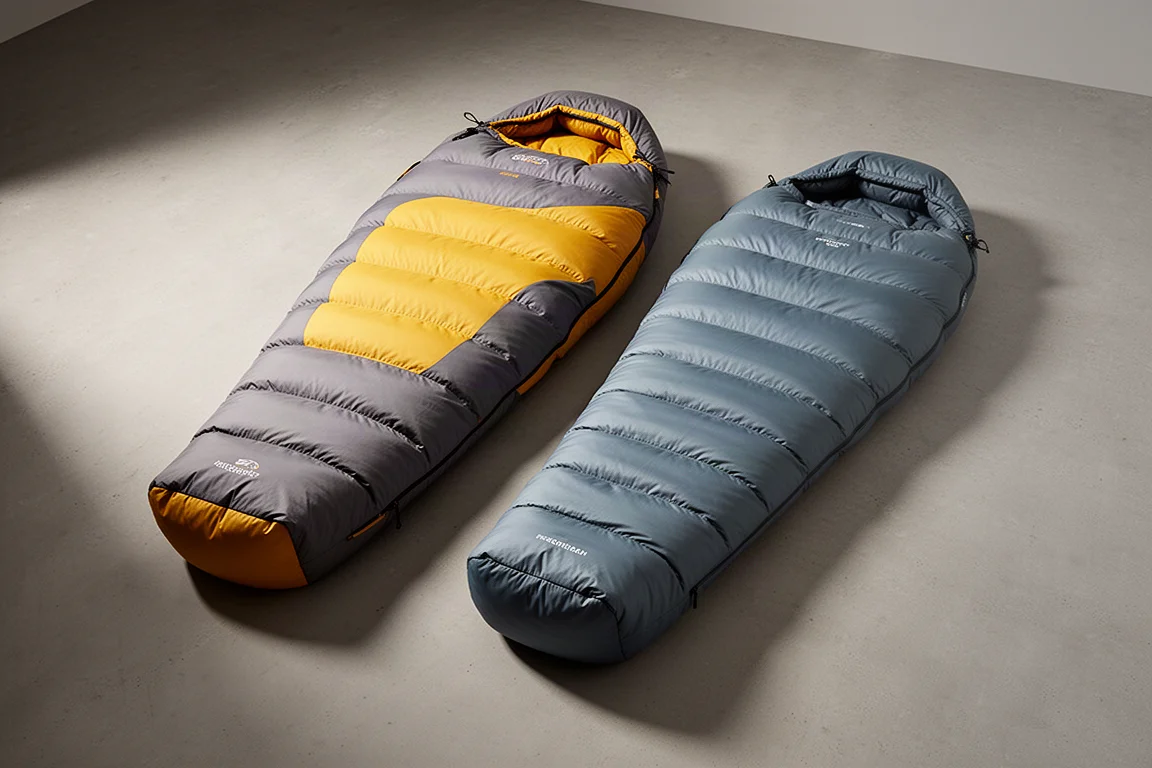
Two sleeping bags, the same claimed 0°F rating, and a price gap of roughly $480. One is a down-filled bag that costs around $600. The other is a synthetic-filled bag that costs around $120. On paper they promise the same lower temperature limit, which raises the obvious question: can the budget bag keep you as warm as the expensive one?
The answer is more nuanced than a simple yes or no, and it comes down to how each bag is rated, how each one is built, and what actually happens across a full night at freezing temperatures. Below is a detailed look at both bags, what each does well, and where the cheaper option shows its compromises.
How These Two Winter Sleeping Bags Compare
The Nemo Sonic carries a lower limit rating of 0°F, with a comfort rating of 14°F. In practical terms, the comfort figure is the outside temperature at which the bag is expected to keep a cold sleeper comfortably warm. It weighs 3 lb 12 oz when packed in its included compression sack, or 3 lb 9 oz on its own, and it uses 800 fill power down inside a highly water-resistant shell with a waterproof foot box. It is available in three lengths: short up to 5 ft 6 in, regular up to 6 ft, and long up to 6 ft 6 in.
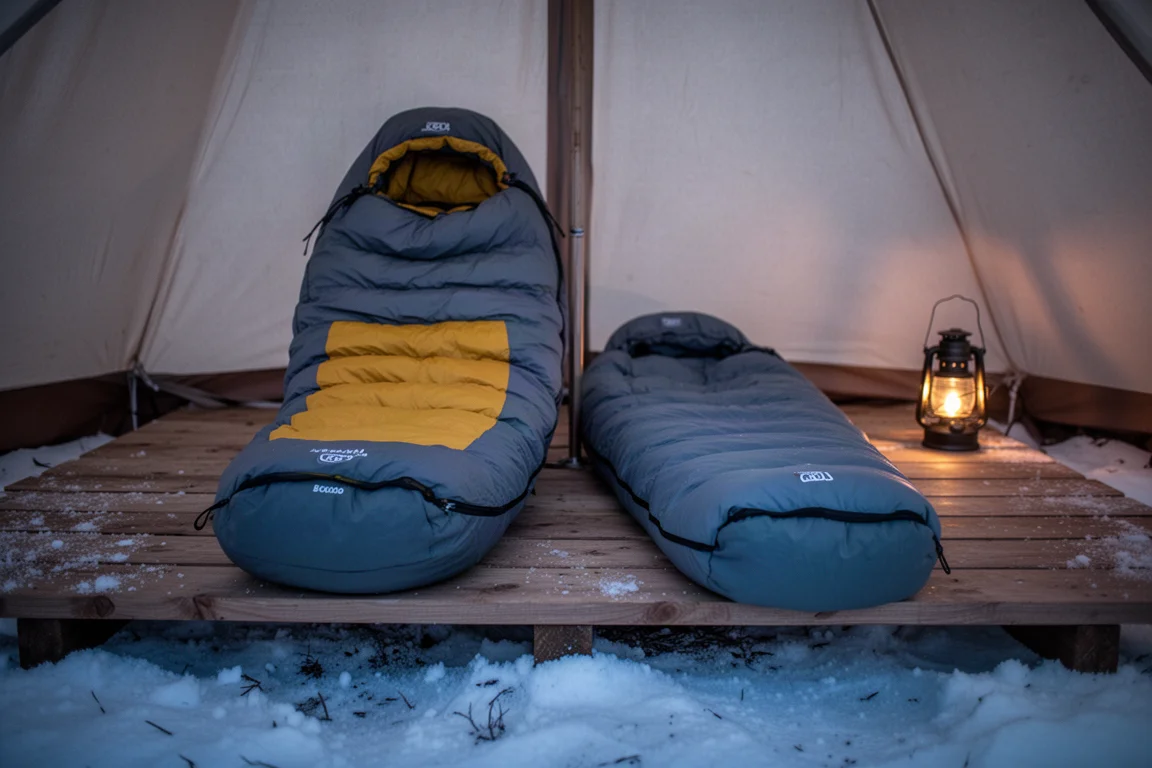
The Teton Sports Altos is also rated down to 0°F, but it is a synthetic-filled bag rather than a down bag. It weighs 3 lb 2 oz with its stuff sack, and slightly under 3 lb without the compression sack, which makes it more than half a pound lighter than the Sonic. It costs around $120, and the synthetic version was chosen over the down version of the same bag because it carries the same temperature rating and the same weight for noticeably less money.
That weight advantage is worth pausing on. The cheaper bag is lighter, so the difference between them is not about portability. It is about insulation type, construction detail, and how the temperature rating was arrived at.
Nemo Sonic 0°F: Premium Warmth and Design Detail
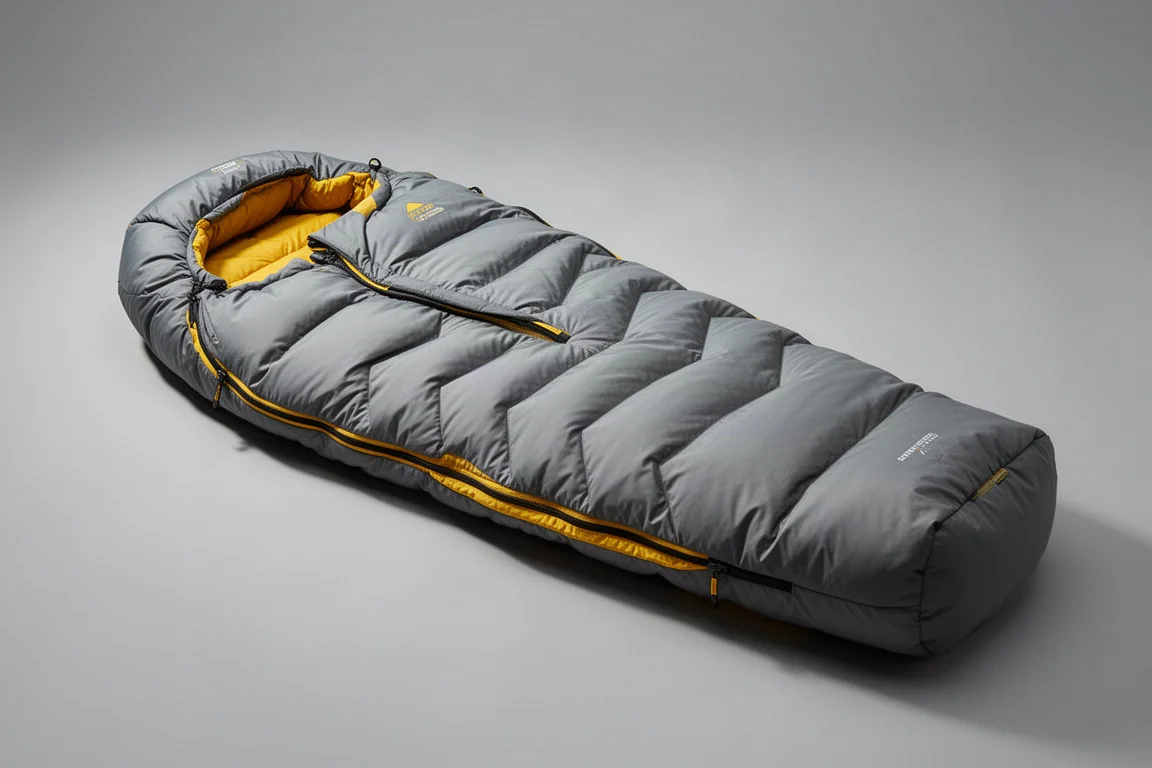
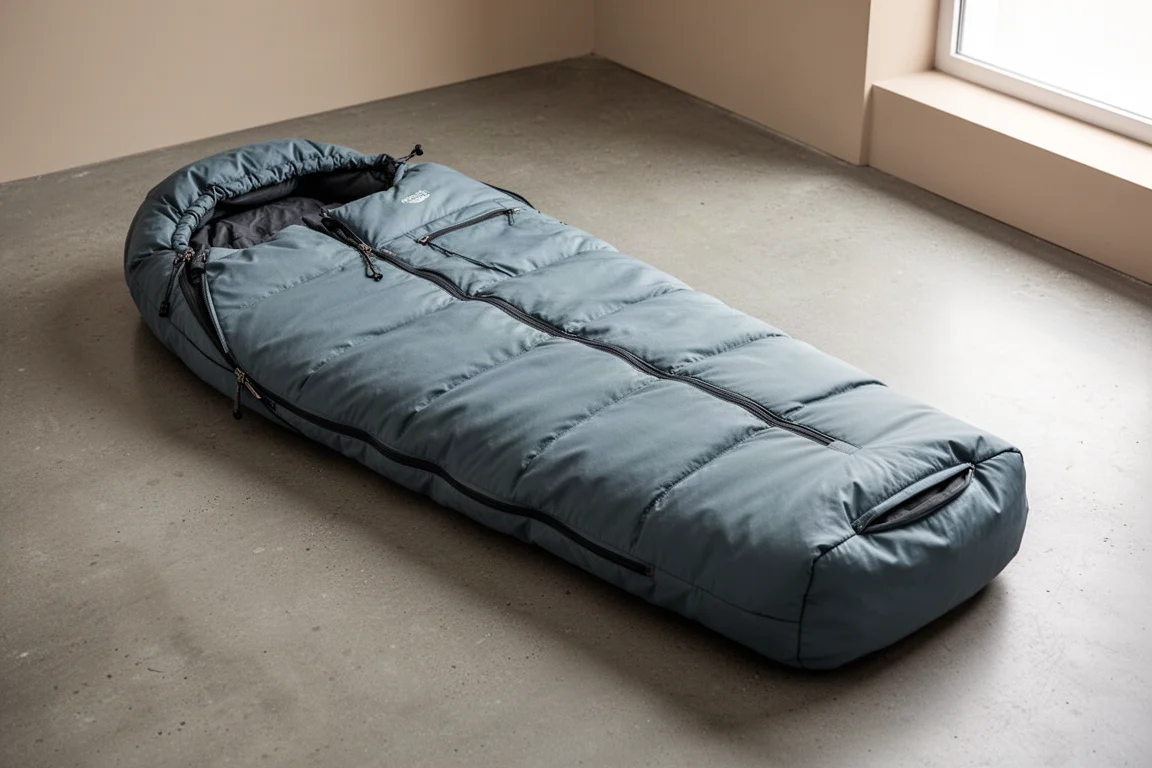
The Sonic is built around 800 fill power down, and its baffle layout uses a chevron pattern that the brand claims helps keep the down in place, which in turn supports heat retention. There are large baffles on both sides of the zipper to limit heat escaping through the closure, plus a generous collar around the face opening and a puffy draft collar that sits around the neck.
Two features stand out in daily use. The first is a pair of Thermo Gills, small vents that let a controlled amount of heat escape when you start to overheat, so you do not have to open the entire side of the bag and dump all your warmth at once. The second is a small pocket near the collar, sized for a phone but arguably better suited to a headlamp or a water filter. A water filter is a genuinely smart item to keep there, because filters cannot be allowed to freeze or they stop working, and the same logic applies to a water bottle tucked into the foot box.
The waterproof foot box matters more than it might seem. Feet are the part of a sleeper most likely to press against a tent wall, which is exactly where condensation tends to form, so a waterproof foot box helps keep the whole bag from soaking up moisture.
Teton Sports Altos 0°F: A Synthetic Bag on a Budget
The Altos uses synthetic insulation rather than down, and that choice has a real practical upside: synthetic insulation continues to keep you warm even if it gets soaked through, while down does not. That is why the absence of a waterproof foot box and waterproofing on the hood is less of a concern here than it would be on a down bag.
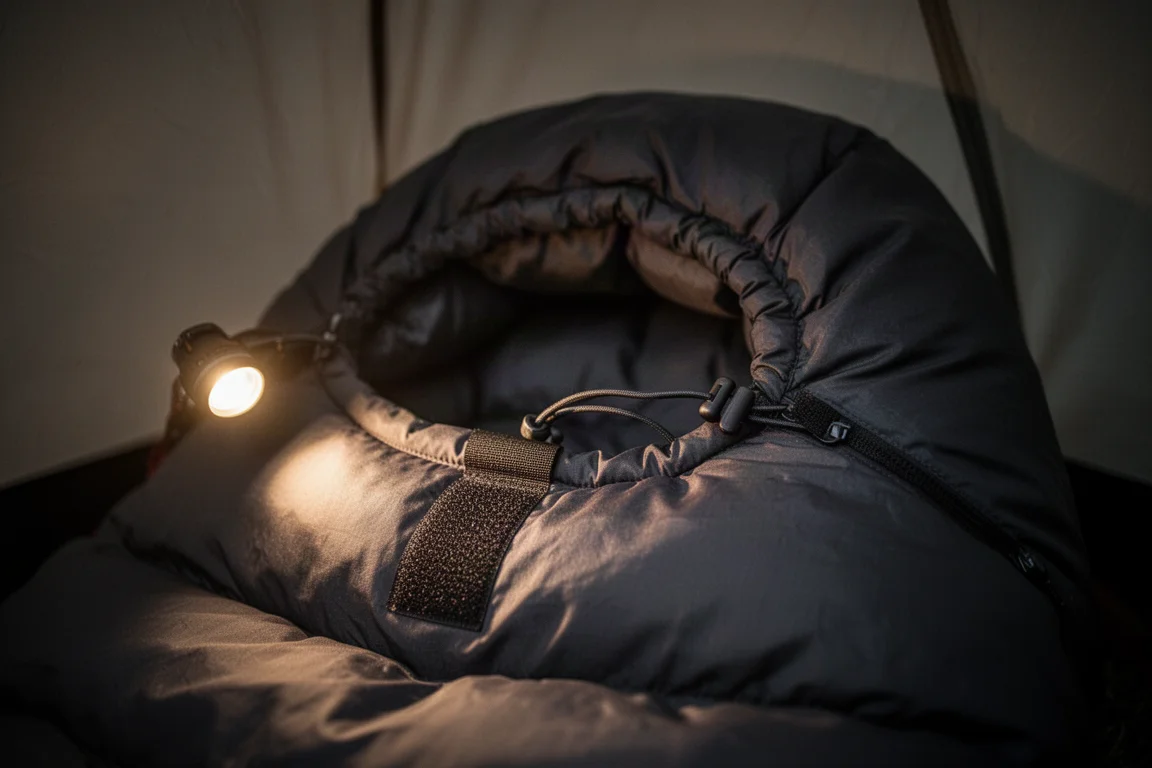
Feature-wise, the bag covers the basics. There is a velcro tab at the top, a draft tube running along the zipper on the top side only, a draft collar that cinches, an adjustable hood, and an interior pocket. Baffles are present but matter far less on a synthetic bag, because synthetic insulation behaves like a sheet of material that the baffles simply hold in position rather than loose fill that needs containing.
The first visual clue about performance is loft. The Altos is noticeably less lofty than the Sonic, and lower loft usually signals less insulation power. That impression is reinforced by how the two bags are rated. The Sonic is tested under a standardized third-party rating system, while the Altos and other bags from the same brand do not undergo that testing, which is expensive and not available to every brand. The 0°F figure on the Altos is the brand’s own rating. The brand itself recommends choosing a bag rated 20 to 30°F lower than the coldest temperature you expect to camp in, which means a 0°F bag is positioned for nights around 20 to 30°F rather than for genuine 0°F conditions.
What a Night in Each Bag Revealed
Both bags were tested on consecutive nights in a snowy backyard, at nearly identical temperatures, wearing the same wool base layers, the same hat, and using the same sleeping pad. The first night was spent in the Nemo Sonic, with overnight temperatures around 30 to 35°F. It was one of the most comfortable nights outside in a long time. One Thermo Gill was opened partway through the night to shed a little heat, and there was no doubt the bag could have handled considerably colder conditions.
The second night was spent in the Teton Sports Altos, with the same layers and the same pad, plus a quilt kept nearby in case the bag could not keep up. That backup was never needed. The bag was never actually cold, but it also never felt truly warm, and the night pushed it close to its maximum low temperature. The clearest weakness was the hood. It is very large, the draft collar was difficult to position correctly around the neck, the velcro tab kept coming unstuck and catching the face, and the drawstring cut in awkwardly. Cinching it down hard was the only way to stop cold air entering the bag, which is the opposite of the relaxed fit the Sonic offers.
Temperature Ratings and What They Actually Mean
Temperature ratings are not all produced the same way, and this is where the two bags diverge most. The Nemo Sonic uses a lower limit rating of 0°F and a comfort rating of 14°F. The lower limit is the temperature at which a warm sleeper is expected to stay comfortable, while the comfort rating is often treated as the equivalent of a colder sleeper’s rating, because cold sleepers need more insulation to stay comfortable at the same outside temperature.
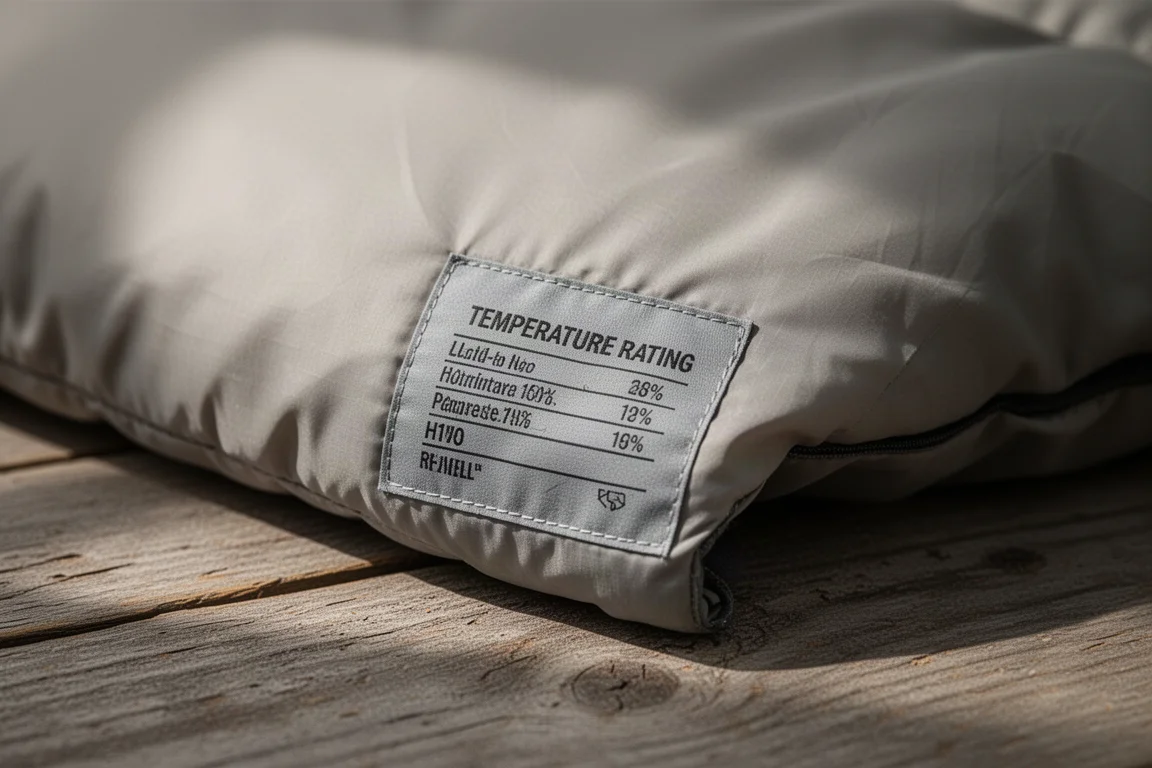
That rating framework comes from an external standards body, which is what makes it useful. It allows shoppers to compare bags from different brands against a common scale that was not set by the company selling the gear. Bags from Teton Sports do not go through that testing. That does not automatically make them untrustworthy, and the brand is transparent about its own guidance on its website, recommending a rating 20 to 30°F below the expected overnight low. But it does mean the 0°F label on the Altos should be read as the brand’s own figure rather than an independently verified one.
If the Altos genuinely performs like a strong 20 to 30°F bag, that makes it a genuinely appealing budget option for winter backpacking. The overnight test suggests that is roughly the right expectation.
Who Each Bag Suits Best
The Sonic is the better choice for anyone whose main obstacle to winter camping is being cold or uncomfortable at night. Its hood, draft collar, zipper baffles, and venting all work together to keep the temperature steady, and that level of design attention is what the higher price is paying for.
The Altos is the better choice for anyone whose main obstacle is cost. A good sleeping bag at around $120 is hard to find, and this one performed better than expected, warm enough to get through a freezing night without the backup quilt it was paired with. The compromises are real, particularly in the hood construction, but they are the kind of compromises that make sense at this price.
Buying Advice: Matching the Bag to Your Winter Trips
Start with the overnight temperatures you actually expect, not the most extreme number you can imagine. A brand that recommends a bag rated 20 to 30°F below your expected low is telling you something useful about how its ratings translate into real comfort, and that guidance is worth following regardless of which bag you buy.
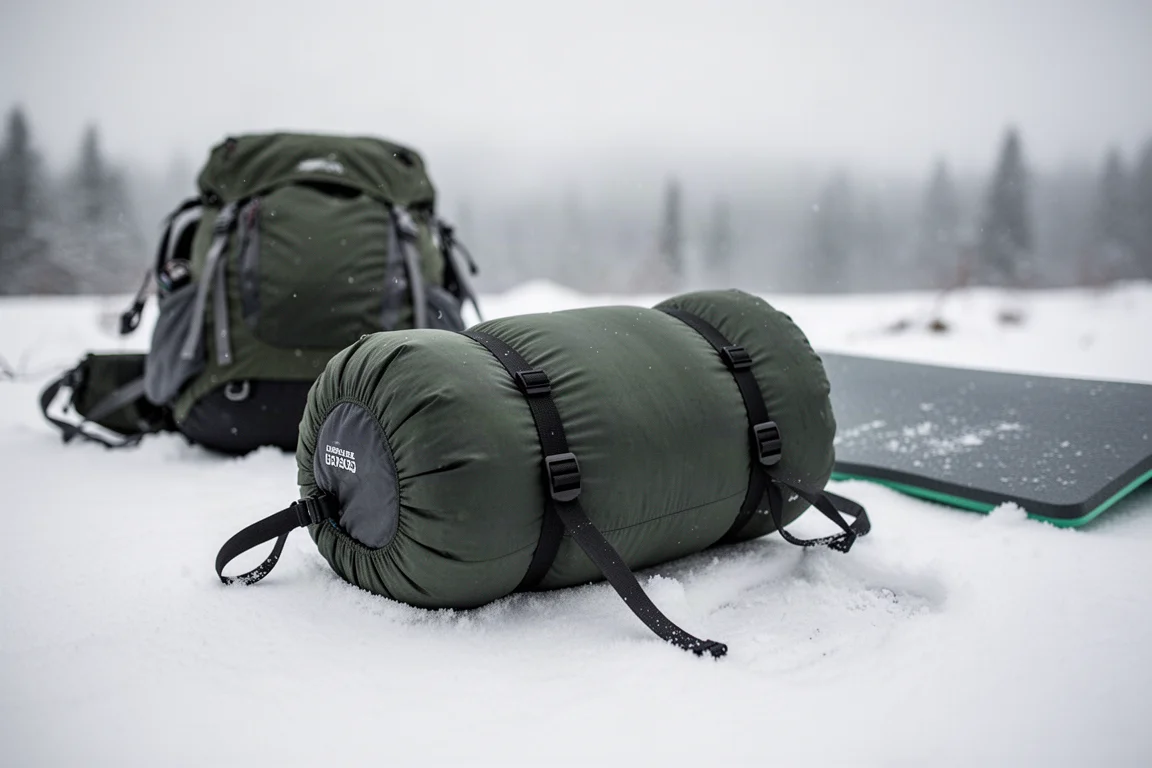
Then weigh what you already own. If you sleep cold, or if you already know that being uncomfortable at night is what stops you from camping in winter, paying more for a down bag with well-designed venting and a properly shaped hood is money well spent. If you sleep warm, or if the cost of entry is the thing holding you back, a synthetic bag at a fraction of the price can absolutely get you outside.
Also consider how you will use the bag. Synthetic insulation tolerates moisture better, which is reassuring for damp conditions, while down packs down smaller and offers more warmth for its weight when it stays dry. And remember the small habits that keep a night comfortable: keep a water filter or bottle inside the bag so it does not freeze, and use the collar pocket for a headlamp you can reach without unzipping everything.
Conclusion
The Nemo Sonic and the Teton Sports Altos both carry a 0°F rating, but they are not interchangeable. The Sonic delivers a noticeably higher level of comfort and design detail, from its Thermo Gills to its draft collar and zipper baffles, and it has the standardized rating to back up its numbers. The Altos costs around $120, weighs a little less, and handled a freezing night without ever leaving the sleeper cold, though its hood and collar are clearly where the savings were made.
If warmth and comfort are the priority, the Sonic justifies its price. If getting into winter camping at a low cost is the priority, the Altos is a far stronger option than its price suggests.
Further reading
Related Reviews
Sleeping Bags
Best Down Sleeping Bags Under $300: Four Backpacking Options Worth a Look
Four down sleeping bags that stay under $300, compared on fill power, baffle design, hood comfort, and packed size.
Sleeping Bags
Best Sleeping Bags and Sleep Systems: Five Premium Down Picks Compared
Five premium down sleeping bags and sleep systems compared on warmth, weight, construction, and value.
Sleeping Bags
Big Agnes Lost Ranger UL 3-in-1 Sleeping Bag System Review: One Bag, Three Setups
A practical look at the Big Agnes Lost Ranger UL 3-in-1 Sleeping Bag System, covering how the three configurations work, where it shines, and the details worth weighing before buying.