Sleeping Bags
Nemo Sonic vs Teton Sports Altos: Two 0°F Sleeping Bags at Very Different Prices
A $600 down bag and a $120 synthetic bag both rated to 0°F. Here is how they differ in warmth, weight, construction, and who each one suits.
Introduction
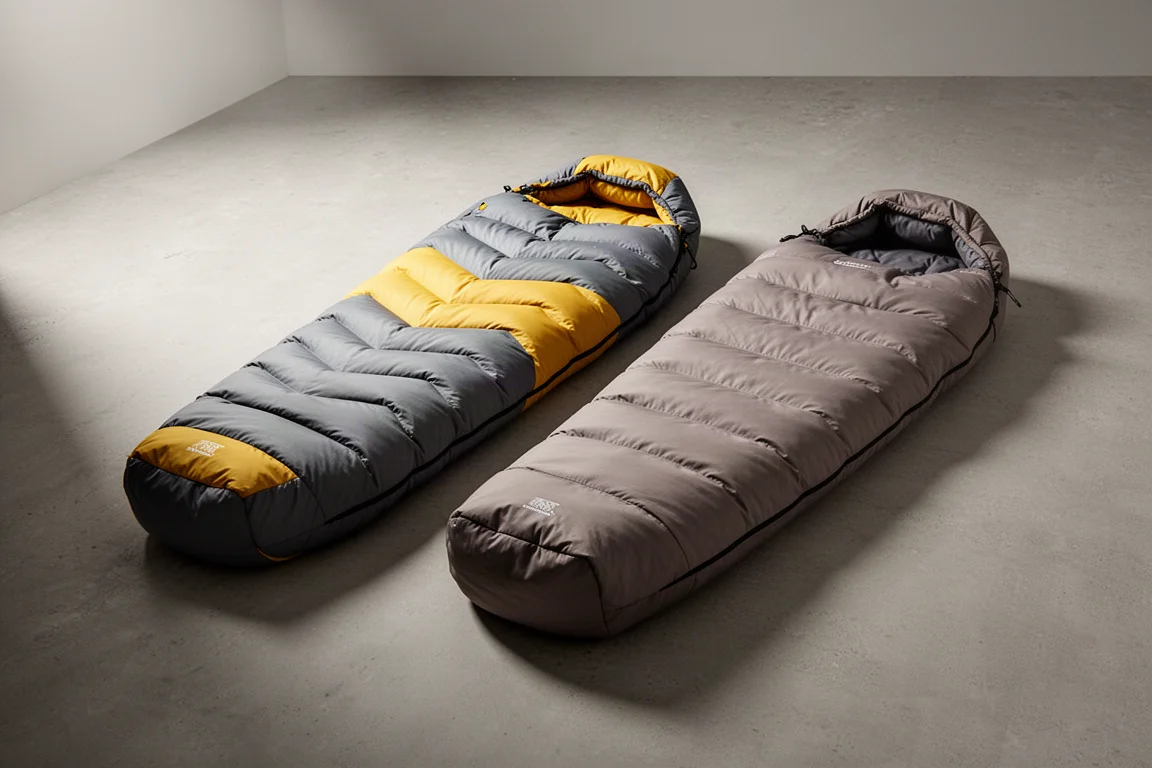
Two mummy-style sleeping bags sit at opposite ends of the winter camping market. The Nemo Sonic is an 800 fill power down bag with a 0°F lower limit rating and a 14°F comfort rating, priced around $600. The Teton Sports Altos carries the same 0°F headline rating and costs roughly $120. The interesting question is not which one is better built, because that is obvious from the price. It is whether the cheaper bag can keep a sleeper comparably warm, and what the extra money actually buys.
What Matters in a Winter Sleeping Bag
Temperature ratings are the first thing to understand, because the same number can mean different things. The lower limit rating describes the temperature at which a warm sleeper is expected to be comfortable, and it is usually the number a brand puts on the bag. The comfort rating is the temperature at which a cold sleeper is expected to be comfortable, and it is often treated as the equivalent of a women’s rating since women tend to sleep colder. The Nemo Sonic pairs a 0°F lower limit with a 14°F comfort rating.
The second point is who does the testing. The Sonic’s ratings come from an external, standardized ISO process, which means an independent organization rather than the brand establishes the numbers. Teton Sports bags do not undergo ISO testing, because that testing is expensive and not every brand can fund it. That does not automatically make an untested bag a bad choice, but it does mean the 0°F figure is the brand’s own. Teton Sports recommends choosing a bag rated 20 to 30°F lower than the coldest temperature you expect to camp in, so a 0°F bag is positioned for nights around 20 to 30°F under their own guidance.
Fill type shapes everything else. Down packs more loft per gram, which is why the Sonic feels so much puffier, but down loses its insulating ability once it is soaked. Synthetic insulation keeps working when wet, which is a real advantage in damp or snowy conditions and a big part of why synthetic bags cost less.
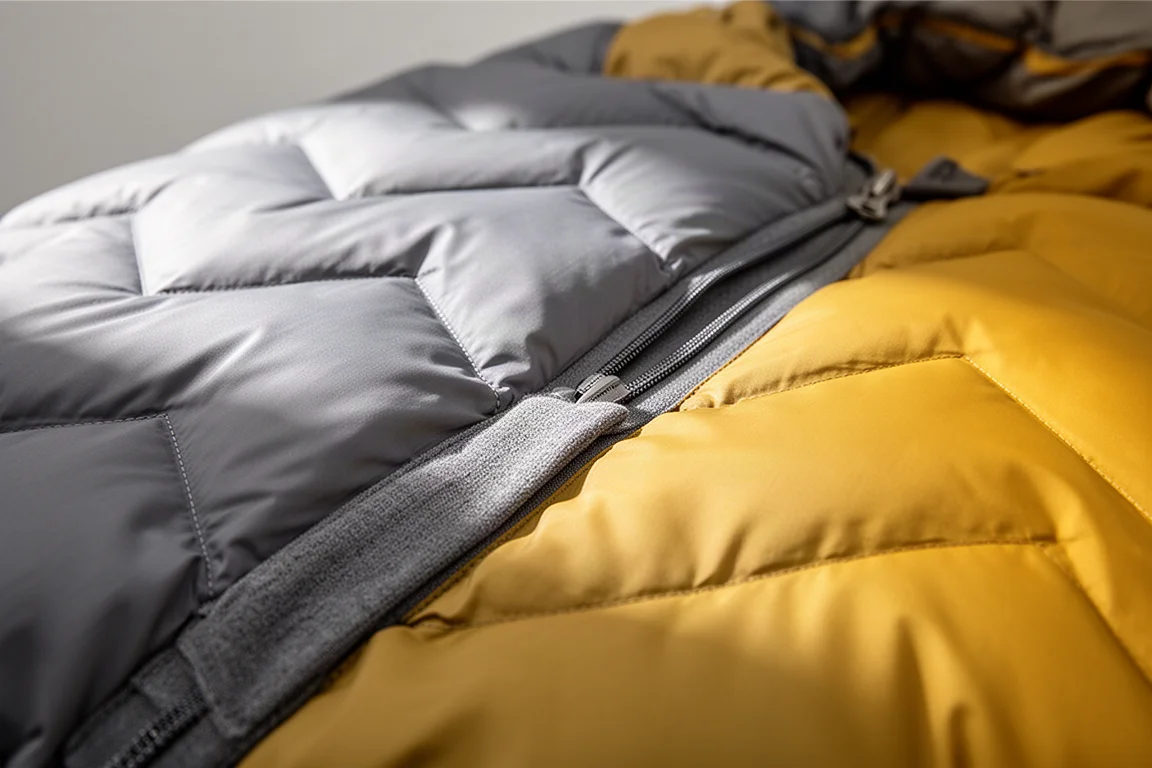
Construction details are what separate a comfortable bag from a merely adequate one. Look at the hood shape, the draft collar that wraps the neck, the baffles that run alongside the zipper, and whether the bag offers any way to vent heat without fully opening it. Those features are where a premium bag earns its price and where a budget bag tends to show its limits.
Nemo Sonic 0°F Sleeping Bag
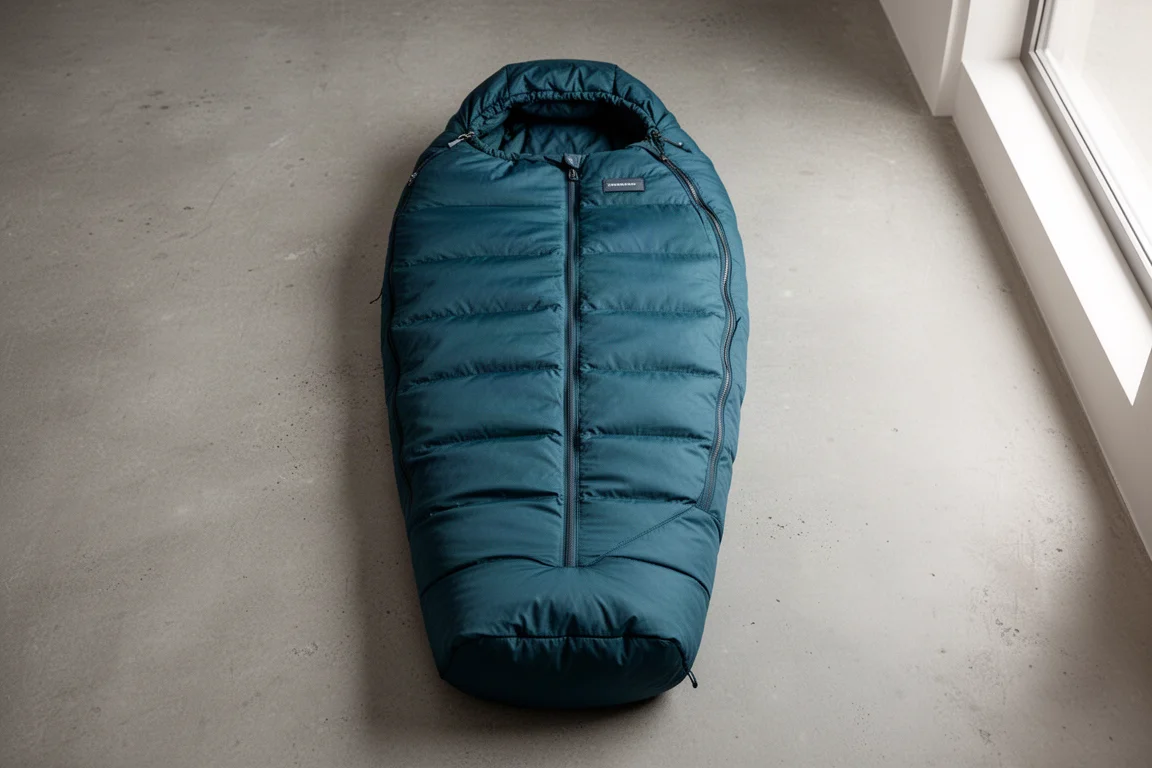
The Sonic is built around 800 fill power down with a 0°F lower limit rating and a 14°F comfort rating. It weighs 3 lb 12 oz when packed in the included compression sack and 3 lb 9 oz on its own. It comes in three lengths: short for sleepers up to about 5 ft 6 in, regular up to 6 ft, and long up to 6 ft 6 in. The price sits near $600.
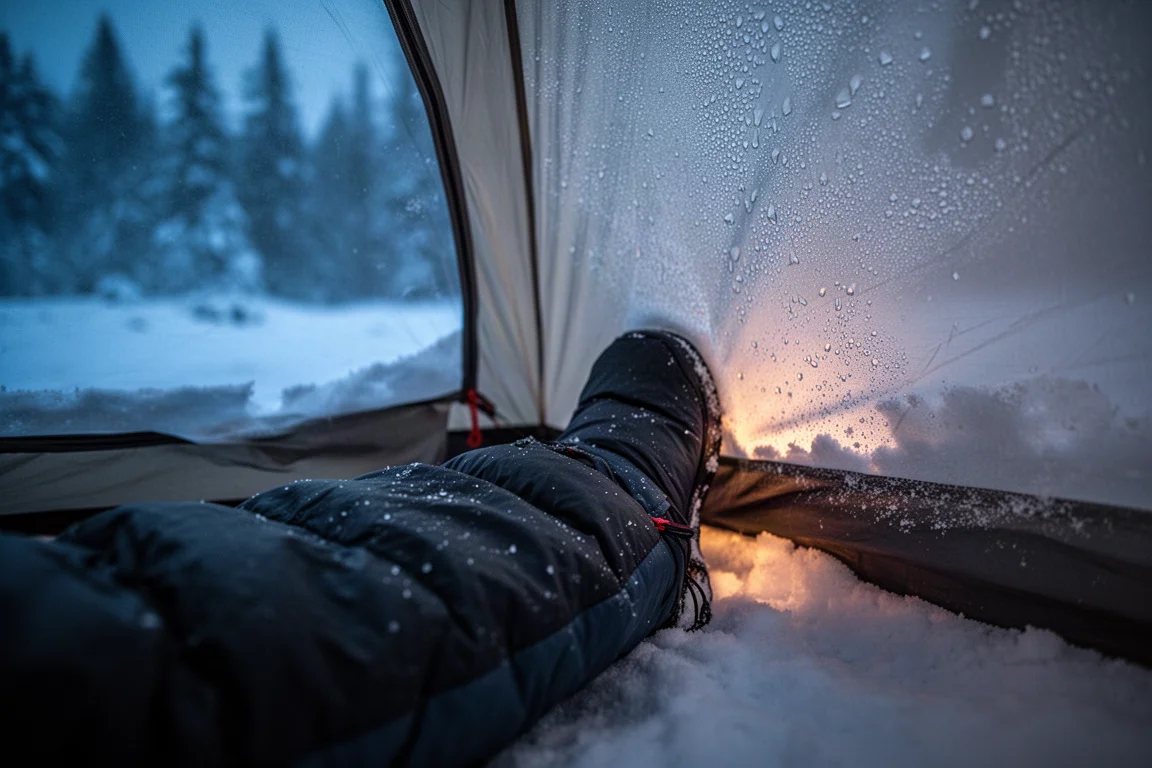
The shell is highly water resistant, and the foot box is fully waterproof. That detail matters more than it sounds. Feet frequently press against tent sidewalls, which is exactly where condensation forms, so a waterproof foot box helps keep the whole bag from soaking up moisture and losing its loft.
At the head end there is a large, heavily lofted collar around the face opening plus a puffy draft collar that wraps the neck. The down is held in a chevron baffle pattern that Nemo states keeps the fill in place and improves heat retention, and there are baffles on both sides of the zipper to stop heat escaping through the closure.
Two Thermo Gills act as small vents. Opening them lets a little heat escape when you are running warm, without unzipping the full side of the bag and dumping all of your warmth at once. A small pocket near the collar fits a phone, a headlamp, or a water filter. That last use is practical: filters such as a Sawyer Squeeze stop working if they freeze, so keeping one inside the bag overnight protects it.
In a night of testing at roughly 30 to 35°F, the Sonic stayed cozy throughout, and there was no doubt it would have handled considerably lower temperatures. The price is high, but the comfort, temperature regulation, and overall build quality make a clear case for it.
Teton Sports Altos 0°F Sleeping Bag
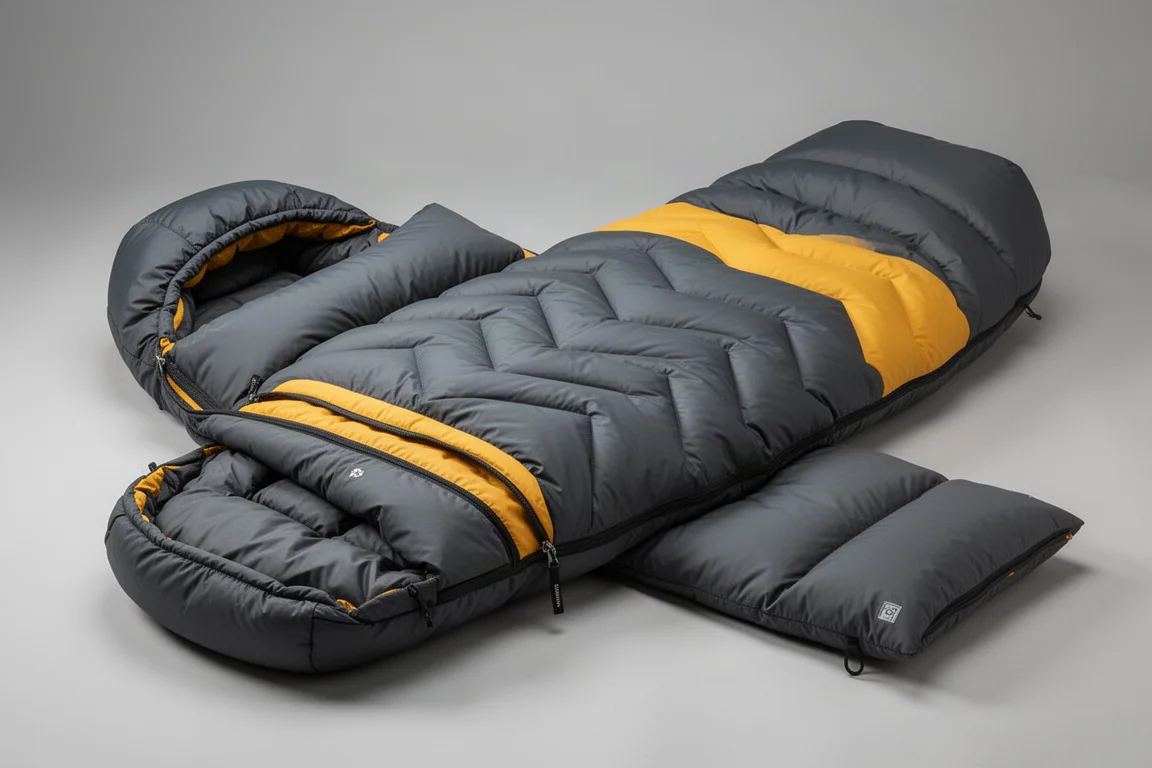
The Altos is a synthetic fill bag rated to 0°F by Teton Sports rather than through ISO testing. It weighs 3 lb 2 oz with the stuff sack and under 3 lb without the compression sack, which makes it more than half a pound lighter than the Sonic. The price is around $120.
Feature-wise, it covers the basics. There is a velcro tab at the top, a draft tube running along the top side of the zipper but not the bottom, a draft collar that cinches at the top, an adjustable hood, and an interior pocket. It has no waterproof foot box and no waterproofing on the hood. With synthetic insulation that is a smaller concern, since the bag continues to insulate even when it gets soaked through.
Baffling is present but less consequential here. Synthetic insulation behaves more like a sheet of material, so baffles mainly hold that sheet in place rather than containing loose down. The most telling difference on inspection is loft: the Altos is noticeably flatter than the Sonic, which is the first hint that it will not be as warm.
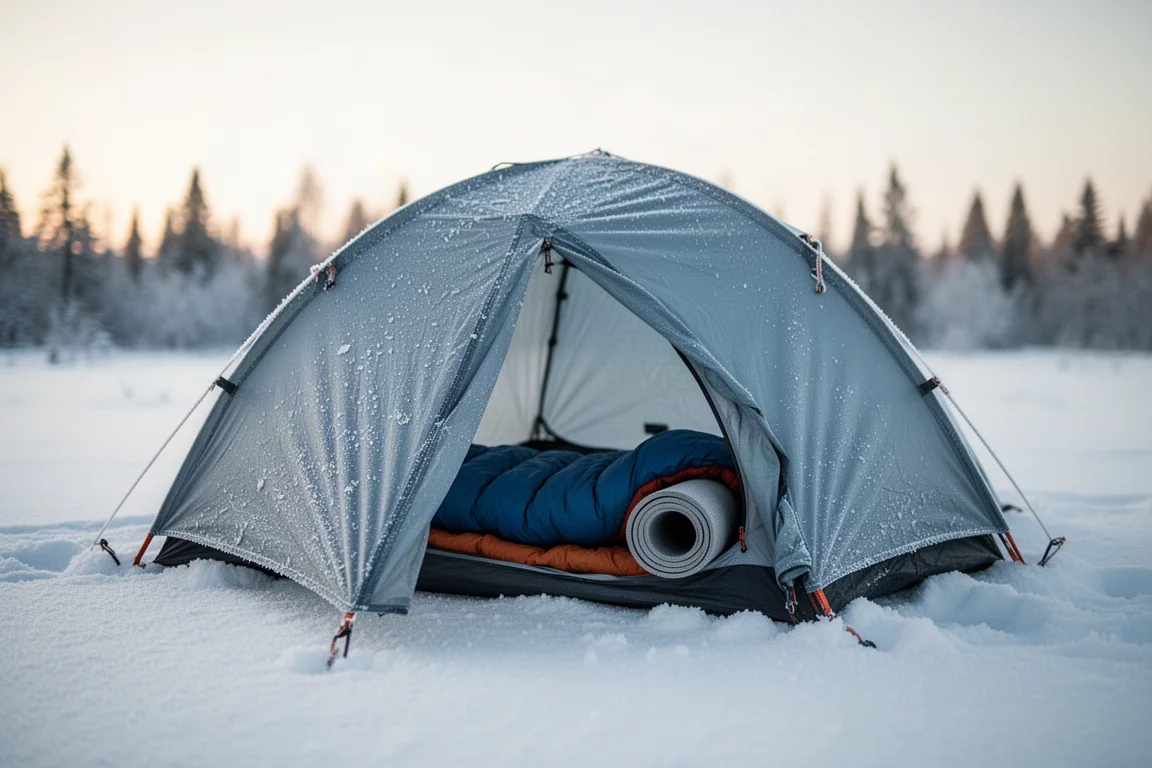
On a test night with nearly identical temperatures, the same base layers, and the same sleeping pad, the result was mixed in a useful way. The bag never left the sleeper cold, but it never felt genuinely warm either, and it was clearly pushed to its absolute low temperature limit. An extra quilt was brought along as insurance and was not needed, which was a genuine surprise given the price.
The hood is where the cost savings are most visible. It is very large, and the draft collar never quite settled around the neck. The velcro tab kept coming unstuck and catching the face, and the cinch cord pressed in awkward places. Cinching it down hard was the only way to keep cold air from pouring in, which is a compromise you notice over a full night.
Overall Buying Advice
The decision comes down to which barrier is keeping you out of winter camping. If the problem is being cold or uncomfortable at night, the Nemo Sonic is the stronger choice. Its hood, draft collar, zipper baffles, and vents work together to keep you warm without feeling sealed in, and the 14°F comfort rating gives cold sleepers a more realistic picture of what the bag can handle.
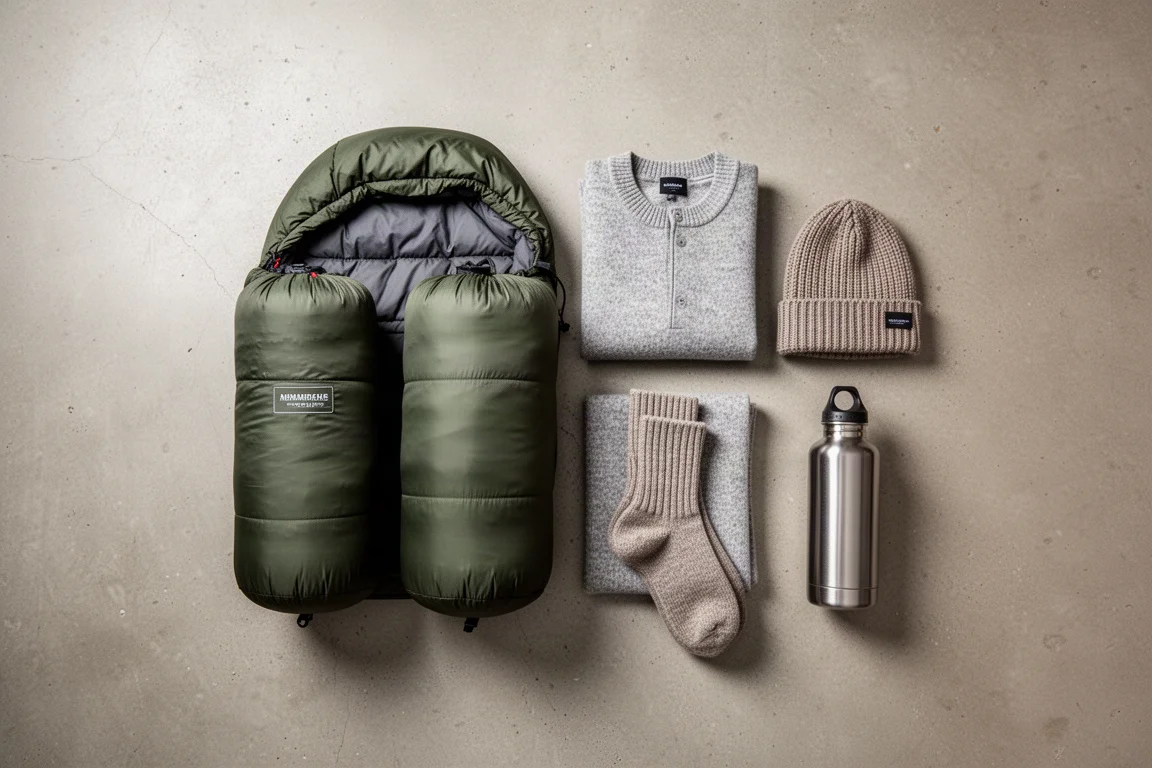
If the problem is cost, the Teton Sports Altos is a genuinely impressive option at its price. It is hard to find a competent winter sleeping bag near $120, and this one performed better than expected, with a lower weight than the premium alternative. Accept that the hood and collar construction is where the money was saved, and it becomes an easy recommendation for budget-conscious campers.
Whichever route you take, pay attention to how the rating was produced. Bags that do not use a third-party rating system should be bought against the manufacturer’s own guidance, and Teton Sports recommends a rating 20 to 30°F below the coldest temperature you expect. Also weigh the comfort rating rather than the headline lower limit if you sleep cold.
Conclusion
These two bags are not really competitors so much as answers to different questions. The Nemo Sonic is the pick when warmth, thoughtful design, and reliable temperature regulation matter most, and its $600 price reflects real construction advantages. The Teton Sports Altos is the pick when budget is the deciding factor, delivering a lighter bag at roughly $120 that kept its sleeper warm through a night at the edge of its rating. Match the bag to your coldest expected conditions and to the rating system behind the number, and either one can work well.
Further reading
Related Reviews
Sleeping Bags
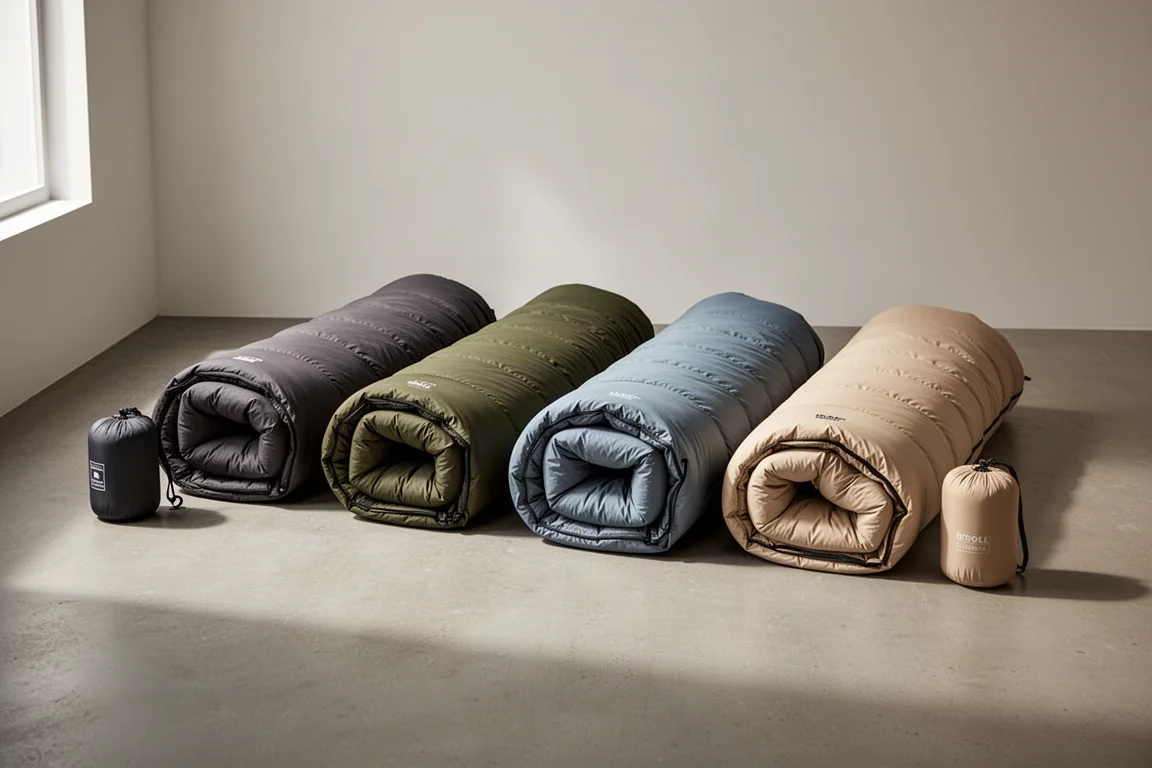
Best Down Sleeping Bags Under $300: Four Backpacking Options Worth a Look
Four down sleeping bags that stay under $300, compared on fill power, baffle design, hood comfort, and packed size.
Sleeping Bags
Best Sleeping Bags and Sleep Systems: Five Premium Down Picks Compared
Five premium down sleeping bags and sleep systems compared on warmth, weight, construction, and value.
Sleeping Bags
Big Agnes Lost Ranger UL 3-in-1 Sleeping Bag System Review: One Bag, Three Setups
A practical look at the Big Agnes Lost Ranger UL 3-in-1 Sleeping Bag System, covering how the three configurations work, where it shines, and the details worth weighing before buying.