Camping Tents
Nemo Hornet Osmo Elite Review: Ultralight Performance at a Premium Price
A close look at the Nemo Hornet Osmo Elite, an ultralight three-season shelter that shines as a solo tent but struggles to justify its price as a two-person option.
Introduction
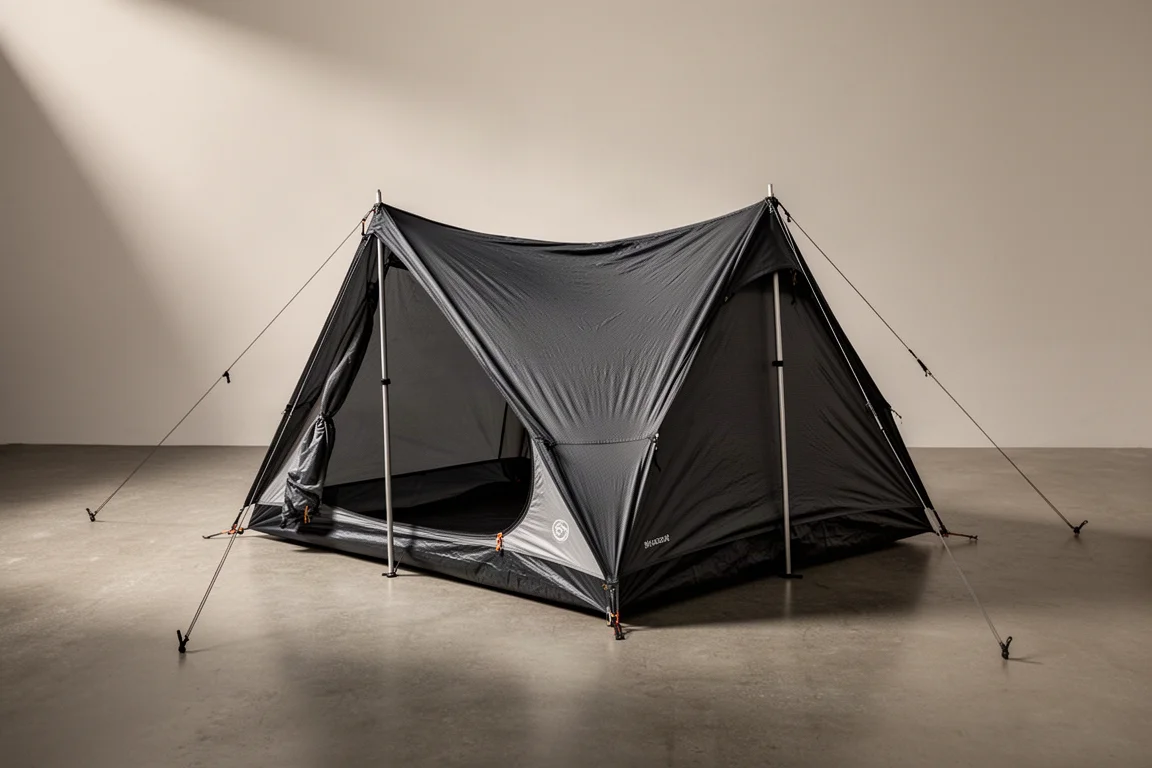
The Nemo Hornet Osmo Elite is an ultralight three-season shelter built for warm-weather backpacking. Nemo offers the line in one-person and two-person versions, and this is the two-person version, which comes in at a claimed 2 lb 1 oz with all components included.
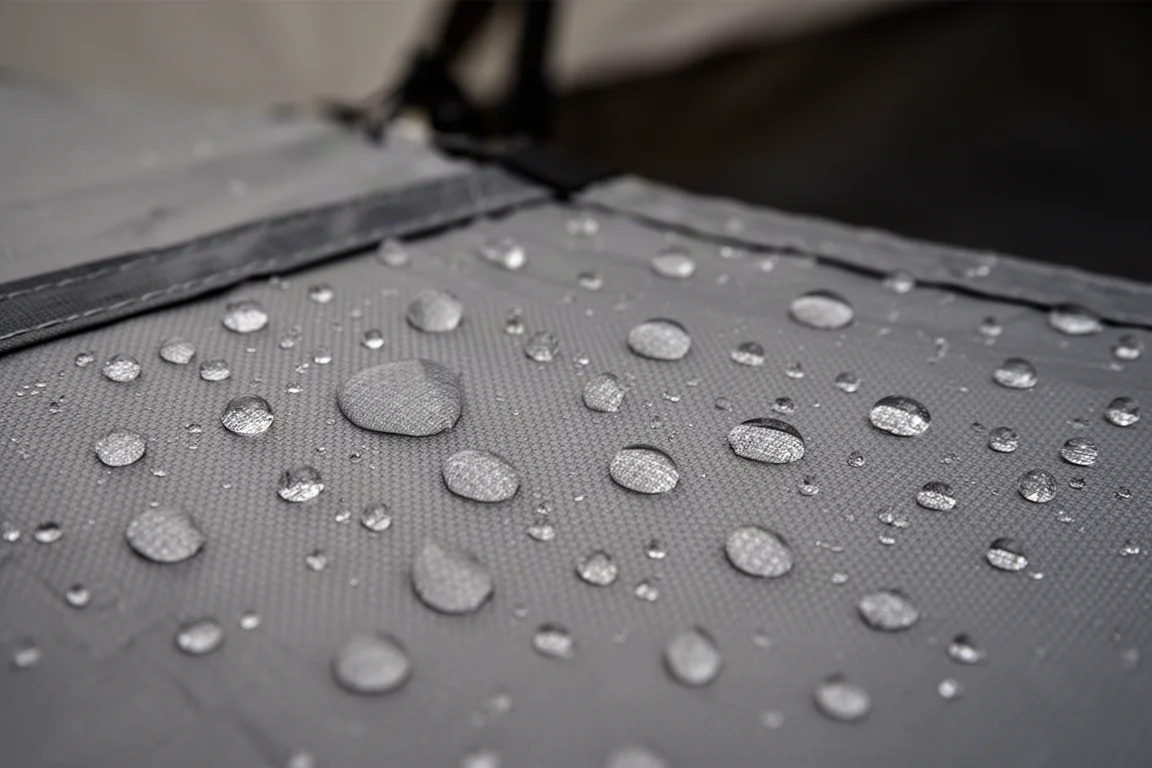
That figure alone explains the appeal. It is built from Osmo poly nylon ripstop, a proprietary Nemo fabric that the company says delivers four times better water repellency and three times less stretch than nylon. The floor and fly carry a 1,200 mm waterproof rating, the poles are DAC Featherlite aluminium, and the inner uses nylon no-see-um mesh.
It is also a $700 tent. That price is where the story becomes more complicated, because this is a shelter that performs extremely well in one role and only barely in another.
Who This Tent Is For
This tent makes the most sense for solo backpackers who care about every gram in their pack. On a long-distance hike, where weight accumulates over hundreds of miles, a two-person-rated shelter that weighs just over two pounds is a meaningful advantage. For shorter trips of around ten miles or less, the weight saving matters far less, and the price becomes harder to defend.
Sizing is worth checking carefully. The interior is comfortable for people around 6 ft and under. Taller users may find their feet contacting the foot box and their head brushing the ceiling at the highest point.
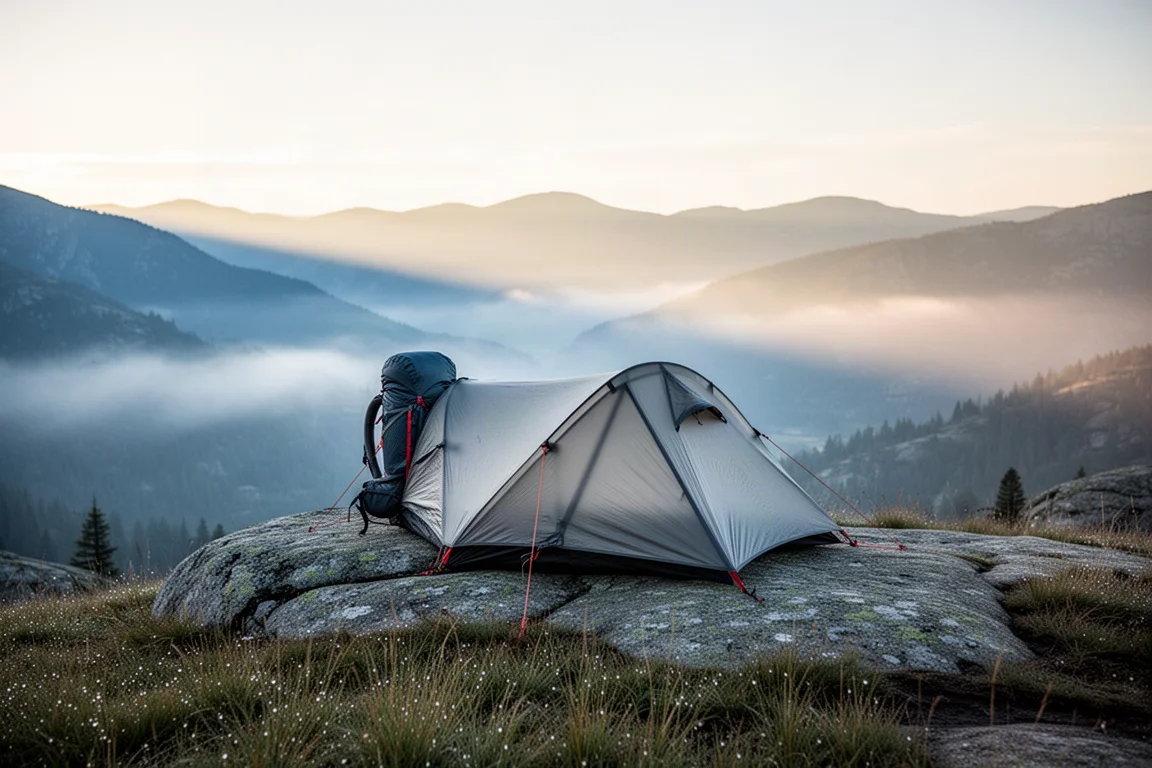
Packed volume is another consideration. When stored, the tent measures 19 in by 4 in by 2 in, so it is narrow but long. That long, slim shape slides easily into most backpack main compartments. Bikepackers should note that the longer pole sections make it less adaptable to smaller pouches, where shorter-pole designs are usually preferred.
As a one-person shelter, this tent is genuinely excellent. It offers room to sit up, change clothes, and keep a reasonable amount of gear inside. Treat it as a two-person tent, though, and expectations need to drop considerably.
Main Strengths
The Osmo fabric is the headline feature and it holds up. In extended field use, including severe thunderstorms, the material has proven reliably waterproof, and it resists the stretching that affects silnylon shelters when they get wet from condensation, dew, or rain. That matters more than it sounds. A silnylon fly that sags after a wet night can transfer moisture to the inside of the tent, and it flaps in wind. The Osmo construction largely avoids both problems.
Build quality is excellent across the board. Stitching, seam work, and seam tape are all clean, with no loose threads anywhere on the shelter. It feels like a carefully assembled product.
Setup is quick and intuitive. Most users can pitch it in under 10 minutes, and with practice that drops to around five. Nothing about the process is confusing or fiddly.
Two large doors, one on each side, make entry and exit easy, and the zippers run smoothly, though they can catch slightly in one corner. Each side also has a generous vestibule, with enough space for a backpack, boots, or a stove. In rain, you can open a door and cook under cover without exposing the interior.
Ventilation is a genuine strength in warm conditions. The fly is held away from the inner body and does not extend to the ground, so air moves freely through the tent. Combined with the extensive mesh on the inner, that airflow keeps condensation under control and keeps the interior cooler on hot nights.
The overall look is understated and easy on the eye, with a restrained colour palette rather than anything loud.
Weather Protection and Ventilation
Waterproofing has been a strong point. Through repeated storms, the shelter has not leaked. Condensation management is equally impressive for a tent this light, largely because the fly design keeps air moving.
That same design is also the source of a real limitation. Because the fly stops short of the ground, there is no way to close the tent down and restrict airflow. On a warm-weather trip in an exposed spot, an evening storm can drop temperatures and pick up wind, and there is no mechanism to keep that wind out of the interior. In cooler conditions, the ventilation that feels like a gift in summer becomes a drawback you cannot switch off.
The thin poles and thin fabrics reinforce that this is a three-season, warm-conditions shelter. It is not built for harsh environments, and it rewards careful handling. Using a ground sheet to protect the floor, taking care with the door zippers, and avoiding exposed ridgelines in high winds will all extend its working life.
Interior Space and Two-Person Reality
The numbers tell the story clearly. With the inner in place, the tent measures 41 in at its maximum width, 36 in at its tallest point, and roughly 73 in long. To save weight, Nemo used a very small spreader bar at the top of the tent, which means the walls do not pull outward very far. The result is steeply sloped sides.
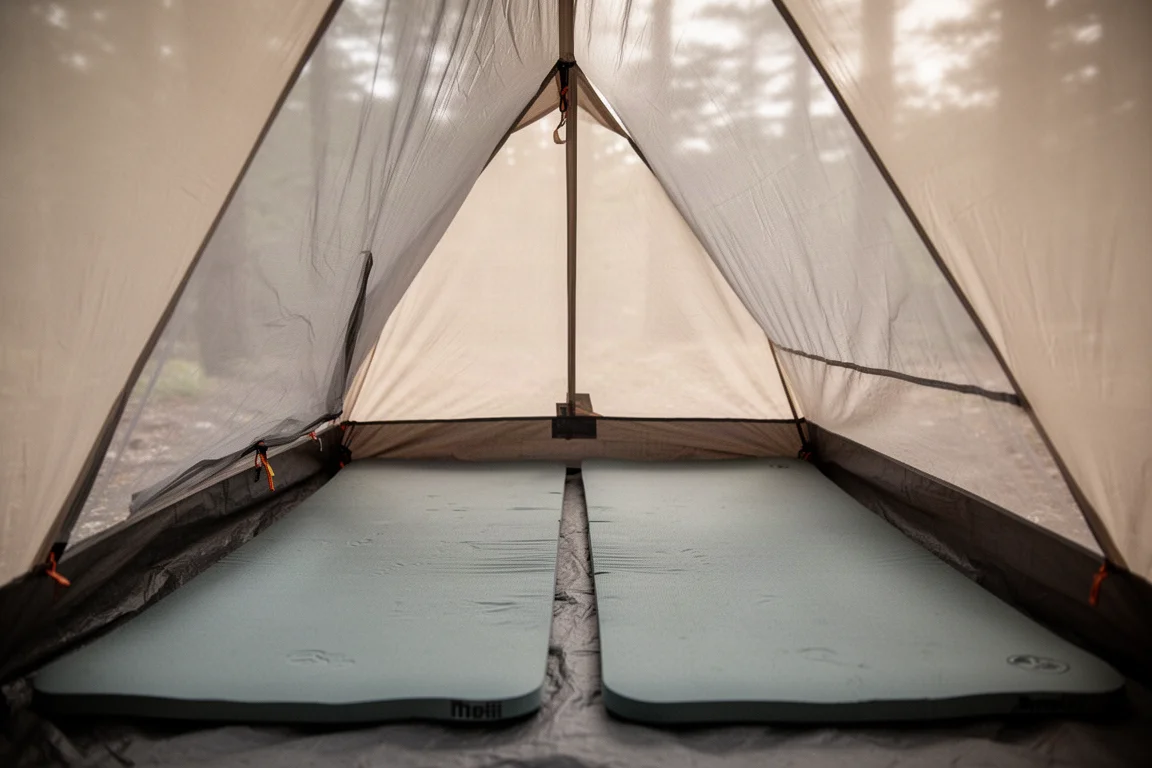
For one person sleeping in the middle, this works well. There is plenty of room to sit up and move around, and some gear can live inside. For two people, it does not work in the same way. Both occupants will contact the walls, and neither will have space to change clothes or add a layer while inside. Two smaller users can technically fit, but without any gear, and the experience will be cramped for both.
Describing this as a two-person tent is generous. It behaves much more like a spacious one-person shelter, or a one-and-a-half person tent in practice. Viewed that way, the size is a strength. Viewed as a true two-person tent, it is a clear limitation.
Things to Consider Before Buying
Price is the biggest obstacle. At $700, this tent costs more than many handmade-in-America ultralight shelters, despite being designed in America and manufactured in Vietnam. It was $660 not long ago, so the cost has moved in the wrong direction. Even at the earlier figure, it was a difficult purchase to justify, and at $700 that is more true than ever.
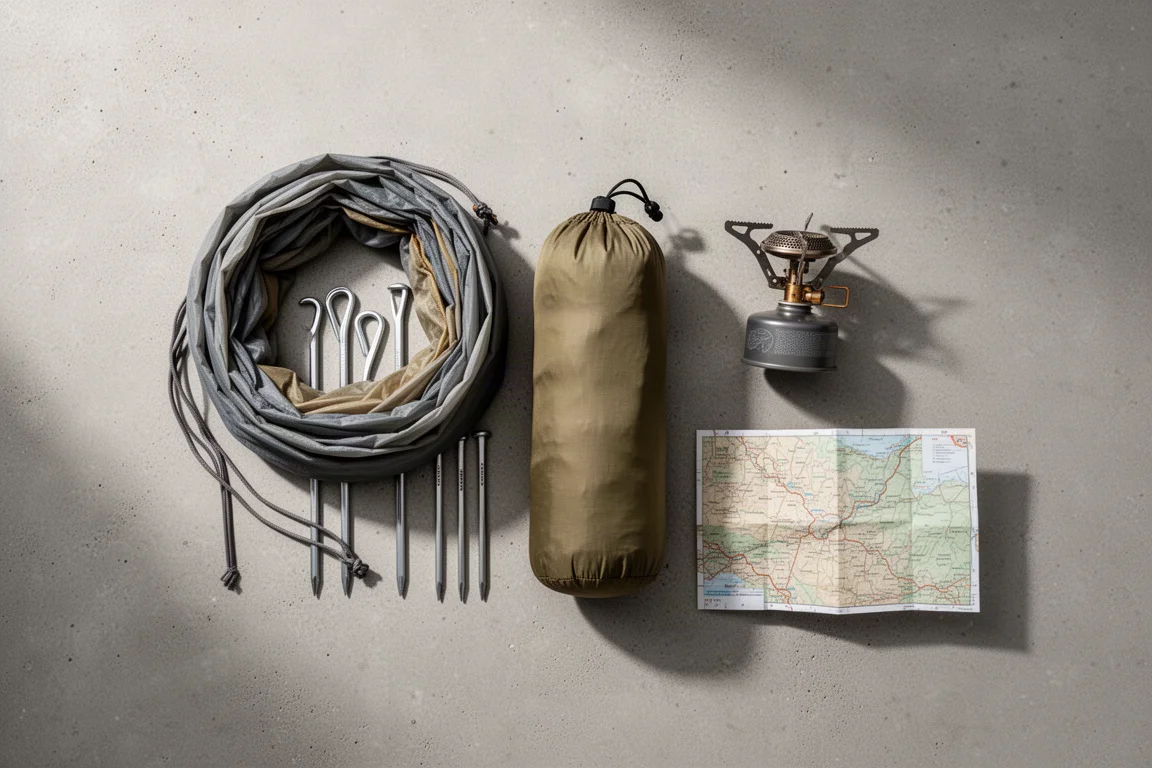
The included accessories are a second concern. The tent ships with guy lines but not enough stakes to pitch and guy it out properly. In practice, the fly has to attach to the same stakes used for the inner body, which doubles the tension on each one. In soft or loose soil that can lead to poor holding. Adding your own stakes solves the problem, but at this price a complete set should be in the box.
The integrated light pocket on the inner is meant to hold a headlamp and diffuse its glow around the tent. It does not work particularly well, and it is not a feature worth paying for.
Finally, remember the handling requirements. Thin materials and thin poles are what make the low weight possible, and they demand care. This is not a tent to drag across rock or leave pitched in severe wind.
Buying Advice
The right way to think about the Hornet Osmo Elite is as a specialist tool. If your plans involve thru-hikes, multi-day routes where pack weight compounds over distance, and warm-weather camping, the low weight, reliable waterproofing, and strong ventilation make a real case for it. Those are exactly the conditions where paying for grams makes sense.
If your trips are shorter, or if you camp in cooler conditions and value the ability to close a tent down against wind, this is not the shelter to stretch for. It is also worth comparing against other ultralight options before committing, since several brands build very light tents with more interior room and more comfortable layouts. They will not be cheap either, but the field is competitive.
The one-person version is worth considering if you like the platform but want something closer to its natural size. The Elite version itself is 6 oz lighter than the non-Elite version, which is the reason to choose it over the standard model.
Conclusion
The Nemo Hornet Osmo Elite is a genuinely impressive piece of equipment for one person. It is exceptionally light, thoroughly stormproof in testing, quick to pitch, beautifully assembled, and very well ventilated for warm-weather trips.
It is also $700, it does not include enough stakes to set up fully, and its two-person claim does not hold up in practice. For most buyers, the value equation does not work. For a narrow group of long-distance hikers who need the lightest possible shelter and will use it accordingly, it can still be the right tool for the job.
Product link
View more details for Nemo Hornet Osmo Elite
This product is mentioned in the review. Check the specifications, options, and compatibility before buying.
View more details for Nemo Hornet Osmo EliteFurther reading
Related Reviews
Camping Tents
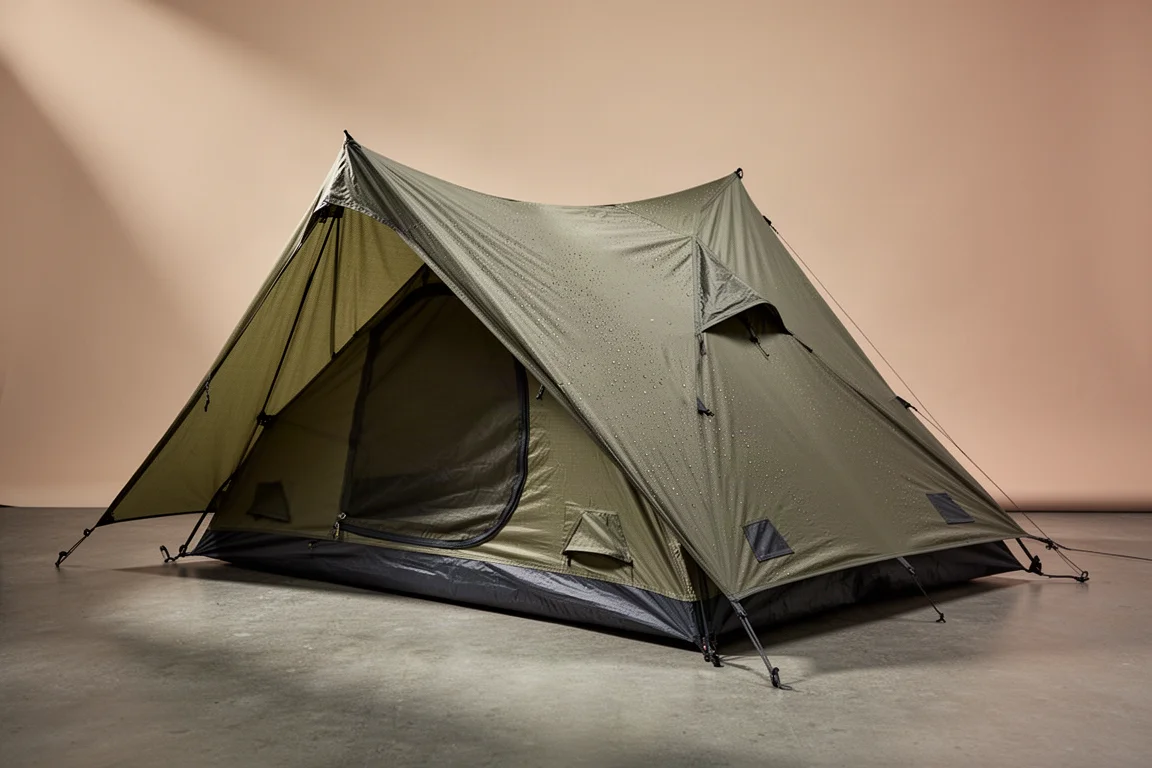
3F UL Gear Taiji Two-Person Tent Review: Field Waterproofing Results and Buying Advice
The Taiji pairs an attached fly with a removable inner, but sustained rain exposed untaped vent seams that need sealing before this shelter can be trusted.
Camping Tents
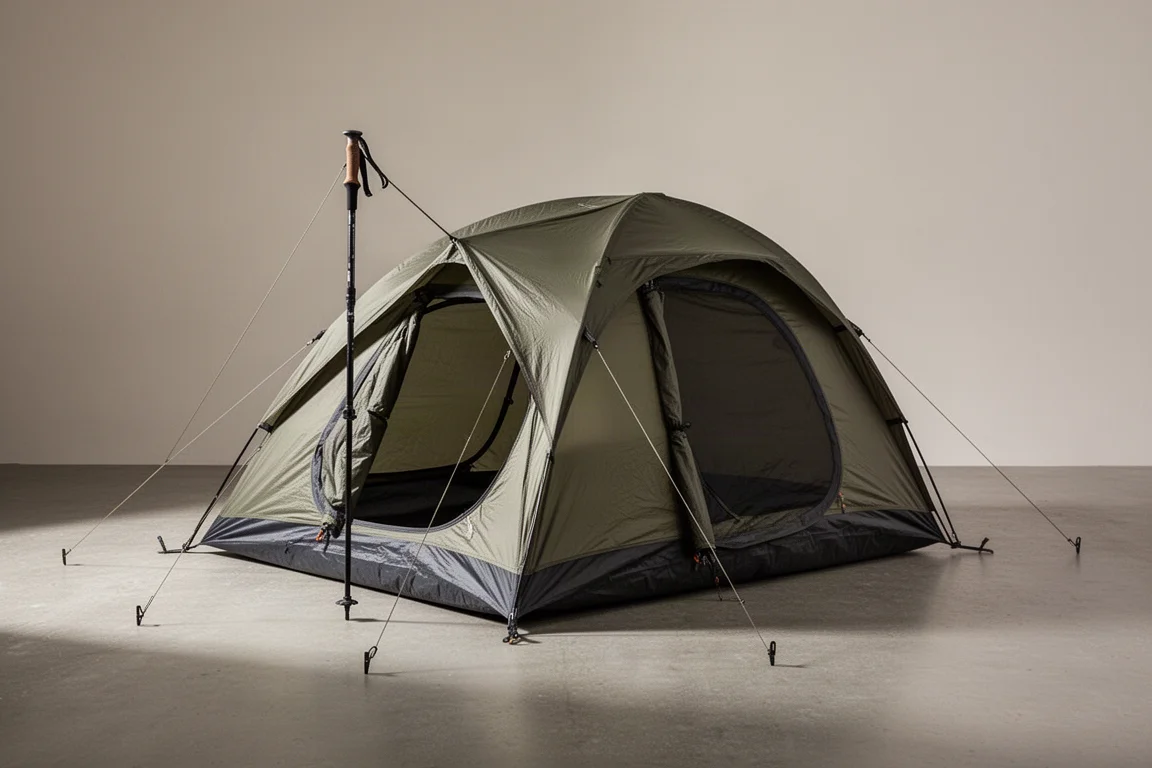
3FUL Gear Lanshan 2 Pro 4-Season Review: A Sub-$200 Single-Wall Trekking Pole Tent
An early look at the 3FUL Gear Lanshan 2 Pro 4-Season, covering its straightforward pitch, generous interior space, and the condensation and seam-sealing questions that come with any single-wall shelter.
Camping Tents
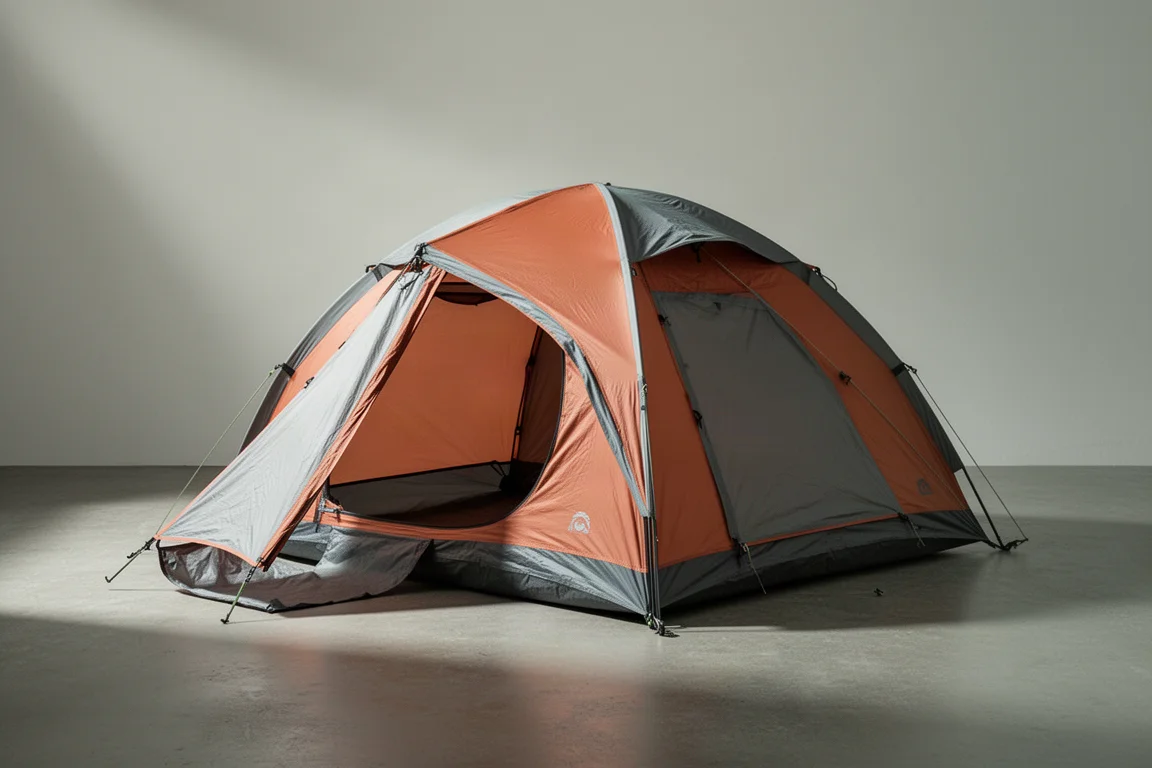
Alps Mountaineering Lynx 1-Person Tent Review: Big Value in a Small Budget Tent
A close look at the Alps Mountaineering Lynx 1-Person Tent, covering real interior dimensions, materials, setup time, ventilation limits, and who should buy it.