Sleeping Pads
Nemo Eclipse vs Exped Ultra 6.5R: Which Lightweight Sleeping Pad Is Right for You?
A detailed comparison of two high-R-value sleeping pads, covering valve design, comfort, warmth, durability, and price.
Introduction
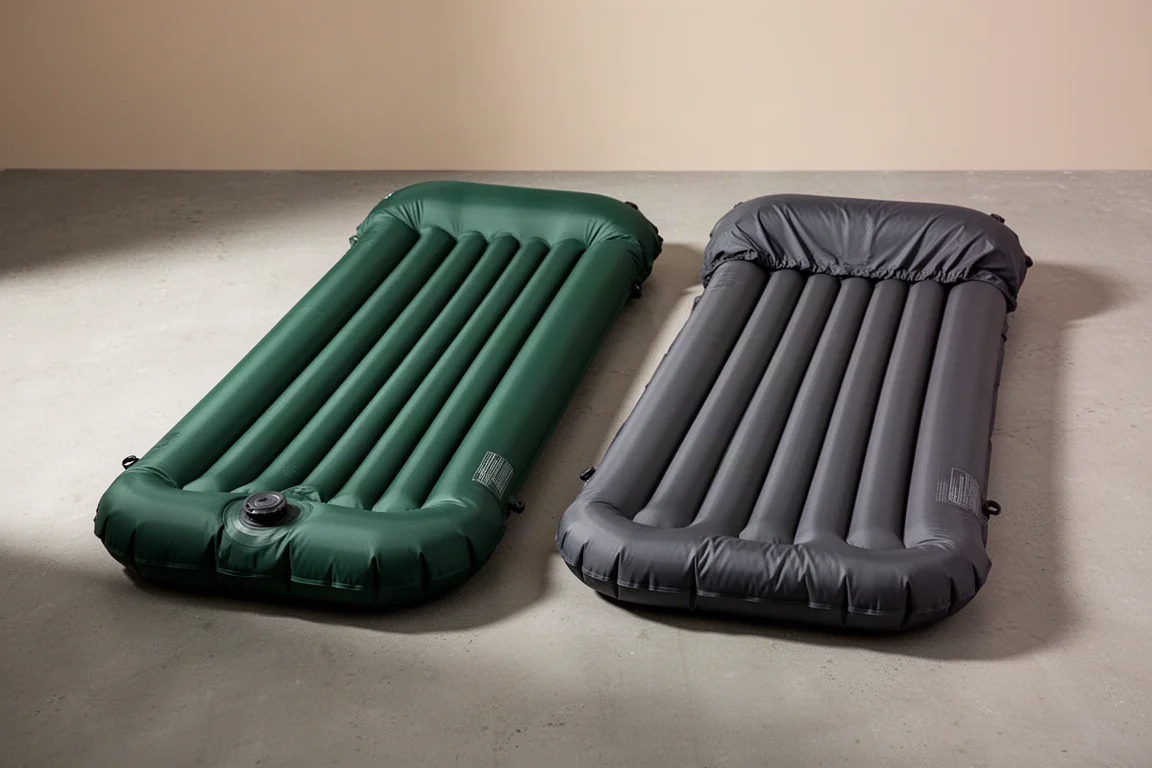
Two lightweight sleeping pads have emerged as standout options for three-season backpacking: the Nemo Eclipse and the Exped Ultra 6.5R. Both promise low weight, high warmth-to-weight ratios, and comfortable sleep systems. The Nemo Eclipse costs $190 and weighs 558 g in the regular wide rectangular version. The Exped Ultra 6.5R costs $200 and weighs 551 g in the same size. On paper, they are remarkably close. But their valve designs, insulation technologies, and comfort profiles differ in ways that matter after a long day on the trail. This comparison breaks down ease of use, noise, comfort, warmth, and durability, with price and weight kept in view.
What Matters Most in a Sleeping Pad
A sleeping pad has to do more than cushion the ground. It needs to inflate and deflate without a fight, stay quiet through the night, support pressure points, hold warmth when temperatures drop, and survive seasons of packing and unpacking. The Nemo Eclipse and Exped Ultra 6.5R approach these goals with different engineering choices. The Eclipse uses a top-mounted one-way valve and dimpled vertical baffles. The Ultra 6.5R uses separate inflation and deflation valves, vertical baffles, and a slightly stretchy top fabric. Understanding those choices makes it easier to see which pad suits a given trip style.
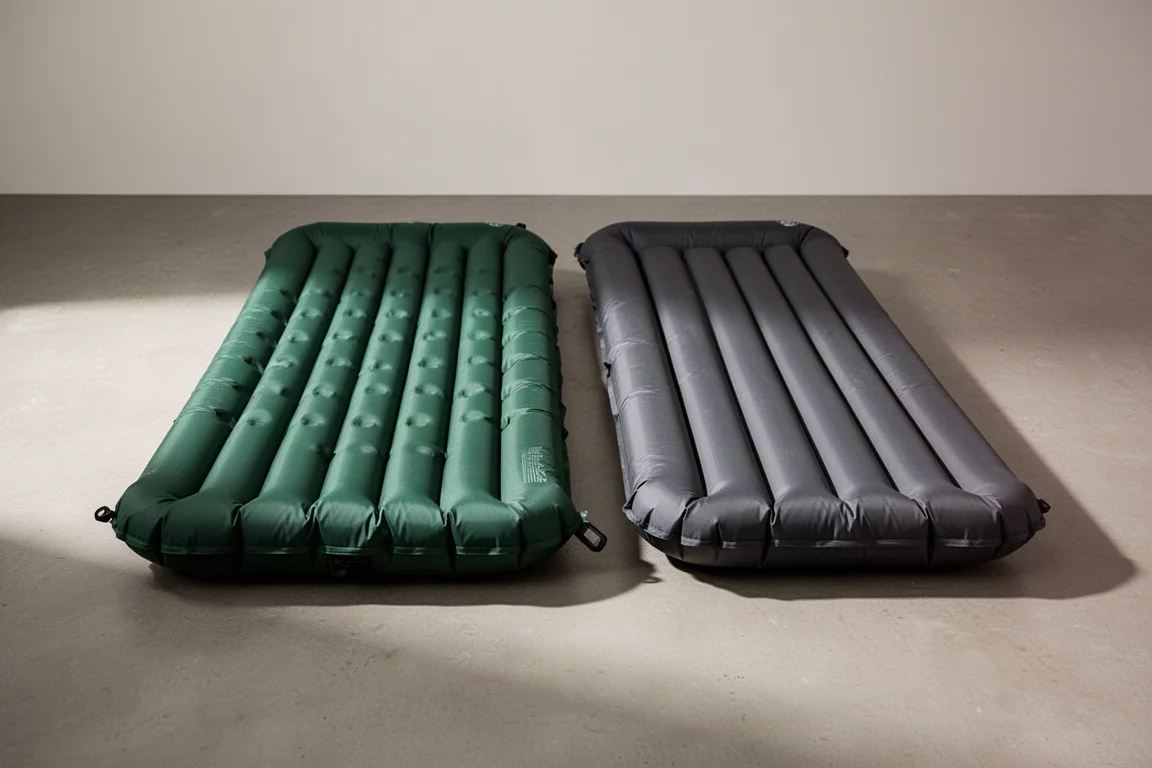
Both pads also carry R-values above 6, which places them in the all-season category rather than the winter-expedition category. Neither brand markets them as dedicated winter pads. Instead, they are designed to handle spring, summer, and fall conditions, including temperatures below freezing.
Nemo Eclipse: A Comfort-First All-Season Pad
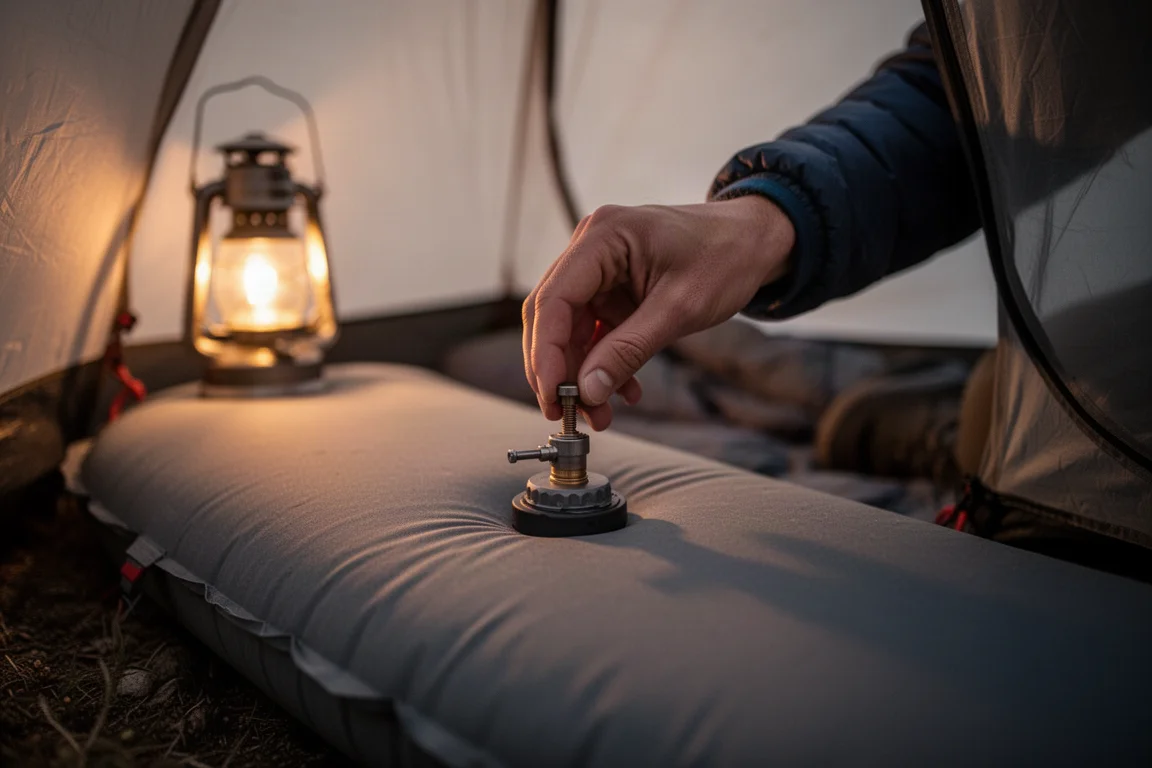
The Nemo Eclipse stands out for its valve system. A single top-mounted one-way valve uses two flaps. Open one flap to inflate, open the second to dump air, and adjust firmness easily during the night by pressing the valve or adding a breath of air while lying on the pad. This makes it simple to fine-tune comfort without getting out of the sleeping bag. The pad also comes with an inflation bag, though a pump works well too.
Comfort is where the Eclipse makes its strongest case. At 4 inches thick, it is half an inch thicker than the Exped Ultra 6.5R, which reduces the chance of bottoming out. The vertical baffles are slightly dimpled, giving each point a small amount of give that acts like a spring. Larger outer tubes help keep sleepers centered, and in testing this felt more effective than the outer tubes on the Exped. The Eclipse does not use a stretchy top material, but the dimpled baffles and extra thickness create a comfortable, stable surface. It remained stable even when a significant amount of air was released, which is useful for sleepers who like a softer pad.
Warmth comes from two layers of reflective film suspended inside the pad, an insulation approach similar to the Nemo Tensor All Season. The R-value is 6.2. In testing, the Eclipse felt comfortable down to about -3 to -4°C before cold began to transfer through the pad. That is less warmth than the R-value might suggest, but it is consistent with the design and its thickness. For most three-season trips, it should provide a solid sleep.
Durability looks strong. The shell uses 30D nylon on both top and bottom, with a ripstop weave on top for grip and a plain weave on the bottom for puncture resistance. The dimpled baffles use individual welds at each point. Earlier Nemo pads had issues with pinhole leaks at weld points, but those appear to have been addressed in the newer Tensor All Season generation. The warranty is also generous, which adds confidence.
Exped Ultra 6.5R: Warmth and Lightweight Options
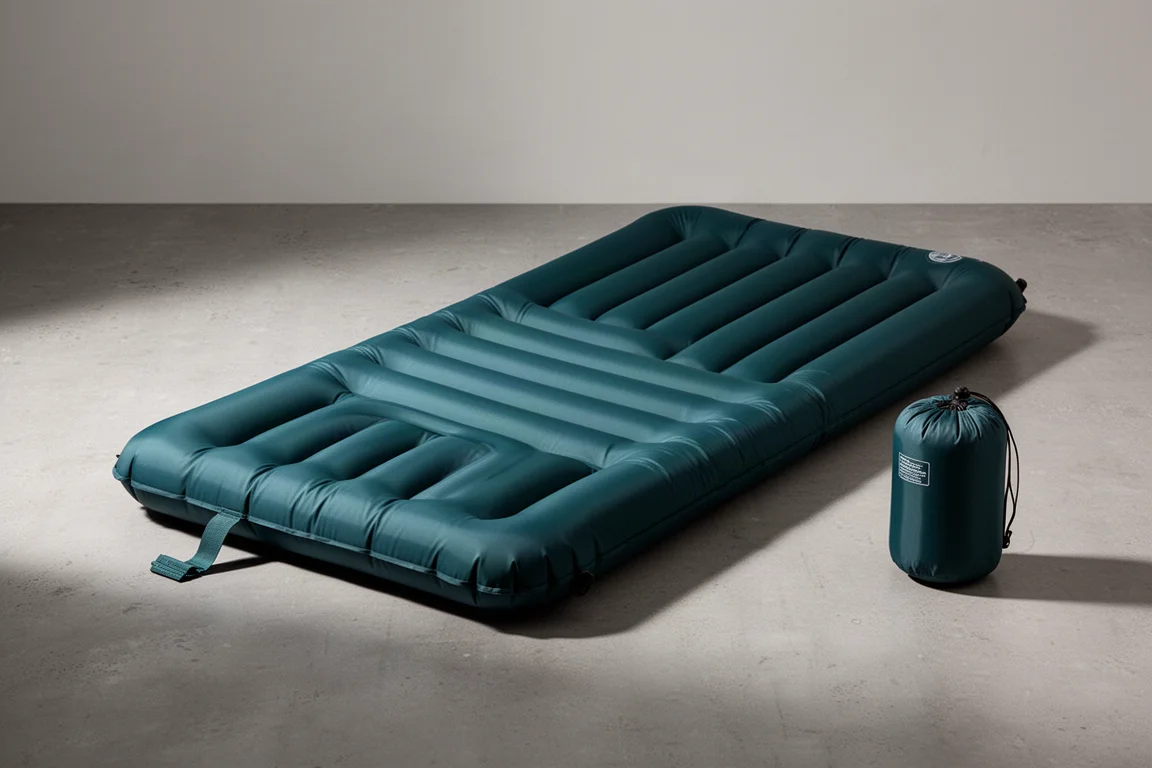
The Exped Ultra 6.5R takes a different approach to inflation. It uses separate valves for inflation and deflation. That system can feel finicky, especially inside a small tent where the pad must be flipped after inflating. Adjusting firmness during the night is also harder. If the pad needs a little more or less air once temperatures change, the process is less convenient than the Nemo Eclipse setup. The pad does include an effective inflation bag.
Noise is not a concern with either pad, and the Ultra 6.5R is notably quiet. The shell material does not crinkle much when squeezed, and it does not squeak on a tent floor. That quiet character comes from the shell and the insulation construction.
Comfort is strong. The Ultra 6.5R uses vertical baffles, which are a stable design whether sleeping in the center or near the edge. A slightly stretchy top material adds pressure relief, and the pad has slightly raised, thicker outer tubes intended to keep sleepers centered. Those outer tubes are less noticeable than the ones on the Eclipse. The pad is 3.5 inches thick, half an inch thinner than the Eclipse, so it may bottom out sooner for heavier sleepers or those who prefer very soft inflation.
Warmth is the Ultra 6.5R’s main advantage. Its R-value is 6.9, and it uses a layer of synthetic insulation welded to the top of each baffle, with a reflective film glued on top. This creates a floating insulation layer near the body rather than throughout the entire pad. In testing, the Ultra 6.5R slept warmer than the Eclipse, staying comfortable down to about -5 to -6°C before cold became noticeable. That is still less warmth than the R-value might imply, but it is the warmer of the two pads.
Durability should be similar to previous Exped Ultra pads. The shell is 20 denier polyester, a construction that has held up well over time. The baffles use continuous vertical welds. Earlier Exped pads had issues with baffle welds blowing out, but that appears to have been addressed in the new Ultra line. The warranty is also strong.
Durability and Warranty Considerations
Both pads use materials and construction methods that should hold up to regular three-season use. The Nemo Eclipse uses 30D nylon with a ripstop top and plain weave bottom, plus individual welds at each dimpled baffle point. The Exped Ultra 6.5R uses 20 denier polyester and continuous vertical welds. Each brand has addressed past weld-related problems in these newer models, and neither has shown recent durability issues. Both come with warranties that provide coverage if something goes wrong.
The more important durability question may be how each pad handles repeated inflation and deflation. The Nemo valve system is simple and less likely to wear out from constant adjustment. The Exped dual-valve system is functional but more complex. In either case, storing the pad loosely and keeping it clean will help extend its life.
Buying Advice: Matching the Pad to Your Trips
The choice between these two pads comes down to priorities. The Exped Ultra 6.5R is slightly warmer, with an R-value of 6.9 compared to 6.2 on the Nemo Eclipse. If trips frequently dip below freezing, the Ultra 6.5R has the edge. It also comes in a mummy version that weighs 425 g, more than 100 g less than the rectangular version. For long backpacking trips or thru-hikes where every gram counts, that mummy option is compelling.
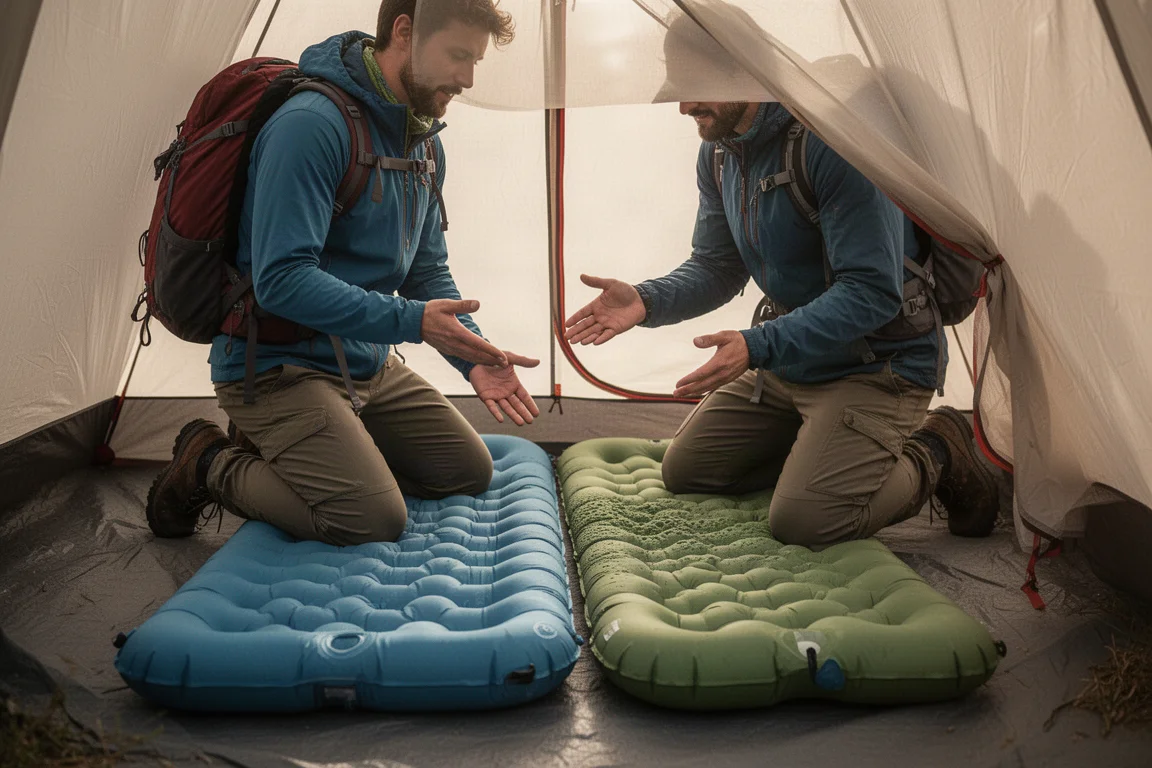
The Nemo Eclipse is slightly more comfortable, with a thicker profile, dimpled vertical baffles, and a far more convenient valve. If most trips stay at or above freezing and comfort is the priority, the Eclipse is the stronger choice. It also makes a strong replacement for heavier, bulkier pads that offer similar warmth. For balanced three-season trips, the Eclipse is easy to recommend. For colder conditions or weight-critical adventures, the Exped Ultra 6.5R and its mummy version are worth a close look.
Conclusion
The Nemo Eclipse and Exped Ultra 6.5R are both excellent lightweight sleeping pads. They share low weights, high R-values, quiet materials, and solid durability. The Eclipse wins on comfort and valve design, while the Ultra 6.5R wins on warmth and offers a lighter mummy version. Neither is a dedicated winter pad, and both sleep a little cooler than their R-values might suggest. Match the pad to the conditions you actually camp in, and either one can deliver reliable sleep for years of three-season adventures.
Further reading
Related Reviews
Sleeping Pads
Best Backpacking Sleeping Pads 2026: Nine Pads Rated on Price, Comfort, Warmth, and Weight
Nine backpacking sleeping pads compared on price, comfort, warmth, and weight, from a $65 summer pad to a year-round option rated at R-7.3.
Sleeping Pads
Best Backpacking Sleeping Pads: Comfort, Warmth, and Weight Compared
A practical comparison of the Nemo Quasar 3D, Therm-a-Rest NeoAir XTherm Max, and Big Agnes Rapide SL for backpackers choosing between comfort, warmth, and packed weight.
Sleeping Pads
Best Backpacking Sleeping Pads: Ultralight, Winter, Comfort and Budget Picks
A practical roundup of the sleeping pads that stand out for ultralight weight, winter warmth, pressure relief and value, plus three popular pads that fell short.