Camping Tents
NEMO Aurora Highrise 6-Person Tent Review: Fast Setup, Flexible Awning, Honest Trade-Offs
A practical look at the NEMO Aurora Highrise 6-Person Tent, covering fast pitching, the convertible awning, measured living space, rain performance, and the trade-offs worth weighing first.
Introduction
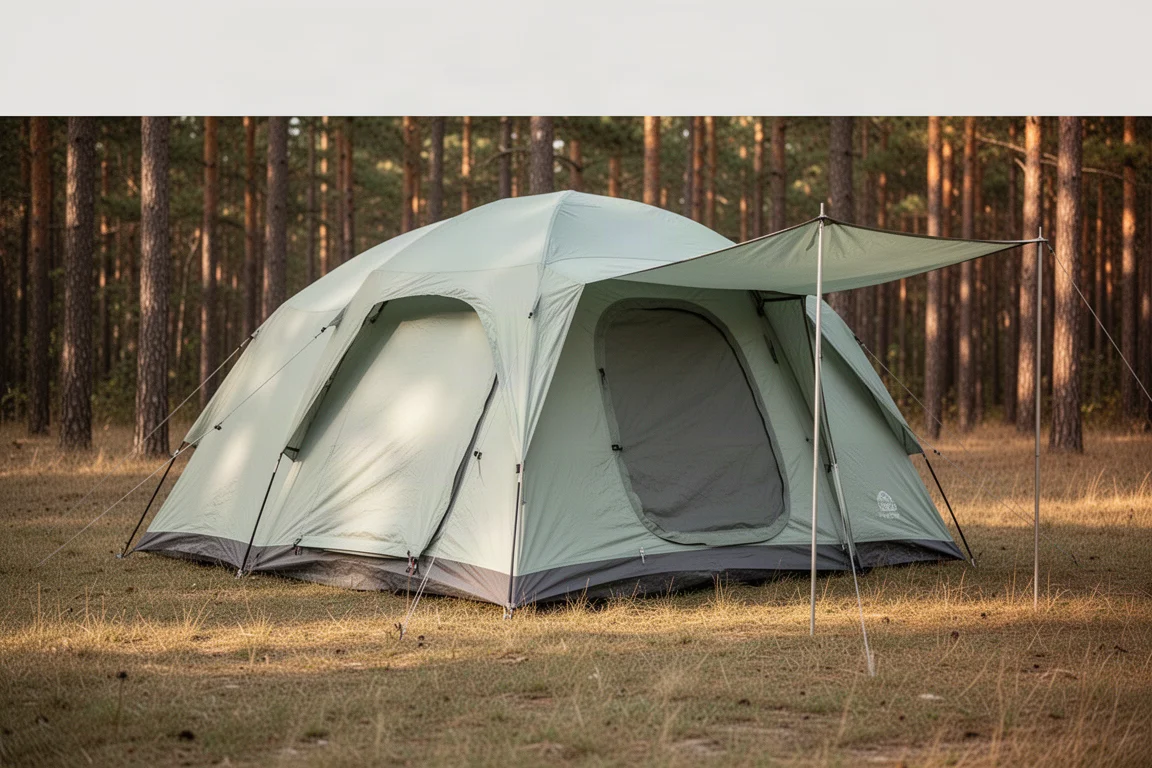
The NEMO Aurora Highrise 6-Person Tent is a four-pole camping tent built around two priorities: pitching quickly and giving campers more usable standing space than a typical six-person dome. It arrives as a complete kit with a carry bag, a pole bag, four poles, a stake bag holding 10 stakes, a pole repair splint, four guylines, the tent body, and a rainfly. The design leans on vertical side walls and a tall ridge rather than a steep dome curve to create interior volume, and one vestibule can be converted into a small shade awning. This guide covers how it pitches, how much room it actually offers, how it holds up in heavy rain, and where it gives ground to other tents in the same price band.
Who This Tent Is For
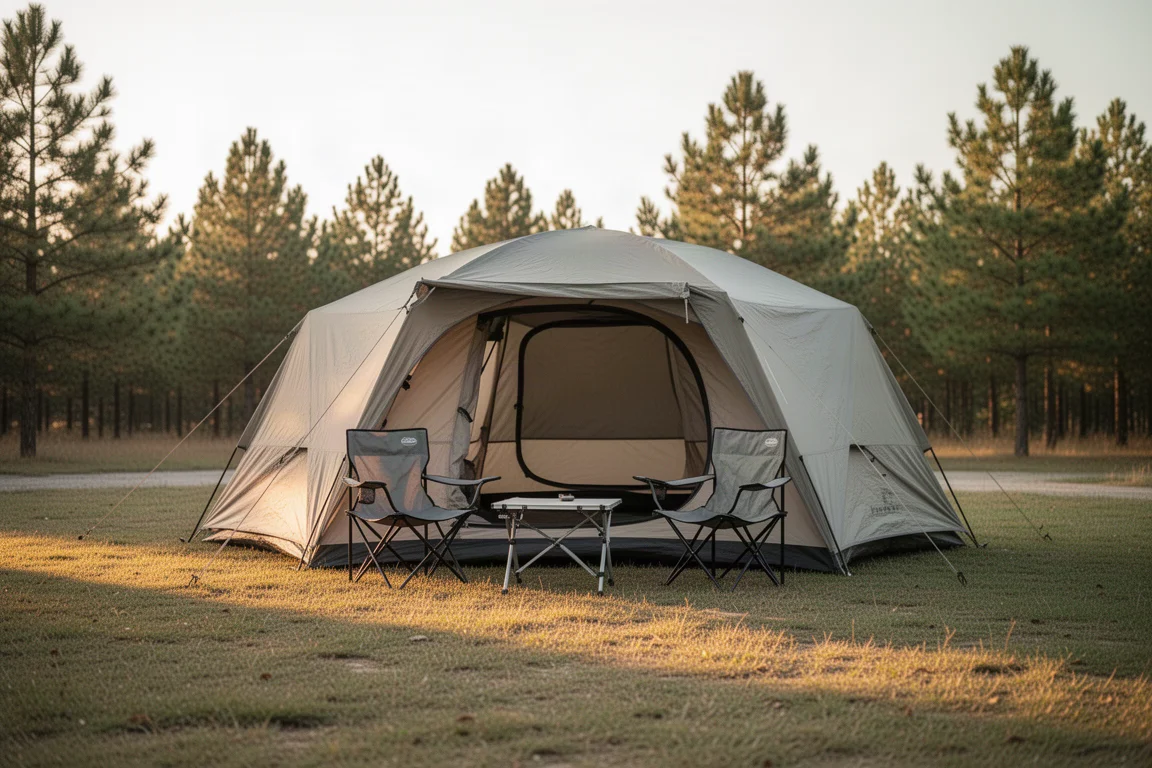
This tent suits car campers, families, and weekend campers who want a large tent that goes up without a fight and offers a shaded place to sit once it is standing. The convertible awning is the standout feature for that crowd, since it turns one end of the tent into a small covered porch where two packable camp chairs and a table fit comfortably.
Standing room is generous at the center, with a peak height of 77.75 inches, but it tapers quickly as you move outward. Roughly 1.5 feet from the peak the height is 73 inches, at 3 feet it drops to 61.5 inches, and at the extreme left and right edges it measures 46.5 inches. Near the front and back doors, clearance is about 64.5 inches. Campers who want to stand while changing or moving around should plan to do that near the middle of the tent rather than along the walls, and taller campers should expect to duck near the doors and edges.
Setup and Pack Away
Setup starts with the two longer main poles, which sleeve across the tent in an X shape. Each end seats into the four corner grommets, then 16 pole clips attach the tent body to the frame. The two short ridge poles go on the outside of the main poles near the top, and both of their ends seat into grommets as well. The rainfly follows, held by four Velcro wraps on its underside, four corner buckles, and four more grommets for the ridge pole ends. Finishing touches are staking the front and back vestibules and guying out the four included guylines. Altogether, a full setup runs about 13 minutes, and packing everything away including a tidy return to the carry bag takes about 11 minutes.
The awning is a separate job and a separate purchase. No awning hardware is included, so two upright poles, four additional guylines, and four additional stakes are needed. There are no dedicated awning grommets either; the metal rings intended for staking the vestibule are used instead, with the guylines slipped over the pole tips. Setting the awning up takes roughly three to four minutes, and taking it down about one minute. The 10 included stakes cover the tent body and both vestibules, but the awning guylines need their own, so packing a few spares is worth the small effort.
Living Space and Standing Room
The inner floor measures about 118 inches across and 97 inches front to back, for roughly 79.5 square feet, about four square feet less than the marketed figure. Six sleeping pads fit across the length, but the arrangement is close to shoulder to shoulder with only a couple of inches between pads. Pushed to one side, the pads leave about 8 inches of leftover floor. Two queen mattresses leave roughly 20 inches at the width and 5 inches at the length, and any mattress larger than that will fill the length entirely.
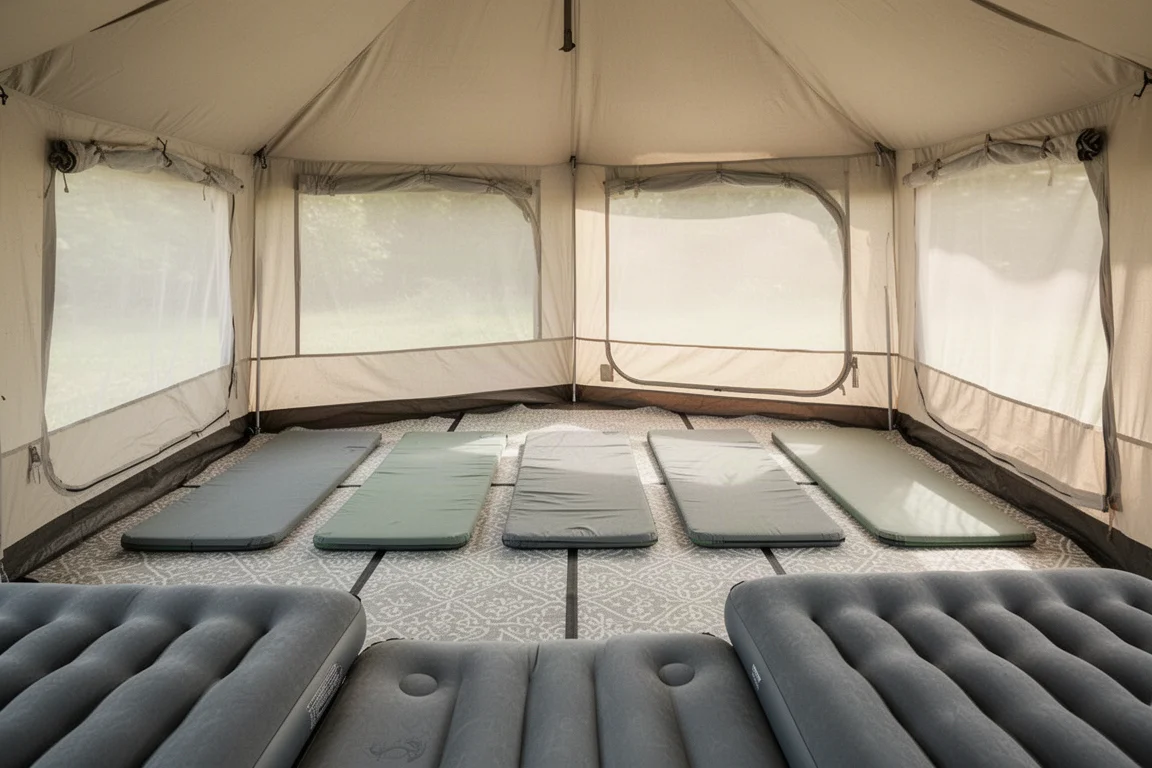
Vertical side walls are what make the interior feel larger than the floor numbers suggest, and the four-pole structure is what makes them possible. Among comparable tents, one has no vertical walls at all, one has a single vertical wall at the front, and one has two, while the Aurora Highrise carries them through nearly the entire inner tent. Storage is handled by seven pockets: two on one long wall, two on the opposite wall, two on the back wall, and a large door pocket at the front that swallows the door fabric instead of requiring toggles. The triangular pockets measure about 15 inches on each side, and the lower rectangular pockets about 14 inches by 6 inches, which makes them useful for bulkier items. There are nine gear loops in total, five at the top center and two on each width, and the loop at the peak is an open loop that can hold gear without its own clip. A Nightlight Pocket at the top is designed to turn a headlamp into a lantern.
Vestibule and Awning Versatility
The awning itself is modest in size, but it provides real shade and comfortably covers two packable camp chairs and a table. Zipped up, each end of the tent becomes a vestibule instead. The front and back vestibules share the same footprint: 62 inches at the shorter front edge, 118 inches along the tent length, and 39 inches wide, for almost 24.5 square feet each. Adding the inner tent to both vestibules brings the total covered area to 128.3 square feet. Each vestibule requires two stakes to pitch.
The front vestibule offers the most configurations. Staking the outer loop allows the vestibule to be zipped open and the fabric bunched at the top with toggles and loops, and a tensioner built into each toggle lets the fabric be tied back loosely in a hurry or cinched tight when there is time. Staking the inner loops instead opens both sides of the front vestibule, held by the same tensioner toggles plus NEMO’s GateKeeper clips. Those are half-loops rather than the full loops found on most tents, which makes them faster to toggle and undo but less secure when holding fabric back. The back vestibule has a single configuration with one zip and conventional clips and toggles. The front vestibule runs on two zipper tracks with two zippers each, the back uses one track with two zippers, and all of them are number 8 zippers that are unbranded yet run without snagging. Awning flaps at the front can catch when zipped one-handed, so a two-handed pull is the safer habit.
Weather Protection and Materials
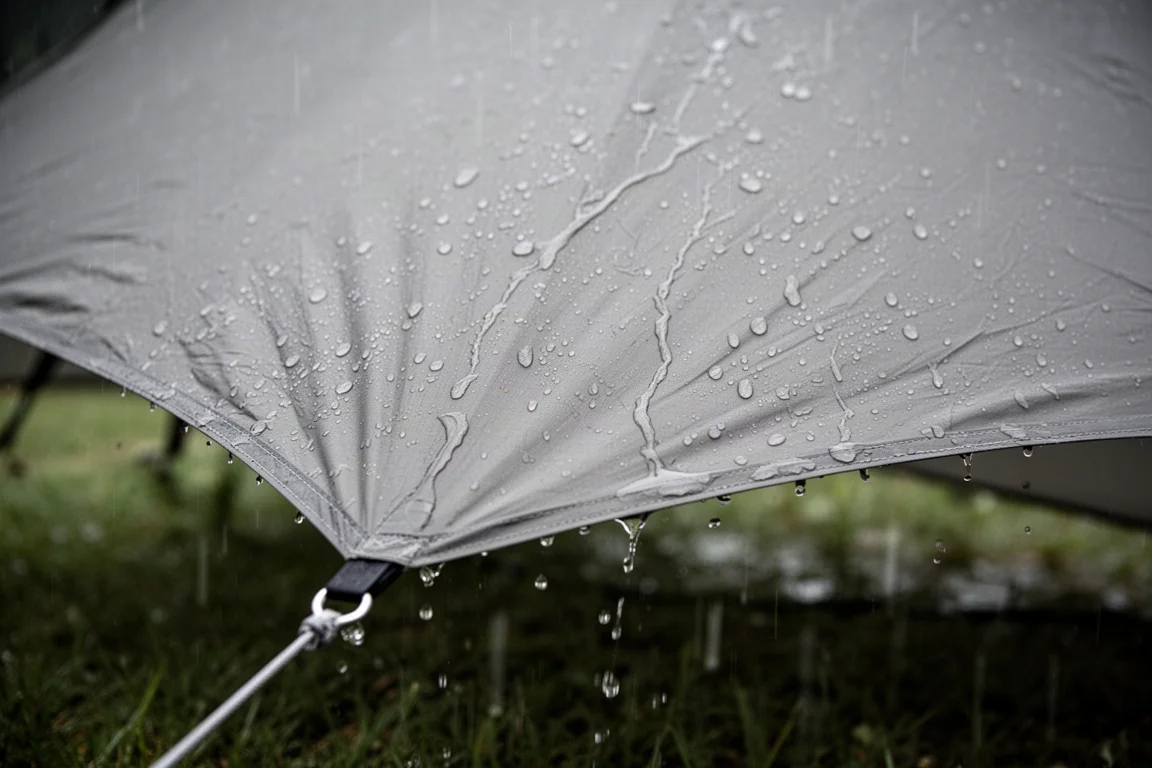
More than an hour of heavy rain produced no leaks at the corner seams, the floor edge seams, or the floor itself, which stayed dry from the inside. The fabric on the widths left uncovered by the rainfly also stayed dry, as did the top mesh ventilation panel and the inside of the rainfly. The windows stayed dry on the inside thanks to the fabric covering them, although that outer fabric will be wet after rain and can drip if handled carelessly.
The floor is thick 150-denier polyester with a 1,500-millimeter waterproof coating, and it uses a patterned finish that makes the interior feel more like a room than a tent floor. The rainfly is 68-denier polyester with a 1,200-millimeter coating, and the tent body is 68-denier polyester with no coating. Poles are regular aluminum, measuring 15 millimeters for the main poles and 12 millimeters for the ridge poles. The mesh is fine enough to block no-see-ums, and the guylines are shockcord with easy-to-use tensioners, paired with standard shepherd-hook stakes and clean stitching throughout. Seam taping covers the floor seam, the floor edges and corners, the fabric on the widths not covered by the rainfly, and the rainfly itself. The tent meets flammability requirements, carries a lifetime warranty, uses no flame-retardant coatings, and is designed in the US, made in South Korea, and sewn in Vietnam. With the rainfly removed, the inner tent is roughly 40 percent mesh, and that mesh is tinted rather than transparent.
Things to Consider Before Buying
This tent is lighter on features than the average six-person tent in its class. It carries seven pockets and nine loops where comparable tents offer more of both, and it ships with only four guylines against an average of roughly ten on the alternatives. That combination, together with the vertical side walls, means the Aurora Highrise will not handle exposed, windy sites as confidently as those tents. Materials also sit a step below the class norm: the 68-denier body and rainfly are thinner than the 75-denier polyester typical of comparable models, and the zippers are unbranded where other tents use branded hardware on at least some doors and windows.
A few other details are worth knowing before committing. Neither vestibule offers standing height, and the front and back doors sit at about 61.75 inches and 59 inches respectively, so most adults will duck on the way in and out. The windows are mesh only and cannot be zipped shut, which keeps them comfortable in warm weather but does nothing to hold in heat when temperatures drop. The awning also requires poles, guylines, and stakes that are not part of the package, so budget for those separately if the shaded porch is a large part of the appeal.
Buying Advice
The Aurora Highrise 6 makes the most sense for campers who pitch and strike often, want the awning, and mostly camp in fair weather or sheltered sites. The 6-person version was picked up on sale for about $400, while comparable six-person tents such as the REI Base Camp 6, the REI Wonderland 6, and The North Face Wawona 6 list in the region of $500 to $600 without discounts. Its setup and pack away run at roughly half the time of the average comparable tent, and the vestibule-to-awning conversion is unique in that group, which is a meaningful advantage for anyone who values a fast pitch and a shaded place to sit.
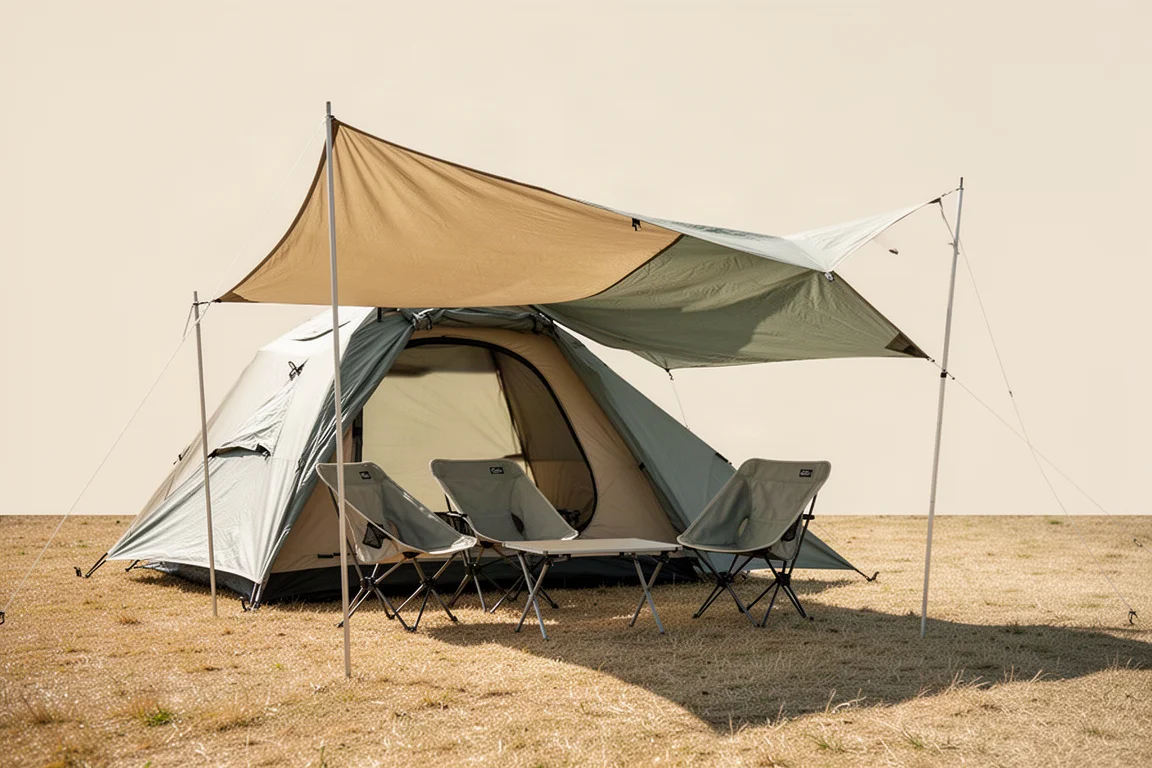
Portability is another point in its favor. The tent packs to about 27.25 inches by 13.5 inches by 8.5 inches, weighs 17.6 pounds with everything included, and the carry bag has shoulder straps for the walk from the car. That is roughly 3.5 pounds lighter than the average comparable six-person tent, which comes from using thinner fabrics, fewer poles, and fewer guylines. Campers who regularly face strong wind, want maximum storage and hardware quality for the money, or need to stand up in a vestibule should weigh those gaps carefully against the speed and flexibility this tent delivers.
Conclusion
The NEMO Aurora Highrise 6-Person Tent earns its place through speed and flexibility: a 13-minute setup, an 11-minute pack away, a vestibule that becomes an awning, generous vertical walls, and a floor that stayed dry through more than an hour of heavy rain. It gives up ground on storage, guylines, fabric weight, and zipper branding compared with the average tent in its price range, and it will not be the best choice for windy, exposed campsites. For car campers who want a large, quick-pitching tent with a shaded porch and a lifetime warranty, those trade-offs are easy to live with.
Product link
View more details for NEMO Aurora Highrise 6-Person Tent
This product is mentioned in the review. Check the specifications, options, and compatibility before buying.
View more details for NEMO Aurora Highrise 6-Person TentFurther reading
Related Reviews
Camping Tents
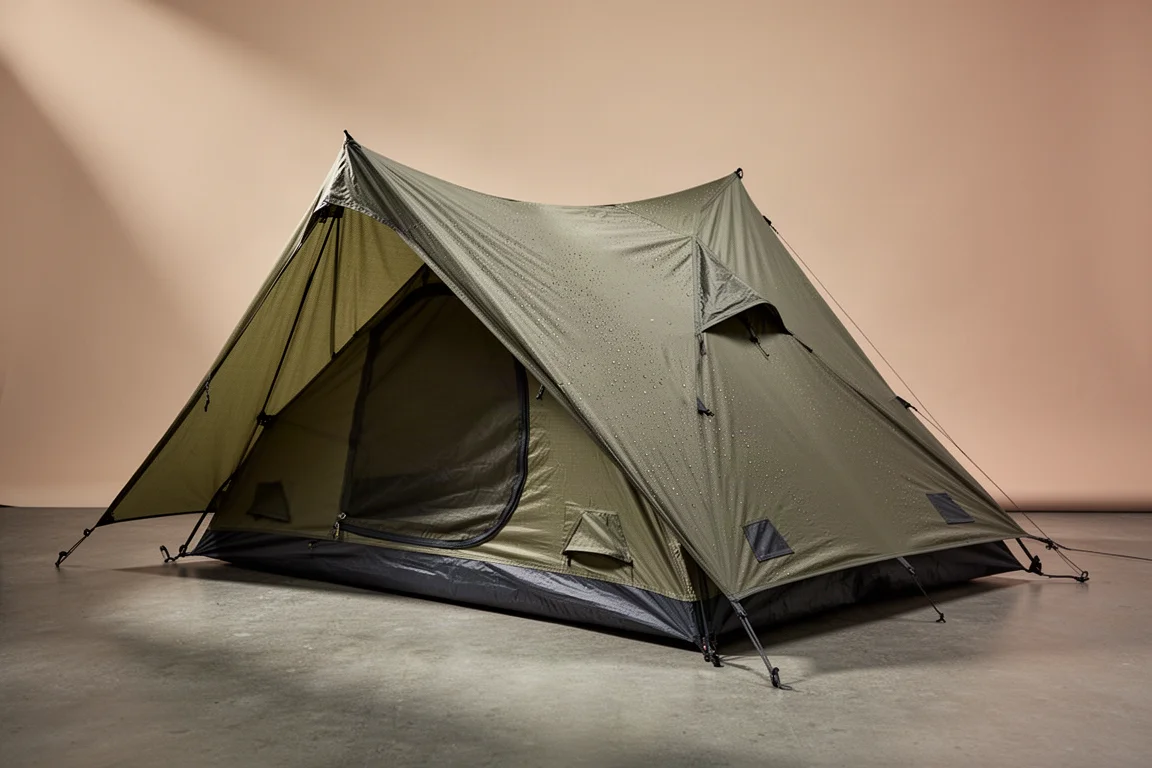
3F UL Gear Taiji Two-Person Tent Review: Field Waterproofing Results and Buying Advice
The Taiji pairs an attached fly with a removable inner, but sustained rain exposed untaped vent seams that need sealing before this shelter can be trusted.
Camping Tents
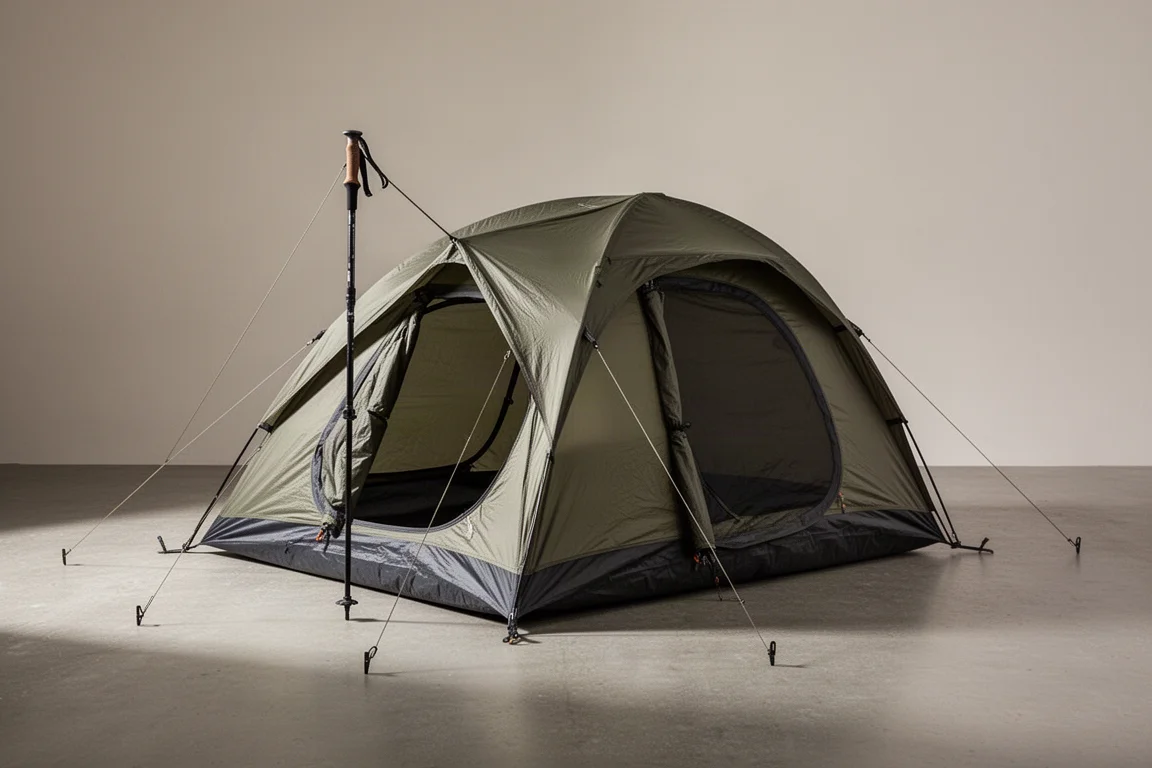
3FUL Gear Lanshan 2 Pro 4-Season Review: A Sub-$200 Single-Wall Trekking Pole Tent
An early look at the 3FUL Gear Lanshan 2 Pro 4-Season, covering its straightforward pitch, generous interior space, and the condensation and seam-sealing questions that come with any single-wall shelter.
Camping Tents
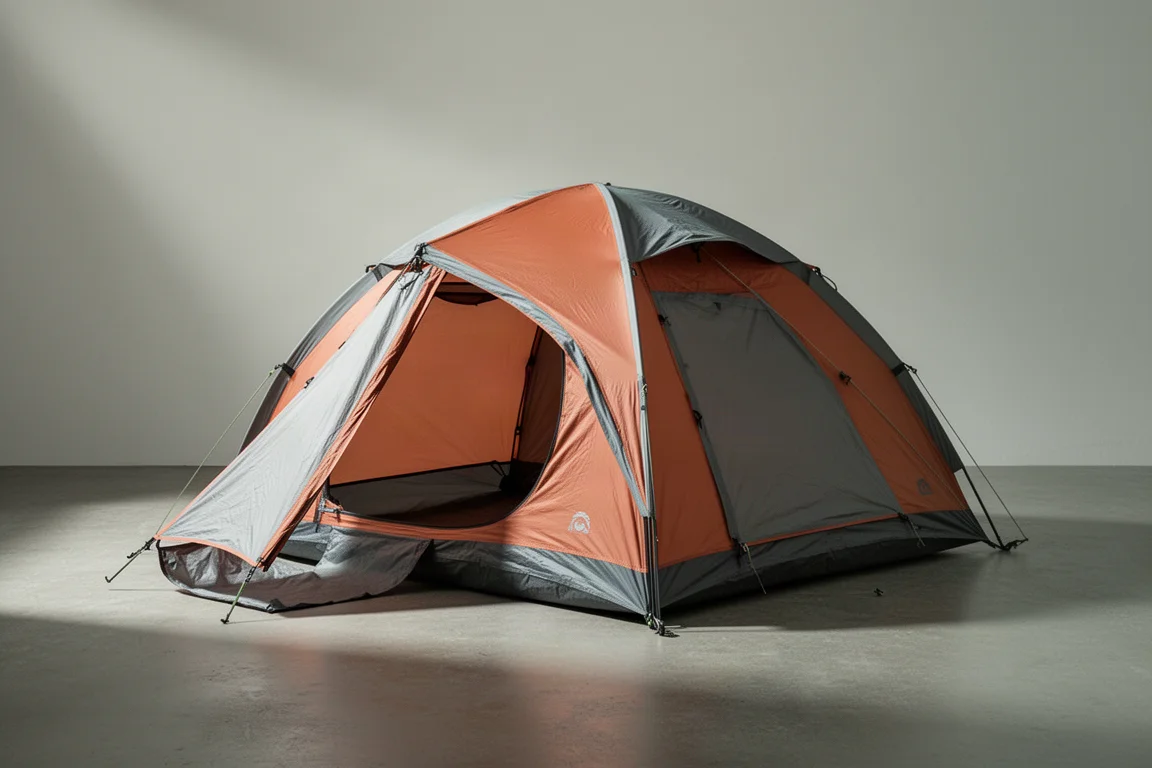
Alps Mountaineering Lynx 1-Person Tent Review: Big Value in a Small Budget Tent
A close look at the Alps Mountaineering Lynx 1-Person Tent, covering real interior dimensions, materials, setup time, ventilation limits, and who should buy it.