Camping Tents
Nemo Aurora Rain Test: How Its Waterproofing Held Up in Heavy Rain
A close look at the Nemo Aurora tent in sustained rainfall, covering its tub floor, taped seams, full-coverage rainfly, vents, and how it performed in an hour of heavy rain.
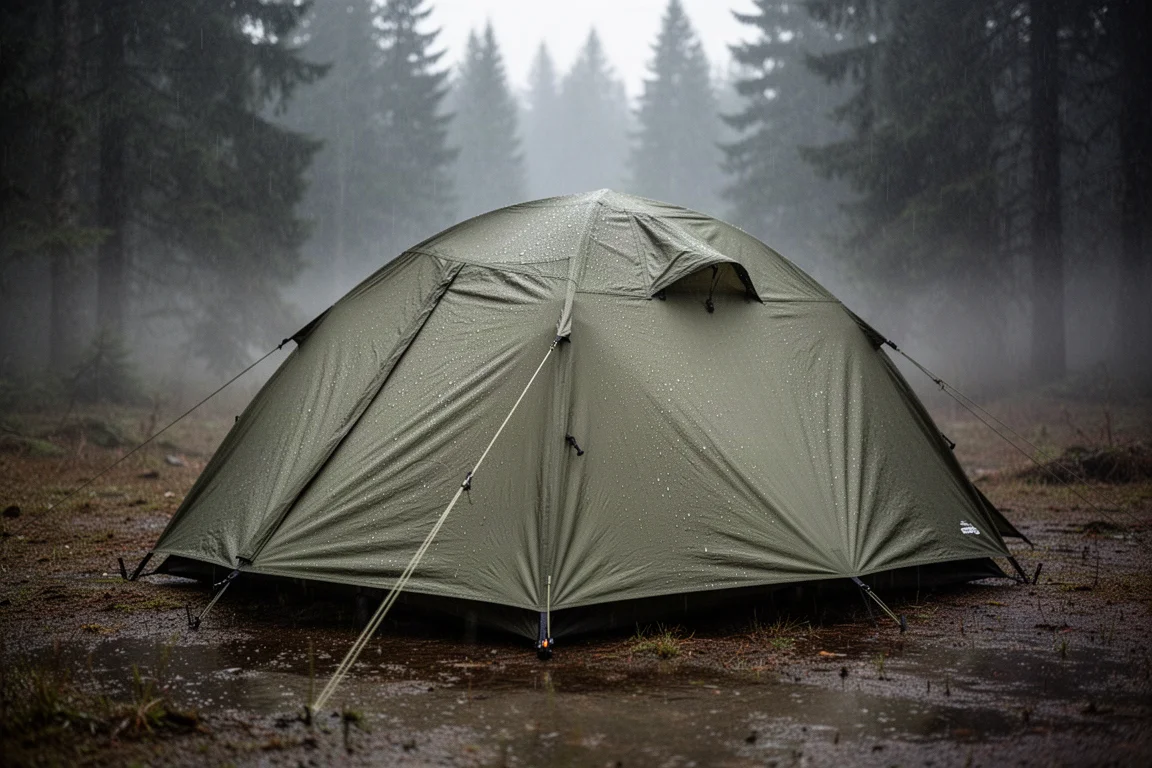
Introduction
Waterproofing is the part of a tent that decides whether a wet night becomes a miserable one, and it is rarely covered by a single feature. A tent needs a raised floor, taped seams, a rainfly that reaches far enough down, and ventilation that keeps air moving without letting water in. Miss any one of those and the whole system can fail.
The Nemo Aurora was assessed on all four points in sustained rainfall. It went through about an hour of moderate rain and then about an hour of heavy rain, with the floor, seams, rainfly underside, and vents all checked afterward.
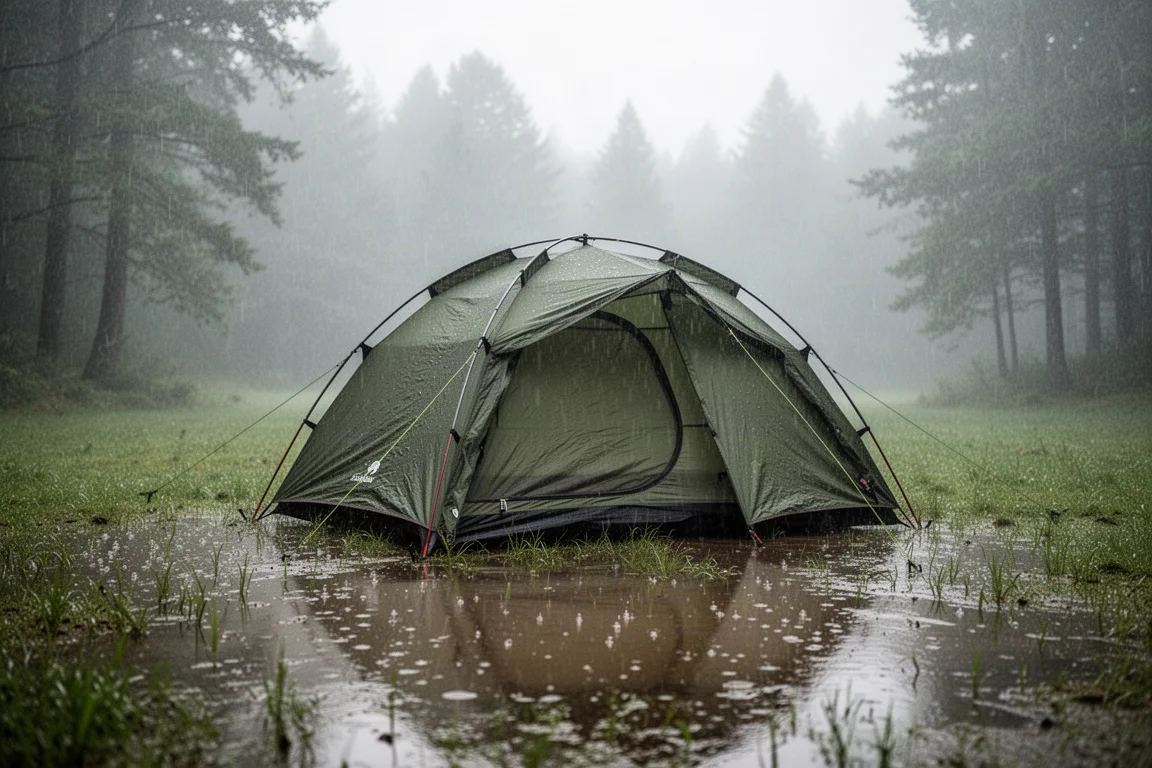
The short version is that nothing got in. No water reached the interior during either round, the corner seams stayed sealed, the tub floor was dry from the inside and did not overflow from the outside, and the vents stayed dry while still allowing air through. Notably, most tents are missing at least one of these waterproofing features. This one had all of them.
Who This Tent Is For
This tent suits campers who expect weather and would rather not gamble on it. If your trips involve forecasts that shift toward rain, or you camp in regions where afternoon storms are routine, the value of a fully taped rainfly and a high bathtub floor is easy to understand.
It also makes sense for buyers who want the fundamentals done properly rather than a long list of extras. The Aurora’s strengths here are structural, not cosmetic. There is no clever gimmick to learn and nothing to configure before a storm arrives.
If you mostly camp in reliably dry conditions and count every gram, the extra coverage may matter less to you. For everyone else, the waterproofing is the reason to look closely at this model.
Main Strengths
Tub Floor and Seam Taping
The tub floor runs around the entire perimeter of the tent, so the interior sits inside a continuous raised basin rather than a flat sheet stitched to the walls. Measured height came in at about nine inches along the length and about 11 inches along the width, a deliberately uneven profile that reflects how the rainfly behaves on each side.
Seam taping follows the same logic. There are only a few seams in the flooring, and the long seam running the full length of the floor was taped, as were the corner seams. Those corners were taped cleanly. Everything above the tub floor was left untaped, which keeps the treatment focused where water actually collects.
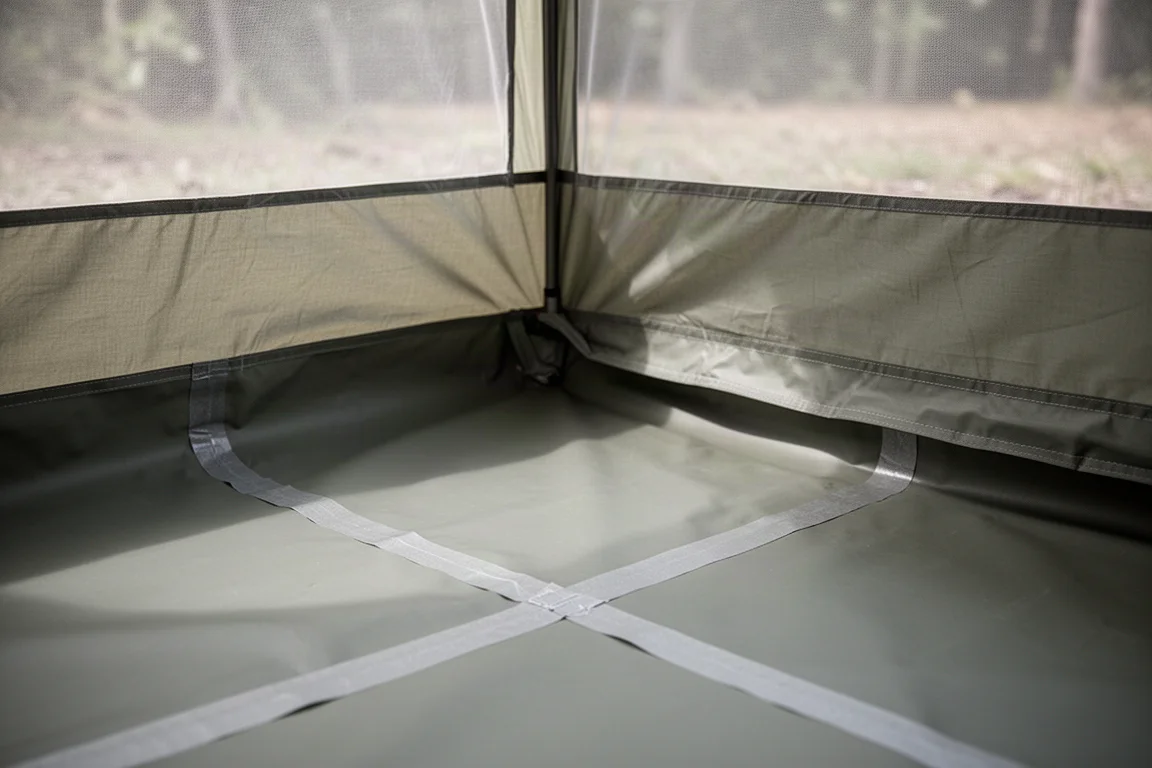
That combination proved its worth in the wet. After the heavy rain, the tub floor was completely dry from the inside, and lifting the rainfly to inspect it from the outside showed that water never rose beyond the tub. The mesh above it stayed dry throughout.
Full-Coverage Rainfly and Ventilation
The rainfly is a full-coverage design that extends almost all the way to the ground, which is the main reason the tent body itself stays out of the weather. Every single seam on the rainfly was taped, and the outline of the tape is clearly visible along the panels.
Along the widths, the tent adds an extra guy-out point on each side. These let you pull the rainfly away from the tent body, which improves both ventilation and rain protection by creating a gap between the fly and the inner wall. The widths cannot be pulled away as far as the vestibules at the front and back, and that is exactly why the tub floor is slightly higher along the widths.
The rainfly also carries vents, one on each width for two in total. They are angled so that air can move through the interior while rain is kept out, and they stayed dry through the heaviest part of the test.
Heavy Rain Test Results
The first stage was about an hour of moderate rain. The tent held up with no leaks at all, which set the baseline. The second stage pushed it into heavy rain for roughly another hour, and the results after that were the real test.
There was not a single drop of water inside the tent. The corner seams were checked first because they tend to be the earliest failure point in heavy rain, and none of them leaked. No other seam leaked either. The tub floor let in no water from the inside, and from the outside the water stayed below the tub line so the interior mesh remained dry. The underside of the rainfly was dry as well, meaning nothing seeped through the fabric or the taped seams.
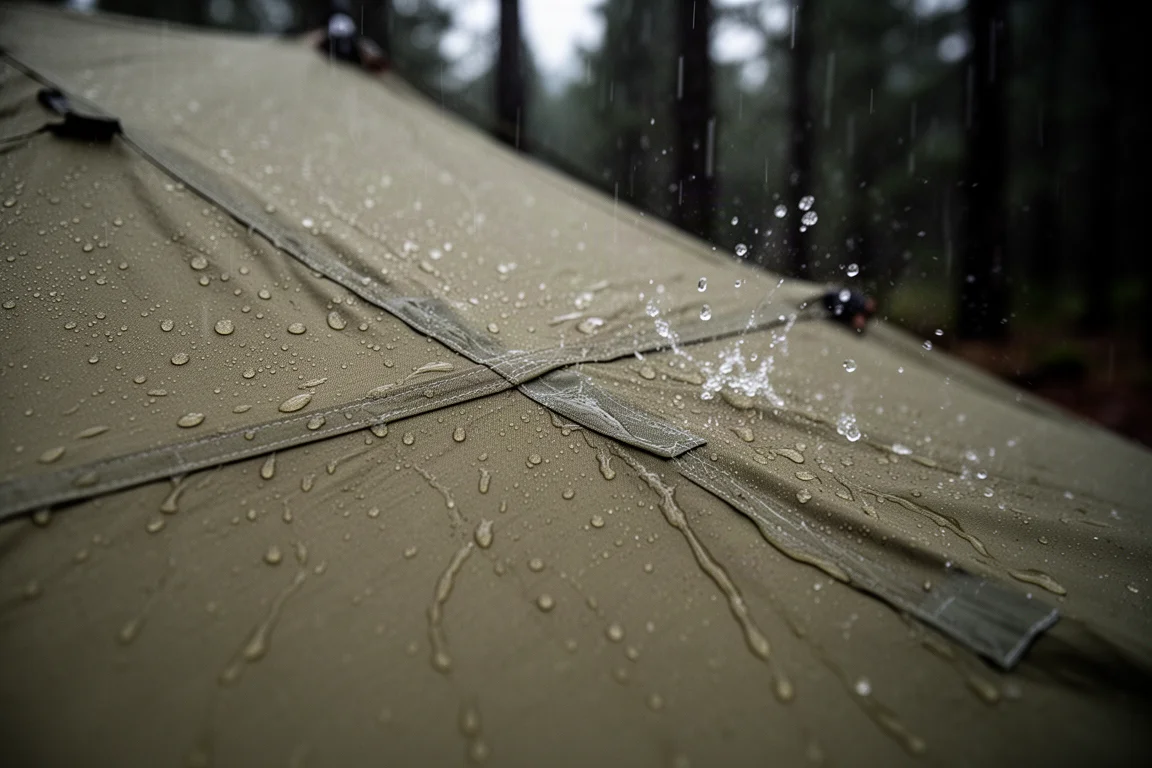
The vents finished the checklist without incident, holding the right angle to keep the interior both dry and ventilated. Taken together, this is a tent that covers every waterproofing feature that usually goes missing, and it did not leak on top of that.
Things to Consider Before Buying
The widths of the rainfly cannot be pulled as far from the tent body as the front and back vestibules. That is a design trade-off rather than a fault, and the taller tub floor at the widths is the compensation, but it does mean the side ventilation gap is smaller than what you get at the vestibules.
Seam taping above the tub floor is absent. The floor seams, corner seams, and every rainfly seam are taped, but the walls and other upper seams are not. That matches how the tent is built and how water is expected to behave, though buyers who assume full seam taping everywhere should note the distinction.
Finally, the assessment covered about an hour of moderate rain followed by about an hour of heavy rain. That is a meaningful soaking, but it is not the same as a full night of driving rain, so treat the results as a strong indicator rather than an unlimited guarantee.
Buying Advice
The Aurora is worth considering if you want the waterproofing checklist fully satisfied in one purchase: a raised tub floor with taped floor and corner seams, a full-coverage rainfly with every seam taped, side guy-out points, and two angled vents. Very few tents bring all of that together, and this one added a clean result in heavy rain on top of it.
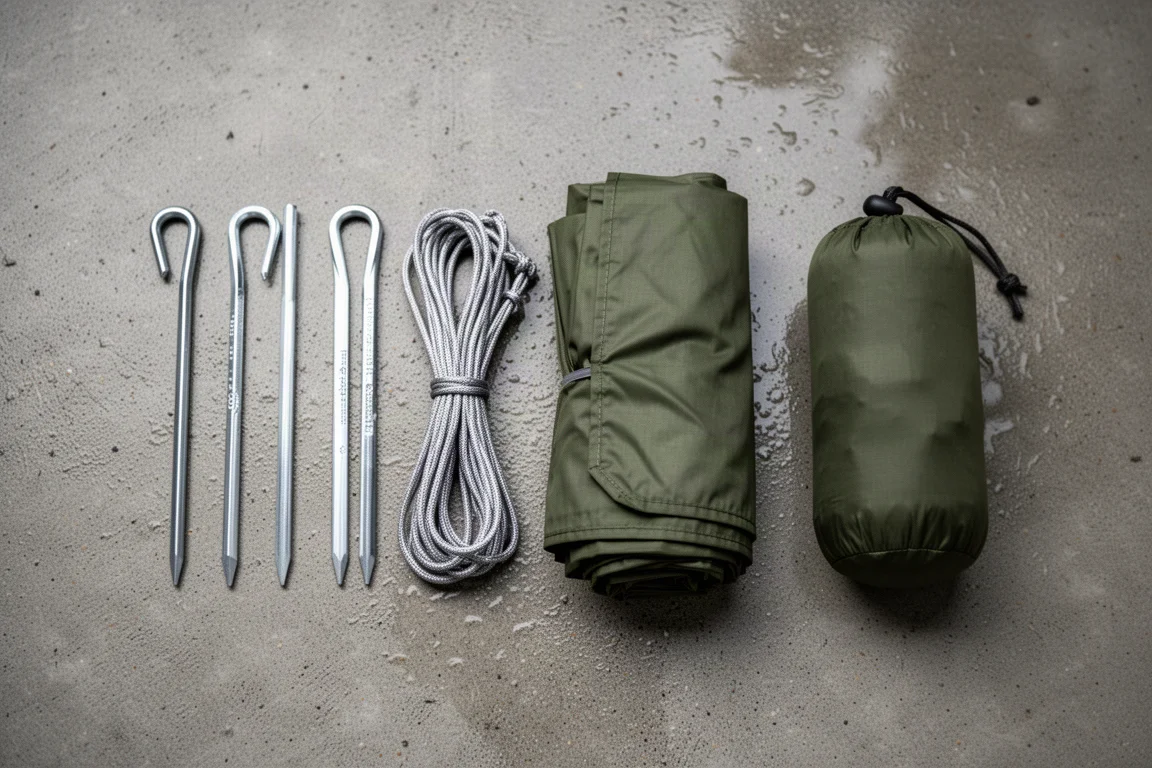
If your camping involves regular rain or unpredictable mountain weather, that combination is the practical argument for this tent. If you camp almost exclusively in dry, settled conditions, you may be paying for protection you rarely use. Match the tent to the weather you actually camp in, and this one is easy to recommend to anyone who camps where it rains.
Conclusion
The Nemo Aurora passed a demanding rain test without a single drop getting inside. Its tub floor, taped seams, full-coverage rainfly, side guy-out points, and angled vents work together rather than individually, and the result after roughly an hour of moderate rain and an hour of heavy rain was a completely dry interior. For campers who expect wet weather, that is the most important thing a tent can do.
Product link
View more details for Nemo Aurora
This product is mentioned in the review. Check the specifications, options, and compatibility before buying.
View more details for Nemo AuroraFurther reading
Related Reviews
Camping Tents
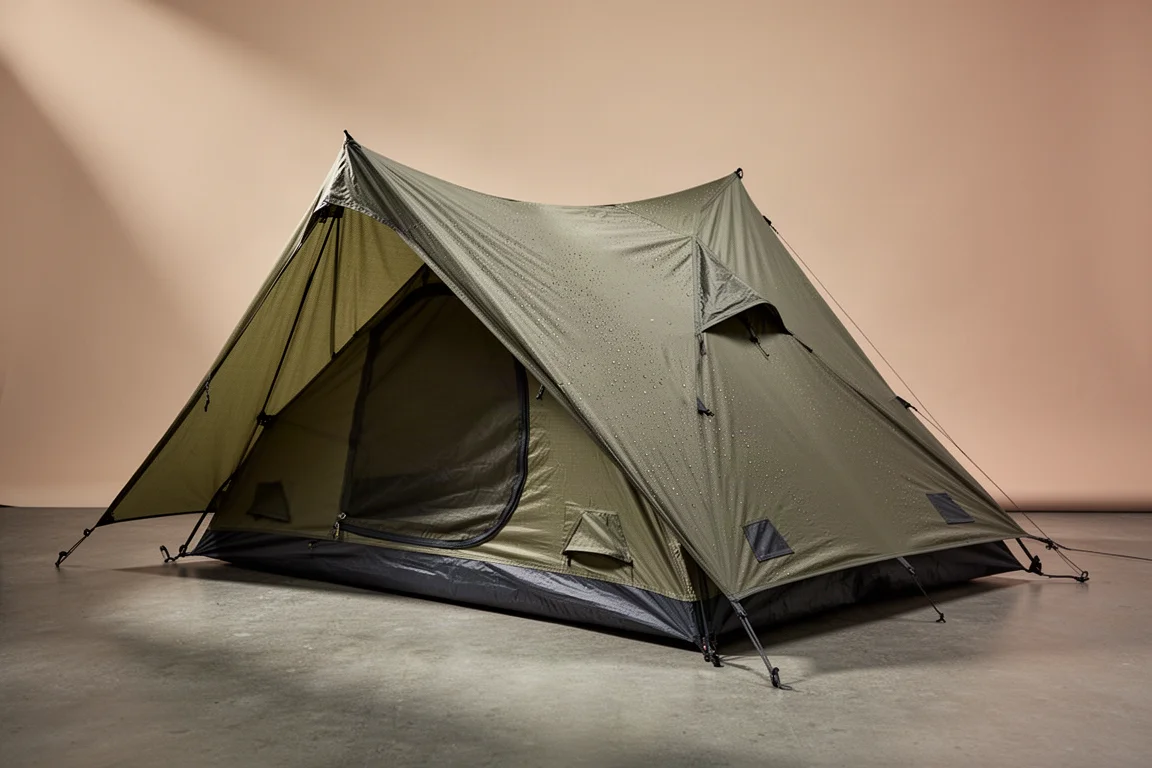
3F UL Gear Taiji Two-Person Tent Review: Field Waterproofing Results and Buying Advice
The Taiji pairs an attached fly with a removable inner, but sustained rain exposed untaped vent seams that need sealing before this shelter can be trusted.
Camping Tents
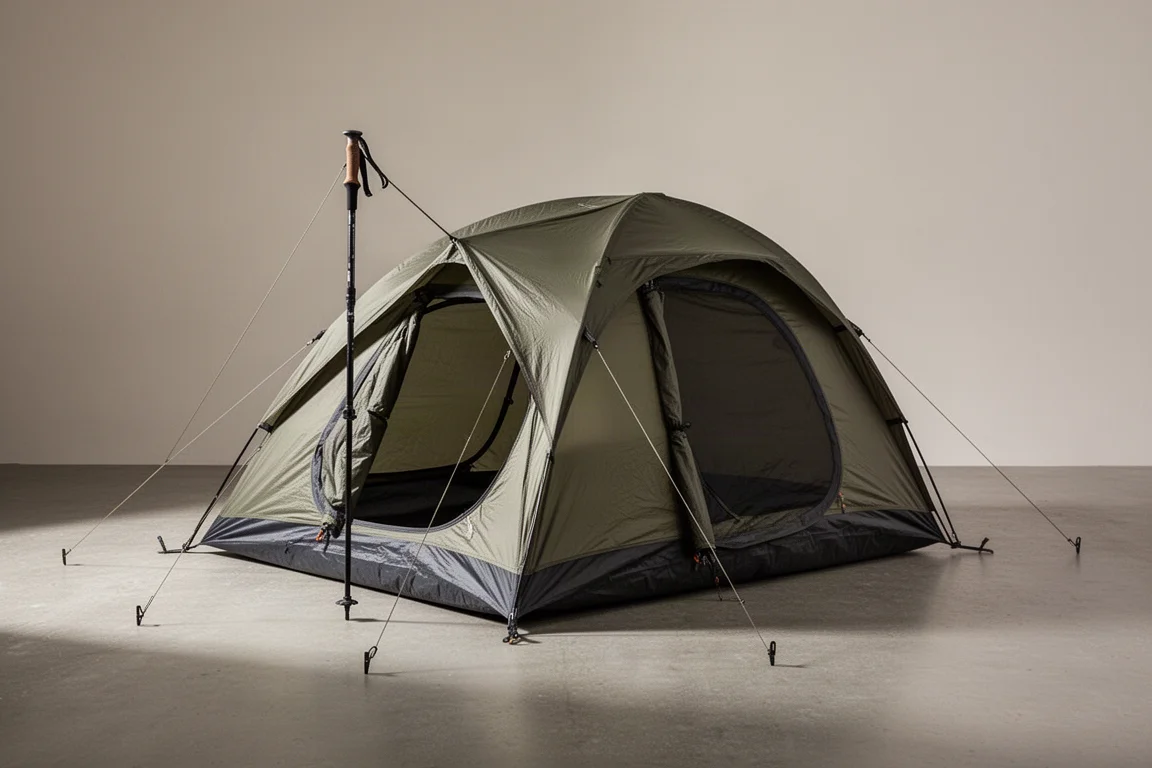
3FUL Gear Lanshan 2 Pro 4-Season Review: A Sub-$200 Single-Wall Trekking Pole Tent
An early look at the 3FUL Gear Lanshan 2 Pro 4-Season, covering its straightforward pitch, generous interior space, and the condensation and seam-sealing questions that come with any single-wall shelter.
Camping Tents
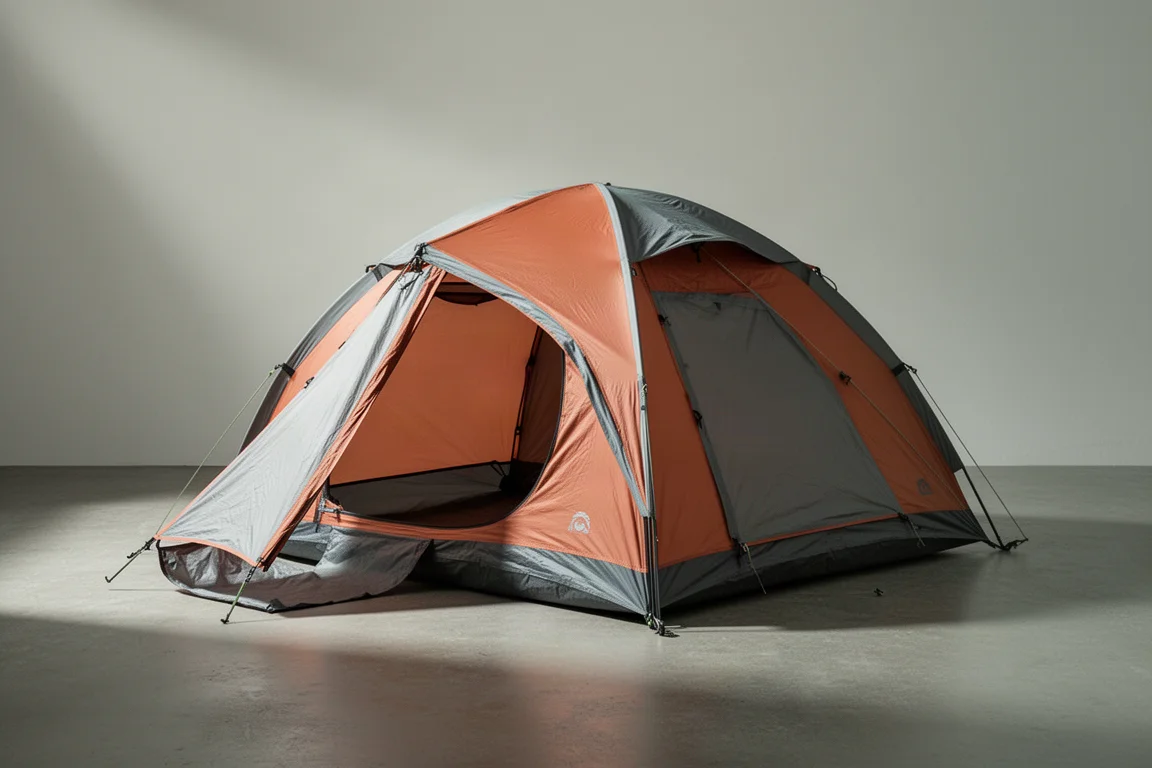
Alps Mountaineering Lynx 1-Person Tent Review: Big Value in a Small Budget Tent
A close look at the Alps Mountaineering Lynx 1-Person Tent, covering real interior dimensions, materials, setup time, ventilation limits, and who should buy it.