Camping Tents
Nemo Aurora 2-Person Tent Review: Four Vertical Walls and Real Rain Protection
A roomy two-person tent with four near-vertical walls, a 42-inch peak, an included footprint, and a full-coverage taped rainfly that stayed dry through heavy rain.
Introduction
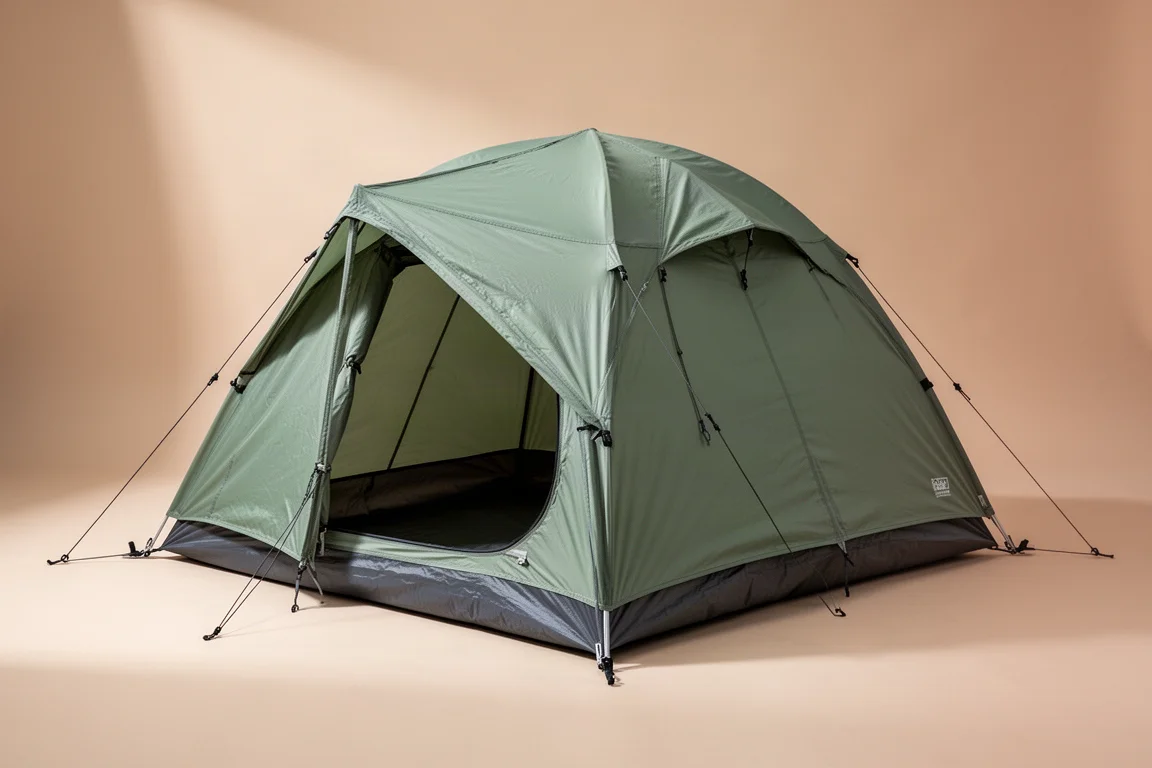
The Nemo Aurora 2-Person Tent takes a different approach to interior space than most shelters in its class. Instead of a single ridge pole with sloping sides, it pairs a hubbed pole that forms near-vertical walls on both sides with a short ridge pole that lifts the body at the front and back. The result is four near-vertical walls, a peak height of about 42 inches, and roughly 29.4 square feet of floor area.
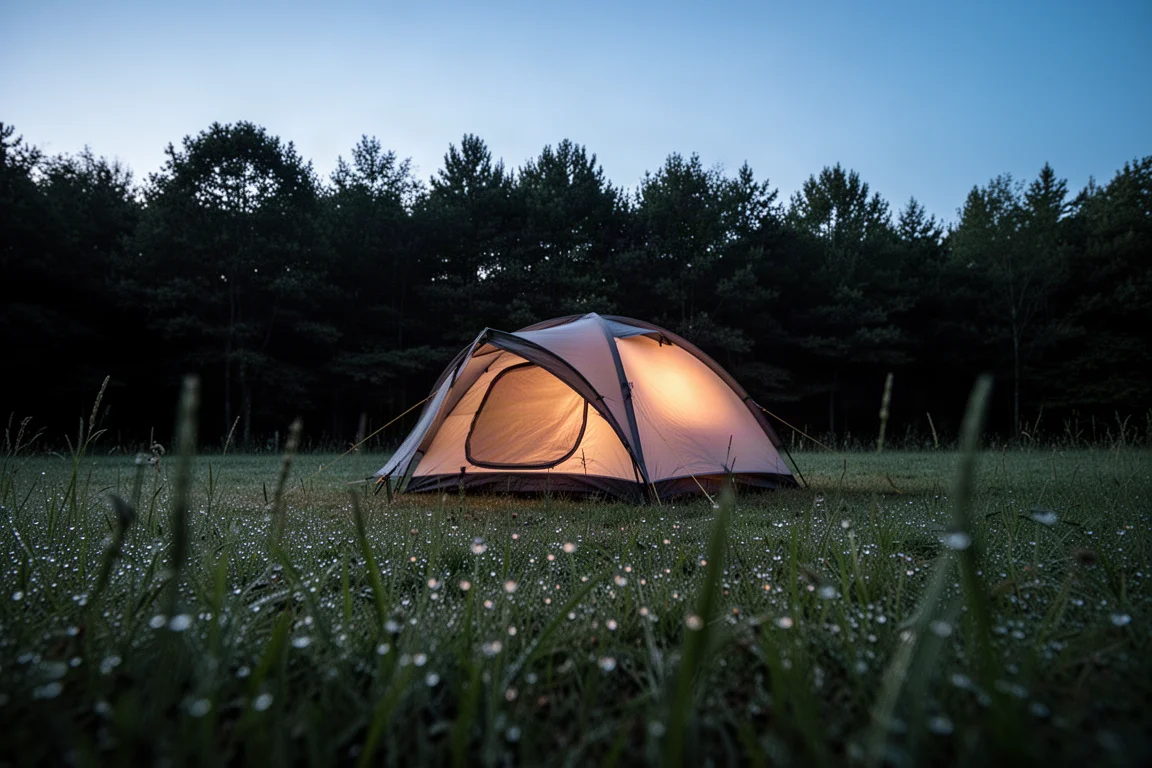
It also arrives well equipped for the price band it sits in. The footprint is included, the rainfly is full coverage, the floor and fly seams are taped, and the whole package weighs about 5.4 pounds. Two vestibules add close to 20 square feet of covered storage between them.
That mix of space and completeness is what makes this tent worth a close look for campers who want room to live in rather than a minimal shelter.
Who This Tent Is For
This tent is aimed at campers who want to sit up, move around, and keep gear inside without feeling cramped. Two adults fit comfortably on a large double pad, and there is enough leftover floor space for small bags along the sides. Solo campers who like spreading out will find it generous rather than excessive.
It is also a flexible shelter. With the tent body removed, the footprint and rainfly can be pitched together as a lighter setup that comes in under 4 pounds, which suits trips where a full inner tent is not needed. The tent body alone weighs 1.6 pounds.
Space and Interior Comfort
Peak height measured about 42 inches, and the four edges came in between 37 and 39 inches, so headroom stays usable across the whole floor rather than only at the centre. The floor measured about 85.5 inches long and 49.5 inches wide, for a base area of roughly 29.4 square feet.
Pad fit is the one place to plan ahead. A large double pad the size of two regular pads together fits nicely, with a little room left over for gear on the floor. Only about five inches of extra width remains once it is in place, so pads that are 25 inches wide will be a very snug fit right to the edges, and anything wider, such as a queen bed, will not fit and will press against the fabric.
Each vestibule adds about 33 inches of width, which works out to almost 10 square feet per side and nearly 20 square feet in total. Both doors measure about 54 by 27 inches, at least 20 percent larger than most doors on tents in this size class. There are four pockets inside: two door pockets at roughly 8 by 6 inches, and two larger pockets near the top at about 20 by 7 inches.
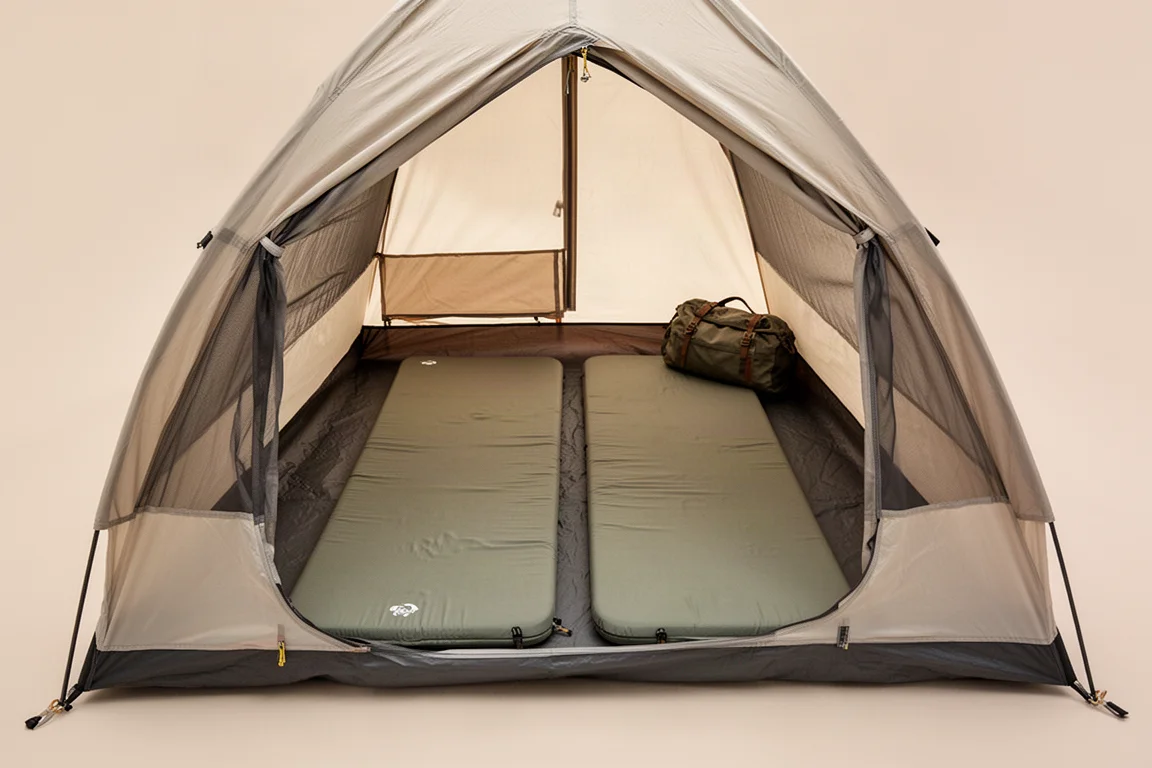
Ventilation benefits from those oversized doors. With both open, cross flow through the tent is strong, and each door has a pocket to hold the fabric out of the way. This model includes two loops at the top of the tent for hanging small items. A newer version of the same tent adds an overhead nightlight pocket that diffuses a headlamp, while the version tested here relies on those loops.
Weather Protection and Ventilation
The floor is a bathtub design that runs around the entire perimeter, measuring about 9 inches high along the length and about 11 inches high along the width. Seams on the floor and in the corners are taped, while the walls above the tub floor are not taped.
The rainfly is a different story: every seam is taped, and the fly extends almost all the way to the ground. Each of the tent’s widths has an extra guy-out point that pulls the fly away from the body, which improves both airflow and rain shedding. Beyond the widths there are six further guy-out points, three on each side, plus shock-cord guylines.
Two vents sit on the widths, one per side, covered by a layer of mesh. They cannot be reached through the inner wall, but they can be opened and closed by reaching through a door.
Wet-weather testing backed up the design. After an hour of moderate rain there were no leaks, and after an hour of heavy rain there was not a single drop inside. Corner seams, the remaining seams, and the tub floor all stayed dry, the underside of the rainfly stayed dry, and the vents kept water out while still allowing airflow. Checking the tub floor from outside showed the water never rose past it, so the interior mesh stayed dry too.
Setup, Packing, and Materials
Pitching takes a little under eight minutes: lay the footprint, set the tent body on top, secure the four tips of the hubbed pole into the corner grommets, attach the pole clips, add the short ridge pole above the doors, drape the rainfly, then stake the vestibules and the rest of the tent. There are no pole sleeves. The corner grommets stack three deep to hold the footprint, tent body, and rainfly together, and the rainfly also has grommets underneath that attach to the ridge pole. Takedown takes about six minutes and forty-five seconds, and everything fits back into the carry bag easily.
Materials feel substantial. The floor is 2,000 millimetre polyurethane-coated 75 denier polyester, and the included footprint appears to use the same material. The rainfly is roughly 68 denier polyester with the same 2,000 millimetre coating, the canopy is uncoated 6 denier polyester, and the poles are lightweight aluminium. The mesh is no-see-um, and the stakes are lightweight shepherd hook style.
Packed size is about 21.5 by 9.5 by 7.5 inches, with a packed length near 21 inches when the poles travel separately. Total packed weight is about 5.4 pounds. A lifetime warranty covers the tent.
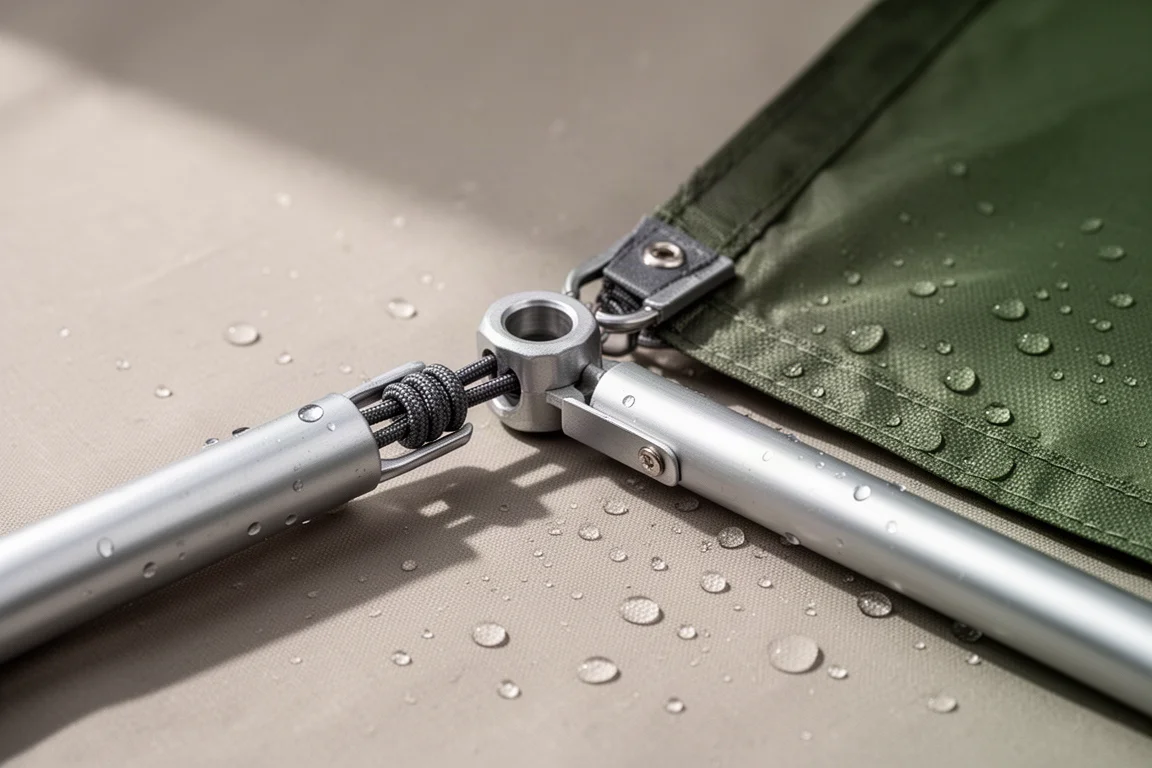
Setup is mostly a clip-on process, which keeps the tent body aligned with the frame without threading sleeves. Vestibule tension can be adjusted after staking with a buckle: push back to loosen, pull the front strap to tighten. The carry bag has a handle at the base, and a newer version of the bag uses a roll-top dry bag design instead.
Things to Consider Before Buying
Wind is the main limitation. Four tall vertical walls do not shed wind as well as a lower, more rounded dome profile, even with the two extra guy-out points and the six guylines helping to stabilise the fly.
The zippers are the second point to note. Each door and each vestibule has a single one-way zipper, so the top of a door cannot be cracked open for a little extra airflow, which is common on tents that use two-way zippers. Zipping was smooth overall with no snagging, though the large doors take a little care around the bend at the top.
Pad width is worth measuring before you buy, since wide pads fit snugly and oversized beds do not fit at all. The mesh is also fairly coloured and less transparent than some campers would like, which slightly softens the view out. Each vestibule also has just one stake-down point, so one panel must be tied up with the provided toggles when you want it fully open.
Finally, price sits at the higher end of the budget range, so it is worth weighing what is included, such as the footprint, against similarly priced options.
Buying Advice
If interior space is your priority, this is a strong choice. The four-wall structure, the 42-inch peak, and nearly 30 square feet of floor area make it one of the roomiest two-person tents you can pitch, and the included footprint plus the taped full-coverage rainfly add genuine value rather than extras you have to buy separately.
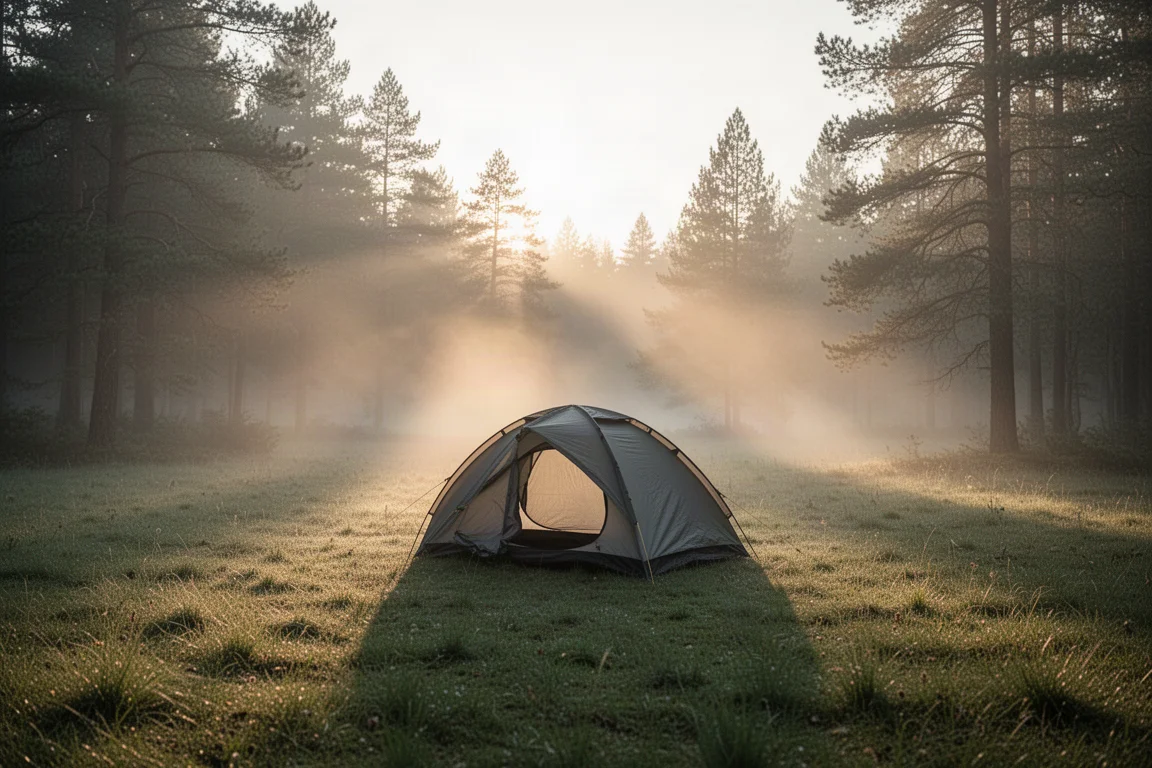
Match it to the right conditions and the trade-offs fade. Campers who mostly pitch in sheltered sites, established campgrounds, or forest clearings will get the full benefit of the space and ventilation without worrying about the vertical walls. Anyone who regularly camps on exposed ground should weigh the wind behaviour carefully and plan on using every guyline.
It is also worth thinking about how you will carry it. At about 5.4 pounds packed it is manageable for shorter walks from the car, and the footprint-only setup drops the weight below 4 pounds for trips where the full inner tent is not necessary.
Conclusion
The Nemo Aurora 2-Person Tent earns its place on space, weather protection, and included extras. Four near-vertical walls create headroom that stays usable across the entire floor, the rainfly and taped seams shrugged off an hour of heavy rain without a drop inside, and the footprint comes in the box. The compromises are narrow pad clearance, single one-way zippers, and a shape that prefers calmer weather. For campers who want room to live in and mostly pitch in protected spots, it is an easy tent to recommend.
Product link
View more details for Nemo Aurora 2-Person Tent
This product is mentioned in the review. Check the specifications, options, and compatibility before buying.
View more details for Nemo Aurora 2-Person TentFurther reading
Related Reviews
Camping Tents
3F UL Gear Taiji Two-Person Tent Review: Field Waterproofing Results and Buying Advice
The Taiji pairs an attached fly with a removable inner, but sustained rain exposed untaped vent seams that need sealing before this shelter can be trusted.
Camping Tents
3FUL Gear Lanshan 2 Pro 4-Season Review: A Sub-$200 Single-Wall Trekking Pole Tent
An early look at the 3FUL Gear Lanshan 2 Pro 4-Season, covering its straightforward pitch, generous interior space, and the condensation and seam-sealing questions that come with any single-wall shelter.
Camping Tents
Alps Mountaineering Lynx 1-Person Tent Review: Big Value in a Small Budget Tent
A close look at the Alps Mountaineering Lynx 1-Person Tent, covering real interior dimensions, materials, setup time, ventilation limits, and who should buy it.