Hi-Fi Speakers
Neat Petite Classic Review: A Compact Standmount With Exceptional Clarity
A British two-way standmount with an AMT tweeter and a twin-port cabinet, the Neat Petite Classic delivers remarkable detail, timing and imaging for its size.
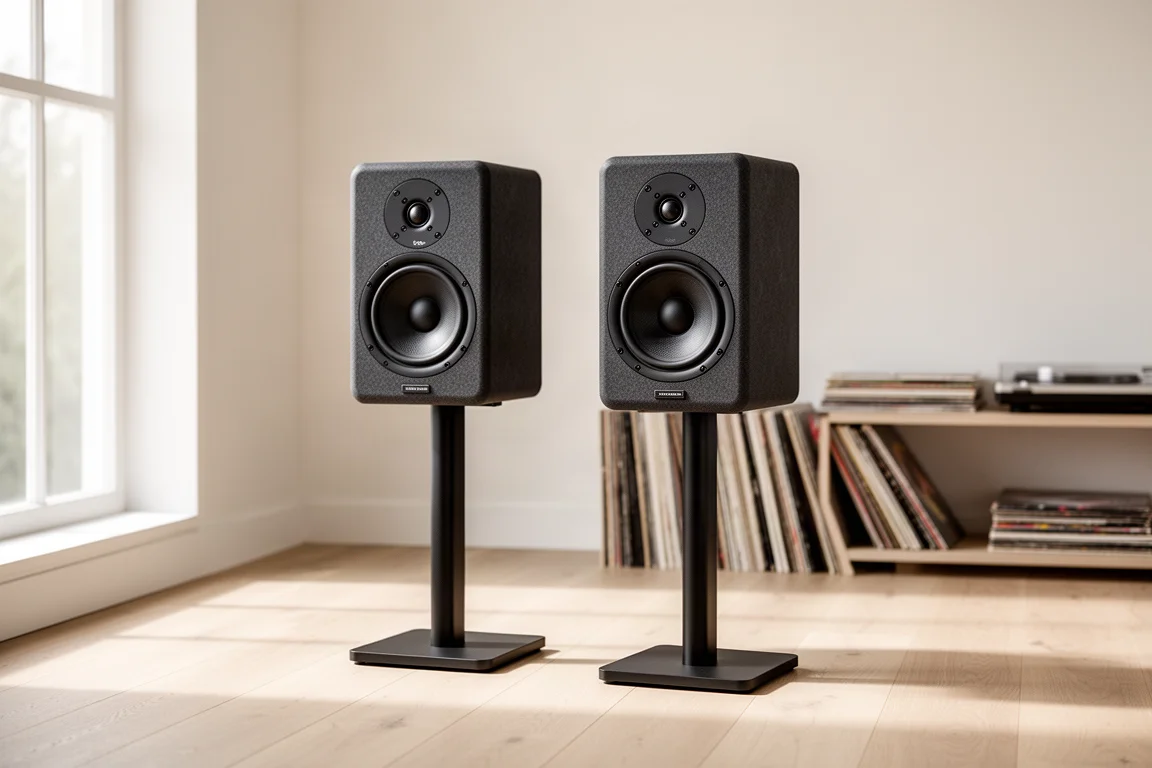
Introduction
The Neat Petite has a long history behind it. It was the first speaker Bob Surgeoner designed when he launched the company, and it went through several incarnations before being discontinued in 2016. For the brand’s 30th birthday in 2021 it returned as the Petite 30, a limited run of 100 pairs worldwide with an AMT tweeter, a gloss finish and a USB stick of favourite recordings. The feedback was strong enough that the design has come back again as the Petite Classic.
The Classic is not identical to the anniversary model. The gloss finish has gone, the USB stick has gone, and there are a couple of tweaks: a revised crossover design and no bi-wire binding posts. Essentially, though, it is the same speaker, and that is the reason it deserves close attention.
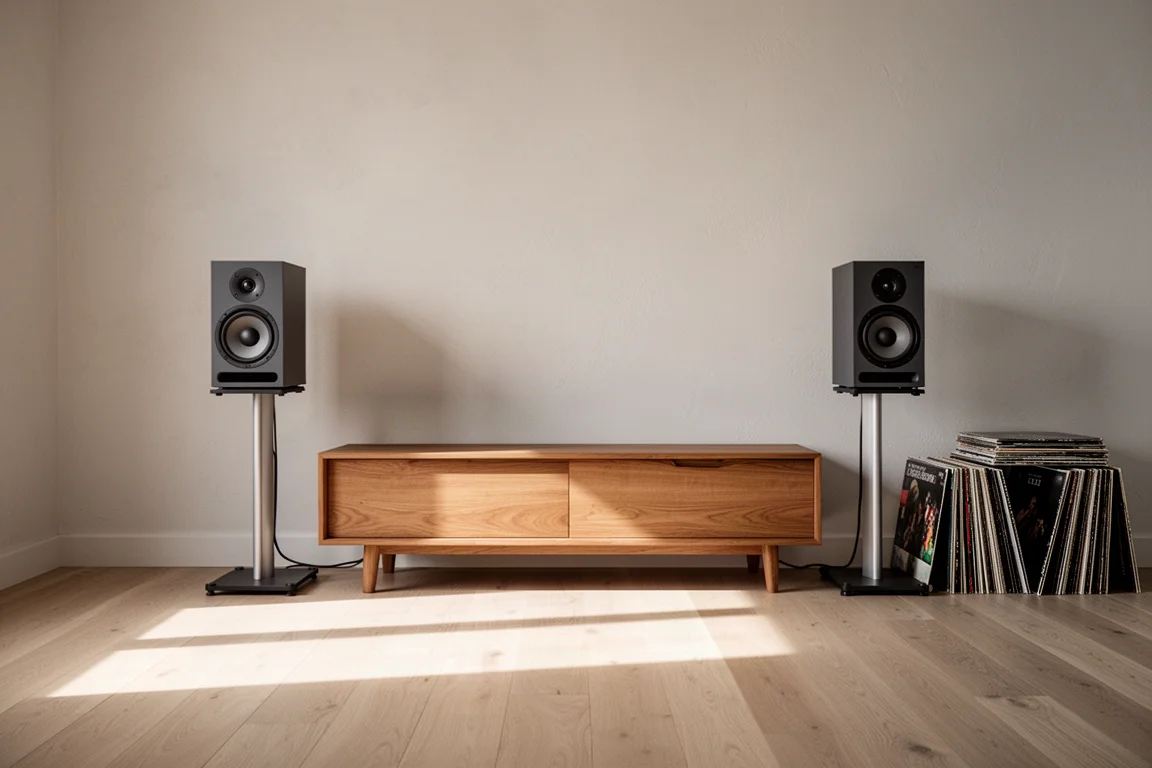
Each cabinet measures 30 by 20 by 18 centimetres, or 11.8 by 7.9 by 7.1 inches, and weighs 7.5 kilograms, or 16.5 pounds. Finish options are textured black or satin white, with no wood veneers currently available. A stereo pair is priced at 1,995 pounds in the UK, and the cabinets are made in Britain.
Who the Neat Petite Classic Is For
This is a speaker for listeners who put information retrieval first. It suits small to medium rooms, near-field setups, and systems where the source and the amplification are already of a good standard. If you enjoy following individual instruments inside a mix, the Petite Classic is built for exactly that kind of listening.
It is not, however, the classic full-bodied British monitor sound. Listeners who want a full, harmonically rich midrange will likely prefer a different speaker. It is also a very revealing design, so harsh recordings or bright partnering equipment will be exposed rather than smoothed over. Buyers who want a forgiving, warming speaker should look elsewhere.
Main Strengths: Clarity, Timing, and Imaging
The headline quality here is clarity. Few speakers at this price retain as much information from a recording, and the leading edges of notes arrive with a crispness that makes it easy to follow separate instruments in a busy mix. Transient response is genuinely quick, and the bass is unusually articulate for a ported cabinet, something normally associated with well-designed sealed enclosures.
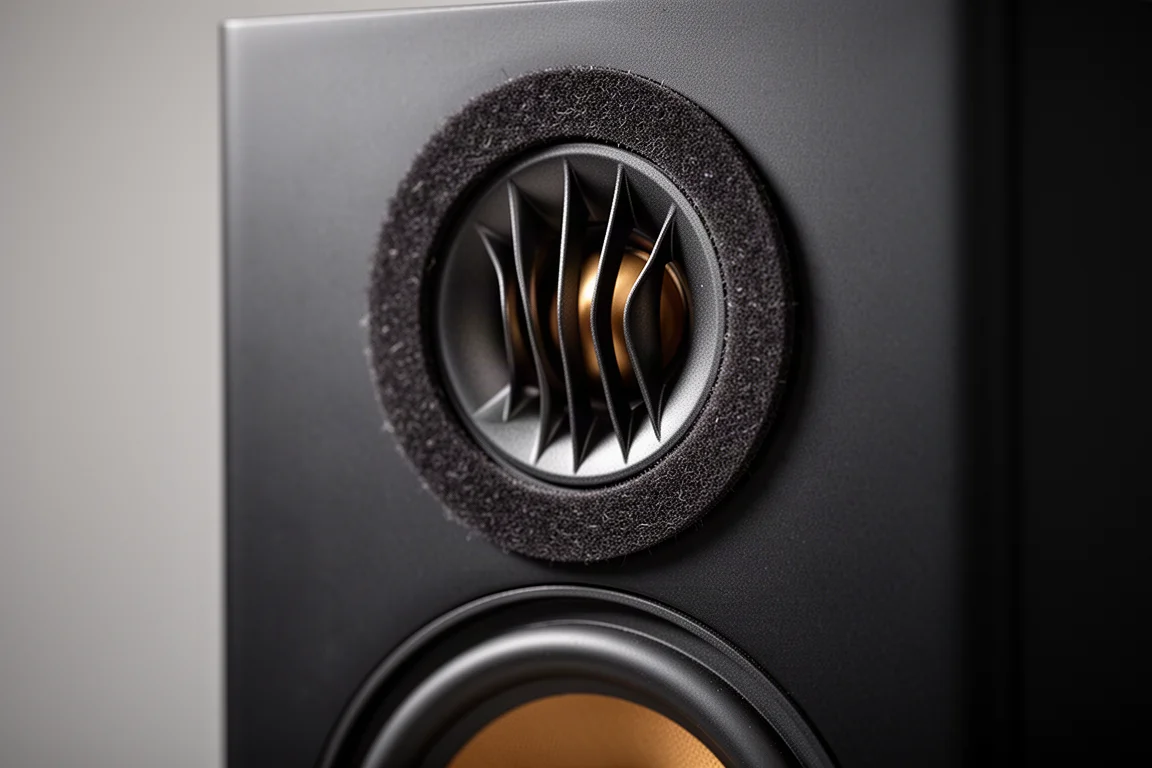
The driver package explains part of that. A 150 millimetre, or six inch, SB Acoustics midwoofer uses a mineral-filled polypropylene cone, and it hands over at 3,800 Hertz to a Dayton Audio AMT tweeter with a felt surround that helps manage edge diffraction. The crossover is deliberately minimalist: a first order filter on the midwoofer and a second order filter on the tweeter, using air core inductors, polypropylene capacitors and good quality resistors. Fewer, better parts place less degradation on the signal, though they also ask more of the drivers themselves.
Imaging is the other standout. Set up properly, these little cabinets produce a remarkably stable stereo image, with every instrument securely located in its own space. The AMT tweeter is detailed, extended, fast and refined, and the upper harmonic structures of notes are preserved well enough that timing information comes through intact. The result is a presentation that stays dynamic and engaging rather than dry or analytical.
Things to Consider Before Buying
The tweeter runs a little hot. That extra energy is part of why the speaker sounds so informative, but it means any harshness in the recording or in the partnering electronics will be reproduced without mercy.
The rear binding posts are below par for a speaker at this price. They work fine with banana plugs, but spades are too diminutive to sustain any reasonable contact pressure.
Finish options are limited to textured black and satin white, so anyone who wants a wood veneer will need to look at other designs.
Tonally, the Petite Classic leans neutral rather than rich. Buyers chasing the traditional British monitor presentation with a fuller midrange and more acoustic mass should consider that trade-off carefully.
Finally, the twin port arrangement rewards experimentation. With both foam bungs fitted and the speakers pushed close to a wall, the bass rolls off earlier with a more gradual response, but much of the subtle detail, clarity and timing that makes the speaker special goes with it. With both bungs removed, the low end can become too heavy depending on the room.
Setup and Partnering Equipment
These speakers are flexible about positioning, but they are not indifferent to it. About a metre, or just over three feet, into the room with the bottom bung removed proved the sweet spot in practice. With both bungs taken out, the bass became too heavy for that particular room, which is a reminder that the right configuration will vary from space to space.
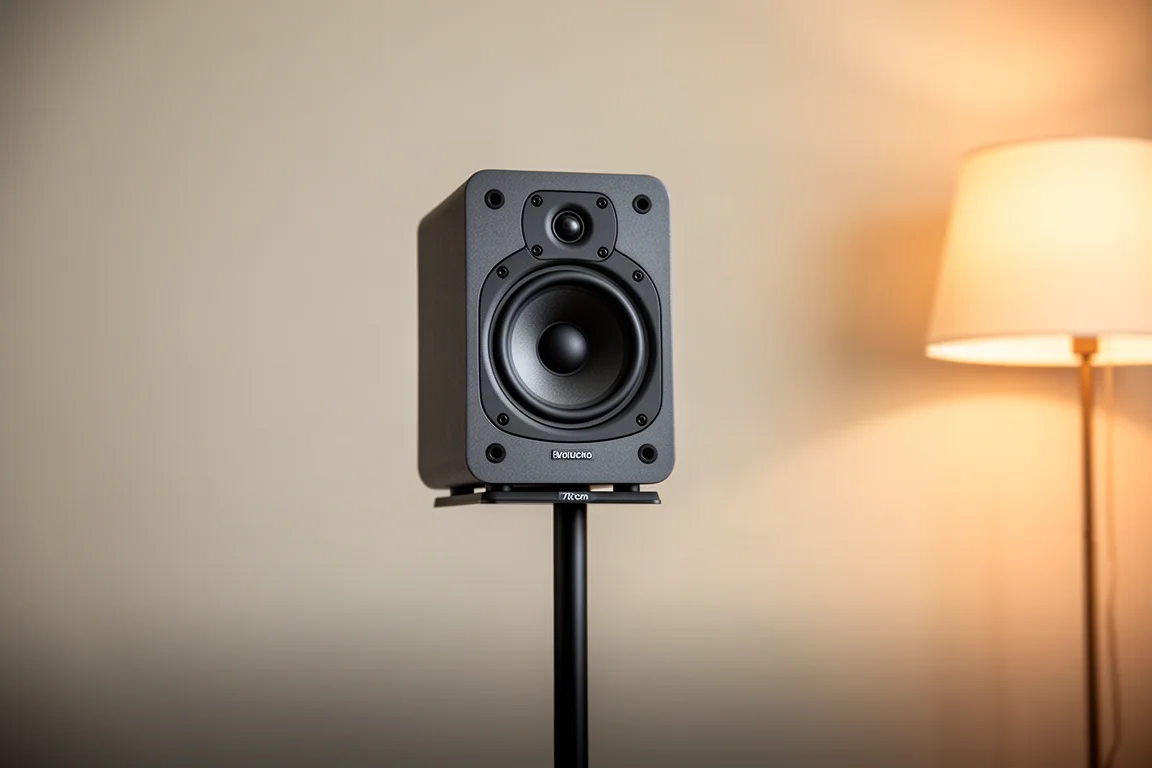
The twin port layout is worth understanding. The smaller port is tuned at 35 Hertz with a low Q, meaning it is heavily damped and operates over a narrow band of frequencies. The larger port has a higher Q and works over a wider range centred around 70 Hertz. Foam plugs are supplied for close-to-wall placement. Stands raised to 70 centimetres, roughly 27 inches, bring the tweeters to ear height, and a classic toe-in with the tweeters pointing just past the shoulders on each side gets the best from the imaging.
Partnering equipment matters a great deal here, because the speaker is so revealing. Stick to good quality, price-appropriate gear and avoid anything overly bright, since the tweeter already runs a touch hot. Within those limits the Petite Classic is fairly free of coloration and should work with a wide range of amplifiers. A lively integrated amplifier showed off pace, rhythm and timing but limited the soundstage. A more capable integrated opened up width and depth with extra top-end extension and detail, trading away a little of that snappy bass. A warm valve amplifier added the bass weight and rich character that filled out lead vocals, though it also unearthed some hardness in the upper midrange that better tubes would likely resolve. The speaker scales up well beyond its price.
Buying Advice
At 1,995 pounds per pair in the UK, this is a considered purchase, and it makes the most sense for listeners who already own, or plan to own, electronics of a similar standard. Pairing a two thousand pound speaker with much more expensive amplification is not overkill here; it simply shows how far the design can be pushed.
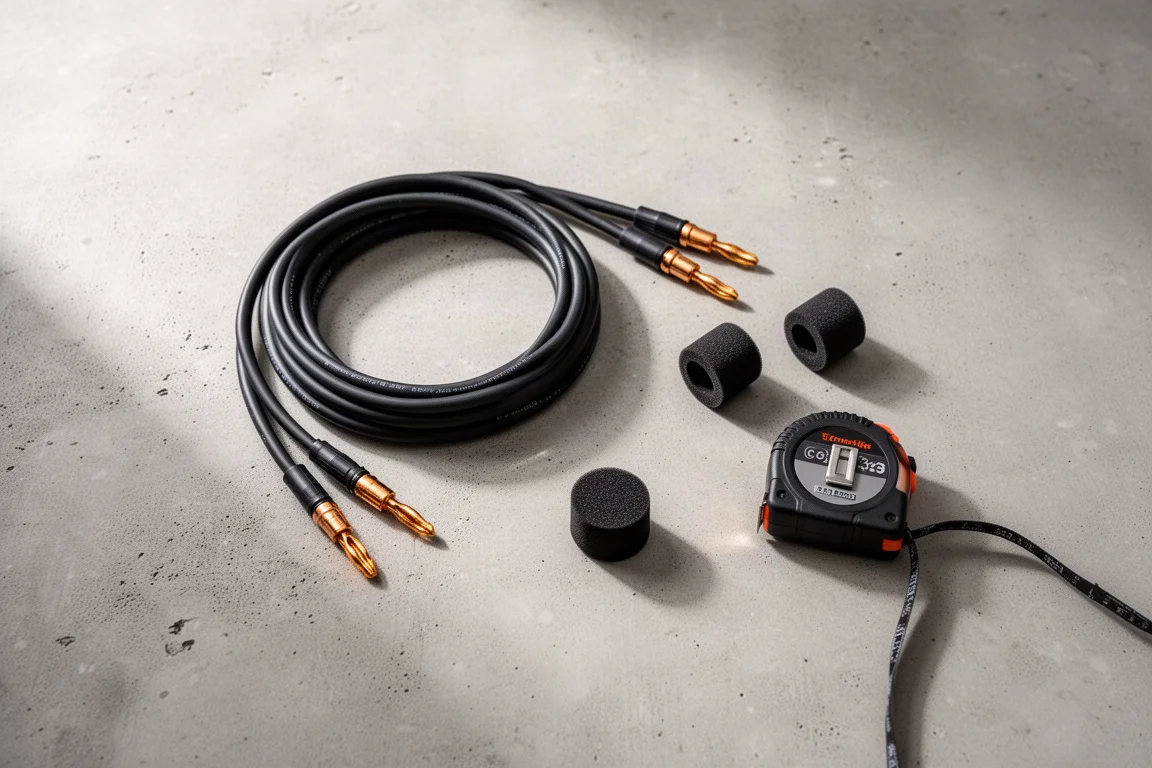
If clarity, timing and imaging are your priorities, and you are happy to build a revealing system around a compact cabinet, the Petite Classic is an easy recommendation. Use banana plugs rather than spades, budget for decent stands, and be prepared to spend an evening moving the speakers and swapping port bungs. If instead you want a fuller, warmer midrange or a wider choice of finishes, another speaker will serve you better.
Conclusion
The Neat Petite Classic unearths astonishing levels of detail from a recording without ever sounding dry, and it does so from a cabinet small enough for modest rooms. Its blend of clarity, refinement, scale and precision is exceptional for the price, and the lineage behind it gives the design real provenance. Buyers who value insight over warmth will find very little to fault here.
Product link
View more details for Neat Petite Classic
This product is mentioned in the review. Check the specifications, options, and compatibility before buying.
View more details for Neat Petite ClassicFurther reading
Related Reviews
Hi-Fi Speakers
1723 THX Tower vs 1528 Bookshelf: Which Speaker Fits Your Room?
Two speakers at roughly the same price, built very differently. How the 1723 THX tower and the 1528 bookshelf compare on construction, bass, power needs, and sound.
Hi-Fi Speakers
Acoustic Energy AE 300 Review: Deep Bass From a Compact Standmount
A two-way standmount with real wood veneer, surprising low-end weight, and a warm, easygoing character. Here is what to know before buying.
Hi-Fi Speakers
Acoustic Energy AE1 40th Anniversary Review: A Modern Take on a British Classic
A compact standmount that revives a 1980s favorite with all-new parts, a warm mid-centric balance, and a price of £1,499 per pair.