Backpacking Gear
Near Zero Backpacking Setup Review: A Complete Kit for New Backpackers
A single order that arrives packed with a tent, sleep system, cook kit, and water treatment. Here is what the Near Zero backpacking setup does well, what needed fixing, and who it suits.
Introduction
Most backpacking gear gets bought one piece at a time. That usually means weeks of reading, several different brands, and a fair chance of ending up with a 70 or 80 liter pack filled with the wrong items. The Near Zero Backpacking Setup takes the opposite approach: one order that arrives packed with a tent, a sleep system, a cook kit, water treatment, and the small accessories that are easy to forget.
The system is built for beginner and intermediate backpackers. It is also configurable, so items such as the sleep system and cookware can be chosen at different levels instead of being locked into one fixed bundle. Everything included in the version tested weighed roughly 17 pounds in total.
Who This Complete Setup Is For
This is aimed squarely at the hiker who wants to start backpacking without spending a season researching every component. The appeal is not that each item is the lightest or cheapest option on the market. The appeal is that the decisions have already been made, the pieces work together, and nothing obvious is missing when the box arrives.
It also makes sense for households adding a second kit, or for parents shopping for a child. A 20 liter pack is offered for younger hikers, and a child carrying that pack alongside an adult carrying the main load worked out fine on a multi-day trip in Oregon.
Experienced backpackers are a different story. Anyone who already owns gear tuned to their own body and habits, and who enjoys comparing options, will likely get more satisfaction from assembling a kit piece by piece. A lighter setup at a lower total cost is achievable that way, provided you are willing to put in the time.
What Arrives in the Kit
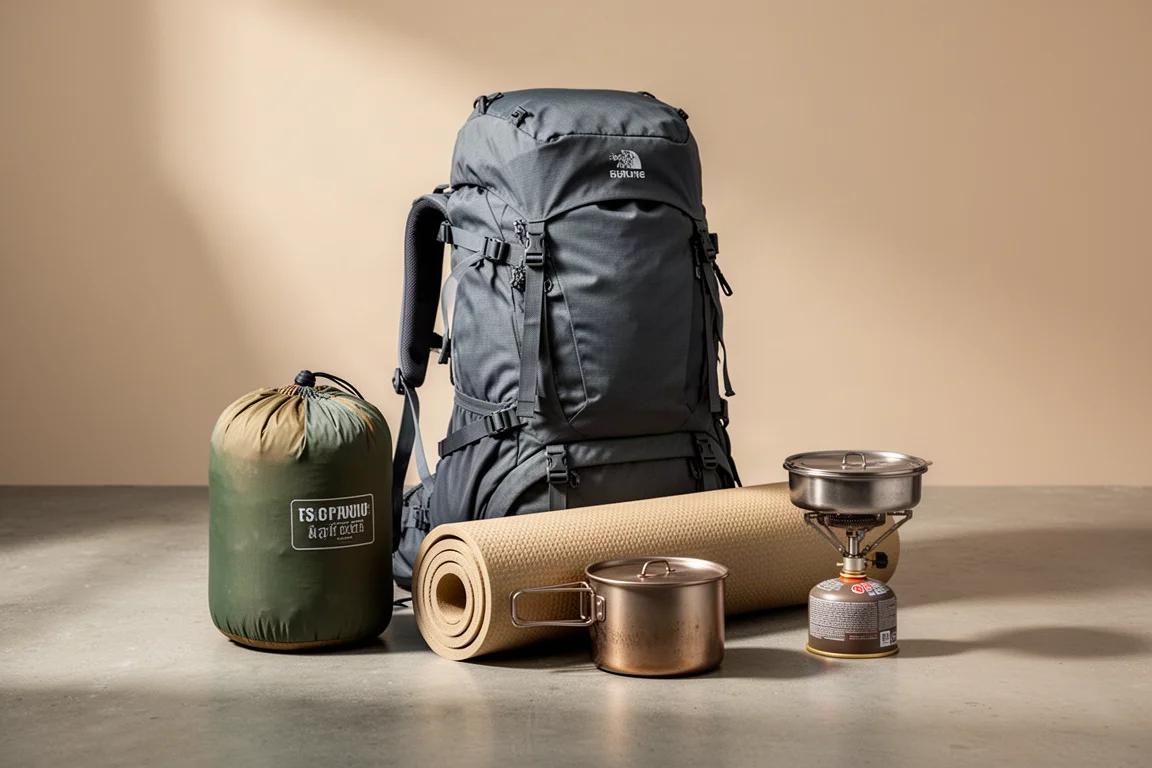
The full configuration tested included a two-person tent with a footprint, an insulated sleeping pad, a down sleeping bag, a titanium cook set built around an 1100 milliliter pot with a gas canister and a lightweight stove, a titanium shovel handle with a saw, a small folding stool, a squeeze-style water filtration system, a pillow, and a spare cup. Smaller kits cover first aid, fire starting, hygiene, and general safety, along with a light. The pack itself has a hydration port.
Everything is divided by internal dividers and labelled with where each item belongs, and the backpack uses YKK waterproof zippers with a robust build. There are also different levels available for several categories, so the sleep system and similar items can be upgraded or kept simple depending on budget.
Main Strengths: Tent, Cook Kit, and Sleep System
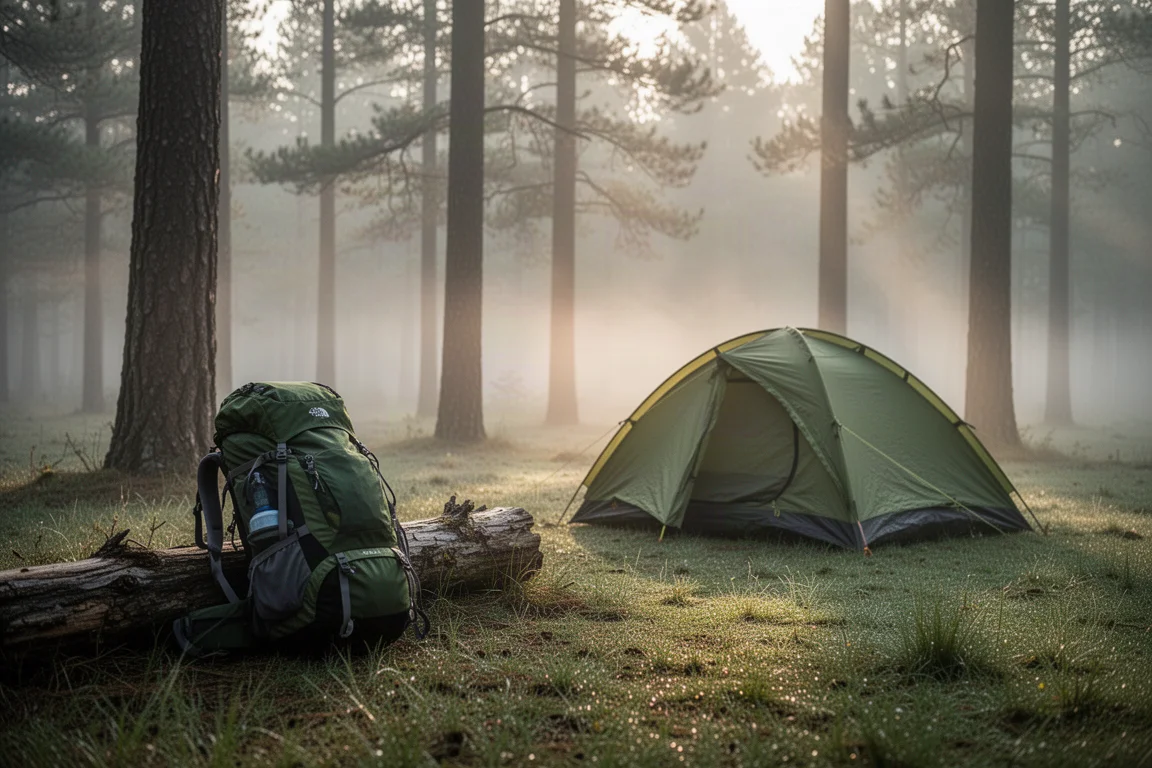
The tent is a two-person model that comes in around three and a half to four pounds depending on how much of the packaging you carry. It performed well in the field and was genuinely impressive for a bundled item. The one real weakness is ventilation, which is limited, and vents are on the list of planned updates.
The cook kit was the standout. The 1100 milliliter titanium pot, the canister, and the lightweight stove all worked without a single issue, and the titanium keeps the weight down without feeling fragile.
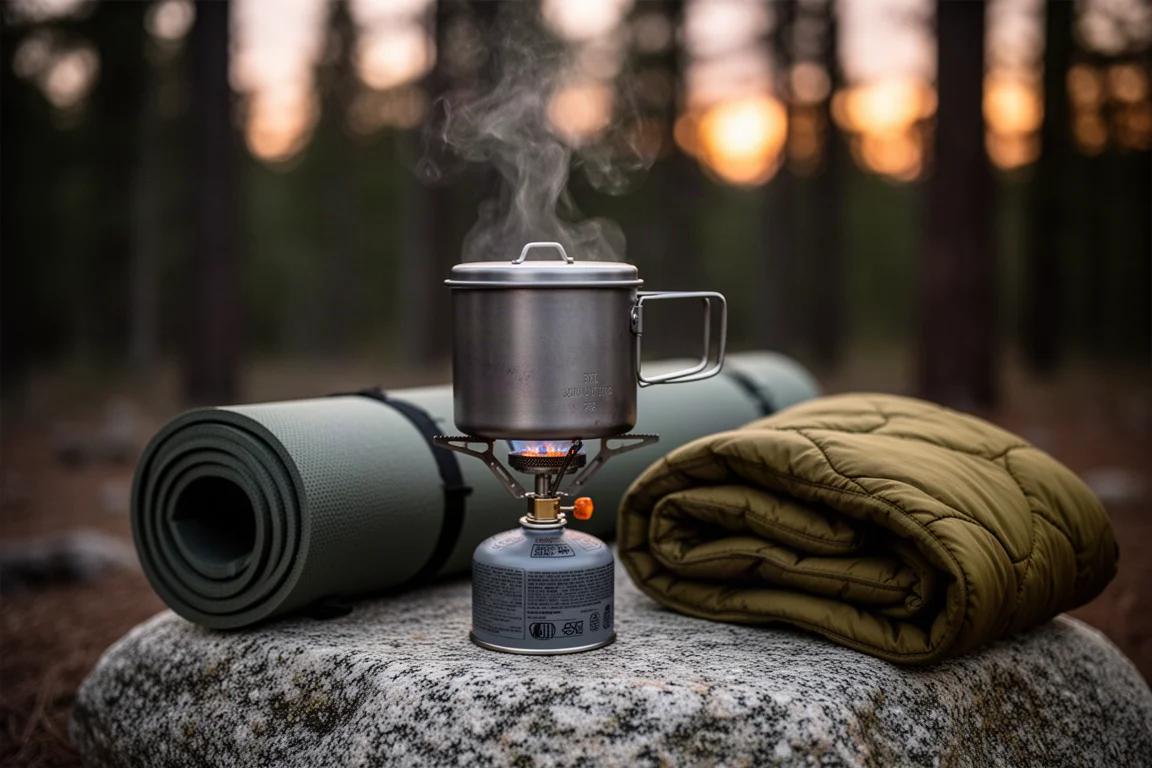
The sleep system also holds up. The insulated pad carries a 3.7 ASTM rated R-value, comes in a 21 inch width, and proved comfortable across several nights. A 20 degree down sleeping bag is the standard option, and a 50 degree down quilt is also sold for warmer trips, which is a sensible pairing for summer conditions.
The Backpack and the 55-Liter Upgrade
The version tested was a 50 liter pack, and it was the weakest part of the system. The load lifter straps and the upper shoulder strap adjustment kept slipping during hikes, which meant stopping to readjust the fit repeatedly. Food storage was the second problem: the intended food area on the back panel had room for roughly two days of food before the pack became bulky and awkward to close.
The workaround is straightforward. Strap the tent to the bottom of the pack, and the interior frees up enough space for a longer food carry. There is no separate food bag included, so the whole pack gets hung at night, which is standard practice for plenty of hikers anyway.
The 55 liter pack addresses both issues. Torso sizing is now adjustable, the food pockets inside are larger, and the load lifter straps are visibly much bigger and were tested to hold their position. It also gains five liters of capacity. The pack is framed and comfortable to carry, and the 50 liter version remains a decent pack aside from the strap hardware.
Things to Consider Before Buying
The organization system is a genuine trade-off. Dividers and printed labels tell you exactly where each item belongs, which is helpful at the start and frustrating later if you prefer to layer gear your own way. Once the pack has been opened and repacked, it will not look the way it arrived.
A few components are clearly budget choices rather than highlights. The included headlamp is basic, and an upgrade is under consideration. The tent ventilation is limited as noted above. The 20 liter pack for children is a simple frameless day pack, and the brand has said it is working on a replacement.
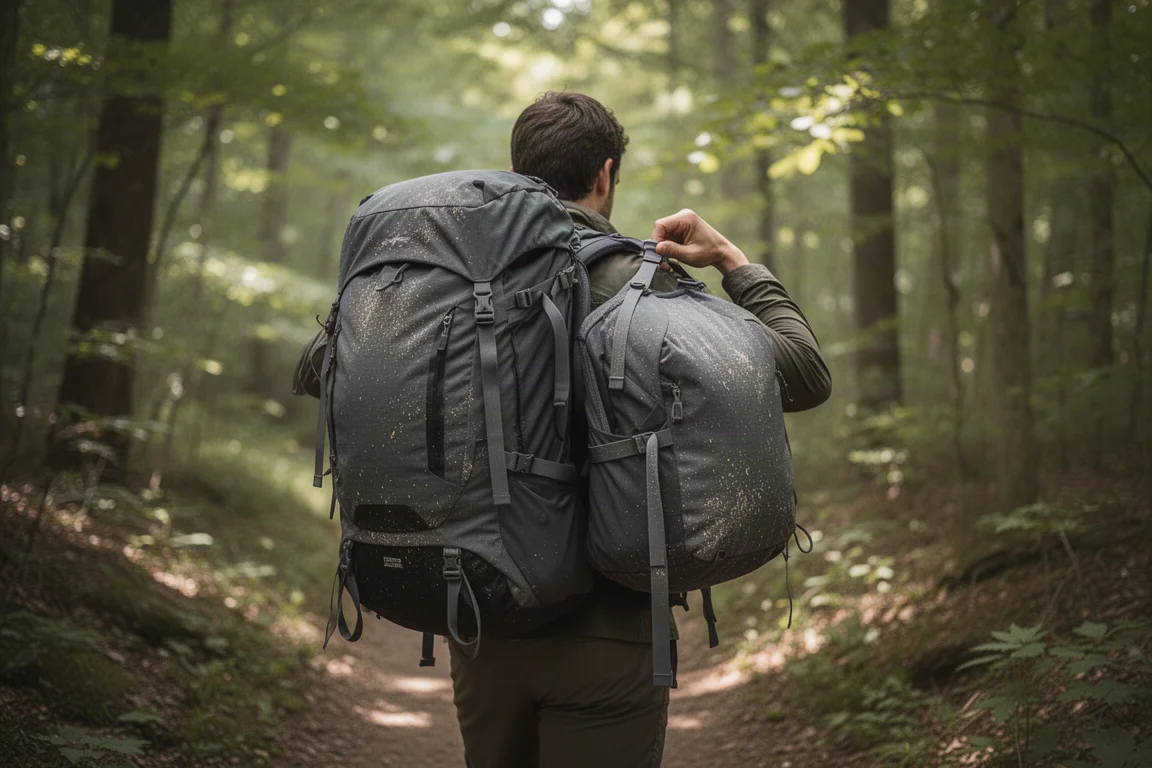
Plan on this being a starting point rather than a finished kit. Most of the gear is worth keeping, particularly the tent, the cook set, and the sleep system, but the pack will need repacking to your own habits and the food storage approach needs a little thought before a long trip.
What the Setup Costs and What It Saves You
A complete configuration runs about $1,200 all in, with the final figure depending on which options are selected, since categories like the sleep system have cheaper and more expensive versions. For a full kit covering shelter, sleep, cooking, water treatment, and the small essentials, that is not an unreasonable figure.
What the money buys is time. There is no six-week research phase, no bouncing between shops and websites, and no risk of arriving at a trailhead with the wrong tent for the season. Most of the individual items are competitively priced against comparable gear on the market. It is possible to build a lighter setup for less, but doing so takes real effort and experience, and most first-time backpackers end up with an oversized pack full of gear that does not suit them.
Buying Advice
This setup makes the most sense if you are starting from nothing and want to be on a trail within a week or two. Check three things before ordering. First, confirm the pack size and, on the 55 liter version, the adjustable torso range. Second, choose between the 20 degree down bag and the 50 degree quilt based on the seasons you actually hike in. Third, decide how you will carry food for trips longer than a couple of nights, whether that means strapping the tent outside the pack or adding a food bag of your own.
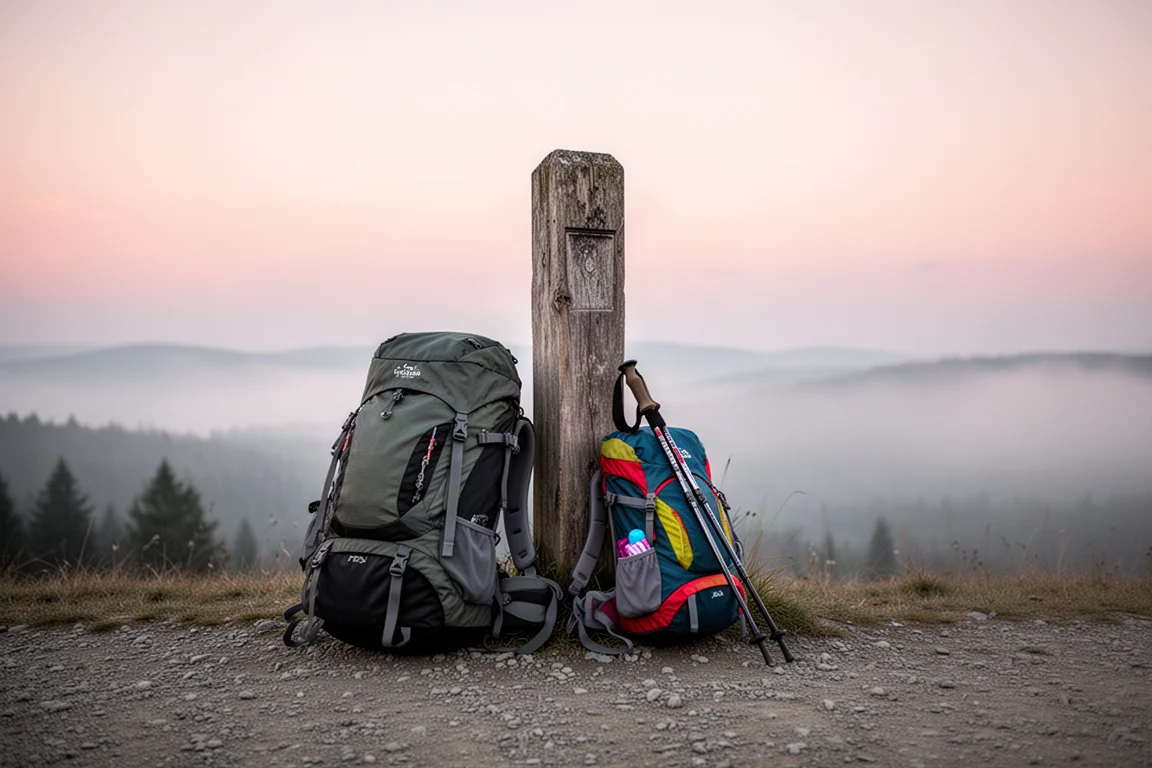
If you already own a shelter or a sleep system you trust, buying the remaining pieces individually will usually serve you better. If you are buying for a family and want one predictable order that covers an adult and a child, the modular structure and the smaller kids pack make that easier than assembling everything from separate brands.
Conclusion
The Near Zero Backpacking Setup is a credible one-stop option for new and intermediate backpackers. The tent, cook kit, and sleep system are the parts worth keeping, the 55 liter pack resolves the strap and storage complaints from the earlier 50 liter version, and the overall weight of around 17 pounds is reasonable for a complete kit. Budget-level extras like the headlamp and the limited tent ventilation are the main compromises. Buy it for the time it saves and the fact that nothing essential is missing, not because it is the lightest or cheapest route to a backpacking kit.
Product link
View more details for Near Zero Backpacking Setup
This product is mentioned in the review. Check the specifications, options, and compatibility before buying.
View more details for Near Zero Backpacking SetupFurther reading
Related Reviews

Backpacking Gear
Building a 10 lb Base Weight: An Ultralight Backpacking Gear List
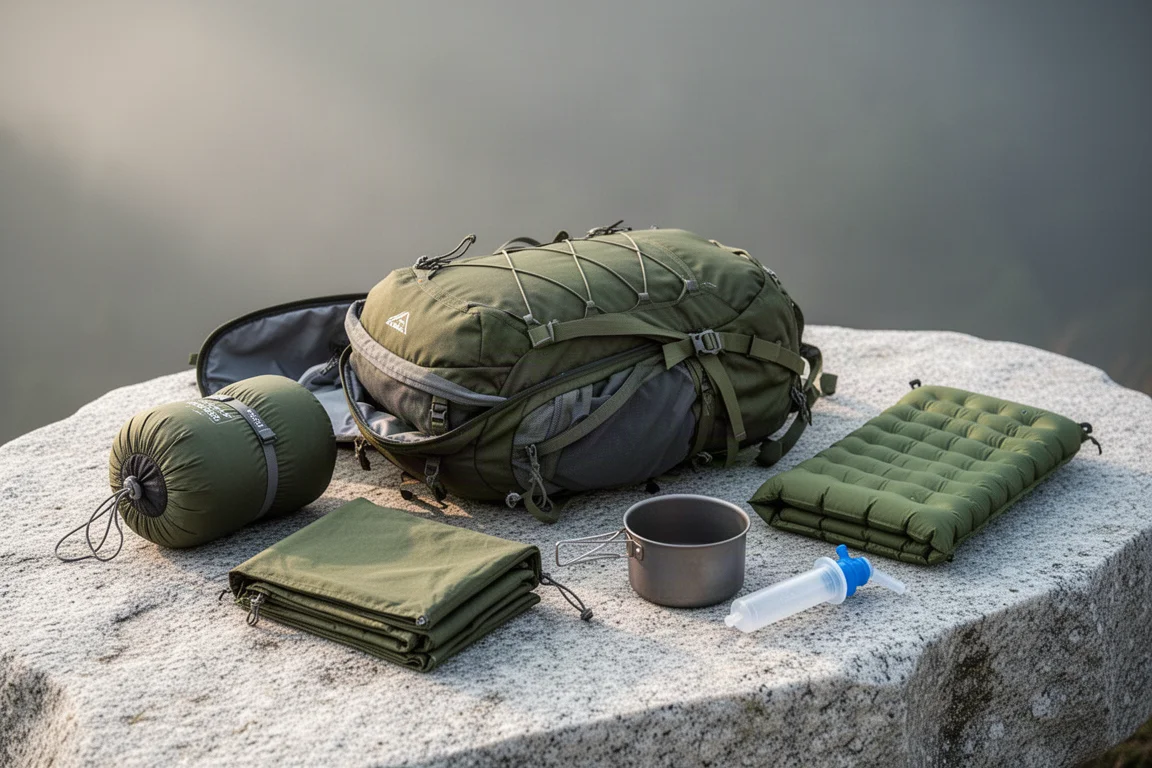
A practical walkthrough of the ultralight pieces behind a 10 lb base weight, from a 765 g pack and a roomy one-person tent to a full camp chair and a dependable water filter.
Backpacking Gear
A 15-Pound Lightweight Backpacking Gear List for Solo Trips
A beginner-friendly 15-pound backpacking setup built from easy-to-find gear, with notes on what each piece does, how it packs, and where to spend your attention.
Backpacking Gear
8 Ultralight Backpacking Gear Upgrades Worth Carrying
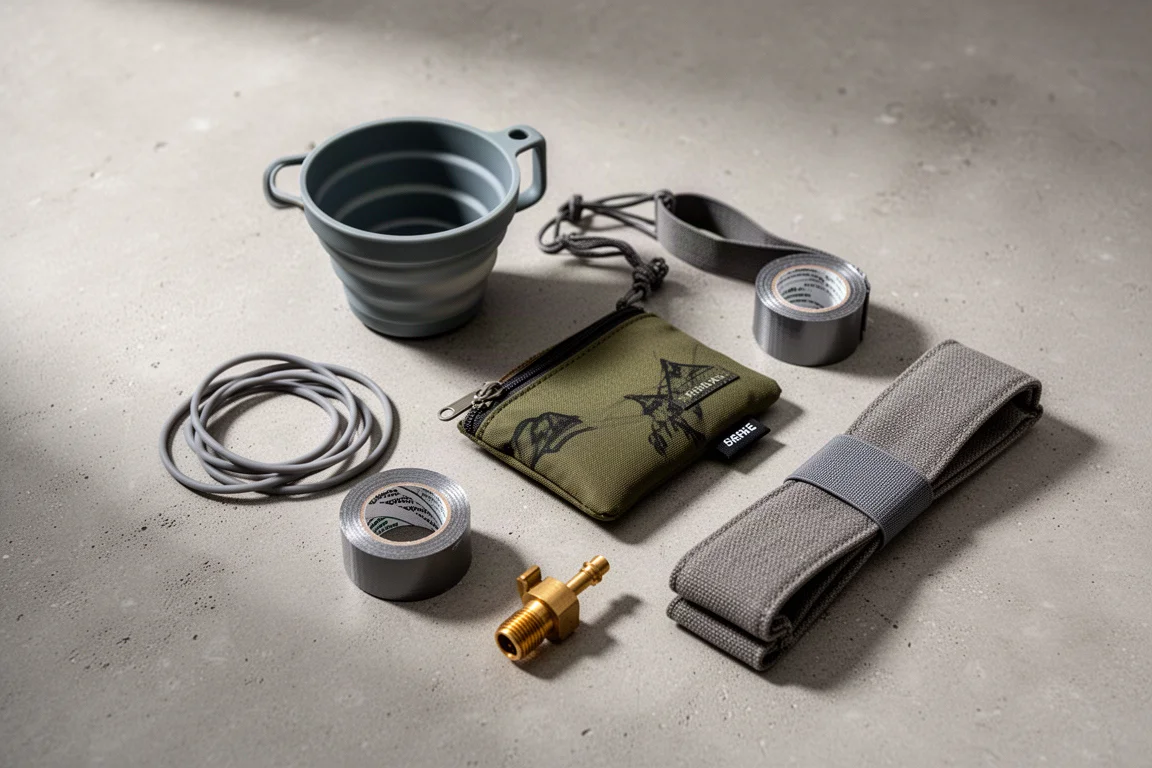
Eight small, affordable backpacking upgrades that solve real trail annoyances, from a pillow that stays put to a fuel valve that rescues leftover canister gas.