Camping Tents
Naturehike Village vs Village Light Tents: Is the Cheaper Version Worth It?
Naturehike's Village Light tents cut the price by dropping interior panels, a reflective fly, and 1,000 mm of waterproofing. Here is what changes and who should buy which.
Introduction
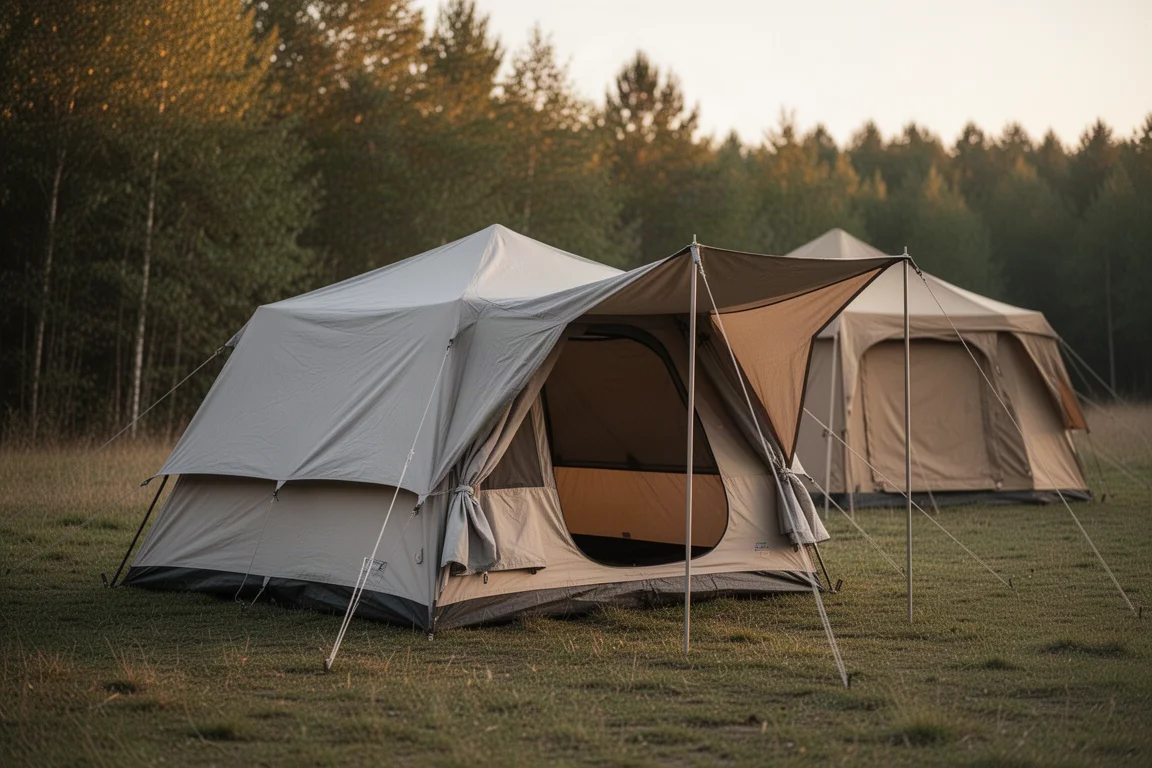
Naturehike’s Village cabin tents have earned attention for combining a fast pitch, generous interior volume, and a price that undercuts most tents of the same size. The original Village 4-person has been tested across a full year in a wide range of conditions, and it has held up as a genuinely weather-ready cabin tent.
Naturehike has since introduced a second line: the Village Light, sold in 4-person and 8-person versions. These tents were designed to reach the lowest possible price, and the savings come from specific structural and material changes rather than a simple discount. This comparison looks at what stayed, what was dropped, and who should pick which.
What Sets the Village Line Apart
The appeal of the Village family rests on a few things. The pitch is fast, the interiors are tall and roomy, and ventilation works well in warm weather. The original 4-person version is also described as supremely waterproof and storm-worthy, which is unusual for a cabin tent at this price point.
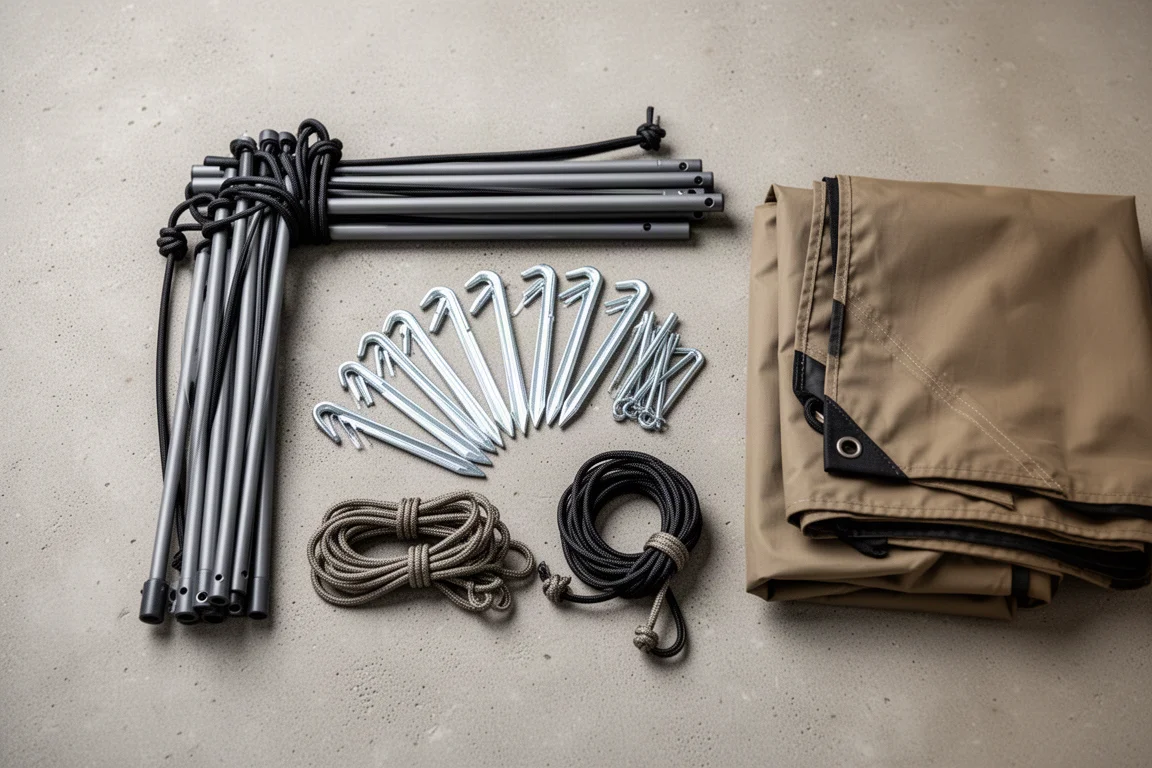
Both the regular Village and the Light versions ship with the same core kit: the same number of tent stakes, the same guy lines, and awning poles included. That consistency matters, because it means the meaningful differences sit in the materials and the structure rather than in what arrives in the box.
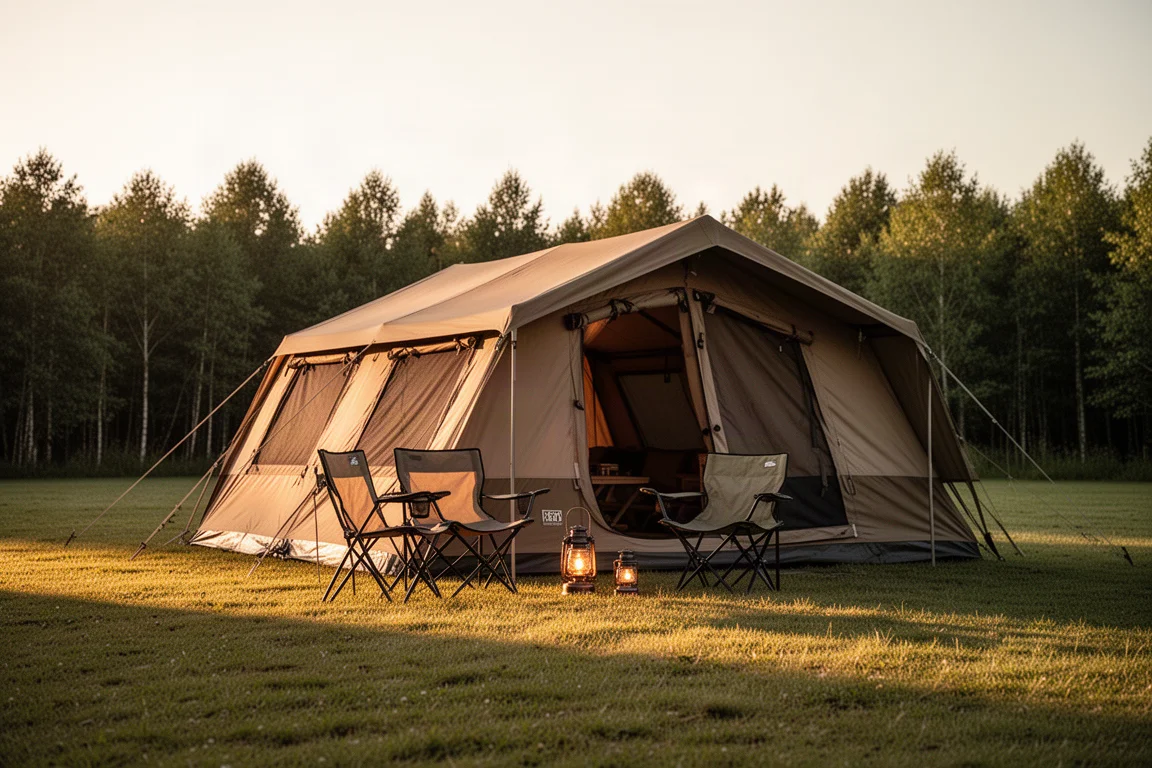
The original Village also spans a wide range of variants, including 4-person and 8-person sizes alongside pro and deluxe models. The Light line is narrower, covering 4-person and 8-person only.
Naturehike Village 4-Person Tent: The Original Cabin Design
The regular Village 4-person is the more complete tent. Its rain fly carries a reflective coating on the inside that produces an almost completely blackout interior, with no sunlight entering unless the windows are open. That same coating helps keep the tent cooler when it is pitched in direct sun, and it reflects warmth back inside when a heater is running on a cold trip.
Inside, zip-in fabric panels let you close off the airflow or open it up. With the panels up, the tent holds heat and blocks wind. With them down, air moves freely through the inner. The floor is Oxford polyester, and the rain fly is rated at 3,000 mm.
Naturehike Village Light 4-Person Tent: The Budget Alternative
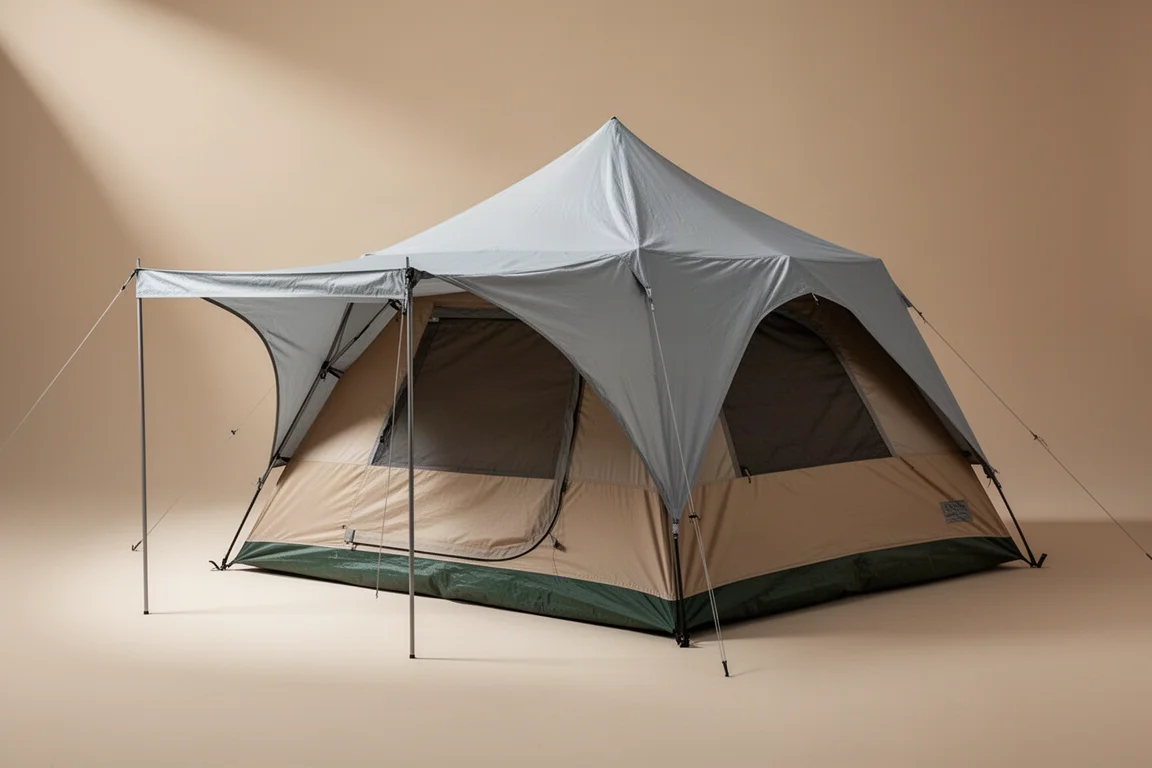
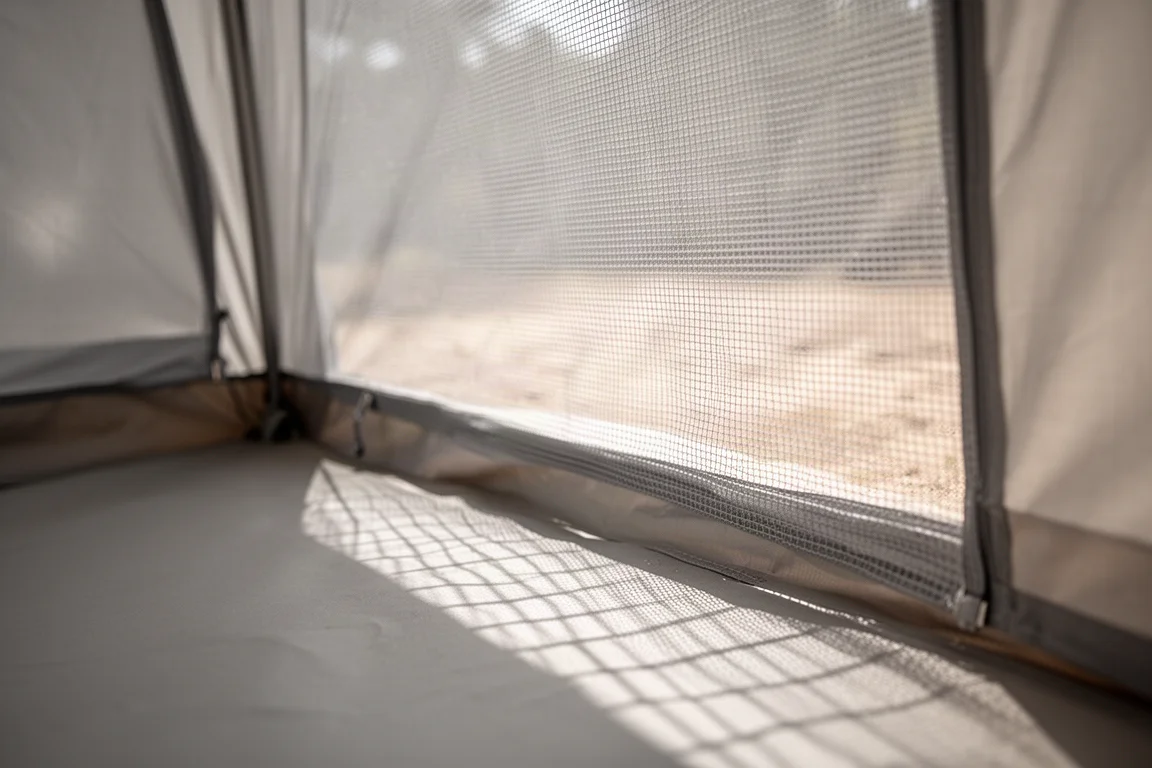
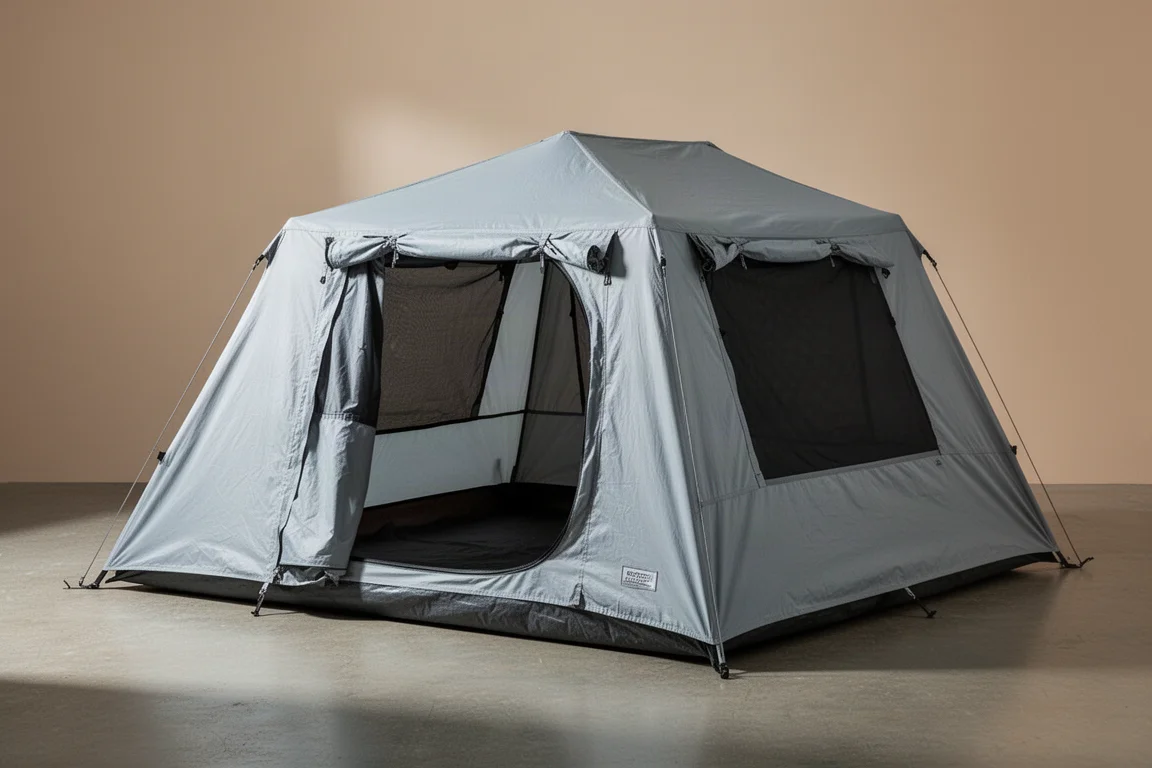
The Light 4-person removes the interior fabric panels entirely. What remains is mesh, which makes this a warm-weather tent with no way to hold heat in or control incoming airflow. The floor switches from Oxford polyester to PE, a material that can be strong and waterproof but is less premium than polyester or nylon, and the rain fly drops from 3,000 mm to 2,000 mm of waterproofing.
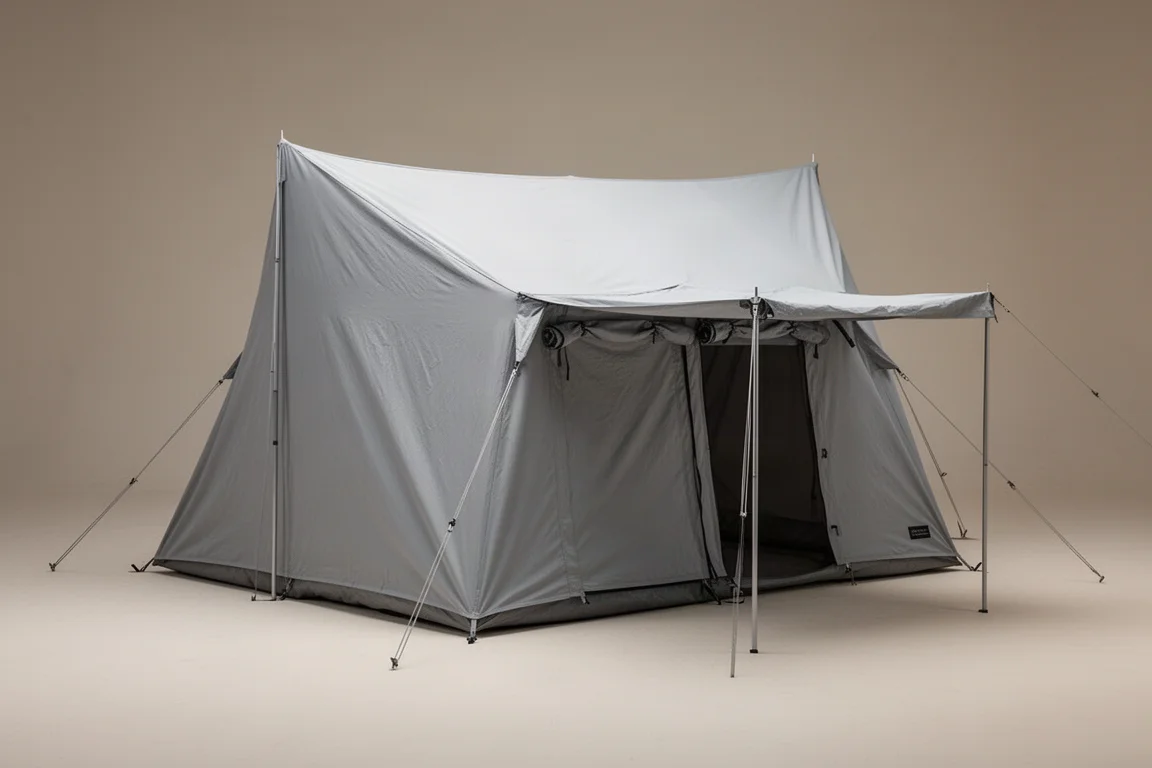
Not every change is a downgrade. The awning poles on the Light version are more robust than the ones supplied with the regular tent and are shock-corded, where the original’s poles are thin and not shock-corded. The frame itself uses less substantial materials and feels less robust than the original, though it does not feel fragile.
The 4-person Light sells for around $200, roughly $70 less than the $270 regular version.
Naturehike Village Light 8-Person Tent: More Space, Same Trade-Offs
The 8-person Light follows the same formula in a larger size. It keeps the mesh-only interior, the PE floor, and the 2,000 mm rain fly, and it comes with the same upgraded shock-corded awning poles. The price gap widens here: the 8-person Light runs about $100 less than the comparable regular Village model.
Waterproofing and Weather Protection
Waterproofing is where the two lines separate most clearly. The regular Village’s 3,000 mm fly and Oxford polyester floor are built for sustained wet weather. The Light’s 2,000 mm fly and PE floor are still waterproof, but they offer less margin when conditions turn.
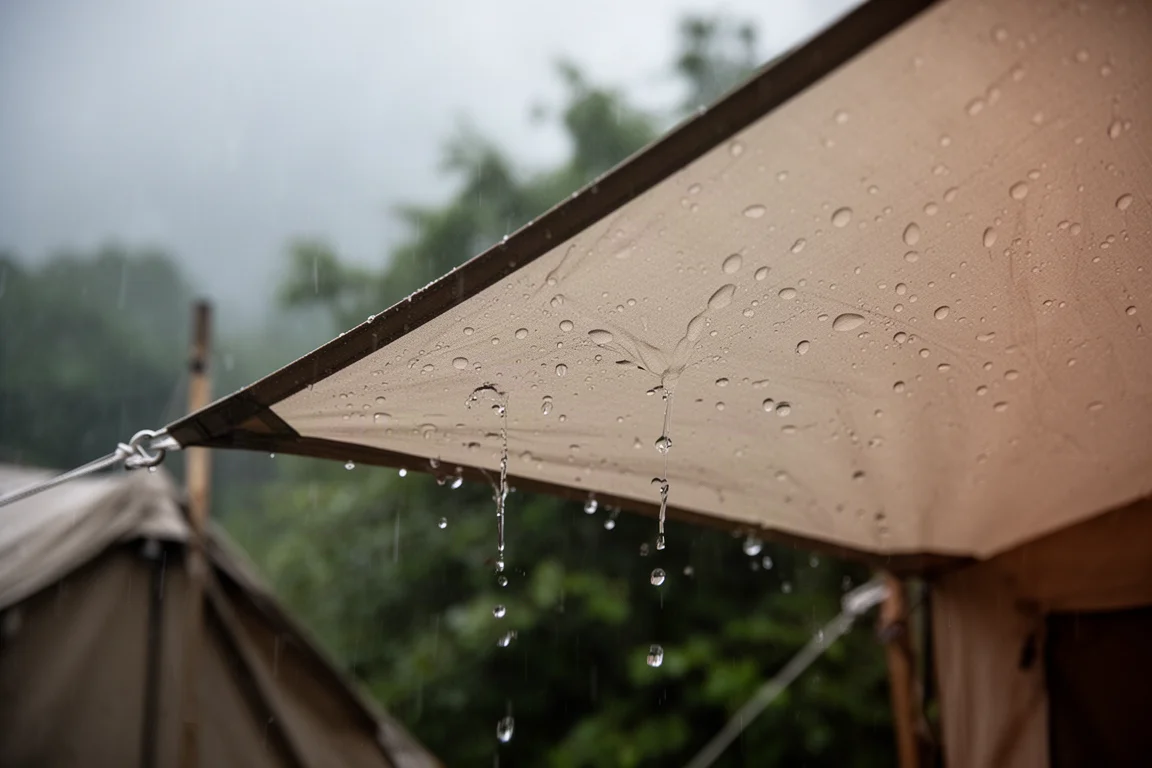
If you camp in a genuinely wet climate, that margin is the whole argument. In the mountains of western North Carolina, for example, the area functions as a rainforest with near-constant rain, and the higher rating of the regular Village is the reason to choose it there.
Setup, Frames, and Awning Poles
Both lines pitch quickly, and both include awning poles. The frame on the Light uses less substantial material and feels less sturdy in hand than the original, though that difference may not translate into a practical problem during use.
Awning coverage is another difference. Some regular Village versions include extra-long awnings, while the Light versions offer no extended awning option at all. The Light does win on the poles themselves: they are thicker and shock-corded, compared with the thin, non-shock-corded poles bundled with the regular tent.
Buying Advice: Which Village Tent Makes Sense
The regular Village is the version to choose if you want one tent that works in summer and winter alike. The reflective fly, the zip-in fabric panels, the Oxford polyester floor, and the 3,000 mm waterproof rating are what make that year-round flexibility possible, and for many campers they are worth the extra cost.
The Light versions make sense for a narrower job: warm-weather camping on a budget, in conditions where rain is not a constant threat. The 4-person Light saves about $70 and the 8-person saves about $100, and both come with better awning poles. If your trips are summer trips and you mostly pitch in dry country, the trade-offs are easier to accept.
For anyone weighing the two lines against each other, the deciding question is simple: do you need heat retention, airflow control, and the highest waterproofing on offer? If yes, the regular Village is the better buy. If your camping is seasonal and fair-weather, the Light gets you into a large cabin tent for less.
Conclusion
Naturehike’s Light line trims real features to reach a lower price: the interior fabric panels, the reflective fly coating, the Oxford polyester floor, and 1,000 mm of waterproofing. In exchange, buyers get a cheaper tent with noticeably better awning poles. For year-round or wet-weather use, the original Village remains the stronger choice. For summer camping on a budget, the Light versions are a reasonable compromise.
Further reading
Related Reviews
Camping Tents
3F UL Gear Taiji Two-Person Tent Review: Field Waterproofing Results and Buying Advice
The Taiji pairs an attached fly with a removable inner, but sustained rain exposed untaped vent seams that need sealing before this shelter can be trusted.
Camping Tents
3FUL Gear Lanshan 2 Pro 4-Season Review: A Sub-$200 Single-Wall Trekking Pole Tent
An early look at the 3FUL Gear Lanshan 2 Pro 4-Season, covering its straightforward pitch, generous interior space, and the condensation and seam-sealing questions that come with any single-wall shelter.
Camping Tents
Alps Mountaineering Lynx 1-Person Tent Review: Big Value in a Small Budget Tent
A close look at the Alps Mountaineering Lynx 1-Person Tent, covering real interior dimensions, materials, setup time, ventilation limits, and who should buy it.