Camping Tents
Naturehike Village vs Village Light Tent: Which Cabin Tent Should You Buy?
A practical comparison of the Naturehike Village and Village Light cabin tents, covering waterproofing, floor materials, interior panels, and price.
Introduction
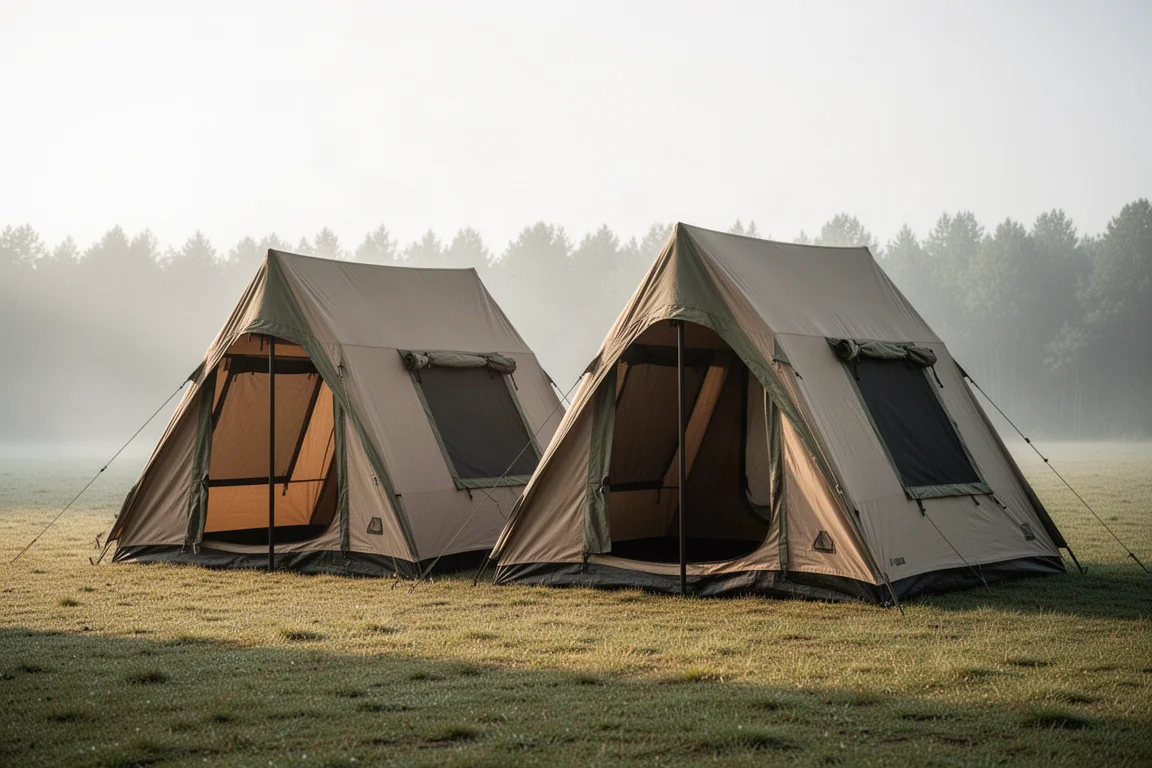
Naturehike’s Village tent earned its reputation as a large cabin-style shelter that pitches fast, handles weather well, and costs far less than most tents of comparable size. The Village Light is a newer, lower-cost version of the same idea, built to reach an even lower price. Both come in 4-person and 8-person sizes, and both keep the near-vertical walls and generous interior volume that make a cabin tent comfortable to live in.
The two tents look similar at a glance, but the savings on the Light come from specific changes: a lighter-duty frame, the removal of the interior fabric panels, a different floor material, and a lower waterproof rating on the rain fly. This comparison walks through each of those differences so you can decide whether the original is worth the extra money.
What Sets These Two Tents Apart
The original Village remains on the market alongside the Light, and the Village family now covers a wide range: 4-person and 8-person versions of both tents, plus a Pro model and a Deluxe model in the original line.
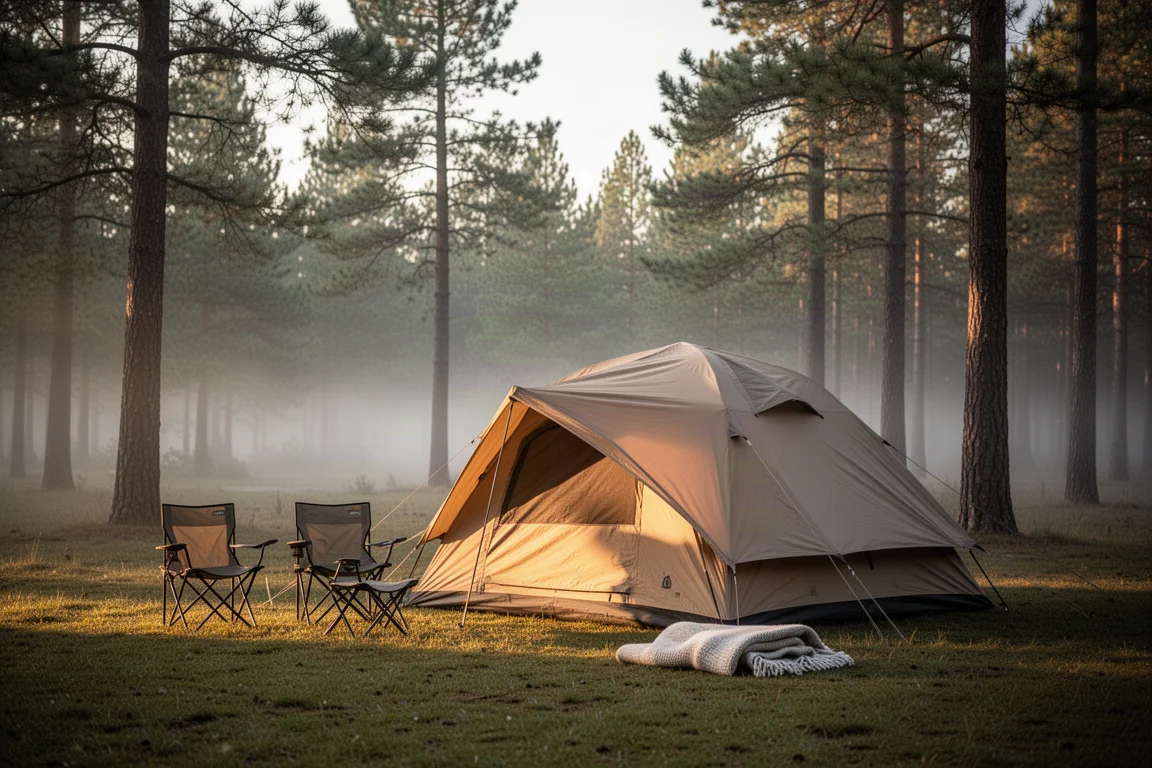
The changes on the Light fall into three areas: the frame system, the interior fabric panels, and the floor and rain fly materials. Each one reduces cost, and each one has a practical consequence for how the tent performs. Working through them in order is the fastest way to judge whether the Light is right for you.
Naturehike Village Tent: The Original Cabin Design
The regular Village is designed for summertime use but is capable in winter as well. It is highly waterproof, ventilates well, and holds up in stormy conditions, and it pitches quickly for a tent of its size.
Its most useful feature is the set of fabric panels on the inside of the inner tent. These can be zipped up or taken down. When they are up, they hold in heat and block wind, which lets you control how much airflow reaches the sleeping area. On a cold, windy night, that control is the difference between a comfortable tent and a drafty one.
The floor is made from Oxford polyester, and the rain fly carries a reflective coating on its interior surface. That coating does two things: it creates an almost completely blackout interior, since no sunlight passes through unless the windows are open, and it reflects heat. In warm weather the reflective layer helps keep the interior cooler, and in cold weather it reflects some heat from an indoor heater back into the tent.
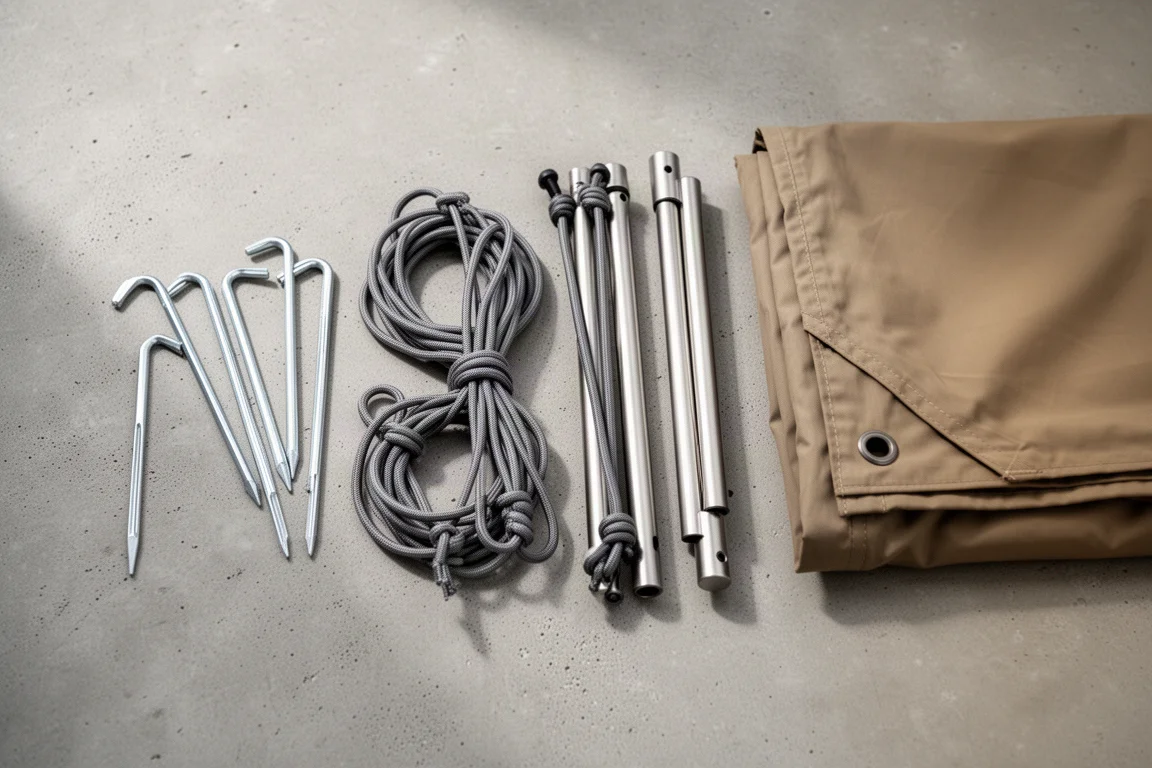
Both tents include the same number of stakes, lines, and poles, and both include awning poles. Some versions of the regular Village also offer extra-long awnings. The awning poles on the regular version are thin and are not shock-corded.
Naturehike Village Light Tent: What Changed to Cut the Price
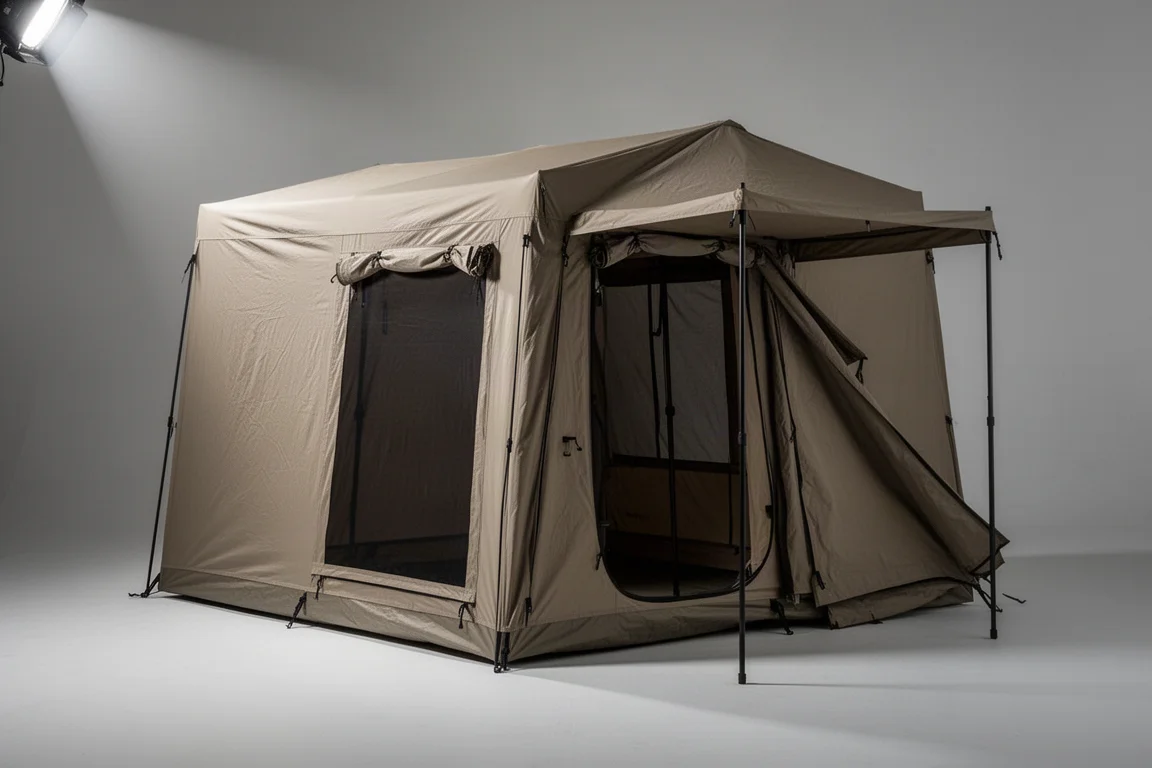
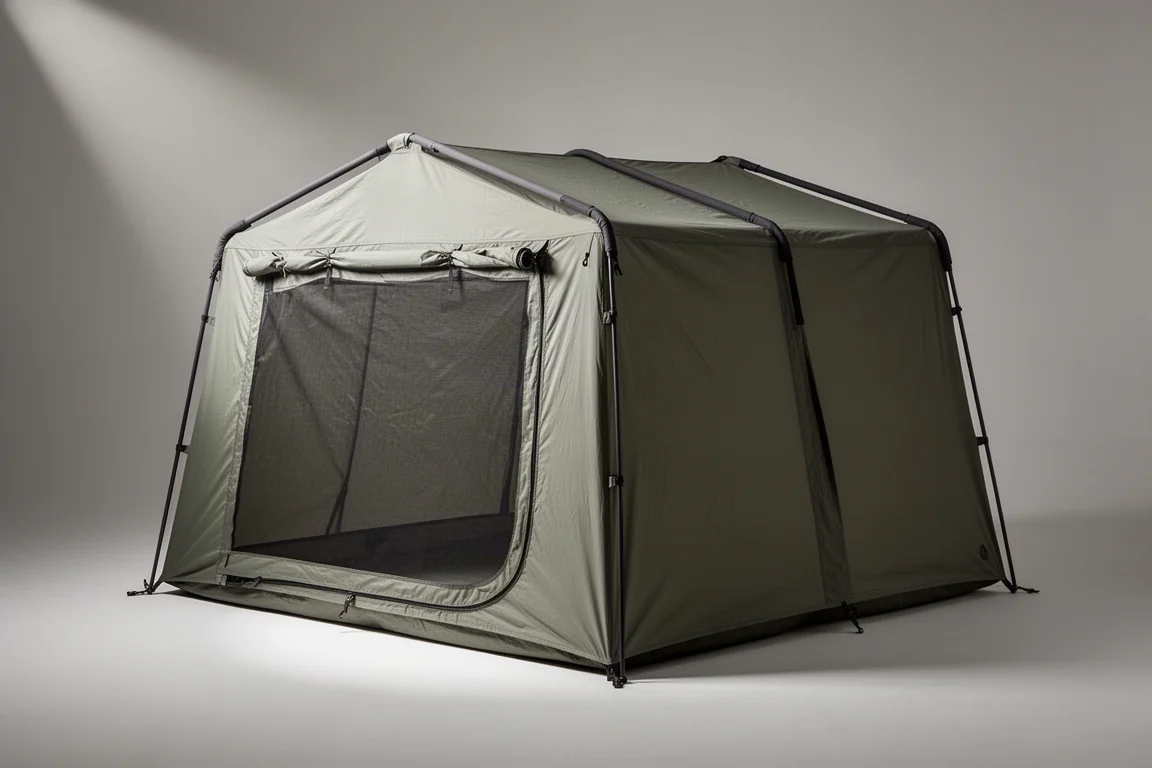
The Village Light was designed to be as inexpensive as possible, and it is available in 4-person and 8-person versions. The first difference you notice is the frame system. It uses less substantial materials, and it does not feel as robust as the frame on the original. It does not feel fragile either, and whether the lighter frame changes anything in real use is an open question.
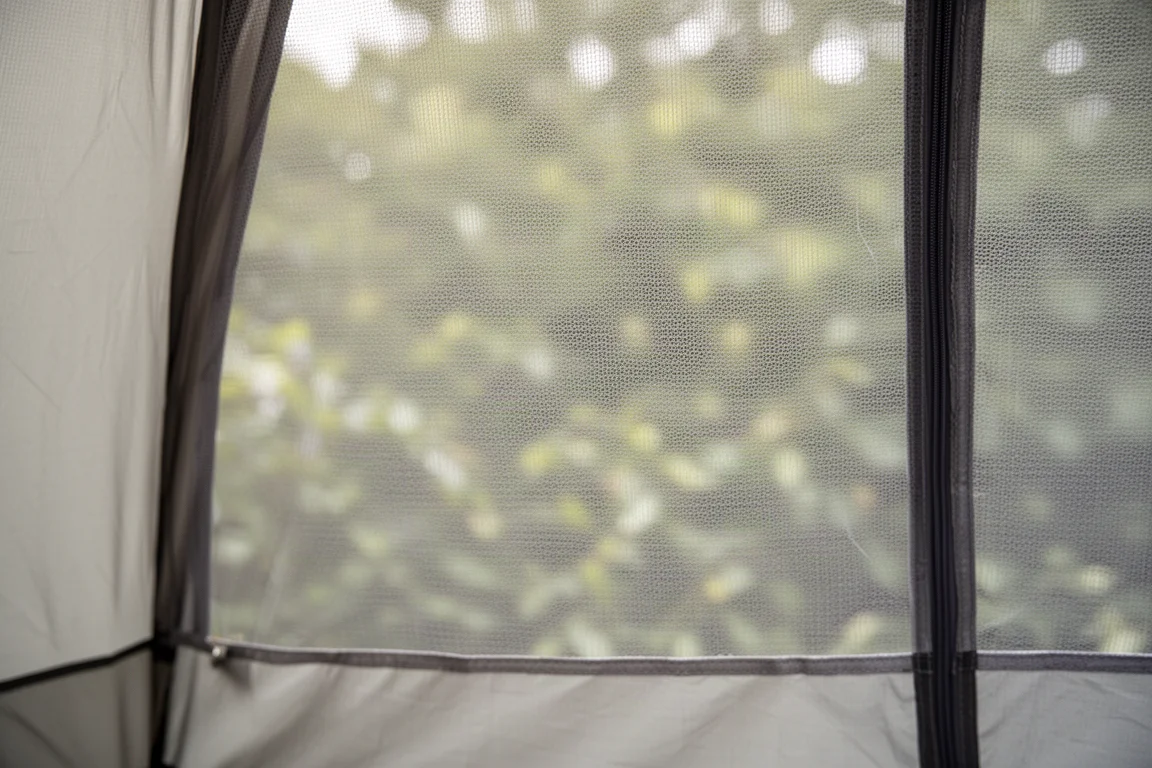
The bigger change is inside. All of the fabric panels have been removed, leaving nothing but mesh on the inner tent. Without those panels, the tent cannot hold in heat and you cannot control how much airflow comes in. In practice, that makes the Light a summertime tent rather than a year-round one.
The floor has also changed. Instead of Oxford polyester, the Light uses a PE material. PE can be strong and waterproof, but it is generally not as good as a PU-coated nylon or polyester, and it is the kind of flooring typically found on very inexpensive tents. The rain fly is less waterproof as well, rated at 2,000 mm against 3,000 mm on the original, and the reflective interior coating is gone, so there is no blackout effect and no heat reflection. The Light also has no extended awning options.
There is one clear upgrade. The awning poles on the Light are more robust than the ones on the regular version, and they are shock-corded. Everything else that comes in the box is the same, including the stakes and poles.
Frame, Floor, and Rain Fly Differences
Side by side, the two tents differ in a handful of specific ways:
- Frame: less substantial materials on the Light, a more robust feel on the original.
- Interior panels: fabric panels that zip up or come down on the original; removed entirely on the Light.
- Floor: Oxford polyester on the original; PE on the Light.
- Rain fly: 3,000 mm waterproofing with a reflective interior coating on the original; 2,000 mm with no reflective coating on the Light.
- Awning: extra-long awnings available on some versions of the original; none on the Light.
- Awning poles: thin and not shock-corded on the original; more robust and shock-corded on the Light.
- Included accessories: the same stakes, lines, and poles with both.
Price Comparison and Value
The gap between the two tents averages around $100. For the 4-person version, the regular Village was listed at $270 and the Light at $200, a difference of $70. On the larger size, the difference is about $100.
It is worth keeping those numbers in perspective. Both tents are inexpensive for their size, their materials, and their fast setup. The Light’s savings are real, but they are modest in absolute terms, and they come with the loss of the interior panels and the higher waterproof rating.
Who Each Version Suits Best
The Light makes sense for warm-weather camping in dry conditions, and for anyone who wants the largest possible interior for the lowest price. If your trips happen in summer and rain is not a regular part of your plans, the removed panels matter less.
The original suits campers who deal with wet weather, cold nights, or wind, and anyone who wants a single tent that works across seasons. The fabric panels and the reflective rain fly are the features that make that possible, and the higher waterproof rating is meaningful if you camp in areas that see frequent rain.
Final Buying Advice
The features on the regular Village are worth the extra money. The interior fabric panels alone change what the tent can do, since they let you hold heat and control airflow instead of relying on mesh alone. Add the higher waterproof rating, the Oxford polyester floor, and the reflective rain fly, and the original is the better long-term purchase for most campers.
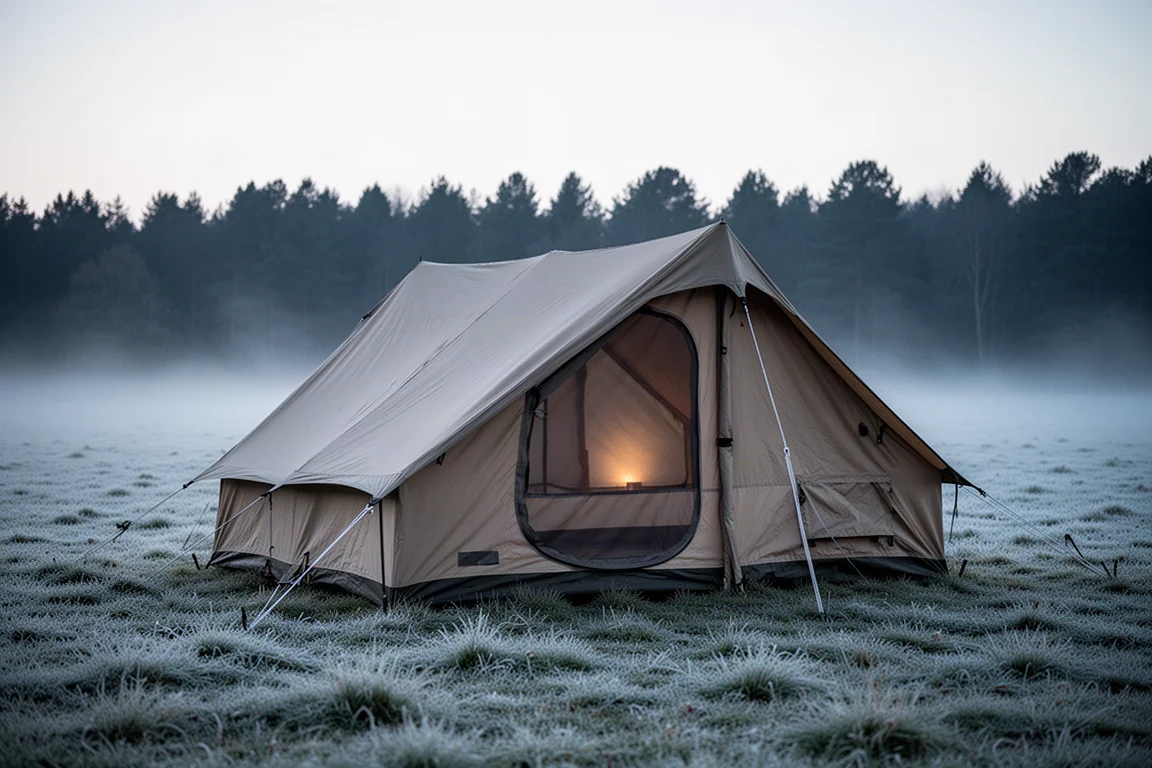
The Village Light is still a reasonable choice if your camping is confined to warm, dry summer weather and price is the deciding factor. Go in knowing what you are giving up: the year-round flexibility, the airflow control, and a meaningful amount of rain protection.
Conclusion
Naturehike already sells the Village at a low price for what it offers, so the case for the Light rests on a narrow set of circumstances. If you camp in summer and want to spend as little as possible, it does the job. If you want one cabin tent that handles rain, wind, and cold as well as warm weather, the original Village is the version to buy.
Further reading
Related Reviews
Camping Tents
3F UL Gear Taiji Two-Person Tent Review: Field Waterproofing Results and Buying Advice
The Taiji pairs an attached fly with a removable inner, but sustained rain exposed untaped vent seams that need sealing before this shelter can be trusted.
Camping Tents
3FUL Gear Lanshan 2 Pro 4-Season Review: A Sub-$200 Single-Wall Trekking Pole Tent
An early look at the 3FUL Gear Lanshan 2 Pro 4-Season, covering its straightforward pitch, generous interior space, and the condensation and seam-sealing questions that come with any single-wall shelter.
Camping Tents
Alps Mountaineering Lynx 1-Person Tent Review: Big Value in a Small Budget Tent
A close look at the Alps Mountaineering Lynx 1-Person Tent, covering real interior dimensions, materials, setup time, ventilation limits, and who should buy it.