Camping Tents
Naturehike Vik Tent Series Review: Waterproof, But Condensation Is the Catch
The Naturehike Vik tents stay dry through heavy storms, but near-zero breathability makes condensation the real story. How the two-person and one-person versions compare.
Introduction
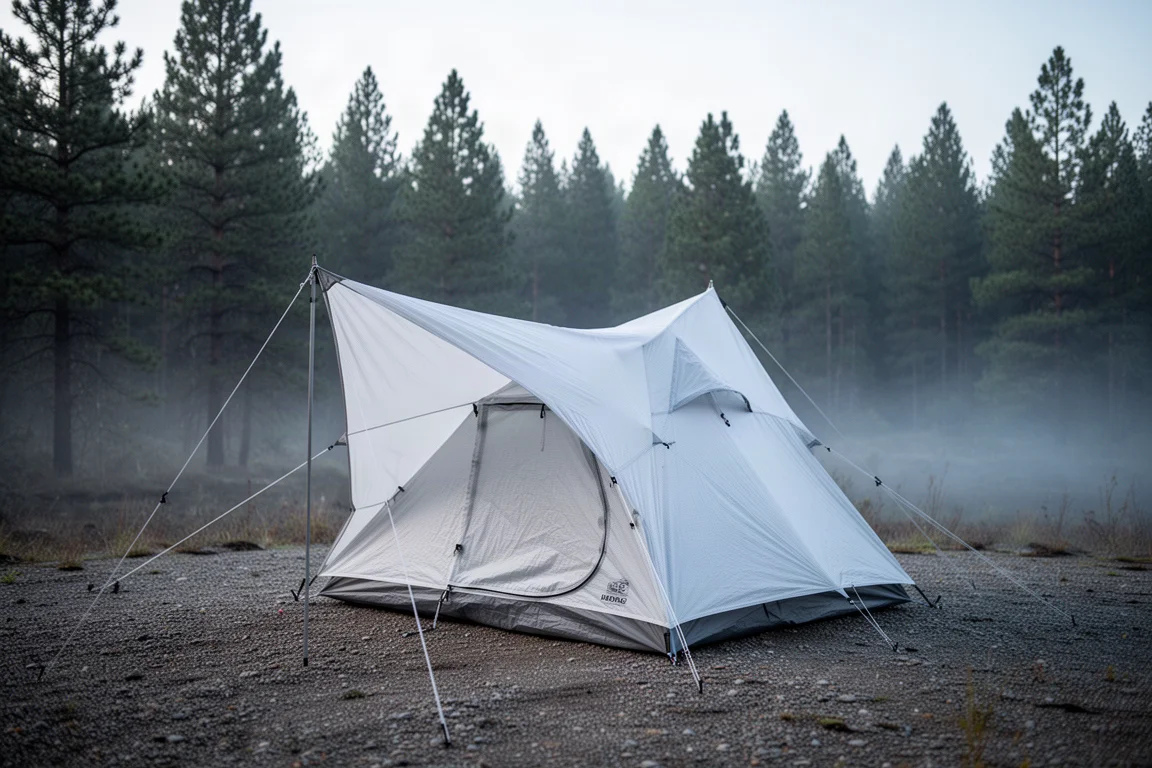
The Naturehike Vik series is a family of lightweight backpacking shelters built around one overriding goal: keeping water out. Across testing in snow, ice, heavy rain, cold nights and warm weather, the two-person version never leaked, even during multi-hour downpours that left standing water running around the tent. That is a genuinely impressive result.
It is also only half the story. The coatings that make the Vik so weatherproof also make the fabric non-breathable, and moisture that cannot escape ends up on the inside walls. Condensation is the defining weakness of this design, and it shapes every buying decision in this guide. Three versions exist: the two-person tent, the one-person tent, and a one-person tent with a snow skirt.
What the Naturehike Vik Series Offers
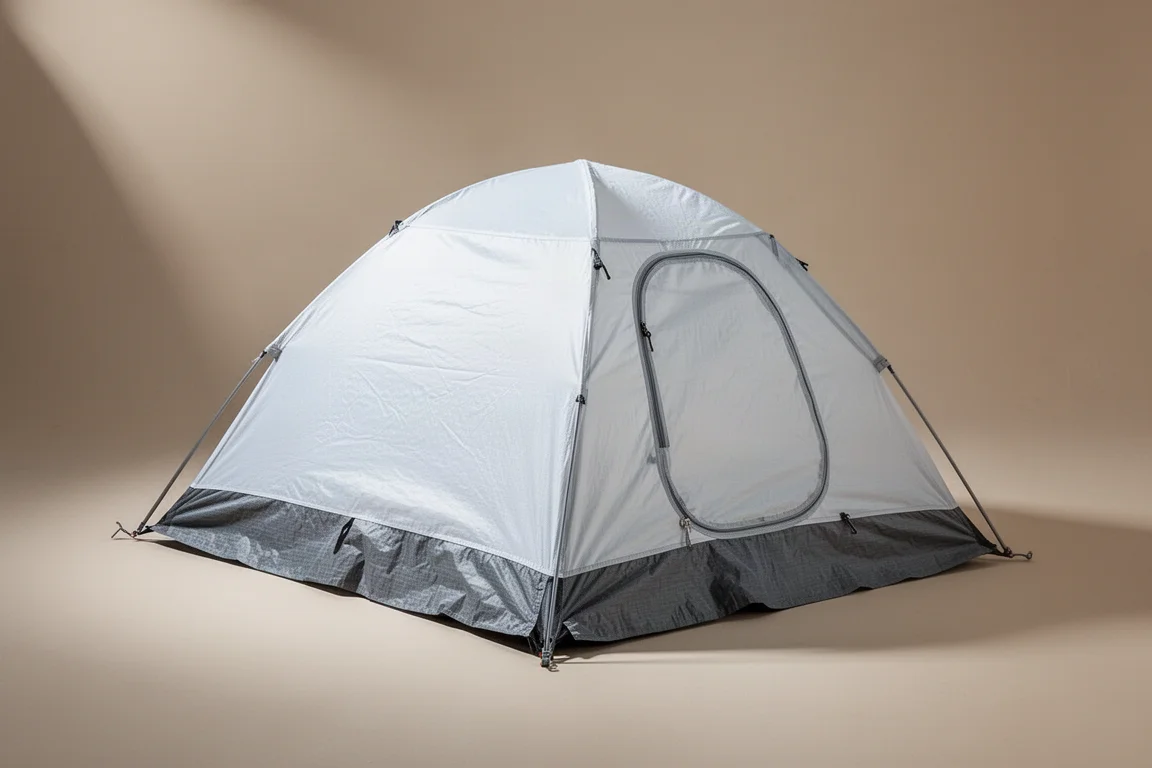
Naturehike builds the Vik in three configurations: a one-person model, a two-person model, and a one-person model with a snow skirt. All three share the same fabric package, pole architecture and hardware, and all three are sold in a single colorway. The brand lists the color as gray, but the tent is white in person.
Every version ships with a fly, an inner body, a ground sheet, 11 aluminum stakes and three tie-off ropes. The fly is 15 denier nylon with a 2,000 mm hydrostatic head rating. The inner body is 20D nylon, and the floor carries a 4,000 mm rating. Mesh panels are polyester, the poles and stakes are aluminum, and the zippers are YKK.
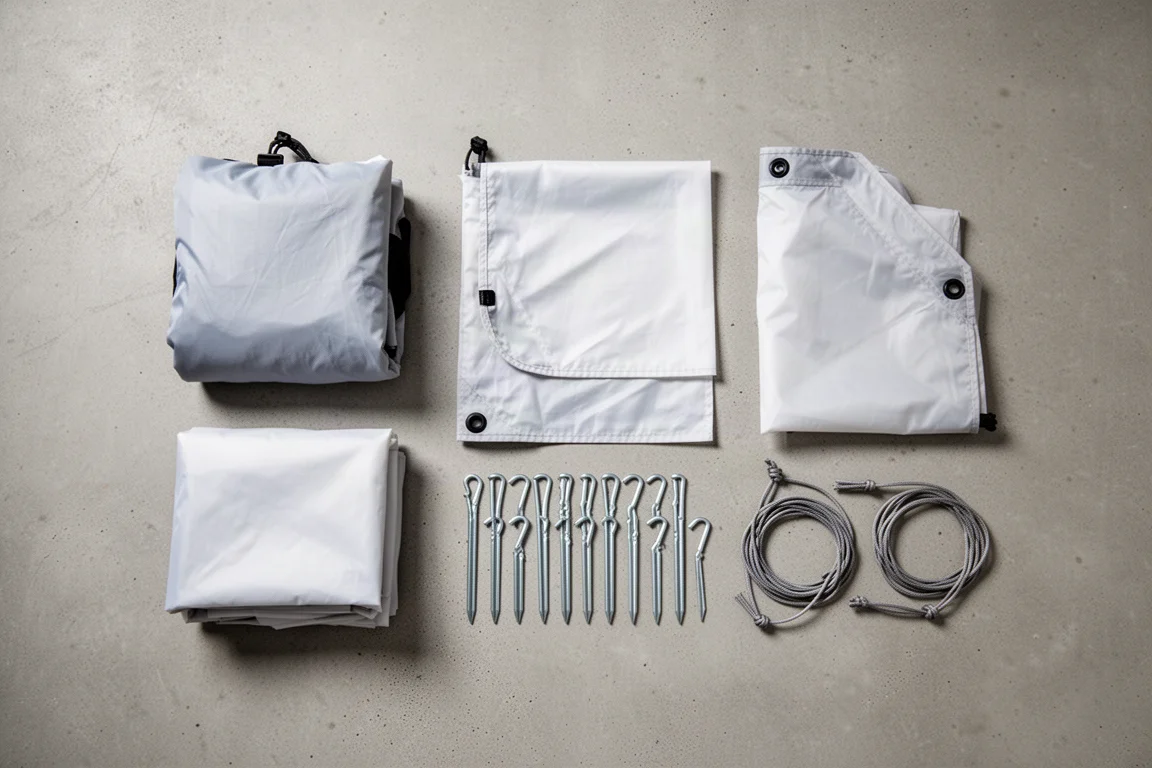
Packed, the two-person version measures about 18 by 6 inches and can be compressed smaller still, so it does not dominate a backpack. Setup is quick and straightforward, roughly five minutes or less once the pitching sequence is familiar.
How These Tents Were Evaluated
Testing began in early spring and continued through snow, ice, rain, cold snaps and warm conditions, with the tents sealed up for extended periods to see how they behaved when ventilation was limited. The criteria were waterproofing, condensation and airflow, build quality, ease of setup, packed size and interior space.
Naturehike Vik 2 Person Tent: Waterproofing, Weight, and Materials
The two-person Vik weighs 3 pounds 1 ounce with just the poles and stakes, or 3 pounds 8 ounces with the ground sheet included. For a shelter this size, that is a reasonable figure. It measures 48 inches wide, 36 inches tall and 79 inches long when pitched, with room that suits campers around six feet and under. Taller users will find their head or feet brushing the walls.
The tent is largely free-standing. The doors need to be staked out to create proper tension, but the structure stands on its own without them. Two doors and two vestibules give each occupant a separate entry and enough space outside the inner for a backpack and shoes.
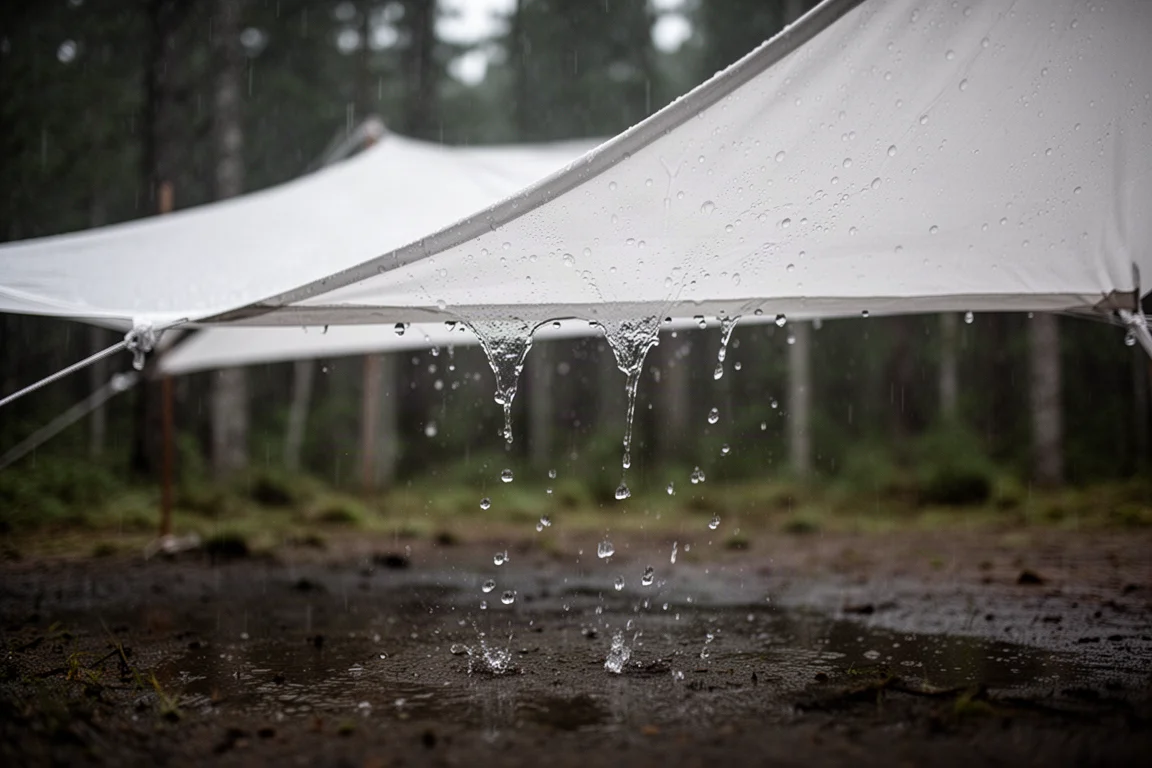
Waterproofing is where this tent earns its reputation. The 15 denier fly and the 4,000 mm floor held up through hours of heavy rain without a single leak, including storms heavy enough to send a river of water past the tent.
Naturehike Vik 2 Person Tent: Condensation, Ventilation, and Build Quality
Four vents are built in: two on the roof and one at each end. In practice they do very little. In windy weather the vents may move a small amount of air, but they do not solve the moisture problem, and the coated fabrics are not breathable in any meaningful way. Once the tent is sealed against rain, water collects inside to the point where it can feel like it is raining indoors, soaking the occupant and their gear. Warm conditions or cold, the pattern repeats. There is one upside: the poor airflow does hold some heat in, but the trade-off is a wet interior.
Build quality is also inconsistent. Loose threads and rough seam work appear throughout the shelter rather than in one isolated spot. Naturehike markets the Vik as a four-season shelter, but the design does not support that claim. It can handle cold weather and light snow, yet the fabric, the tie-off points and the poles are not built for serious snow loading. Treat it as a three-season tent.
Naturehike Vik 1 Person Tent
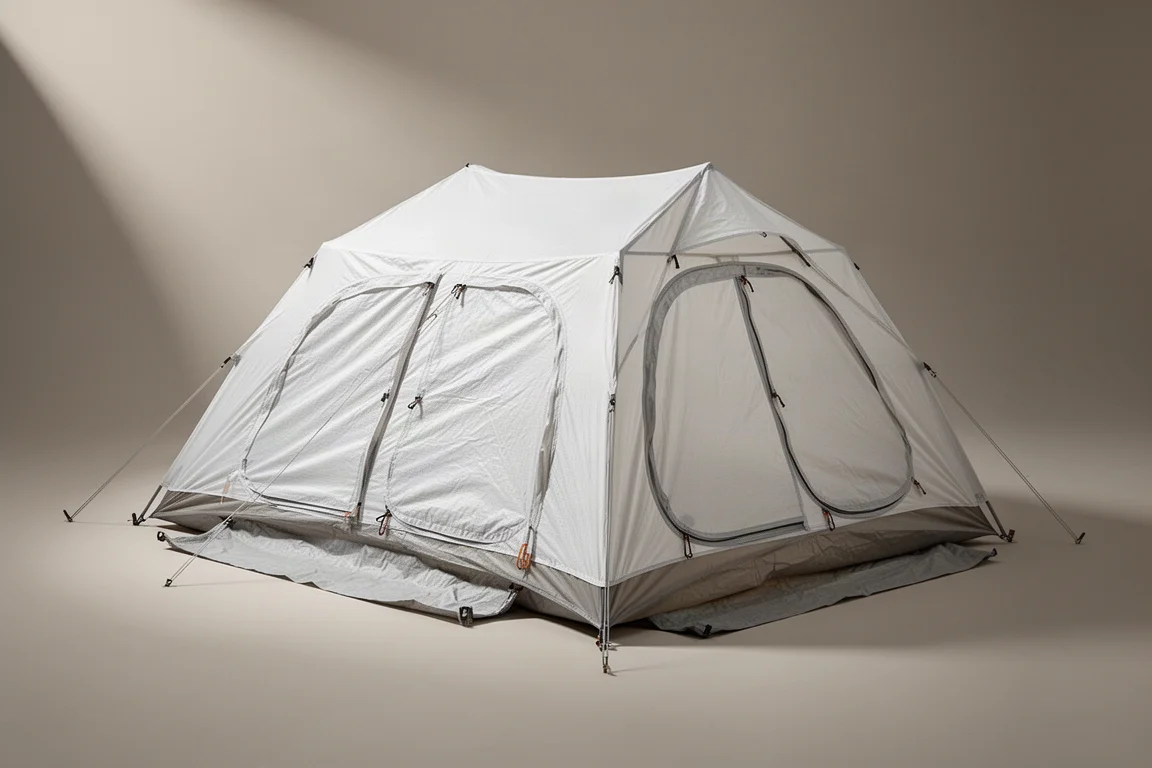
The one-person Vik is the same shelter in a smaller size with a single door instead of two. Materials, poles and hardware are unchanged. Condensation is just as bad as on the two-person version, and it is likely to be worse in practice because there is only one door to open when airflow is needed.
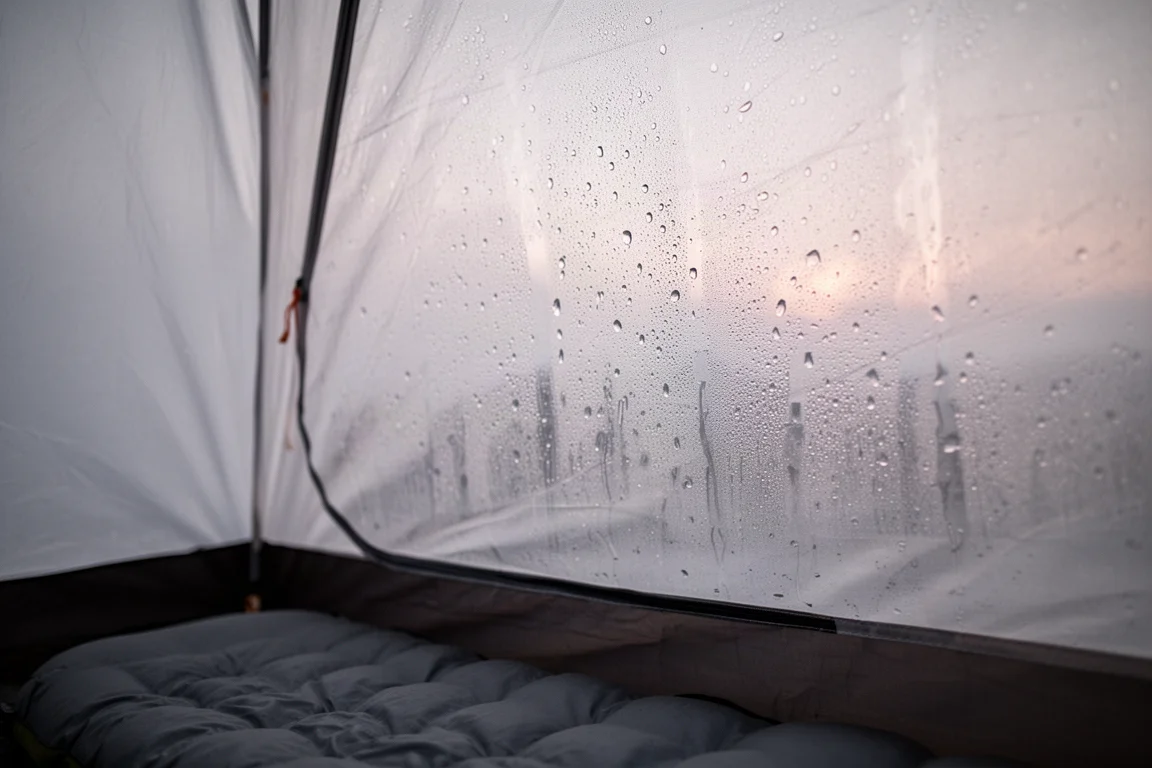
For a solo camper the reduced footprint is welcome, and the single-door layout is simpler to pitch and pack. The ventilation trade-off is the same one that defines the whole line, and it is the reason this tent only makes sense in genuinely dry conditions.
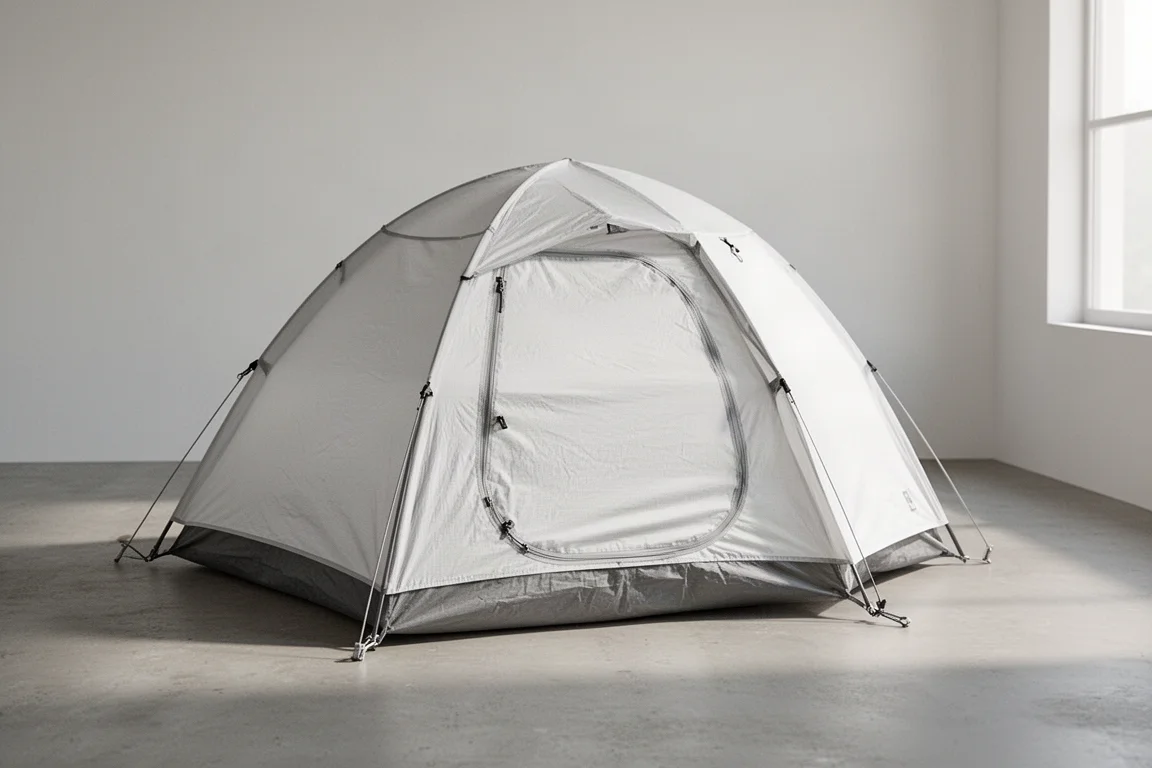
Naturehike Vik 1 Person Tent with Snow Skirt
The third version adds a snow skirt, the fabric flap that closes the gap between the fly and the ground. The idea is to block drafts and drifting snow, and it does that. The cost is ventilation that sits close to zero. Because the Vik line already struggles badly with condensation, the snow skirt version is expected to be the worst of the three, and it is not a version worth buying.
Buying Advice: Who Should Consider a Vik Tent
The Vik tents are a strong fit for one specific situation: dry climates where the doors and vents can stay open. In those conditions the outstanding waterproofing is a real advantage, and the light weight, quick setup and compact packed size are all genuinely useful.
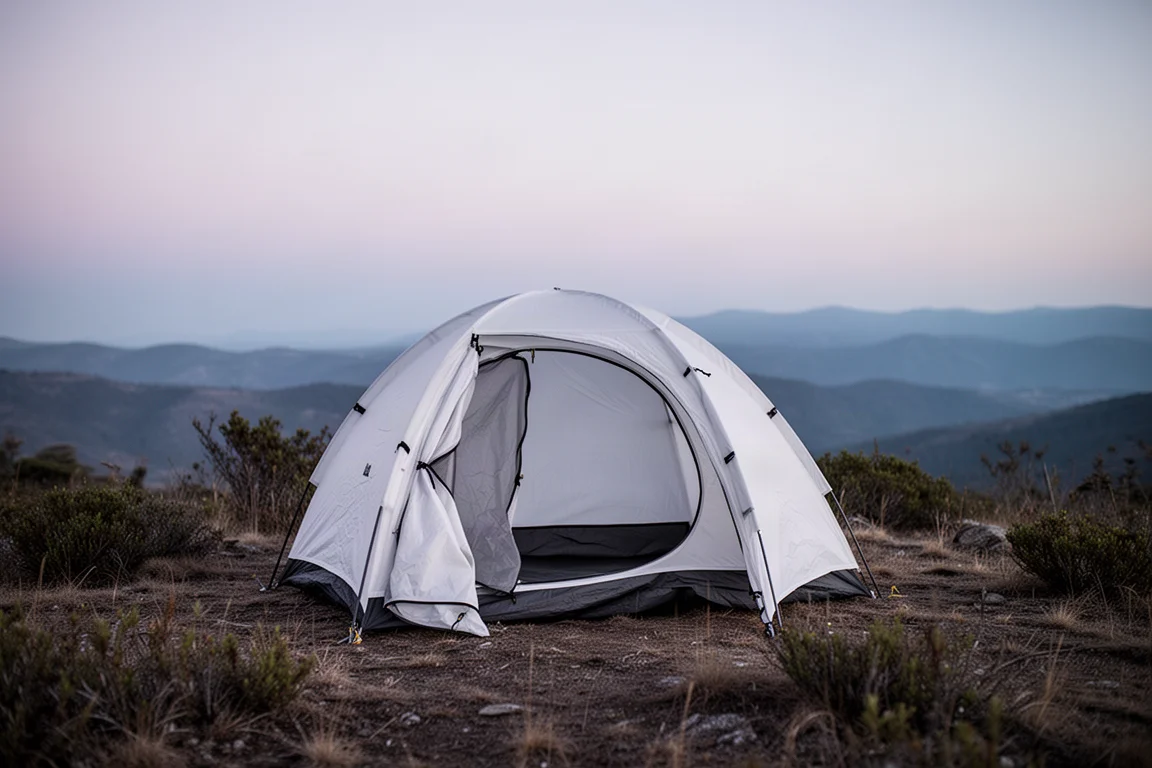
For anyone camping in regular rain, humid valleys, or anywhere the tent must stay sealed for long stretches, the moisture problem is hard to work around. Two people sharing the two-person version are likely to make it worse rather than better, since each occupant adds moisture to the air inside. If reliable ventilation matters more than absolute waterproofing, this is not the shelter to choose.
Conclusion
The Naturehike Vik series does one thing exceptionally well and one thing badly. It keeps rain out with a consistency that few lightweight tents match, and it traps moisture inside with the same consistency. Weight, packed size, setup time and hardware quality are all solid, and the two-door layout on the two-person version is a genuine convenience.
The deciding factor is climate and how the tent will be used. In dry, breezy conditions the Vik is a capable, weatherproof shelter. In wet or humid conditions where the tent has to stay closed, condensation will dominate the experience. Of the three versions, the two-person model is the most usable, the one-person model is a reasonable solo option for dry trips, and the snow skirt version should be avoided.
Further reading
Related Reviews
Camping Tents
3F UL Gear Taiji Two-Person Tent Review: Field Waterproofing Results and Buying Advice
The Taiji pairs an attached fly with a removable inner, but sustained rain exposed untaped vent seams that need sealing before this shelter can be trusted.
Camping Tents
3FUL Gear Lanshan 2 Pro 4-Season Review: A Sub-$200 Single-Wall Trekking Pole Tent
An early look at the 3FUL Gear Lanshan 2 Pro 4-Season, covering its straightforward pitch, generous interior space, and the condensation and seam-sealing questions that come with any single-wall shelter.
Camping Tents
Alps Mountaineering Lynx 1-Person Tent Review: Big Value in a Small Budget Tent
A close look at the Alps Mountaineering Lynx 1-Person Tent, covering real interior dimensions, materials, setup time, ventilation limits, and who should buy it.