Camping Tents
Naturehike Vic 2 Review: A Lightweight Two-Person Tent for Mild-Weather Camping
A single-skin, freestanding two-person tent that weighs 1.67 kg as supplied, pitches quickly and fits a very tall camper, with condensation as the main trade-off.
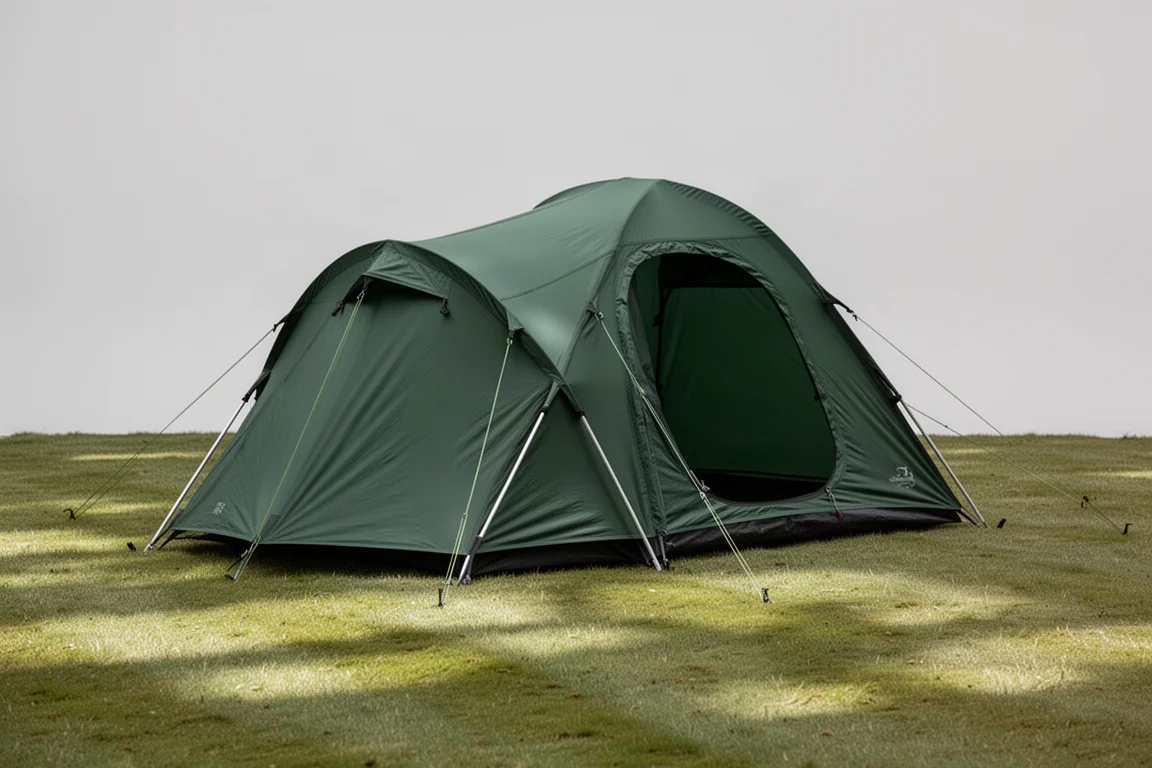
Introduction
Naturehike has built a following on lightweight, quick-pitching shelters, and the Vic 2 brings that approach to a two-person, two-door tent in a dark forest green. It is a single-skin, freestanding design with aluminium poles and pegs, and it weighs 1.67 kg as supplied, which puts it just under the double-skin Cloud Up 2 at around 1.75 kg.
For anyone who wants more room than a one-person shelter without taking on much more weight, that figure is the headline. The open question is whether the extra space and the second door justify the compromises that come with a single-skin build. Here is what the design gets right, and where it asks for a little patience.
Who This Tent Is For
The Vic 2 makes the most sense for a solo camper who wants room to spread out. With two doors and a vestibule that extends roughly a metre, there is enough sheltered space to sit, cook and keep a pack out of the weather. The interior is long enough that even a camper around 6 ft 9 in can lie down without touching the walls at the head or the feet.
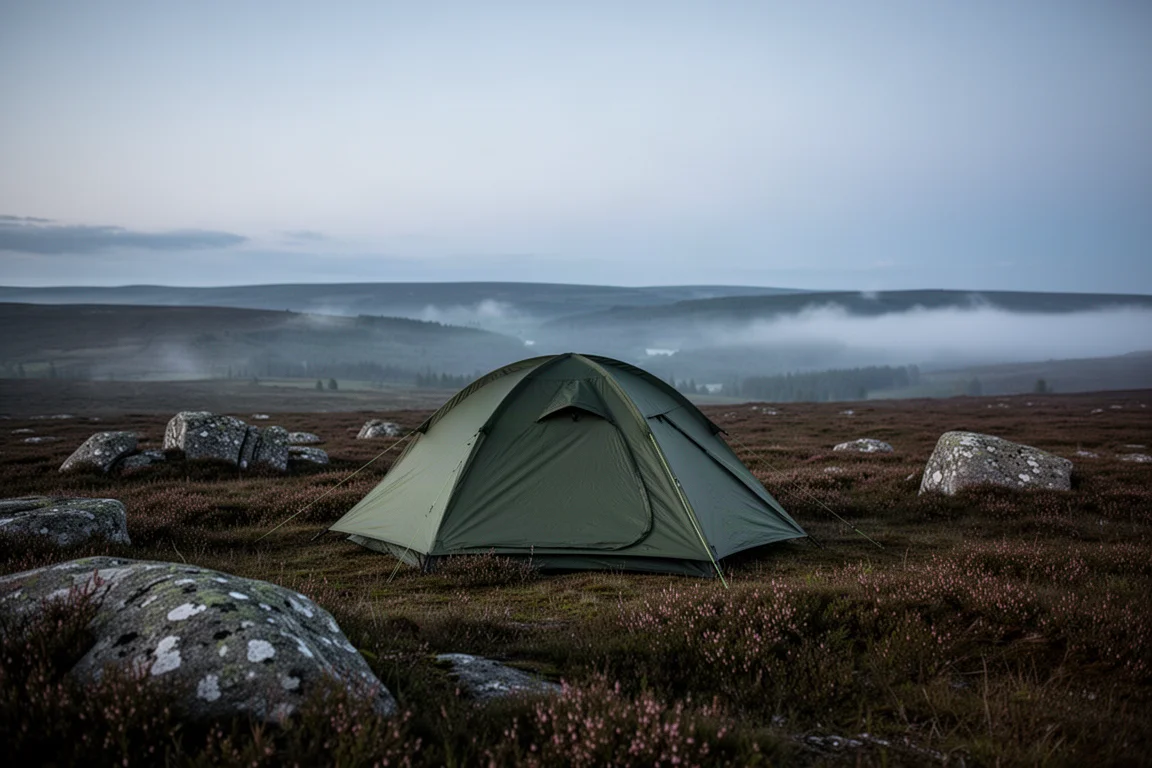
Two people can share it, but as with most two-person tents the space is really two sleeping spots rather than two full camping setups. Add two large packs, boots and cooking gear and the interior fills quickly, so it suits pairs who travel light, or a solo camper carrying a generous amount of kit. It is a mild-weather shelter rather than a cold-weather one, and the low-profile forest green finish is well matched to wild camping where a discreet pitch matters.
Pitching, Weight and Packed Size
Pitching is straightforward and quick. The four corners go in first, and the eyelets are colour coded, grey at one end and orange at the other, with matching loops on the inner tent to show which end goes where. Because the tent is freestanding, it can be lifted and turned to face a change in wind direction before the remaining pegs go in, which is a genuinely useful trick on exposed ground.
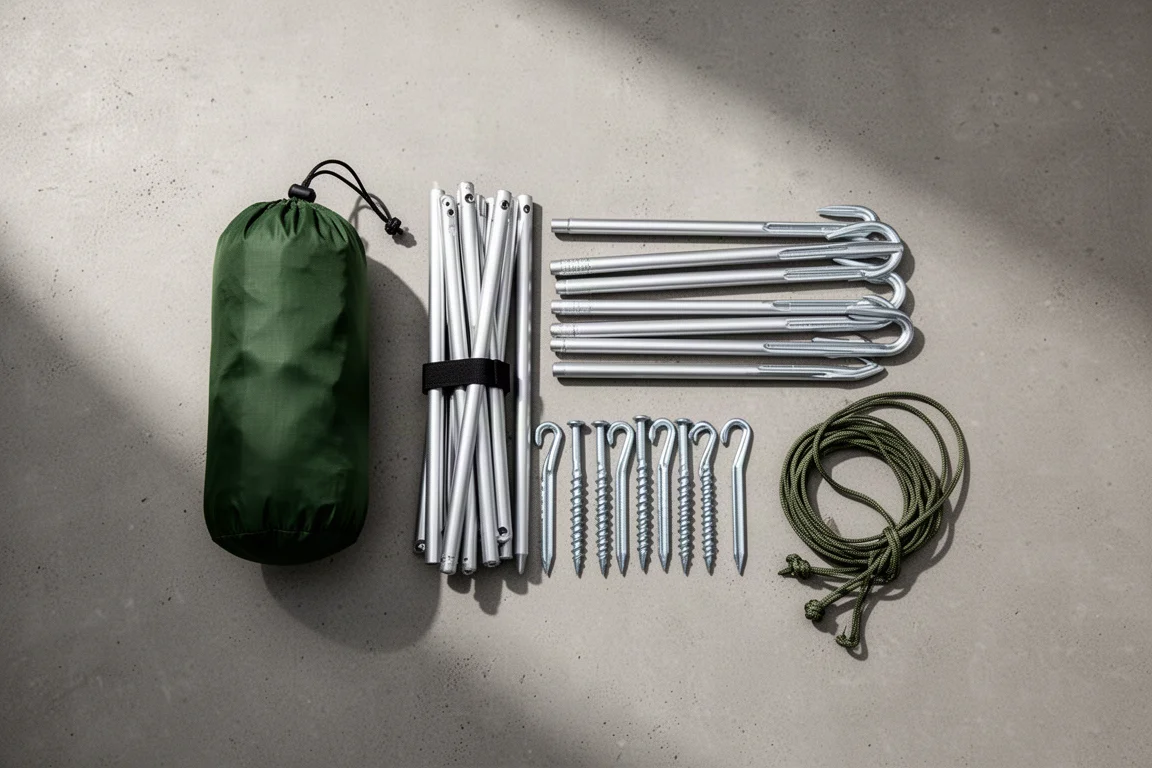
The aluminium pegs have spiral spines that bite as they are pushed in, and the frame clips into place with a simple twist. Eleven pegs are supplied in total, along with two guy lines that run through small eyelets on the poles to stiffen the structure in wind. Tensioning is done by sliding the cord, so adjustments take seconds.
The 1.67 kg figure includes the groundsheet and its bag as well as the spare polythene bags the tent ships in. Leaving the groundsheet behind and removing the extra packaging trims the carry weight further. The groundsheet is optional protection for sharp stones or a rough forest floor rather than an essential part of the setup.
Interior Space and Two-Door Layout
The most noticeable change from the earlier one-person version is the second door. Each side of the Vic 2 has its own door, so there is no climbing over a tent partner to get out at night, and each door uses magnetic closures that snap shut rather than needing to be zipped every time. Both doors can be pegged back out of the way so they do not flap.
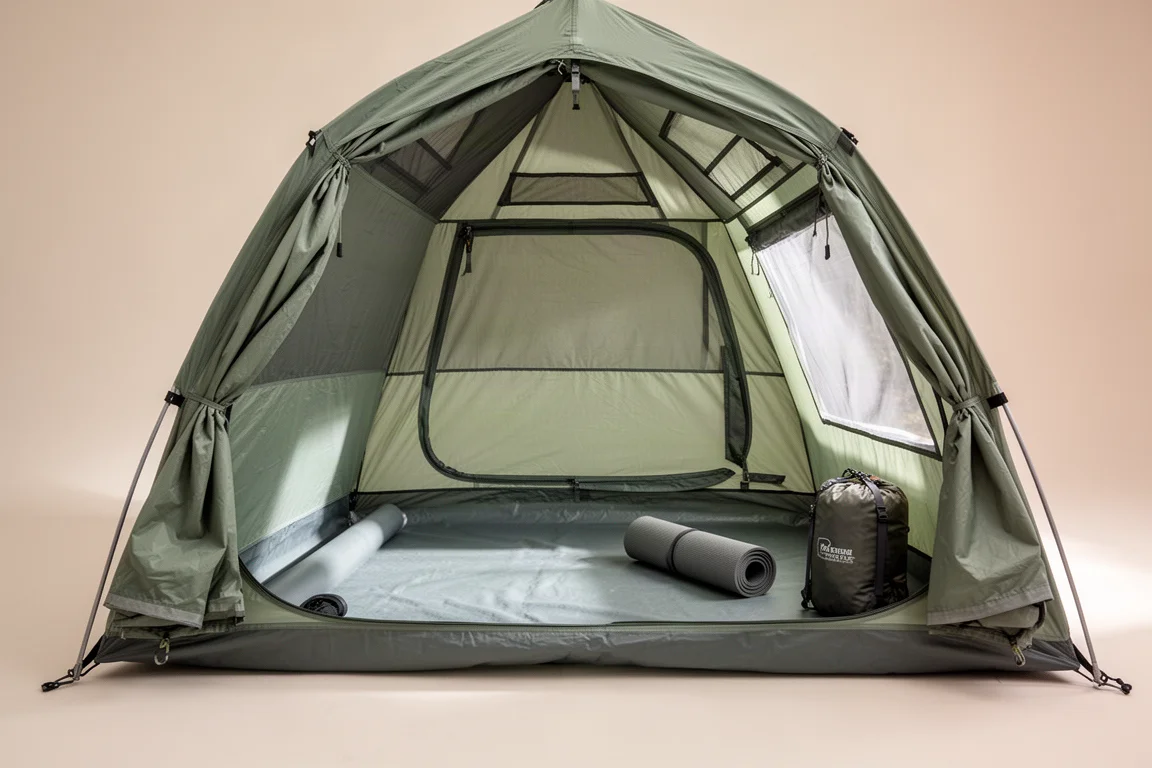
Inside, the floor is a bathtub design that keeps ground water away from the sleeping area, and there is a small gap underneath for air to move through. Storage is handled by pockets on both sides and a loop for a lantern. The vestibule is the standout feature: it projects far enough to shelter a stove and a pack, which effectively gives the tent a covered porch as well as a sleeping space.
Ventilation and Single-Skin Reality
Single-skin tents trade weight for condensation, and Naturehike has clearly worked at the problem here. There is a window on each side with a flap that clips up, internal ventilation openings on the inner walls, and airflow under the bathtub floor. The earlier version of this design was known for condensation, and the ventilation added since then targets exactly that issue.
Even so, condensation is the main thing to expect from a single-skin shelter, particularly on cold, still nights or when the tent is pitched on damp ground. It is also why this tent is a mild-weather option rather than a year-round one. In genuinely cold conditions a single-skin design leaves very little between the occupant and the outside temperature. In wet weather the design has kept the inside dry in use, and the bathtub floor and deep vestibule help keep splashes and driven rain away from the sleeping area.
How It Fits Alongside Other Naturehike Tents
Within the range, the Vic 2 sits between the one-person Vic, which is noticeably lighter, and the double-skin Cloud Up 2 at around 1.75 kg. The Vic 2 is the lighter of the two-person options here, and its single-skin construction means it can be thrown up in wind or rain without the extra steps of a double-wall pitch.
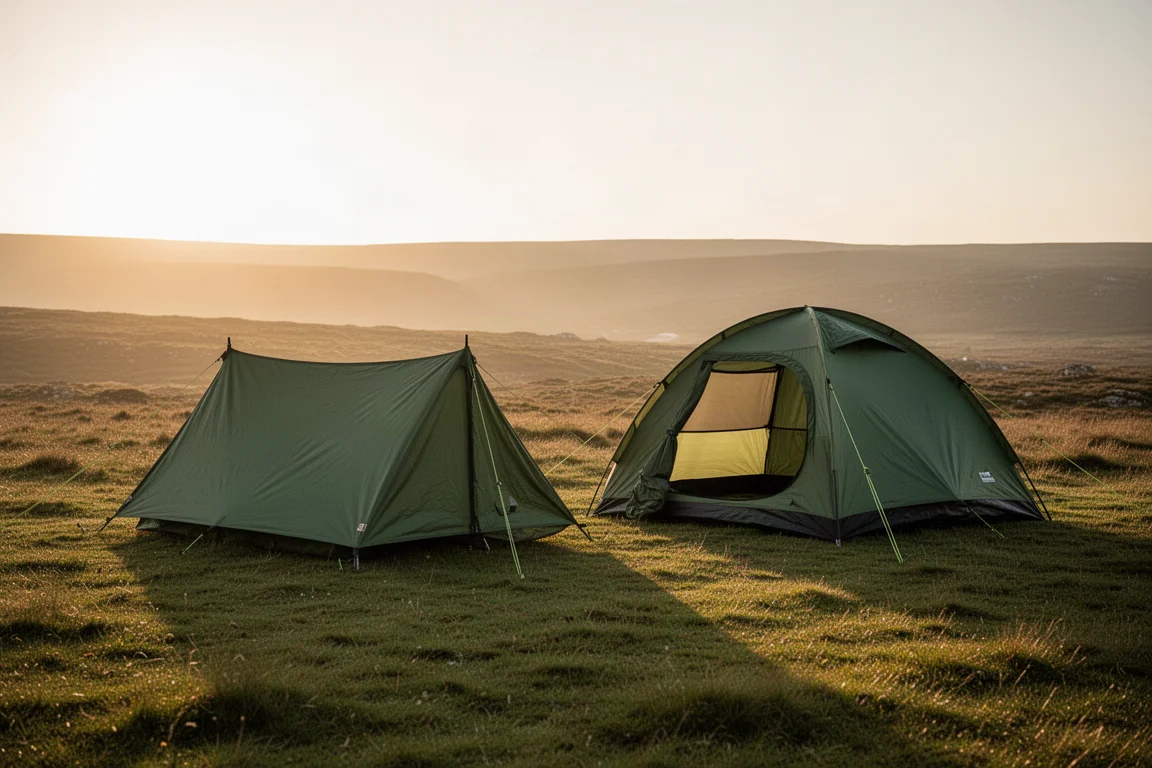
The trade is straightforward. You gain living space and a lighter pack than the Cloud Up 2, and you give up the double-wall protection that helps keep condensation away from the inner sleeping area. The one-person Vic remains the better choice when weight is the priority and the extra room is not needed.
Things to Consider Before Buying
The Vic 2 is easy to recommend for the right trips, but a few details are worth weighing before you commit.
Condensation is the first one. Any single-skin tent will collect moisture inside on still, cold nights, and the ventilation here reduces that rather than eliminating it. It is not the tent to take out in genuinely cold weather.
Both doors are hung to open in the same direction, so when the wind shifts there is no way to switch to a door that shelters you from the other side. The pitch can also feel a little flappy at first. Spreading the corner pegs further apart and tensioning the guy lines tightens the interior noticeably.
Finally, this is a two-person tent in name and a spacious one-person tent in practice. Two adults fit, but not two adults plus all of their kit.
Buying Advice
If you want a light, freestanding shelter that goes up fast, offers a door for each occupant and enough vestibule space to cook under cover, the Vic 2 delivers a lot for the weight. It suits solo campers who want room to move, and pairs who travel light in mild conditions.
Pricing varies by seller, and this tent has been available online at a notably low price, so it is worth comparing listings before ordering. Delivery from overseas sellers can take longer than a domestic purchase. Whether you pay a discounted price or full retail, the value case rests on the same three things: 1.67 kg as supplied, a fast pitch, and a genuinely usable amount of space for one person.
Skip it if you camp in cold weather, if you want a double-wall shelter for condensation-prone conditions, or if you need to fit two people and two full packs inside.
Conclusion
The Vic 2 is a practical evolution of a well-liked ultralight design. It keeps the quick, freestanding pitch that makes these tents easy to live with, adds a second door and a deep vestibule, and stays under the weight of the double-skin alternative in the same range. The single-skin construction is the honest trade-off: expect condensation on cold, still nights, and treat it as a mild-weather shelter rather than a four-season one. For solo campers who want space without much weight, or for light-travelling pairs in fair conditions, it is a sensible and well-priced option.
Product link
View more details for Naturehike Vic 2
This product is mentioned in the review. Check the specifications, options, and compatibility before buying.
View more details for Naturehike Vic 2Further reading
Related Reviews
Camping Tents
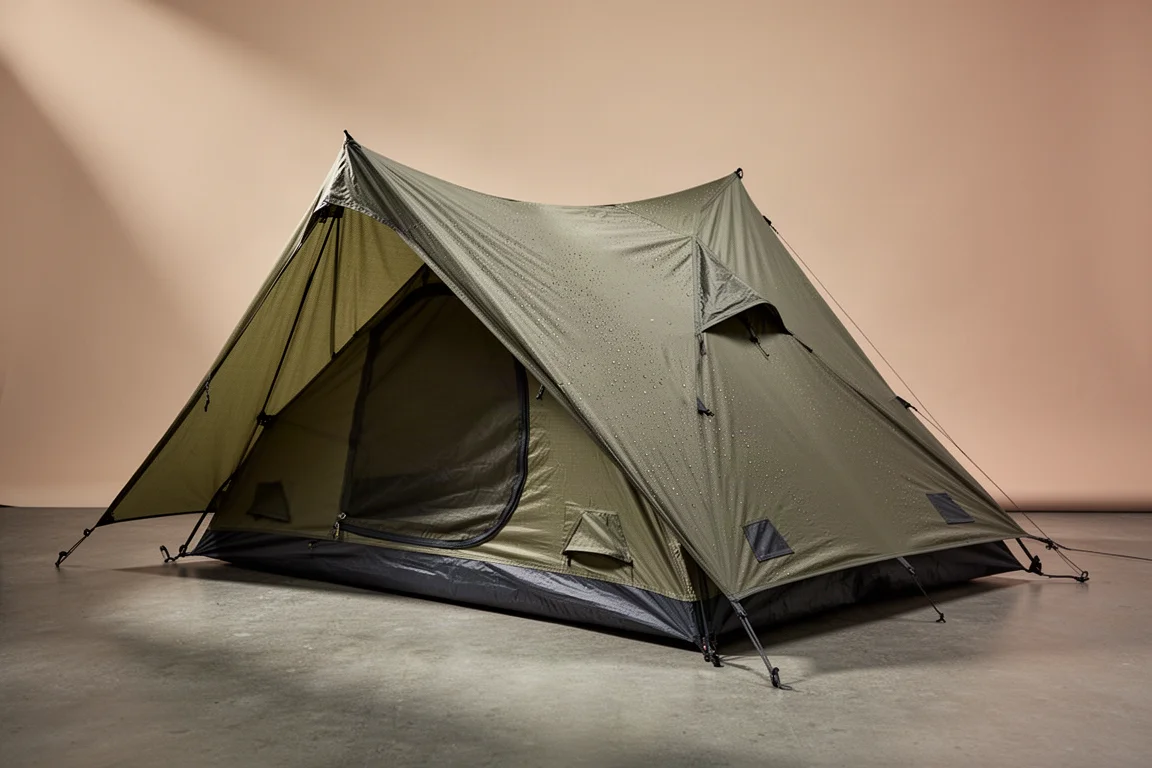
3F UL Gear Taiji Two-Person Tent Review: Field Waterproofing Results and Buying Advice
The Taiji pairs an attached fly with a removable inner, but sustained rain exposed untaped vent seams that need sealing before this shelter can be trusted.
Camping Tents
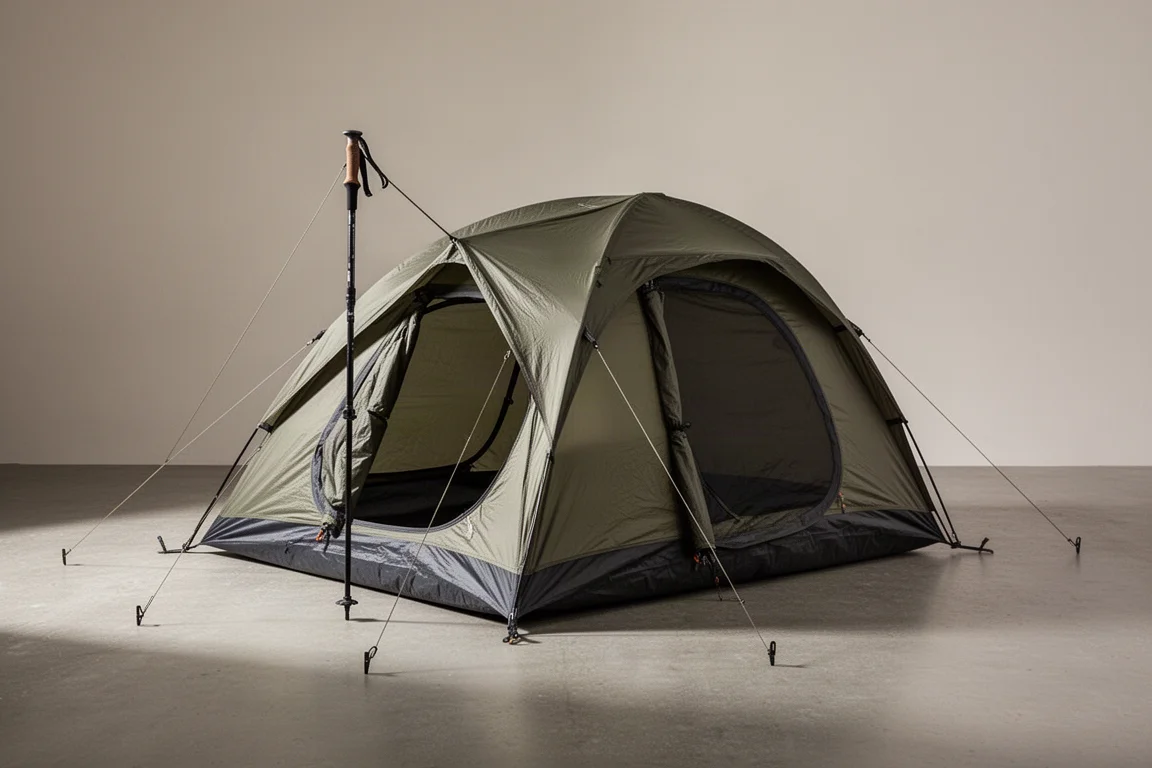
3FUL Gear Lanshan 2 Pro 4-Season Review: A Sub-$200 Single-Wall Trekking Pole Tent
An early look at the 3FUL Gear Lanshan 2 Pro 4-Season, covering its straightforward pitch, generous interior space, and the condensation and seam-sealing questions that come with any single-wall shelter.
Camping Tents
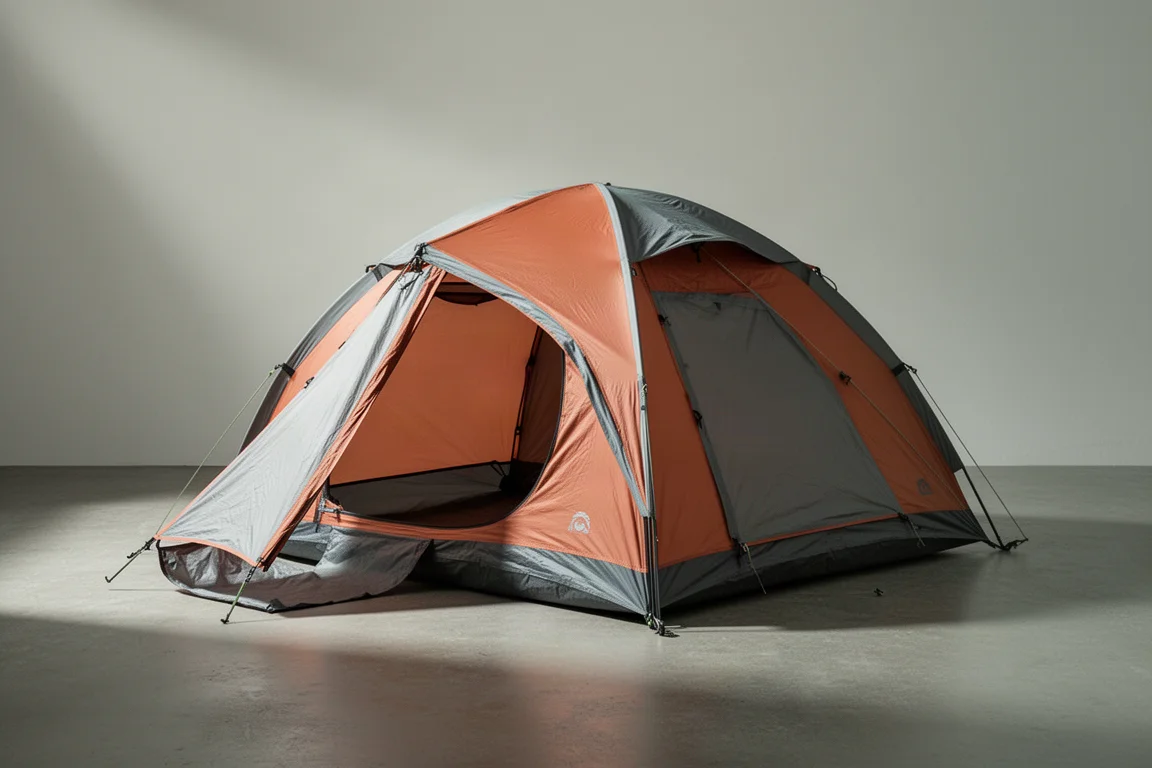
Alps Mountaineering Lynx 1-Person Tent Review: Big Value in a Small Budget Tent
A close look at the Alps Mountaineering Lynx 1-Person Tent, covering real interior dimensions, materials, setup time, ventilation limits, and who should buy it.