Camping Tents
Naturehike Vic 2 and Vic 1 Tent Review: Waterproof Shell, Difficult Condensation
The Naturehike Vic 2 is impressively waterproof, but it struggles badly with condensation. A practical look at the two-person and one-person versions before you buy.
Introduction
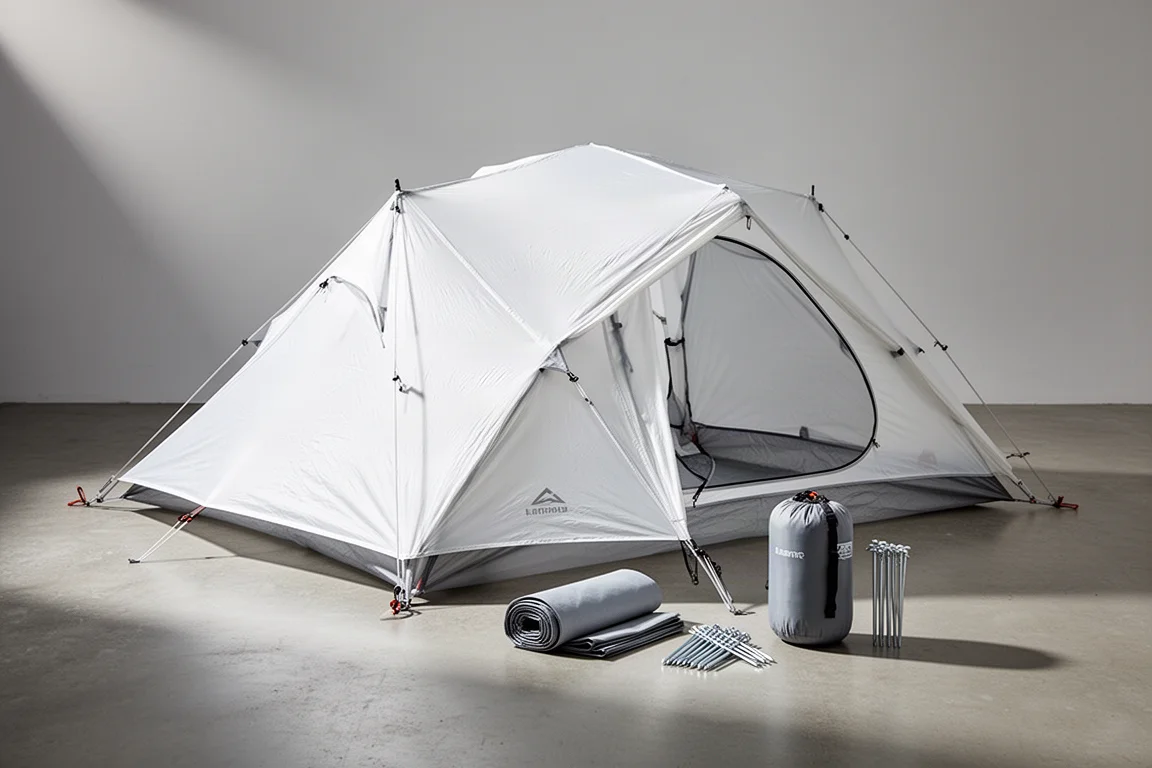
The Naturehike Vic 2 Person Tent makes a strong first impression for one reason above all others: it does not leak. Testing across spring conditions, including snow, ice, heavy rain, cold nights and warm afternoons, never produced a single drop of water coming through the shell.
That level of weather protection is uncommon at this price point, and it is the main argument in the tent’s favour. It is not, however, the whole story. Airflow and condensation are serious weaknesses here, and the smaller one-person version shares them. This review looks at both tents, what they do well, and where the design runs into trouble.
Naturehike Vic 2 Person Tent: Specifications and Materials
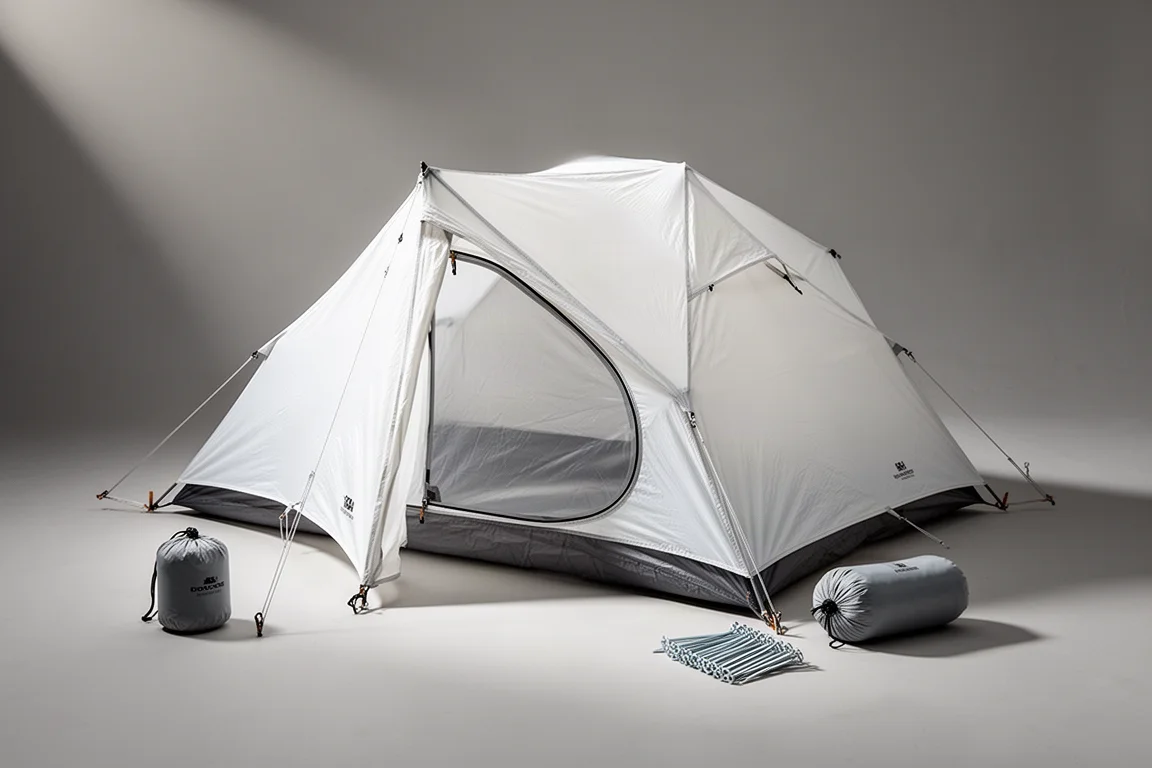
Naturehike lists the Vic 2 as a four-season shelter with two doors. It is freestanding for the most part, although the doors need to be staked out to keep tension in the fly. Three versions exist in the line: a one-person tent, this two-person model, and a one-person tent with a snow skirt. All of them come in a single colour that reads as white in person.
The materials are a genuine highlight. The fly is 15 denier nylon with a 2,000 mm hydrostatic head rating, the body is 20 denier nylon, and the floor carries a 4,000 mm rating. The mesh is polyester, the poles and stakes are aluminium, and the zippers come from YKK.
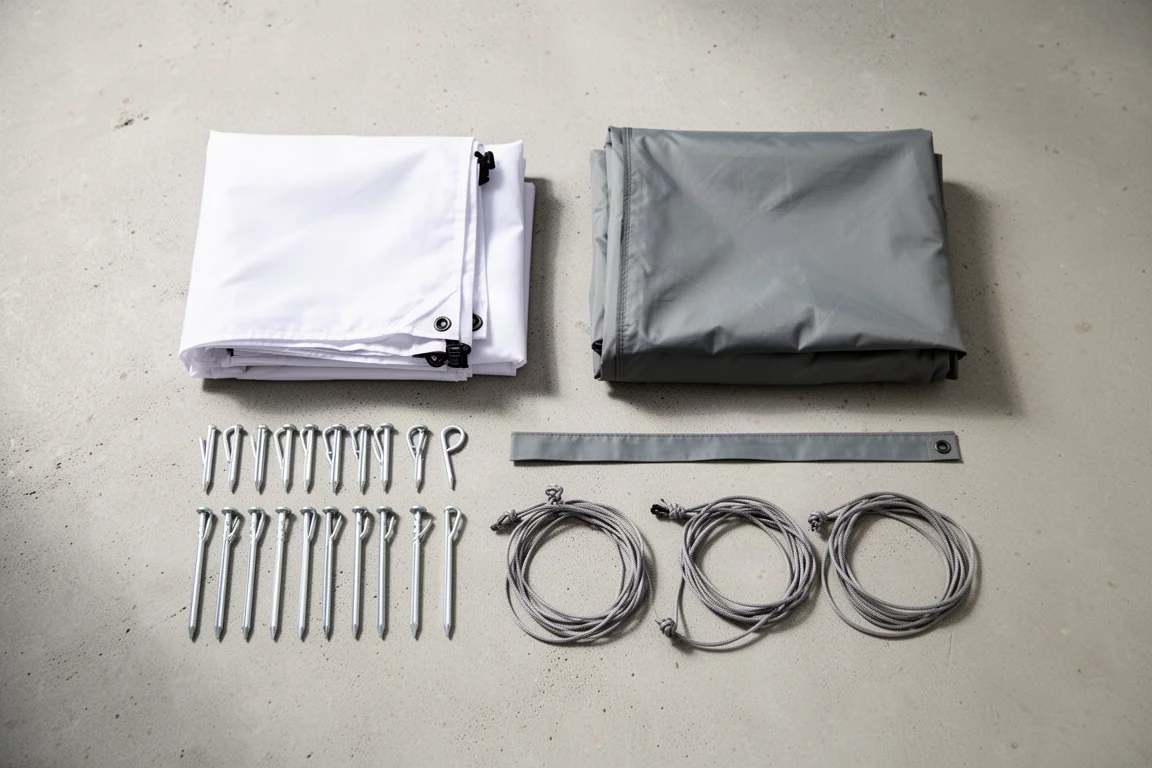
Packed, the tent measures roughly 18 by 6 inches, and it can be compressed smaller than that. Pitched, it is 48 inches wide, 36 inches tall and 79 inches long, which suits sleepers around six feet tall or shorter. Anyone taller will end up touching the walls. The tent weighs 3 pounds 1 ounce with just the poles and stakes, or 3 pounds 8 ounces once the included ground sheet is added. The price is 189.
Naturehike Vic 2 Person Tent: Where It Performs Well
Weight is reasonable for the size. At around three pounds for the tent, poles and stakes, the Vic 2 carries easily for a shelter this wide and this tall, and the packed form factor slips into a backpack without much fuss.
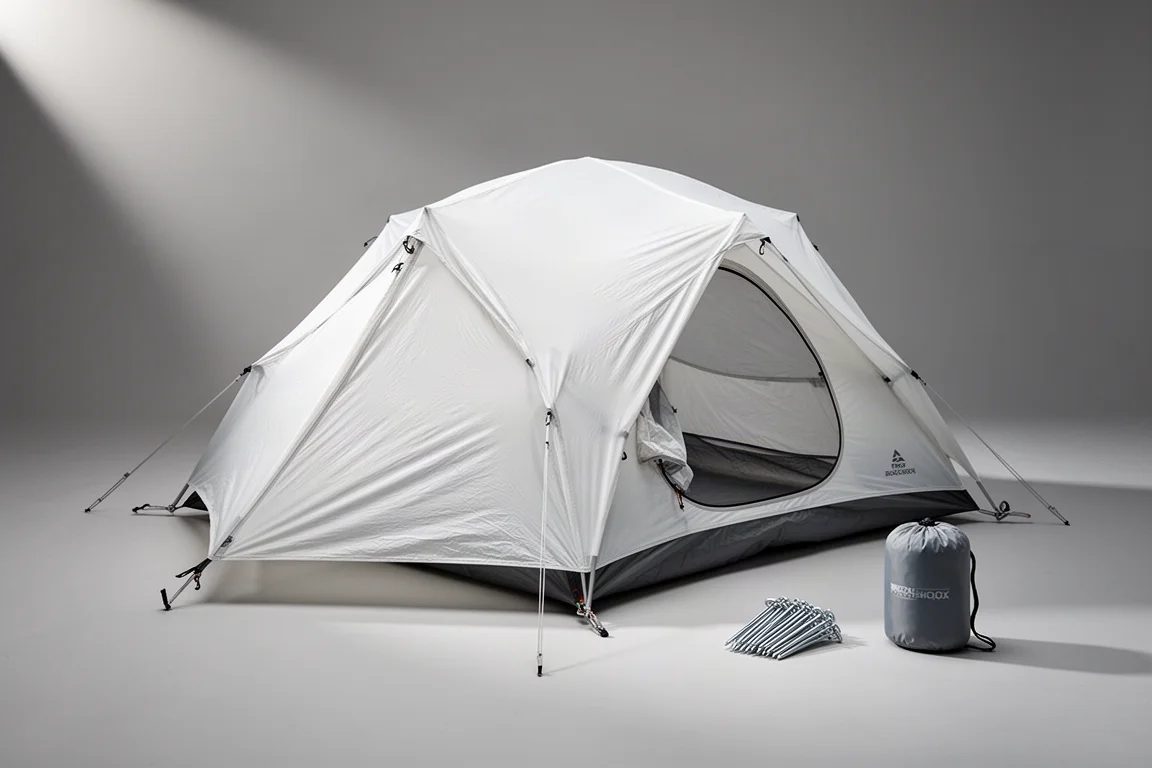
Setup is quick and uncomplicated, taking about five minutes or less. The tent stands on its own when the doors are not staked, which helps on hard ground. Two doors and two vestibules make it easy for two people to come and go, and each vestibule has enough room for a backpack and a pair of shoes.
Waterproofing is the standout. Heavy rain for hours at a time, including storms that left a river of water running around the base of the tent, never produced a leak.
Naturehike Vic 2 Person Tent: Condensation and Ventilation
Sealed up, the Vic 2 is one of the worst tents for condensation. Limit the airflow and the interior of the fly collects an extraordinary amount of water, enough that it can drip onto a sleeper and their gear as though it were raining indoors. This has happened in both warm and cold conditions.
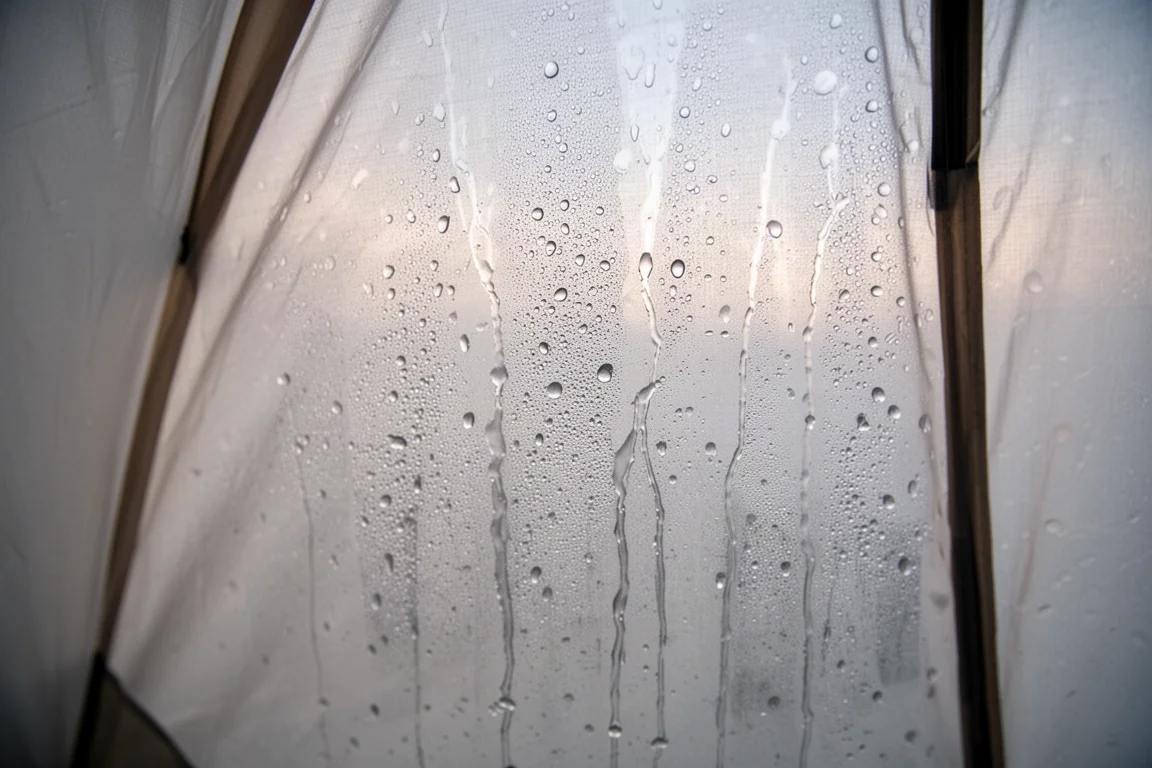
The root cause is the fabric. The coatings that deliver such impressive waterproofing also make the material non-breathable, so moisture from a sleeping body has nowhere to go. The four vents, two on top and one at each end, do very little to move air. In strong wind they may help slightly, but they are not a solution.
The practical consequence is that the Vic 2 is hard to recommend for anywhere that sees real rain, because the conditions that force you to close the tent are the same conditions that fill it with condensation. One upside is that the poor airflow traps a little warmth on cold nights, though that comfort comes at the cost of a wet interior by morning.
Naturehike Vic 1 Person Tent: Same Design, Smaller Shell
The one-person Vic is the same shelter in a smaller size. It uses the same materials and the same waterproof construction, and it shares the same condensation problem. Because it has only one door, airflow is more restricted still, and condensation is likely to be worse than in the two-person version.
For a solo camper who wants a compact, highly waterproof shell and expects to camp in dry conditions, the smaller version is the more portable of the two. Anyone who camps in wet or humid places should weigh the same trade-off described above.
Ventilation Caveats Across the Vic Line
Condensation is not a one-off flaw in a single unit. It is a known characteristic of this design, and it shows up across the range.
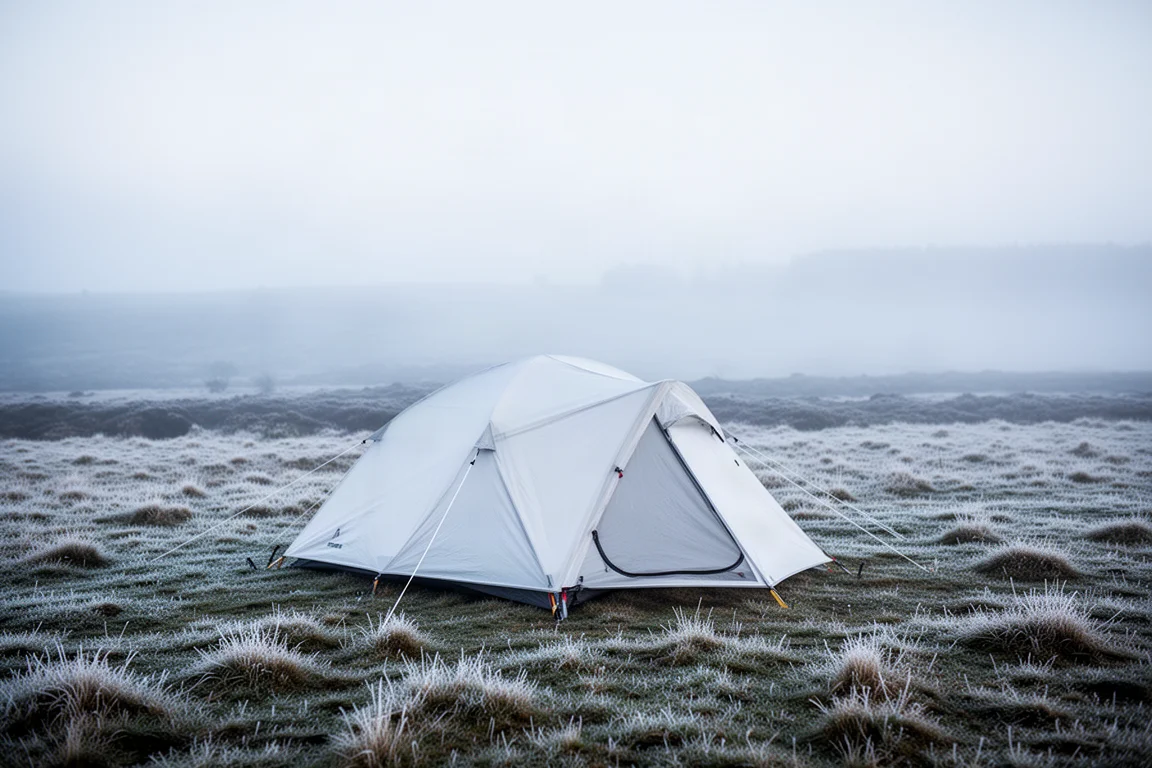
The configuration to avoid outright is the one-person tent with the snow skirt. Adding a skirt to a shelter that already struggles to breathe pushes ventilation close to zero, which makes it the worst of the three for moisture build-up. Skip that version entirely.
Buying Advice
On balance, the Vic 2 is not a tent to buy on waterproofing alone. A good shelter needs airflow and moisture management as much as it needs a watertight fly, and this design delivers the second without the first. All of the testing here was done with a single occupant; with two people inside, the condensation would be considerably worse.
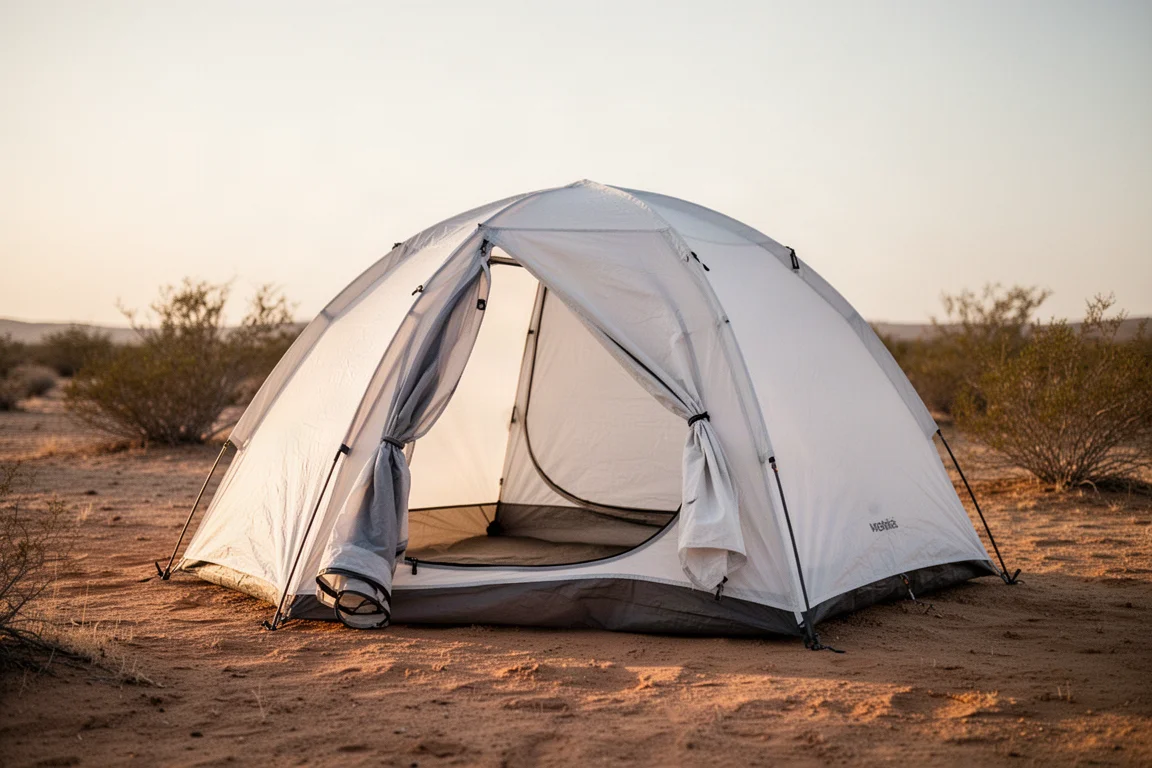
There is one clear scenario where the Vic 2 makes sense: a genuinely dry climate where the doors can be left open for most of the night. In that setting, the vents and open doors can move enough air to keep moisture under control, and the waterproof shell becomes a real asset rather than a liability.
The four-season label also deserves caution. The Vic 2 handles cold weather and light snow, but it does not have the tie-off points or the pole strength for genuine snow loading, and the fabric is not built for it either. Treat it as a three-season tent.
Who the Vic Series Suits Best
The strongest candidates for either Vic are campers in arid regions, fair-weather backpackers who can keep the doors open, and anyone who prioritises a light, compact, extremely water-resistant shell over interior comfort.
For everyone else, especially those camping in humid forests, coastal areas or anywhere that rains often, the condensation issue is likely to outweigh the weatherproofing advantage. The tent will keep the rain out and then soak you from the inside.
Conclusion
The Naturehike Vic 2 Person Tent is an unusual product: remarkably waterproof, light for its footprint, quick to pitch, and undermined by ventilation that simply cannot keep up with the moisture it traps. The one-person Vic shares the same strengths and the same flaw, with a single door making the airflow situation slightly worse.
Buy it if you camp somewhere dry and can leave the tent open. Otherwise, look for a shelter that balances breathability with weather protection, because a tent that rains on the inside is not doing its main job.
Further reading
Related Reviews
Camping Tents
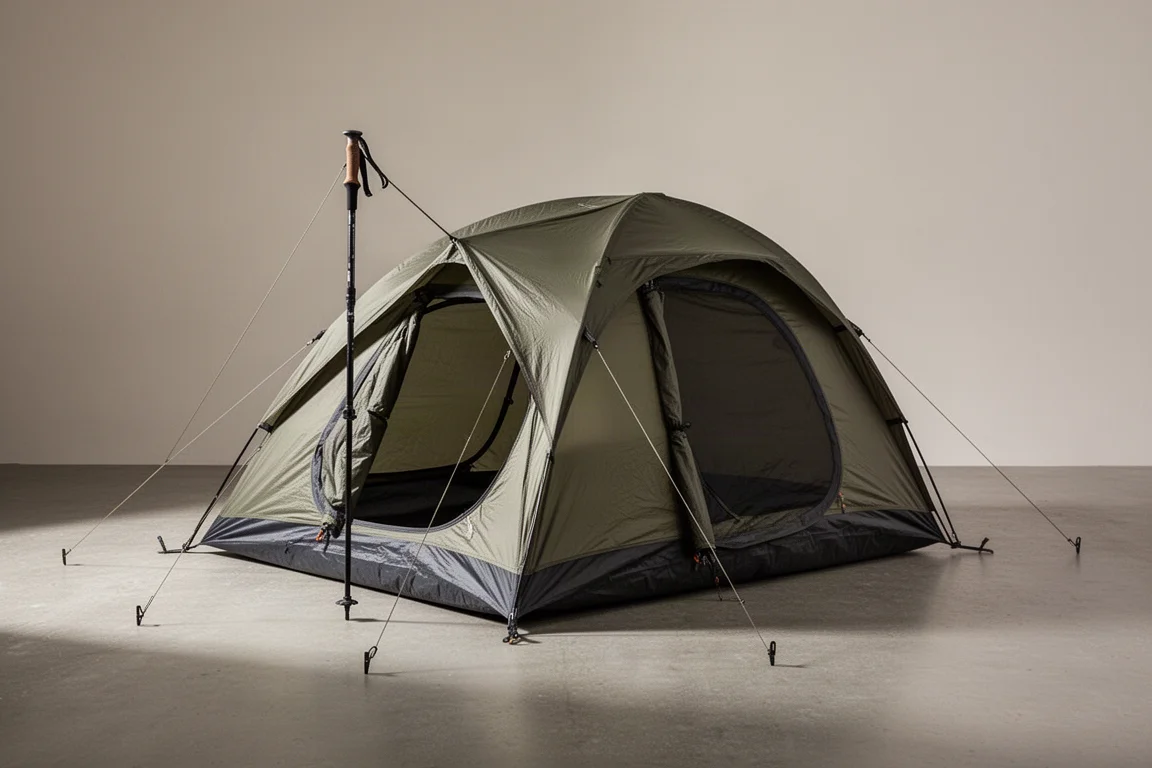
3F UL Gear Taiji Two-Person Tent Review: Field Waterproofing Results and Buying Advice
The Taiji pairs an attached fly with a removable inner, but sustained rain exposed untaped vent seams that need sealing before this shelter can be trusted.
Camping Tents
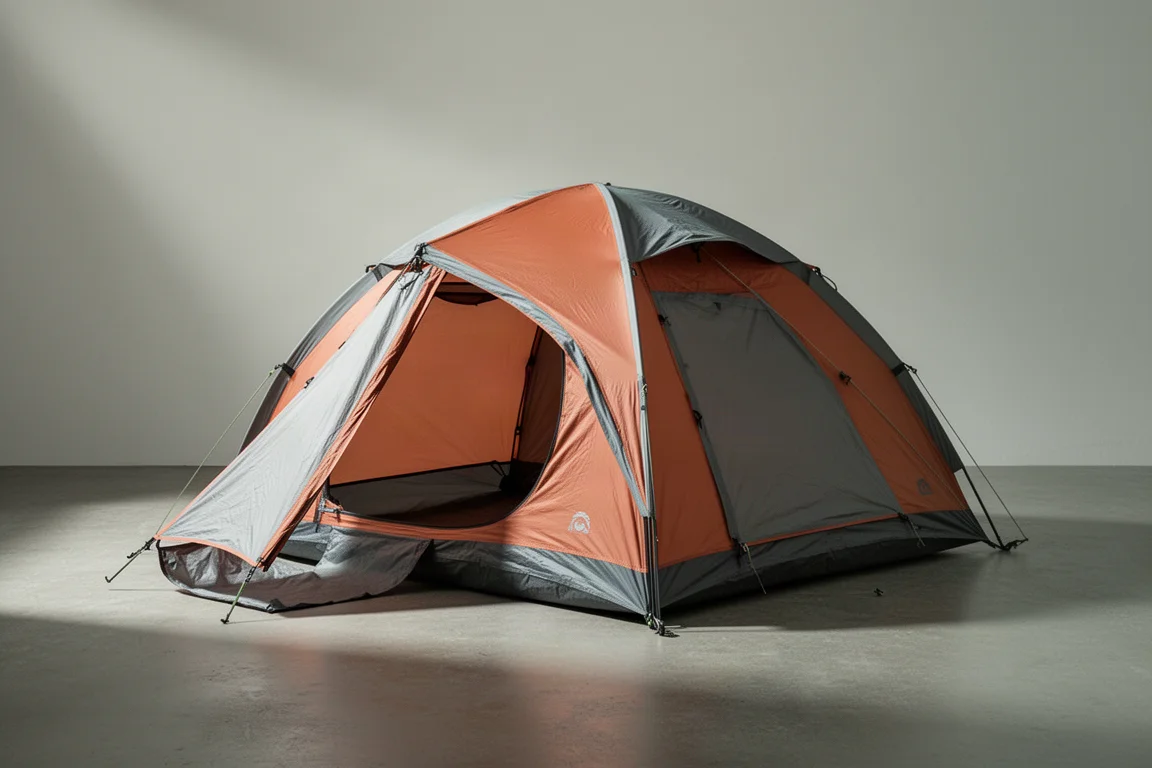
3FUL Gear Lanshan 2 Pro 4-Season Review: A Sub-$200 Single-Wall Trekking Pole Tent
An early look at the 3FUL Gear Lanshan 2 Pro 4-Season, covering its straightforward pitch, generous interior space, and the condensation and seam-sealing questions that come with any single-wall shelter.
Camping Tents
Alps Mountaineering Lynx 1-Person Tent Review: Big Value in a Small Budget Tent
A close look at the Alps Mountaineering Lynx 1-Person Tent, covering real interior dimensions, materials, setup time, ventilation limits, and who should buy it.