Sleeping Pads
Naturehike Ultralight Sleeping Pad Review: A Double-Sided Design That Falls Short
A close look at the Naturehike Ultralight Sleeping Pad, including real measured dimensions, comfort limits, packed weight, and who should consider it.
Introduction
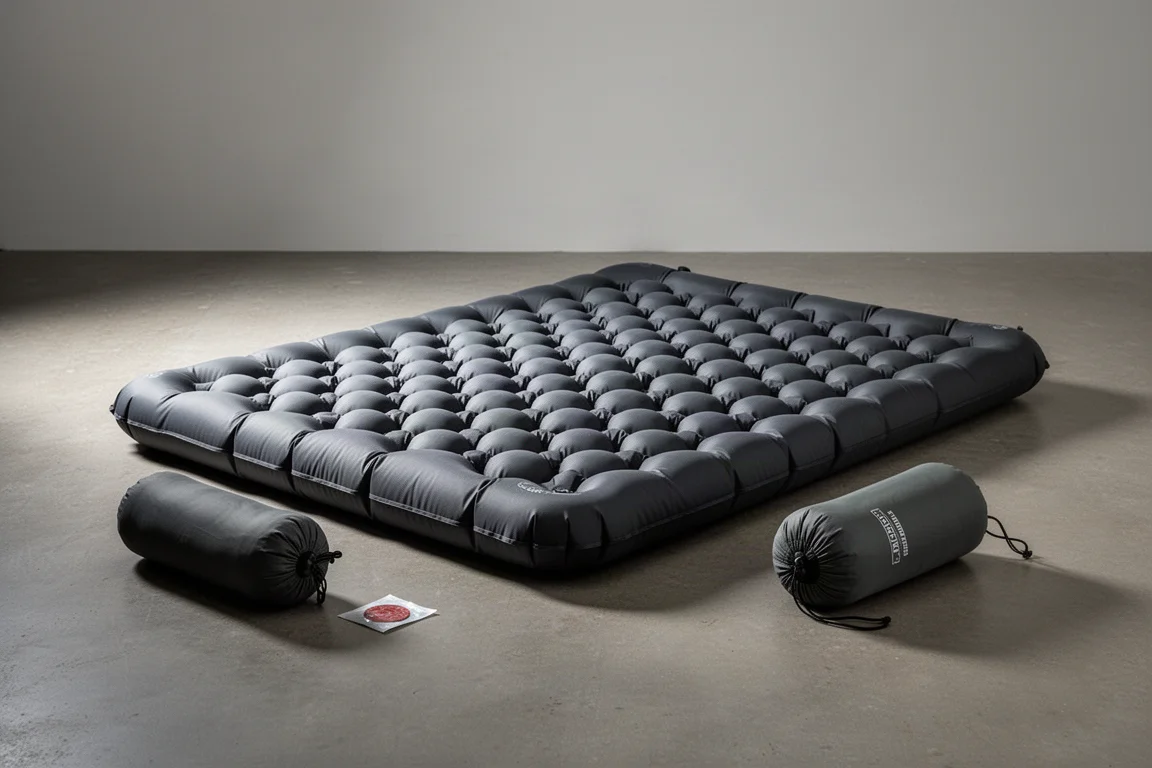
Naturehike markets this pad as an ultralight, double-sided air mat. A center divider splits it into two independent sleeping surfaces, each with its own valve, so a puncture on one side leaves the other usable. The pad retails for $70 and is often available for around $50, and it comes in blue or gray.
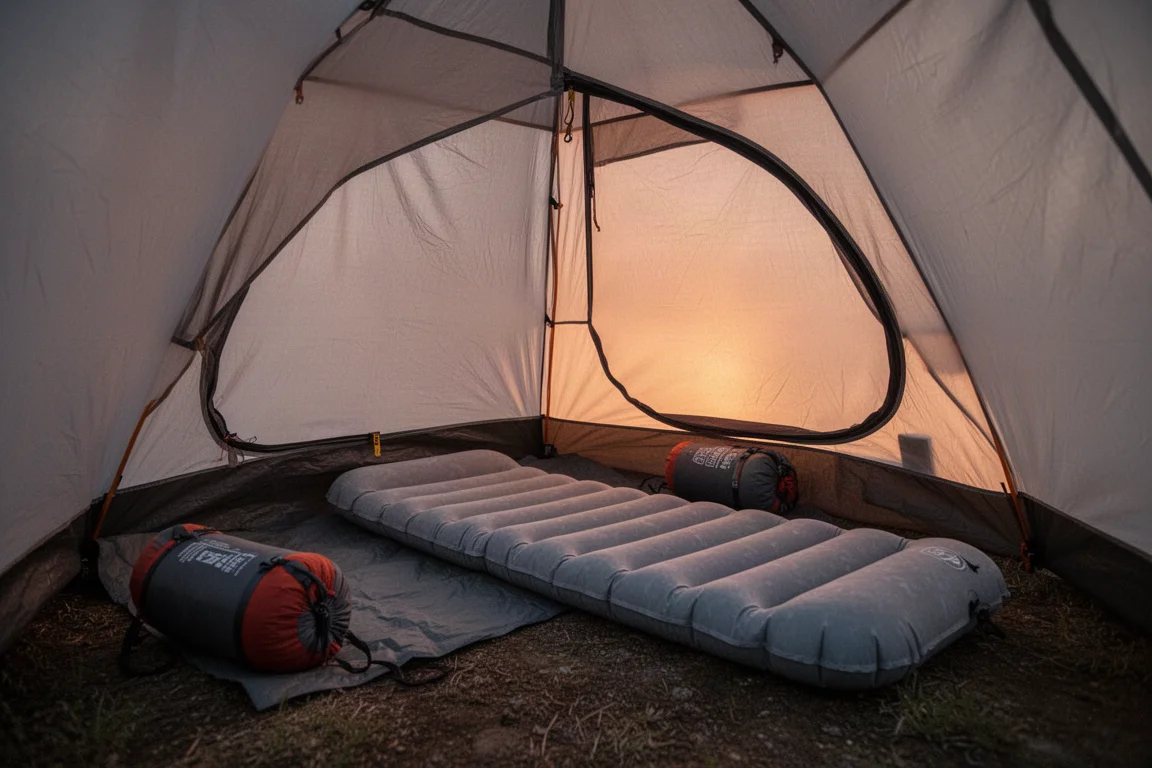
The materials are 40 denier nylon with a TPU coating, and the pad packs down to roughly 12 inches by 4.5 inches. The specification sheet is where expectations start to drift. Naturehike lists 76.7 inches long, 24.4 inches wide, and 3.1 inches of cushion. The pad actually measures 75 inches long, 23.75 inches wide, and about 2.5 inches thick, whether one chamber or both are inflated. None of the gaps are enormous, but every one of them favors the published figure rather than the real one.
Who This Product Is For
This pad is sized for sleepers six feet tall or shorter, and there is no longer version, so taller campers should look at other options. Body weight matters just as much. At 160 pounds the pad still allows contact with the ground, so heavier sleepers will find the comfort problems more noticeable and lighter sleepers less so.
It is also not the pad for anyone who wants to stay completely off the ground. Whatever you do with the two chambers, some part of your body ends up touching the ground, and that holds true even when both sides are inflated.
Main Strengths
The pad does several things competently, and those strengths are worth separating from the design decisions that hold it back.
Build Quality and Two-Way Valves
Construction quality is solid. The 40 denier nylon and TPU coating have held up without issues, and the two-way valves are the best part of the product. The valve opens fully to release air in seconds, or closes to hold it while you keep inflating, which keeps the process controlled rather than fiddly. Filling one chamber takes about 10 breaths, and splitting the fill between both chambers takes roughly 7 breaths per side.
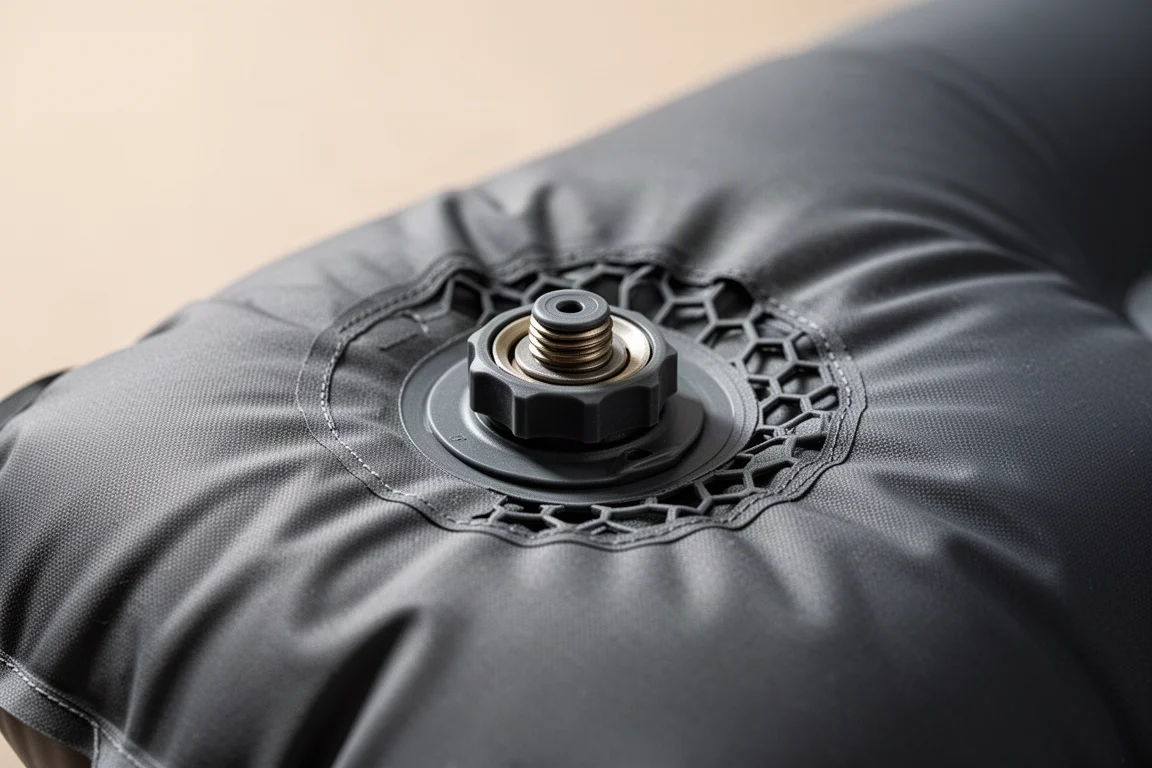
Valve operation is quick in both directions, which makes deflation and topping up easy. That is a meaningful point in the pad’s favor, because the rest of the setup routine is not nearly as efficient.
Cushioning and Real-World Comfort
With one chamber fully inflated, the honeycomb structure tightens the fabric, the corners bunch up, and the pad simply does not provide enough cushion. A 160 pound sleeper presses straight through to the ground, and shifting around puts pressure on bones. Naturehike’s own guidance is to inflate both sides equally, a detail that is not stated in the product listing or on the brand’s website, and it does help: with both chambers at roughly half, the pad fills out more evenly and stops warping at the corners.
The cushion height does not change, though. Sitting on the pad still drives you into the ground. Lying down leaves about half an inch of clearance at 160 pounds, and side sleeping hovers just above the surface. Two and a half inches of cushion is usable, and this is not the most uncomfortable air mat you can buy, but it is a long way from plush.
Things to Consider Before Buying
Three practical issues decide whether this pad makes sense: fit, weight, and the time it takes to set up.
Size and Fit
The pad suits sleepers six feet and under, and there is no larger version in the range. If you are taller, no clever approach to inflation will fix the fit, so treat the length limit as a hard requirement rather than a preference.
Weight and Packed Volume
At 2.1 pounds, this is a heavy pad for 2.5 inches of cushion, and the ultralight label does not match the reality. In its storage bag it takes up a fair amount of pack space at about 12 inches by 4.5 inches, and it feels substantial in hand. For perspective, Naturehike makes one-person tents that weigh less than this sleeping pad.
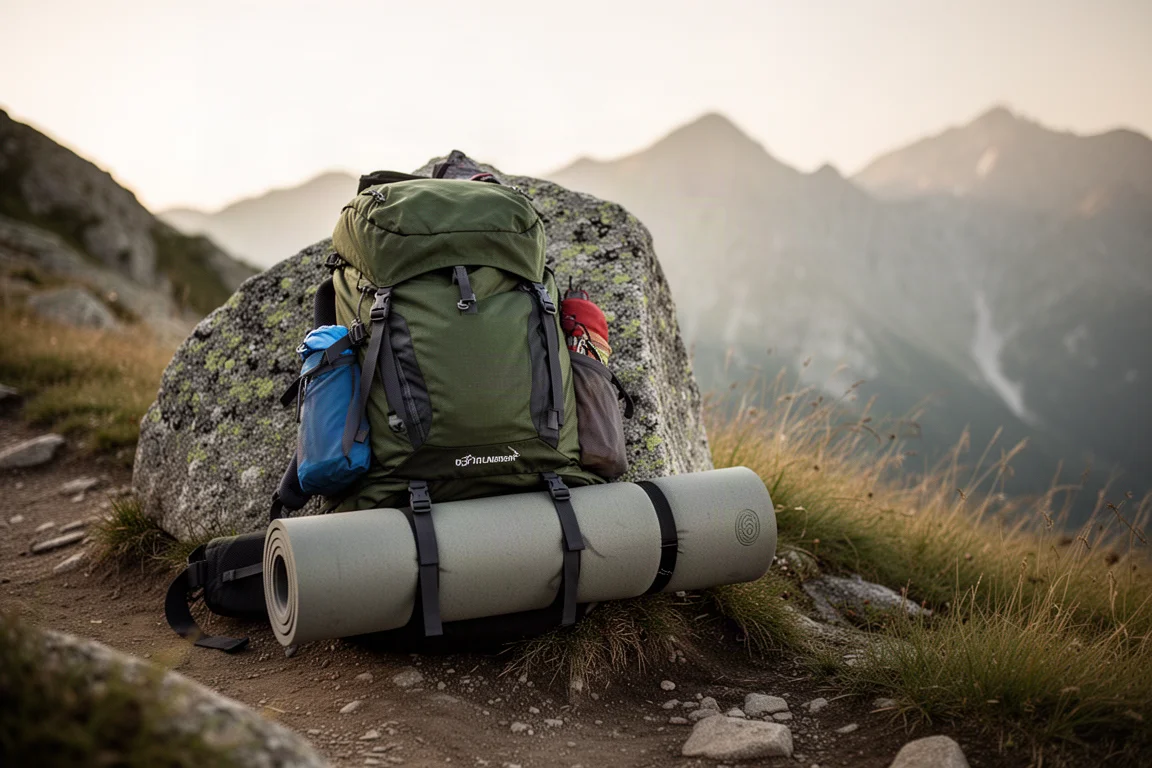
Weight is often a fair trade for comfort, but here the extra mass does not buy much cushioning. Campers who count grams will find better options for the money.
Setup Time and Inflation Steps
The routine is longer than it needs to be. You unroll the pad, close a valve, inflate, close the valve, then repeat for the second chamber. A single-chamber pad asks for far fewer steps, and inflating just one side of this pad is both faster and noticeably less comfortable, so the configuration that works best is also the one that takes longest to reach.
How Often Do Air Mats Actually Fail?
The case for a backup chamber rests on punctures, and that scenario is rarer than the marketing suggests. Over ten years, two air mats have leaked: one developed a hole after three or four years of use, was patched, and is still in service, while the other had a manufacturing defect. With reasonable care and away from thorns, an air mat should last a very long time, which makes a second chamber a costly answer to a problem most campers rarely face.
Buying Advice
At $50 to $70, this pad is expensive for what it delivers. The double-sided design adds weight, cost, and setup steps, and the comfort it provides is limited no matter how the chambers are inflated. Buy it if you are six feet or shorter, you specifically want a dual-chamber mat with independent valves, and you do not mind carrying 2.1 pounds for about 2.5 inches of cushion. Skip it if you are taller, if you want to sleep fully clear of the ground, or if you would rather put the same money toward a lighter, simpler pad.
For most campers, the sensible approach is to settle the two non-negotiables first: length and packed weight. If either one rules this pad out, the double-chamber feature is not worth working around, because that feature is the least compelling part of the product.
Conclusion
The Naturehike Ultralight Sleeping Pad gets the basics of construction right, and its two-way valves are genuinely well executed. What it does not do is deliver on the promise of the name or the price. It is heavy for the cushion it offers, its published dimensions are generous, it requires a multi-step inflation routine, and even with both chambers filled correctly, sleepers still feel the ground. Campers six feet and under who specifically want two independent air chambers may find it workable, but for everyone else there are better ways to spend the money.
Product link
View more details for Naturehike Ultralight Sleeping Pad
This product is mentioned in the review. Check the specifications, options, and compatibility before buying.
View more details for Naturehike Ultralight Sleeping PadFurther reading
Related Reviews
Sleeping Pads
Best Backpacking Sleeping Pads 2026: Nine Pads Rated on Price, Comfort, Warmth, and Weight
Nine backpacking sleeping pads compared on price, comfort, warmth, and weight, from a $65 summer pad to a year-round option rated at R-7.3.
Sleeping Pads
Best Backpacking Sleeping Pads: Comfort, Warmth, and Weight Compared
A practical comparison of the Nemo Quasar 3D, Therm-a-Rest NeoAir XTherm Max, and Big Agnes Rapide SL for backpackers choosing between comfort, warmth, and packed weight.
Sleeping Pads
Best Backpacking Sleeping Pads: Ultralight, Winter, Comfort and Budget Picks
A practical roundup of the sleeping pads that stand out for ultralight weight, winter warmth, pressure relief and value, plus three popular pads that fell short.