Camping Sleeping Bags
NatureHike Ultralight Backpacking Sleeping Bag Review: A Down Bag, Quilt and Blanket in One
A three-in-one down sleeping bag, quilt and blanket that packs down to roughly 9 by 7 inches and weighs 1.7 lb in the larger size, with a few details worth checking before you buy.
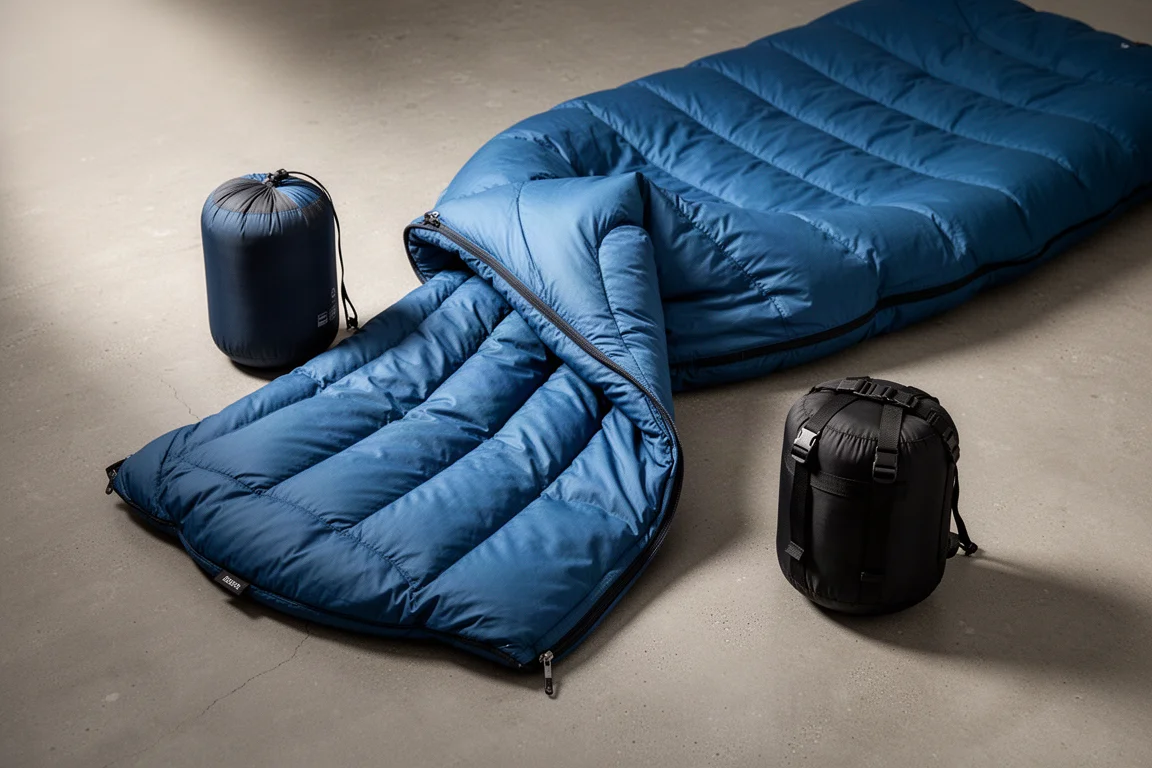
Introduction
NatureHike’s ultralight backpacking sleeping bag is a hybrid by design. Zipped closed, it is a sleeping bag. Opened out flat, it is a blanket. Configured with a foot box, or with both zippers run to the top and the opening cinched, it becomes a quilt. That range is the point: one piece of insulation that adapts to the night instead of locking you into a single format.
The headline numbers are appealing. The insulation is 650 fill down, the larger size measured 1.7 lb on an independent scale, and it compresses down to roughly 9 in by 7 in. The open questions are just as clear, and they centre on how accurate the claimed comfort rating really is and how much down works its way through the shell over time.
This is an early look based on one night out plus a close inspection of the hardware, stitching and materials. Treat the temperature claims and long-term durability as open questions rather than settled facts.
Who This Sleeping Bag Quilt Is For
This product suits backpackers and casual campers who want flexibility from a single insulation layer. Because it can be used as a blanket in warm weather and zipped into a bag when the temperature drops, it fits trips where conditions are hard to predict. It works in a tent, in a hammock when laid over the top or used inside, and in a vehicle.
The wider version is the one to consider if shoulder room matters to you. At 78.7 in long and roughly 31.5 in wide when opened flat, it offers noticeably more space across the shoulders than a narrow mummy bag, and that difference is easy to feel when you roll over during the night. The smaller version measures 74.8 in by 28.3 in and is aimed at lighter, warmer-weather use.
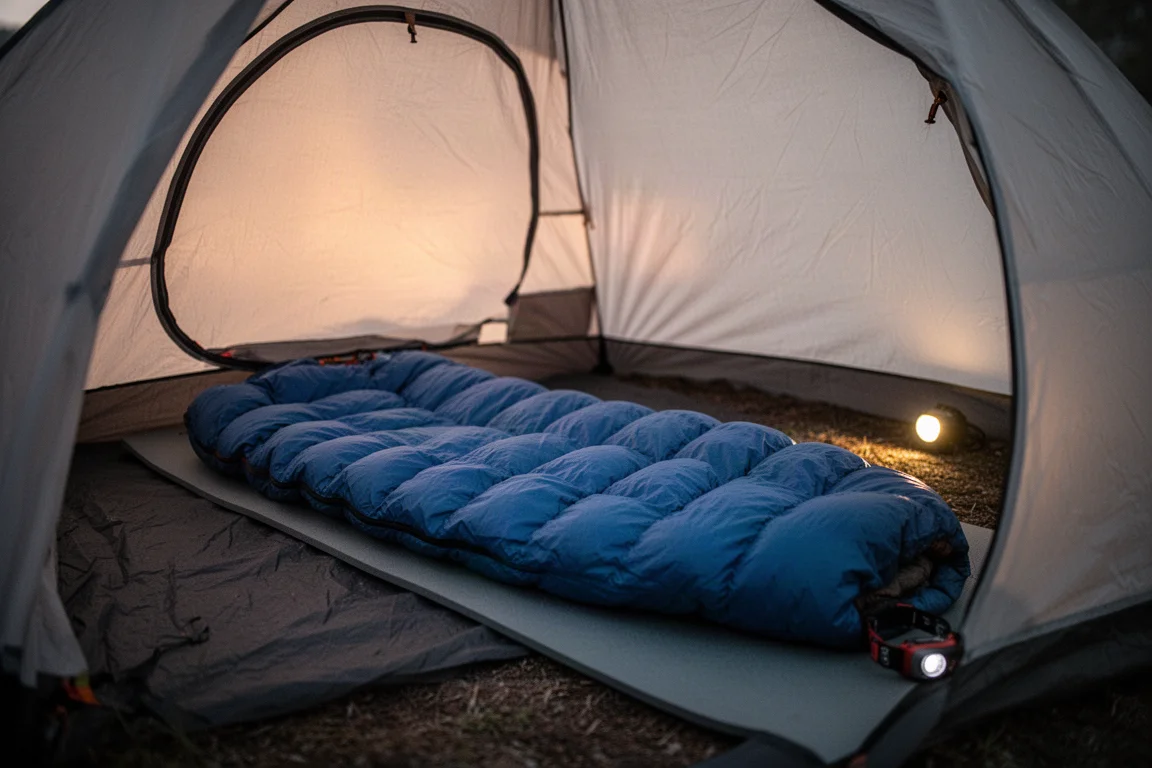
One limitation is worth stating up front: this is not designed as an under quilt for a hammock. It does not have the attachment points that setup requires, so hammock campers should plan to use it over the top or inside the hammock rather than beneath it.
Main Strengths
Versatility Across Three Modes
The zipper arrangement is what makes the hybrid concept work. A two-way YKK zipper runs the full length of the bag, so you can vent from the top, vent from the bottom, or open the whole thing flat. A zipper lock keeps it from creeping open while you sleep, and a draw cord at the top lets you cinch the opening down.
Converting to quilt mode is straightforward. Close one end to create a foot box, or run both zippers to the top, cinch the opening and use it upside down. There is no hood, which keeps the weight down and lets the piece double as a blanket without a hood bunching behind your head.
Warmth and Lightweight Down Construction
The insulation is 650 fill down, held in vertical channels that run the length of the quilt. That construction keeps the fill evenly distributed and helps it loft consistently across the body. Down is the reason this product can be both warm and light at the same time, and the measured 1.7 lb weight of the larger size is impressive for the comfort rating NatureHike claims.
The shell is 20D nylon with a durable water repellent finish on the outside, so light moisture beads up and rolls off rather than soaking in. The lining is a 400T nylon with a flatter finish, while the outer face carries a subtle sheen. Hardware sits a step above the usual budget tier, with YKK zippers throughout and Duraflex buckles on the compression straps.
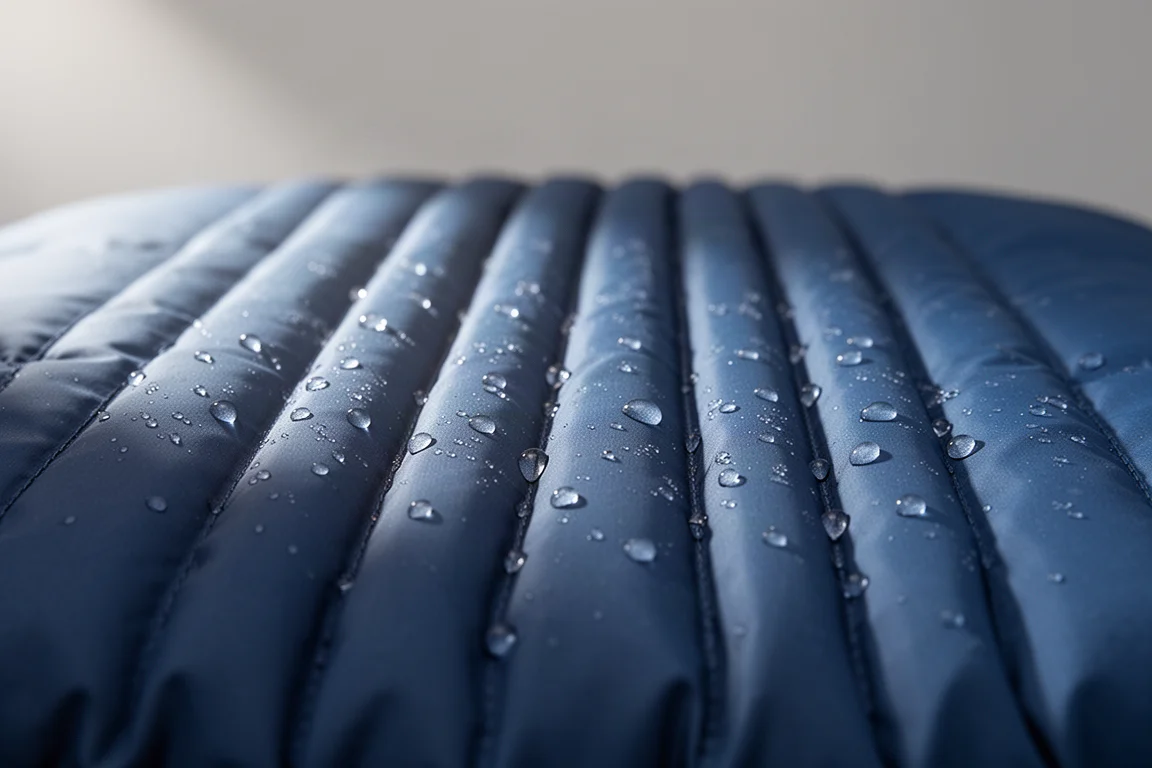
Stitching quality looks strong overall. A close inspection turned up only two loose threads across the entire build, which is a good result given how much stitch work goes into a product like this.
Packability and the Compression Bag
The included compression bag is one of the more thoughtful parts of the package. Three compression straps, one of them closed with a Duraflex buckle, pull the load down to roughly 9 in by 7 in. A grab tab at the base makes it easy to pull the bag out, and a draw cord closes the top.
Just as importantly, the compression bag is large enough to get the sleeping bag back inside without a fight. That sounds like a small thing until you have spent ten minutes wrestling a bag into an undersized stuff sack. A mesh storage bag is also included for long-term storage, which matters for a down product because leaving it compressed for months on end is not advisable.
Things to Consider Before Buying
Down Loss
Any down-filled product sheds a few feathers through the shell, and this one is no exception. After a night out, three down feathers were found, and another could be pulled out during inspection. That is not alarming on its own, but it is more than you would ideally see, and the long-term rate is still unknown. If minimizing down loss matters to you, treat this as something to monitor rather than a solved issue.
Temperature Rating and No Hood
NatureHike rates the larger version at a 42°F comfort limit and the smaller version at 51.8°F. The larger size is therefore the warmer of the two, and it is the version to choose for shoulder-season trips and cooler sleepers.
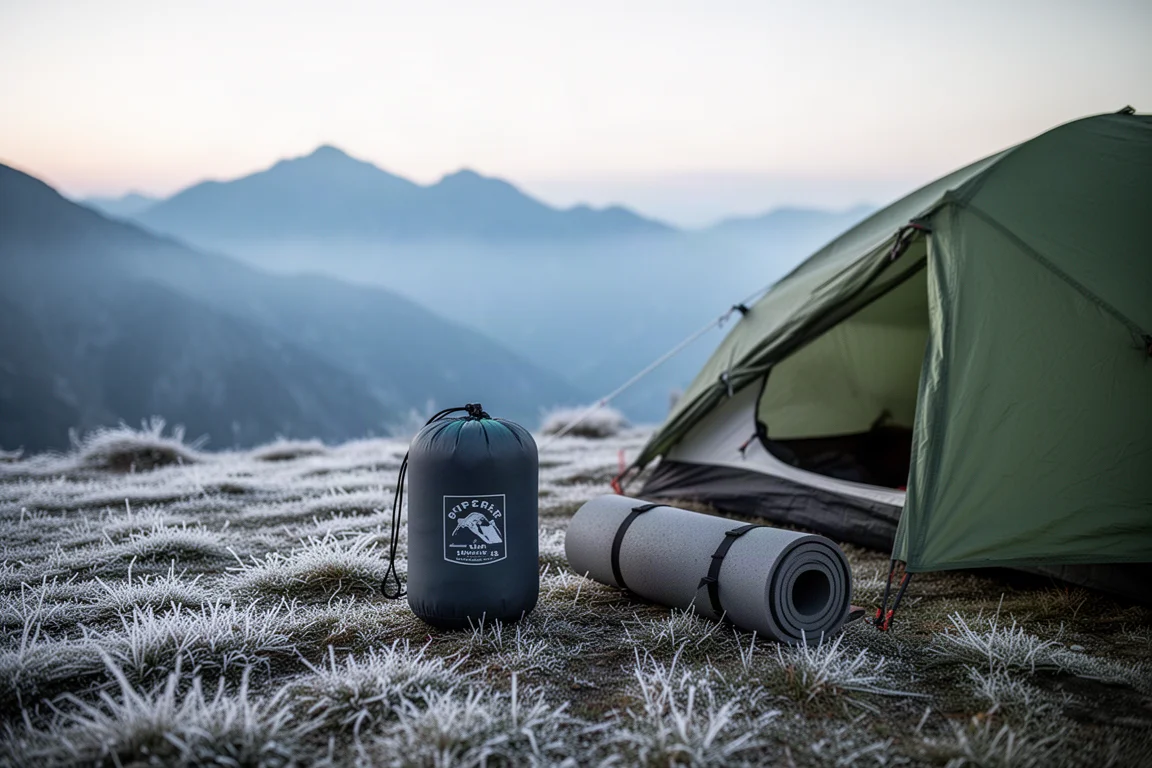
In practice, one night out with temperatures dropping to around 55°F was comfortable, first in blanket mode early in the evening and then in sleeping bag mode as it cooled. That is a long way from 42°F, so the claimed comfort rating remains unverified at the colder end. The lack of a hood also means you will want a warm hat or a hooded layer for cooler nights.
Confusing Listing Options
This is worth flagging clearly. The line is sold in two colours, blue and green, and five configurations appear under a single listing. The two blue sizes are the clearest: a larger version and a smaller version. The green options appear to follow the same smaller and larger split, but the details are not laid out clearly enough to be certain, and a fifth blue option is listed at a very different price with no obvious explanation of how it differs.
The practical advice is simple. Read the size and temperature details carefully before ordering, and if a listing does not tell you which size and rating you are getting, ask before you buy.
Buying Advice
At $99 for the larger blue version and $67.91 for the smaller one at the time of writing, this is a fair price for a 650 fill down product with YKK zippers and Duraflex hardware. The value case rests on the comfort rating holding up in genuinely cold conditions, which is the one thing that has not yet been tested.
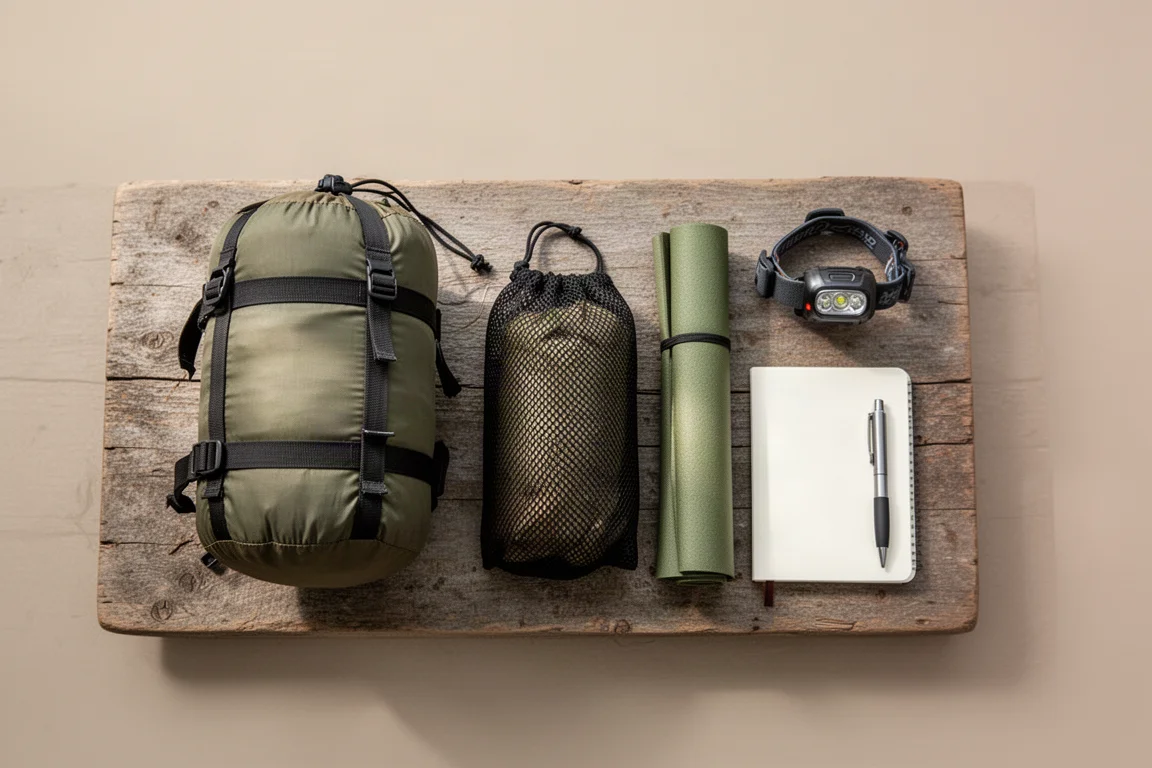
Choose the larger, warmer version if you sleep cold, want more shoulder room, or plan to camp into the shoulder seasons. Choose the smaller version if you are counting grams and expect milder nights. Whichever you pick, confirm the size and temperature rating before checkout, and store the bag in the mesh sack rather than the compression bag between trips.
Conclusion
This is a genuinely versatile piece of insulation. It works as a bag, a quilt and a blanket, it packs down to roughly 9 in by 7 in, and it weighs 1.7 lb in the larger size. The hardware and materials are a cut above what the price suggests, and the compression bag is clearly designed by someone who has actually tried to repack a sleeping bag.
Two things to keep in mind: some down loss is present, and the 42°F comfort rating still needs to be proven in cold weather. Neither is a dealbreaker, but both are worth knowing before you commit. For campers who want one flexible layer for three-season evenings, this is a strong contender.
Product link
View more details for NatureHike Ultralight Backpacking Sleeping Bag
This product is mentioned in the review. Check the specifications, options, and compatibility before buying.
View more details for NatureHike Ultralight Backpacking Sleeping BagFurther reading
Related Reviews
Camping Sleeping Bags
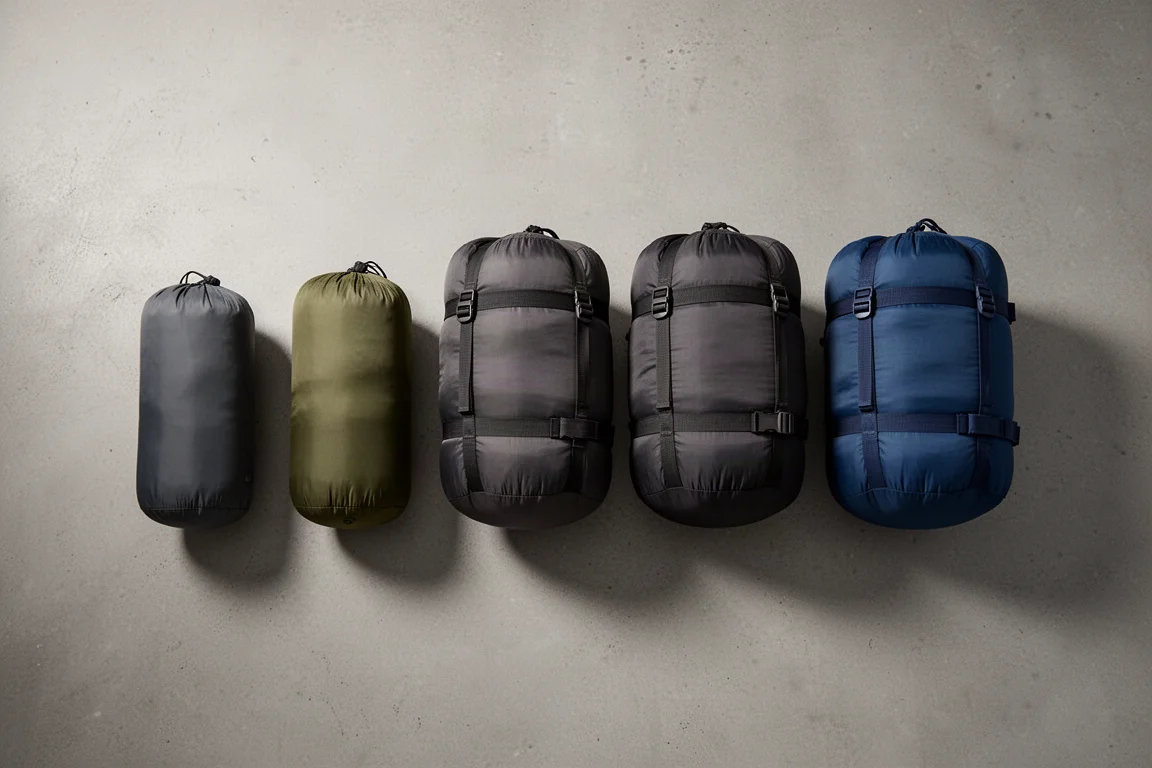
OEX Sleeping Bag Range Review: Five Options from Summer Liner to Four Season Bag
A practical look at five OEX sleeping bags and liners, from a light summer liner to a four season bag, with current pricing and what to check before buying.

Backpacking Gear
Building a 10 lb Base Weight: An Ultralight Backpacking Gear List
A practical walkthrough of the ultralight pieces behind a 10 lb base weight, from a 765 g pack and a roomy one-person tent to a full camp chair and a dependable water filter.
Backpacking Gear
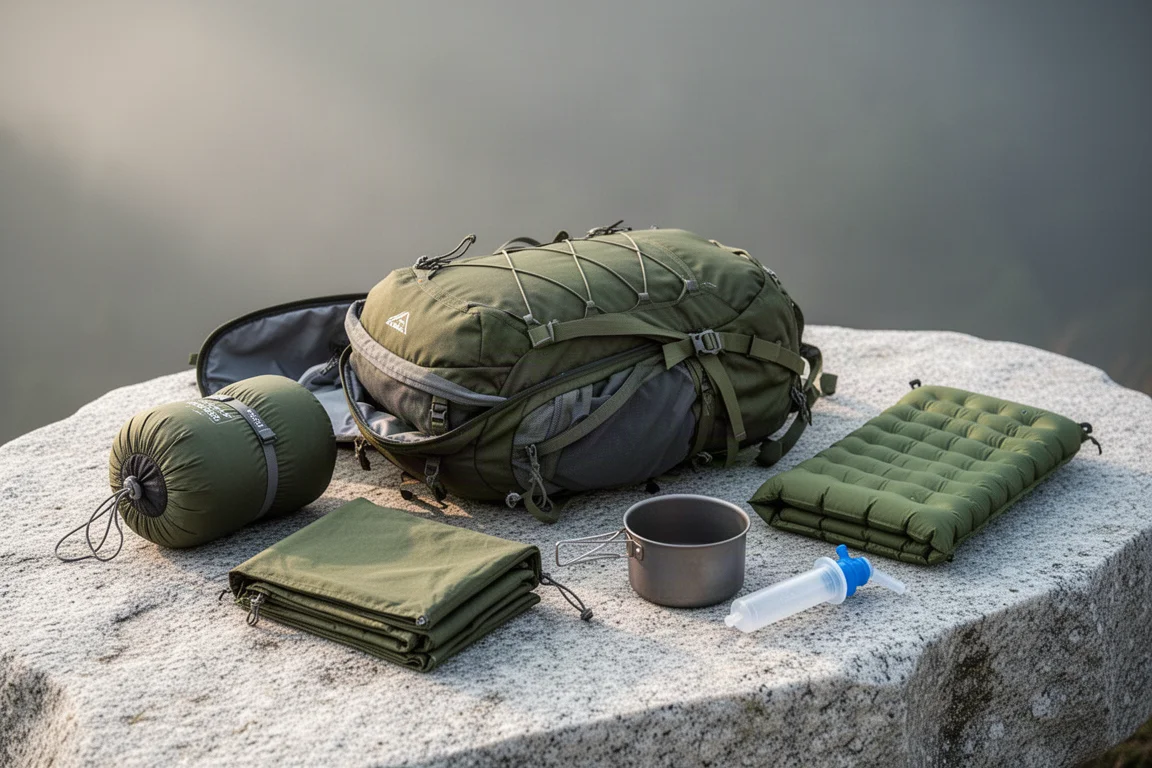
A 15-Pound Lightweight Backpacking Gear List for Solo Trips
A beginner-friendly 15-pound backpacking setup built from easy-to-find gear, with notes on what each piece does, how it packs, and where to spend your attention.