Camping Tents
Naturehike Tents Ranked: Five Models for Backpackers and Wild Campers
A practical ranking of five Naturehike backpacking tents, from a roomy three-person model to the two-person tent that has survived the worst weather.
Introduction
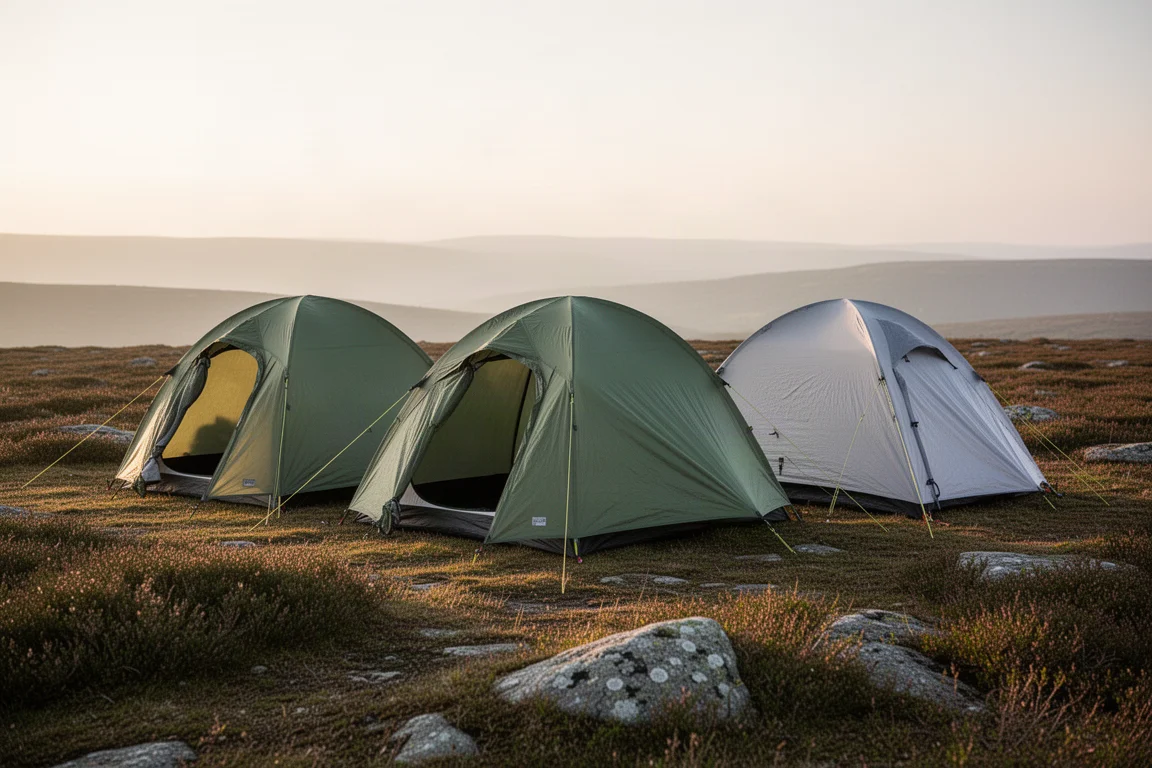
Naturehike has built a strong following among backpackers and wild campers by offering tents that pitch easily, feel spacious inside, and stay affordable. The range is broad enough that choosing between models can be genuinely confusing, so this ranking puts five Naturehike tents in order based on time actually spent camping in them.
Only models and versions that have been used are included here, and several of them have since been updated. Preferences differ from person to person, so treat this as one set of field experiences rather than a universal verdict.
How These Tents Were Ranked
Five things shaped the order. First, how each tent behaves in wind and rain. Second, how much usable interior space it offers relative to its packed size. Third, how quickly and simply it pitches. Fourth, weight, which matters most to solo hikers. Fifth, the smaller details such as door layout, ventilation, and how many points there are for attaching extra guy lines.
One feature shared across the range deserves a mention early. Many people assume Naturehike tents must be pitched inner first, but they usually ship with an additional floor mat that lets you lay out the frame and outer skin first and hang the inner tent afterwards. In dry summer conditions you can take just the inner, or use just the outer as a tarp-style shelter.
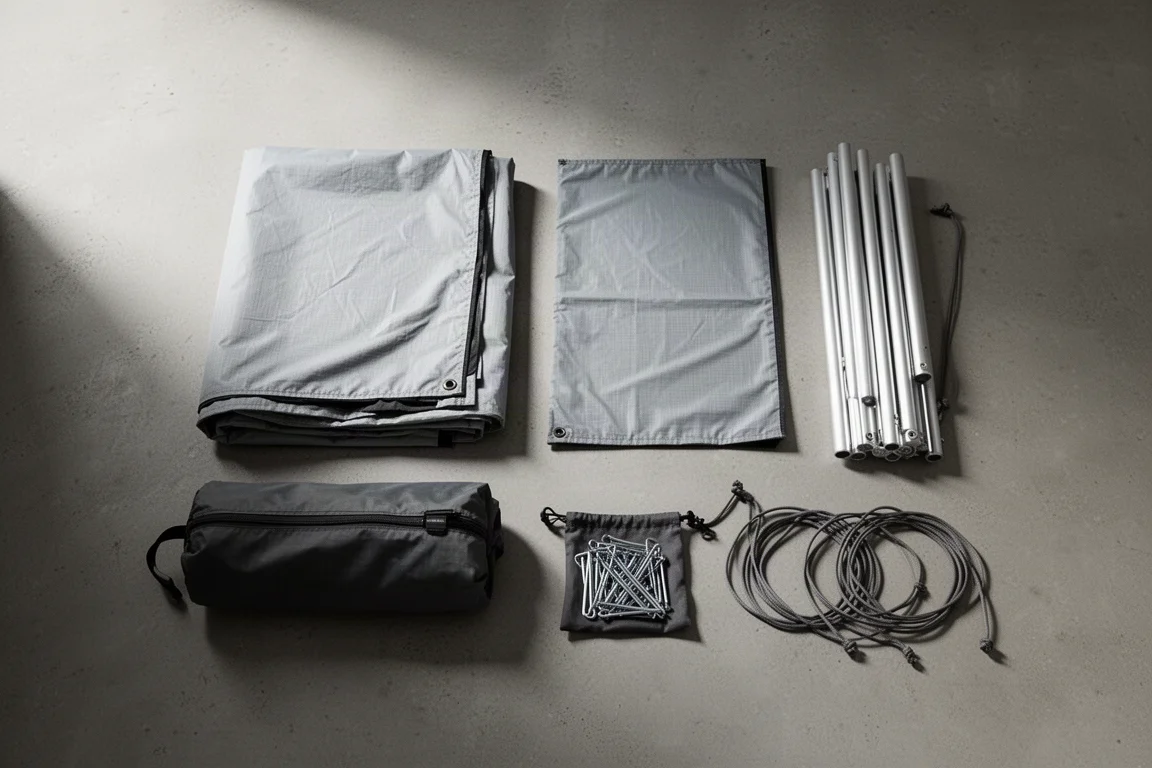
That flexibility is a genuine advantage for anyone camping in mixed weather, because it gives you options instead of one fixed setup.
Ranked 5th: Naturehike Cloud Up 3
The Cloud Up 3 is a three-person tent, and that is the main reason it sits at the bottom of this list for a solo hiker. It remains a good tent, but it is larger and heavier than the one- and two-person options here. The trade-off is space, and there is plenty of it.
This particular version is an older one, without a rear window and without the additional side guy lines that help support the structure. It pitches freestanding with four points, a trait shared across the range, and access is through a single front door rather than a side door. Front-door designs have been used extensively here and the single entry has never been a practical problem. It is also one of the lighter three-person tents on the market, so a solo hiker who wants a lot of room without an unreasonable load could still make it work.
Ranked 4th: Naturehike Star River 2
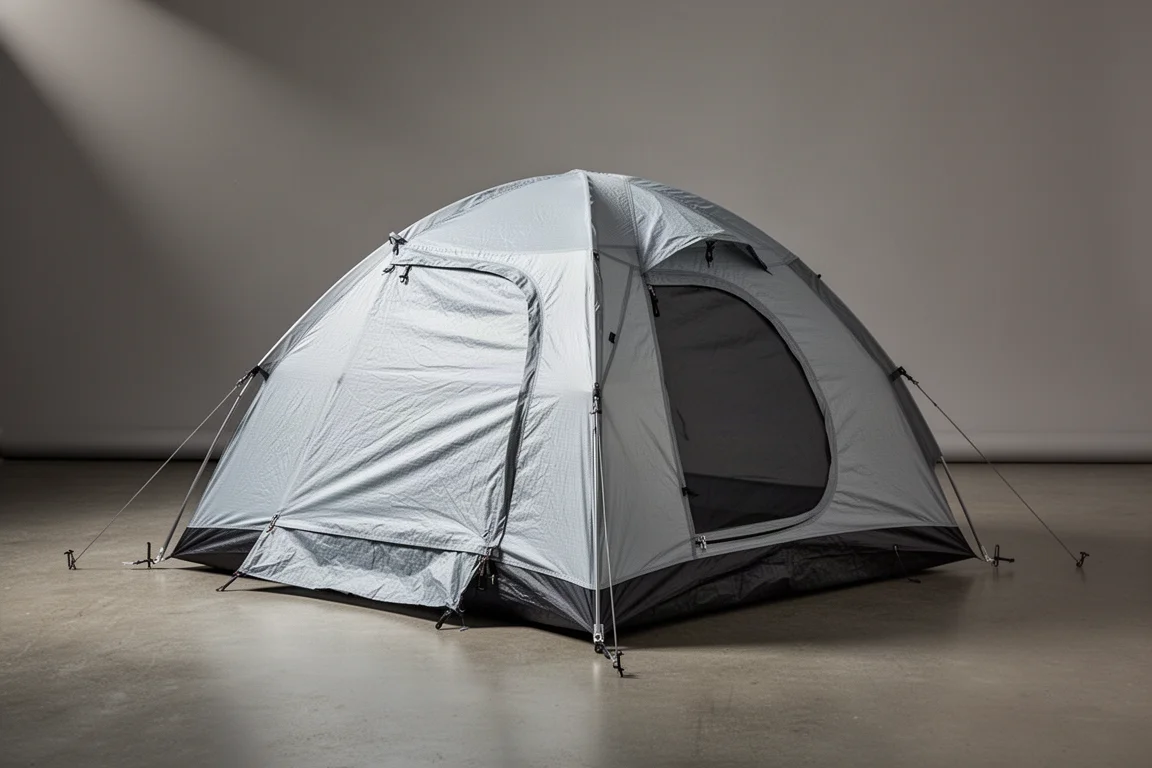
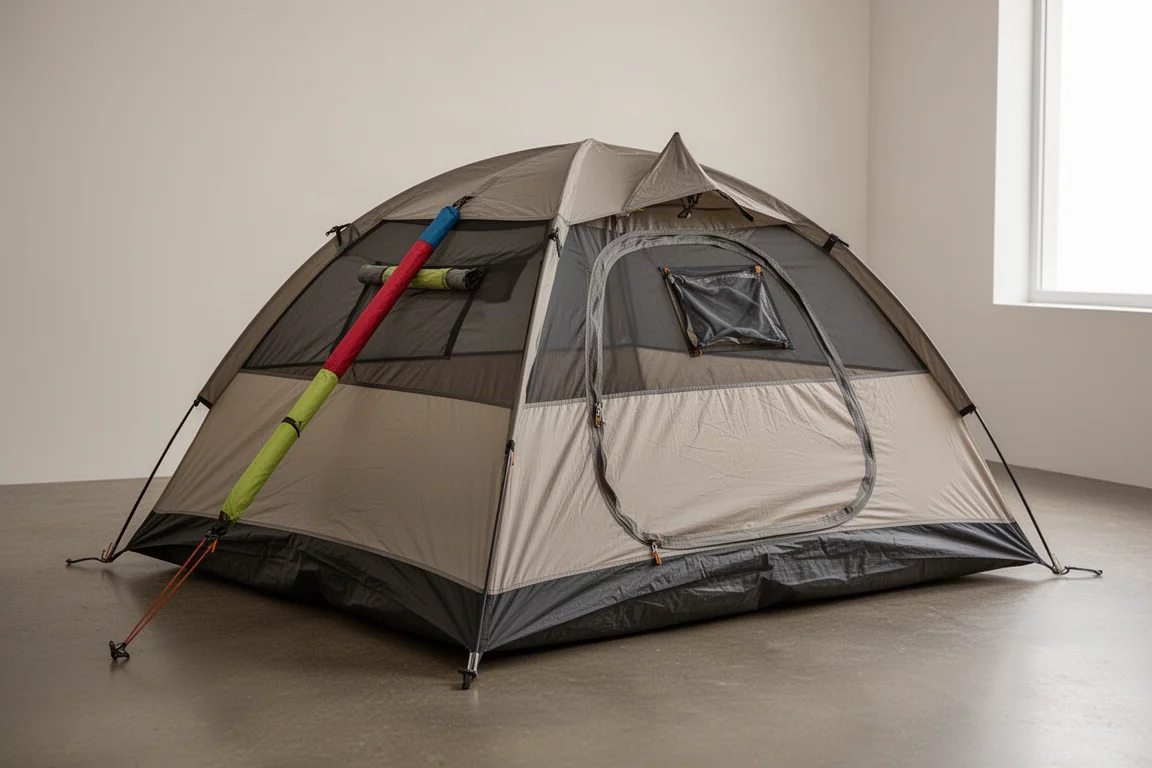
The Star River 2 is a two-person tent that is slightly heavier than the Cloud Up 2 but noticeably more spacious. Its best feature is a door on either side. Being able to sit and take in the view from both directions changes how a tent feels over several days, and a cross member across the top adds useful headroom inside.
Two things held it back. The version used here had a snow skirt that flapped through the night, which is fixable but irritating in the moment. The larger issue was warmth: even in summer, a tent this size takes longer to warm up when you are on your own, and nights inside felt cold. Smaller tents hold heat more easily, so this one suits two people far better than one.
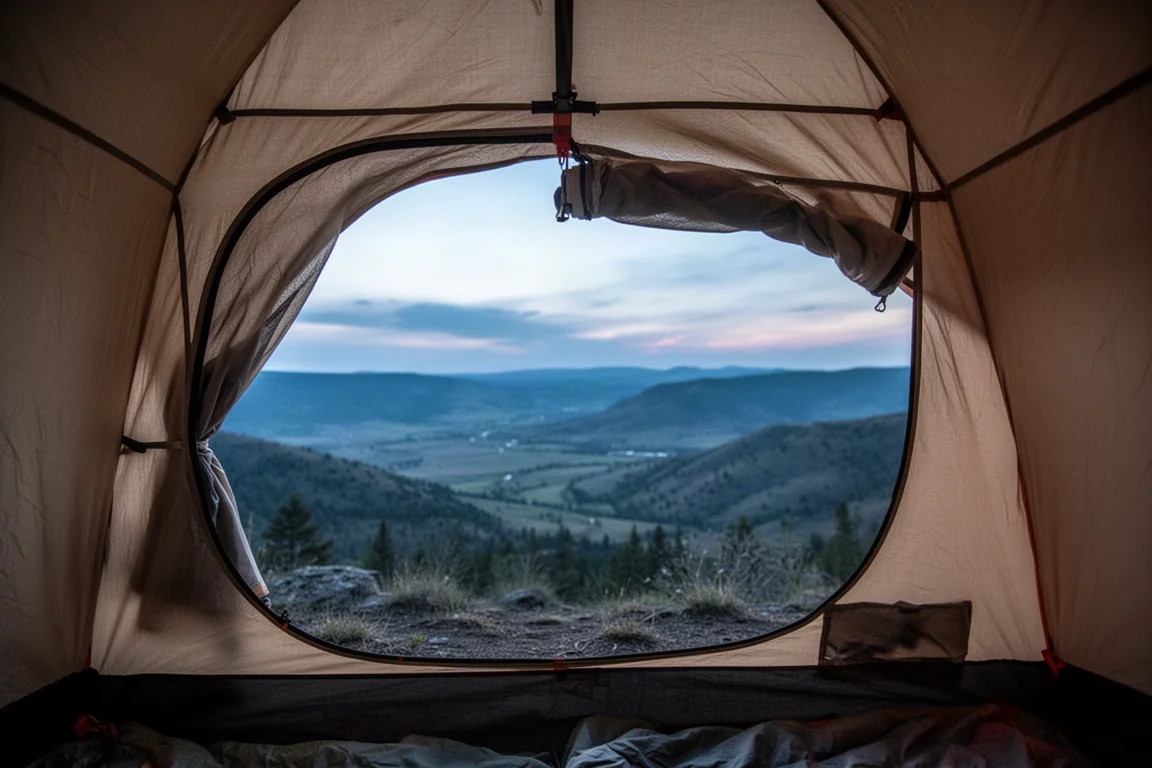
For pairs who value interior space and a view from either side, the Star River 2 remains a sensible choice, and it is by no means a poor tent.
Ranked 3rd: Naturehike Cloud Peak 2
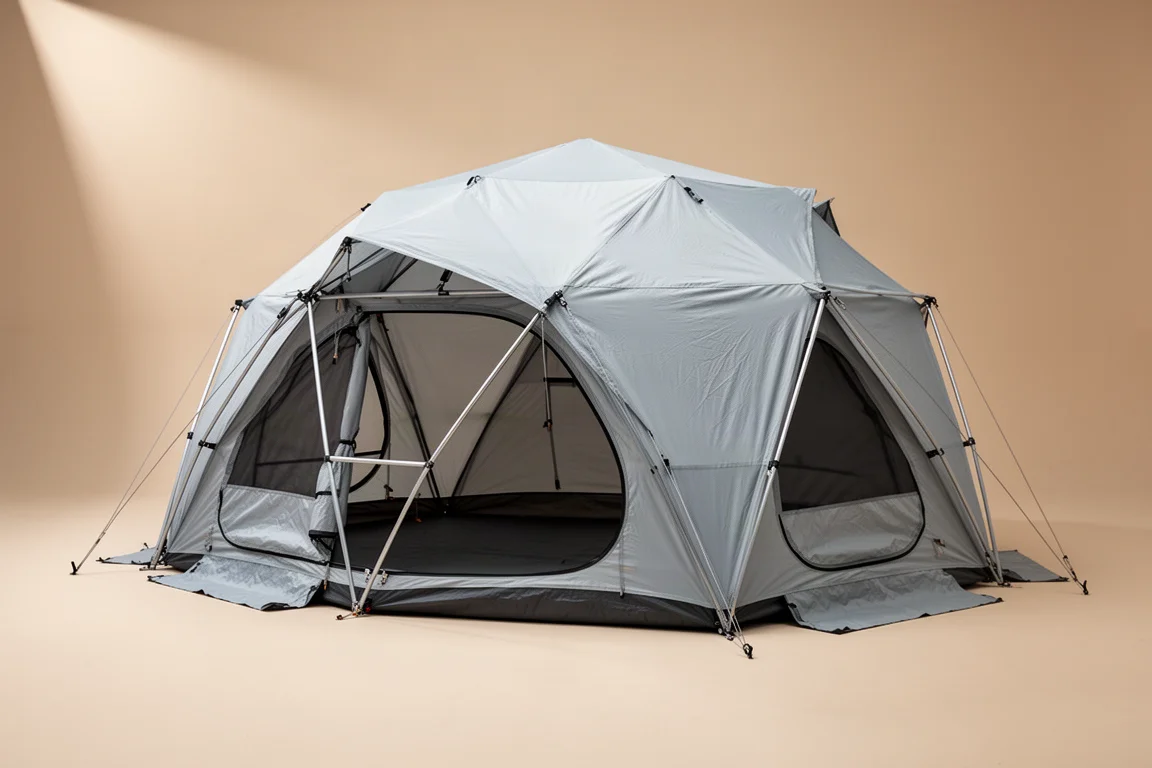
The Cloud Peak 2 has a strong reputation, and it earns third place on resilience rather than convenience. Its geodesic pole layout means the poles cross over each other, making the whole structure noticeably more rigid. There are two doors, and the three-way door design lets you open an entire side and fold it all the way back.
It has been taken out in genuinely strong winds and survived the night upright and dry, if a little battered. The trade-offs are weight and price: it is slightly heavy for a two-person tent and costs more than the other models here. Pitching takes more effort, and the cap on the top needs tying down properly or it can be lost. Availability is another consideration, since stock tends to sell out and prices climb when it does. For cold, exposed, and windy conditions this is the tent to reach for.
Ranked 2nd: Naturehike Vik 1
The Vik 1 is a one-person, single-skin tent, and it is a genuinely enjoyable one to use. It is very light, pitches quickly, and pulls drum tight once standing. The single-skin design is also its main weakness: it runs cold in winter and suffers from condensation. This is an older version, and newer versions are reported to add more ventilation to help it breathe.
The roof vents are pushed open from the inside and held with velcro, and the windows are designed to stay open. Even so, water can flick through at times. There is also limited scope for extra guy lines on the sides, so stability in strong wind depends largely on the frame and the corner pegs. Space is tight once a sleeping mat and bag are inside, with nowhere left for gear. For fair weather camping it is excellent.
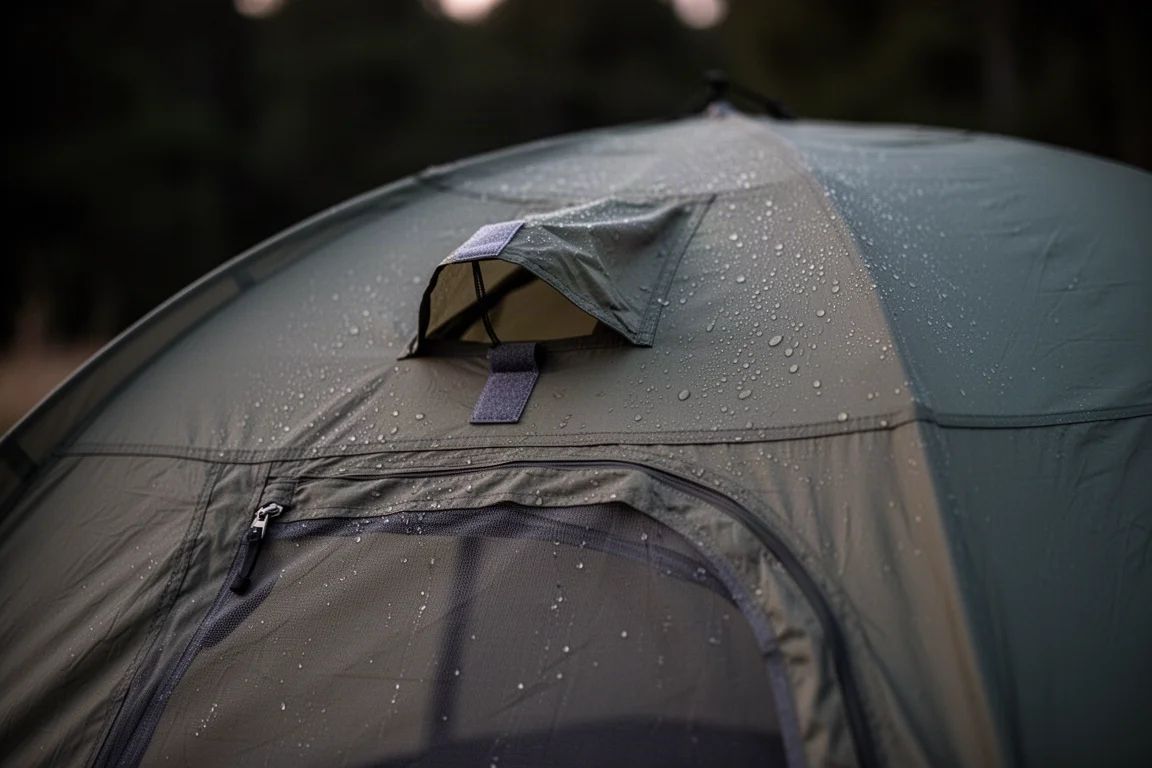
Used repeatedly through a season as a go-to option, it stayed up in the wind and remained easy to live with apart from the condensation.
Ranked 1st: Naturehike Cloud Up 2
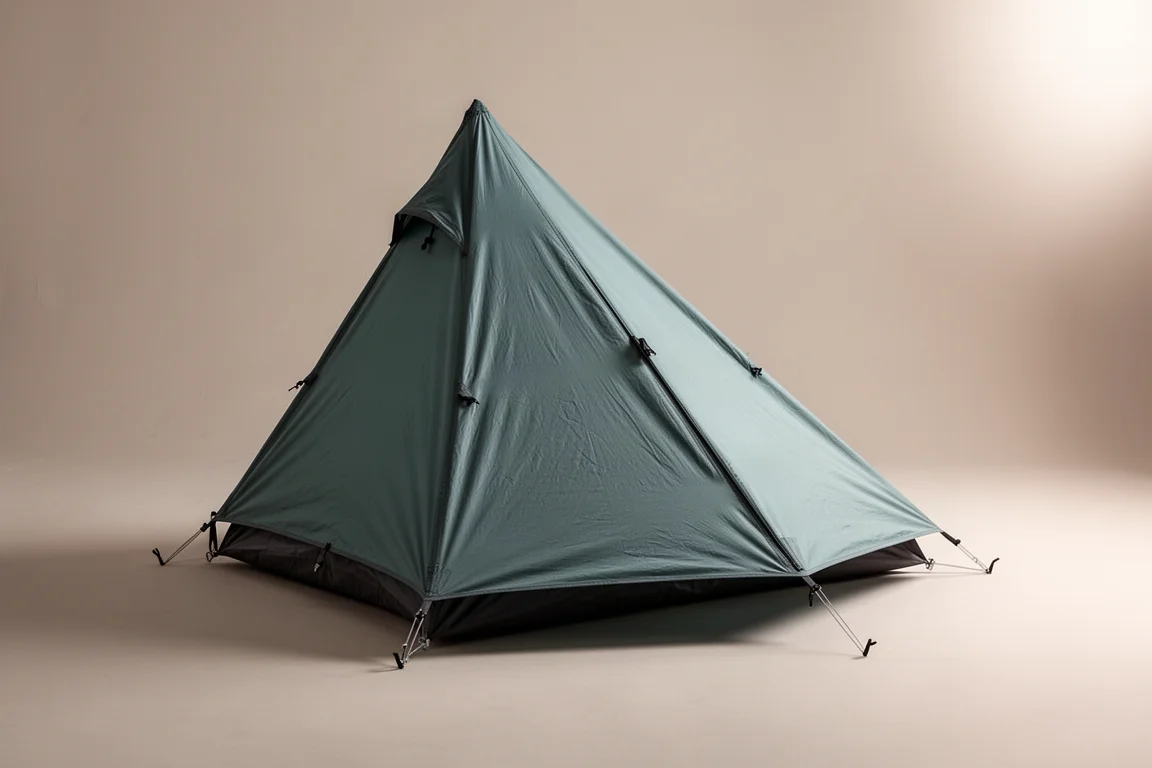
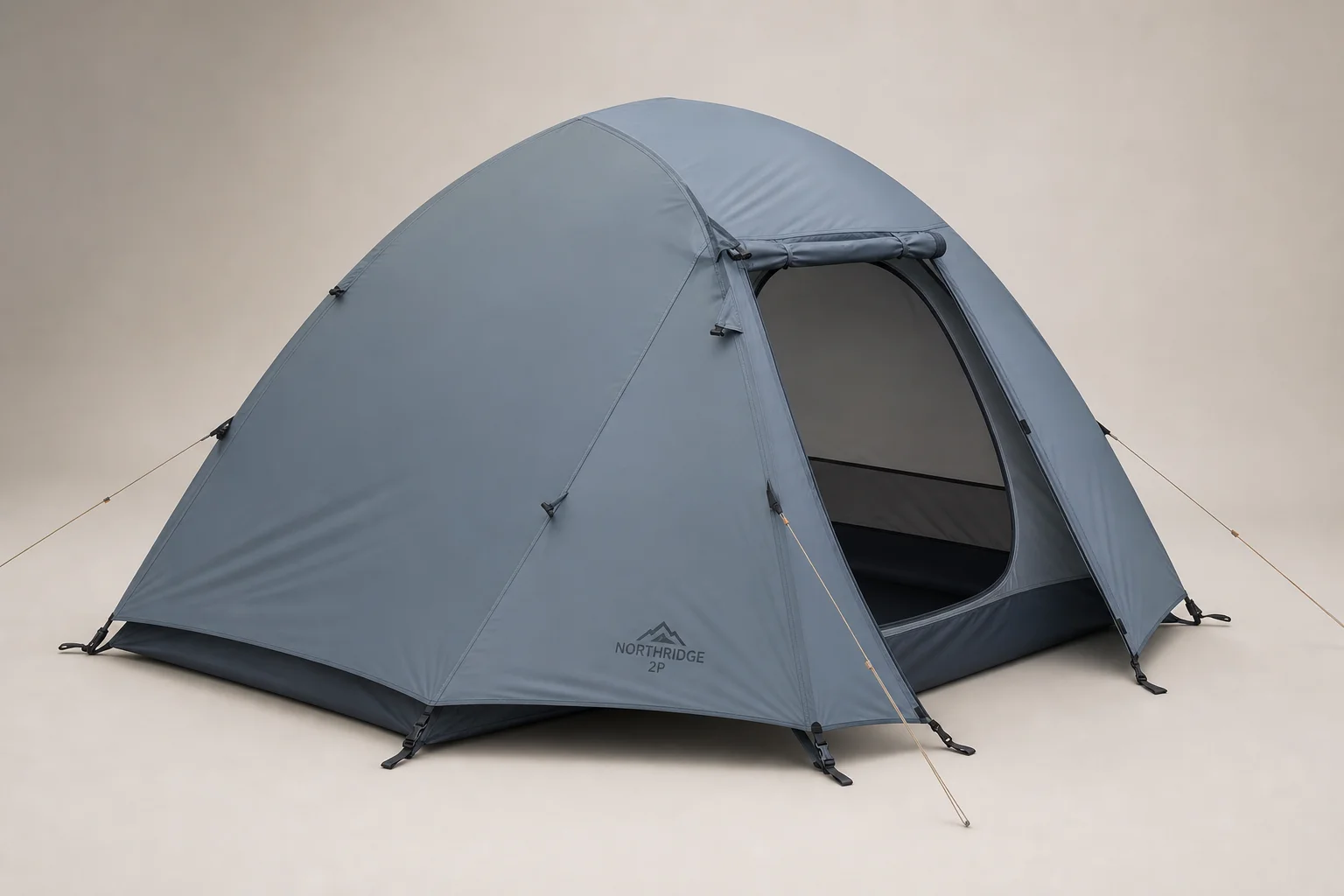
The Cloud Up 2 takes the top spot because it has been used in the worst conditions and kept coming back for more. It has been pitched through torrential rain and gale force winds, flapping hard but staying upright. On one trip the wind was strong enough to destroy a neighbouring tent and badly damage this one, yet after re-pitching the following week there were no bent poles, no tears, and no lasting damage.
One lesson came out of that trip: tying a single additional guy line to the rear window stops the back end from collapsing in high wind. Since then the tent has been used in strong winds, including a night camped on a mountainside, and it held firm all night. A second, olive green version was bought afterwards simply because the first proved so dependable.
Buying Advice: Choosing the Right Naturehike Tent
Match the tent to the trip rather than to the ranking. A solo hiker in settled weather gets the most from the Vik 1, which is light, quick to pitch, and easy to carry, though it is condensation-prone and best avoided in winter. Two people who want space and a view from both sides should look at the Star River 2, accepting the extra weight and the slower warm-up on cold nights.
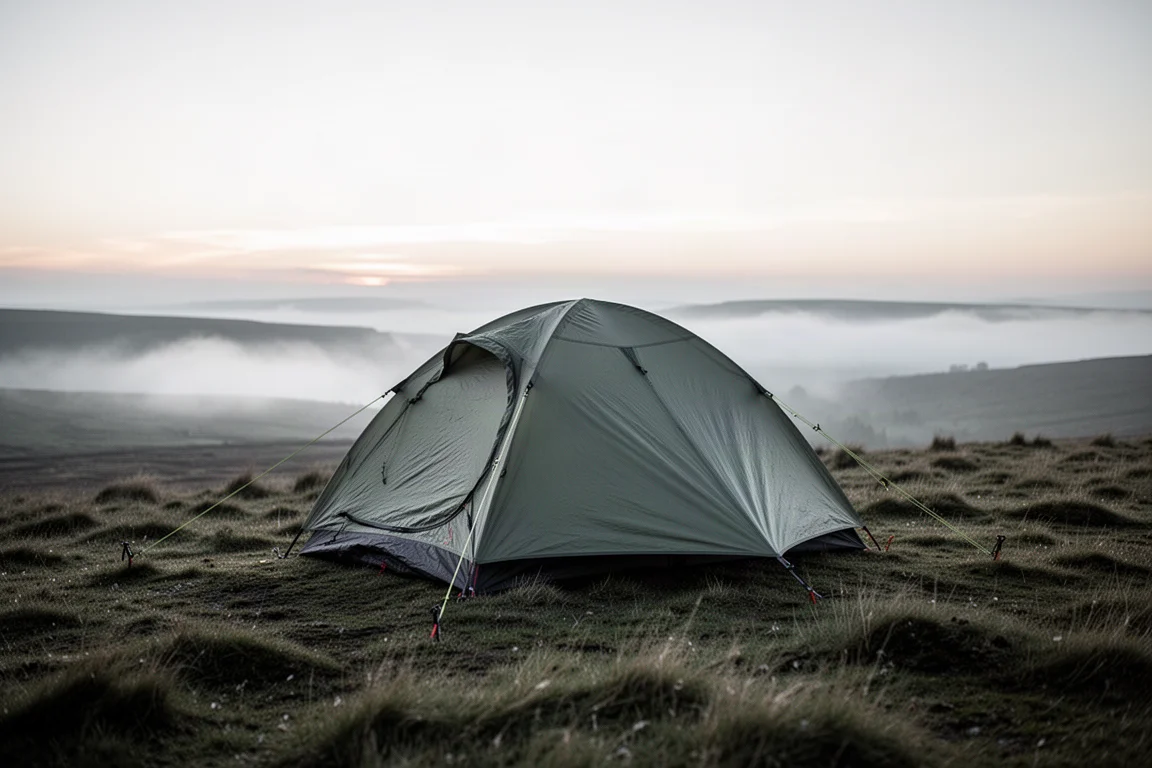
Anyone camping in exposed, windy, or cold conditions should prioritise the Cloud Peak 2 for its rigidity, and should budget for the higher price and the extra effort of pitching it correctly. The Cloud Up 2 is the safest all-round pick if you only want one tent, since it handles rough weather, pitches easily, and has proven durable. The Cloud Up 3 makes sense mainly for families, groups, or solo campers who want a lot of interior room and are willing to carry a heavier pack. Whichever model you choose, learning the floor-mat pitching method and packing one spare guy line will make the tent noticeably more useful.
Conclusion
Five tents, five different jobs. The Cloud Up 3 is the roomy option, the Star River 2 is the spacious two-person tent with a view from either side, the Cloud Peak 2 is the weatherproof specialist, the Vik 1 is the lightweight fair weather companion, and the Cloud Up 2 is the dependable all-rounder that has already proved itself. Pick the one that matches how and where you actually camp, and any of them will serve you well.
Further reading
Related Reviews
Camping Tents
3F UL Gear Taiji Two-Person Tent Review: Field Waterproofing Results and Buying Advice
The Taiji pairs an attached fly with a removable inner, but sustained rain exposed untaped vent seams that need sealing before this shelter can be trusted.
Camping Tents
3FUL Gear Lanshan 2 Pro 4-Season Review: A Sub-$200 Single-Wall Trekking Pole Tent
An early look at the 3FUL Gear Lanshan 2 Pro 4-Season, covering its straightforward pitch, generous interior space, and the condensation and seam-sealing questions that come with any single-wall shelter.
Camping Tents
Alps Mountaineering Lynx 1-Person Tent Review: Big Value in a Small Budget Tent
A close look at the Alps Mountaineering Lynx 1-Person Tent, covering real interior dimensions, materials, setup time, ventilation limits, and who should buy it.