Camping Tents
Naturehike Tagar 2 Review: A 1.24 kg Two-Person Tent for Backpacking
A close look at the Naturehike Tagar 2, a two-person single-skin tent that weighs around 1.24 kg, includes a footprint and pitches in about five minutes.
Introduction
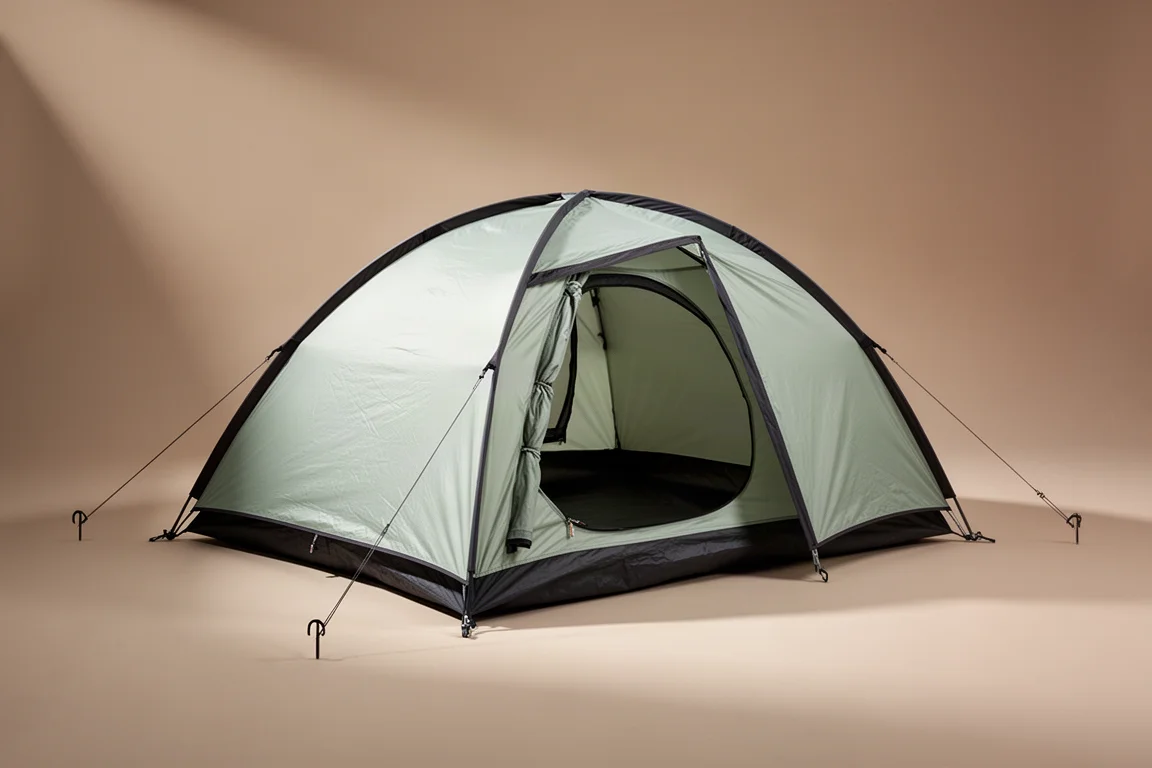
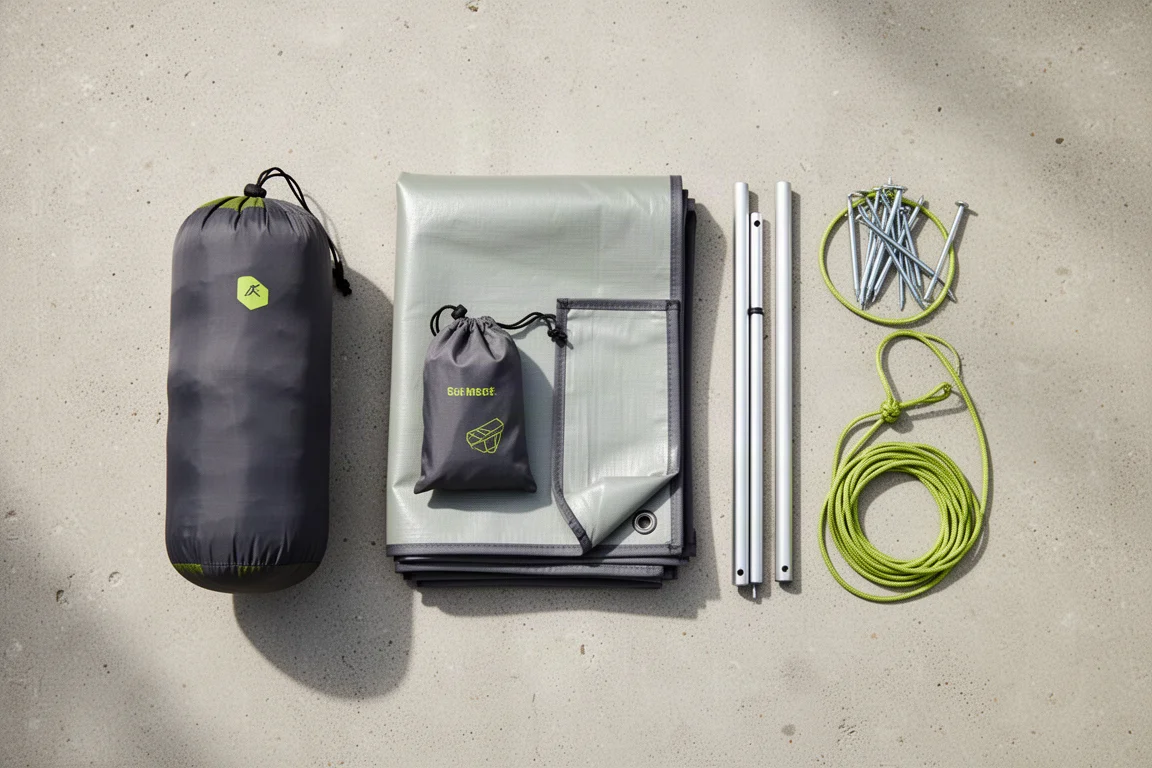
The Naturehike Tagar 2 is a two-person, single-skin tent built around two priorities: a low packed weight and a pitch that does not take long to learn. It arrives as a complete package, with a separate floor covering included alongside the tent body, poles, pegs and guy lines, so there is no need to buy a footprint as an extra.
The full kit, footprint included, weighs around 1.24 kg. That is a competitive figure for a shelter that sleeps two, and it keeps the Tagar 2 relevant for trips where every gram in the pack matters. Naturehike also prints the pitching instructions and the parts list inside the carry bag, which removes some of the guesswork from the first setup.
Who the Naturehike Tagar 2 Is For
This is a tent for backpackers and campers who want a light two-person shelter without a fiddly or lengthy pitch. It suits anyone who prefers a straightforward single-skin design, who is willing to peg a tent out properly, and who wants a bit of covered space for a pack or boots rather than a bare sleeping box.
It also works well for solo campers who want room to spread out. The interior is long enough to lie down with a comfortable gap at the head end while the feet sit near the base, and there is enough height to sit up inside.
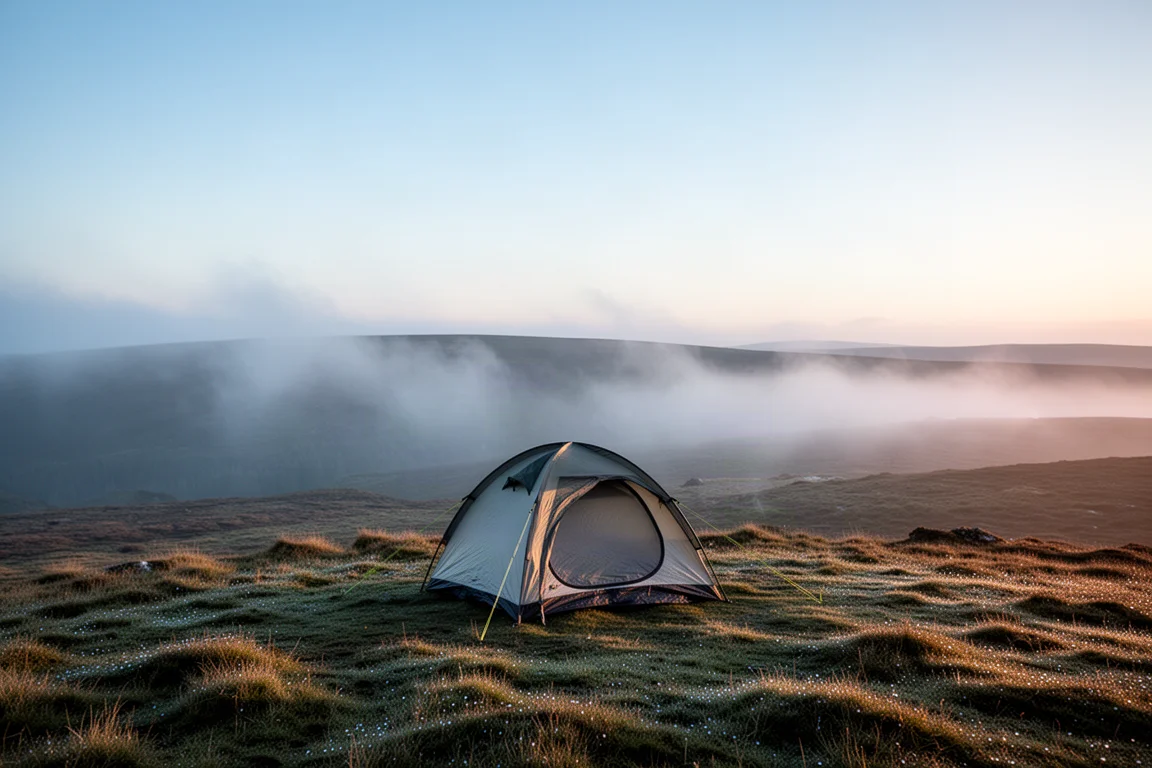
Because the tent is not freestanding, it is best matched to campsites and pitches where pegging out is possible. Campers who often sleep on hard or rocky ground, or who expect to reposition the tent without re-pegging it, will want to weigh that trade-off carefully before committing.
Main Strengths: Low Weight and a Complete Packed Kit
The headline strength is the weight. At around 1.24 kg for the complete kit, the Tagar 2 stays light enough for multi-day trips while still offering two-person capacity and a small vestibule.
The included floor covering adds real value. It protects the base of the tent and can be stored inside the main package, which keeps everything in one bundle and saves carrying a second bag. Packing the footprint with the tent also means one less item to remember on the way out of the door.
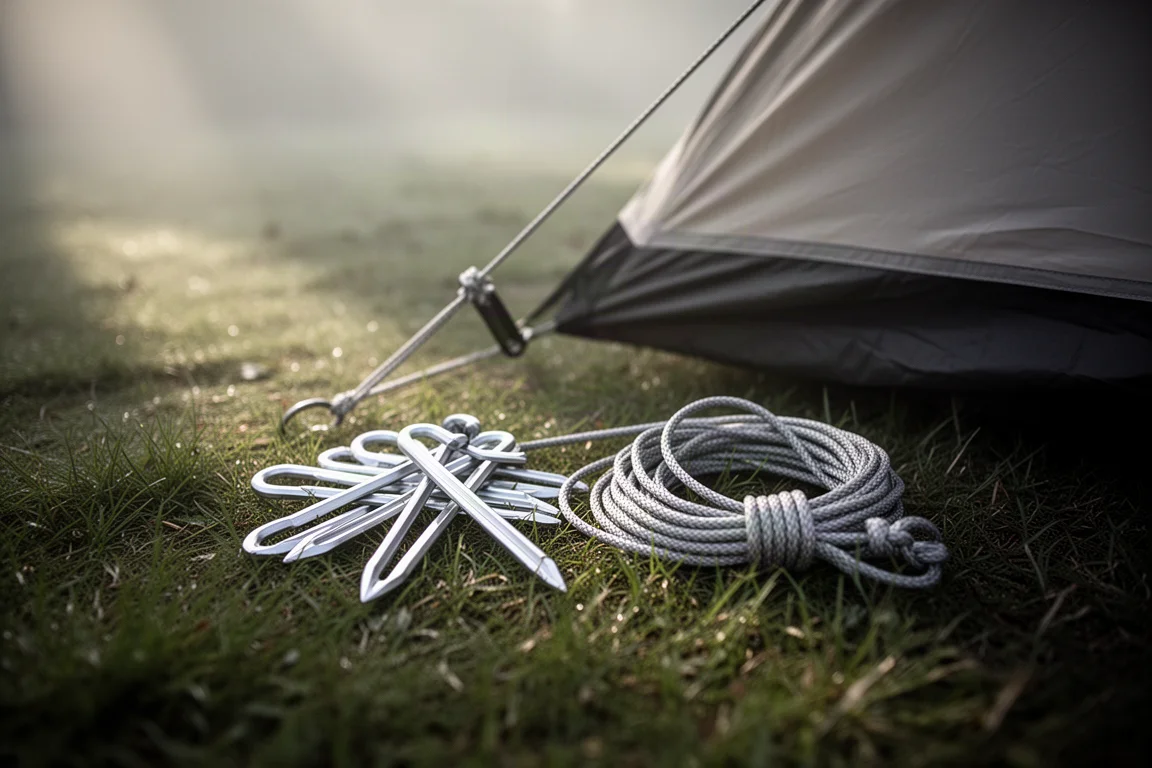
The peg set is another practical detail. The kit includes twelve lightweight alloy pegs with a twisted, spiralled profile that is designed to bite into the ground, plus a spare guy line, all held in a small lime green bag. Labelled storage like this, together with the printed parts list inside the carry bag, makes the kit easy to manage on a first outing and easy to keep track of afterwards.
Pitching the Tagar 2: Poles, Pegs, and Setup Time
The pitch follows a familiar sequence. The tent body poles thread through the pole sleeves and then hook into place at the corners. A short cross pole clips across the top to tension the structure and hold the shape, and the pole tips seat into their corresponding anchor points to stand the tent up.
From there the corners are pegged out and pulled as tight as possible at both the front and the back. The tensioning step matters: the fabric can look slack at first, and a second pass around the corners removes most of the flapping. Setup took roughly five minutes in practice, without rushing.
Once the body is standing, the remaining work is small. The vestibule gets pegged, the door rolls back and ties off, and guy lines go on if the weather calls for them. The kit includes one spare guy line, and there are additional attachment points for tying on more when conditions justify it.
Living Space, Storage, and Ventilation
Inside, the Tagar 2 is roomier than the packed weight suggests. There is enough headroom to sit up, and enough length to lie down without feeling compressed at both ends. One side of the inner tent has a small window with a stash area behind it, handy for keeping small items off the floor, and there is a hook for hanging a lantern.
The vestibule on one side is a decent size. It takes a backpack comfortably, and it is wide enough that two roll mats could be laid in it if needed. That covered space makes a real difference on wet trips, since boots and packs can stay out of the sleeping area.
Because the tent is single skin, ventilation is the thing to watch. Breathability in humid or still conditions is the main open question with this style of construction, and leaving the door or window open where conditions allow will help keep condensation in check overnight.
Weather Protection and Stability
The Tagar 2 is not freestanding, and that shapes how it behaves in wind. It relies on a taut pitch and well-placed pegs to hold its shape, so it can move around more than a freestanding design once the wind picks up.
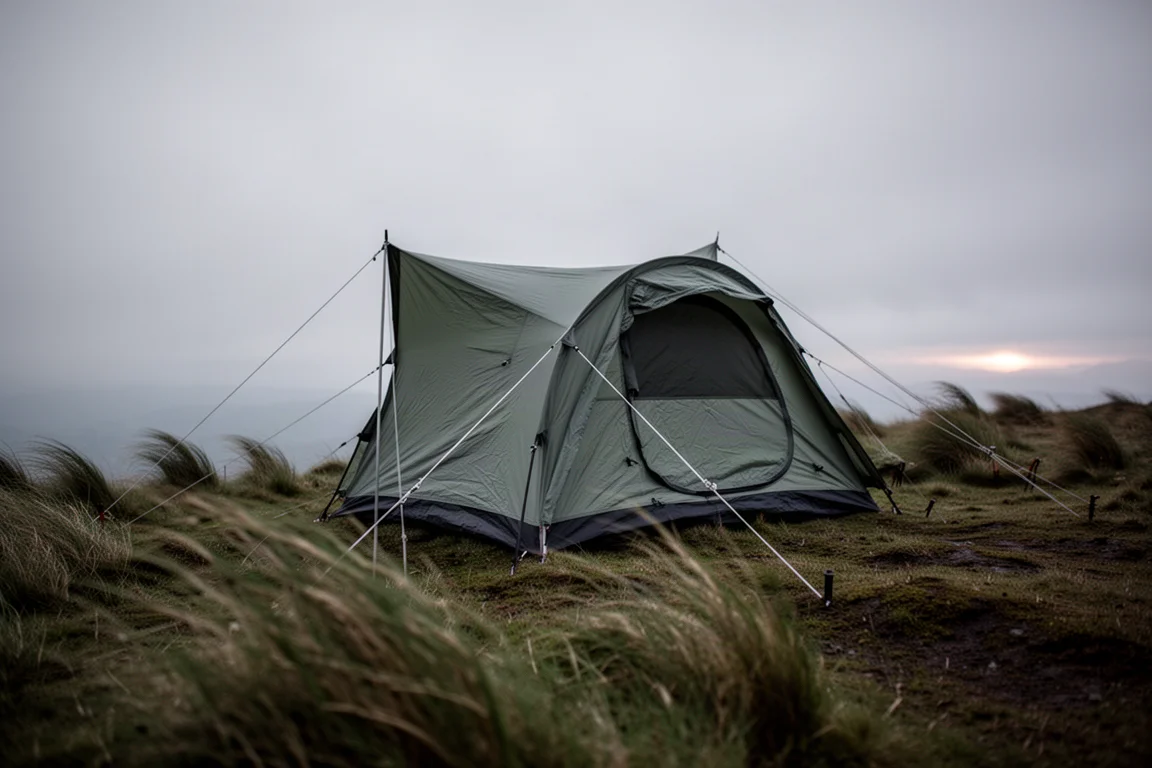
The answer is the guy lines. There are four attachment points at the front of the tent, and extra lines can be tied on to stiffen the structure further. Pulling the corners tighter and adding those lines takes only a few minutes and makes the tent noticeably more settled in breezy conditions. It is worth treating the guy lines as part of the standard pitch rather than as an optional extra.
Things to Consider Before Buying
Weight and completeness are the strong points here, so the trade-offs are mostly about construction and pitch style. A single-skin tent asks more of the camper: condensation management, careful tensioning and a willingness to peg everything out properly.
Not being freestanding is the other factor. On ground where pegs will not hold, or on a platform where pitching options are limited, this design is harder to work with than a self-supporting tent. The Tagar 2 also rewards a little patience on the first pitch. The instructions inside the bag help, but the corners generally need a second pull before the fabric sits tight.
Buying Advice
Choose the Naturehike Tagar 2 if light weight, a complete kit and a quick pitch matter more to you than freestanding convenience. The included footprint, twelve pegs and spare guy line mean it arrives ready to use, and the 1.24 kg packed weight keeps it competitive for backpacking trips.
If you regularly camp in exposed, windy locations, budget a few extra minutes for a careful pitch and plan to use the guy line attachment points. If you mostly camp on hard ground or need a tent that stands without pegs, a freestanding design will suit you better. For everyone else, the Tagar 2 is a well-rounded two-person shelter at a sensible weight.
Conclusion
The Naturehike Tagar 2 does the basics well. It is light for its size, it includes the extras most campers end up buying separately, and it goes up in about five minutes once the sequence is familiar. Its single-skin construction and non-freestanding design are the two points to accept going in, and both are manageable with a careful pitch. For backpackers who want a light two-person tent and are happy to peg it out properly, it is an easy recommendation.
Product link
View more details for Naturehike Tagar 2
This product is mentioned in the review. Check the specifications, options, and compatibility before buying.
View more details for Naturehike Tagar 2Further reading
Related Reviews
Camping Tents
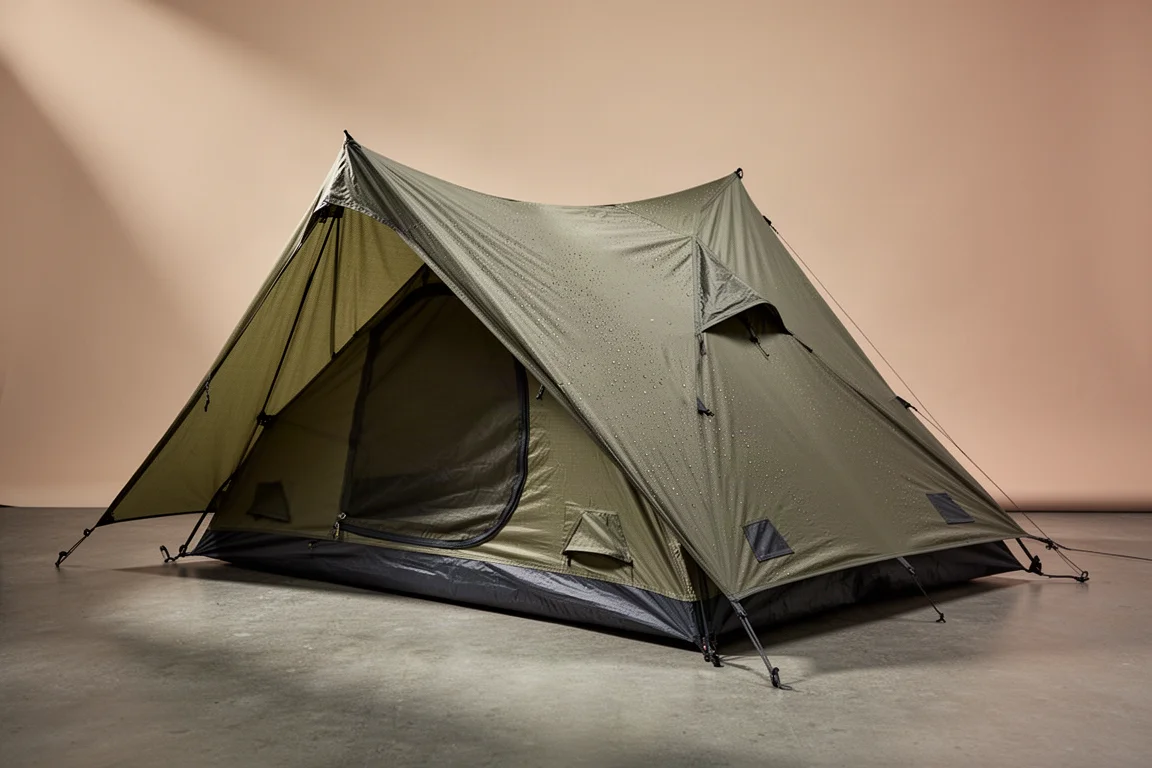
3F UL Gear Taiji Two-Person Tent Review: Field Waterproofing Results and Buying Advice
The Taiji pairs an attached fly with a removable inner, but sustained rain exposed untaped vent seams that need sealing before this shelter can be trusted.
Camping Tents
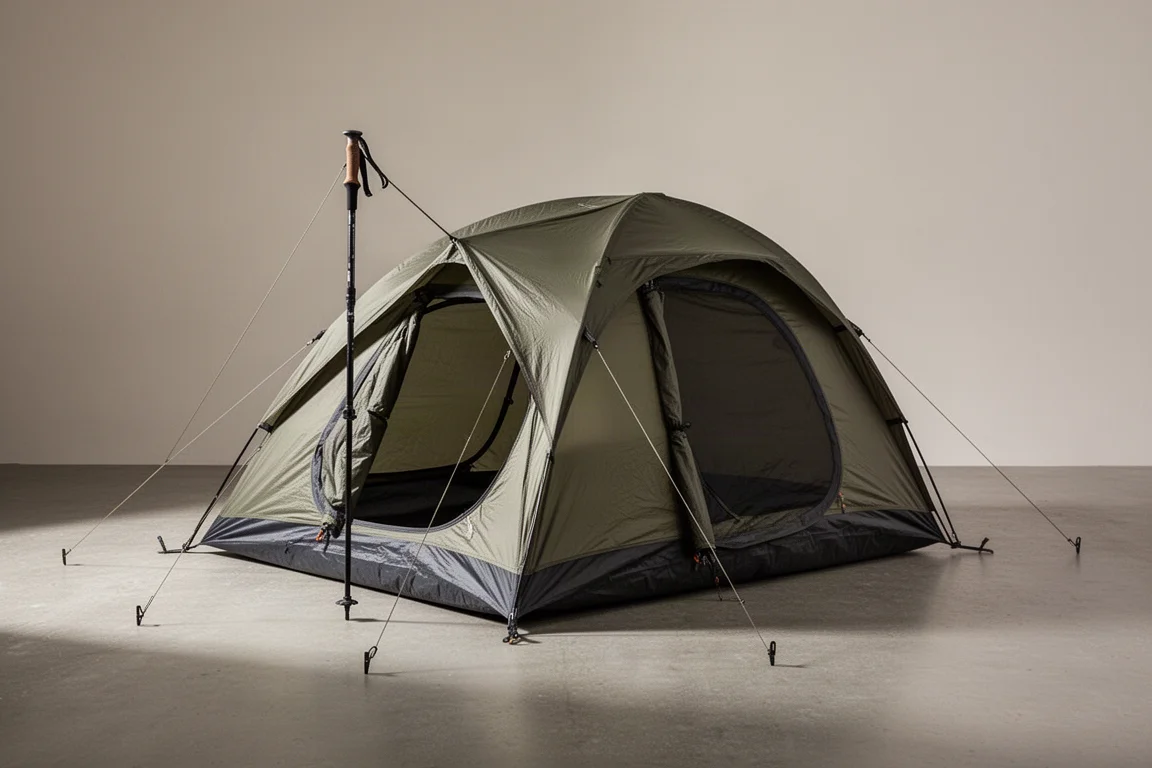
3FUL Gear Lanshan 2 Pro 4-Season Review: A Sub-$200 Single-Wall Trekking Pole Tent
An early look at the 3FUL Gear Lanshan 2 Pro 4-Season, covering its straightforward pitch, generous interior space, and the condensation and seam-sealing questions that come with any single-wall shelter.
Camping Tents
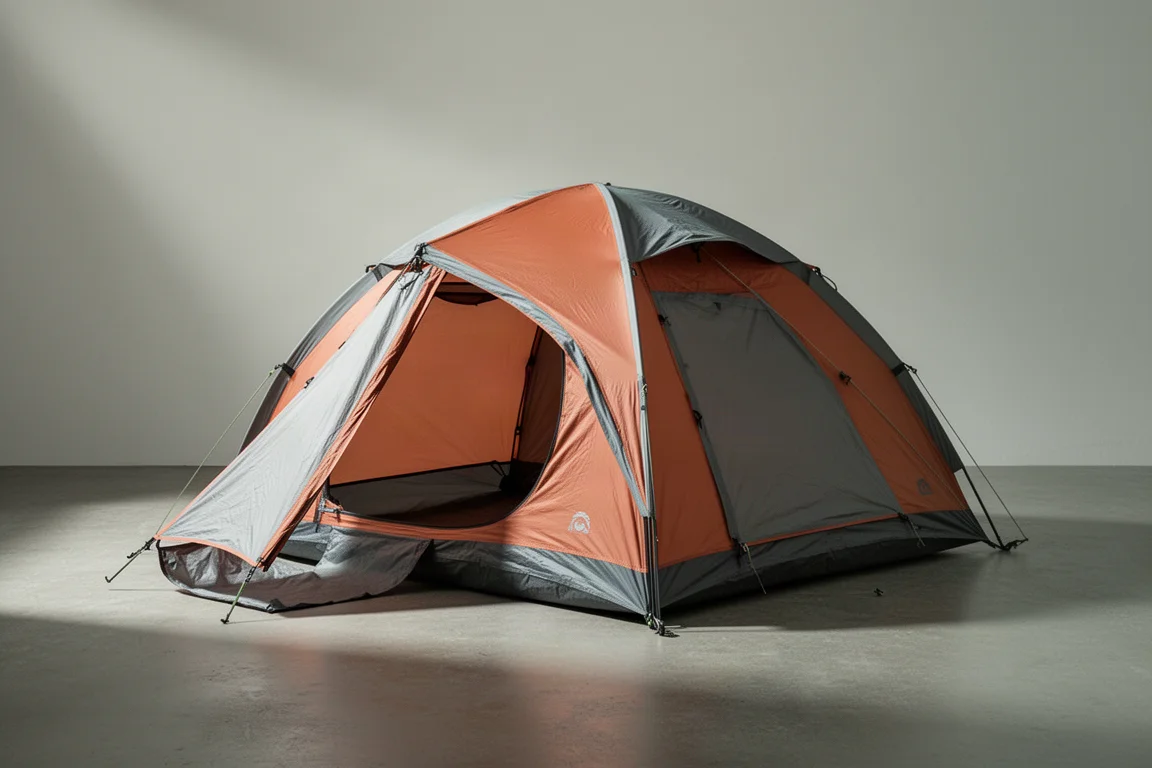
Alps Mountaineering Lynx 1-Person Tent Review: Big Value in a Small Budget Tent
A close look at the Alps Mountaineering Lynx 1-Person Tent, covering real interior dimensions, materials, setup time, ventilation limits, and who should buy it.