Camping Tents
Naturehike Spire Tent Review: A Tiny Trekking Pole Shelter Without the Inner
The Naturehike Spire is light, inexpensive, and simple to pitch, but its fly-only setup behaves more like a tarp than a tent, and interior space is extremely limited.
Introduction
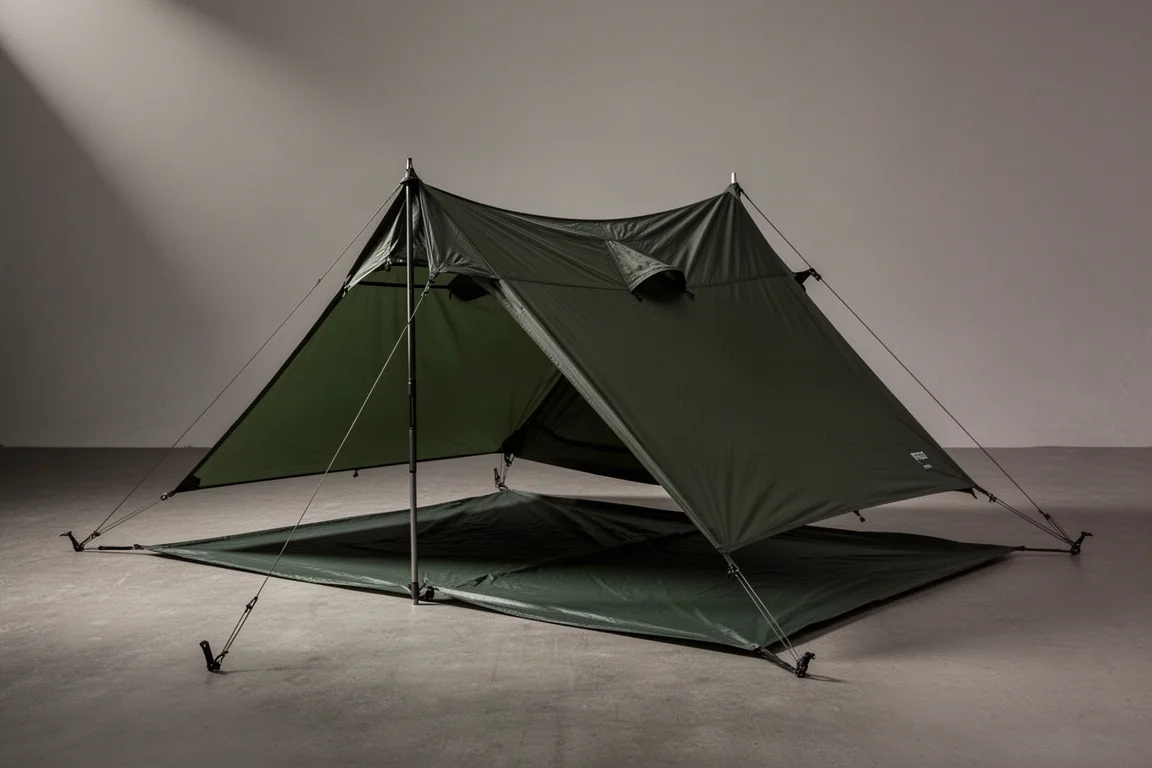
The Naturehike Spire is a one-person trekking pole shelter built around a silicone-treated nylon fly and a separate inner. It retails around $130 for the complete setup, while the fly on its own is listed at roughly $68. An orange version sits lower still, at around $40. No poles are included, so the shelter assumes you already carry trekking poles.
The question that matters with a design like this is not how it performs as a complete double-wall tent, but whether the fly alone works as a usable shelter. That is the configuration this guide focuses on.
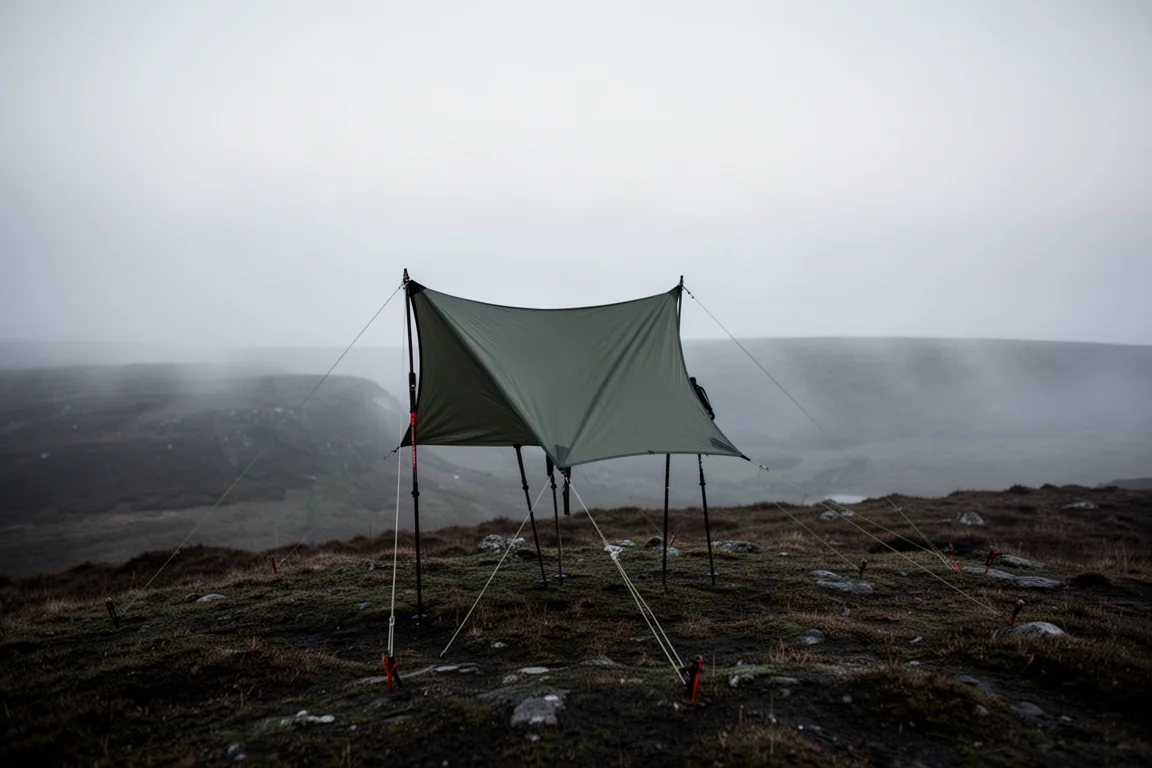
The short answer is that the fly by itself behaves more like a tarp than a tent. Once the inner is added, it becomes a tent again, but a very small one with a firm height limit. The sections below explain where the design holds up and where it does not.
Who This Tent Is For
The Spire is aimed at solo backpackers who want a minimal, lightweight shelter and who already carry trekking poles. The footprint measures 82.6 by 82.6 inches and the peak height is 53.1 inches, so it is compact in every direction.
The critical limitation is interior height and usable width. In practice the inner is small enough that feet press against one wall and the head has to be turned to the side to fit. For anyone taller than roughly 5 feet 3 inches, the shelter does not work without modification, and modifications such as pulling the walls outward change the product rather than fix it.
It is also worth being clear that this shelter depends on its guy lines. Pitched loosely, it does not deliver the space or the shape the design implies.
Main Strengths
Setup is genuinely simple. There is very little to the process, and the shelter goes up quickly with a single trekking pole. Naturehike supplies a set of tent stakes, so the anchoring hardware is included even though the pole is not.
The fly is made from 20D silicone-treated nylon, and the inner uses a 38T nylon floor with a polyester mesh body. The fly plus the stakes weighs about 1.6 lb, and the trekking pole you supply adds to that figure. It is lightweight, though not ultralight once the pole is counted.
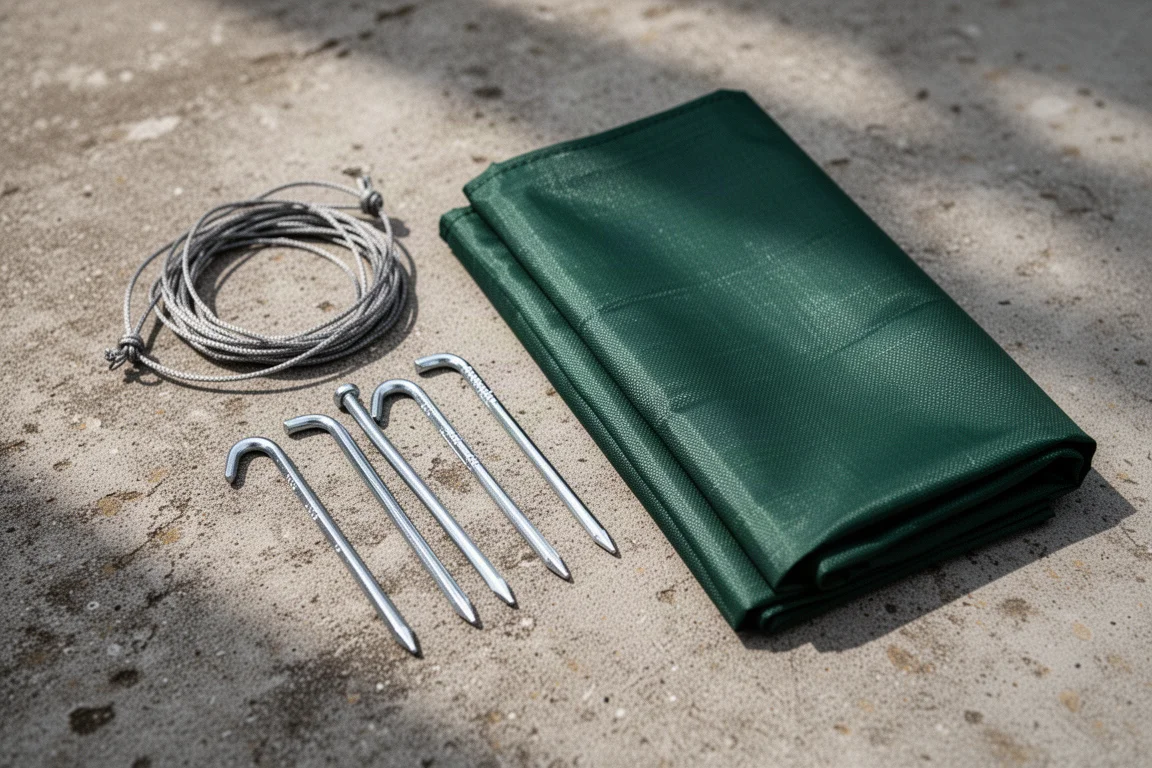
Green is the easiest colorway to find, with orange also available. Value is a real strength here: a full setup at around $130 sits far below the price of many comparable shelters, which can run toward $600. Naturehike generally builds waterproof shelters and uses good materials, so the price gap is not simply a materials gap, even if finishing quality can vary and loose threads occasionally appear.
Things to Consider Before Buying
The center pole is the single biggest problem. It sits in the middle of the floor area and takes up most of the usable space, so you are either touching the pole or touching a wall. Moving it to one side does free up room, and that is realistically the only way the shelter becomes workable.
Height is the second constraint. Above roughly 5 feet 3 inches, the interior does not accommodate a sleeping occupant properly. Even at that height, feet and head sit close to the fabric edges, which matters because a wet wall can transfer moisture to a sleeping bag.
Silicone-treated nylon stretches and sags once it gets wet, and condensation forms on the inside of the fly. Without the guy lines pulling the walls outward, the fabric sags inward and the shelter becomes unusable. Using the full guy line set adds only about 2 inches of extra space, which is a modest return for the additional setup work.
The fly edge also sits fairly high off the ground. In an exposed, rainy, or windy pitch there is nothing stopping wind-driven moisture from getting underneath. Lowering the fly toward the ground closes that gap, but it also cuts what little airflow exists. Two vents are provided, and they only do so much. Limited airflow means trapped heat, more condensation, and a damp interior in warmer months.
Finally, consider what you are actually buying. Without the inner, this is essentially a tarp. With the inner, it is a tent, but a very tight one.
Living Space and Comfort in Practice
With the inner attached, the interior is extremely small. Sitting inside means the walls are immediately against you, and lying down requires an angled position so that head and feet both stay within the footprint. That angled position works, but it leaves very little margin at either end.
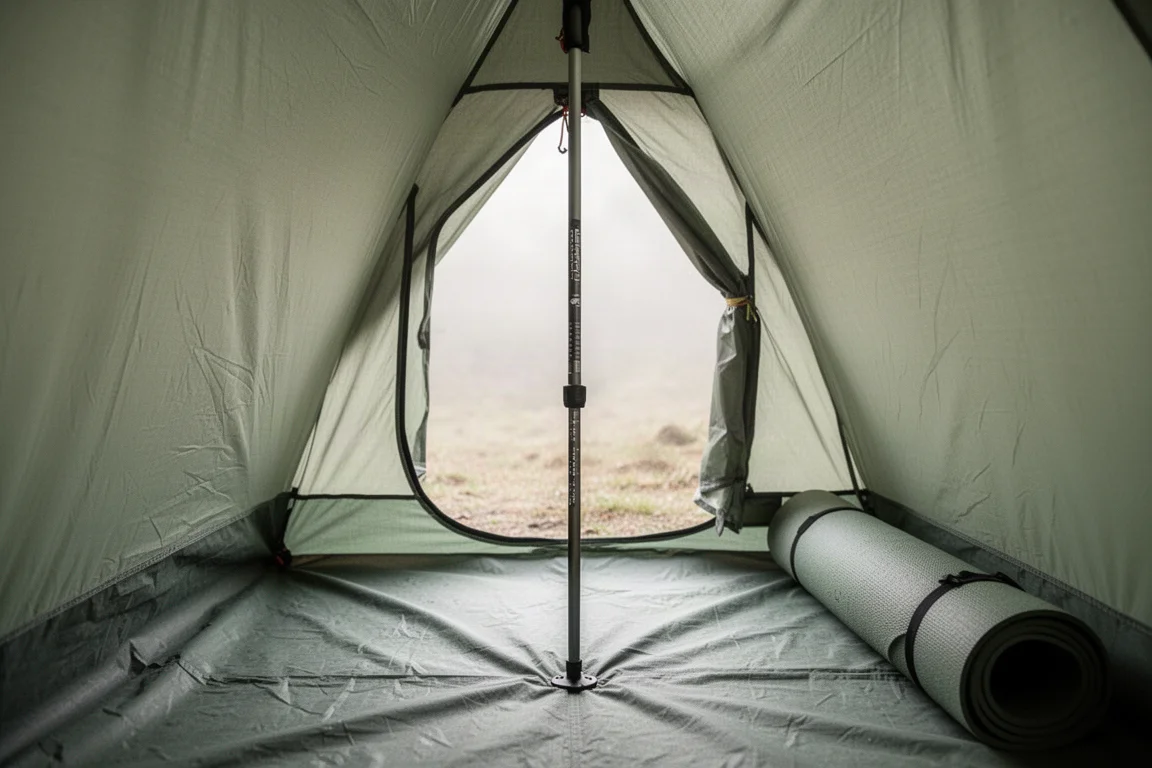
Removing the inner does not solve the space problem. The center pole dominates the floor, and kneeling is possible only for short periods rather than as a comfortable position. Placing a small chair inside is technically possible, and it is more usable than sitting on the ground, but it is not comfortable for long stretches.
Pulling the walls out with guy lines buys roughly 2 inches, which helps at the margins rather than changing the character of the shelter. Anyone planning to spend long hours inside, whether waiting out weather or simply resting, should assume a cramped experience and plan accordingly.
Setup, Weather Resistance, and Condensation
Pitching is straightforward and quick, which is a genuine plus for a trekking pole shelter. The trade-off is that the guy lines are not optional. They are what keeps the walls off you once the fabric is wet.
Moisture behavior is the area to think hardest about. Silicone-treated nylon sags and stretches when it gets damp, and condensation collects on the inside surface. With limited airflow that moisture has nowhere to go, and the interior becomes humid and warm. Two vents help, but they cannot compensate for a shelter this enclosed.
The materials themselves suggest the shelter should handle rain. Naturehike shelters are generally waterproof and use good fabrics, and there is little reason to expect this one to leak. Waterproof performance has not been confirmed in testing yet, so treat rain protection as likely rather than proven.
Buying Advice
The fly-only configuration does not make a practical shelter. Without the inner, the center pole consumes the floor, airflow is minimal, and the usable space is too small for most people. If you want a shelter from this design, the inner is effectively required, and even then the height limit stands: above roughly 5 feet 3 inches, it does not fit.
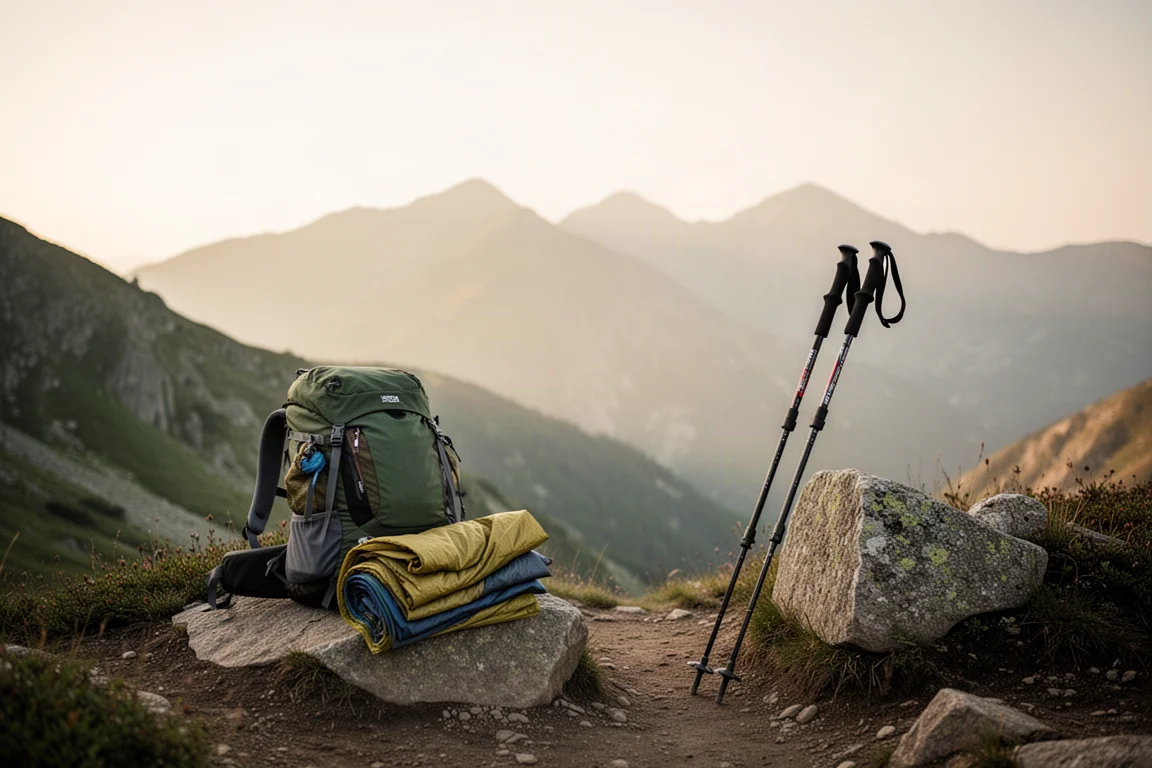
For a very small solo camper who already carries trekking poles, wants a low-cost shelter, and understands the size ceiling, the full setup at around $130 offers simple pitching and light materials. For most buyers the better decision is to look elsewhere, or to treat this as a tarp first and a tent second. If you do buy the fly on its own at around $68, go in expecting tarp behavior rather than tent behavior.
Conclusion
The Naturehike Spire sets up easily, uses sensible materials, and costs far less than many comparable shelters. It is also extremely small, dependent on its guy lines, and difficult to use without the inner. The fly alone is a tarp, and as a complete tent it suits only the shortest and smallest of solo campers. Buy it with those limits in mind, or choose a roomier shelter instead.
Product link
View more details for Naturehike Spire Tent
This product is mentioned in the review. Check the specifications, options, and compatibility before buying.
View more details for Naturehike Spire TentFurther reading
Related Reviews
Camping Tents
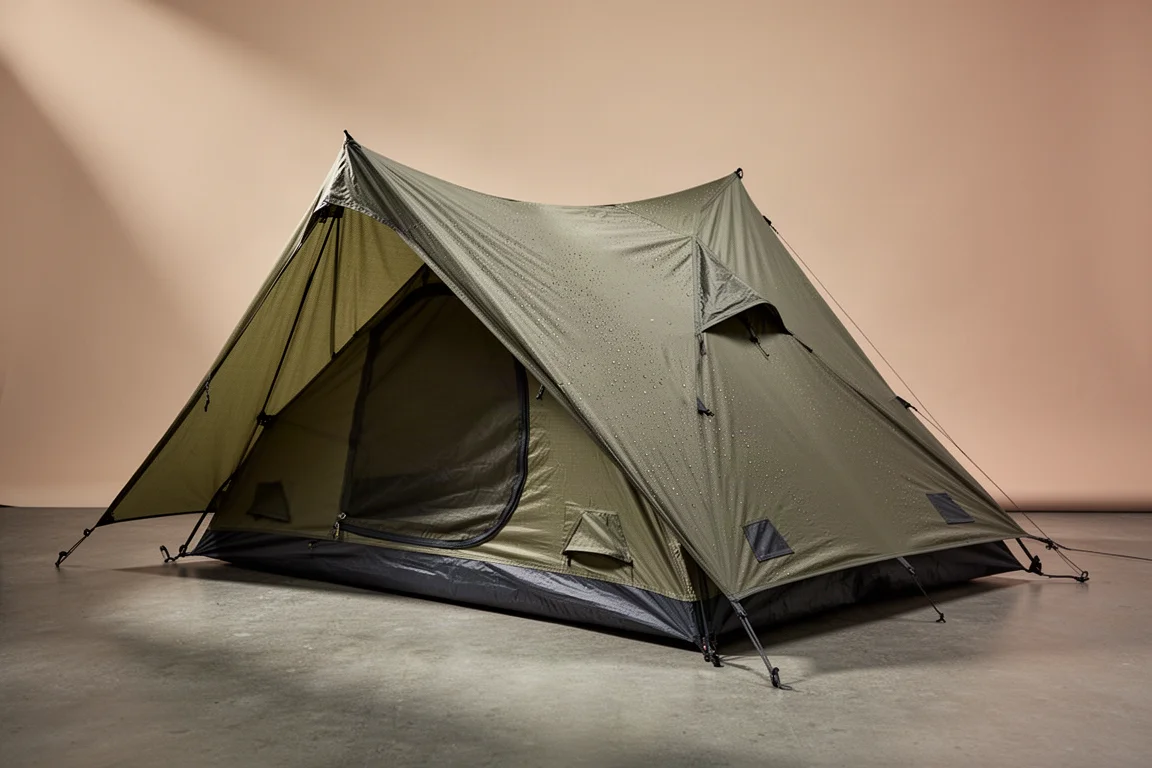
3F UL Gear Taiji Two-Person Tent Review: Field Waterproofing Results and Buying Advice
The Taiji pairs an attached fly with a removable inner, but sustained rain exposed untaped vent seams that need sealing before this shelter can be trusted.
Camping Tents
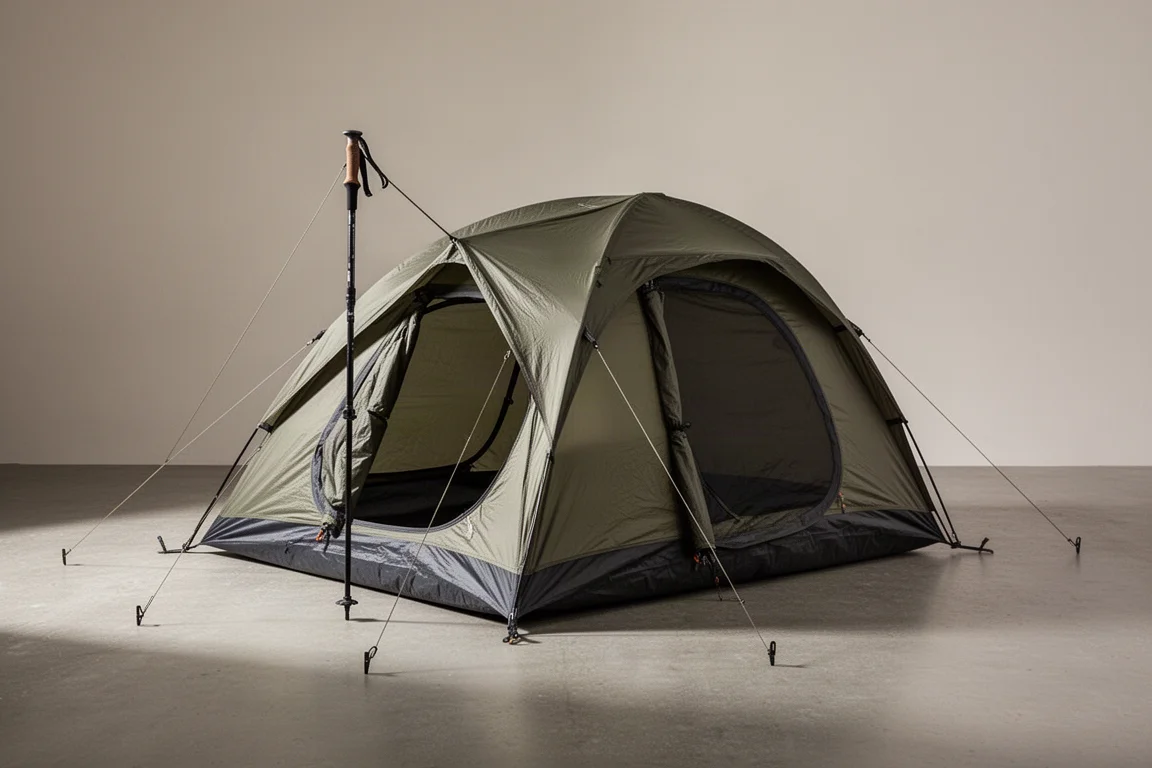
3FUL Gear Lanshan 2 Pro 4-Season Review: A Sub-$200 Single-Wall Trekking Pole Tent
An early look at the 3FUL Gear Lanshan 2 Pro 4-Season, covering its straightforward pitch, generous interior space, and the condensation and seam-sealing questions that come with any single-wall shelter.
Camping Tents
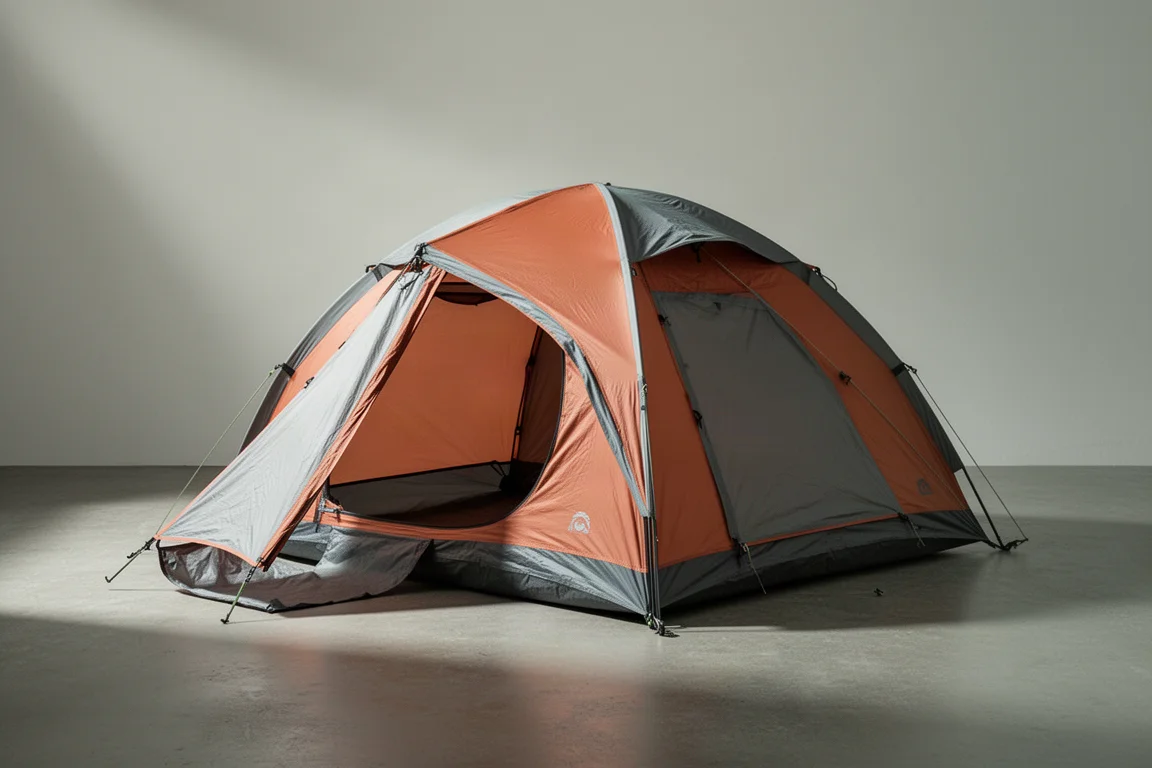
Alps Mountaineering Lynx 1-Person Tent Review: Big Value in a Small Budget Tent
A close look at the Alps Mountaineering Lynx 1-Person Tent, covering real interior dimensions, materials, setup time, ventilation limits, and who should buy it.