Camping Tents
Naturehike Spire One-Person Tent Review: A Light Pyramid Shelter With a Compact Interior
A trekking pole pyramid tent with strong materials, a low price, and a genuinely tight interior. Here is what the Naturehike Spire offers and who it actually fits.
Introduction
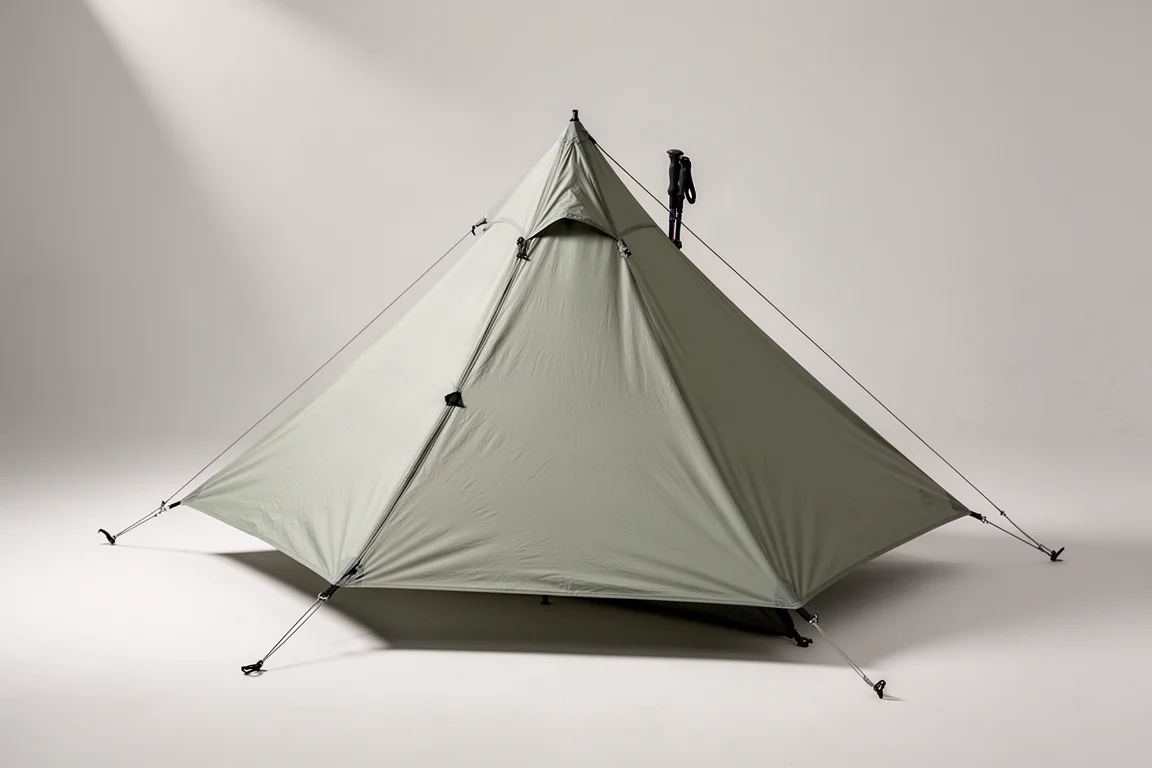
The Naturehike Spire is a one-person pyramid tent that pitches around a single trekking pole. It arrives as two packages: the shelter itself and a ground sheet cut specifically for this model. Retail is $130 in the United States, where it is sold in a single color.
The Spire is aimed at backpackers who already walk with trekking poles and want a simple, weather-ready shape without moving into boutique ultralight pricing. The trade-off shows up once you are inside. This is a light and compact shelter for its class, but the living space is genuinely tight, and the camper it suits best is a smaller one.
This article covers what arrives in the box, how the shelter goes together, the measured interior, and the trade-offs worth weighing before you commit.
What Comes With the Tent
Purchasing the Spire gets you two separate packages: the tent and a ground sheet designed specifically for this model. The ground sheet is optional at pitch time. You do not need it to set the shelter up, and leaving it behind saves meaningful weight.
Inside the tent bag you will find a storage bag with a grab handle and a drawcord, a compression strap, the fly, the inner body, and a set of tent stakes. Naturehike includes 15 aluminum stakes, which is generous for a one-person shelter. Eight guy lines come pre-attached to the fly, so you are not threading cord on a cold evening.
Setup instructions are printed on the inside of the bag in English and several other languages. They are difficult to follow. The diagrams are unclear, and the pole placement in particular is not explained well. You can get the tent standing by following them, but the pitch you end up with is not the best one the design allows.
Setup and Design
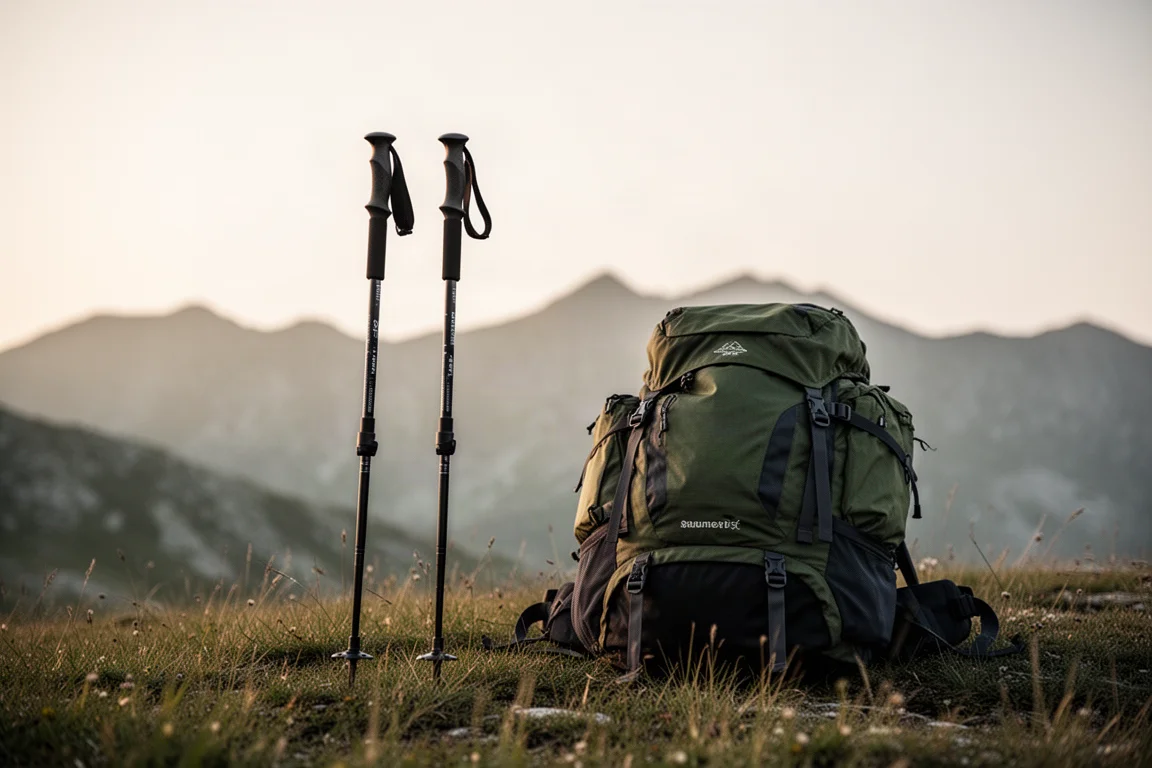
No poles are included. This is the single most important thing to understand about the Spire: you need trekking poles to erect it, and if you do not already carry them, you are adding that weight and cost to the total.
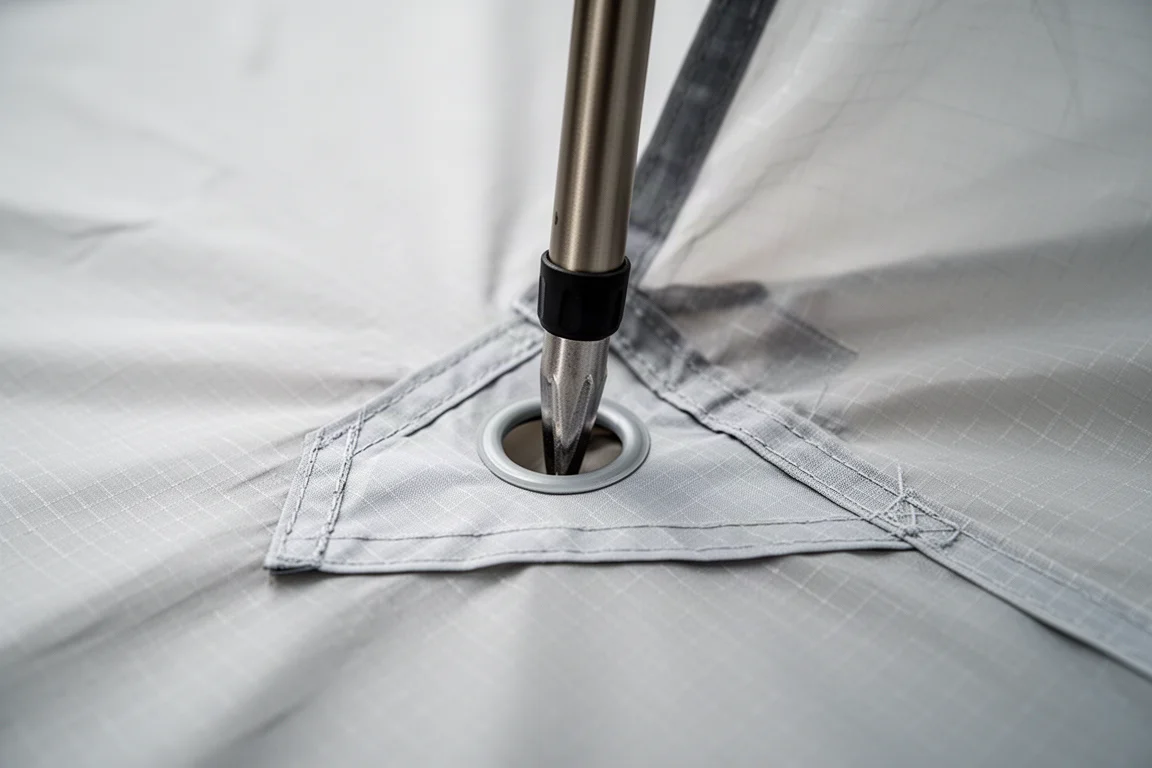
The correct method is specific. The tip of your trekking pole seats into a small grommet at the base of the inner body, on the inside of the tent, and the handle of the pole sits at the apex. The ring at the top of the shelter is there for the body, not for securing the pole. Setting the pole point-up is a mistake, and it is an easy one to make when the instructions do not make the arrangement clear.
On materials and dimensions, Naturehike lists a 20 denier silicone-treated nylon fly, a 38T nylon floor, and corners reinforced with 300 denier Oxford polyester. The fly carries a 2,000 mm hydrostatic head rating and the floor 3,000 mm. Packed, the tent measures 15.75 inches long by 5.1 inches wide. Pitched, the external footprint is 82.6 by 82.6 inches and 53 inches tall at the apex.
The design uses one door and two vents, both positioned at the top. The Spire can be pitched with the fly alone or with the fly and inner together, which gives it some flexibility in warmer or drier conditions.
The pyramid shape is a traditional one, and it keeps the pitch simple: a single pole, a taut fly, and the majority of your stakes working around the perimeter.
Interior Space and Fit
The exterior footprint reads as roomy, but the interior is where the Spire becomes a specialist tool. Measured inside, the usable width is roughly 30 inches and the interior height is around 34 inches. As for length, the tent comfortably suits campers around 5 feet 3 inches and under. At that height your head and feet are already close to the tapered walls.
The door is very small, and getting in and out is awkward because the trekking pole stands in the middle of the living area. The larger you are, the more difficult that becomes.
Another point worth knowing before you buy: the fabric tends to lie on top of you once you are inside. The stakeout points can be pulled as tight as they go, and the walls still drape inward. There is no adjustment that fully solves this on the stock design.
What you do get inside is a bathtub floor, extensive mesh for ventilation, two-way zippers, and a single pocket for small items.
Main Strengths
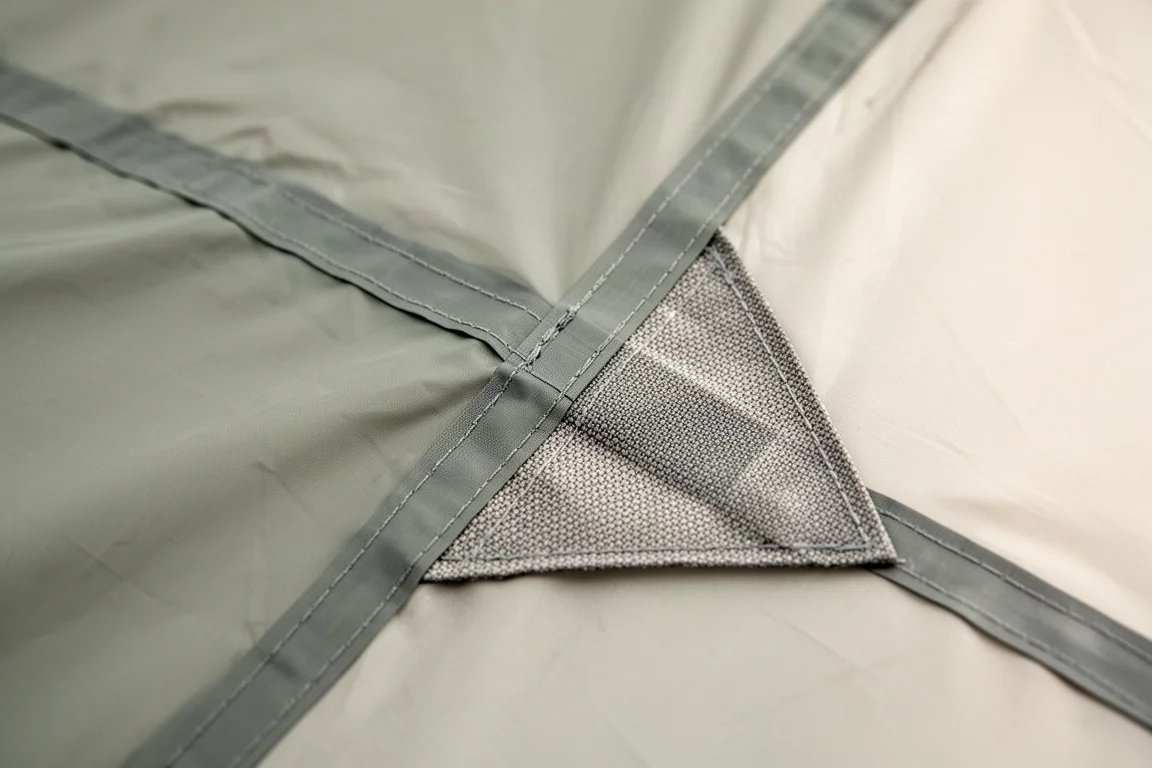
Build quality is the Spire’s clearest strength. The stitching is clean with no loose threads, the seam tape is applied neatly, and the materials feel top-notch for the price. This is a well-made shelter, and it does not look or feel like a cheap tent.
Weight is competitive. With all accessories, including the ground sheet, the tent weighs 3.2 pounds. Strip it down to the fly and inner body alone and that figure drops to 2.4 pounds. Packed size is small enough to sit comfortably in a pack.
The price is good for what you get, and the 2,000 mm fly and 3,000 mm floor ratings suggest the Spire should be very capable at keeping rain out. The materials, the weight, and the price together make a genuinely appealing package, even if the weight is good rather than outstanding.
Things to Consider Before Buying
The first consideration is size, and it is not a minor one. Above roughly 5 feet 4 inches, body parts will touch the walls, and taller campers will find the shelter limiting in a way that no amount of careful packing fixes.
The second is the pole requirement. Trekking pole tents carry a reputation for being ultralight, but that reputation is only partly earned. The genuinely featherweight options tend to be very expensive. Once you factor in the trekking poles you must carry to pitch the tent, the total weight of an affordable trekking pole shelter is not dramatically lower than a conventional one.
The third is material behavior in wet weather. A 20 denier silicone-treated nylon fly will stretch when it gets wet, and the open question with the Spire is how much. Stretch affects pitch tension, and a slack fly can sag toward the occupant. That behavior is the detail most worth understanding before you commit to this shelter.
Finally, budget time for the first pitch. The instructions are poor enough that most buyers will learn the correct pole orientation by trial rather than by reading.
Buying Advice
The Naturehike Spire makes sense for a specific camper: someone around 5 feet 3 inches or shorter, already hiking with trekking poles, who wants a light, compact, well-made pyramid shelter at an accessible price. If that describes you, the Spire delivers strong materials and a small packed size for $130, and it should handle rain with confidence.
If you are taller than roughly 5 feet 4 inches, this is probably not your tent. The interior simply does not accommodate it, and the awkward entry around the center pole will wear on you over a multi-day trip.
Availability is worth noting. The Spire has been sold outside the United States for at least two years and is now available in the US, where it comes in a single color. Buyers in other markets have had access to it for considerably longer, so regional pricing and stock will vary.
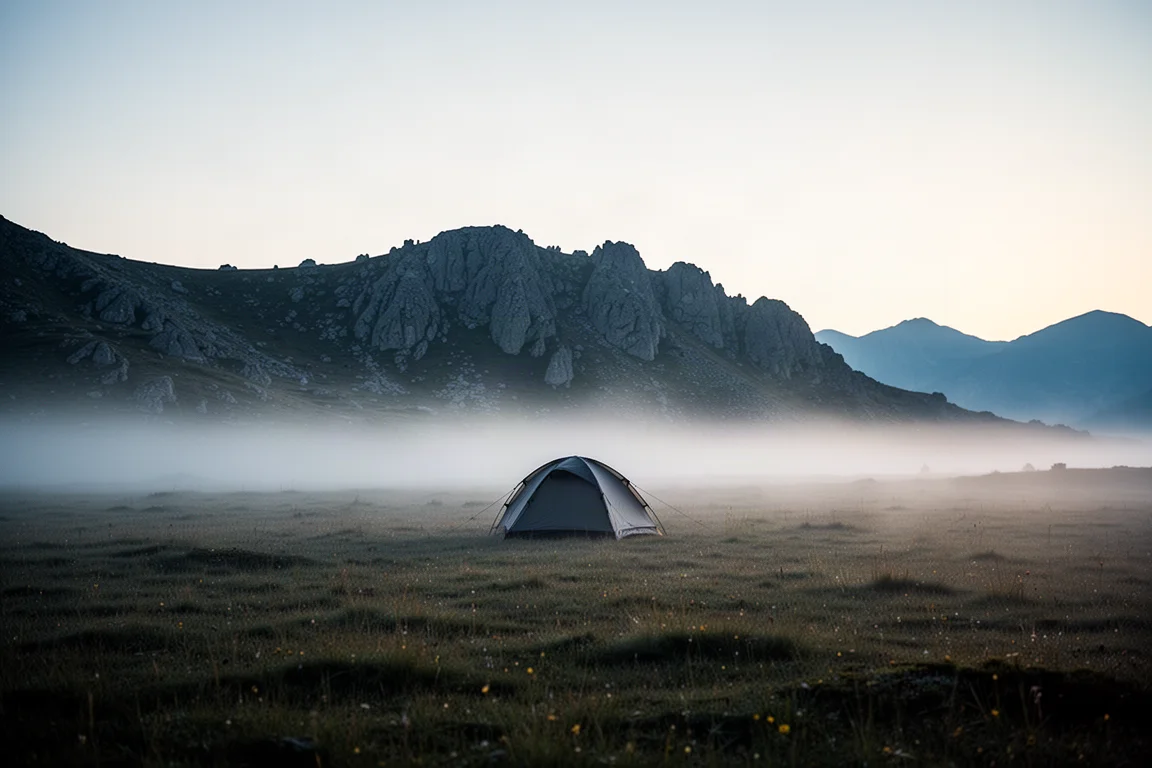
If you are unsure, the sensible move is to measure your sleeping position honestly, confirm you already carry poles, and weigh whether the compact interior is a fair exchange for the low weight and the price.
Conclusion
The Naturehike Spire is a well-built, reasonably priced trekking pole tent with a real limitation. Its materials, stitching, and packed size are excellent for the money, and its weight is respectable once the pole requirement is taken into account. What it will not do is fit a taller camper comfortably. Buy it as a small-person shelter for three-season backpacking, and it makes a lot of sense. Buy it expecting a roomy one-person tent, and the interior will disappoint.
Product link
View more details for Naturehike Spire One-Person Tent
This product is mentioned in the review. Check the specifications, options, and compatibility before buying.
View more details for Naturehike Spire One-Person TentFurther reading
Related Reviews
Camping Tents
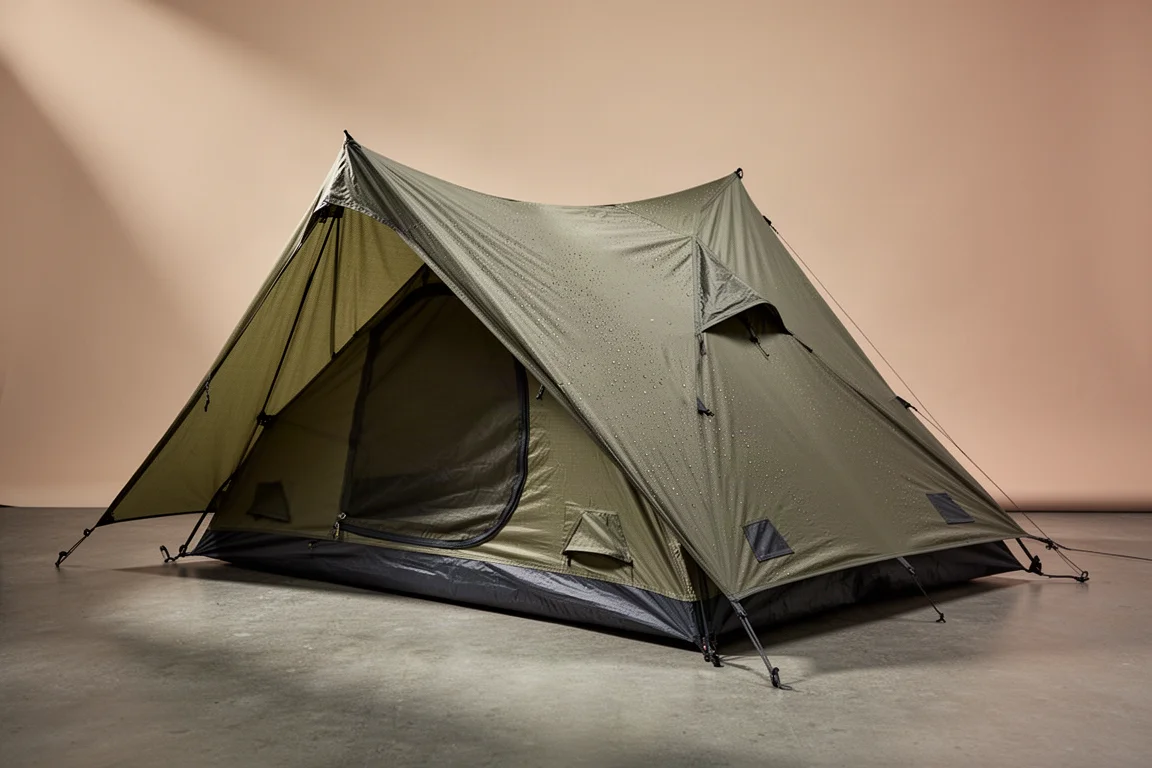
3F UL Gear Taiji Two-Person Tent Review: Field Waterproofing Results and Buying Advice
The Taiji pairs an attached fly with a removable inner, but sustained rain exposed untaped vent seams that need sealing before this shelter can be trusted.
Camping Tents
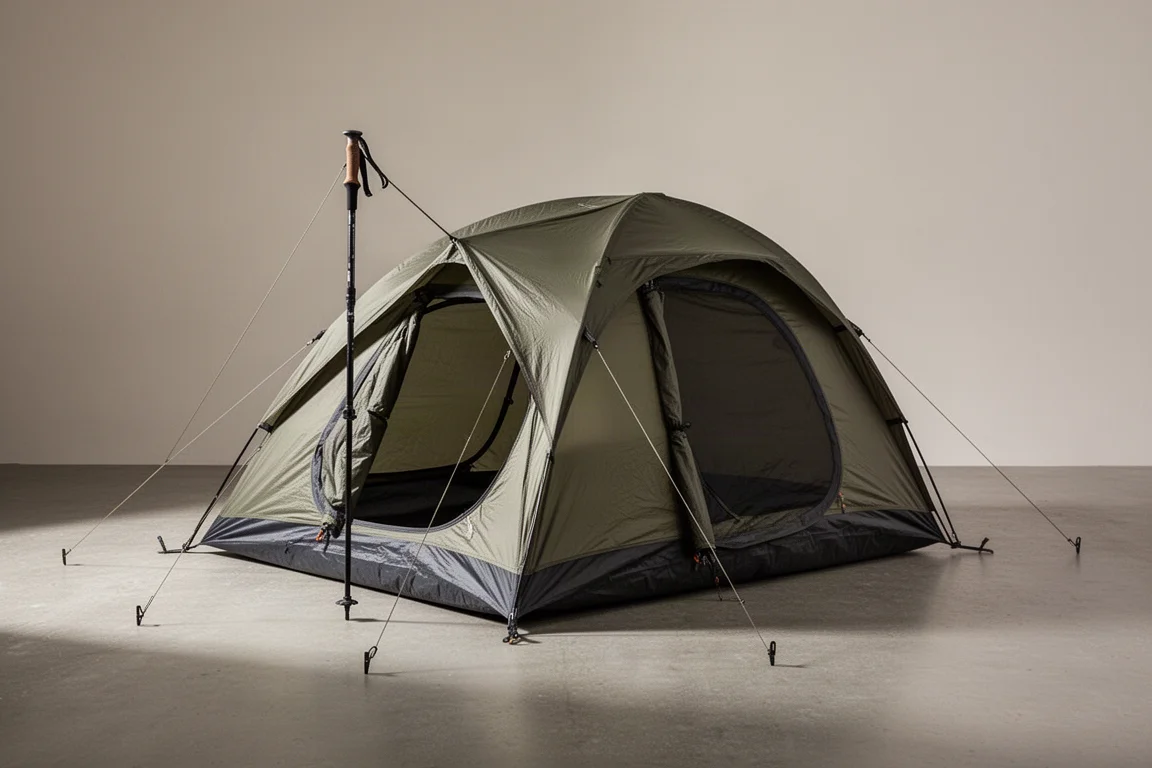
3FUL Gear Lanshan 2 Pro 4-Season Review: A Sub-$200 Single-Wall Trekking Pole Tent
An early look at the 3FUL Gear Lanshan 2 Pro 4-Season, covering its straightforward pitch, generous interior space, and the condensation and seam-sealing questions that come with any single-wall shelter.
Camping Tents
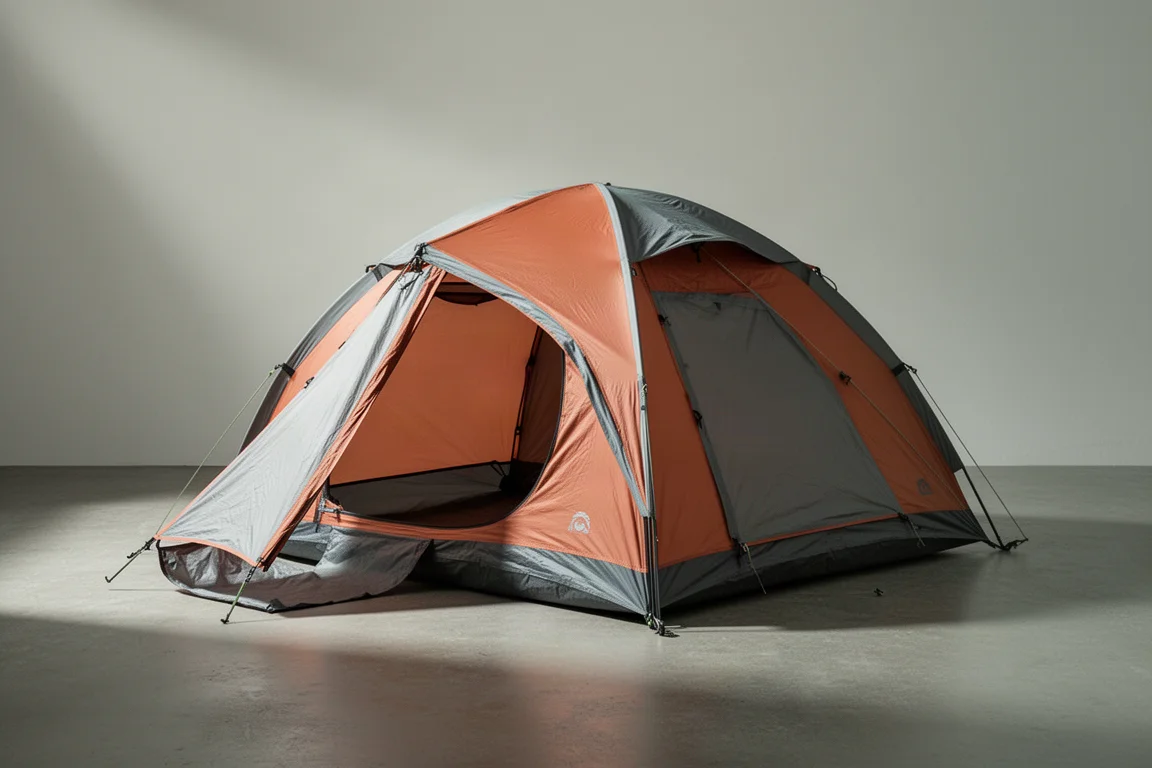
Alps Mountaineering Lynx 1-Person Tent Review: Big Value in a Small Budget Tent
A close look at the Alps Mountaineering Lynx 1-Person Tent, covering real interior dimensions, materials, setup time, ventilation limits, and who should buy it.