Camping Tents
Naturehike Spider One Review: A Compact One-Person Tent With Strong Value
A close look at the Naturehike Spider One, a compact three-season one-person tent with clean construction, high hydrostatic head ratings, and a few pitch and airflow compromises.
Introduction
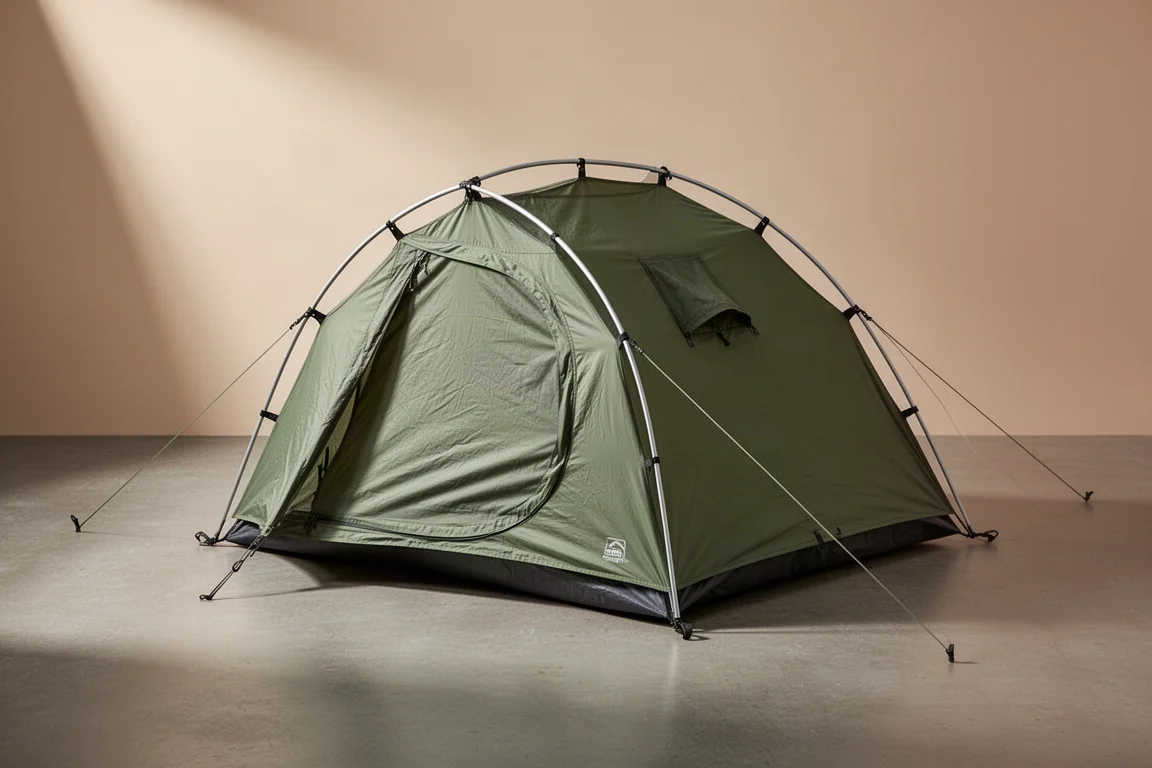
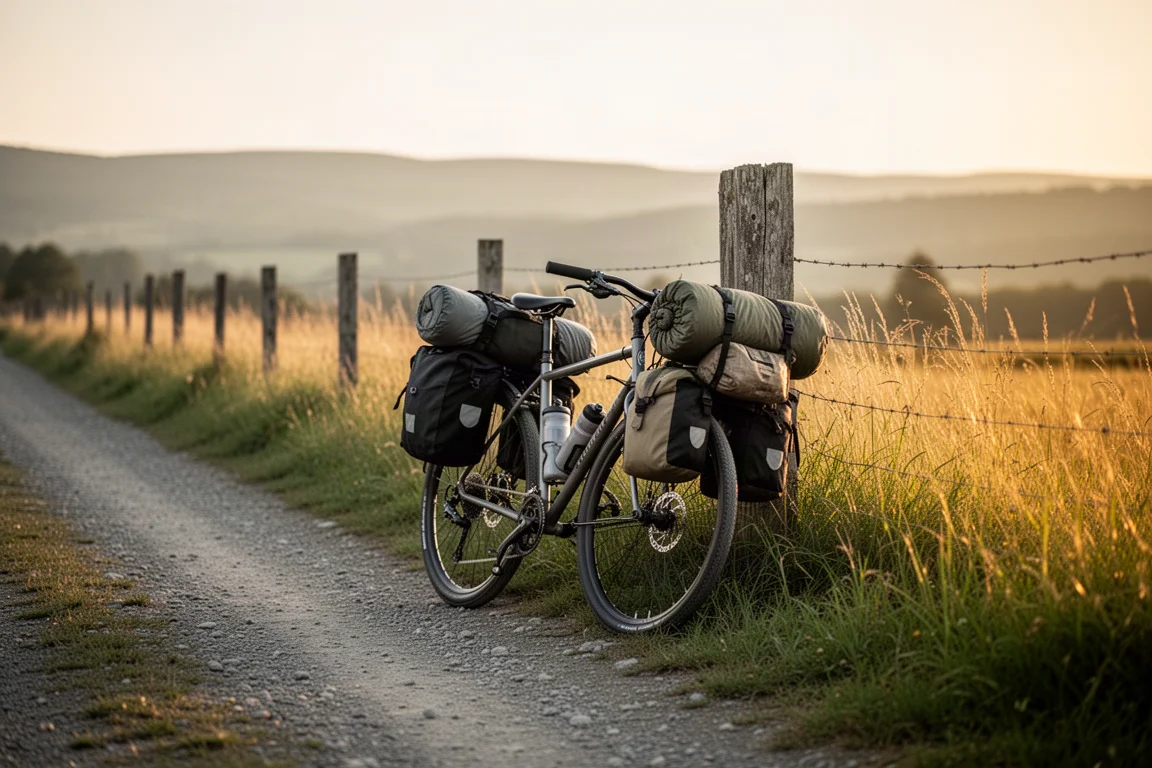
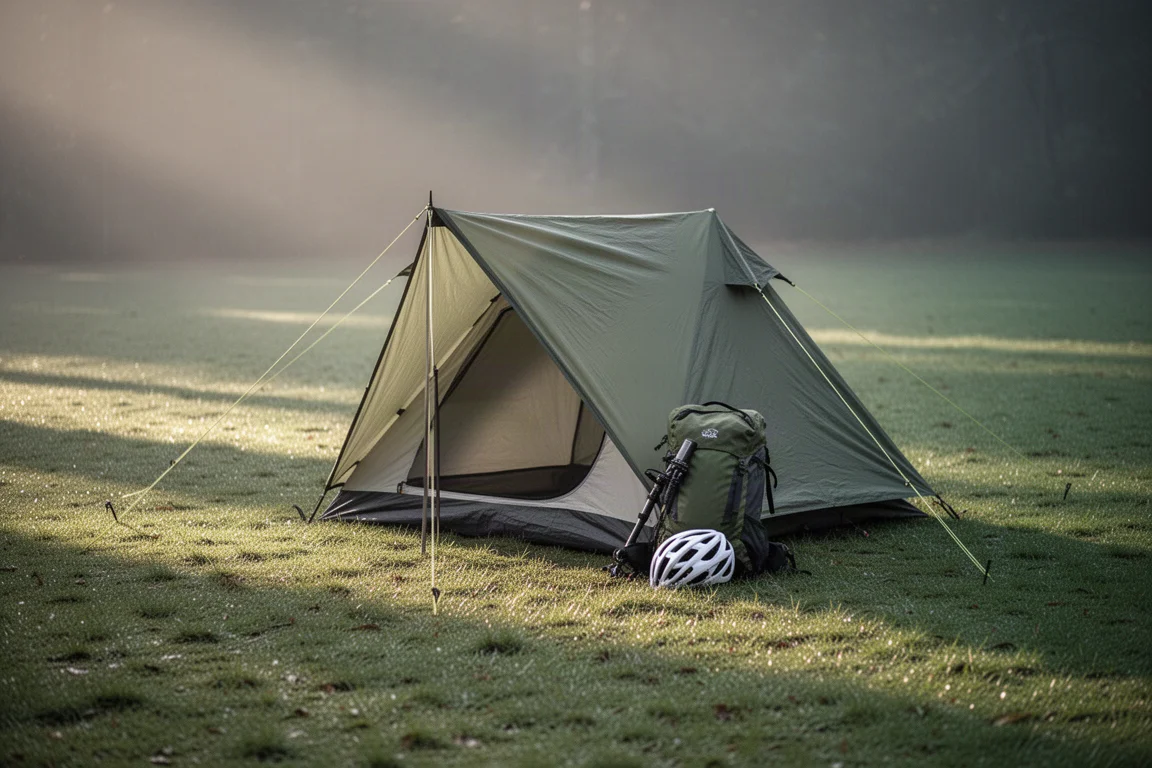
The Naturehike Spider One is a one-person tent built around a single arched pole, and the first thing you notice is how little room it takes up when packed. The whole shelter, including its ground sheet, bundles down to roughly 15 by 6 inches, small enough to strap to a handlebar, drop into a pannier, or push into a backpack without a fight.
Naturehike labels this model in a few different ways, calling it a cycling tent and a backpacking tent depending on where you look. The design itself is refreshingly simple: one door, one pole, a heavily meshed body, and a pitch that takes about five minutes from bag to standing.
There are several versions of this tent on the market, and the differences matter more than the name printed on the stuff sack. This article walks through what the Spider One gets right, where it falls short, and who should consider it.
Who This Tent Is For
This is a three-season shelter aimed at people who want a compact, affordable tent for mild-weather trips. It suits solo campers, bikepackers, and backpackers who value a small pack size and a simple pitch more than absolute minimum weight.
Sizing is generous for a one-person tent. Measured floor space comes in at about 78 inches long and 36 inches wide, with roughly 39 inches of interior height. Naturehike lists 70.7 by 37.4 by 43.3 inches, so the real floor is longer and the real peak is a little lower than the published numbers suggest. In practice, anyone under 6 feet 4 inches should have enough length to lie flat and enough width to keep a pad and a small bag beside them.
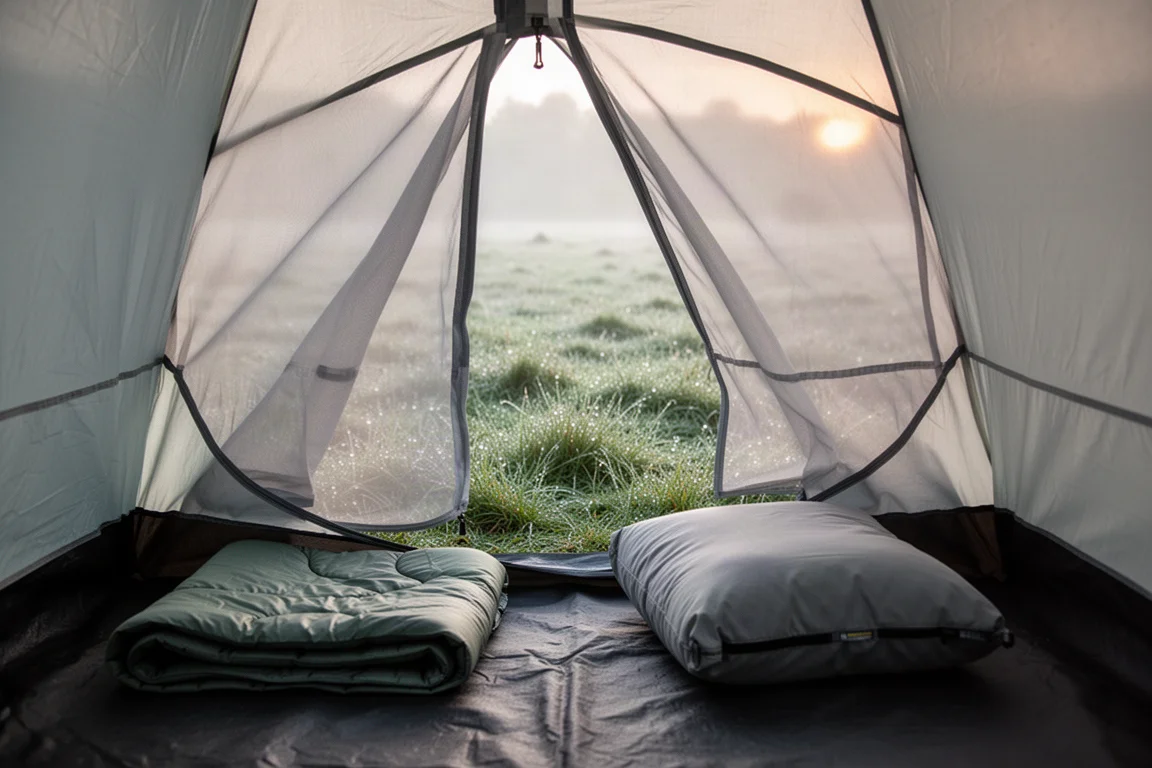
It is worth being clear about the seasons here. Even the version with a snow skirt is not a four-season tent. The body is mostly mesh, so wind and cold pass straight through and the shelter holds very little heat. Winter camping is possible in calm, dry conditions, but a storm is not what this tent was built for.
Main Strengths
Build quality is the standout. Seam tape on the fly and the body is laid down cleanly, the mesh panels look consistent, and the stitching is tidy throughout, with no loose threads or stray stitching to pick at. That level of finish is not a given at this price.
The materials also punch above the price. Depending on the version, the fly is either 20-denier nylon with a silicone coating and a PU treatment rated to a 4,000 mm hydrostatic head, or 210T nylon with a PU coating rated to 3,000 mm. The inner is 210T ripstop polyester with B3 mesh, the floor is 150-denier ripstop Oxford polyester, and the pole is 7001 aluminum. Stakes are aluminum as well. At this price point a 1,200 mm hydrostatic head is far more typical, so 3,000 mm and 4,000 mm are unusually high figures.
Setup is about as straightforward as it gets. The single spider pole slots through the grommets, connecting the body first and the ground sheet second, and the whole thing stands in around five minutes. The two-way door zippers run very smoothly. Inside there is a hook for hanging a light and a single pocket on the left side near where your head would rest. A bathtub floor roughly seven inches high keeps ground water away from your sleeping bag, and the included ground sheet adds another layer of protection.
Design, Materials, and Versions
Colors and fly materials are linked, so the shade you choose determines the fabric you get. Green, navy blue, and orange tents use the 20-denier nylon fly with the 4,000 mm rating. Red and standard blue tents use the 210T nylon fly with the 3,000 mm rating.
The trade-off is small in both directions. The 20-denier fly is a touch more waterproof and lighter, but slightly weaker. The 210T fly is the stronger of the two, handles a little more wind and snow, and holds up better under sustained sun. In everyday use the two perform very similarly, so the practical advice is simple: choose the color you like best.
Weights follow the same pattern. The 20-denier version comes in at about 3.6 pounds, the snow skirt version at 3.8 pounds, and the 210T version at 3.9 pounds. None of these are ultralight numbers, though they are reasonable for the money.
The package includes the tent and a separate ground sheet with its own storage bag. The tent bag has two grab handles, two compression straps, and setup instructions printed inside. Notably, there is no logo and no model name printed on the outside of the bag. Inside the stake bag you get two guy lines and eight shepherd hook stakes.
Things to Consider Before Buying
The main criticism is that this tent is not fully freestanding. The rear fly pull-away is staked out in a fixed position with no adjustability, so if you skip staking the corners, the pitch turns sloppy. Adding a length of shock cord to the rear side and to the front door makes a noticeable difference to how cleanly the tent sets up.
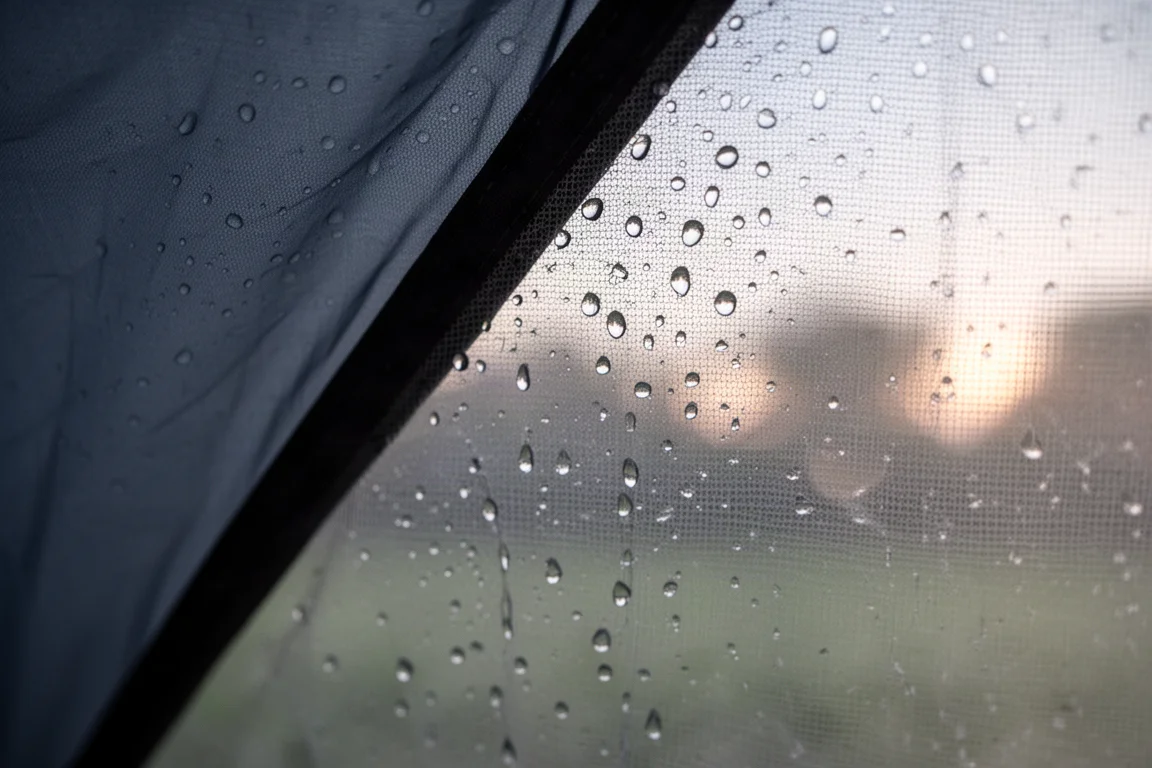
Airflow is the other thing to weigh up. The fly side walls sit directly against the body with no way to pull them apart. Condensation that forms inside will run down and rub against the mesh, which raises the chance of moisture finding its way into the sleeping area. All that mesh is a plus on a warm night, but the fly’s close fit limits how much of that benefit you actually get. The single vent does not help much either: the internal support is flimsy and only holds the opening about three inches wide, so there is not much of a gap for air to move through.
Two smaller details are worth watching. The storm flap over the door zipper does not sit flat, even when pressed down, which could lead to water working past the zip in heavy rain. And with only two guy line points, one at each corner, there is not a lot of room to tension the shelter in wind.
Finally, weight. At 3.6 to 3.9 pounds depending on version, the Spider One is not a featherweight. Given the price, that is a fair trade rather than a flaw.
Buying Advice
Retail price for the Spider One is around $115, but it is common to find it discounted to roughly $80 to $90. At the time of writing it was selling for about $90, and a sale on the Naturehike site brought it down to around $80. At those prices the materials, the hydrostatic head ratings, and the quality of the stitching make it a genuinely strong value.
If you are under 6 feet 4 inches, camp mainly in three-season conditions, and want a small, simple, well-built shelter without spending much, this tent deserves a serious look. Budget for a few feet of shock cord to improve the pitch, and pick your fly version by color rather than by specification, because the real-world difference is minimal.
Conclusion
The Naturehike Spider One gets the fundamentals right: a compact pack size, a five-minute pitch, clean construction, and fly materials that are better than the price suggests. Its weaknesses are structural rather than fatal, mostly around the fixed rear stake-out and a fly that sits too close to the body for good airflow. For a three-season solo camper who wants a capable tent at a modest price, those are manageable trade-offs rather than deal breakers.
Product link
View more details for Naturehike Spider One
This product is mentioned in the review. Check the specifications, options, and compatibility before buying.
View more details for Naturehike Spider OneFurther reading
Related Reviews
Camping Tents
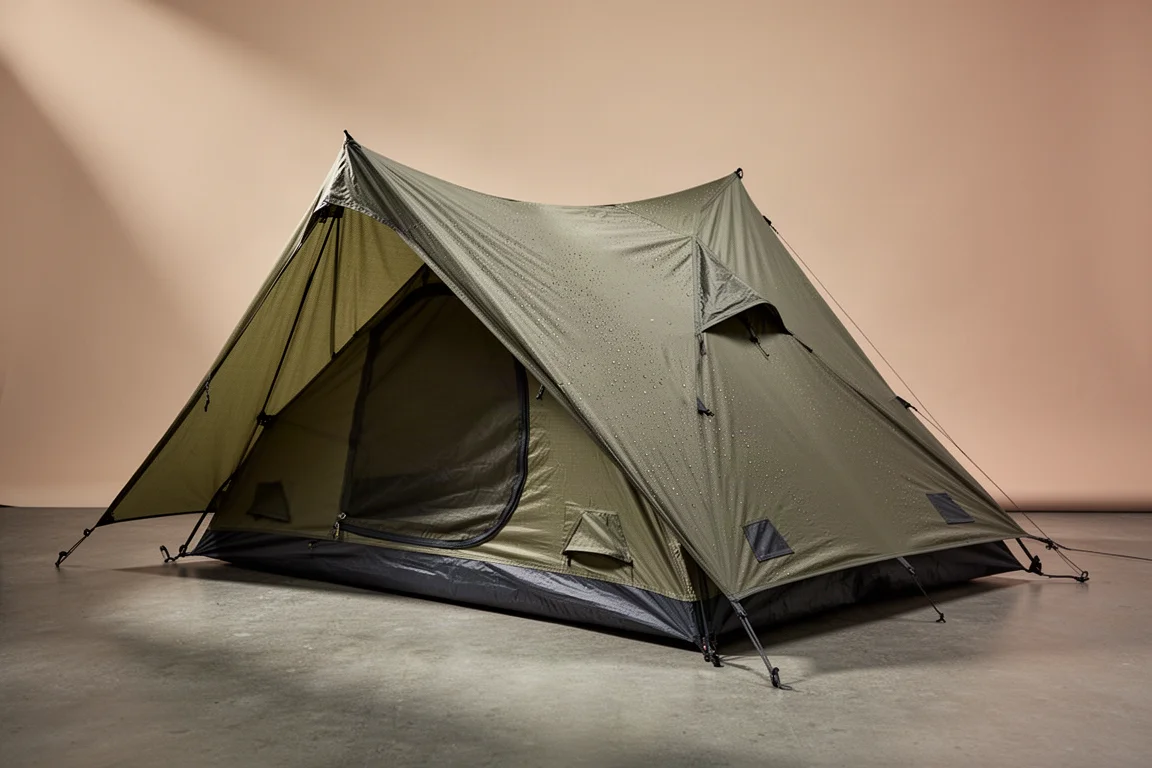
3F UL Gear Taiji Two-Person Tent Review: Field Waterproofing Results and Buying Advice
The Taiji pairs an attached fly with a removable inner, but sustained rain exposed untaped vent seams that need sealing before this shelter can be trusted.
Camping Tents
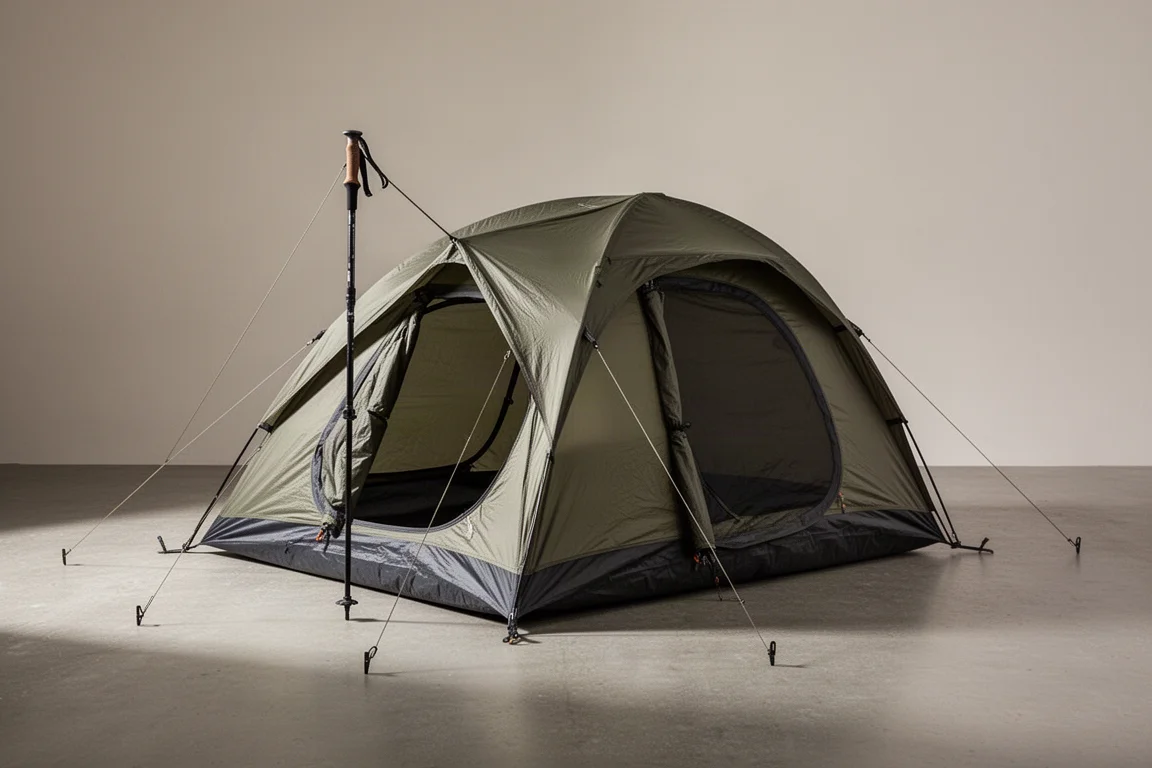
3FUL Gear Lanshan 2 Pro 4-Season Review: A Sub-$200 Single-Wall Trekking Pole Tent
An early look at the 3FUL Gear Lanshan 2 Pro 4-Season, covering its straightforward pitch, generous interior space, and the condensation and seam-sealing questions that come with any single-wall shelter.
Camping Tents
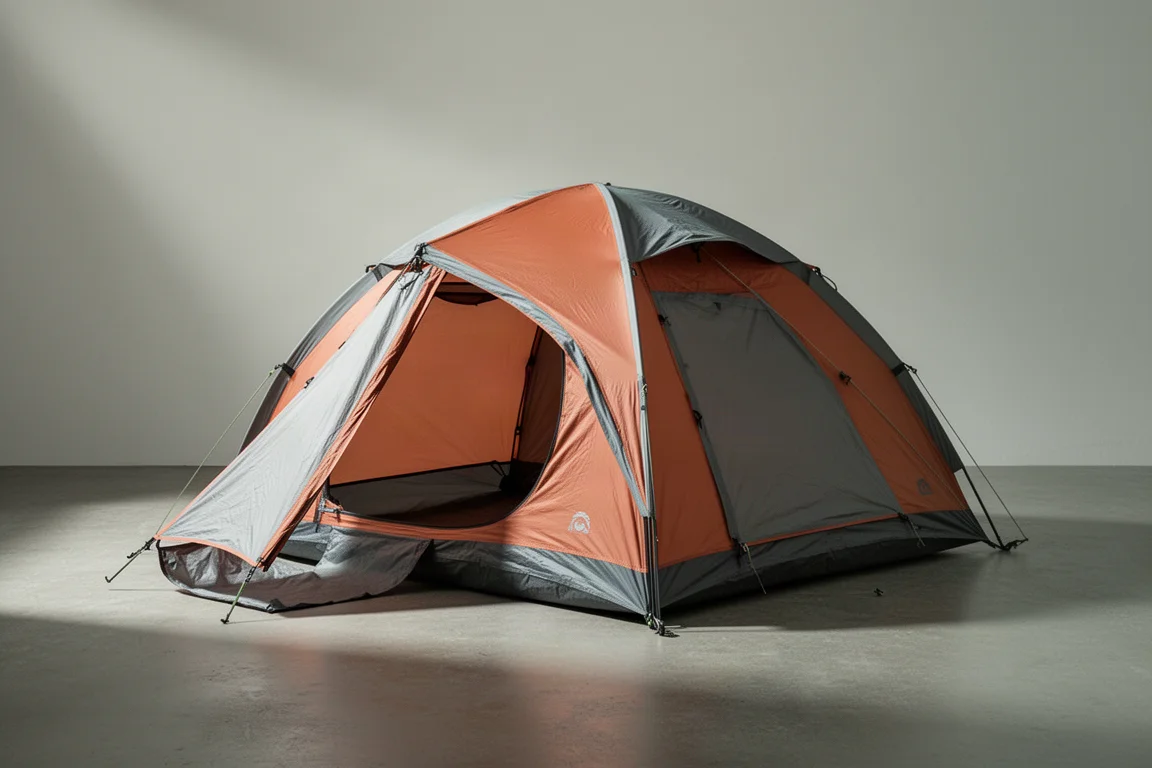
Alps Mountaineering Lynx 1-Person Tent Review: Big Value in a Small Budget Tent
A close look at the Alps Mountaineering Lynx 1-Person Tent, covering real interior dimensions, materials, setup time, ventilation limits, and who should buy it.