Sleeping Bags
Naturehike Snowbird Review: A Budget Duck Down Winter Sleeping Bag
A light, affordable duck down winter sleeping bag rated for 2°C comfort, with the features and the limits worth knowing before you buy.
Introduction
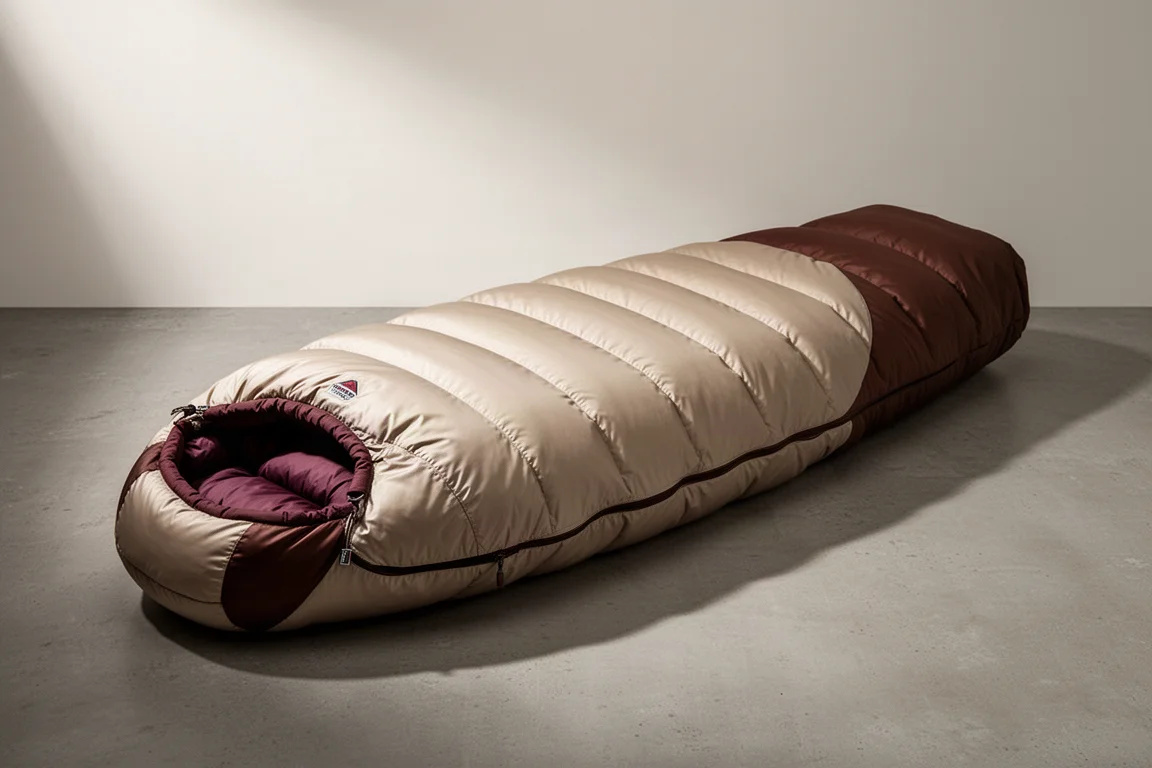
Winter sleeping bags are usually where camping budgets get stretched. Down fill, deep baffles and a proper hood tend to push prices into premium territory, which is exactly why the Naturehike Snowbird deserves attention. It is a duck down mummy bag rated for a comfort temperature of 2°C, it weighs around 1,050 g in size Large, and it packs down to roughly 19 by 40 cm.
For a bag built around winter use, that is a genuinely light package. The Snowbird is aimed at mild winter nights rather than deep cold, and it delivers a lot of warmth and detailing for the money. This guide covers where it performs, where its limits sit, and who should consider buying one.
Who This Sleeping Bag Is For
The Snowbird is at its best on mild winter nights, roughly between 2°C and 4°C. That covers a large share of UK winter camping, where temperatures often hover a few degrees above freezing rather than dropping well below it. Campers who want a down bag for those conditions, and who would rather not carry a heavier synthetic winter bag, are the natural audience.
It also suits backpackers who care about packed volume. At 19 by 40 cm compressed, the Snowbird takes up noticeably less room in a pack than most winter bags at a similar price.
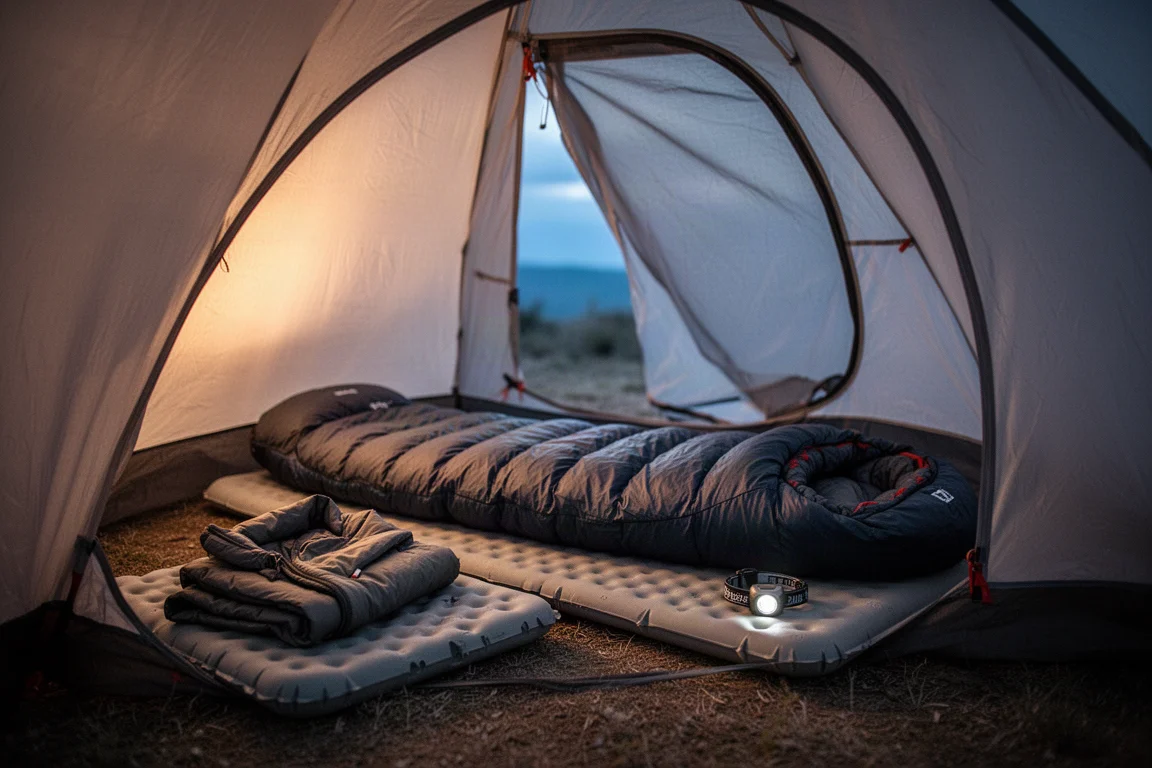
Anyone planning trips into sustained sub-zero conditions should look elsewhere, because the Snowbird is not built for that. As a cold-weather bag for nights that stay a few degrees above freezing, it is a sensible choice.
Warmth and Temperature Ratings
The Snowbird uses 650 fill power duck down with around 560 g of insulation. That fill power is a solid, standard specification for down, and the baffles loft up quickly once the bag is shaken out. The result feels fuller and warmer than the fill weight alone would suggest.
Naturehike prints three figures on the bag: a comfort rating of 2°C, a transition rating of -4°C and a risk rating of -20°C. The comfort figure is the one that matters for most buyers, and in practice it reads as accurate. The Snowbird is also a clear step warmer than the Naturehike CW400, which carries a 6°C comfort rating. On paper that is only a four degree difference, but the gap in warmth feels considerably larger.
Design Details That Keep Heat In
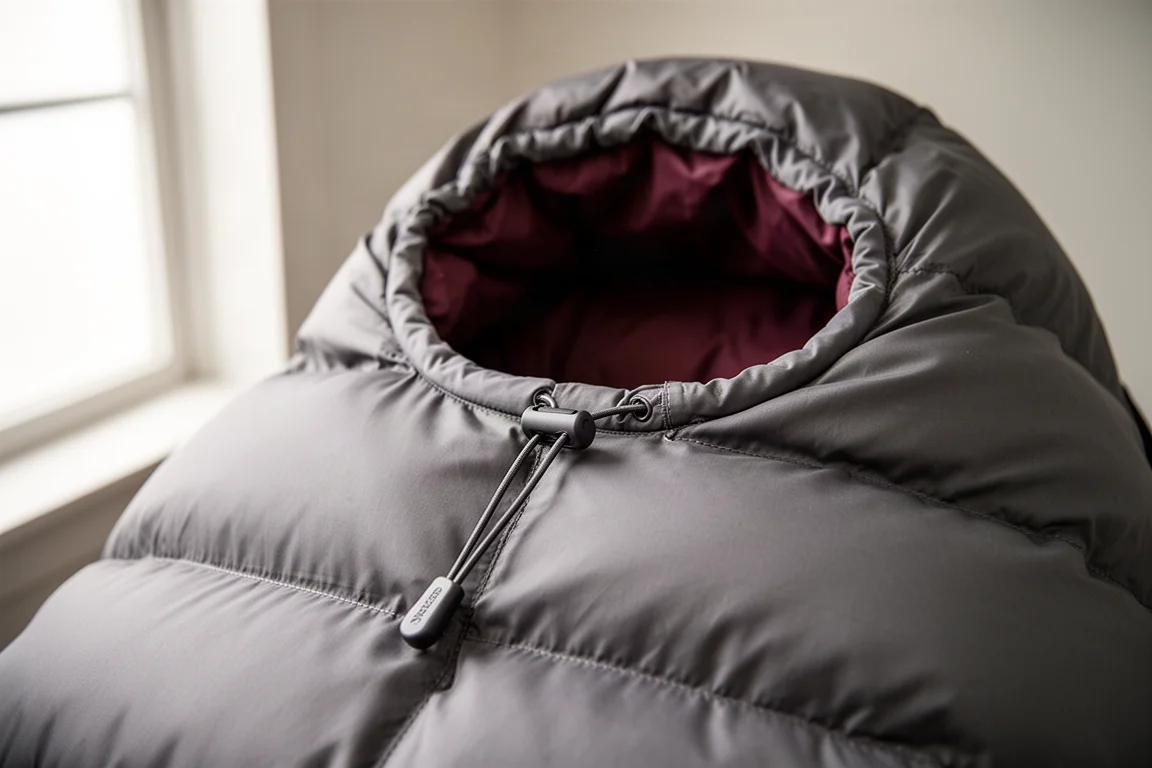
The Snowbird is a mummy cut, which is the right shape for trapping warmth around the body. Around the head there is a U-shaped hood with a cinch toggle, so it can be pulled tight around the face. Inside, a U-shaped neck baffle sits close against the neck and holds warm air in the bag rather than letting it escape.
The main zip is two-way, so it can be opened from either the inside or the outside. It is backed by a full-length baffle that also carries the printed temperature ratings, which keeps cold air from leaking through the closure. A strip of fabric runs alongside the zip to stop the slider snagging the shell and damaging the bag.
At the foot end there is a second two-way zipper, and it stops short of the base. That design choice lets Naturehike reinforce the toe box with a thick layer of insulation, so feet stay warm without the zip running into the coldest part of the bag.
Size, Fit, and Packability
Size Large measures 205 cm long and 80 cm wide at its widest point. At 172 cm, there is a generous amount of wriggle room, and the extra length means taller sleepers are well covered. Mummy bags always bring the legs closer together than a rectangular bag, so anyone who finds that restrictive should size up for more space at the foot.
Packed, the bag measures about 19 by 40 cm, and it weighs around 1,050 g. Both numbers are low for a winter bag, and the light weight is one of the Snowbird’s strongest arguments for backpacking trips where every gram counts.
Things to Consider Before Buying
The biggest thing to weigh up is the temperature rating. The -4°C transition figure should not be treated as a comfort target. At that point most campers would want to be wearing all their layers, and the bag is far more pleasant at 2°C and above. Buyers who regularly camp in harder frosts should budget for a warmer bag.
The colour scheme is another personal one. The shell is a champagne tone on top with brown on the back, and the lining is a deep maroon. It looks classy, and the darker back panel means marks and dirt are less of an issue over time.
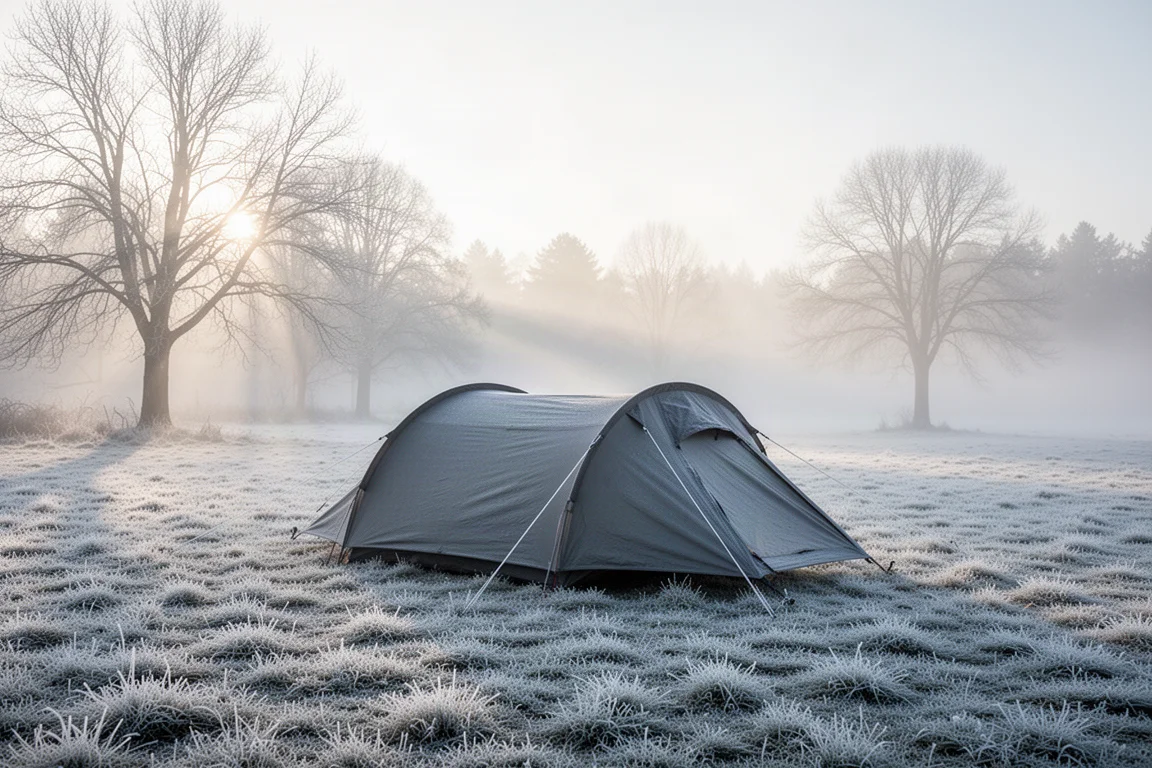
Finally, down needs a little more care than synthetic fill. It should be stored loose and kept dry, and it loses loft if it gets damp. The Snowbird’s durable water resistant finish helps here, since light moisture beads on the shell rather than soaking straight into the down.
Care and Storage
The Snowbird ships with both a storage sack and a stuff sack, and using them correctly makes a real difference to how long the bag performs. The large storage sack is for home use, keeping the down loose, dry and away from moisture. The smaller stuff sack is for travel, and the bag can be compressed into it without much effort.
On arrival at camp, shaking the bag out is enough to let the baffles loft back up. Keeping it dry between trips matters more than anything else with a down bag, and the water resistant shell adds a useful margin when conditions turn damp.
Buying Advice
The retail price sits around $319, but the Snowbird is rarely sold at that figure. Naturehike itself lists it at roughly half price, and other retailers have offered it for less again. At those street prices it is one of the strongest value down winter bags available, and the warmth per pound spent is hard to match against premium brands.
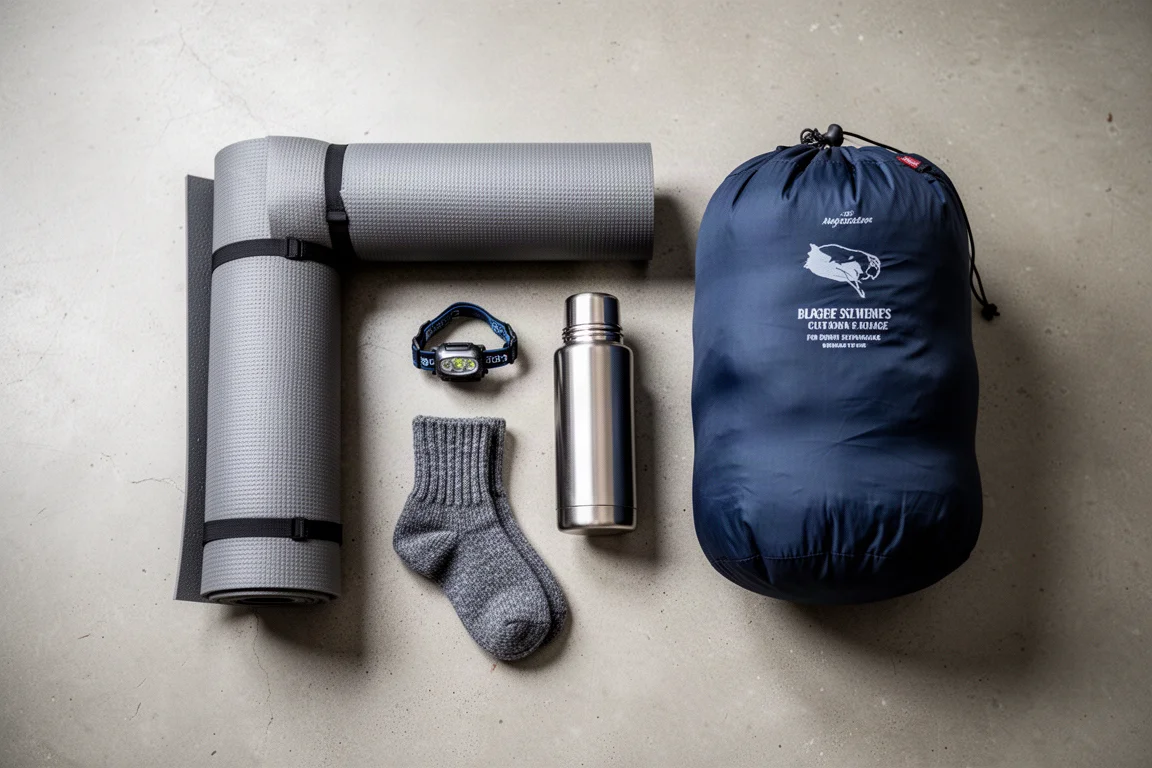
For campers in the UK who want a light down bag for mild winter nights, the Snowbird is an easy recommendation. Buyers who need to sleep comfortably below freezing should put the money toward a warmer rating instead, because no discount makes up for a bag that cannot hold the temperature you camp in.
Conclusion
The Naturehike Snowbird delivers duck down warmth, a thoughtful mummy design and a genuinely light packed weight for a fraction of what premium winter bags cost. Its 2°C comfort rating is honest, its hood and neck baffle work well, and the reinforced toe box keeps feet warm where it counts. Treat it as a mild winter bag rather than an alpine one, and it is excellent value.
Product link
View more details for Naturehike Snowbird
This product is mentioned in the review. Check the specifications, options, and compatibility before buying.
View more details for Naturehike SnowbirdFurther reading
Related Reviews
Sleeping Bags
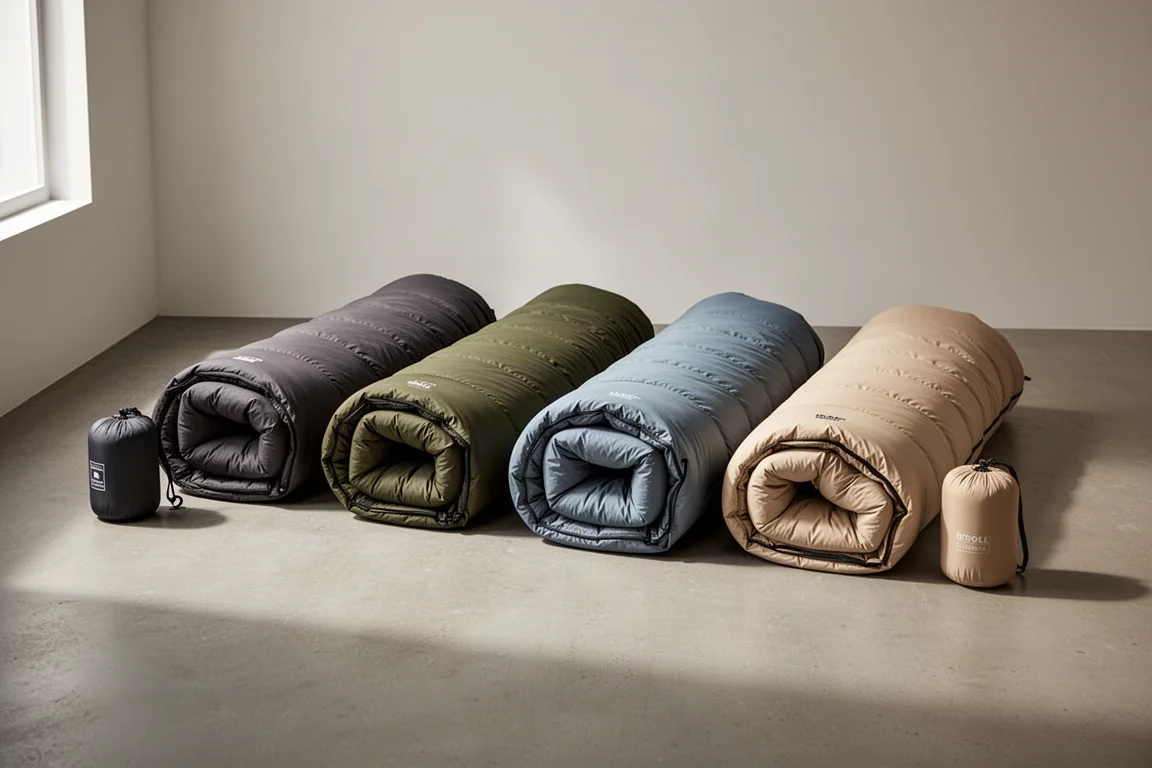
Best Down Sleeping Bags Under $300: Four Backpacking Options Worth a Look
Four down sleeping bags that stay under $300, compared on fill power, baffle design, hood comfort, and packed size.
Sleeping Bags
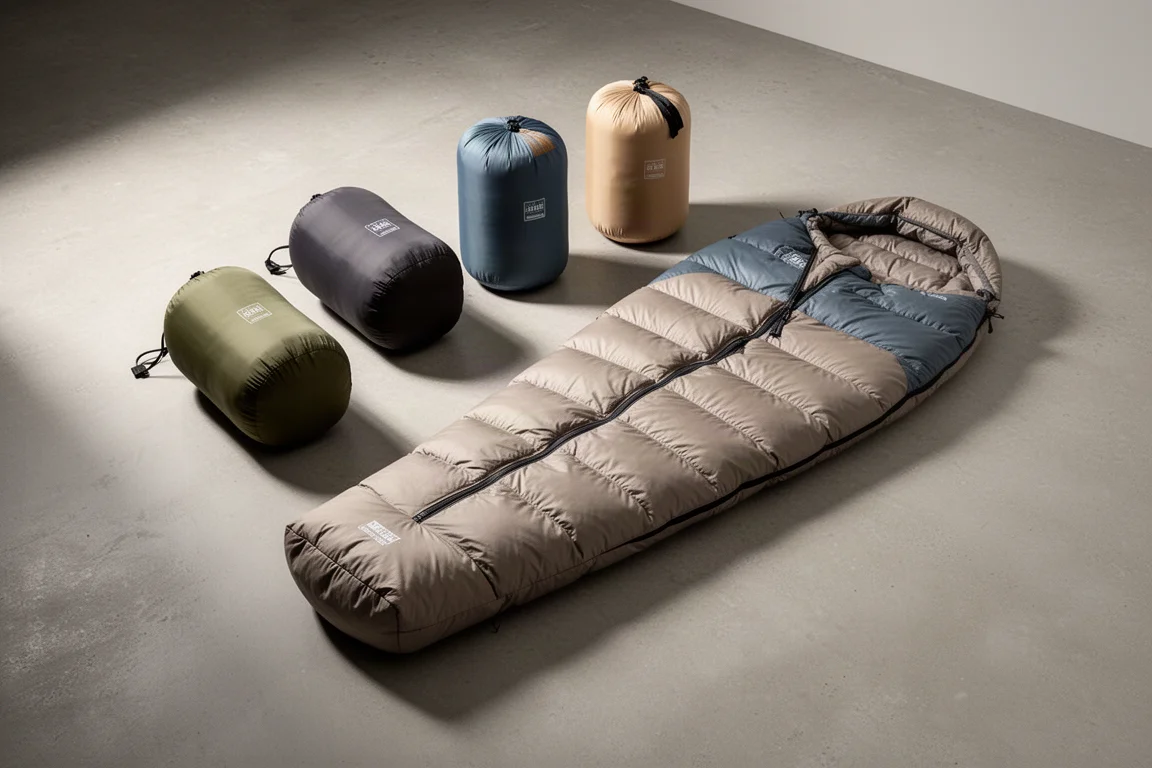
Best Sleeping Bags and Sleep Systems: Five Premium Down Picks Compared
Five premium down sleeping bags and sleep systems compared on warmth, weight, construction, and value.
Sleeping Bags
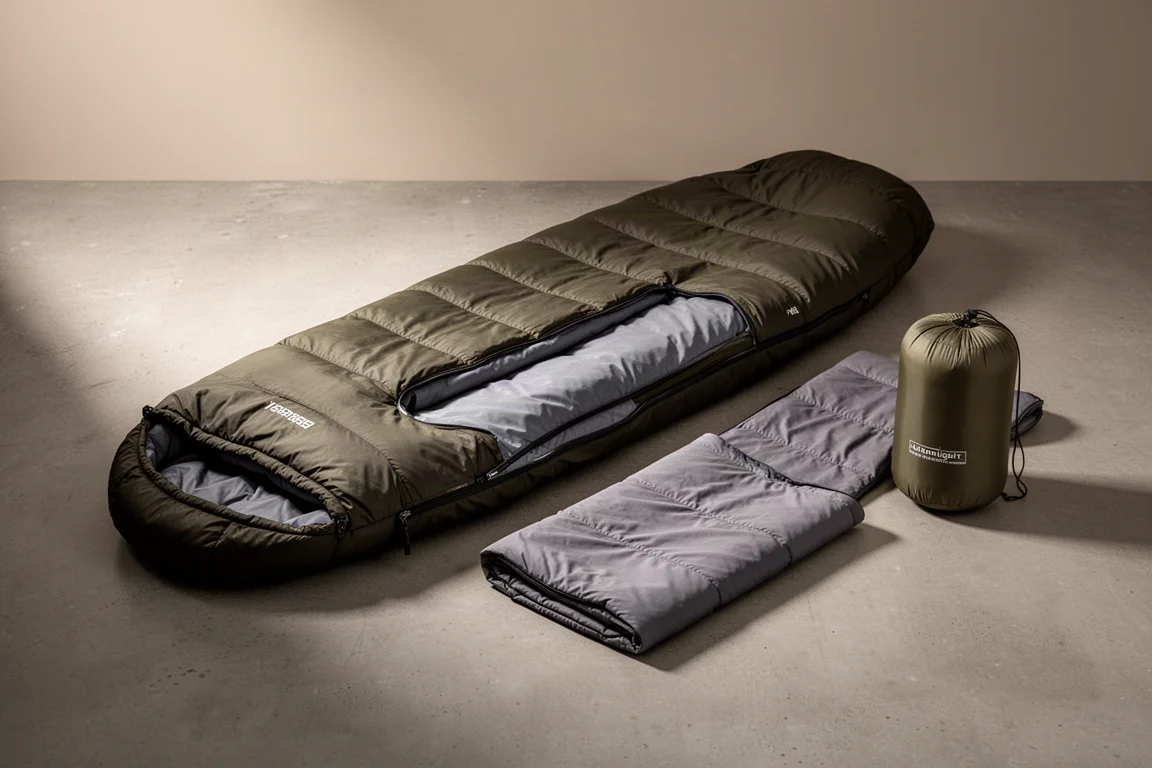
Big Agnes Lost Ranger UL 3-in-1 Sleeping Bag System Review: One Bag, Three Setups
A practical look at the Big Agnes Lost Ranger UL 3-in-1 Sleeping Bag System, covering how the three configurations work, where it shines, and the details worth weighing before buying.