Camping Tents
Naturehike Ranch Fire Hot Stove TP Tent Review: A Four-Season Hot Tent That Stayed Dry
A pyramid-style hot tent with a quick pitch, a steady structure in wind, and a dry interior after 12 hours of freezing rain, sleet, and rain.
Introduction
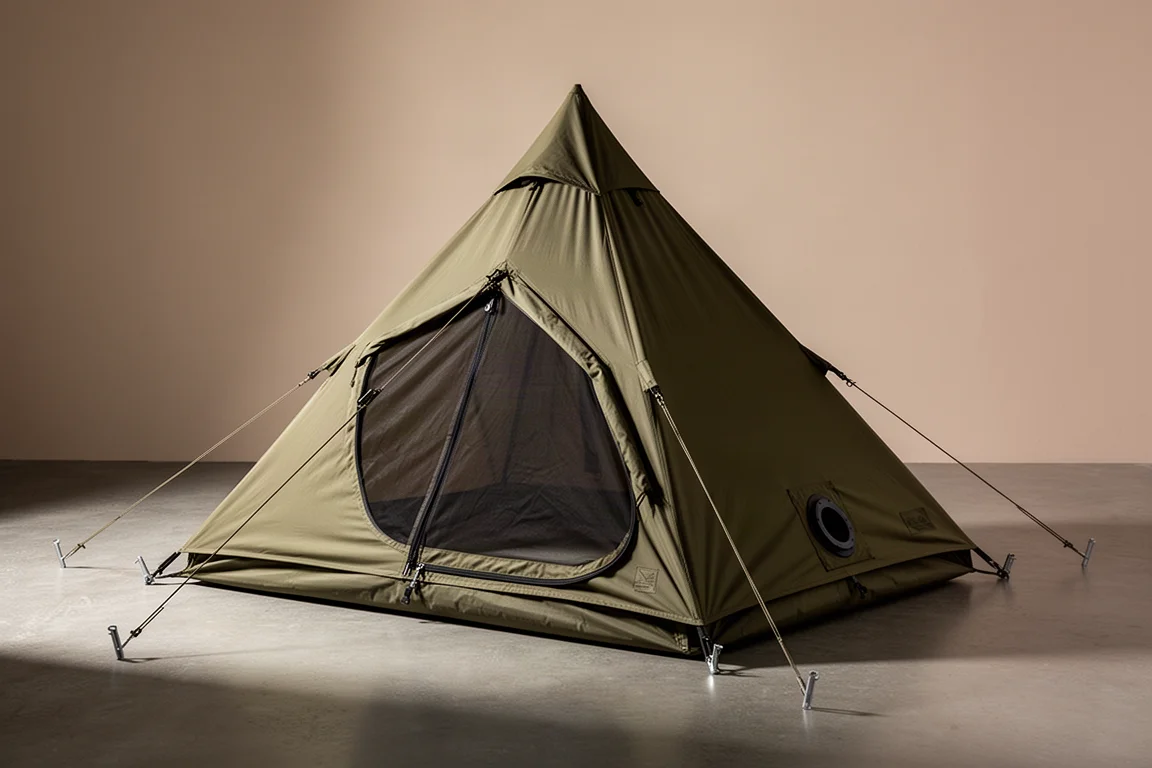
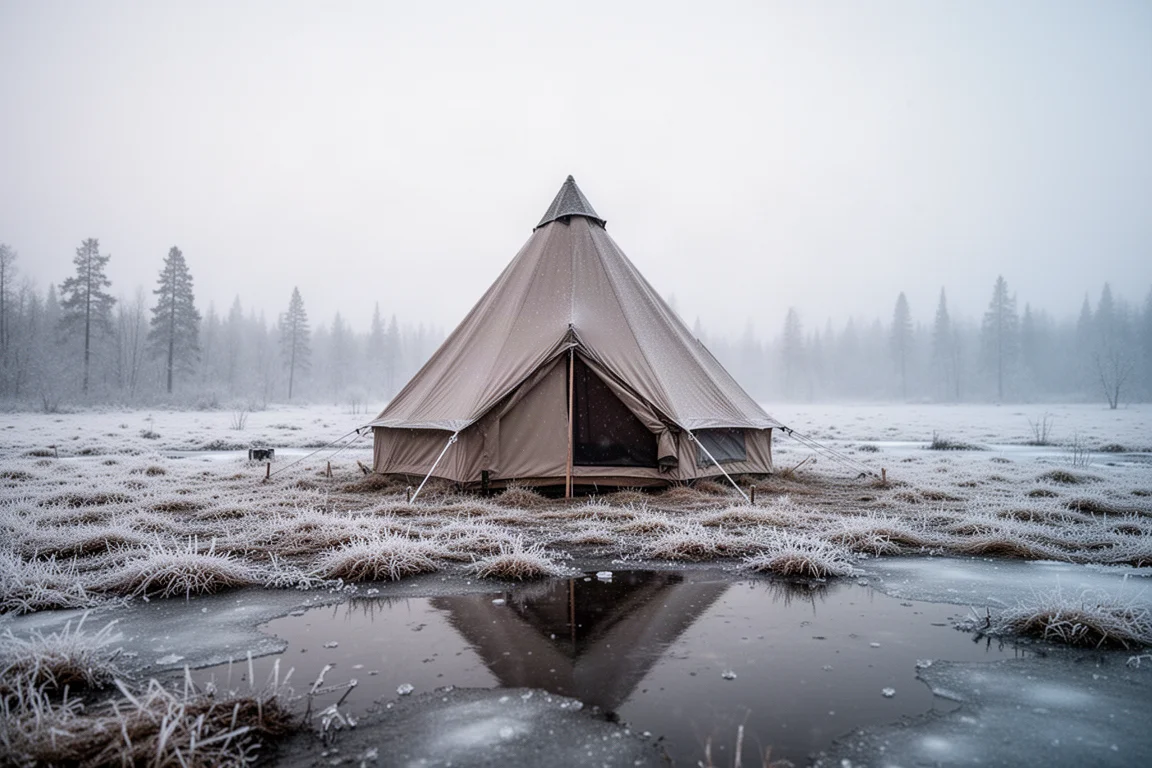
Naturehike’s Ranch Fire Hot Stove TP Tent is a pyramid-style shelter built around a stove jack, which places it in the four-season hot tent category. It uses a square TP footprint, the layout many campers prefer because it goes up quickly and holds tension well, and it arrives with a large entrance and a genuinely roomy interior. No floor is included, so a groundsheet or floor panel is something you supply yourself.
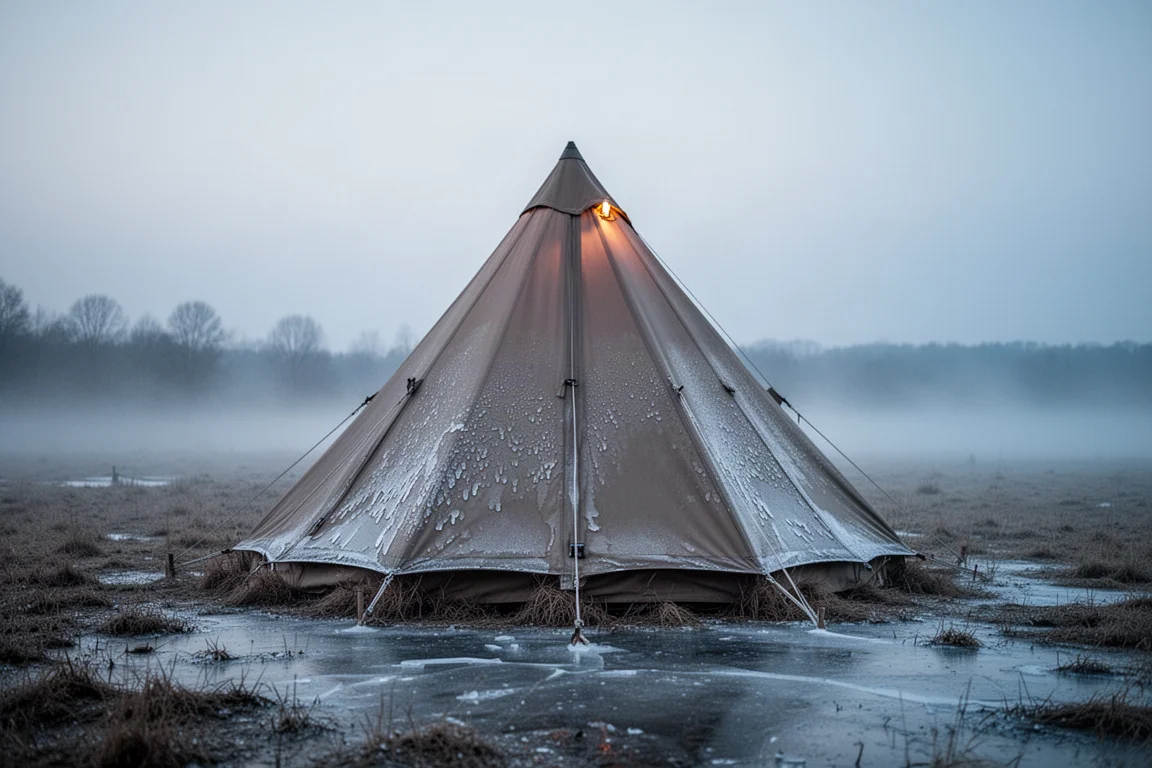
To see how it handles difficult weather, the tent was left standing for 12 hours through freezing rain, sleet, and rain. It finished the run with a dry interior and no leaks at the stove jack or the roof vents, which are the points most likely to let water in. That result sits at the center of this review.
Beyond the storm result, the tent earned attention for how it pitches and how it behaves in wind. The sections below cover who it suits, where it stands out, and the details worth checking before you commit.
Who This Tent Is For
This is a shelter for cold-weather camping. The stove jack is the headline feature: it allows a wood stove to be run inside, which changes what a winter or late-season trip feels like.
It also suits campers who care about a simple, repeatable pitch. Square TP tents are among the easiest shelters to set up, and that matters when your hands are cold or the weather is turning.
It is a less natural fit if you want an all-in-one package. There is no floor, so you will want to plan for a groundsheet, and anyone who prefers a lighter three-season tent will find this one built for a different job.
Setup and Structure
Setup follows the familiar square TP sequence: stake the corners, raise the center, tension the walls. It is straightforward work, and the shelter comes up taut without a fight.
Once standing, it feels solid. It sat through breezy overnight conditions without shifting or flapping, which is a good sign for a shelter of this shape. The fabric and guy lines hold their tension rather than working loose.
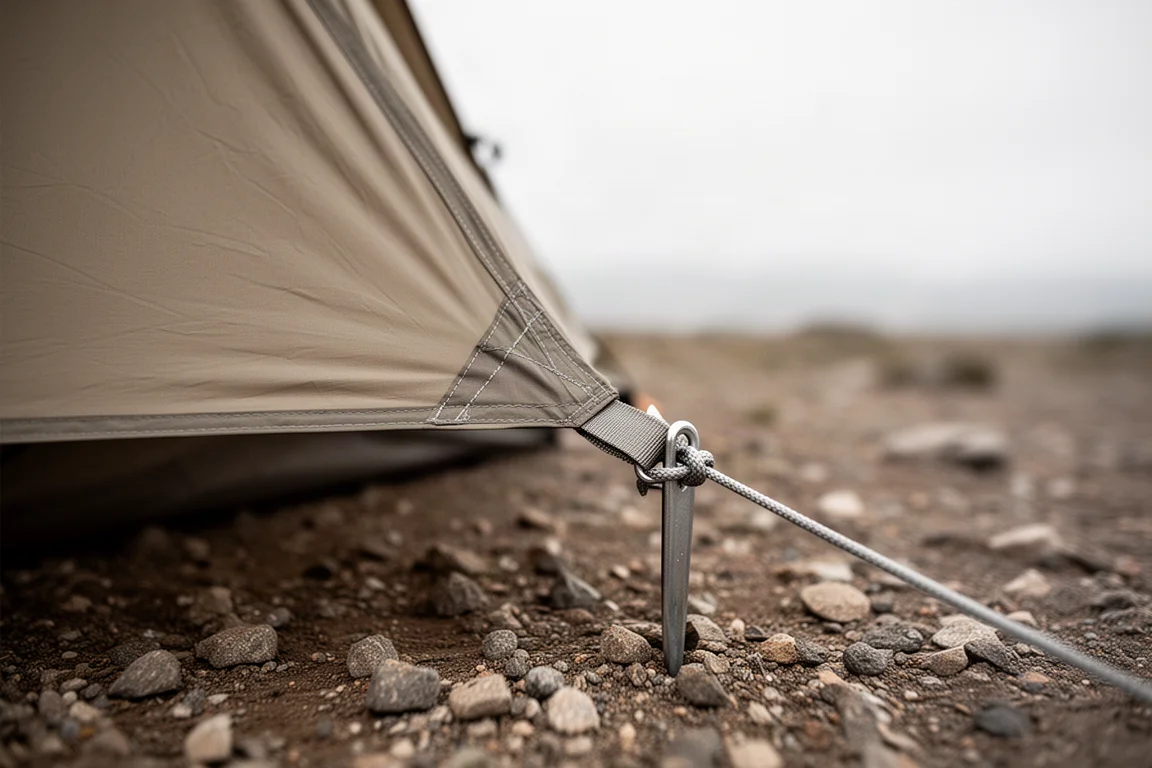
That steadiness is worth noting because a loose pyramid tent loses both weather protection and usable space. A taut pitch keeps the walls away from you and keeps the seams doing their job.
Storm Performance: Freezing Rain, Sleet, and Rain
The tent was exposed for 12 hours across three kinds of weather. Sleet and freezing rain began around midnight, freezing rain continued on its own from about 3 a.m., and the precipitation turned to rain around 6 a.m.
A shell of ice formed over the fabric during the coldest hours. The tent stayed standing and kept its shape throughout.
At the end of the run, the interior was dry. No water came through the stove jack, and no water came through the vents, the two areas that usually cause problems in this kind of shelter. Temperatures sat around 29 degrees overnight and closer to 39 degrees by the time the tent was checked.
Living Space and Ventilation
The interior is spacious for a pyramid design, helped by the large entrance and the steep walls. There is room to move around and to arrange sleeping and living gear without crowding.
Ventilation is handled by two vents at the top of the shelter. This is where the one real snag showed up: one vent could be closed, but the other could not be fully secured, because there was not enough material to stretch it closed. It was set as well as possible and later came undone in the wind.
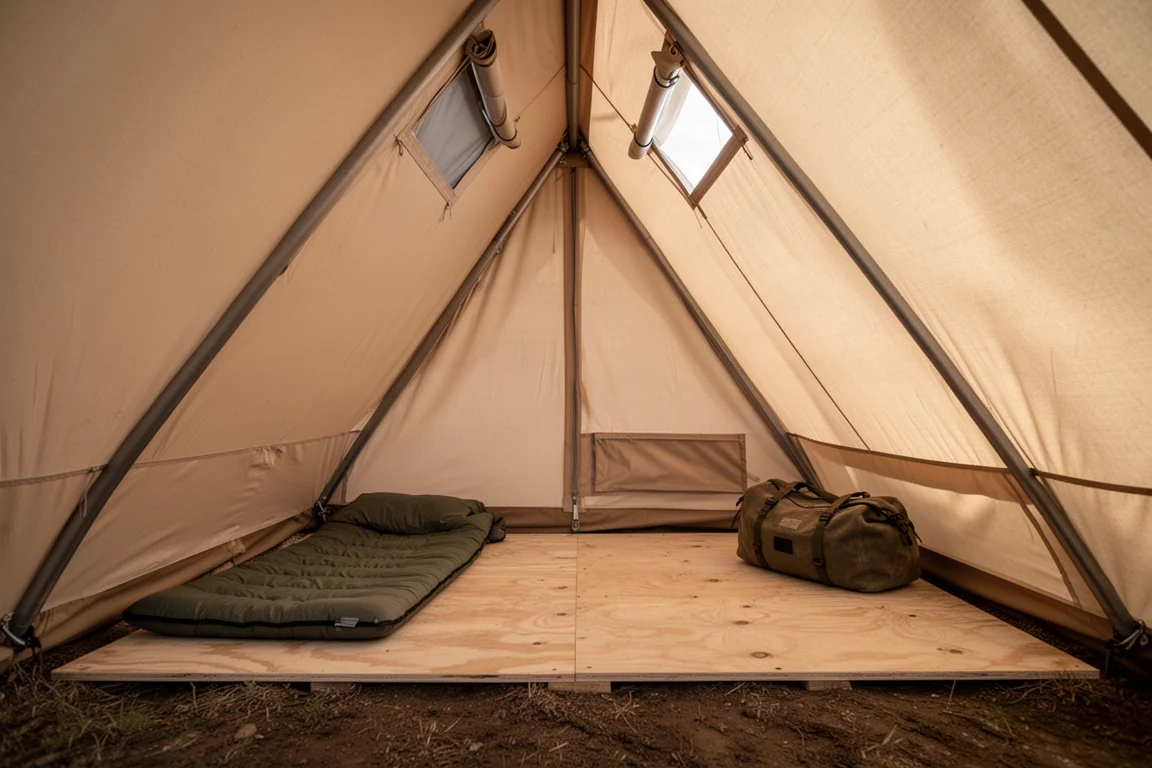
Managing those vents matters more than it might seem. They control condensation and airflow when a stove is running, so it is worth checking how they tension before your first cold trip. Because no floor is included, the ground underfoot is whatever you bring: a groundsheet, a floor panel, or a footprint.
Things to Consider Before Buying
The missing floor is the most practical consideration. A hot tent without a floor is flexible, since you choose your own barrier against ground moisture, but it is an extra item to pack and an extra cost to account for.
The vent closure is the second point. One of the two top vents was difficult to pull fully shut, and it worked loose in the wind. It did not cause a leak in this run, but it is the kind of detail to test at home before relying on it.
Finally, remember what a hot tent is for. The stove jack is the reason to choose this shelter, and it is best matched with the gear and the trips that go with it.
Buying Advice
If you want a four-season hot tent and you are comfortable supplying your own floor, the Ranch Fire TP Tent is a compelling option. It sets up quickly, stands firm in wind, and it kept a dry interior through freezing rain, sleet, and rain over a 12-hour stretch, which is exactly the kind of night a hot tent is bought for.
Value is part of the appeal. This is an inexpensive option in the four-season hot tent category, and the construction and weather behavior described here do not read like corners were cut in the places that matter most. Check the vents, plan your floor, and treat the stove jack as the feature that earns the tent its place in your kit.
Conclusion
The Naturehike Ranch Fire Hot Stove TP Tent does the important things well: a simple pitch, a steady structure, and a dry interior after a long, messy storm. The trade-offs are clear and manageable, no floor and one stubborn vent, and neither undermines what the tent is built to do. For cold-weather campers who want a stove-capable shelter at a modest price, this one deserves a close look.
Product link
View more details for Naturehike Ranch Fire Hot Stove TP Tent
This product is mentioned in the review. Check the specifications, options, and compatibility before buying.
View more details for Naturehike Ranch Fire Hot Stove TP TentFurther reading
Related Reviews
Camping Tents
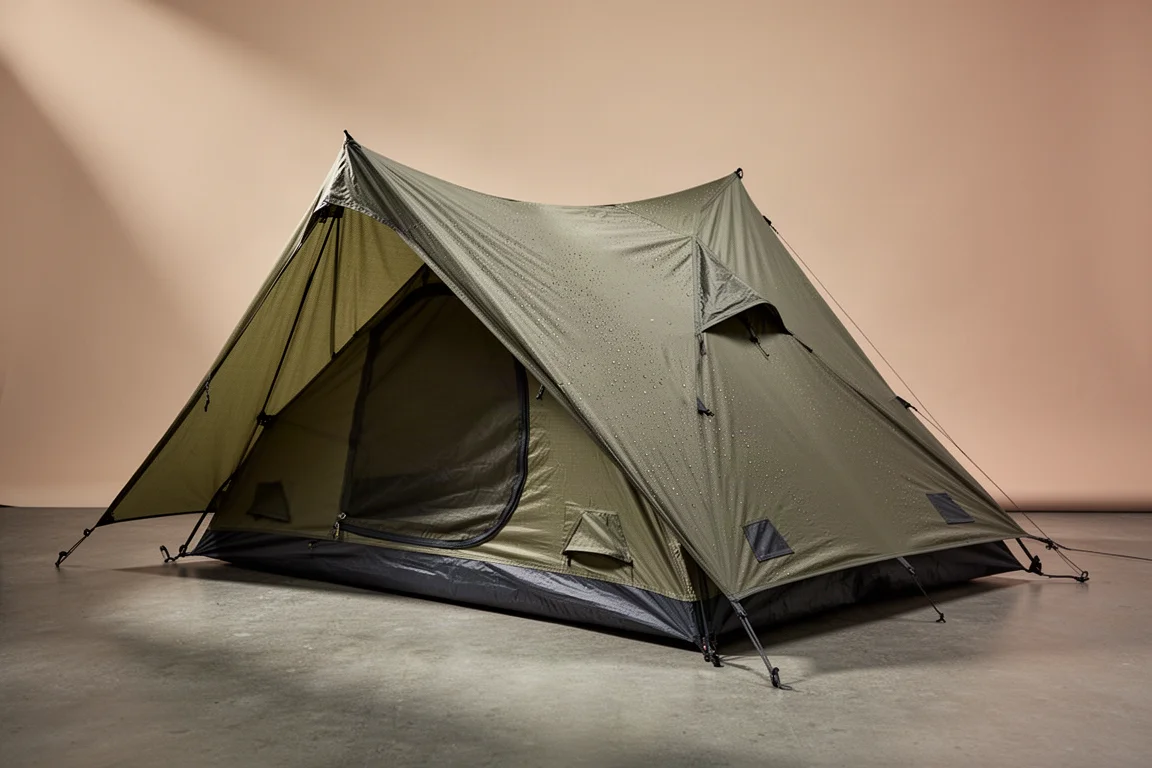
3F UL Gear Taiji Two-Person Tent Review: Field Waterproofing Results and Buying Advice
The Taiji pairs an attached fly with a removable inner, but sustained rain exposed untaped vent seams that need sealing before this shelter can be trusted.
Camping Tents
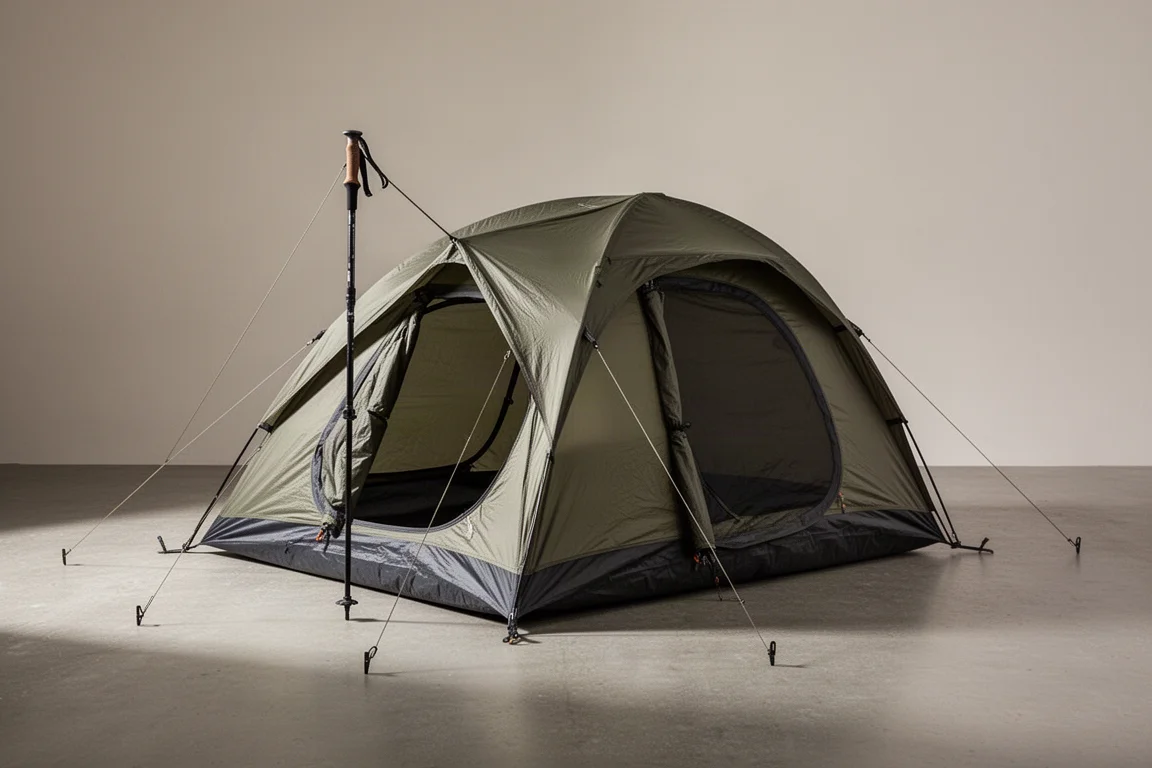
3FUL Gear Lanshan 2 Pro 4-Season Review: A Sub-$200 Single-Wall Trekking Pole Tent
An early look at the 3FUL Gear Lanshan 2 Pro 4-Season, covering its straightforward pitch, generous interior space, and the condensation and seam-sealing questions that come with any single-wall shelter.
Camping Tents
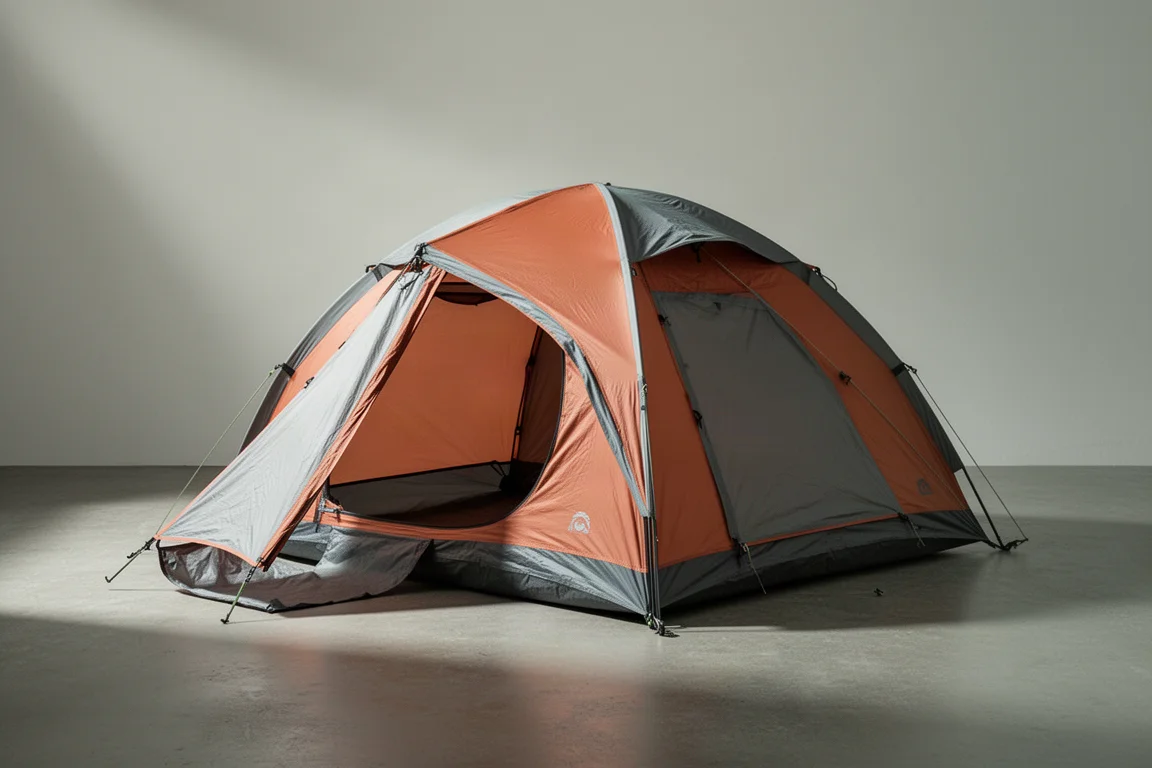
Alps Mountaineering Lynx 1-Person Tent Review: Big Value in a Small Budget Tent
A close look at the Alps Mountaineering Lynx 1-Person Tent, covering real interior dimensions, materials, setup time, ventilation limits, and who should buy it.