Camping Tents
Naturehike Opulus 3 Review: A Huge Three-Season Tent That Is Not a Four-Season Shelter
A budget-friendly three-person tent with a massive vestibule, strong rain performance, and excellent airflow, plus a four-season label that does not survive contact with winter.
Introduction
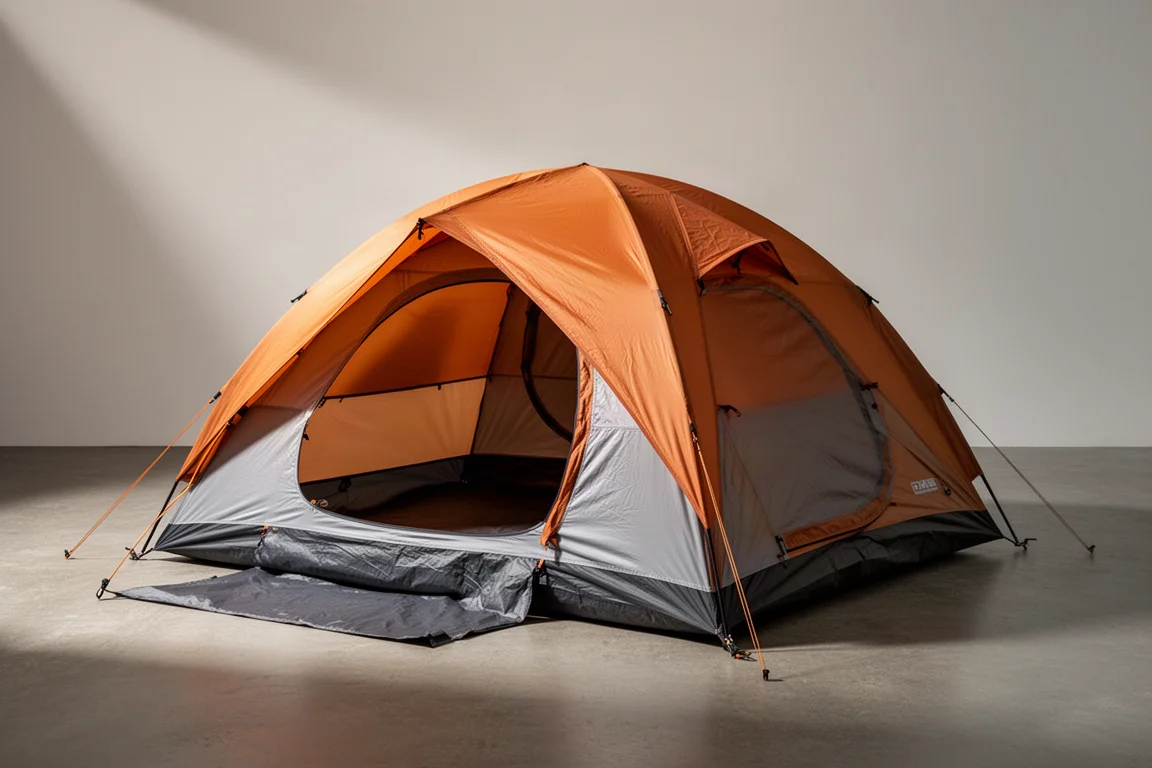
The Naturehike Opulus 3 is a budget-friendly three-person tent that the brand labels as a four-season shelter. It is built around three poles: two short blue poles that run front and back, and one long silver pole that arcs through the centre. A groundsheet is included, though many campers will swap in a lighter one of their own.
The real question with any tent at this price is whether the savings show up in the wrong places. The Opulus 3 answers that question in a fairly specific way. It is a very large, very well-ventilated three-season tent that handles sustained rain far better than its price suggests, and it is not the winter shelter the marketing implies.
Who the Naturehike Opulus 3 Is For
This tent makes the most sense for campers who want maximum interior volume for the money. Three people fit comfortably, and two people travelling with a lot of gear will find the space almost indulgent. The vestibule is genuinely gigantic, large enough to sit inside and shelter from rain, and the main body is equally generous.
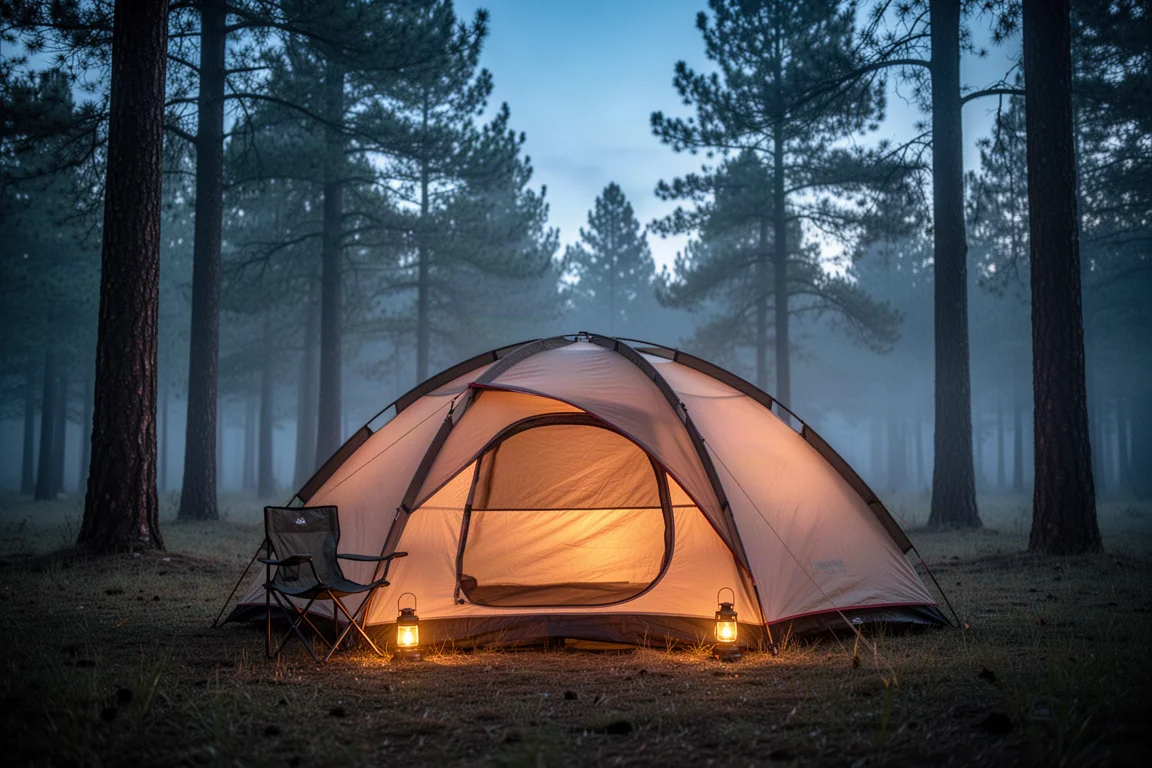
It is also a strong option for warm to mild conditions, where the near-total mesh inner tent becomes an advantage rather than a compromise. It is not, however, a winter tent. If your coldest trips are a chilly night in a mild climate, the Opulus 3 will be perfectly pleasant. Take it into a serious winter storm and the materials and design decisions will leave you exposed.
Main Strengths: Space, Waterproofing, and Ventilation
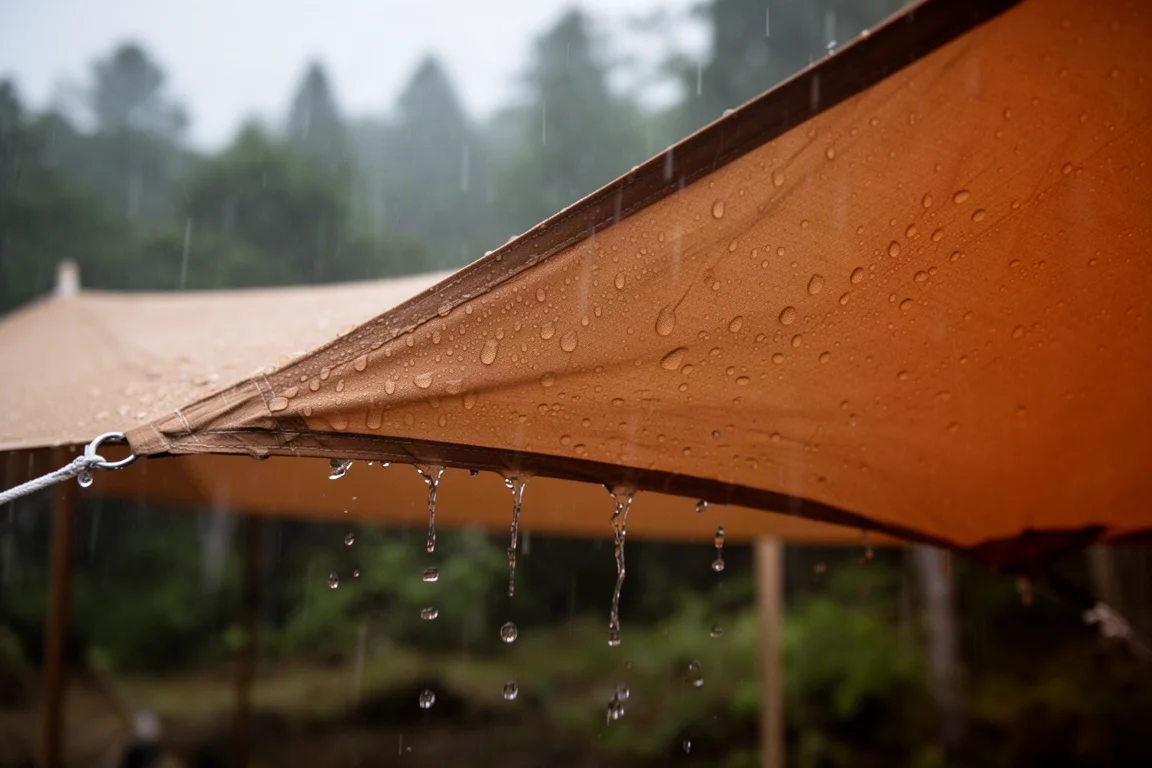
Water resistance is the standout result. Across a multi-day weather window that delivered close to an inch of rain, including a genuinely heavy downpour with water running down the hillside, the interior stayed essentially dry. The only water that made it inside came through a single small point at the rear vent, where the vent lip sits at almost the same level as the edge of the fabric. Under the heaviest rain, water can ingress there and drip down the mesh. It is a known weak spot with low-cut vent designs, and it was minor relative to the volume of rain.
Ventilation is the second clear strength. Airflow through the inner tent is excellent, which keeps the interior comfortable on warm and rainy nights. Condensation does form on the fly, as it will on any tent, but the fly sits far enough away from the inner body that the moisture does not transfer onto the sleeping area.
The space itself is the third argument. The interior is huge and the vestibule is even bigger, which changes how the tent lives on a trip: wet gear stays outside the sleeping area, cooking and changing happen under cover, and there is no need to burrow in immediately when the weather turns.
Things to Consider Before Buying
Before committing, it is worth being clear about what this tent is and what it is not, because the marketing and the physical product point in different directions.
The Four-Season Claim Does Not Hold Up
The Opulus 3 is not a true four-season tent, and the reason is visible as soon as you look inside. The inner body is almost entirely mesh rather than fabric that wraps all the way around, which means it is not double-walled in the way a winter shelter would be.
That mesh is why wind moves straight through the tent. In a breeze you can feel the air entering around the back and through the walls, which is ideal for three-season comfort and a real problem in a snowy or windy winter situation, where blowing snow and cold air become difficult to manage. The fly material, the pole strength and the supplied stakes all point to the same conclusion. Treat the four-season label as marketing rather than a capability.
Setup and Hardware Details
Pitching takes roughly six to seven minutes, which is reasonable for a tent of this size. The pole sleeves are sticky, and threading the poles through takes more effort than it should, with the poles catching along the way. Some loose threads were also present on the body, which is a detail worth watching over time as a potential weak point.
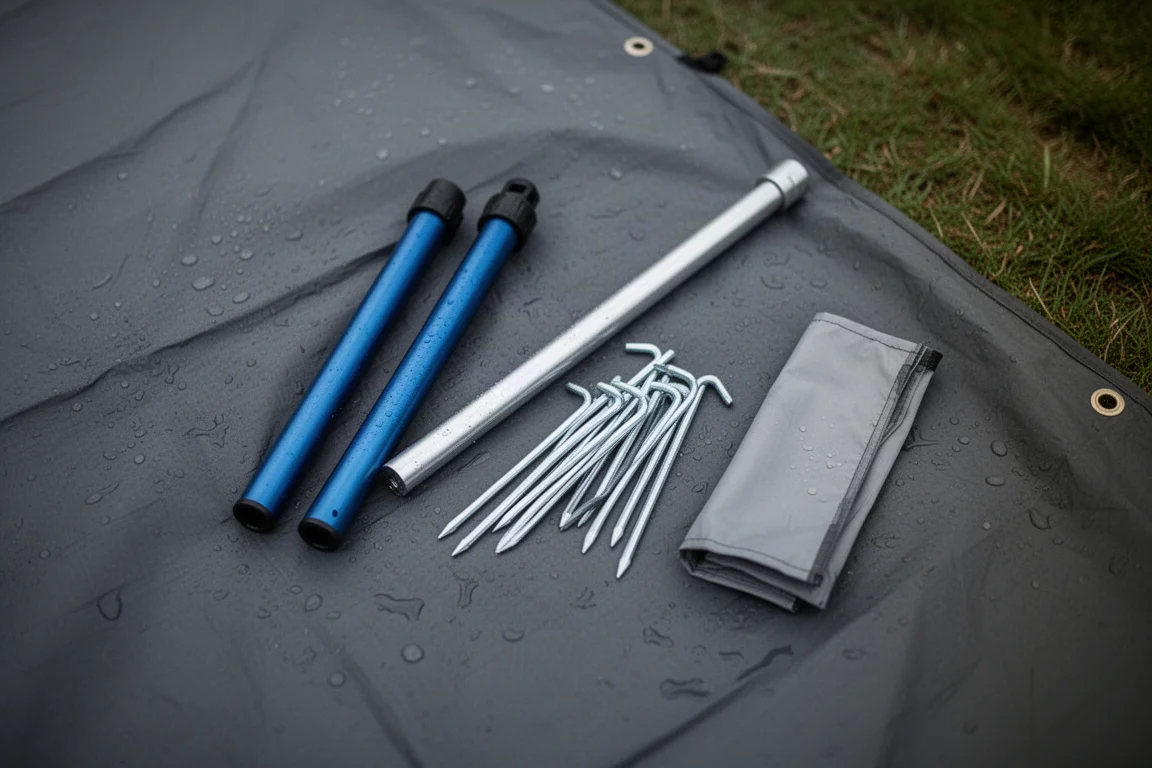
The included stakes are short and slim, and they are not adequate for four-season use. In snow they would be close to useless, and you would need to replace them. One more practical note: the orange fly material becomes extremely bright in direct morning sun, so expect an early wake-up on clear days unless you are a heavy sleeper.
Buying Advice
Buy the Naturehike Opulus 3 as a large, inexpensive three-season tent, and it is easy to recommend. Finding this much floor area, this much vestibule space and this level of rain protection at this price point is genuinely difficult. The price is low for the size of the shelter, and the waterproofing performance is the most impressive part of the package.
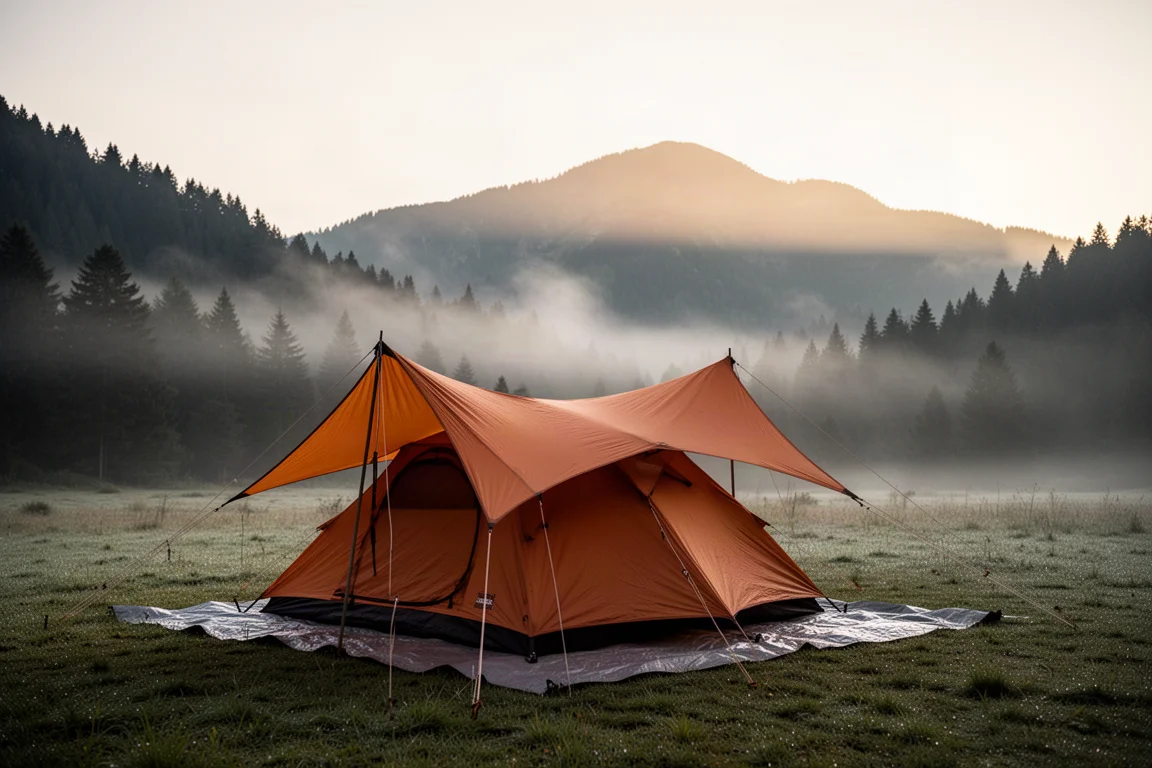
Plan around its limits rather than fighting them. Bring a lighter groundsheet if weight matters, upgrade the stakes if you expect frozen ground, and leave it at home for genuine winter conditions. If your camping is three-season, mild-climate and comfort-focused, this tent delivers far more interior space than its price would suggest.
Conclusion
The Opulus 3 is a budget three-person tent with excellent airflow, a palace-sized interior and rain performance that exceeds expectations for the money. The four-season claim does not survive inspection, the rear vent can let in a small amount of water during the heaviest downpours, and the stakes and pole sleeves are the weakest hardware details. Used as intended, as a spacious three-season shelter, it is a compelling value.
Product link
View more details for Naturehike Opulus 3
This product is mentioned in the review. Check the specifications, options, and compatibility before buying.
View more details for Naturehike Opulus 3Further reading
Related Reviews
Camping Tents
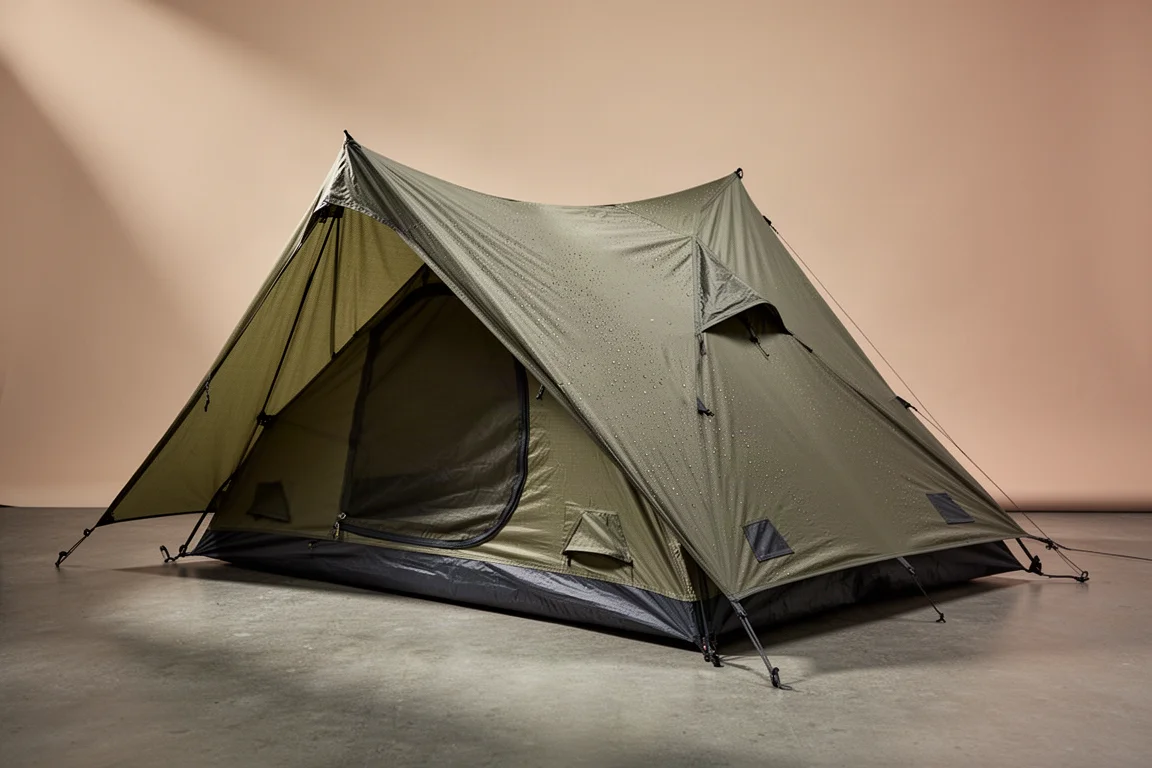
3F UL Gear Taiji Two-Person Tent Review: Field Waterproofing Results and Buying Advice
The Taiji pairs an attached fly with a removable inner, but sustained rain exposed untaped vent seams that need sealing before this shelter can be trusted.
Camping Tents
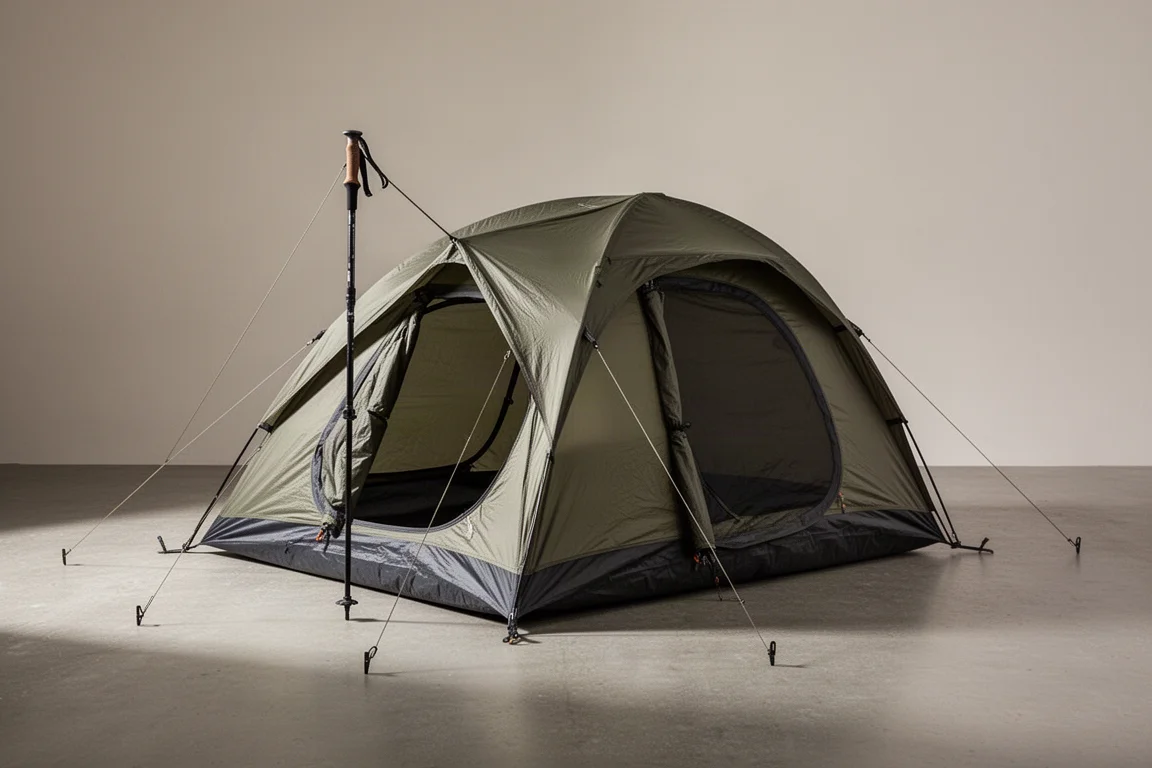
3FUL Gear Lanshan 2 Pro 4-Season Review: A Sub-$200 Single-Wall Trekking Pole Tent
An early look at the 3FUL Gear Lanshan 2 Pro 4-Season, covering its straightforward pitch, generous interior space, and the condensation and seam-sealing questions that come with any single-wall shelter.
Camping Tents
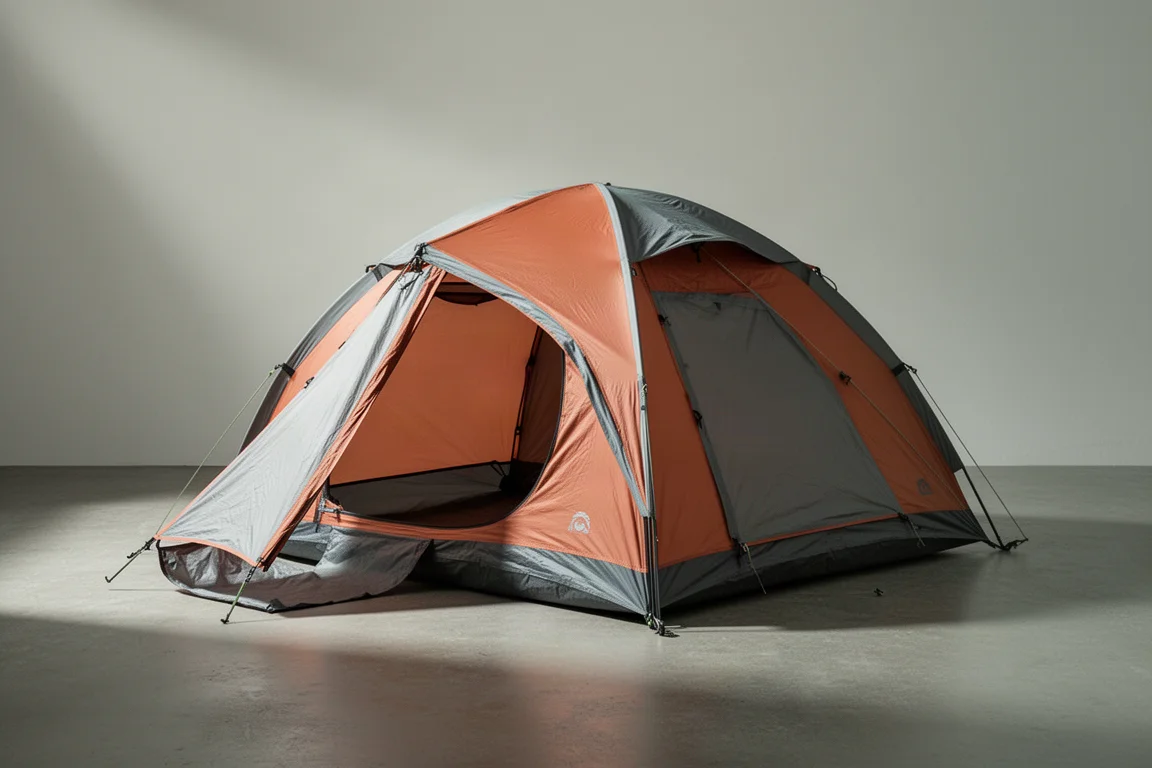
Alps Mountaineering Lynx 1-Person Tent Review: Big Value in a Small Budget Tent
A close look at the Alps Mountaineering Lynx 1-Person Tent, covering real interior dimensions, materials, setup time, ventilation limits, and who should buy it.