Camping Tents
NatureHike Opulus 3-Person Ultralight Tent Review: A Cold-Weather Tunnel Tent Built to Travel Light
A four-season tunnel tent that trims weight and packed size, with generous ventilation and excellent seam work, plus real limits on wind and snow performance.
Introduction
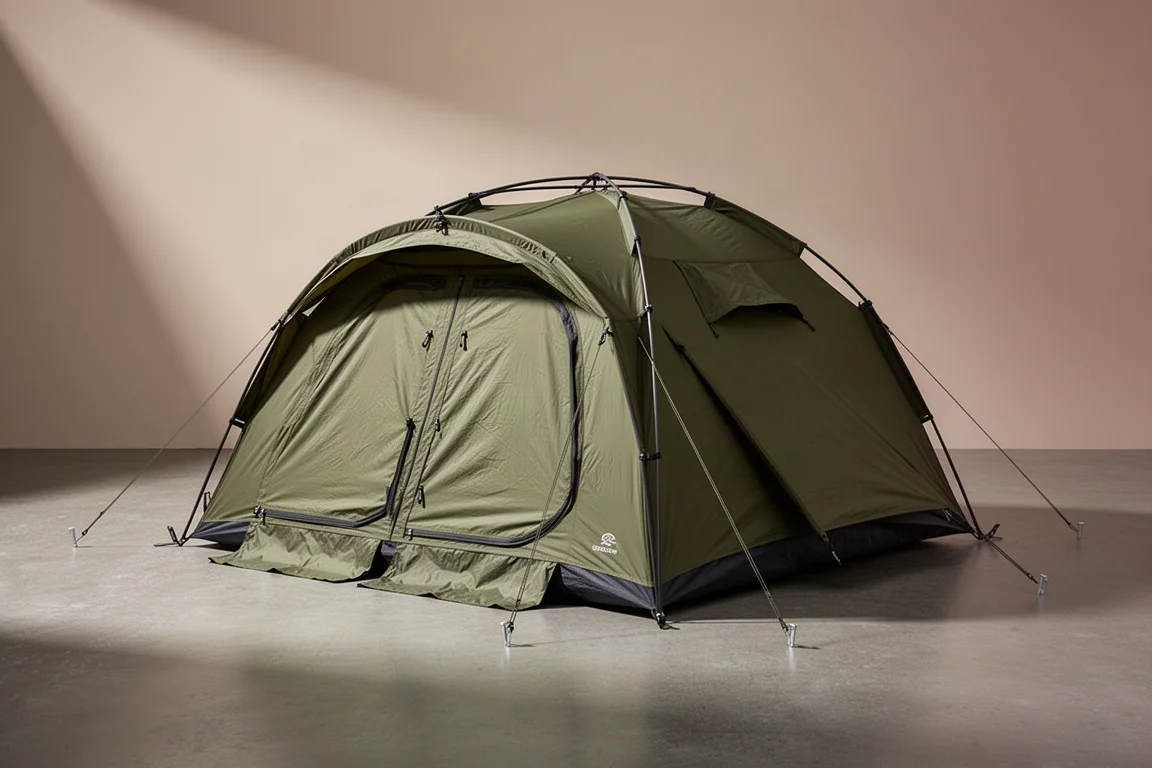
The NatureHike Opulus 3-Person Ultralight Tent is a four-season tunnel shelter built for cold-weather trips where carrying less matters. It joins a lineup that also includes two-person and three-person versions of the standard Opulus, along with a lighter two-person variant of this same ultralight design.
NatureHike’s early reputation in the US market was uneven. An earlier two-person Opulus shelter, released when the brand was still establishing itself, became known for leaking vents and a roof that gave way under roughly three inches of wet snow, alongside loose threads and inconsistent stitching. That was a different product from a different period. The craftsmanship on this generation is a clear step forward, and the brand’s pricing has stayed aggressive.
This review covers what the Opulus 3-Person Ultralight actually is, where it makes sense, and which trade-offs come bundled with the low weight.
Who This Tent Is For
The design brief here is straightforward: give cold-weather backpackers a tunnel tent that does not weigh like a tunnel tent. Traditional four-season tunnels often run 10 to 15 pounds and consume serious pack volume. This one trims both by reducing interior height and using lighter fabrics.
Realistically, it works for one person with plenty of room, or two people plus gear. The manufacturer labels it a three-person shelter, and three adults can be squeezed in, but shoulders will touch and the fit will feel tight. If you are six feet tall or under, the 72-inch usable length is workable. Taller sleepers will likely find head or feet brushing a wall.
It is aimed at trips where the goal is covering more distance in cold conditions, not at exposed alpine campsites or storm-battered ridgelines.

Two people travelling with gear is the sweet spot, and a solo camper gets a genuinely comfortable amount of space for the weight carried.
Setup and Craftsmanship
Pitching follows the usual tunnel routine, and the poles are color-coded, which removes most of the guesswork about placement. Plan on roughly 15 minutes if you are new to this style and about 10 minutes once you have the sequence memorized.
The materials list is consistent with the weight target: 15-denier silicone-treated nylon for the shell, aluminum poles, aluminum stakes, B3 mesh, and a nylon floor. The ultralight version is offered in a single color, olive green.
The kit is complete out of the box: the outer, the inner, three poles, 19 stakes, eight guy ropes, a storage bag, and a compression strap. The storage bag itself has a grab handle, two buckled compression straps, a drawstring at the center, and setup directions printed inside.
Stitching and seam work are the standout here. Every seam inspected looked clean and consistent, a notable change from the brand’s earliest output. For a tent at this price, the finishing is better than expected.
Ventilation and Weather Protection
Ventilation is where this design puts most of its effort, and the list is long. At the front, a vent requires guying out and staking to open, with no internal support pole behind it. Because the front is staked out anyway, you can also roll it up for extra airflow in warmer conditions.
Each of the two doors has a storm flap over the zipper to keep melting snow and rain out of the zip track, plus a mesh vent that can be rolled and tied off or sealed when the weather turns. At the rear there is another vent, opened by guying it out and closed by releasing the line. Lower down, a panel of material can be rolled up for additional airflow.
Inside, the inner tent adds two mesh side pockets, a rear vent, and a zippered mesh section at the front that can be opened or closed. One feature is genuinely uncommon on a tunnel tent: two small zip vents at the front, tucked behind storm-flap style covers, that open the front panel for more air.
The shell carries a hydrostatic head rating quoted at 30,000. With this many venting options, condensation should stay well controlled for a four-season shelter, though any tent can gather moisture in deep winter.
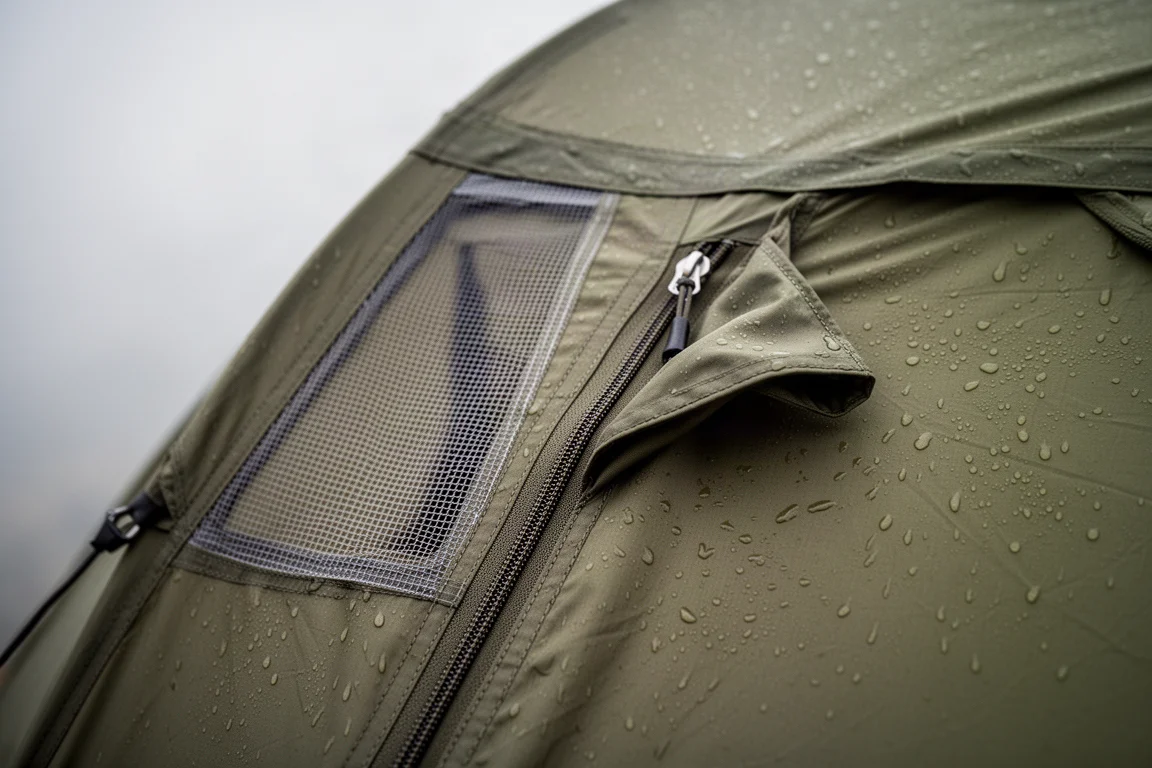
For cold-weather camping, that combination of a high waterproof rating and multiple adjustable vents is the part of the design most likely to matter night after night.
Packed Size and Weight
Stored, the three-person version measures 16.5 by 5.5 by 5.5 inches and weighs 5.9 pounds. The two-person ultralight version weighs 4.5 pounds. For a four-season tunnel tent, both figures are low, and the packed shape is compact enough to disappear into a backpack rather than dominate it.
That is the core of the pitch. The trade-off for the smaller packed size and lower weight is reduced interior height and thinner materials than a conventional four-season tunnel.
Living Space and Real-World Capacity
Inside the inner tent, usable width is 58 inches, maximum height is 36 inches, and usable length is 72 inches. The two doors are small and sit low to the ground, so getting in and out takes some flexibility. Campers with limited mobility or stiff joints may find the entry awkward.
The vestibule is the tighter compromise. It extends toward the front but slopes sharply, so the usable area is a rectangle of roughly 24 inches by 60 inches, with a maximum height of about 36 inches. That is enough for cooking on your knees and for stowing gear. It is not enough to sit in a chair or to lounge.
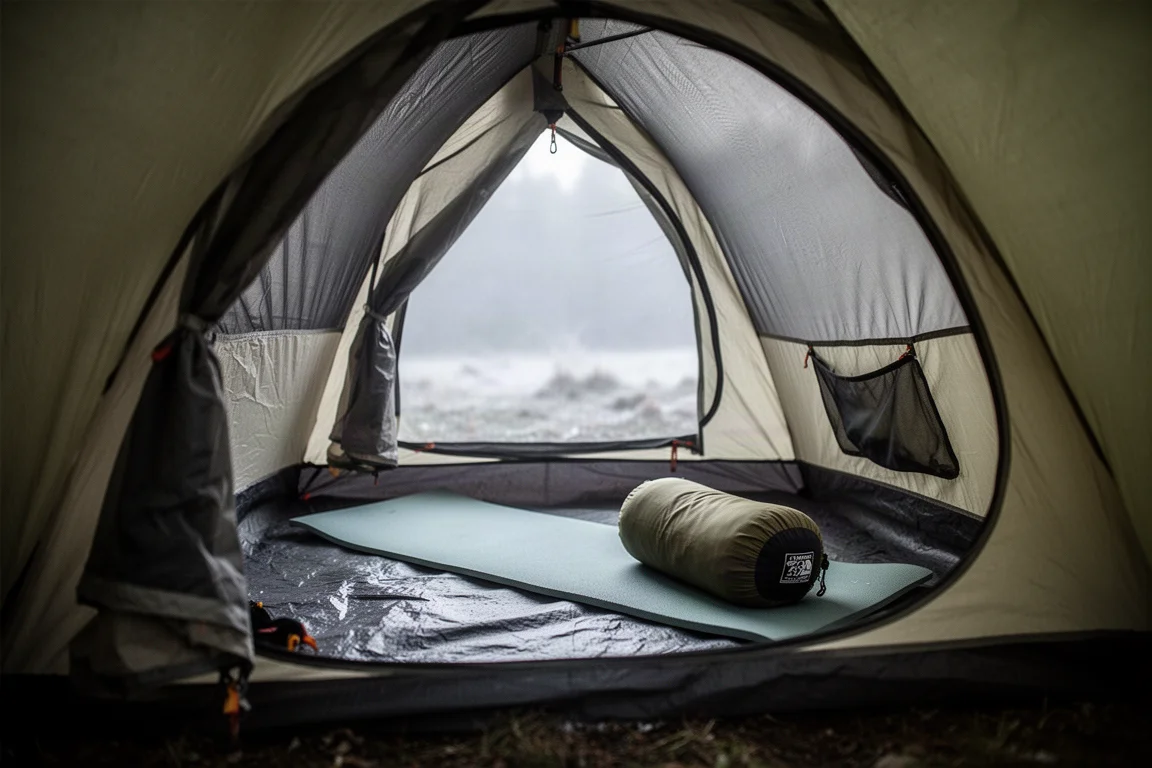
Think of the vestibule as a gear and cooking zone rather than living space, and the layout starts to make sense.
Things to Consider Before Buying
Strength is the main caution. The fabrics are thin and light, which reduces overall durability, and the poles are notably slim for a four-season tent. They flex visibly under light hand pressure, which is a useful indicator of how they would behave in a real storm.
For that reason, this is not a shelter to pitch in strong winds or leave out under heavy snow loading. Wet snow is especially heavy, and it is the scenario where a lightweight tunnel like this is most exposed. Treat it as a cold-weather backpacking tent rather than a storm fortress.
The low doors and the small vestibule are the other practical limits, and they are worth weighing honestly against the weight savings.
Buying Advice
Buy this tent if your priority is going further in cold conditions with less weight on your back, and if you mostly camp in sheltered or moderately exposed spots. It suits one person who wants space, or two people travelling together.
Skip it if you need a shelter for exposed ridgelines, heavy snow, or high winds, and skip it if bending down to crawl through a low door is a problem.
Pricing is part of the appeal. The three-person version lists at $240, with the two-person around $200, and at the time of writing the three-person tent was discounted to $181. At that price, the seam quality, the venting design, and the packed size make a strong case.
Match the tent to the conditions you actually camp in, and the Opulus 3-Person Ultralight delivers on its weight and price promises.
Conclusion
The NatureHike Opulus 3-Person Ultralight Tent is best understood as a lightweight four-season shelter for cold-weather backpacking rather than a storm-proof fortress. It is compact, light for its class, thoughtfully ventilated, and well made, and it sells for far less than most ultralight four-season tunnels. Accept the low ceiling, the small vestibule, and the modest pole strength, and it becomes an easy pick for the right kind of trip.
Product link
View more details for NatureHike Opulus 3-Person Ultralight Tent
This product is mentioned in the review. Check the specifications, options, and compatibility before buying.
View more details for NatureHike Opulus 3-Person Ultralight TentFurther reading
Related Reviews
Camping Tents
3F UL Gear Taiji Two-Person Tent Review: Field Waterproofing Results and Buying Advice
The Taiji pairs an attached fly with a removable inner, but sustained rain exposed untaped vent seams that need sealing before this shelter can be trusted.
Camping Tents
3FUL Gear Lanshan 2 Pro 4-Season Review: A Sub-$200 Single-Wall Trekking Pole Tent
An early look at the 3FUL Gear Lanshan 2 Pro 4-Season, covering its straightforward pitch, generous interior space, and the condensation and seam-sealing questions that come with any single-wall shelter.
Camping Tents
Alps Mountaineering Lynx 1-Person Tent Review: Big Value in a Small Budget Tent
A close look at the Alps Mountaineering Lynx 1-Person Tent, covering real interior dimensions, materials, setup time, ventilation limits, and who should buy it.