Camping Tents
Naturehike Opalus 3 Review: A Spacious Budget Tent, Not a Four-Season Shelter
A close look at the Naturehike Opalus 3: huge three-season space and solid rain protection, with clear limits once wind and cold arrive.
Introduction
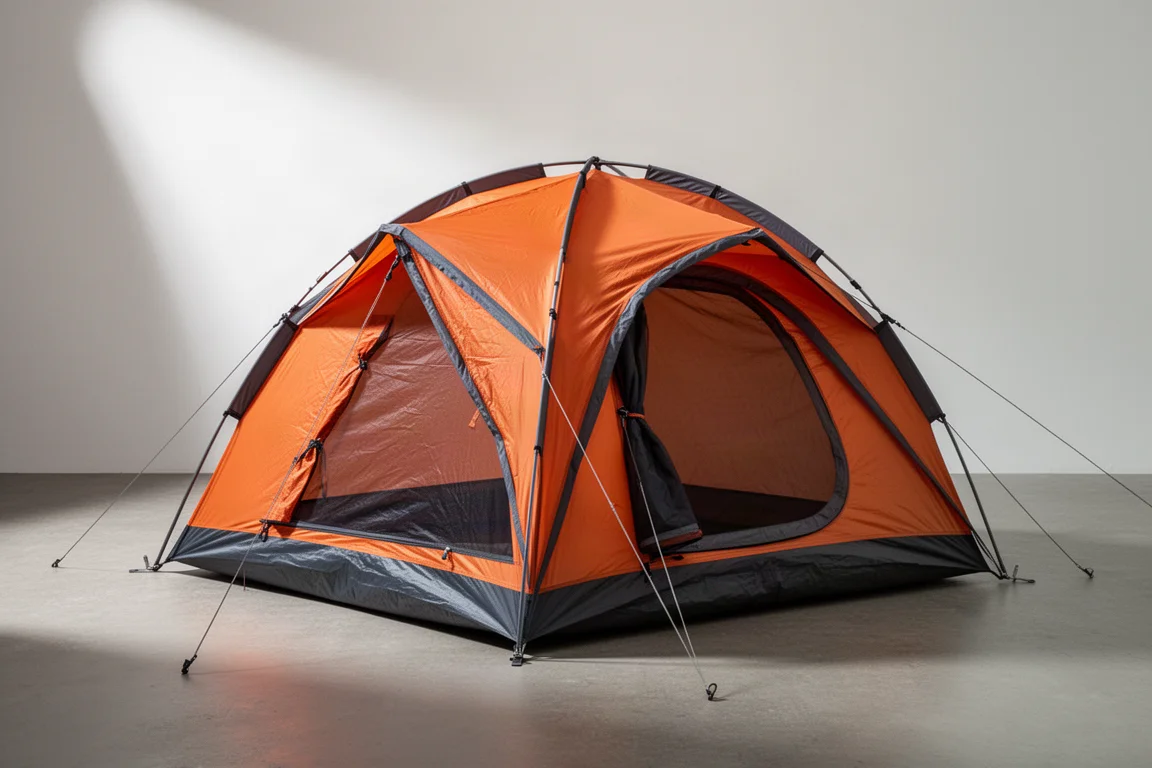
The Naturehike Opalus 3 is a three-person camping tent sold at a modest price, and it offers an unusually large amount of interior room for the money. It comes with its own ground sheet, pitches with three poles, and is promoted by the brand as a four-season shelter.
It was pitched in cool, damp conditions and left standing through roughly a full day and night of rain, including heavier downpours that added up to close to an inch of water. The tent stayed dry inside apart from one small leak at a rear vent. The clearer conclusion is that the four-season claim does not match how the tent is actually built.
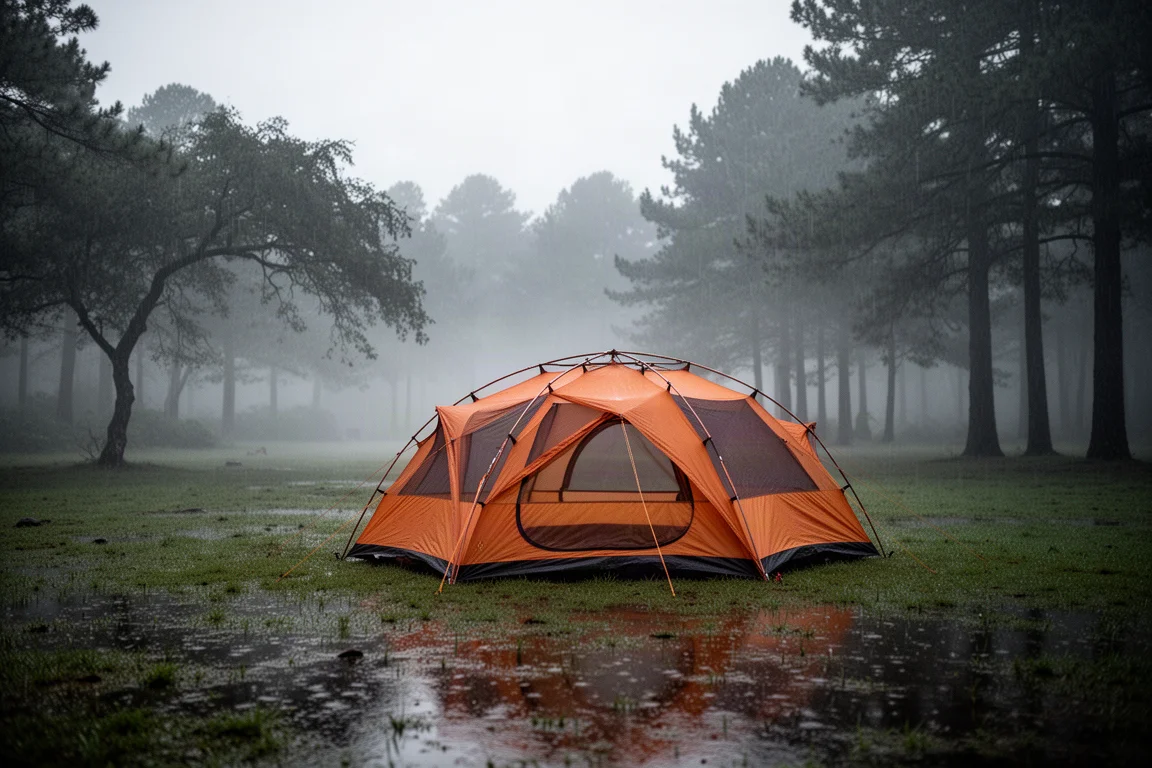
As a three-season tent, however, the Opalus 3 makes a persuasive case. It is very large, it handled sustained rain well, and it costs far less than most tents with a similar footprint.
Who this product is for
This tent suits campers who want maximum space for the lowest possible outlay: family camping, car camping, and warm-weather trips where a large sheltered area matters more than low weight.
It is also a reasonable choice for mild shoulder-season trips in regions where nights get chilly but genuine winter weather never arrives.
It is not a tent for winter storms. Anyone planning to camp in snow, on exposed ridges, or in seriously cold and windy conditions should be looking at a different class of shelter.
Main strengths: interior space and vestibule
The interior is enormous for a tent in this price bracket. The body has plenty of room for three sleepers and their gear, and the vestibule is genuinely large, big enough to store packs and boots outside the sleeping area while still leaving space to move around.
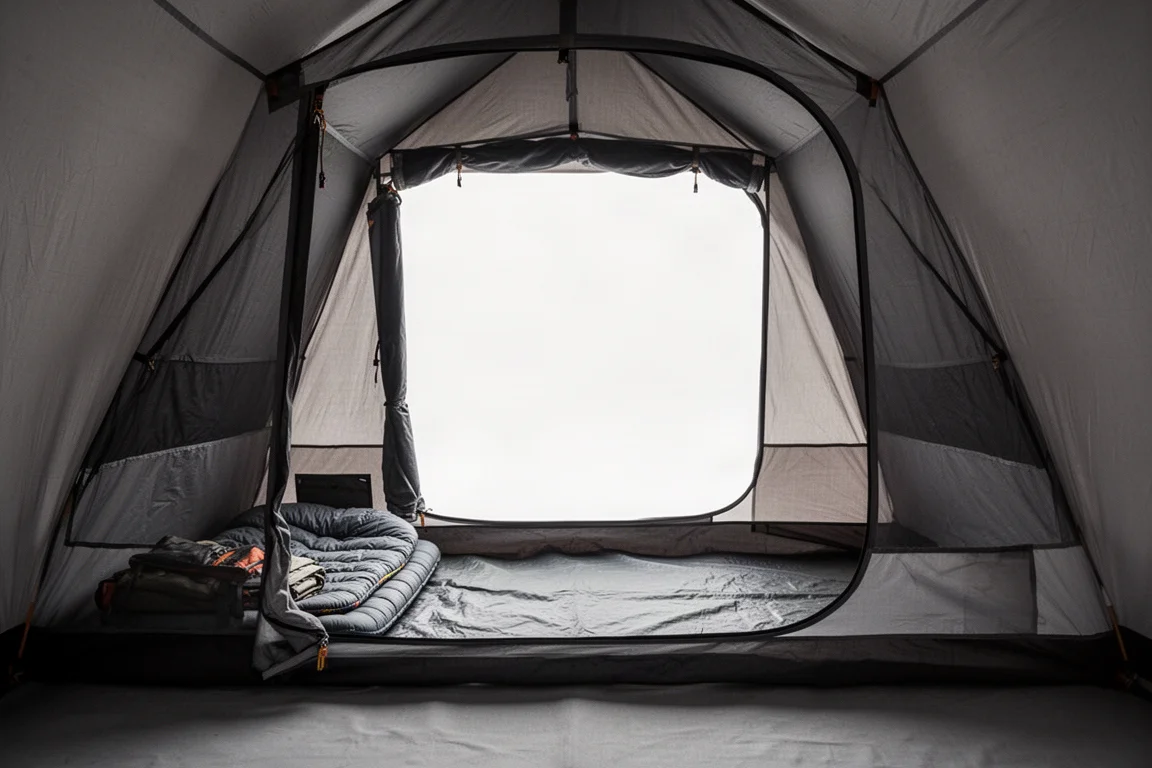
That vestibule also makes a practical difference in bad weather. The door can be opened and closed from under cover, so it is possible to get in and out during rain without exposing the interior to the weather.
The overall quality impression at first pitch is acceptable for the money, and setup took roughly six to seven minutes.
Setup and design notes
The Opalus 3 uses three poles. Two short blue poles sit at the front and rear, and a long silver pole runs through the centre. The pole sleeves are tight and the poles need some persuasion to slide through, which slows the first pitch and stays noticeable on later ones.
A ground sheet is included, so the tent is usable out of the box without an extra purchase.
One detail worth knowing: the fly is orange, and in direct morning sun the interior becomes very bright.
Rain performance: what a full inch of rain showed
The tent spent around twelve hours in mostly light rain before heavier rain arrived overnight, with roughly an inch of total rainfall across the period.
Almost all of that water stayed outside. The walls and the floor remained dry, and the only moisture inside came from a single small leak at the rear vent. The vent lip sits at roughly the same level as the edge of the fabric around it, which allows water to work through during the heaviest downpours. It is a narrow, specific weak point rather than a general failure of the design.
Given how much rain fell and how little made it inside, the weather protection here is impressive for the price.
Ventilation and condensation
Airflow is excellent. The body is largely mesh, so air moves freely through the tent, which is a real benefit in warm and humid conditions.
Some condensation formed on the fly overnight, which is normal, and the fly sits far enough from the inner body that the moisture did not reach the sleeping area.
That same airflow defines the tent’s limits. Wind passes straight through the mesh, so in a cold and breezy situation the interior feels noticeably colder than a solid-fabric shelter would.
Things to consider before buying
The biggest caveat is the mesh body. This is not a double-walled four-season design, and there is no solid fabric wrapping the interior, so blowing snow and wind are both genuine concerns.
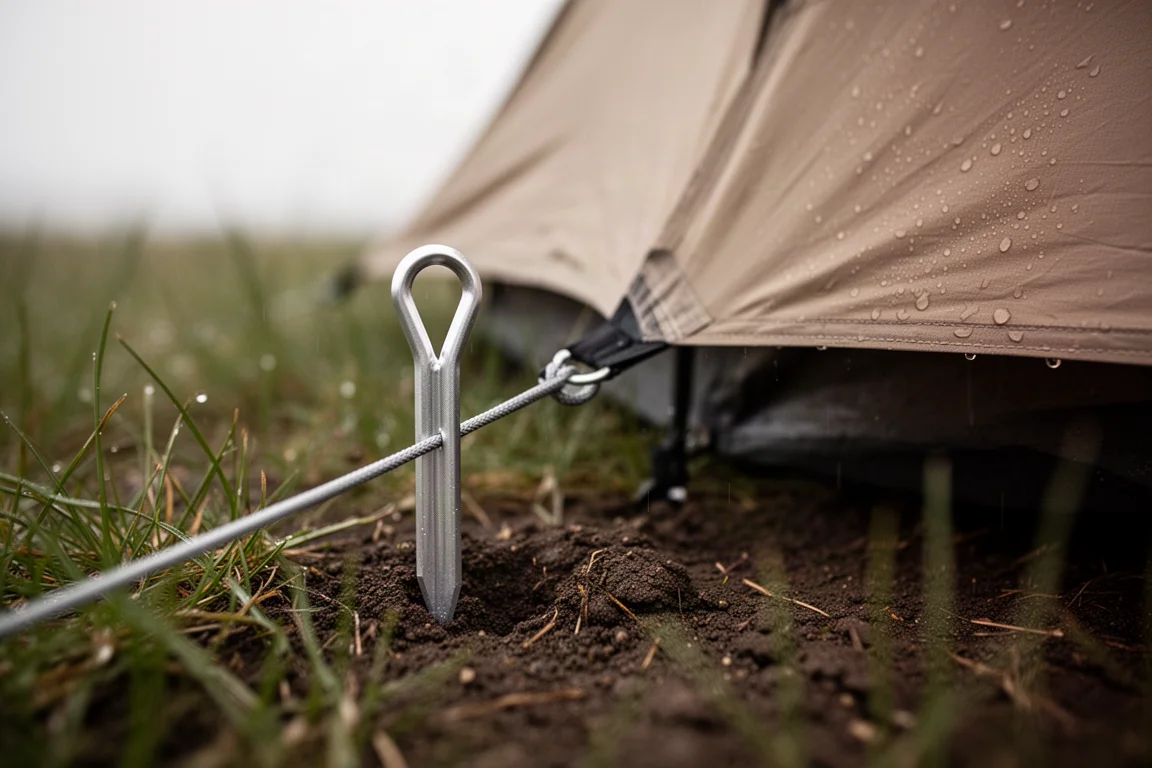
The stakes are short and slim. They hold well enough in ordinary soil, but they are not suitable for snow, where they would be close to useless.
Build quality is decent rather than flawless. Loose threads were visible at first inspection, and details like that are worth watching over time.
The hardware and materials are also matched to three-season use. The fly fabric and the poles are not built for the loads a winter storm would place on them.
Finally, expect a bright interior on sunny mornings, and expect the pole sleeves to remain fiddly on every pitch.
Cold weather and the four-season claim
The tent was used on a night around 45 degrees Fahrenheit with rain falling, and it stayed comfortable enough. It was breezy outside, and that breeze was clearly felt inside.
In a true winter storm the picture changes. A solid-fabric shelter would be needed to block wind and drifting snow, and the practical workaround here would be piling snow against the fly to create a barrier, which is not what the design intends.
The four-season description reads as marketing rather than engineering. The Opalus 3 is a three-season tent, and a very spacious one at that.
Buying advice
If the goal is a large, inexpensive three-season tent for family camping, car camping, or mild-weather trips, the Opalus 3 is easy to recommend. It delivers an unusual amount of sheltered space for the money, and it stood up to roughly an inch of rain with only a minor vent leak.
If the goal is winter camping, this is the wrong purchase. Anyone heading into snow, strong wind, or genuinely cold conditions will be better served by a tent built with solid walls, stronger poles, and winter-rated stakes.
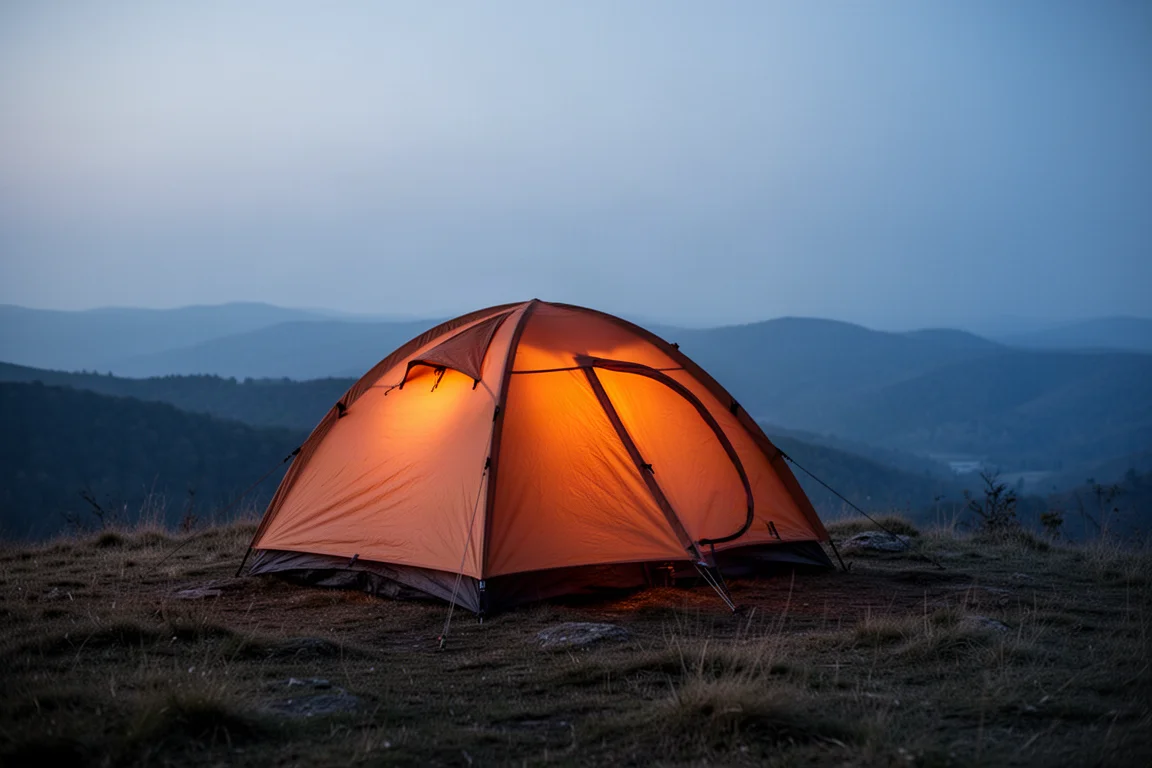
A sensible approach is to treat the Opalus 3 as a fair-weather and shoulder-season shelter, and to add better stakes along with a little patience with the pole sleeves.
Conclusion
The Naturehike Opalus 3 is a budget tent that gets the fundamentals of three-season camping right. It is big, it kept out a serious amount of rain, and it ventilates extremely well. Its limitations are equally clear: the mesh body, light stakes, and modest hardware mean it should not be relied on in winter conditions, regardless of how it is labelled. Buy it for space and value in mild weather, not for four-season protection.
Product link
View more details for Naturehike Opalus 3
This product is mentioned in the review. Check the specifications, options, and compatibility before buying.
View more details for Naturehike Opalus 3Further reading
Related Reviews
Camping Tents
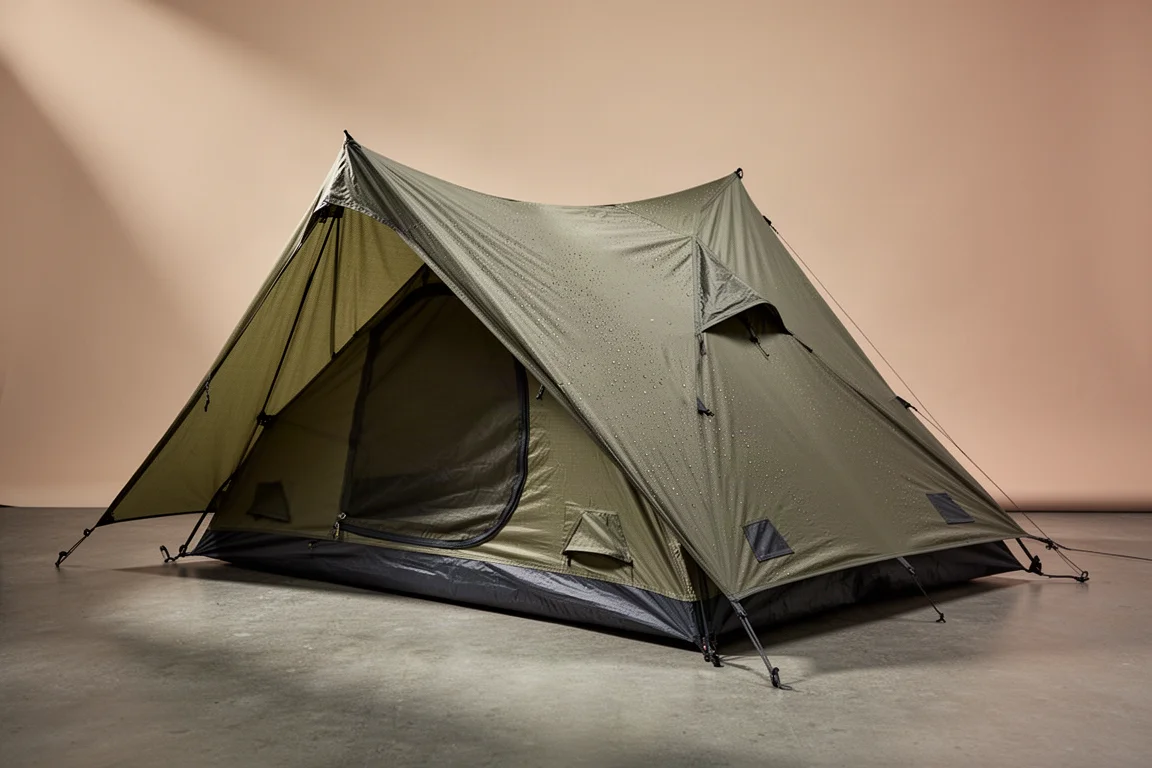
3F UL Gear Taiji Two-Person Tent Review: Field Waterproofing Results and Buying Advice
The Taiji pairs an attached fly with a removable inner, but sustained rain exposed untaped vent seams that need sealing before this shelter can be trusted.
Camping Tents
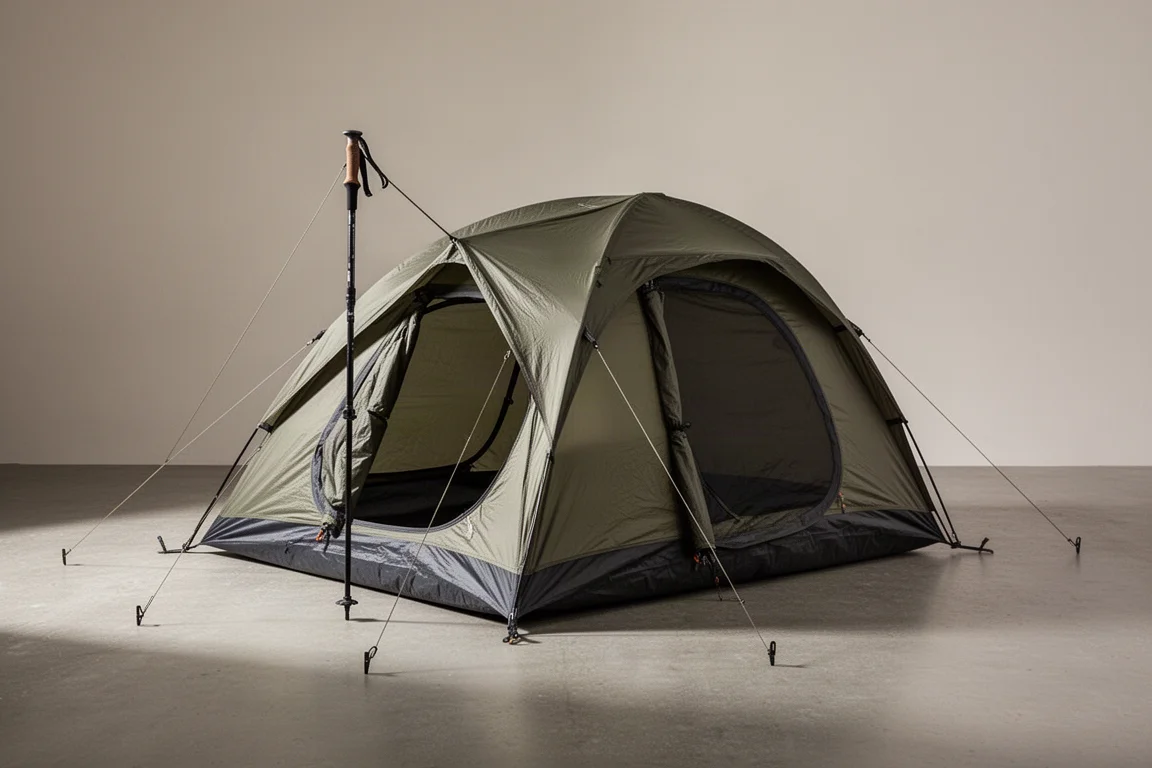
3FUL Gear Lanshan 2 Pro 4-Season Review: A Sub-$200 Single-Wall Trekking Pole Tent
An early look at the 3FUL Gear Lanshan 2 Pro 4-Season, covering its straightforward pitch, generous interior space, and the condensation and seam-sealing questions that come with any single-wall shelter.
Camping Tents
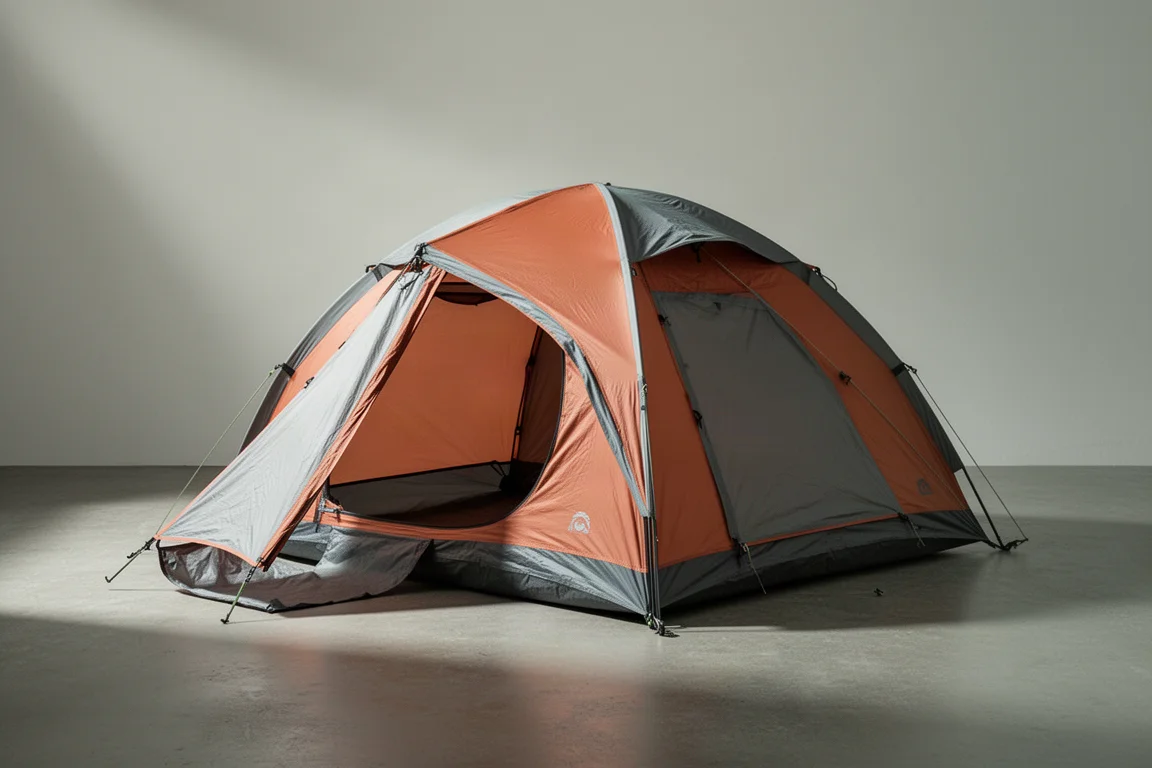
Alps Mountaineering Lynx 1-Person Tent Review: Big Value in a Small Budget Tent
A close look at the Alps Mountaineering Lynx 1-Person Tent, covering real interior dimensions, materials, setup time, ventilation limits, and who should buy it.