Camping Tents
Naturehike Mongar 210 Review: An Easy-Pitching Tent With One Caveat
The Naturehike Mongar 210 goes up fast with a single main pole and a familiar clip system. Here is how the pitch works, what it does well, and the one limitation to plan around.
Introduction
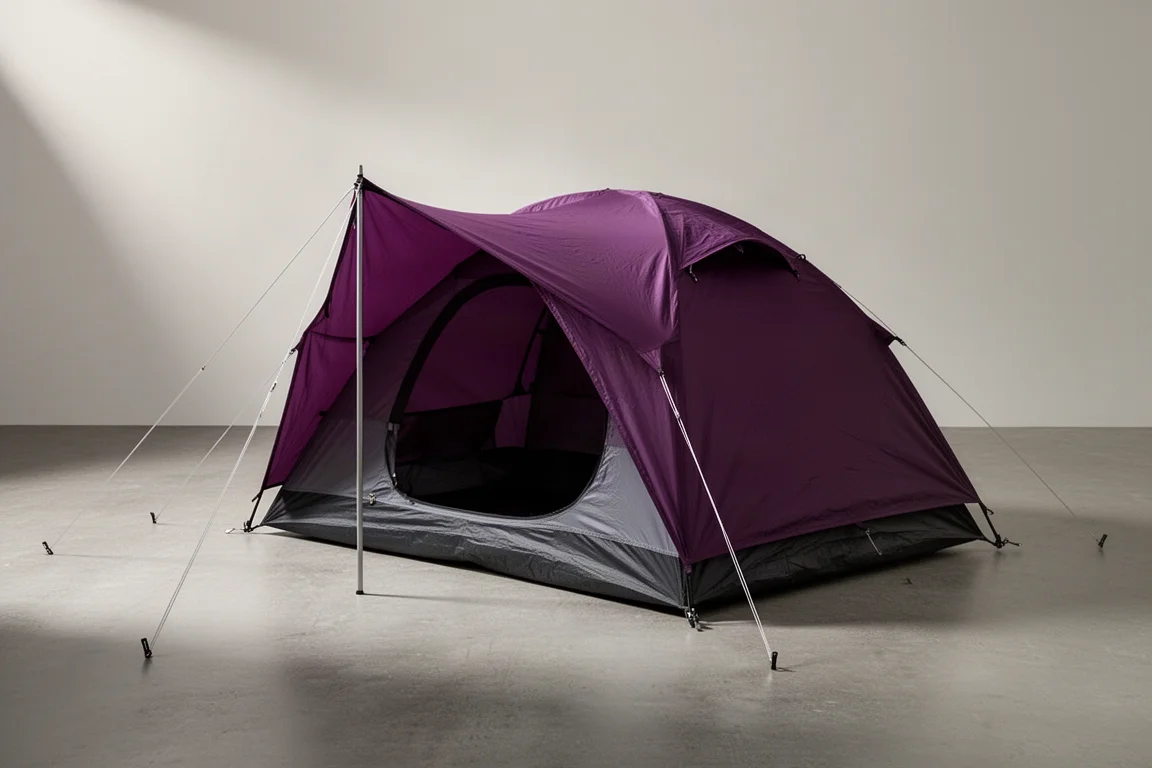
The Naturehike Mongar 210 is a two-person camping tent built around a single large main pole. The version shown here carries a purple fly, and the tent is offered in other colors as well. What stands out most is how little thinking the pitch demands: the main pole has the same dimensions on both ends, so it can be laid over the body either way, and the rest of the assembly follows a clip-and-tie routine that most campers will recognise immediately.
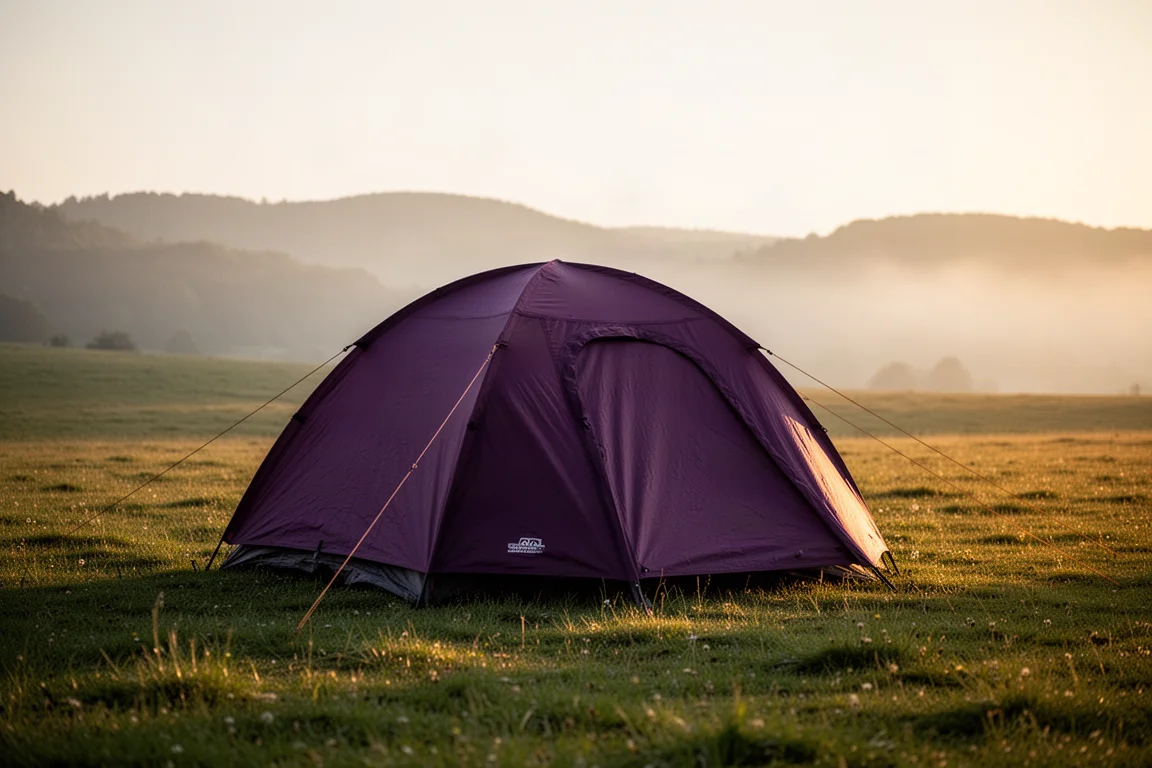
For anyone shopping before a first trip, the useful question is not how the Mongar 210 looks in photographs, but whether the pitch is quick and predictable enough to repeat at the end of a long day. After a full hands-on setup, the answer is yes, with one practical caveat covered further down.
Who the Mongar 210 Is For
This tent suits campers who want a straightforward pitch rather than a puzzle. Because the pole orientation never matters and the body attaches with twisting clips, there is very little that can go wrong on the first attempt. That makes it a reasonable choice for newer campers, for anyone who arrives at a site late, and for people who may end up pitching in low light.
It also suits campers who value familiarity. The sequence here mirrors what many tents on the market already do, so if you have pitched a clip-style tent before, this one will feel immediately intuitive. If you are looking for an unusual or highly technical pitching system, this is not that tent.
Main Strengths
The headline strength is setup speed. In practice the Mongar 210 pitches very easily, and it is the kind of tent that can be assembled at night without problems. Judged purely on pitch difficulty, it sits high on the scale, somewhere around an eight or nine out of ten for ease.
Part of that comes down to the pole design. One large main pole spans the tent, and because both ends are identical there is no correct way round to worry about. The body then clips onto the pole with hooks that face in opposite directions, so you place the clip and twist it into position. The side of the body attaches to a middle pole, which keeps the structure tidy before the fly goes on.
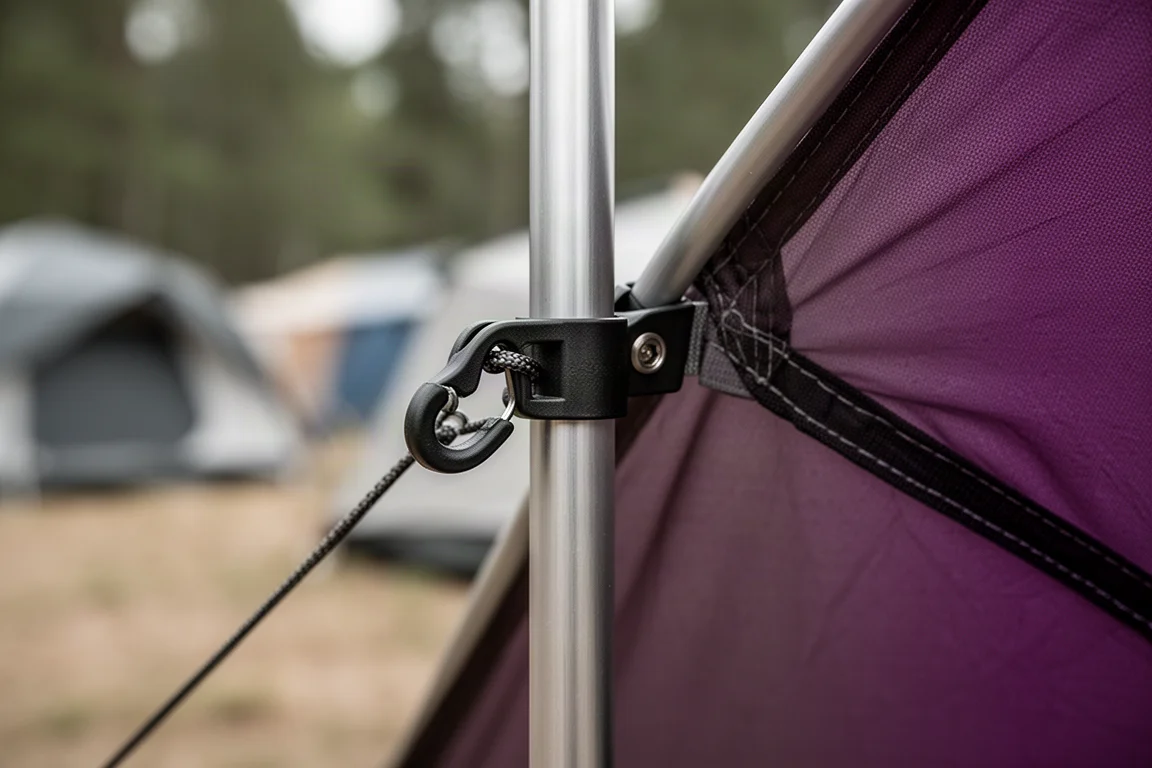
The fly is equally methodical. Its doors line up with the doors on the body, the pole keepers tie in above the pole clips, and the top of the fly clips over the centre pole with a piece of hardware built for exactly that job. Once every corner connects the fly to both the body and the pole, the whole shelter pulls tight and stakes out cleanly.
Setup Walkthrough: Pitching the Mongar 210
A ground sheet comes with the tent, though you can use your own if you prefer. Start by removing the contents from the storage bag and separating the stakes, poles, fly and body.
Unfold the body and orient it the way you want it. On a windy day, stake out the corners first. Otherwise, move straight to the main pole and lay it over the tent body, using the teepee hole as your reference point. Insert the pole ends into the metal grommets at each corner, then work along the body clipping it onto the pole, twisting each hook into place. Attach the sides of the body to the middle pole next.
With the body up, move to the fly. Align the fly doors with the body doors, then tie in the pole keepers, keeping each one above the pole clips. Finish one side, tie off at the centre of the tent, then repeat on the other side. Clip the top of the fly so the hardware sits over the centre pole, again working one side at a time. Before staking out, connect the fly to the body and the pole at every corner, pull everything taut, and then stake out the fly.
Things to Consider Before Buying
The main limitation is the stakeout hardware. The stakeout points and guidelines are non-adjustable, so pitching on uneven ground can be awkward. The lines give you no slack to work with, which restricts how you can position the tent when the terrain is not level. If you regularly camp on sloped or rocky ground, plan on swapping the guidelines for adjustable ones, which is a simple change most campers can make themselves.
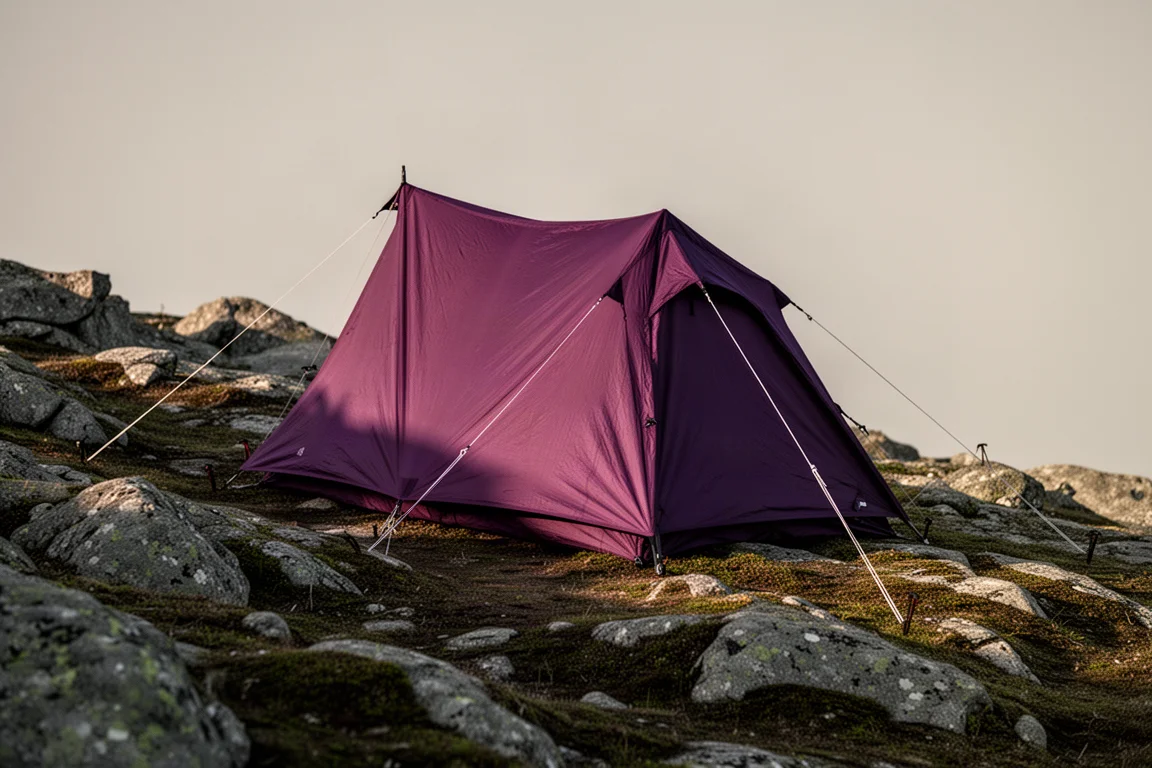
It is also worth setting expectations about the design itself. The pitching process is very similar to plenty of other tents available today, so there is nothing genuinely unique about how this one goes together. That is not a flaw, but it does mean you should be buying the Mongar 210 for its overall package rather than for a novel setup system.
Packing and Storage Notes
Packing follows the reverse of the pitch. The tent ships with a storage bag, and keeping the stakes, poles, fly and body separated makes the next setup faster and protects the fabric from metal edges in transit. The included ground sheet adds a useful layer underneath, and if you prefer a heavier or larger footprint you can substitute your own.
Because the components are few and the sequence is consistent, the Mongar 210 is easy to learn by repetition. After two or three pitches, most campers will be able to put it up without referring to anything.
Buying Advice
Buy the Mongar 210 if a fast, forgiving pitch matters more to you than unusual features. The single main pole removes the most common source of first-pitch confusion, the clip system holds the body securely, and the fly ties down tightly once everything is connected. It is a sensible pick for newer campers, for late arrivals, and for anyone who wants a tent they can pitch in the dark.
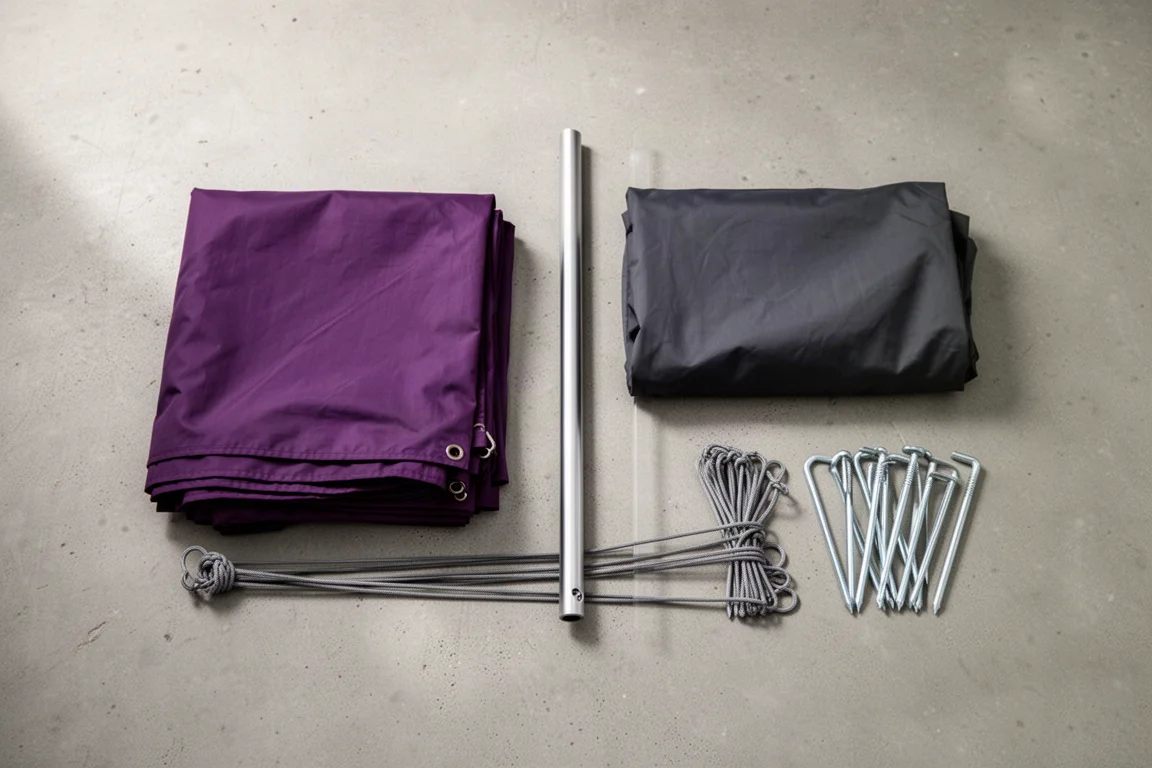
Go in with eyes open about the non-adjustable stakeout points. If most of your camping happens on flat, well-kept ground, they will be a non-issue. If you often camp on uneven terrain, budget for a set of adjustable guidelines alongside the tent. It is also worth checking the available color options, since purple is only one of the finishes offered.
Conclusion
The Naturehike Mongar 210 delivers exactly what it promises: a simple, quick pitch with no orientation guesswork and a fly that ties down properly. Its strengths are practical rather than flashy, and its one real weakness, the fixed stakeout points, is easy to work around. For campers who want a dependable tent they can put up without fuss, it is a confident choice.
Product link
View more details for Naturehike Mongar 210
This product is mentioned in the review. Check the specifications, options, and compatibility before buying.
View more details for Naturehike Mongar 210Further reading
Related Reviews
Camping Tents
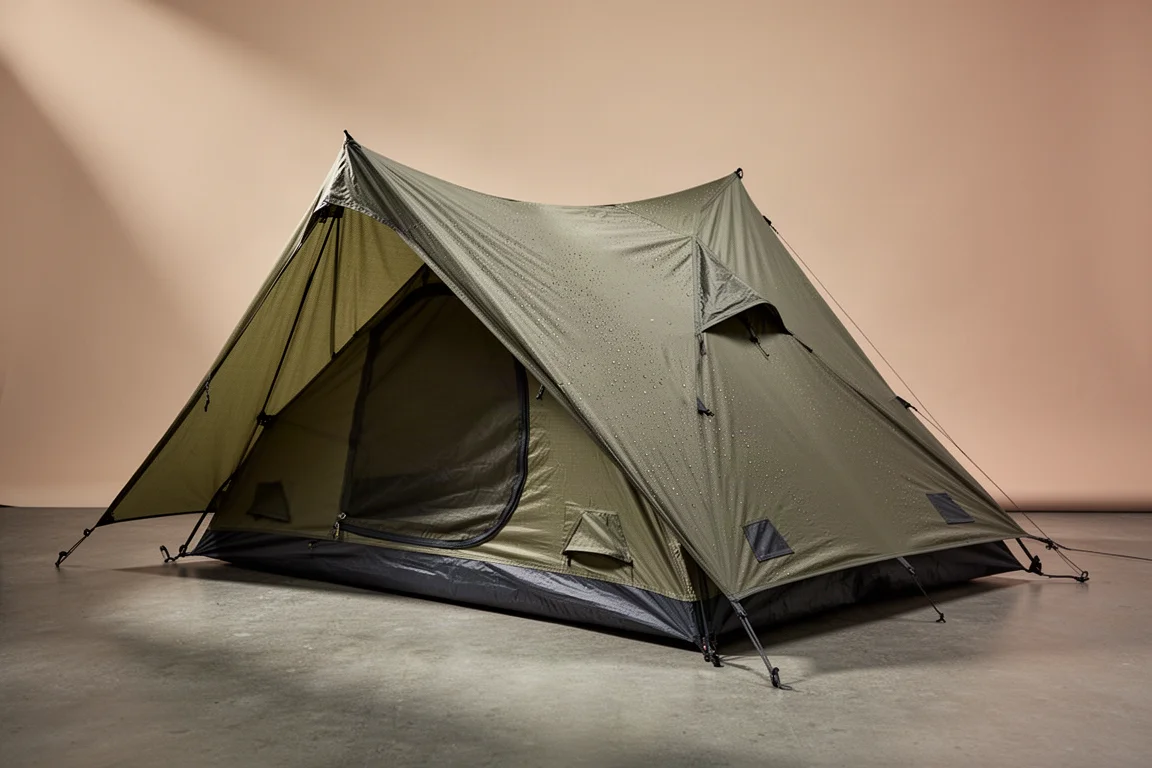
3F UL Gear Taiji Two-Person Tent Review: Field Waterproofing Results and Buying Advice
The Taiji pairs an attached fly with a removable inner, but sustained rain exposed untaped vent seams that need sealing before this shelter can be trusted.
Camping Tents
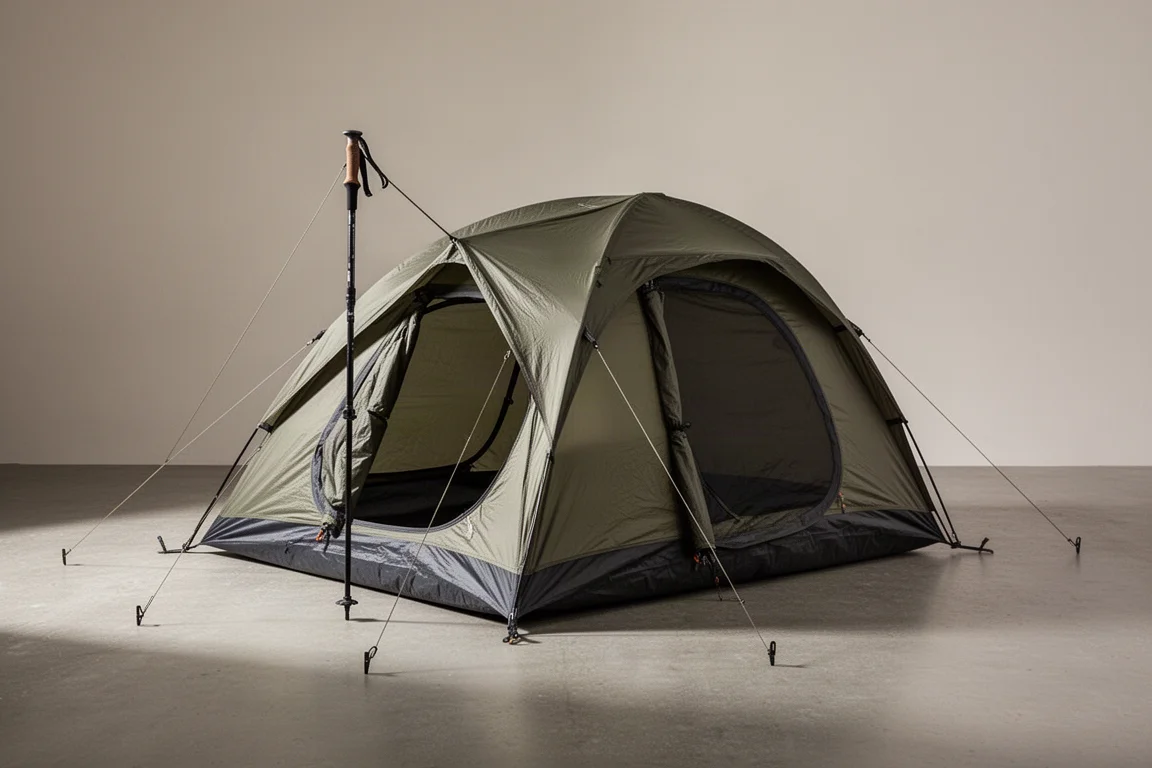
3FUL Gear Lanshan 2 Pro 4-Season Review: A Sub-$200 Single-Wall Trekking Pole Tent
An early look at the 3FUL Gear Lanshan 2 Pro 4-Season, covering its straightforward pitch, generous interior space, and the condensation and seam-sealing questions that come with any single-wall shelter.
Camping Tents
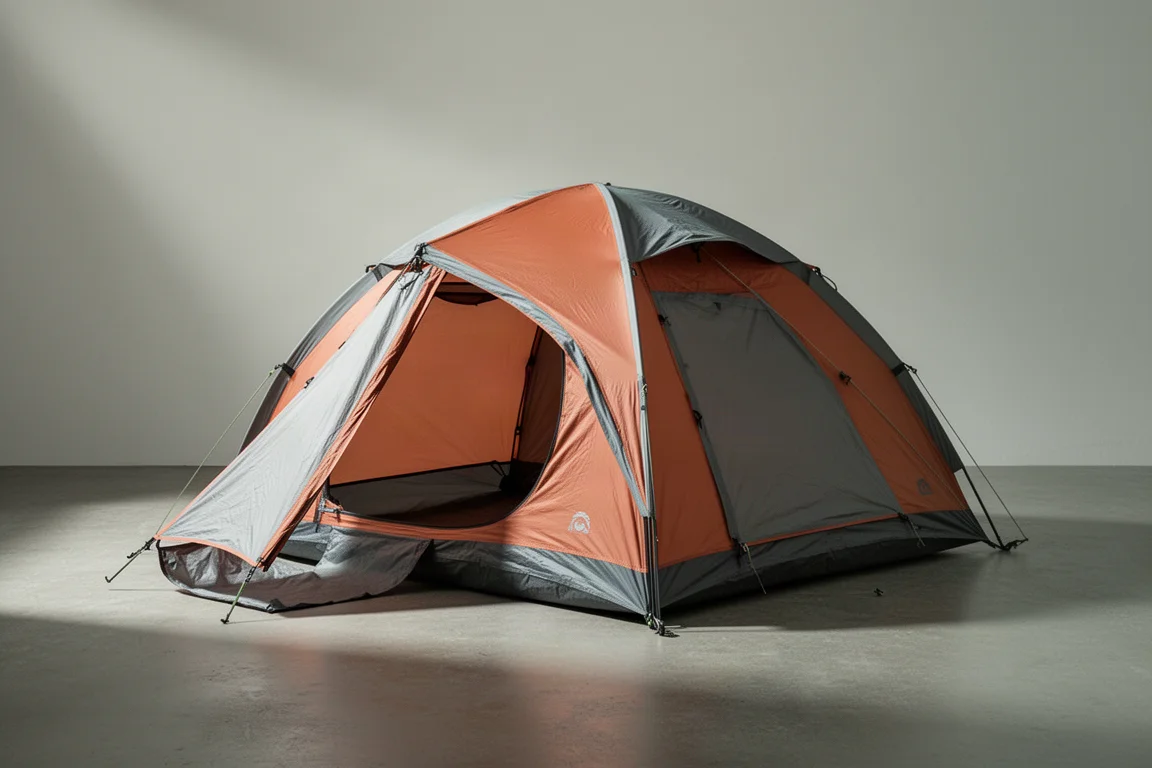
Alps Mountaineering Lynx 1-Person Tent Review: Big Value in a Small Budget Tent
A close look at the Alps Mountaineering Lynx 1-Person Tent, covering real interior dimensions, materials, setup time, ventilation limits, and who should buy it.