Hot Tents
Naturehike Massive Tent Review: An Affordable Four-Season Hot Tent Tested in the Cold
An affordable four-season hot tent that pairs with a wood stove and held a comfortable interior on nights in the mid-20s. Here is what stood out and what is still unproven.
Introduction
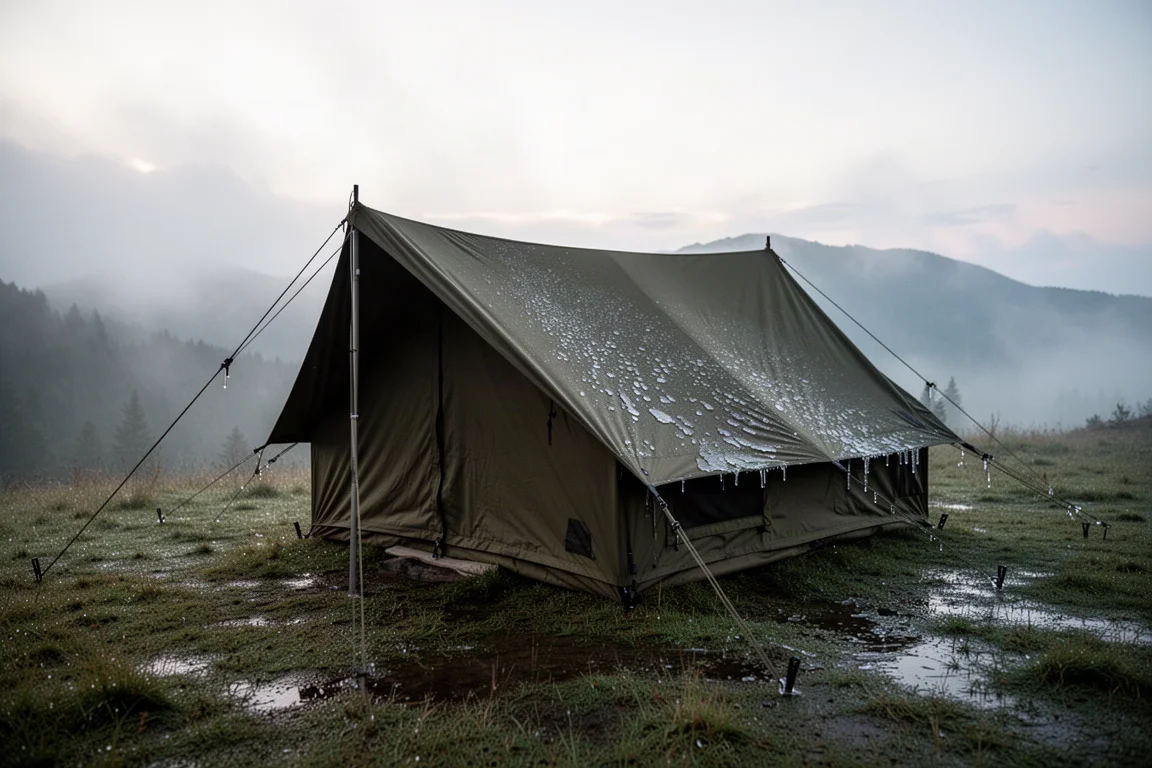
The Naturehike Massive Tent is a four-season hot tent built around a single, practical idea: run a stove inside your shelter and stay warm through a cold night without spending a large amount of money. It is sold as the Massive in many markets and appears in the United States under the Mountain Peak name.
This review is based on cold-weather camping use in the mountains of North Carolina. Daytime temperatures sat around 38°F with a light breeze, the overnight low settled near 24°F, and the following morning started at 17°F. The shelter was pitched on a cleared forest floor, run first with a gas stove on an earlier trip and then with a compact wood stove, and slept in overnight. It handled those conditions well.
Setup was straightforward and quick, with the shelter standing and the stove in place well before dark. That simplicity is a large part of the appeal: there is not much to learn before your first cold night in it.
Who this product is for
This is a tent for campers who treat cold weather as part of the plan rather than a reason to stay home. It suits late fall, winter, and early spring trips where a stove is central to the setup, and it suits campers who want a roomy shelter for one or two people plus gear.
It is also a sensible starting point for anyone curious about hot tenting who does not want to commit a large budget to a first four-season shelter. The price is modest for the category, which makes the experiment low risk.
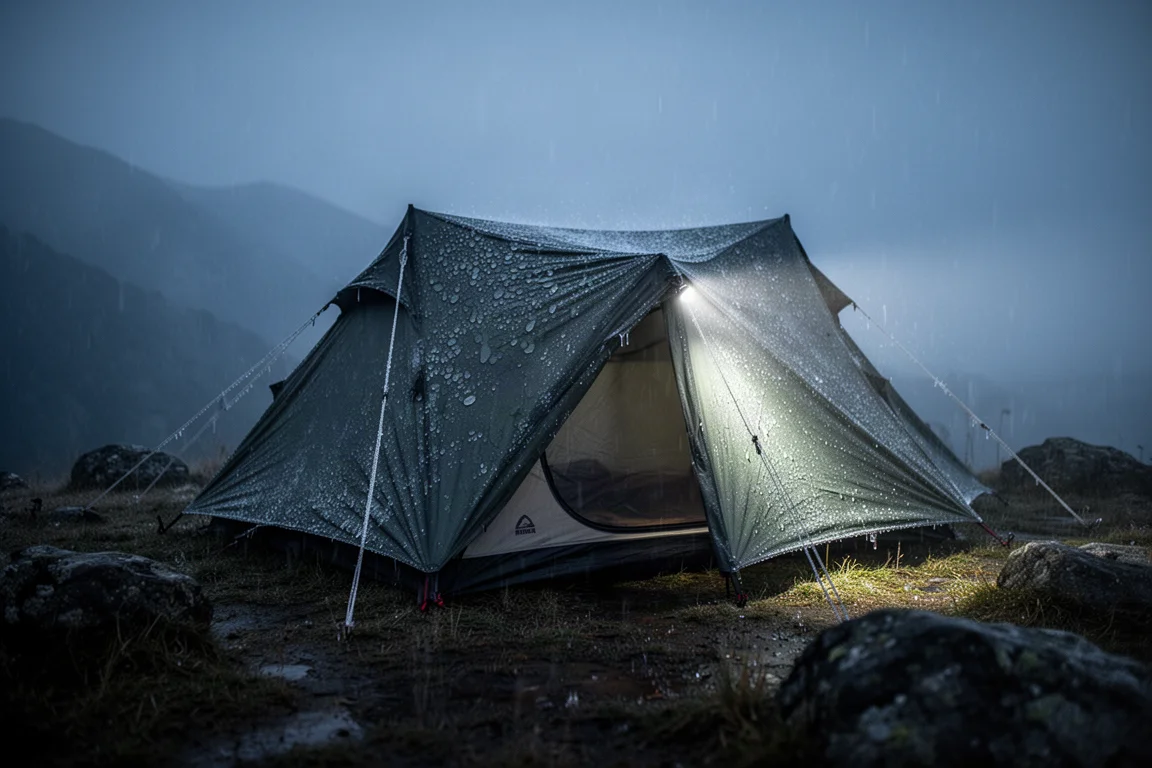
It is not aimed at ultralight summer backpackers. The value here shows up when nights turn genuinely cold and a heat source becomes part of how you sleep comfortably. If your camping calendar is mostly mild-weather weekends, a lighter three-season shelter will usually make more sense.
One preparation habit is worth adopting before you pitch it. Clear leaves and debris from the ground first, both to protect the floor and to remove the insulation that insects use as cover. That matters more with a hot tent than with a standard one, because raising the temperature inside the shelter can bring anything hiding underneath that layer out into the open.
Main strengths
The strengths here are the ones that matter on a cold trip: heat retention, usable interior space, and a price that keeps the whole setup approachable.
Warmth that holds through a cold night
With the stove loaded and the airflow closed down, the interior stayed comfortable while outside temperatures dropped into the mid-20s. The following morning, with the outside thermometer reading 17°F, the inside of the shelter was still warm enough to sit up and get dressed without rushing. That gap between outside and inside is the entire point of a hot tent, and this one delivered it.
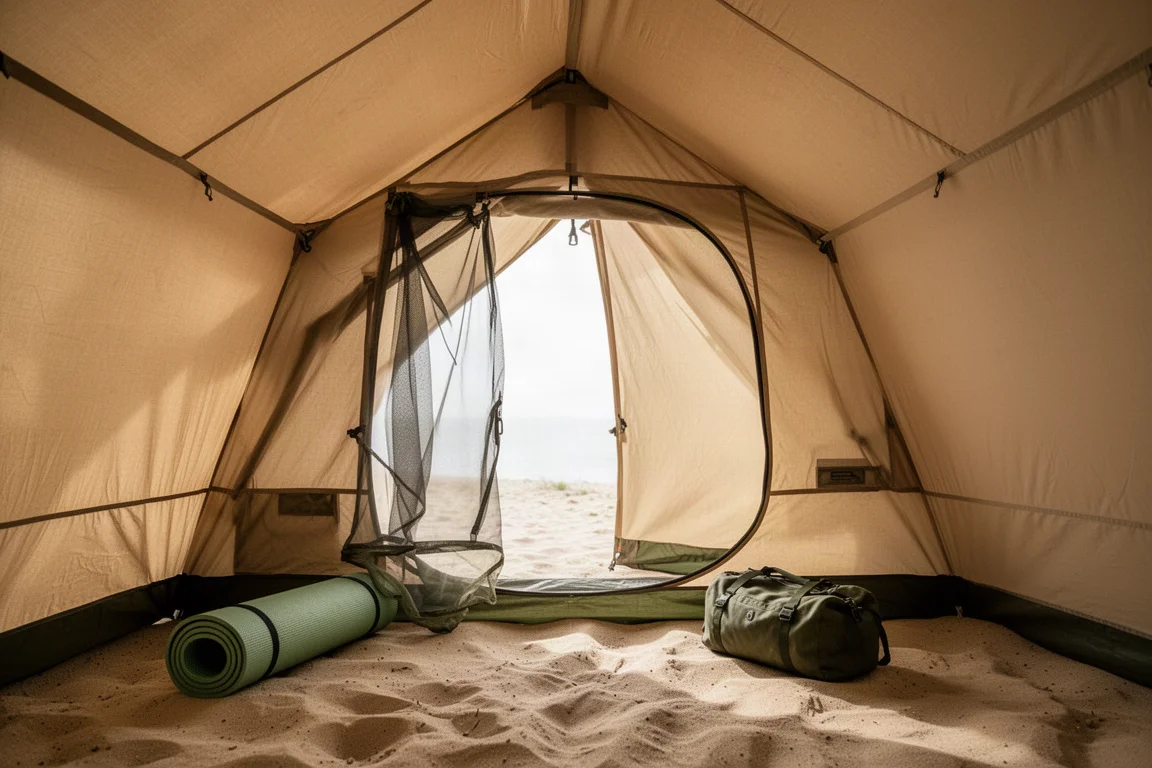
The heat is strong enough that airflow management becomes part of the routine. With the stove running hard, the interior became very warm, warm enough that stepping outside the door was a relief, and closing the vents down brought it back to a comfortable range. Plan on learning that balance during your first trip rather than fighting it.
A simple, spacious layout
Interior space is generous for the footprint. The stove can be positioned so that entry and the main living area stay clear, which makes the shelter feel considerably larger than a bare measurement would suggest. Moving around inside, laying out a sleeping setup, and feeding the stove during the night were all easy.
Setup itself is uncomplicated, and the shelter was standing with the stove installed in a short amount of time. Fewer parts and a clear layout make a difference when you are pitching in cold conditions with light fading.
Strong value for a four-season hot tent
Four-season hot tents are often expensive. This one is inexpensive for what it does, and it has already proven itself across multiple cold-weather outings. For campers who want to test whether hot tenting fits their style of camping, that combination of low cost and real cold-weather performance is hard to argue with.
Things to consider before buying
Two things are worth planning around: how the stove fits inside the shelter, and the fact that rain performance has not yet been fully verified.
Stove placement and interior space
Orientation matters more than you might expect. Set the stove so it keeps a safe distance from the inner fabric while still leaving a clear path to the door, and the layout works well. Turn it the wrong way and it either crowds the entry or sits too close to the material for comfort. The stove is also a separate purchase, and a good wood stove can cost more than the tent itself, so the total setup cost is worth factoring in before you commit.
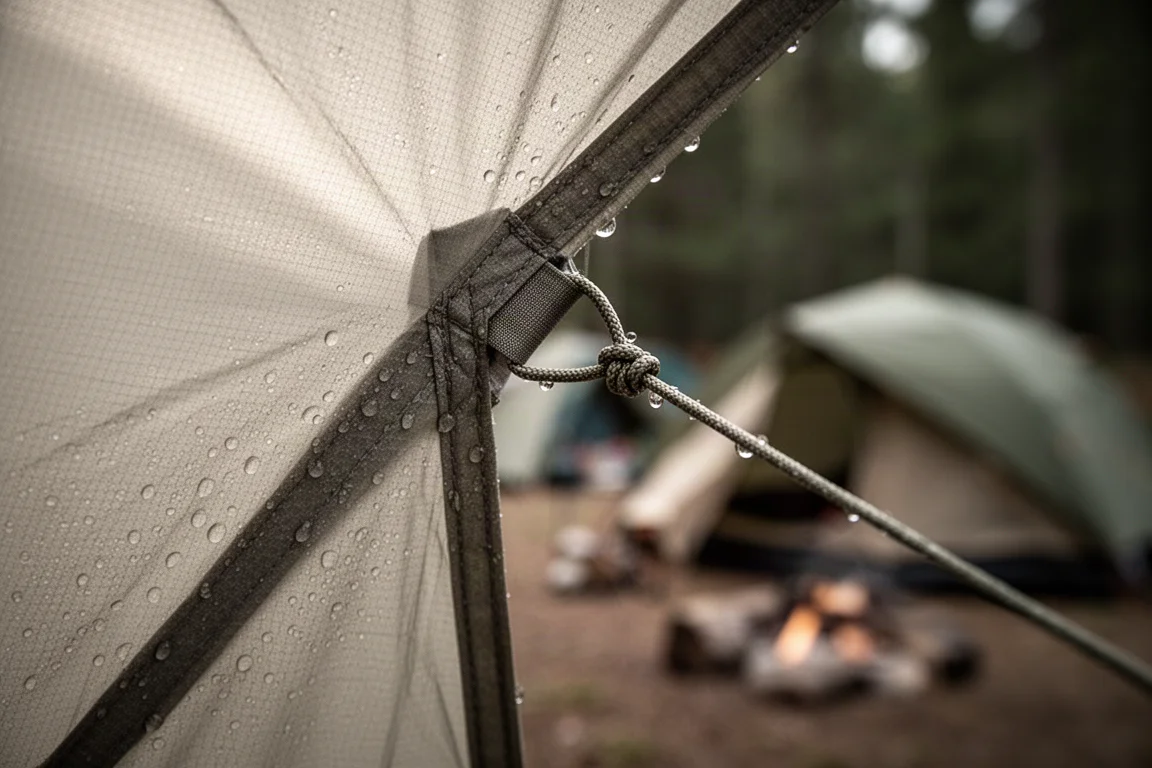
Think about fuel as well. A stove needs a steady supply of dry wood, which means either carrying a saw and processing deadfall on site or bringing fuel with you. That work is part of the experience for many campers, but it is real work, and it shapes how long you can stay warm.
Rain performance is not yet fully verified
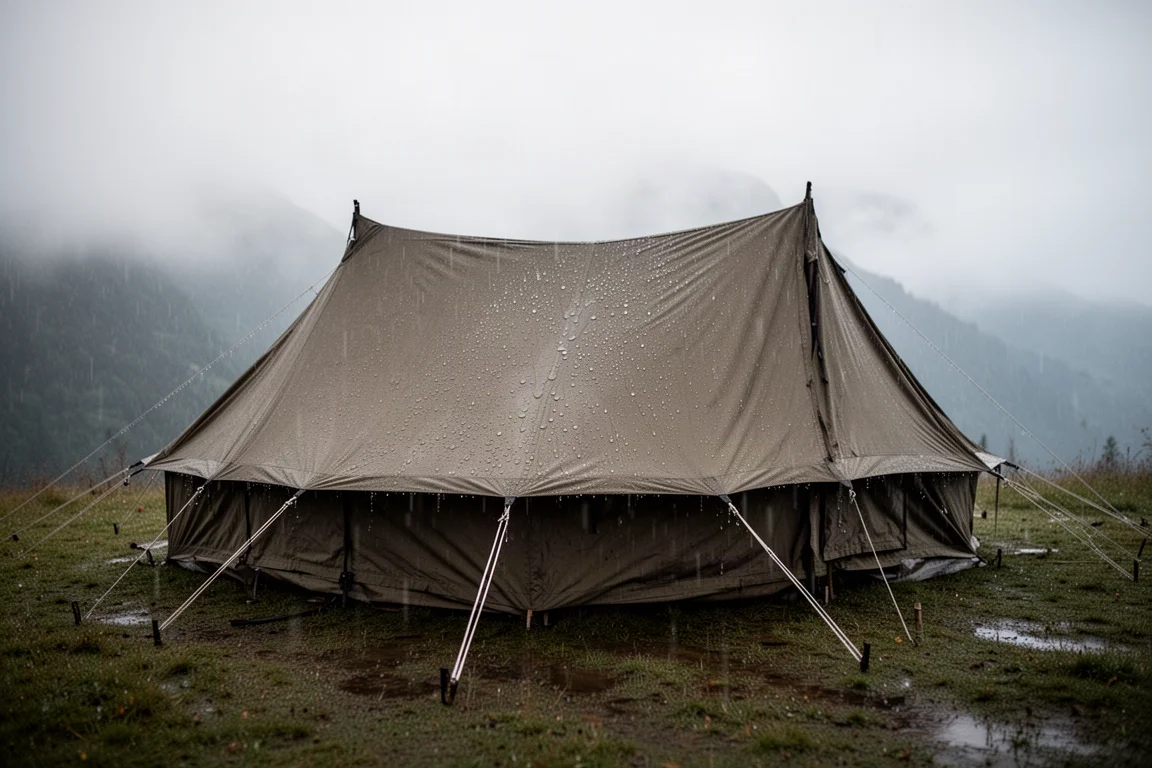
The shelter has been out in some hard weather, but part of it was covered with a tarp during those storms, so that does not count as a clean rain test. A dedicated test in sustained rain is planned, and until that happens, rain performance should be treated as unconfirmed. If wet weather is a regular part of your trips, that is the one area to keep in mind before buying.
Buying advice
Buy the Naturehike Massive Tent if you want a low-cost entry into four-season hot tenting and you are ready to pair it with a stove and a supply of dry wood. It is a good match for cold-weather campers who value interior space and simple setup over minimal packed size, and it has held up well across repeated cold-weather outings.
Budget for the full system rather than the tent alone. The stove, fuel, and basic wood-processing tools are all part of making this shelter work, and a quality stove can easily cost more than the tent. On the plus side, the modest price of the shelter leaves more room in the budget for the parts of the setup that keep you warm.
If your trips are mostly mild-weather weekends or you need to travel light over long distances, a lighter three-season shelter will serve you better. If your goal is comfortable winter nights in a roomy shelter for a reasonable outlay, this is a strong candidate.
Conclusion
The Naturehike Massive Tent does what a four-season hot tent is supposed to do: it keeps the inside warm when the outside is well below freezing, it offers enough room to live in comfortably, and it does so at a price that makes hot tenting accessible. Setup is simple, and it has already proven itself on cold nights in the mountains.
The caveats are honest ones. Rain performance still needs a proper test, the interior can run very hot when the stove is pushed, and the stove itself is a separate and potentially significant cost. Weigh those against a low purchase price and reliable cold-weather warmth, and this is an easy tent to recommend for anyone ready to try hot tenting.
Product link
View more details for Naturehike Massive Tent
This product is mentioned in the review. Check the specifications, options, and compatibility before buying.
View more details for Naturehike Massive TentFurther reading
Related Reviews
Hot Tents
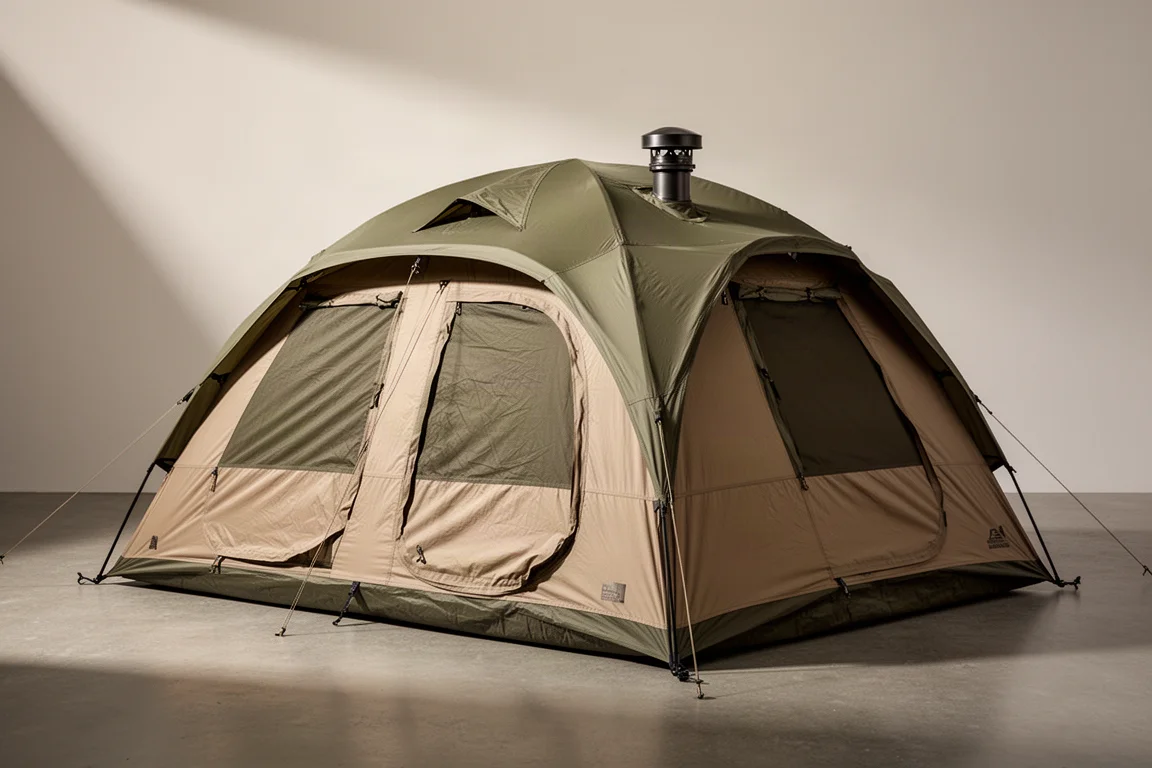
Pomoly Dome X6 Review: A Six-Person Hot Tent With Real Standing Room
A practical look at the Pomoly Dome X6, a six-person dome hot tent with three doors, three vents and a stove jack, plus what to weigh before buying.

Backpacking Gear
Building a 10 lb Base Weight: An Ultralight Backpacking Gear List
A practical walkthrough of the ultralight pieces behind a 10 lb base weight, from a 765 g pack and a roomy one-person tent to a full camp chair and a dependable water filter.

Road Bikes
10 New Road Bikes Worth Watching: Aero, Titanium, Steel and Endurance Standouts
A practical roundup of 10 new road bikes, from aero flagships chasing single-watt gains to titanium, steel and endurance platforms built for real roads.