Camping Tents
Naturehike Koda 8-Person Tent Review: A Summer-Ready Shelter With Real Storm Protection
A three-season, warm-weather eight-person tent with strong ventilation, a 3,000 mm waterproof rating, and a 6 ft center height, reviewed after repeated storm camps.
Introduction
The Naturehike Koda 8-Person Tent is a three-season shelter built for warm-weather camping, and its priorities are unusually clear: a very large interior, strong airflow, and dependable protection when the weather turns. It has been used on roughly half a dozen trips, including storm camps with inches of rain and wind gusts up to 40 miles per hour, and it has not leaked.
Two questions come up most often about this tent: whether it is genuinely waterproof, and how it handles ventilation and condensation. It performs very well on both counts. The trade-offs are tied directly to its size, which is the same quality that makes it appealing in the first place.
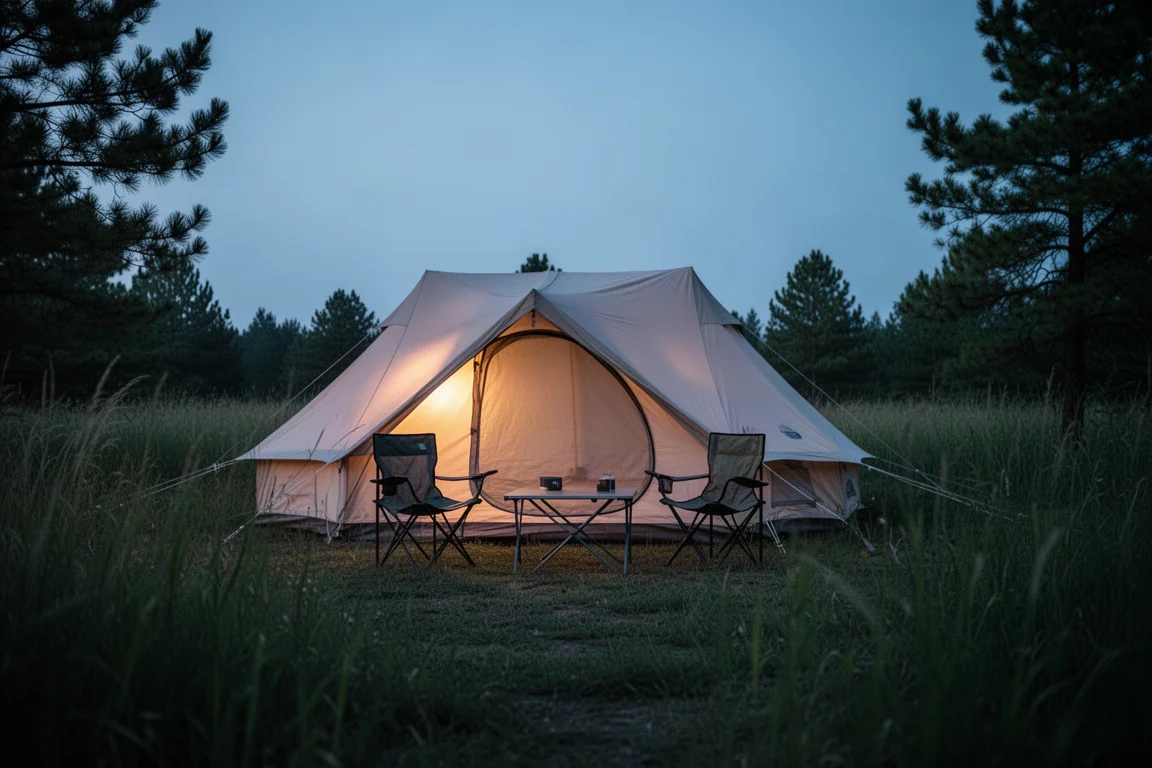
It is worth knowing up front that this is a big shelter. It occupies a lot of ground when pitched, and it takes time to set up and break down. That is less a flaw than a characteristic of an eight-person tent, and it should shape how you plan to use it.
Who This Product Is For
This tent makes the most sense for campers who want maximum space and prioritize summer comfort. For two people it is closer to a palace than a tent: there is room for sleeping setups plus a chair and a table, with space left over. For a family, five to six people fit comfortably.
It also suits anyone who camps in warm conditions and has dealt with stuffy, condensation-prone shelters. The design leans heavily on mesh and airflow, so it stays comfortable in heat.
Because several versions of this tent exist, including a cold-weather variant, buyers who camp in colder conditions should look for the option that matches their season rather than assuming this warm-weather build will suit them.
Main Strengths
Build Quality and Weather Protection
Construction quality stands out, particularly considering the size and the price. The fly and the body both show clean stitch work with no loose threads observed, and the seam tape on the fly and inner is neatly applied. Nothing about the build suggests an early failure point.
Waterproofing has been solid in practice. The tent has been through inches of rain and strong winds without a drop getting inside, and the fly carries a 3,000 mm waterproof rating. The fly also pitches away from the body, so the two layers do not touch, which helps keep the interior dry.

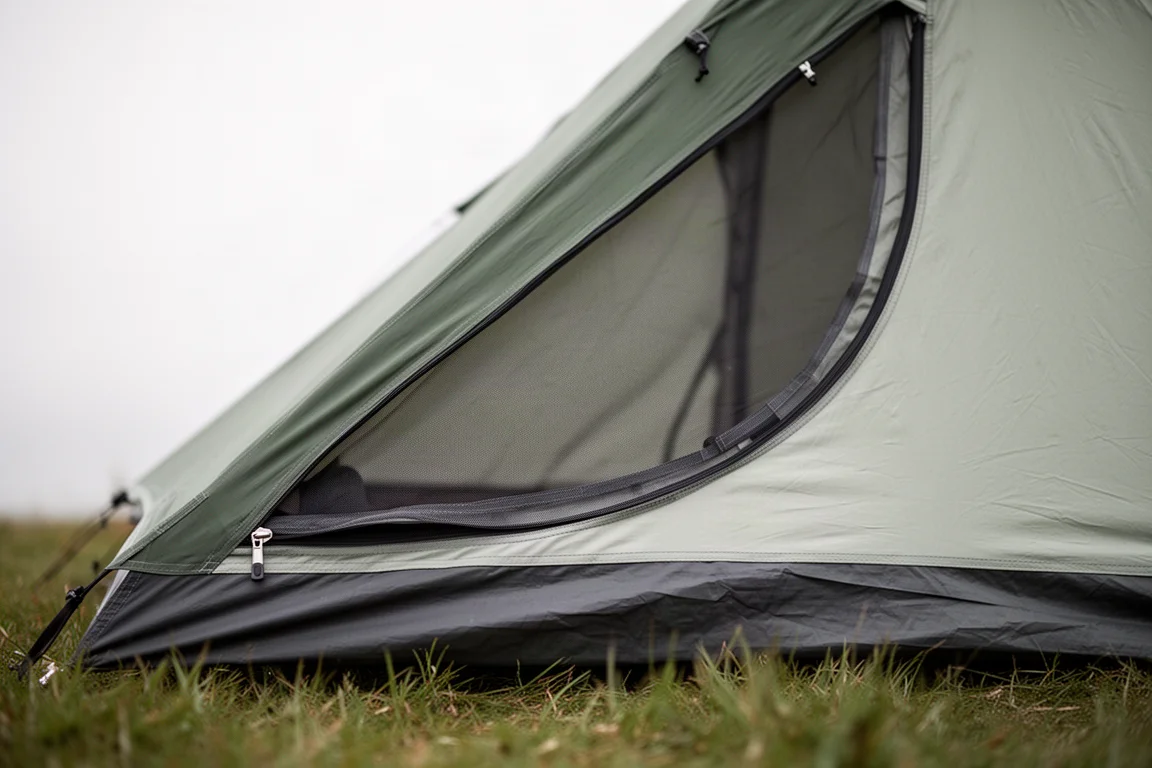
The internal rain fly is one of the more impressive details. It pairs a waterproof panel on the inside with mesh on the outside, a configuration that is difficult to execute without leaks. A lip above the opening lets you leave it partly open in light rain while still getting airflow, and in dry weather it can be unzipped and rolled away entirely.
Stability is strong when the tent is fully staked and guyed out, and the guy lines are worth using whenever wind is in the forecast. In one instance, the back panel collapsed in a strong gust only after the rear guy lines had been removed during pack-down, which underlines how much the guy-out points contribute.
Ventilation and Condensation Control
Airflow is the defining strength of this shelter. With the fly removed, most of the inner is mesh. With the fly on, it pulls away from the body, and side cutouts plus vents in the fly keep air moving. There are also internal fly panels that can be opened, and two large doors.
Condensation has not been a problem, even on storm camps. Because ventilation is so effective and the fly does not contact the mesh, there is little opportunity for moisture to build up on the inner or to transfer from the fly.
Interior Space and Standing Height
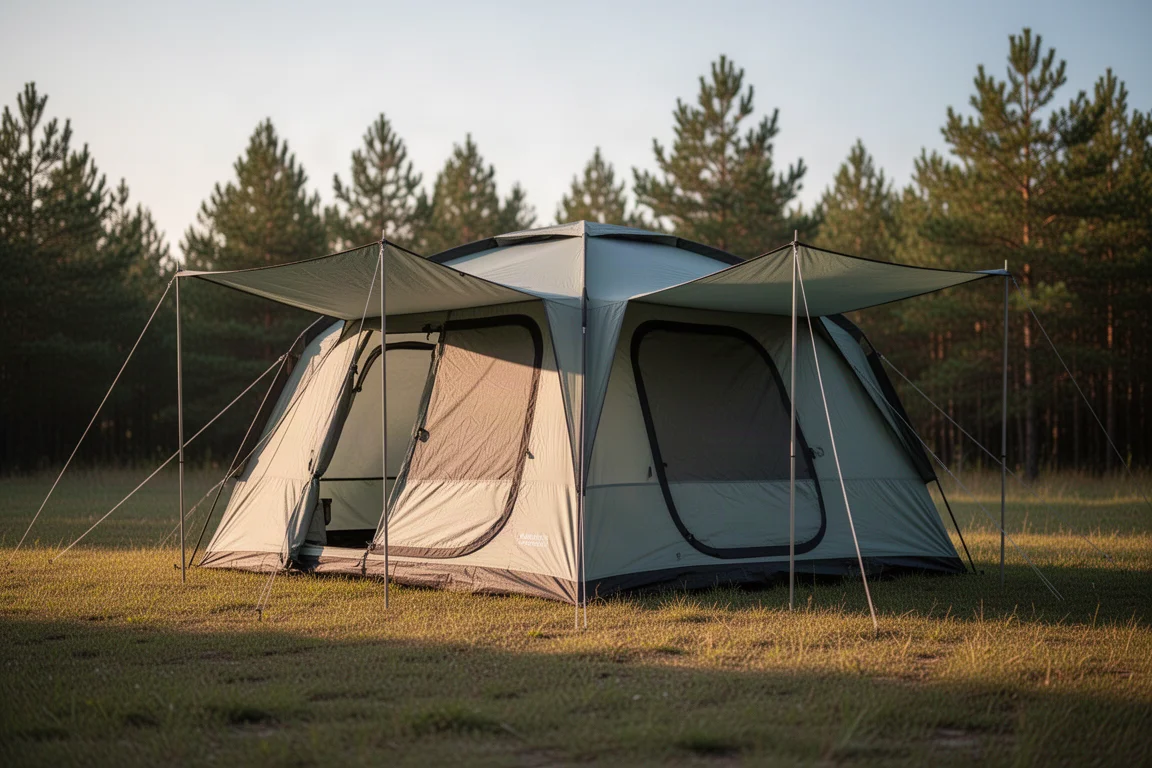
The interior is genuinely huge. The center of the main body is 6 feet tall, so most people can stand upright, and the ceiling slopes downward toward the front. Pitched dimensions are 18 feet long, 9.3 feet wide, and 6 feet tall, and the tent is rated to sleep up to eight people.
There is also an awning function: the door can be propped out as a sunshade, which is a welcome addition in hot weather. It is a dry-weather feature only, and it requires poles that are not included. Sticks or aftermarket poles both work.
Things to Consider Before Buying
The main drawback is entry and exit. The front and back doors are tall and slope sharply, and the zippers sit low and at a steep angle. The front door uses an upside-down T-shaped zipper arrangement. Reaching the zippers means crouching low, and you open the inner first and then the fly. It is manageable in dry conditions and noticeably more awkward in rain.
Setup takes time. There are four main poles, two very long poles that crisscross over the inner, a cross body support bar across the top, and a hoop pole at the front that pulls the door out. The sequence makes sense, but the cross body bar is difficult to seat on the far side because the pole stands roughly 9 feet in the air at that stage.
Plan for drying as well. After a wet night, a tent this size means a lot of material to transport, pitch again, and dry out at home.
The included stakes are standard shepherd hooks and are on the small side for a shelter this large and heavy. They hold well in clay-rich soil, but in softer ground, longer stakes will anchor the tent far more effectively.
Value and Pricing
Value is one of the strongest arguments for this tent. The retail price was $300 when it was first introduced and is now $260, which is unusual at a time when most gear has been getting more expensive. Considering the size, the build quality, the storm performance, and the ventilation, that is a lot of tent for the money.
Buying Advice
Choose this tent if you want a large, summer-focused shelter that stays dry in real weather and breathes well in heat. It suits couples who want space and comfort, and families who need room for five to six people. Buyers who camp in cold conditions should look at the cold-weather version instead.
Before you commit, weigh the practical side: setup and pack-down time, the footprint it needs on site, and the awkward door access. If those trade-offs are acceptable, the Koda 8-Person is a straightforward recommendation for warm-weather camping. Add longer stakes for soft ground, and bring the guy lines whenever wind is forecast.
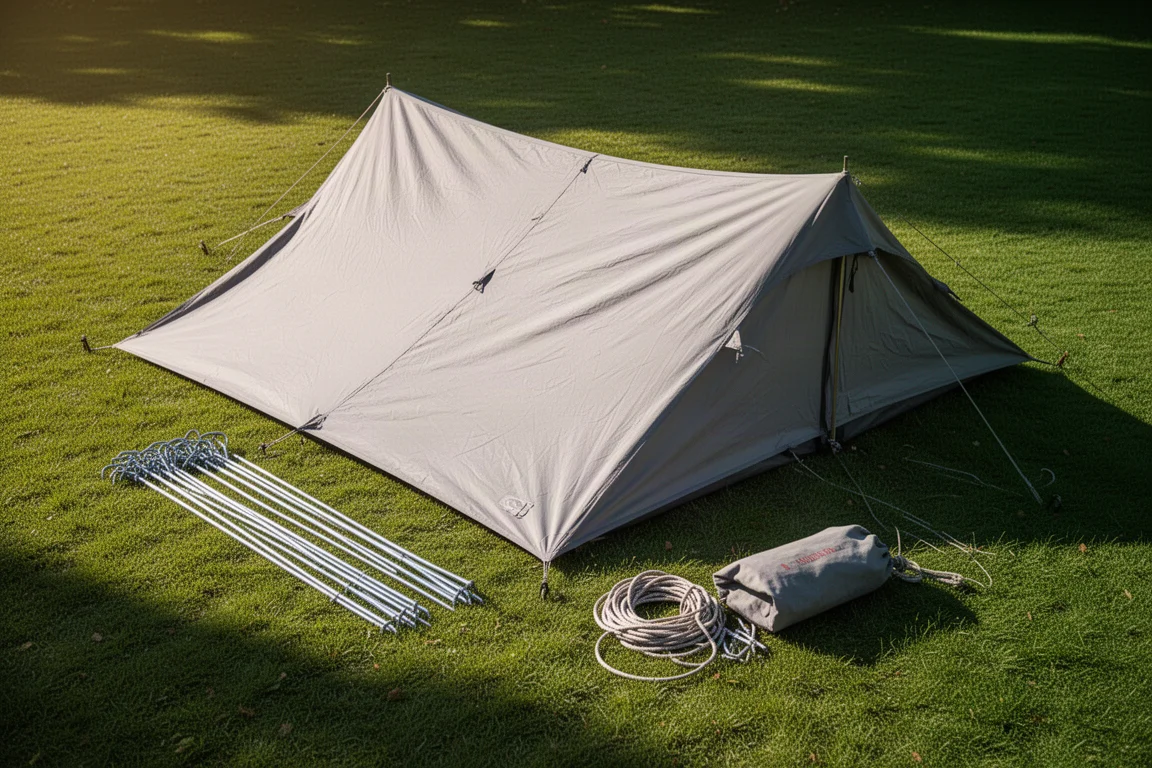
One last planning note: because the tent is so large, drying it after a wet trip takes deliberate effort. A dry, sunny day and enough yard space make that chore far easier.
Conclusion
The Naturehike Koda 8-Person Tent is a strong performer for summer camping. It is waterproof in heavy rain and wind, ventilated well enough that condensation has not been an issue, and built cleanly for the price. Its quirks, sharper sloped doors that make entry awkward and small included stakes, are side effects of its size rather than design failures. For campers who want a genuinely massive warm-weather tent, it is hard to beat at this price.
Product link
View more details for Naturehike Koda 8-Person Tent
This product is mentioned in the review. Check the specifications, options, and compatibility before buying.
View more details for Naturehike Koda 8-Person TentFurther reading
Related Reviews
Camping Tents
3F UL Gear Taiji Two-Person Tent Review: Field Waterproofing Results and Buying Advice
The Taiji pairs an attached fly with a removable inner, but sustained rain exposed untaped vent seams that need sealing before this shelter can be trusted.
Camping Tents
3FUL Gear Lanshan 2 Pro 4-Season Review: A Sub-$200 Single-Wall Trekking Pole Tent
An early look at the 3FUL Gear Lanshan 2 Pro 4-Season, covering its straightforward pitch, generous interior space, and the condensation and seam-sealing questions that come with any single-wall shelter.
Camping Tents
Alps Mountaineering Lynx 1-Person Tent Review: Big Value in a Small Budget Tent
A close look at the Alps Mountaineering Lynx 1-Person Tent, covering real interior dimensions, materials, setup time, ventilation limits, and who should buy it.