Sleeping Bags
Naturehike CWM 400 Goose Down Sleeping Bag Review: Real Down Comfort at an Accessible Price
A rectangular goose down sleeping bag with a 6°C comfort rating, a 790g total weight, and a price that makes down genuinely attainable.
Introduction
Goose down has long been the material that separates a good sleeping bag from a great one, and it has just as long been the reason many campers never buy one. Down packs smaller, weighs less and feels noticeably more luxurious than synthetic fill, but the big-brand versions carry prices that put them well out of reach for a lot of people. The Naturehike CWM 400 is aimed squarely at that gap.
The numbers are straightforward. The bag weighs 790g in total, and 400g of that is pure goose down fill. It is listed at $135 on the official Naturehike store, which works out to just under £100. For a genuine down bag, that is a genuinely unusual figure.
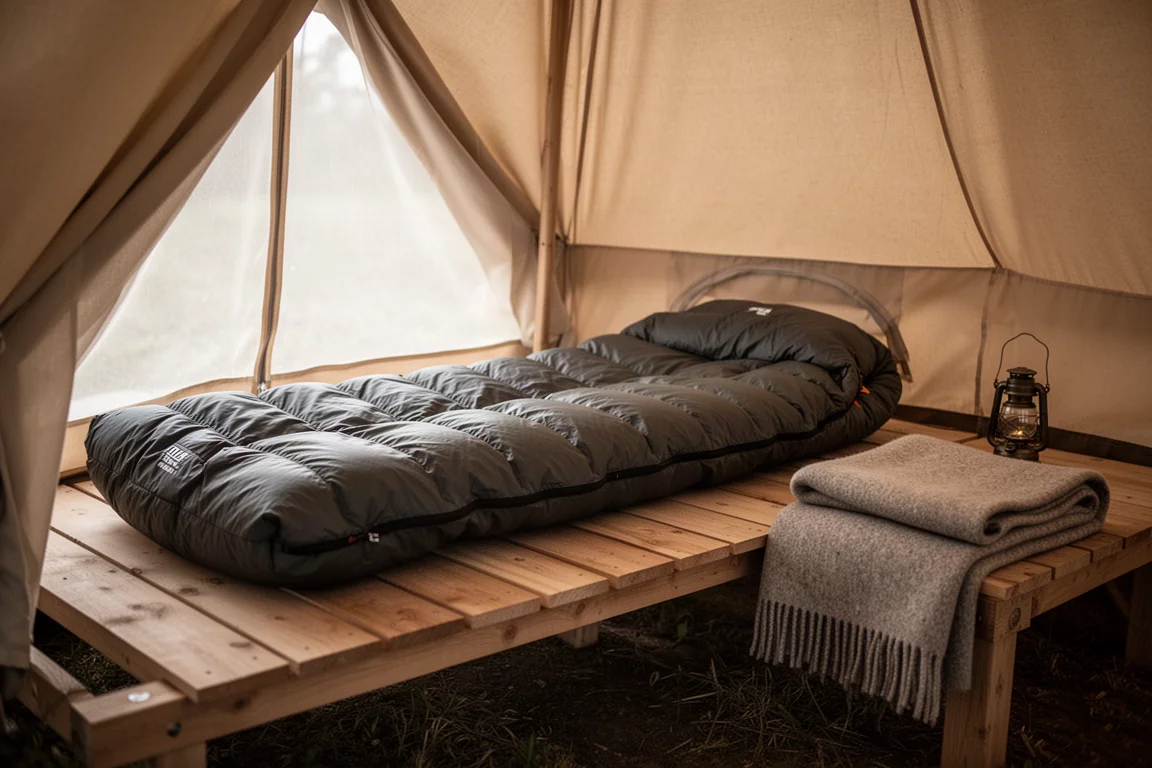
That combination of a real down fill and a sub-£100-equivalent price is the entire story of this bag. Everything else about it, from the size to the temperature ratings, follows from how Naturehike has chosen to build it.
Who This Product Is For
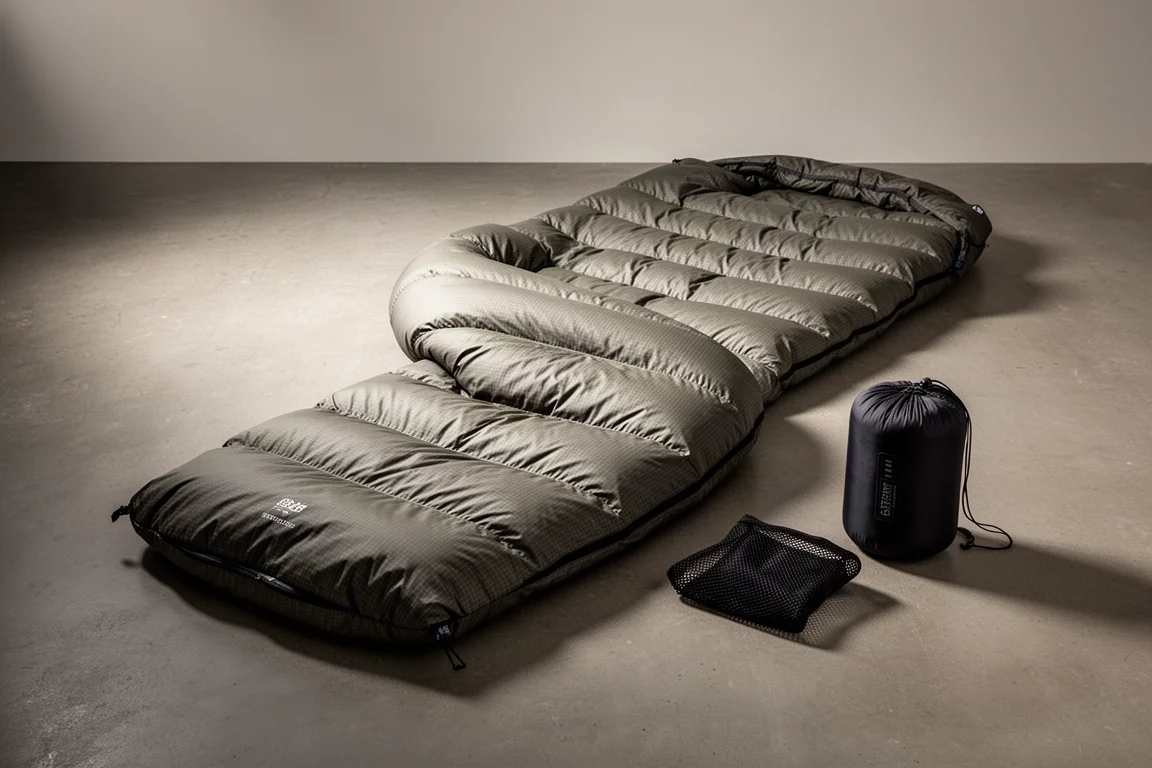
The CWM 400 is a rectangular bag, and that shape decision matters more than any single specification. It measures 200cm long and 80cm wide, which is generous by sleeping bag standards. Anyone who has spent a restless night wedged inside a tapered mummy bag will recognise the appeal immediately, and taller sleepers in particular tend to find the extra shoulder and hip room transformative.
If you are around six foot one and have struggled with mummy-style bags, this is the category of bag worth looking at. There is enough space to turn over, to pull a knee up, or to sleep on your side without the fabric fighting you. It also suits campers who want a comfortable bag for general three-season use rather than a specialist mountaineering cut.
Main Strengths
The headline strength is the fill. This is pure goose down rather than a blend or a synthetic alternative, and the difference is obvious the moment you handle it. Down is soft in a way synthetic insulation simply is not, and it lofts back into shape readily. It is also remarkably light for the size of the bag, which is what makes a 200cm by 80cm rectangular shape practical to carry at all.
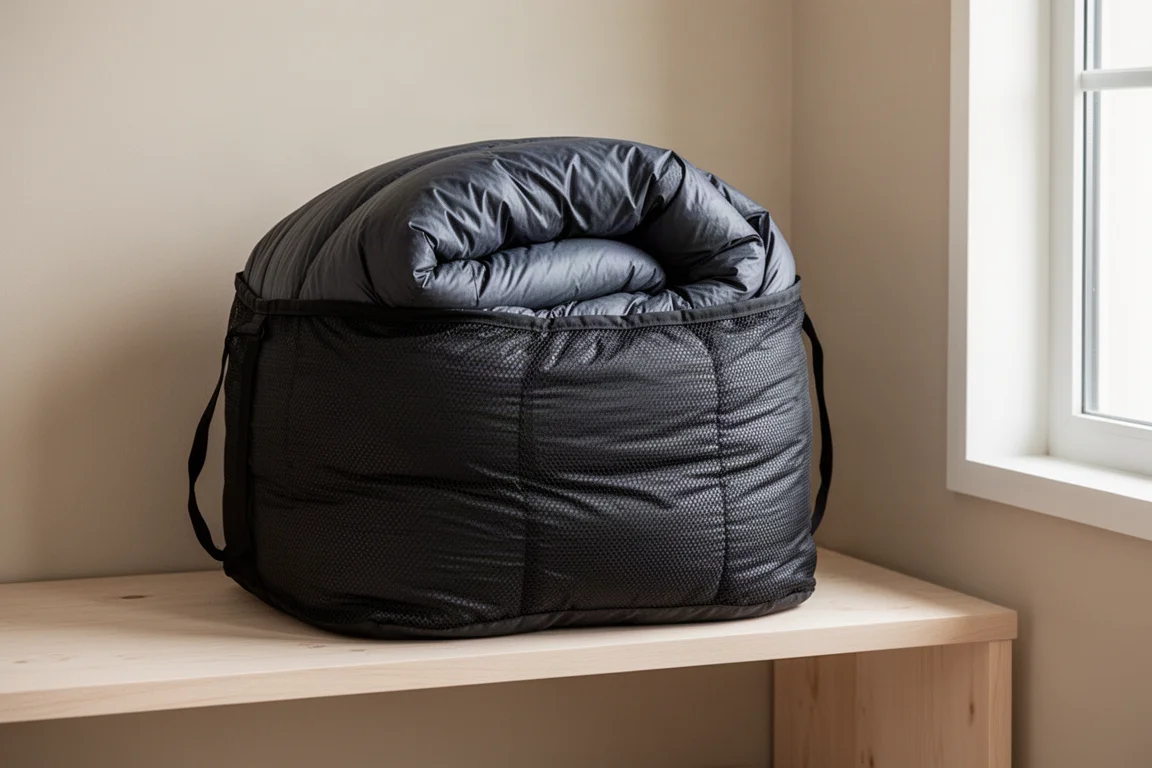
Packed down, the CWM 400 shrinks to 16cm by 35cm in its compression sack. Compressed further, the length comes down to around 26cm, which is closer to what you would expect from a summer bag than from something this generously cut. It ships with both a compression sack for carrying and a large mesh sack for storage.
Temperature ratings are listed as a 6°C comfort range, a 0°C transition point, and a -10°C risk limit. The comfort figure is the one that matters most, because it describes the range where the bag performs at its best. There is a substantial amount of insulation in the bag, and it warms up quickly once you are inside it, so the 6°C comfort rating reads as a fair and realistic figure rather than an optimistic one.
Construction details are thoughtful for the price. The baffles run vertically, which helps keep the down evenly distributed. A small velcro stopper holds the zip in place so it does not creep open overnight, and a drawstring at the collar lets you cinch the bag close around your neck. The zipper runs the full length of the bag right down to the bottom, which means you can open it out flat and use it as a duvet when conditions are warmer.
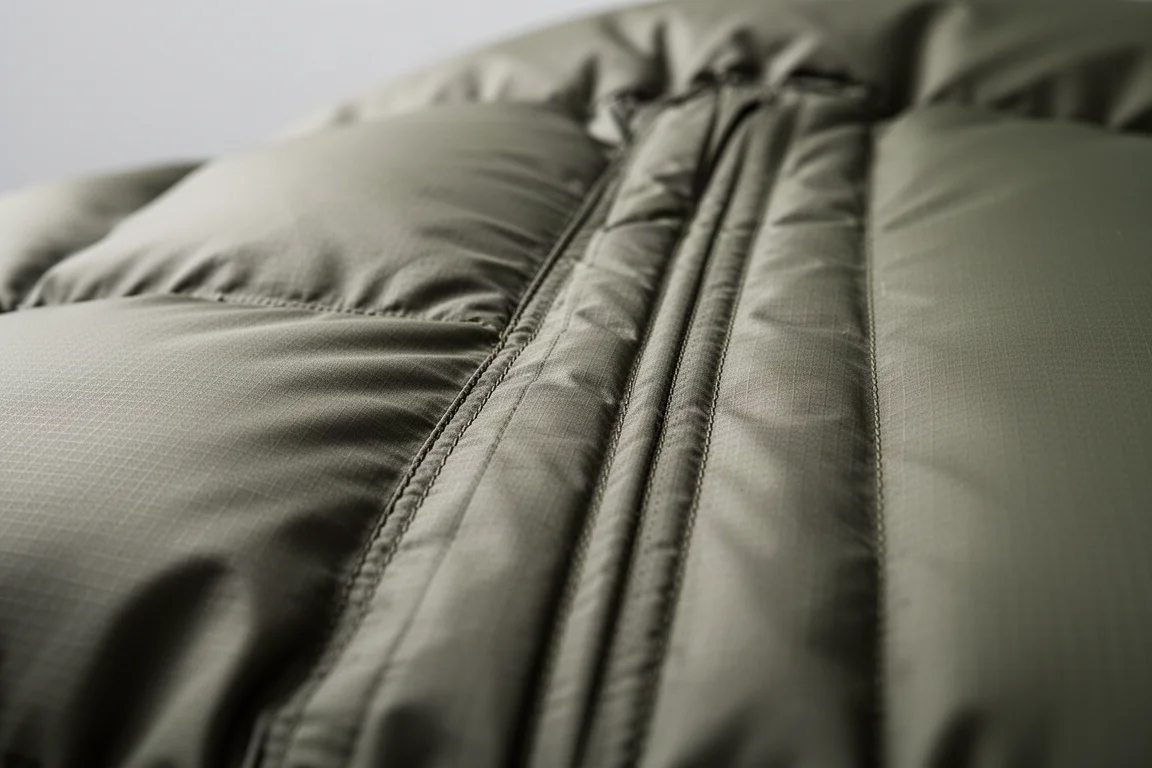
That full-length zip is more useful than it sounds. It turns a single bag into something that works across a wider band of temperatures, which is a meaningful advantage if you camp in changeable conditions.
Things to Consider Before Buying
The rectangular shape is a deliberate trade-off. A mummy bag of equivalent warmth will generally pack smaller because it removes fabric and fill around the extremities. The CWM 400 compensates with a very compressible down fill, but it will never be quite as compact as a tapered bag with the same rating.
The 6°C comfort rating is a mild-conditions figure. It is well suited to spring, summer and early autumn camping, and the 0°C transition and -10°C risk figures describe the limits of that range rather than a target. If you sleep cold, or if you are planning trips that regularly drop below freezing, a warmer rating is the more sensible starting point.
Down also asks for a little more care than synthetic fill. It needs to be stored loosely and kept dry. Naturehike recommends storing the bag in a cool, dry place, and the supplied mesh sack is large enough to let the bag stay aired and lofty between trips. Packing it away tight and leaving it that way is what flattens down over time, so the mesh sack is not an accessory to lose.
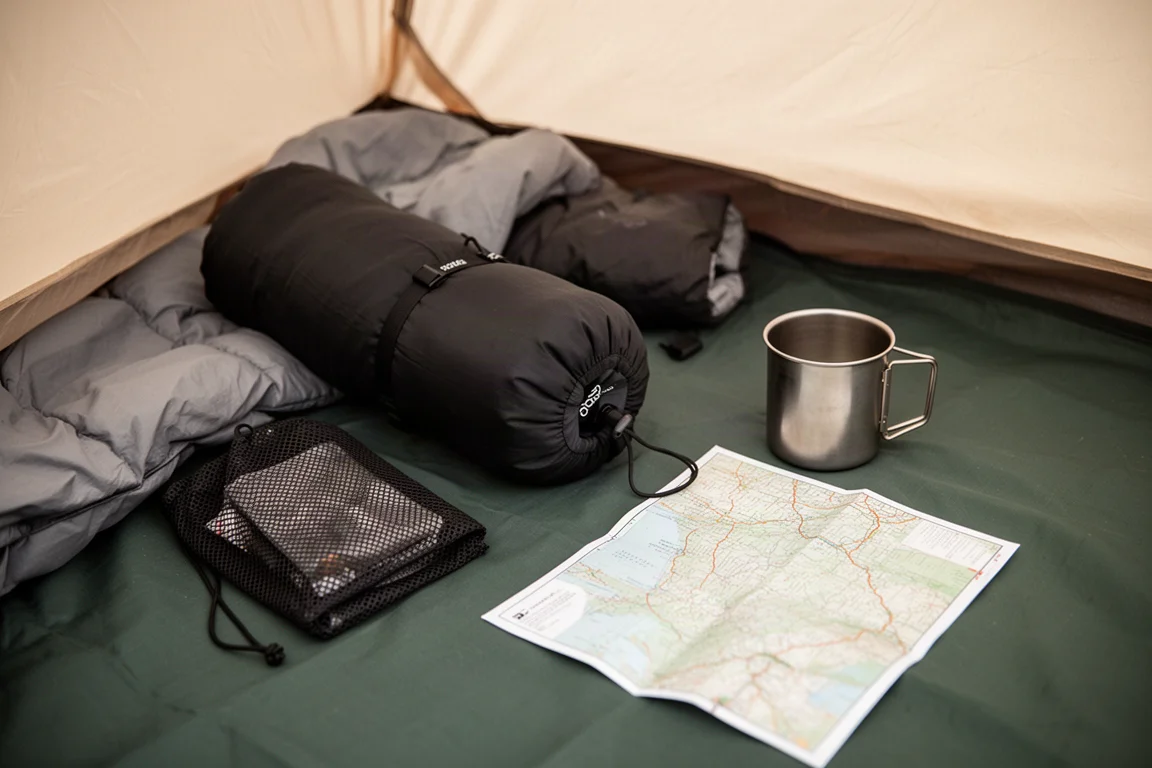
Finally, it is worth checking the packed dimensions against your own pack. At 16cm by 35cm it is compact, but if your bag is already tightly filled, the extra volume of a rectangular cut is something to plan around.
Buying Advice
The clearest way to judge the CWM 400 is against your actual camping conditions. If your trips sit in that mild three-season band, and if you value room to move over the tightest possible pack size, the specification lines up well. You are getting a genuine goose down bag with a sensible temperature rating and a full-length zip at a price that would normally buy synthetic fill.
If your camping regularly pushes into colder nights, or if you are counting every gram and every litre of pack space for a long-distance hike, a warmer and more tapered down bag is the better fit, and it will cost considerably more. That is the honest dividing line.
Care is the other half of the decision. Treat the bag well, store it loose in the mesh sack, keep it dry, and a down bag of this type should serve you for a long time. The value proposition here is not just the purchase price, it is what that price makes available to people who previously assumed down was out of reach.
For anyone upgrading from a bulky synthetic bag for the first time, the difference in pack size, weight and feel is the part that tends to surprise people most.
Conclusion
The Naturehike CWM 400 does something genuinely useful: it brings real goose down into a price bracket where most shoppers would only find synthetic options. At 790g with 400g of goose down fill, a 6°C comfort rating, a generous 200cm by 80cm rectangular cut and a full-length zip that doubles as a duvet, it covers a lot of ground for the money.
It is not the lightest or most compact bag on the market, and it is not built for deep winter. What it is, is a comfortable, well-constructed down bag at a price that makes the material accessible. For three-season campers who want room to sleep properly and do not want to pay big-brand money for it, this is an easy recommendation to consider.
Product link
View more details for Naturehike CWM 400 Goose Down Sleeping Bag
This product is mentioned in the review. Check the specifications, options, and compatibility before buying.
View more details for Naturehike CWM 400 Goose Down Sleeping BagFurther reading
Related Reviews
Sleeping Bags
Best Down Sleeping Bags Under $300: Four Backpacking Options Worth a Look
Four down sleeping bags that stay under $300, compared on fill power, baffle design, hood comfort, and packed size.
Sleeping Bags
Best Sleeping Bags and Sleep Systems: Five Premium Down Picks Compared
Five premium down sleeping bags and sleep systems compared on warmth, weight, construction, and value.
Sleeping Bags
Big Agnes Lost Ranger UL 3-in-1 Sleeping Bag System Review: One Bag, Three Setups
A practical look at the Big Agnes Lost Ranger UL 3-in-1 Sleeping Bag System, covering how the three configurations work, where it shines, and the details worth weighing before buying.