Camping Tents
Naturehike Cloud Wing 2 Review: Light, Fast to Pitch, and Not Waterproof
A two-person ultralight tent with an interconnected double-wall design that pitches fast in rain, but leaked in sustained heavy weather.
Introduction
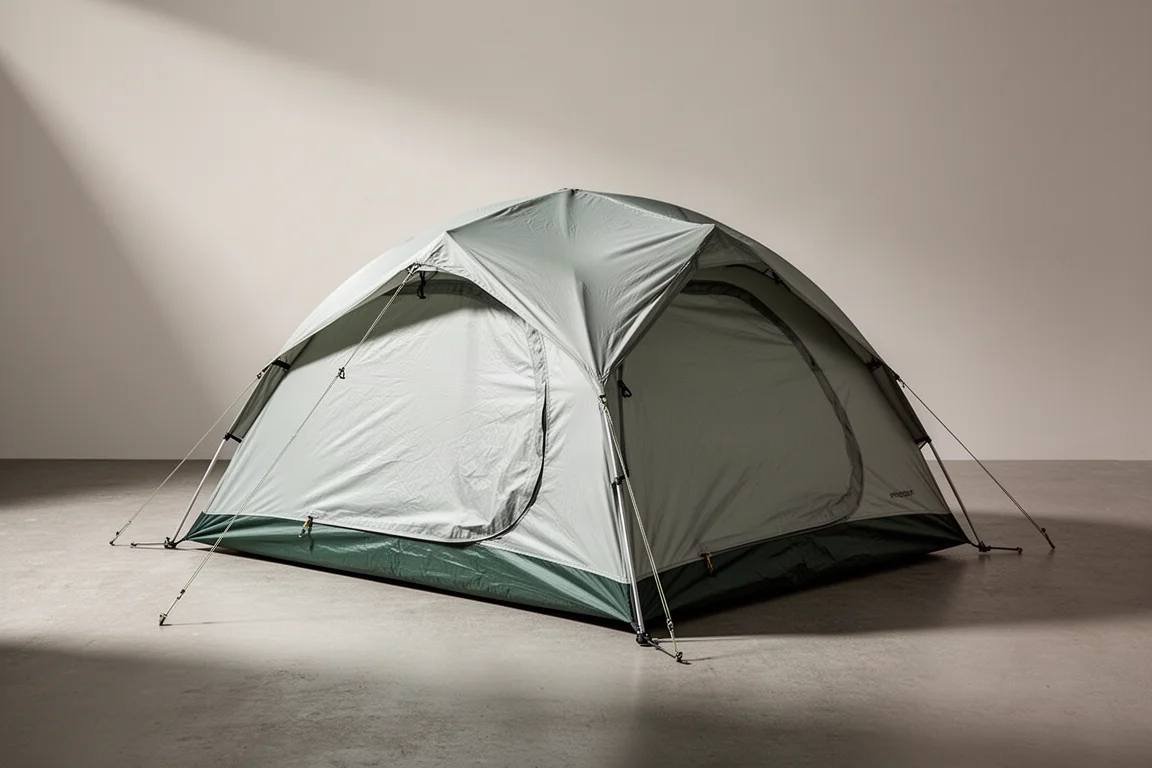
The Naturehike Cloud Wing 2 is a two-person ultralight tent and the newest version of the Cloud Wing line, following an earlier model. Its defining design choice is a double-wall build in which the fly and the inner body are interconnected rather than separate, so the whole shelter goes up as one unit.
That matters most when the weather turns while you are still pitching. The Cloud Wing 2 can be set up in the rain with the inner staying dry, and that is exactly how it performed during a long day of severe thunderstorms. The tent went up quickly in light rain and the interior stayed dry through the process.
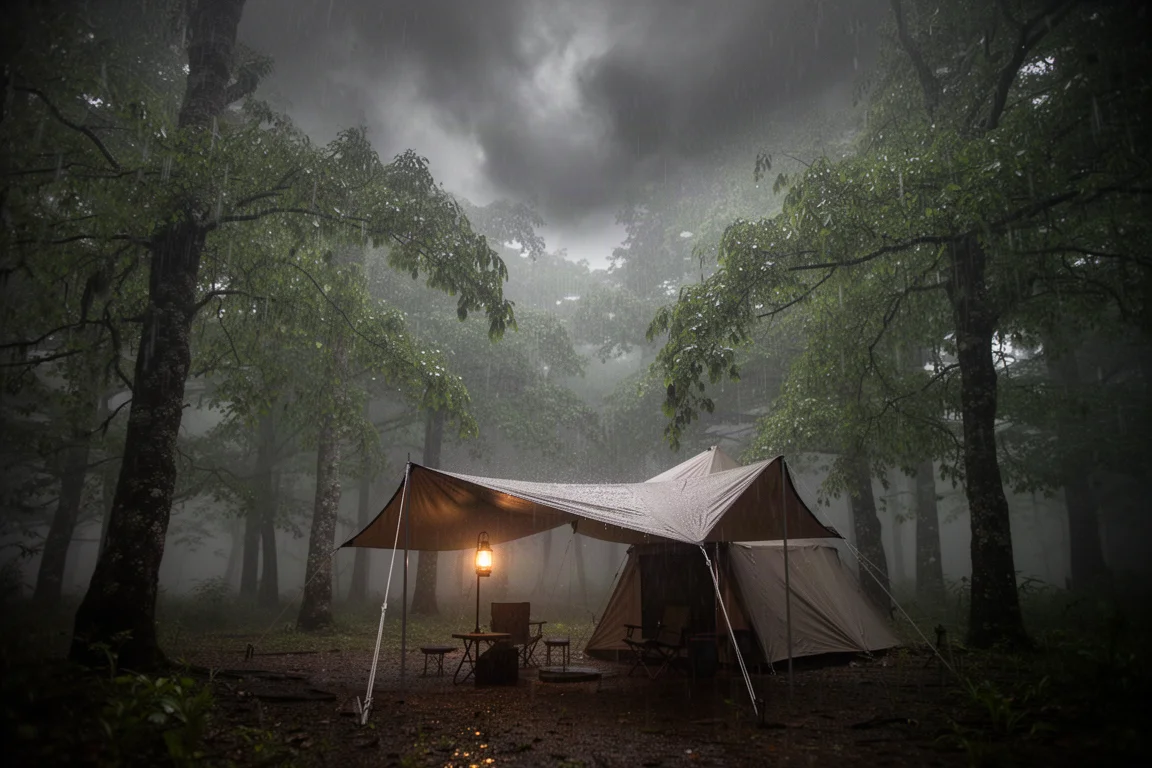
What followed is the reason this review exists. Through a long night of sustained heavy rain, the tent leaked. Water appeared on the mesh, on the floor, and in a pool in one corner, and the bedding inside ended up wet. The form factor and weight are genuinely impressive, but a shelter that lets water in is difficult to recommend for wet conditions.
Who This Tent Is For
This tent makes most sense for backpackers who count grams and want a two-person shelter that pitches fast. The interconnected fly and inner body means there is no separate fly to attach once the body is up, and no exposed inner to soak while you work. For anyone who has pitched a tent in the rain and finished with a wet sleeping area, that is a real advantage.
The overall shape and proportions are a strong point too. The design is close in spirit to the Big Agnes Slater Ultralight, a tent that has since been discontinued, so campers who liked that low, simple profile will recognize the appeal here.
It is also a sensible option for campers who mostly travel in dry conditions, where a light, quick-pitching shelter is the priority and heavy rain is unlikely. For anyone who camps regularly in wet climates, the performance described below should shape the decision.
Main Strengths
Weight is the headline. This is an ultralight two-person tent, and it carries accordingly. For backpackers covering long distances, the low packed weight is the kind of saving you notice on every climb.
The second strength is the pitching process. Because the fly and body are connected, the tent goes up as a single unit, and it can be pitched in the rain with the inner remaining dry. That combination of speed and protection during setup is the design’s best idea, and it worked as intended.
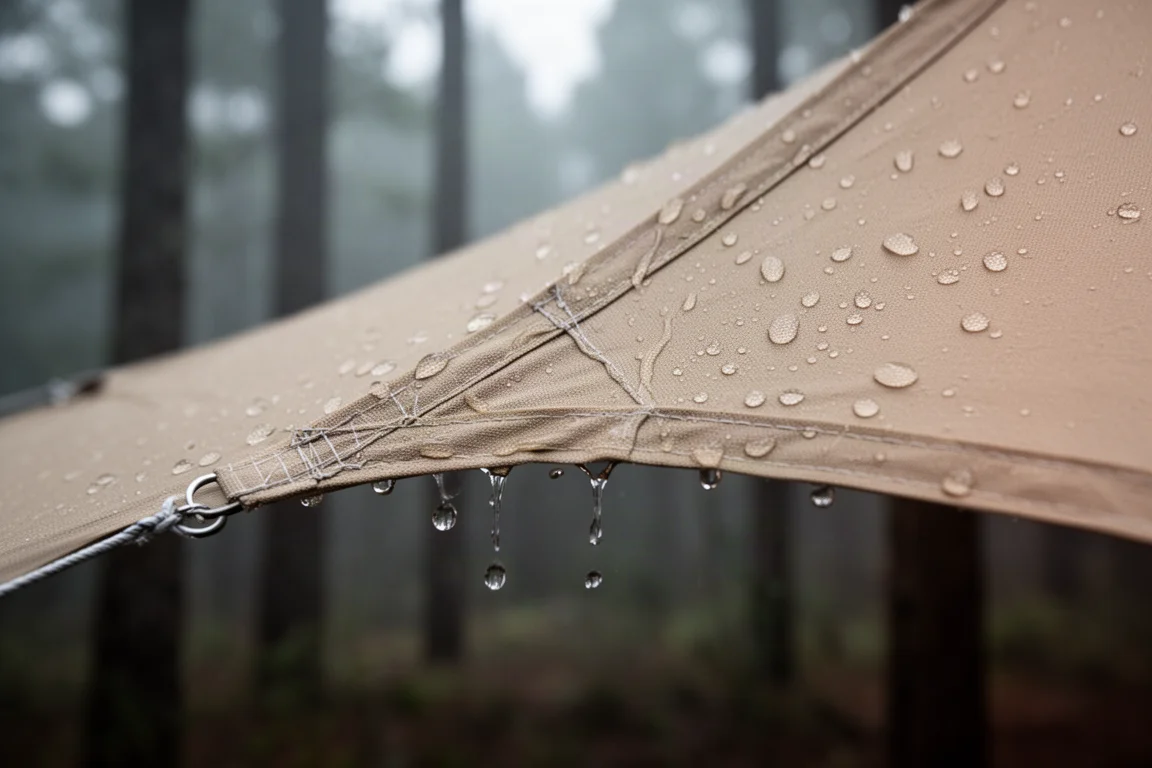
The form factor deserves credit as well. The shape is compact and efficient, and the overall design reads as considered rather than generic. Naturehike tents have a generally strong record on waterproofing, and this model’s construction reflects that experience even though this particular unit did not hold up.
Things to Consider Before Buying
The central issue is water resistance. After a night of heavy and sustained rain, this tent leaked in multiple places: around the door, at the rear, and along the mesh. Water collected on the floor and formed a pool in one corner, and a closed vent was wet as well.
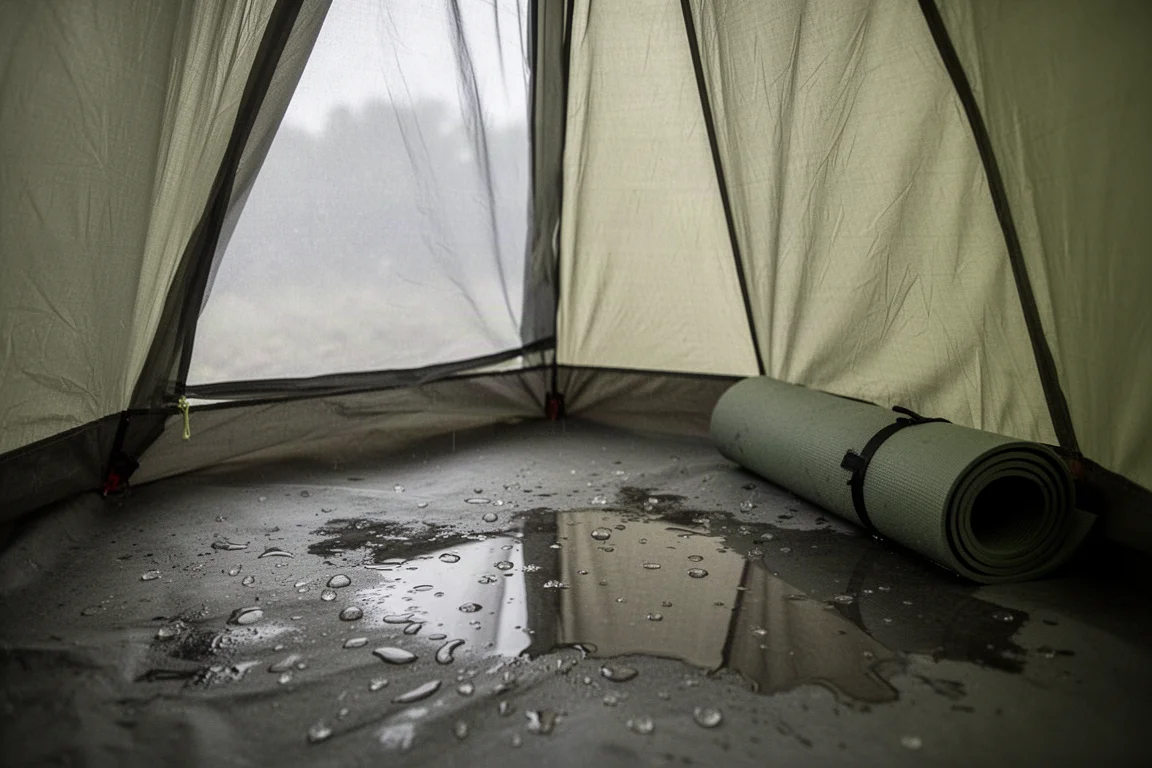
Because the interior was compromised, the sleeping setup inside became wet too. That is the practical consequence worth weighing. It is not only the tent that gets damp, it is the insulation and bedding you depend on for a safe night.
It is worth noting the context. Naturehike tents are usually waterproof, and this appears to be one of the few cases where one has failed rather than a pattern. The company also has a reputation for taking product criticism seriously, and the sample used here was supplied by Naturehike for evaluation. Even so, the outcome of this test is what it is, and it is the reason the tent is hard to recommend for reliable wet-weather use.
Also worth considering is how you would handle a failure in the field. Having a backup shelter option, or at least a plan for abandoning a compromised pitch, is the difference between an uncomfortable night and a risky one.
Buying Advice
If you are considering the Cloud Wing 2, test its waterproofing before you rely on it. Pitch it and run water over the fly and seams at home, or in a setting where a leak costs you nothing, then inspect the interior afterwards. That single step tells you more about your specific unit than any specification sheet.

Think about the climate you actually camp in. In consistently dry conditions, the low weight and fast pitch remain genuinely appealing. If you expect regular or sustained rain, the leak observed here makes this tent a poor bet unless you can verify that your unit stays dry.
Finally, treat your shelter as part of a system rather than a single point of failure. A backup plan for severe weather is worth carrying regardless of which tent you choose.
Conclusion
The Naturehike Cloud Wing 2 gets a lot right. It is light, it pitches quickly, and its interconnected double-wall design keeps the inner dry during setup in the rain, which is exactly what you want when a storm arrives early. Its shape is clean and purposeful, and it echoes a discontinued design that many campers liked.
It also leaked through a night of heavy rain, with water on the mesh, on the floor, and pooled in a corner, leaving the bedding inside wet. Until that is resolved or verified on your own unit, this tent is difficult to recommend for wet-weather camping. Test it before you trust it.
Product link
View more details for Naturehike Cloud Wing 2
This product is mentioned in the review. Check the specifications, options, and compatibility before buying.
View more details for Naturehike Cloud Wing 2Further reading
Related Reviews
Camping Tents
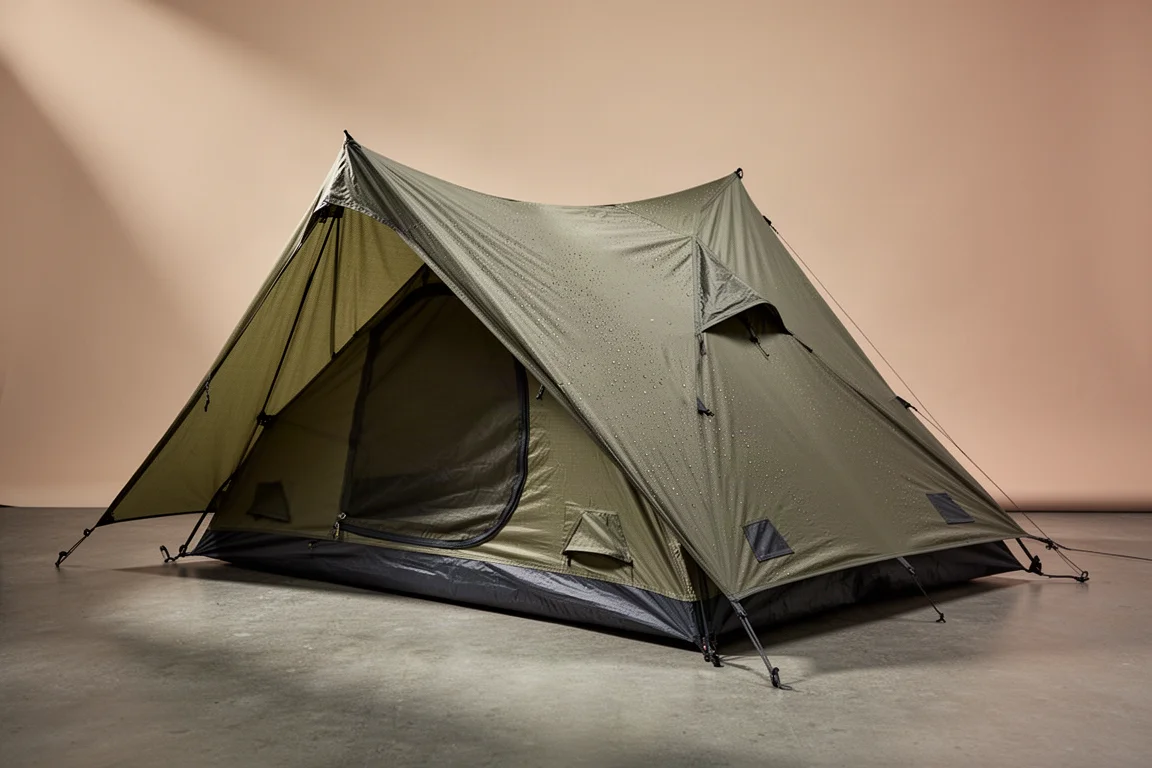
3F UL Gear Taiji Two-Person Tent Review: Field Waterproofing Results and Buying Advice
The Taiji pairs an attached fly with a removable inner, but sustained rain exposed untaped vent seams that need sealing before this shelter can be trusted.
Camping Tents
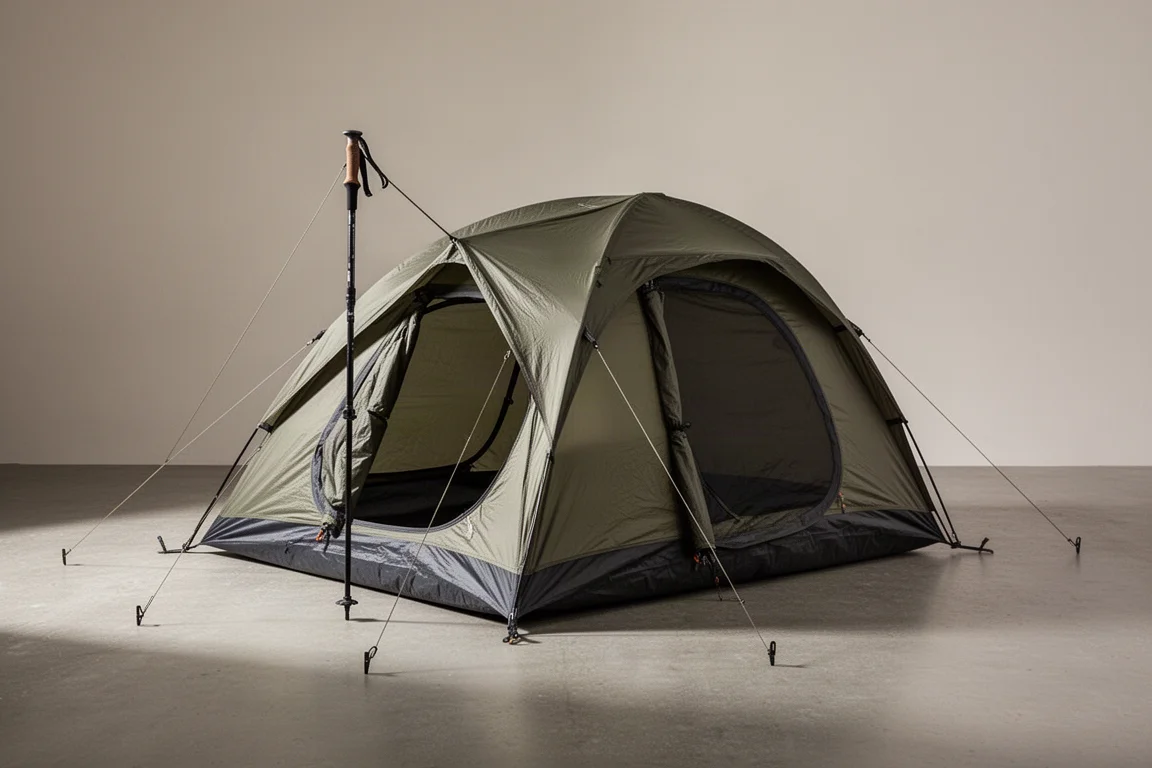
3FUL Gear Lanshan 2 Pro 4-Season Review: A Sub-$200 Single-Wall Trekking Pole Tent
An early look at the 3FUL Gear Lanshan 2 Pro 4-Season, covering its straightforward pitch, generous interior space, and the condensation and seam-sealing questions that come with any single-wall shelter.
Camping Tents
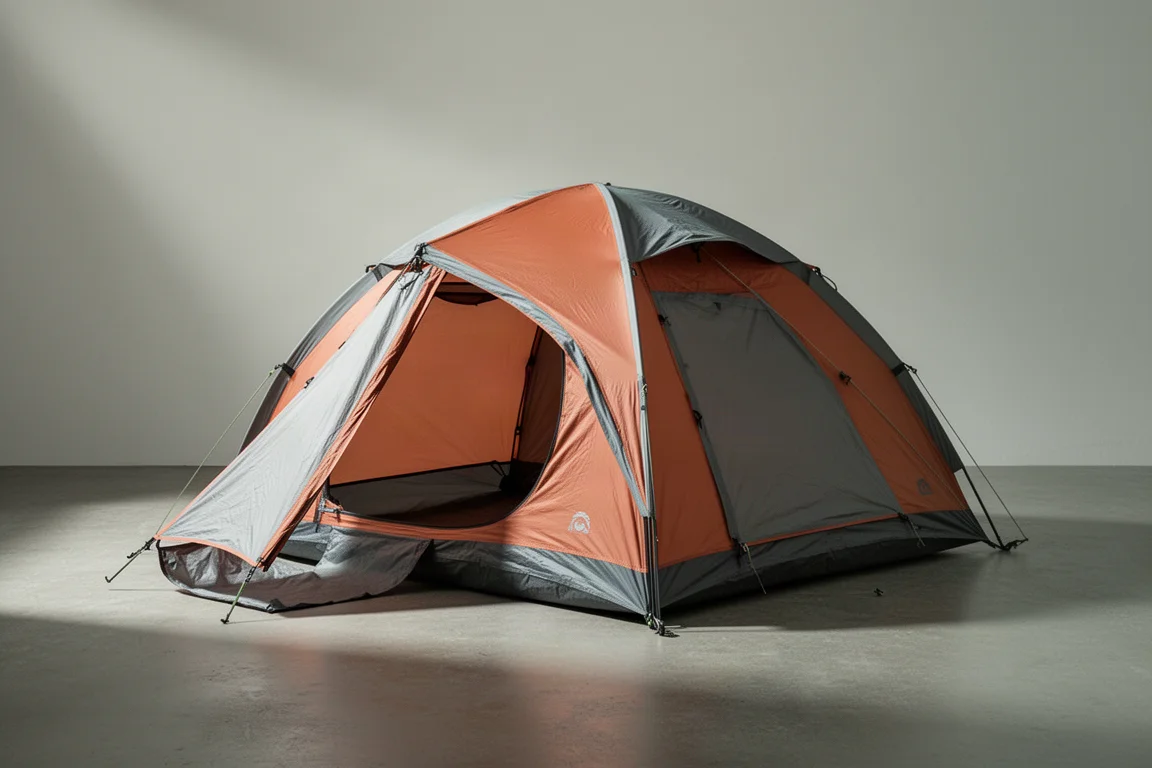
Alps Mountaineering Lynx 1-Person Tent Review: Big Value in a Small Budget Tent
A close look at the Alps Mountaineering Lynx 1-Person Tent, covering real interior dimensions, materials, setup time, ventilation limits, and who should buy it.