Camping Tents
Naturehike Cloud Up 3 Review: A Roomy Three-Person Tent That Still Packs Light
A practical look at the Naturehike Cloud Up 3, a 2.44 kg freestanding three-person tent with a large interior, generous head room, and a big vestibule.
Introduction
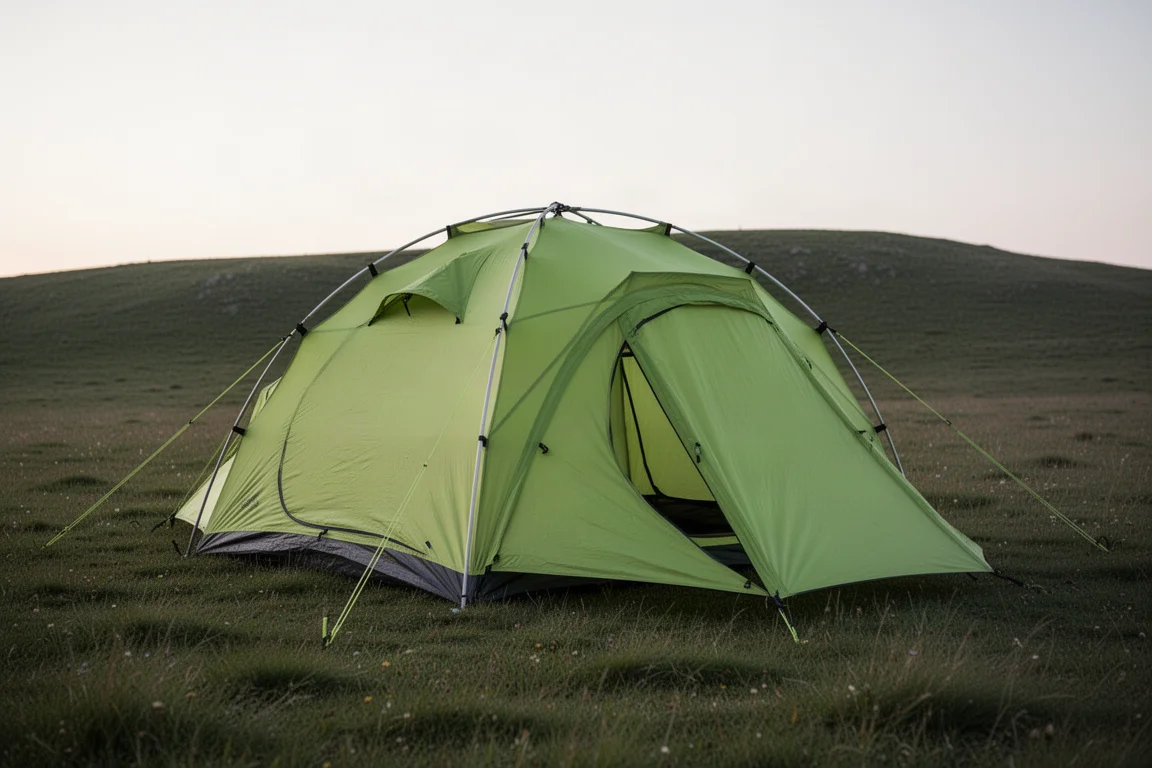
The Naturehike Cloud Up 3 is a three-person freestanding tent built around a lightweight aluminium pole frame, with a cross member that runs over the top of the inner. It weighs 2.44 kg, which is a reasonable figure for a shelter that sleeps three. The inner tent and the groundsheet arrive packed together in a single stuff sack, and the outer fly clips on over the top once the frame is standing.
This review focuses on what the tent is actually like to pitch and sleep in: how much usable space it offers, how it handles ventilation and weather, and who gets the most value out of it. The colourway shown here is lime green, which is bright without being garish on a campsite.
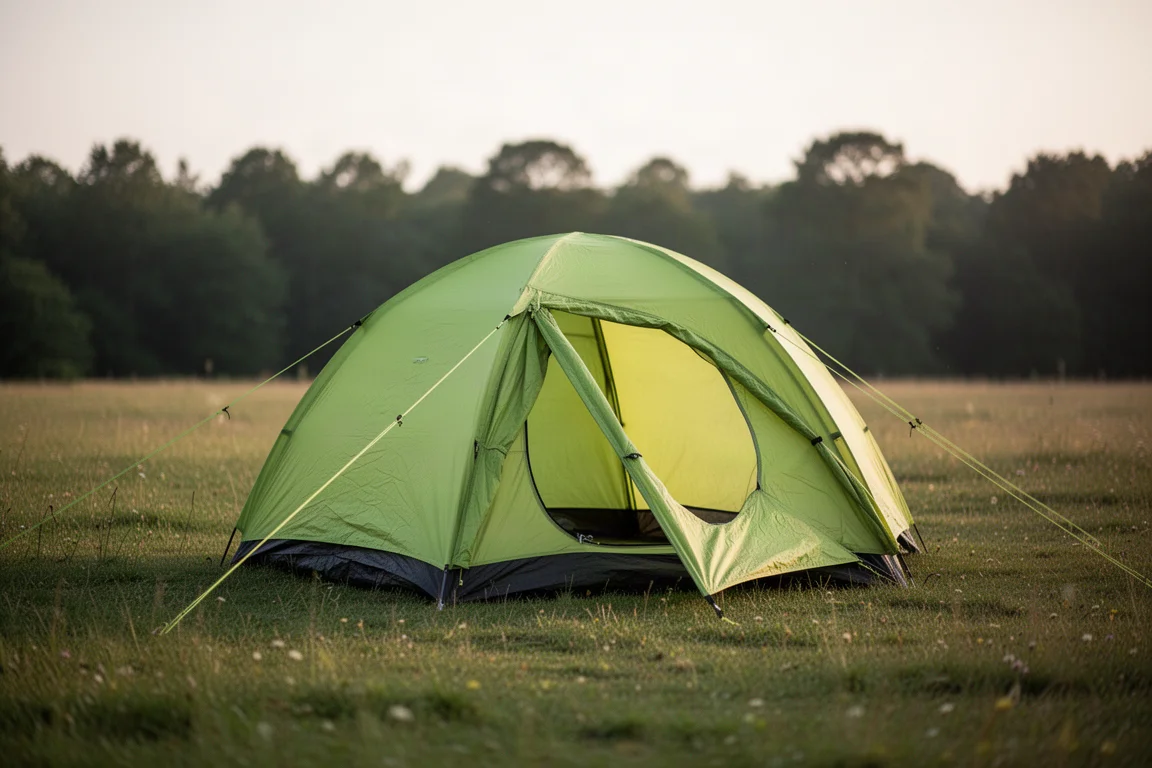
The short version: the Cloud Up 3 is best understood as a roomy, mild-weather tent that happens to be light enough to carry. It does not attempt to be a four-season shelter, and the mesh-heavy inner makes that clear.
Who the Naturehike Cloud Up 3 Is For
The obvious audience is families. With two adults and two small children inside, there is still floor space left at one end for bags, and the vestibule is large enough to keep boots and wet kit out of the sleeping area.
It also suits campers who simply prefer elbow room. Anyone who normally tours in a two-person tent and finds it cramped will notice the difference immediately, and the extra capacity does not come with the weight penalty you might expect from a larger tent.
Solo campers who want maximum space will fit comfortably too, though the tent is heavier and bulkier than a one- or two-person option. The extra volume is worth carrying only if you genuinely use it.
Main Strengths: Interior Space and Head Room
The interior is the headline. The floor is long enough that you can stretch out without touching either end, and the corners are far enough apart that they are out of reach when you sit in the middle. The cross member over the roof lifts the profile, so there is genuine head room rather than the low, sloping ceiling found on some lightweight tents.
Two doors make the tent easier to live with when more than one person is inside, and each door rolls up and hooks back out of the way. Smaller details are handled well: a hook in the roof for a lantern, and several pockets around the corners for keeping small items off the floor.
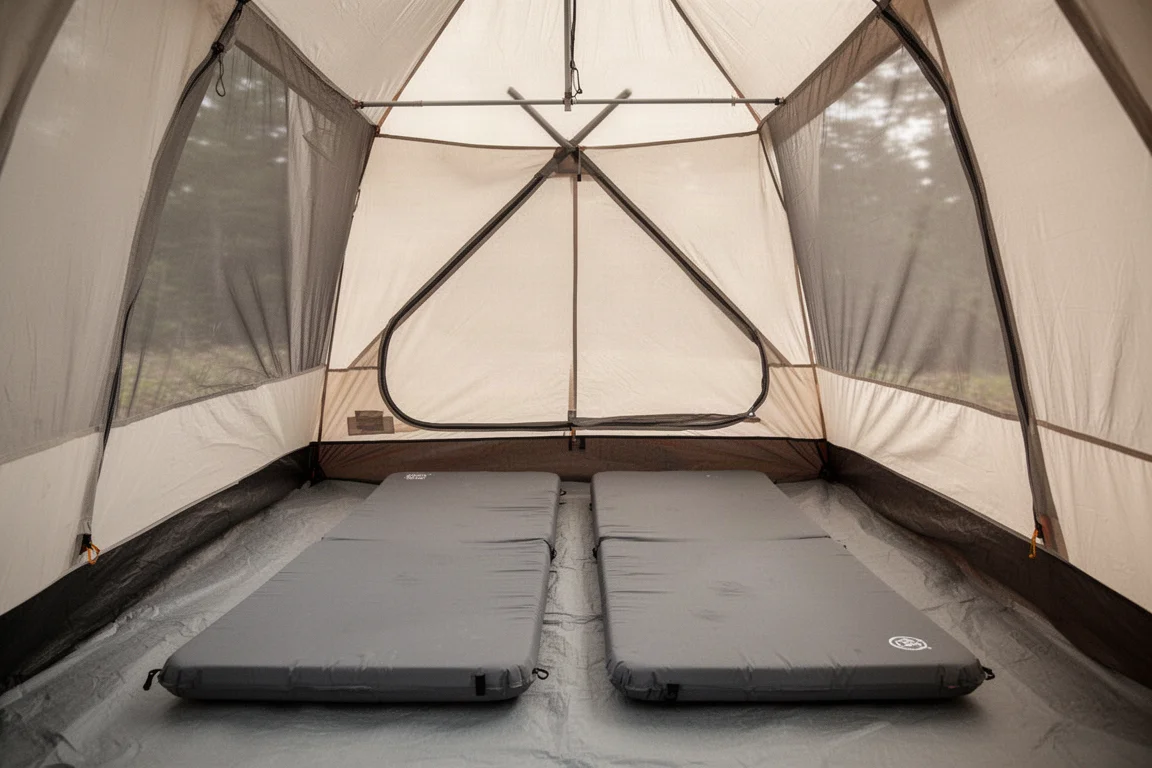
To put the floor area in perspective, two wide sleeping pads placed side by side still leave roughly 300 mm of clearance along each side. That is enough to tuck away a bag, a pair of boots, or a folded layer without stepping over it in the night.
Pitching, Poles, and the Fly Sheet
Pitching is straightforward and freestanding. The four corners peg out first, then the aluminium poles clip into the loops on the inner. The front limbs are longer than the rear ones, and the colour coding makes it easy to get the frame the right way round before you start clipping.
Once the frame is standing, the centre of the inner hooks into place and the fly sheet clips to each corner. Adjustable straps let you tension the fly, and the vestibule can be pegged out so the outer fabric is held away from the inner. That separation matters on damp nights, because it keeps condensation on the fly rather than on the inner wall.
The aluminium pegs are the lightweight spiral type, which bite into the ground and resist working loose. Guy lines at the rear are adjustable through simple tensioners. The example shown here has no side guy-line attachment points, and it is unclear whether newer production runs add them, so it is worth checking if you expect to pitch in exposed places.
Things to Consider Before Buying
The most important consideration is the amount of mesh in the inner. The upper section is almost entirely mesh, which makes the tent very breathable but also means it will feel cold in winter conditions. Realistically, this is a two- to three-season tent at best.
If you are coming from the smaller two-person version of the same design, a couple of differences are worth noting. That model has a rear window that can be opened for airflow; the Cloud Up 3 does not, and relies on the mesh body instead. The packed size is also noticeably larger, which is expected given the extra capacity.
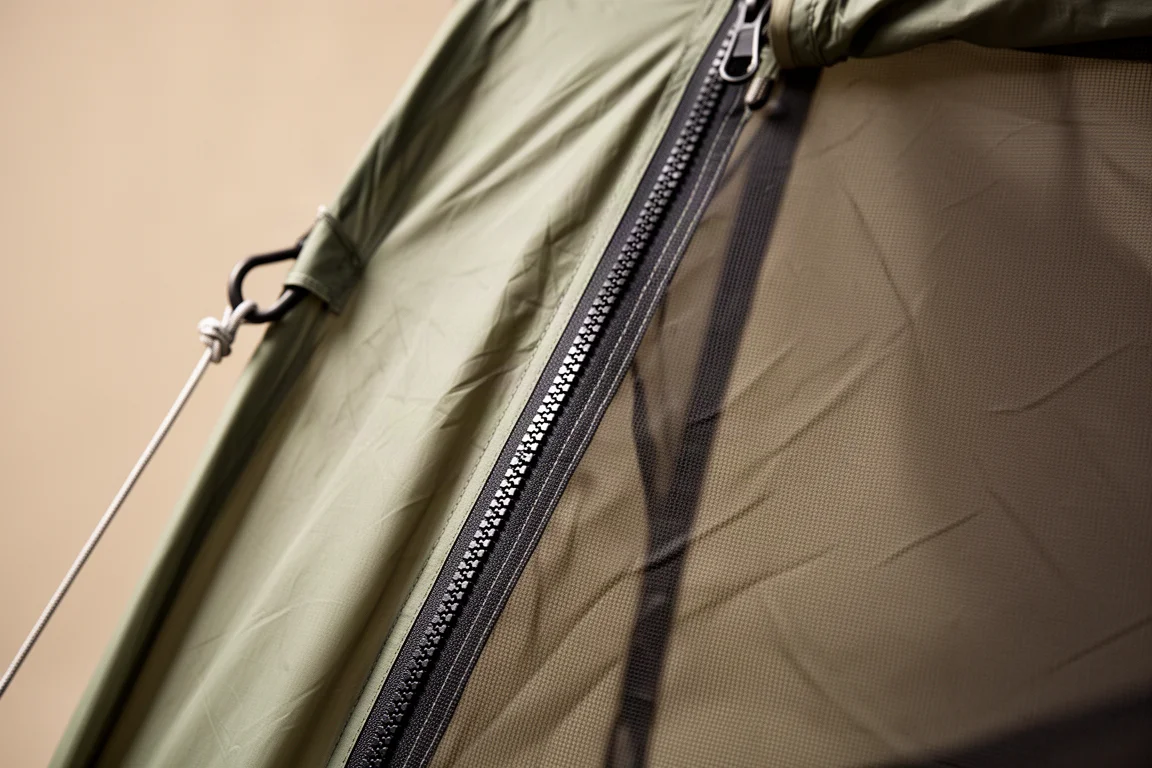
The zip on the front door is a chunkier design than the one used on the two-person model, which should make it more durable over time. It is a small change, but a welcome one on a tent that is likely to see heavy use.
Ventilation, Condensation, and Weather Protection
Ventilation is where the Cloud Up 3 earns its place. With that much mesh in the inner, air moves freely through the tent, and heavy condensation is unlikely even on still nights. The trade-off is warmth, so pair it with a sleeping bag rated for the conditions rather than expecting the tent to hold heat.
The floor is a waterproof bathtub design that turns up roughly 150 mm at the sides, which is a useful buffer against damp ground and splashes. The fly sheet covers the body completely, and the guy lines let you tension everything down when the weather turns.
Buying Advice
The Cloud Up 3 makes the most sense if you want one tent that can handle family trips and still be carried on foot. It is light for its size, quick to pitch, and the interior is genuinely comfortable rather than merely adequate.
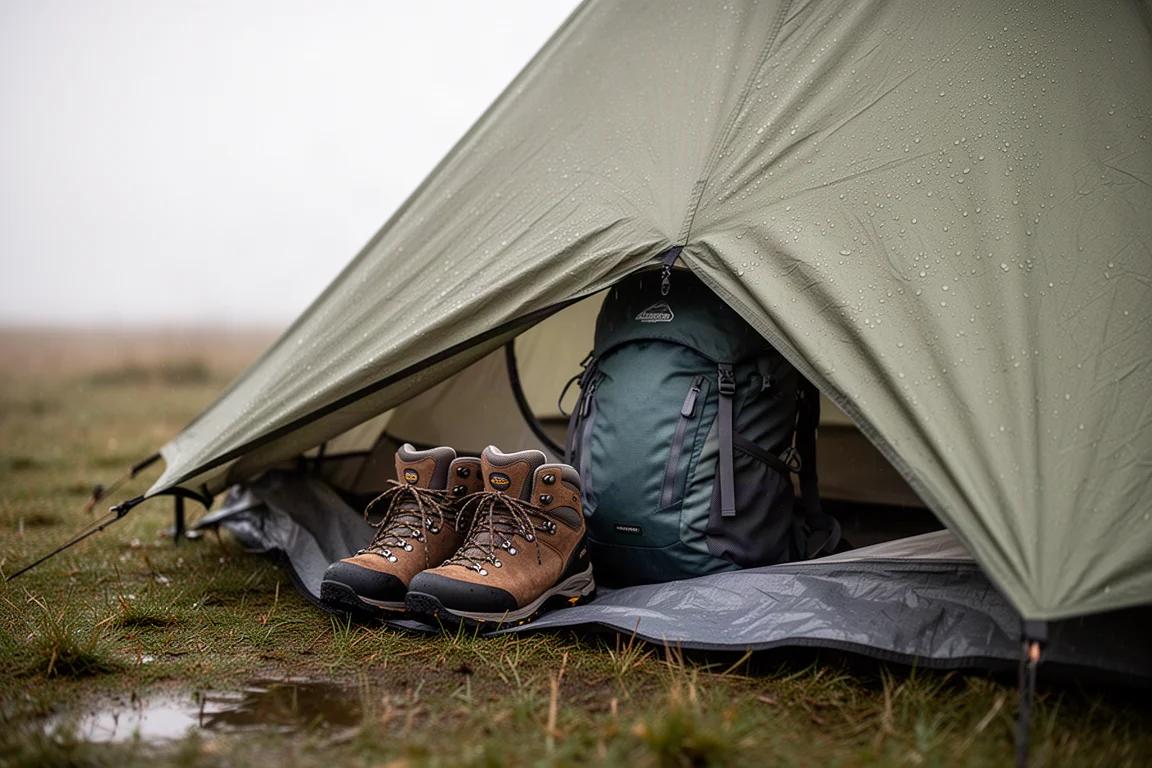
Before buying, decide honestly how much space you need. If you mostly camp alone or as a pair and value a smaller pack size, a two-person model will be easier to carry. If you regularly have three or four people inside, or you simply want room to spread out, the Cloud Up 3 is the better fit, provided you are camping in mild conditions rather than deep winter.
Conclusion
The Naturehike Cloud Up 3 is a spacious, easy-to-pitch three-person tent that keeps its weight reasonable at 2.44 kg. Its strengths are interior volume, head room, and a large vestibule. Its limitations are a mesh-heavy inner that suits warmer seasons and the absence of the rear window found on the smaller model. For family camping and roomy two-person trips in three-season conditions, it is a sensible choice.
Product link
View more details for Naturehike Cloud Up 3
This product is mentioned in the review. Check the specifications, options, and compatibility before buying.
View more details for Naturehike Cloud Up 3Further reading
Related Reviews
Camping Tents
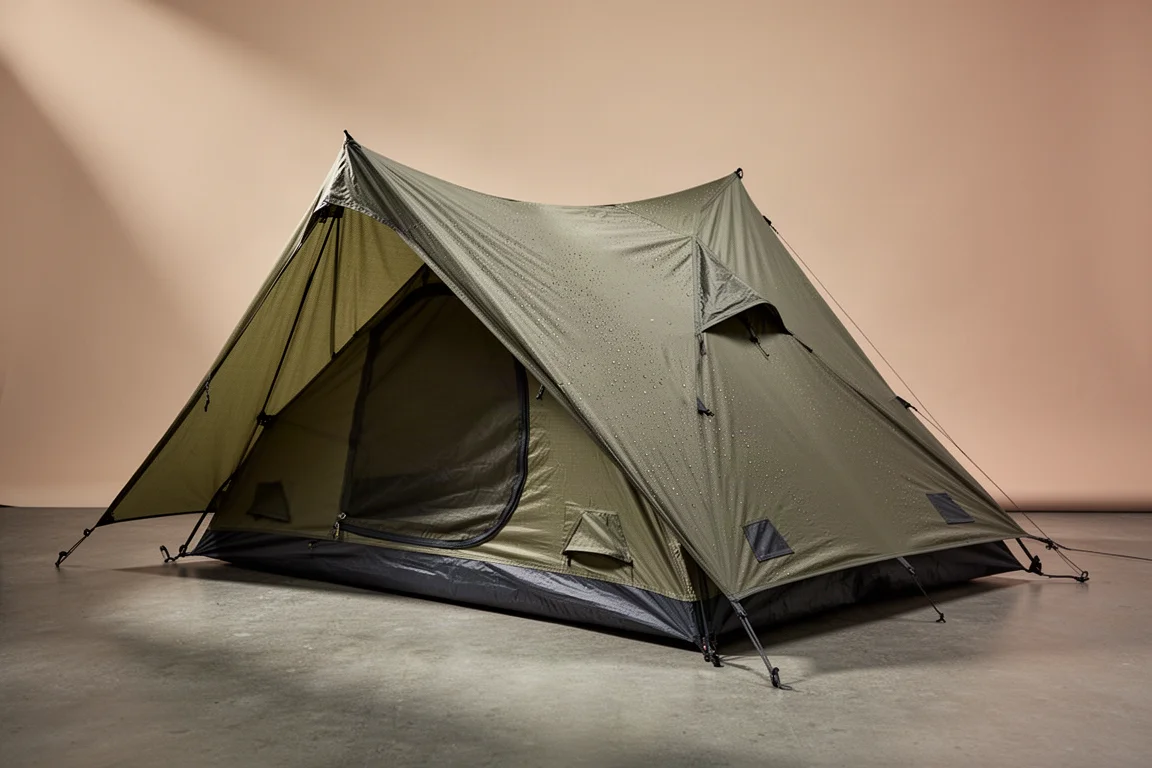
3F UL Gear Taiji Two-Person Tent Review: Field Waterproofing Results and Buying Advice
The Taiji pairs an attached fly with a removable inner, but sustained rain exposed untaped vent seams that need sealing before this shelter can be trusted.
Camping Tents
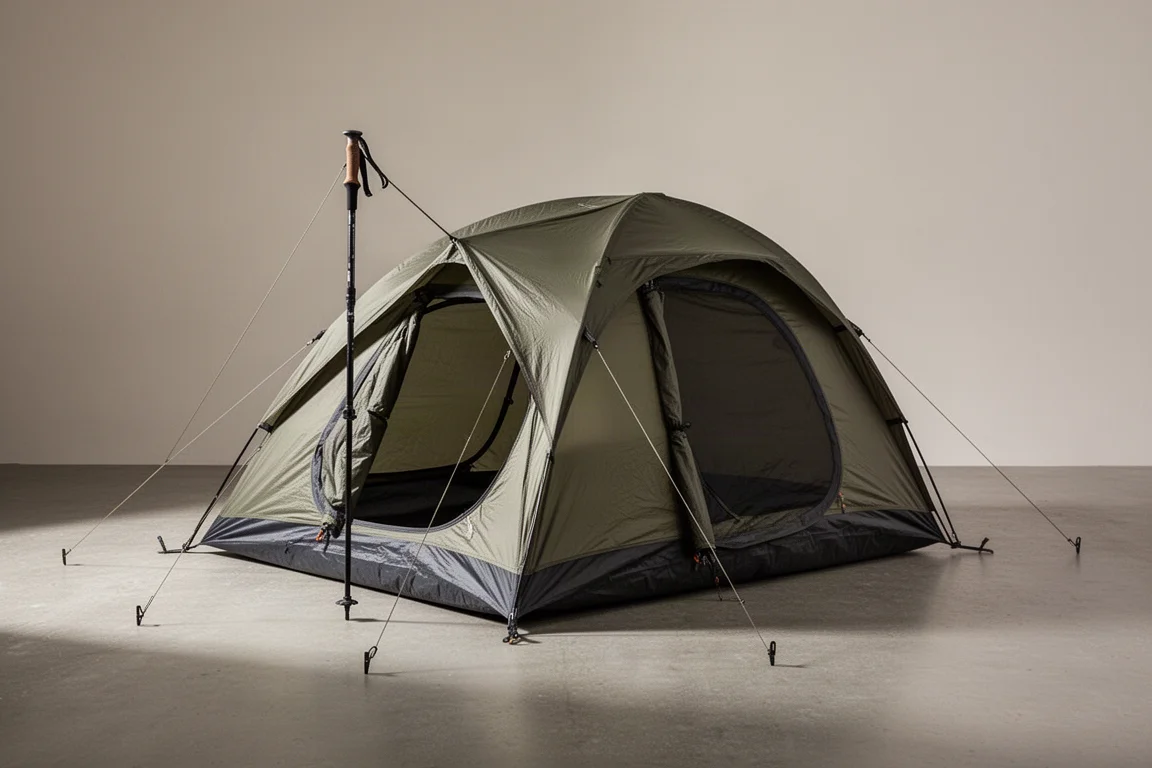
3FUL Gear Lanshan 2 Pro 4-Season Review: A Sub-$200 Single-Wall Trekking Pole Tent
An early look at the 3FUL Gear Lanshan 2 Pro 4-Season, covering its straightforward pitch, generous interior space, and the condensation and seam-sealing questions that come with any single-wall shelter.
Camping Tents
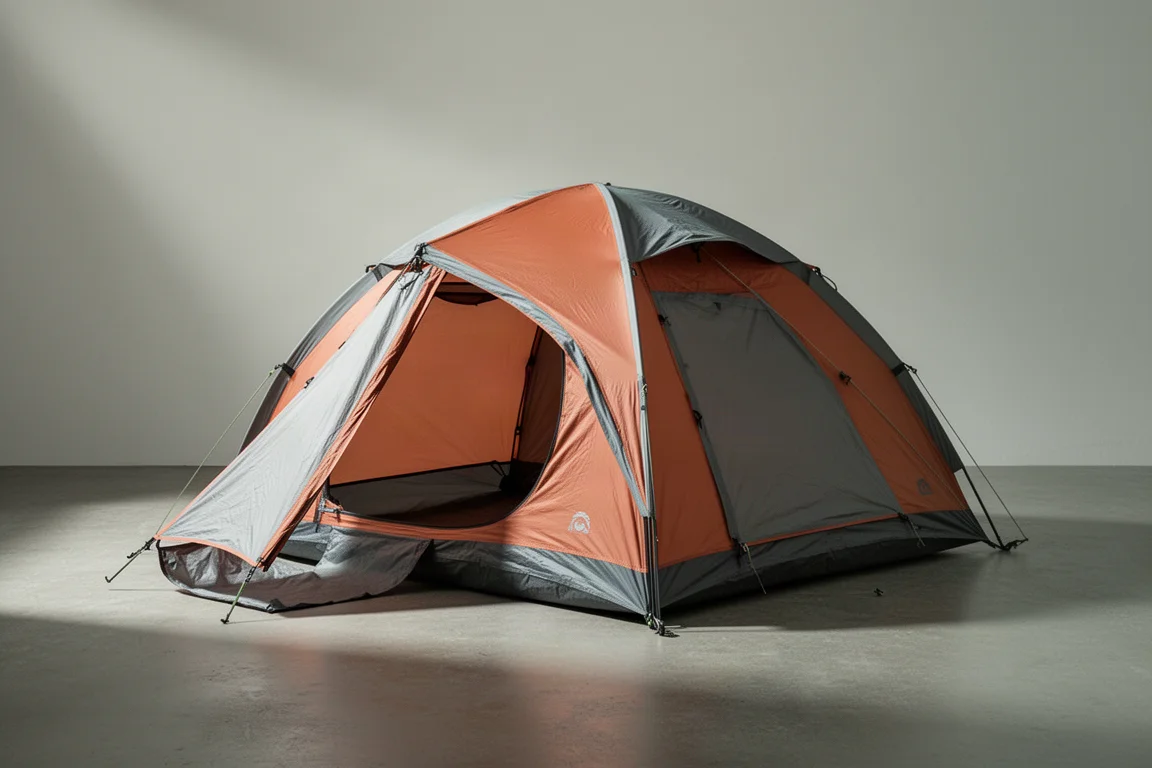
Alps Mountaineering Lynx 1-Person Tent Review: Big Value in a Small Budget Tent
A close look at the Alps Mountaineering Lynx 1-Person Tent, covering real interior dimensions, materials, setup time, ventilation limits, and who should buy it.