Camping Tents
Naturehike Cape 8-Person Tent Review: Fast Setup, Serious Space
A large instant-setup eight-person tent that pitches in minutes, breathes well, and asks for drying space and a little planning in return.
Introduction
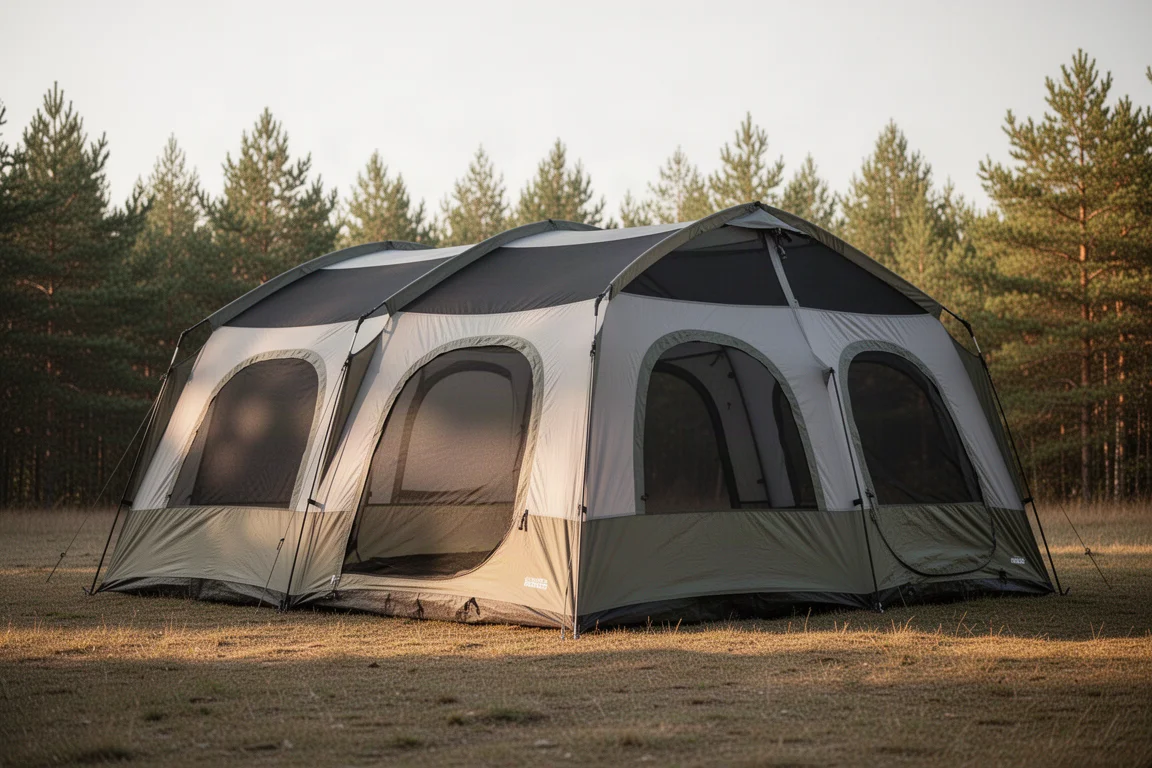
The Naturehike Cape 8-Person Tent is a large instant-setup shelter for campers who want maximum covered space with minimum fuss at pitch time. The frame is built into the tent, so it unfolds into shape rather than being threaded together, and it can be standing in roughly five minutes with one person doing the work.
What makes it interesting is the combination it offers. Large tents usually fall into two groups: inexpensive models with obvious compromises, or premium models with premium pricing. This one sits in the middle with a level of finish and design that feels well above what its price band normally suggests. The interior is genuinely enormous, the roof is heavily meshed for airflow, and the packed weight stays reasonable for a tent this size.
This assessment is based on a full overnight camp in changeable weather, including a light rain shower in the early hours, along with an honest look at the parts that deserve more thought before you commit.
Who This Tent Is For
This is a car camping tent first and foremost. It suits families, groups of friends, and anyone who wants a shared base with room for real bedding rather than sleeping pads alone. If you load a vehicle and drive to a pitch, the size and the setup speed make a great deal of sense.
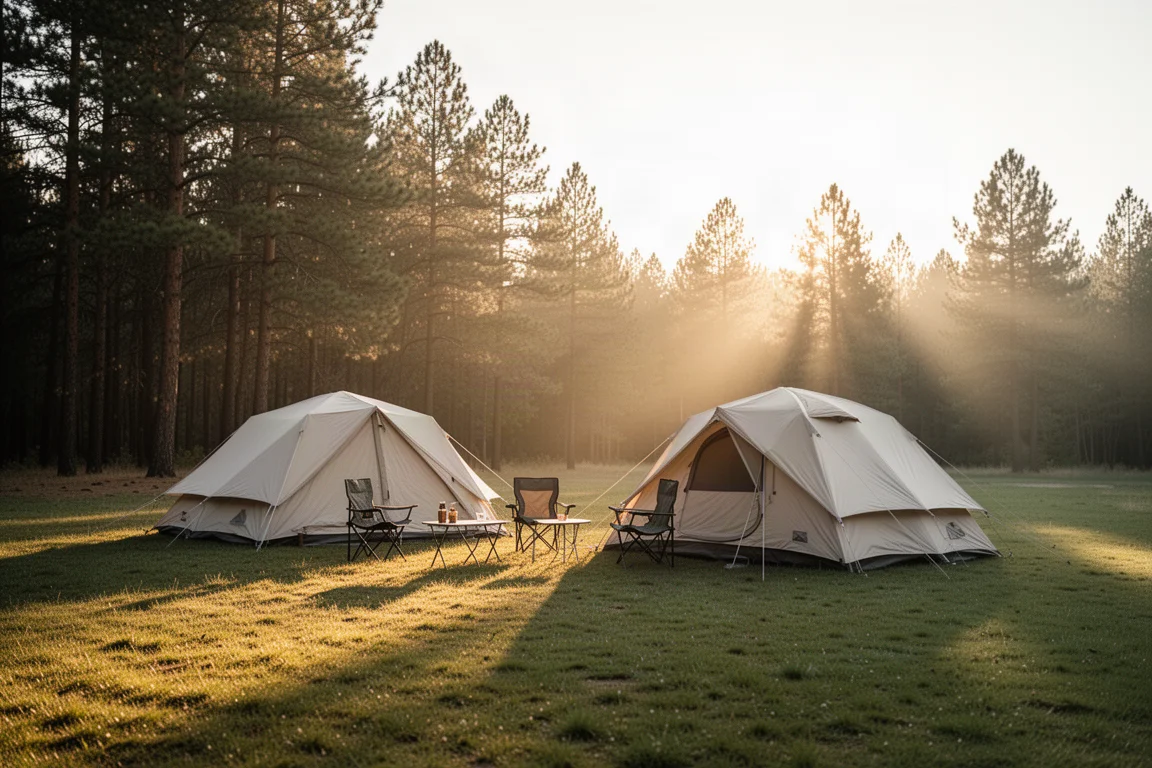
It also works as a basecamp shelter for longer trips where the tent stays put and you head out from it each day. Because the packed weight is not excessive for its footprint, shifting it short distances is manageable, though this is not a shelter you would want to carry on a long hike.
Setup and Living Space
Setup is the headline feature. Because the frame is integrated, pitching is mostly a matter of unfolding, spreading the base, and locking the structure into place. On a second attempt, one person had it standing in about five minutes without help, and the process stays inside the five to ten minute range once you know the sequence.
The payoff is interior volume. There is standing height through the middle, room for a table, chairs, and full bedding, and enough floor area left over that the tent still does not feel crowded once everything is set up inside.
Main Strengths
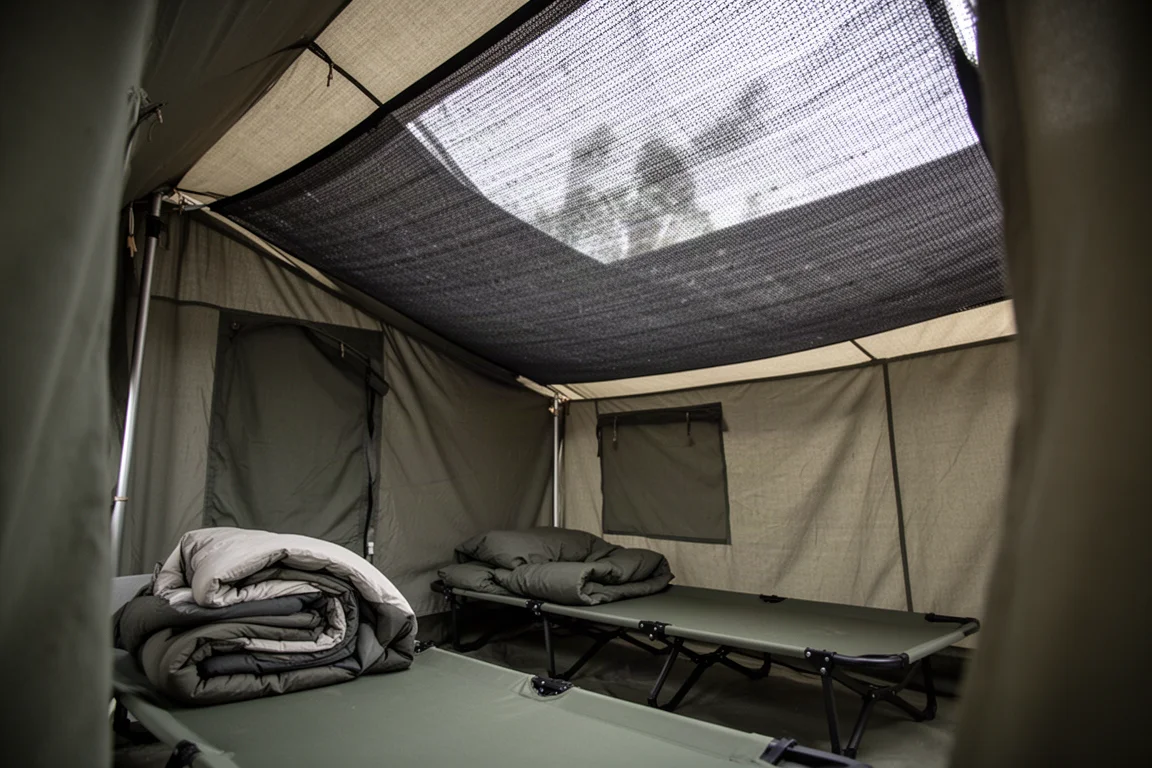
Three things stand out. The first is speed: an eight-person tent that goes up in minutes changes how a camping day feels, because you are not losing an hour to the pitch. The second is space, which is generous enough that the tent functions as a living area rather than only a place to sleep. The third is airflow, which is covered in more detail below.
Value is the other factor. For a shelter this large, with this much ventilation and this quick a setup, the asking price is unusually low, and it does go on sale from time to time.
Ventilation and Rain Protection
Ventilation is excellent. With the doors and windows open, air moves through the tent freely. Even with everything sealed, a large mesh panel across the roof keeps air circulating, which makes a noticeable difference on warm afternoons and humid nights.
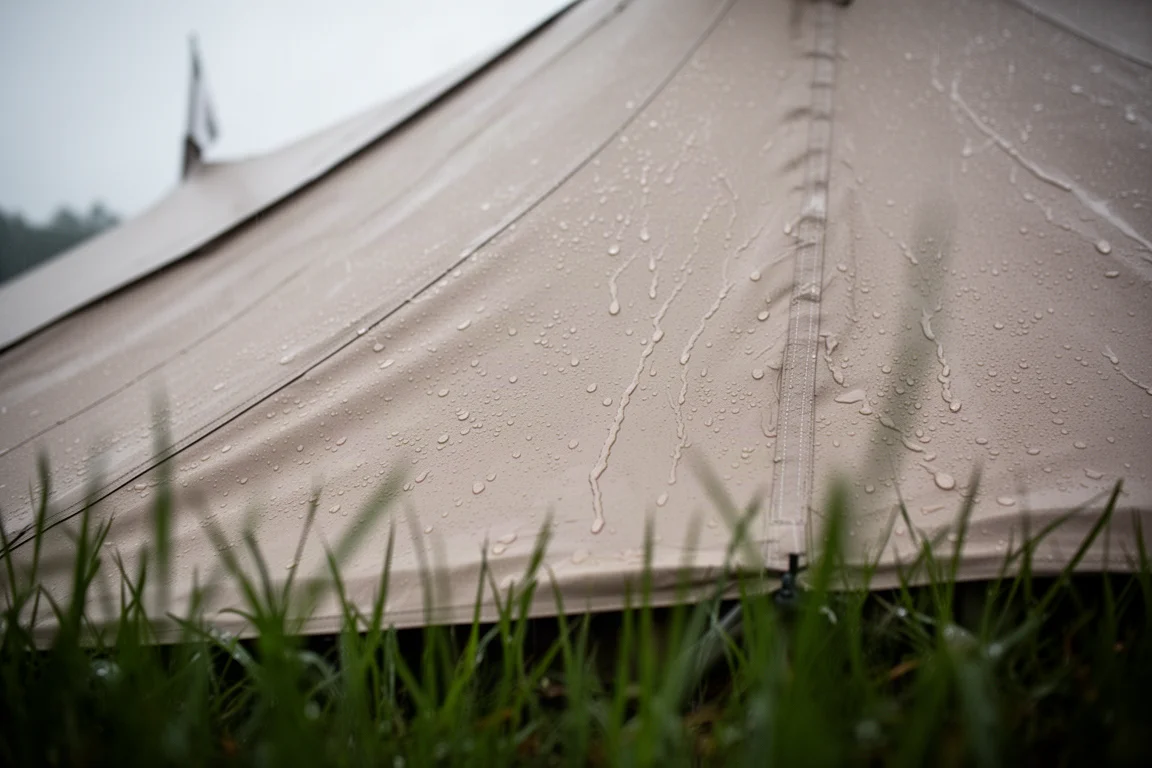
Rain protection looks promising but is not fully settled. A short early morning shower rolled off without any problems and the structure felt solid throughout, but a light shower is only a first test. A full day of steady rain would be a far more meaningful check, and that is the kind of trial this tent still needs before anyone treats it as proven in sustained wet weather.
Things to Consider Before Buying
The main practical drawback is that the tent has to be closed from the outside. When weather is moving in, you step out to pull the awnings and vents shut, which is awkward at four in the morning and worth planning around.
There is also a design quirk worth knowing. Because of the way the tent is shaped, opening a door while it is raining lets water inside. It follows logically from the geometry, and there may be a way to manage it, but it is not something to assume away.
The final consideration is commitment. An eight-person tent occupies a lot of ground, and that applies at home just as much as it does at camp.
Drying and Storage
Any tent this size needs drying after a wet trip, and that is a genuine logistical point rather than a minor one. You need a large yard, a driveway, or another open space to spread it out and let it dry properly, because packing a damp tent away invites mildew and odour.
If you live somewhere with limited outdoor space, factor that in before buying. The tent itself is easy to handle, but the drying footprint is the part that tends to surprise people.
Buying Advice
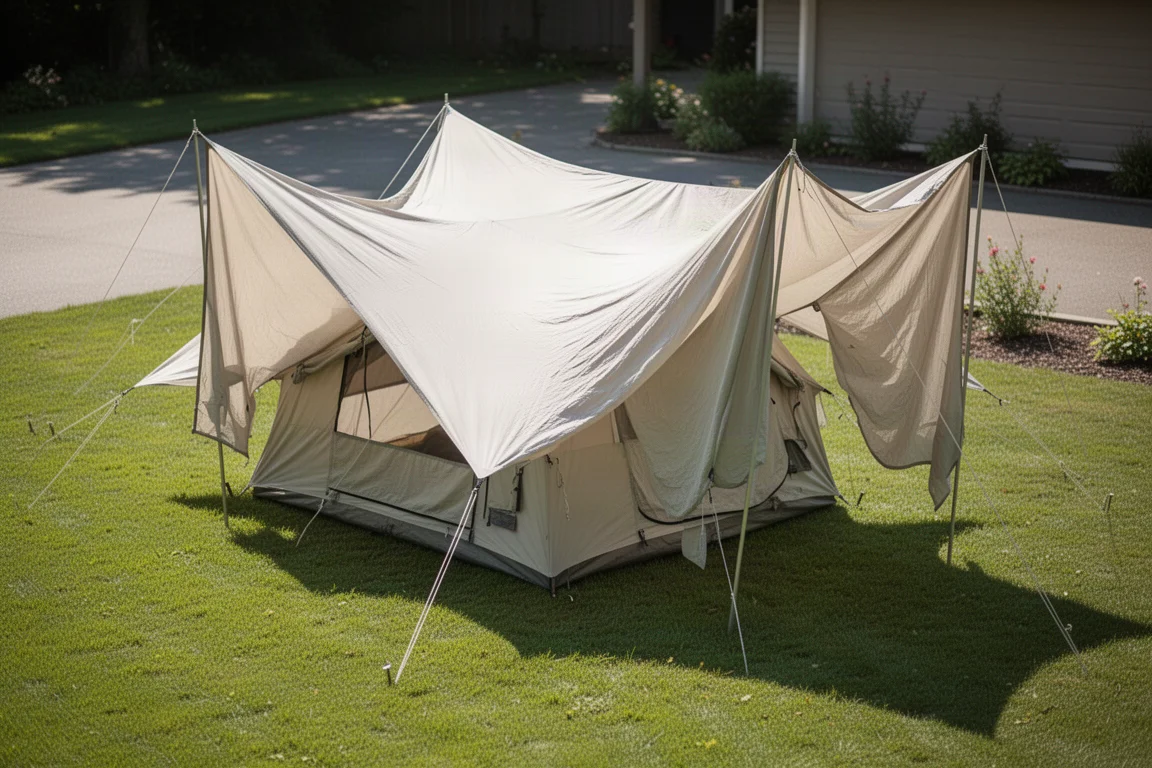
Buy this tent if you want a large, fast-pitching shelter for car camping, family trips, or group basecamps, and if you have somewhere to dry it out afterwards. The setup speed, the interior volume, and the ventilation are the reasons it stands out, and the price is unusually reasonable for the size.
Think twice if you camp in sustained heavy rain and need a shelter you can seal entirely from the inside, or if you have very little space at home for drying and storage. For everyone else, this is a lot of tent for the money.
Conclusion
The Naturehike Cape 8-Person Tent earns its place through the things that matter most day to day. It goes up fast, it feels huge inside, and it breathes well even when it is buttoned up. The trade-offs are real but manageable, mostly around closing it from outside, water entering through an open door in the rain, and the space required to dry it.
For campers who want a big, comfortable, quick-to-pitch shelter without premium pricing, it is a strong option worth shortlisting.
Product link
View more details for Naturehike Cape 8-Person Tent
This product is mentioned in the review. Check the specifications, options, and compatibility before buying.
View more details for Naturehike Cape 8-Person TentFurther reading
Related Reviews
Camping Tents
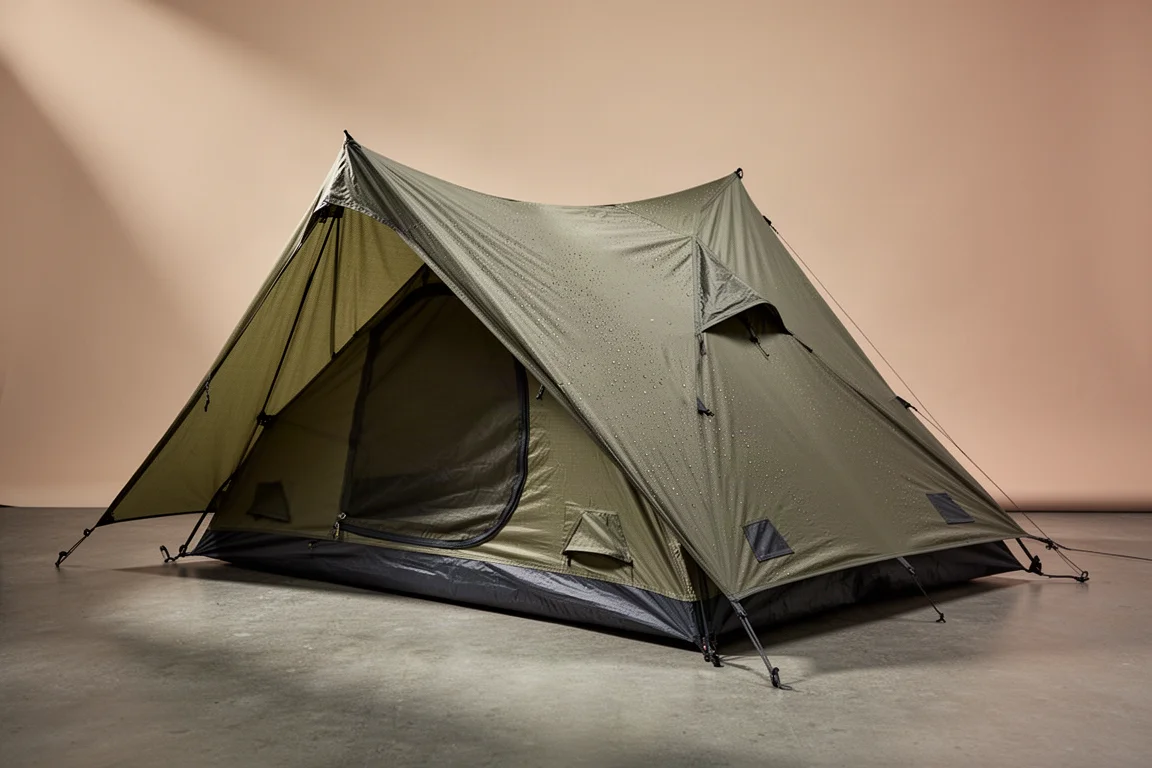
3F UL Gear Taiji Two-Person Tent Review: Field Waterproofing Results and Buying Advice
The Taiji pairs an attached fly with a removable inner, but sustained rain exposed untaped vent seams that need sealing before this shelter can be trusted.
Camping Tents
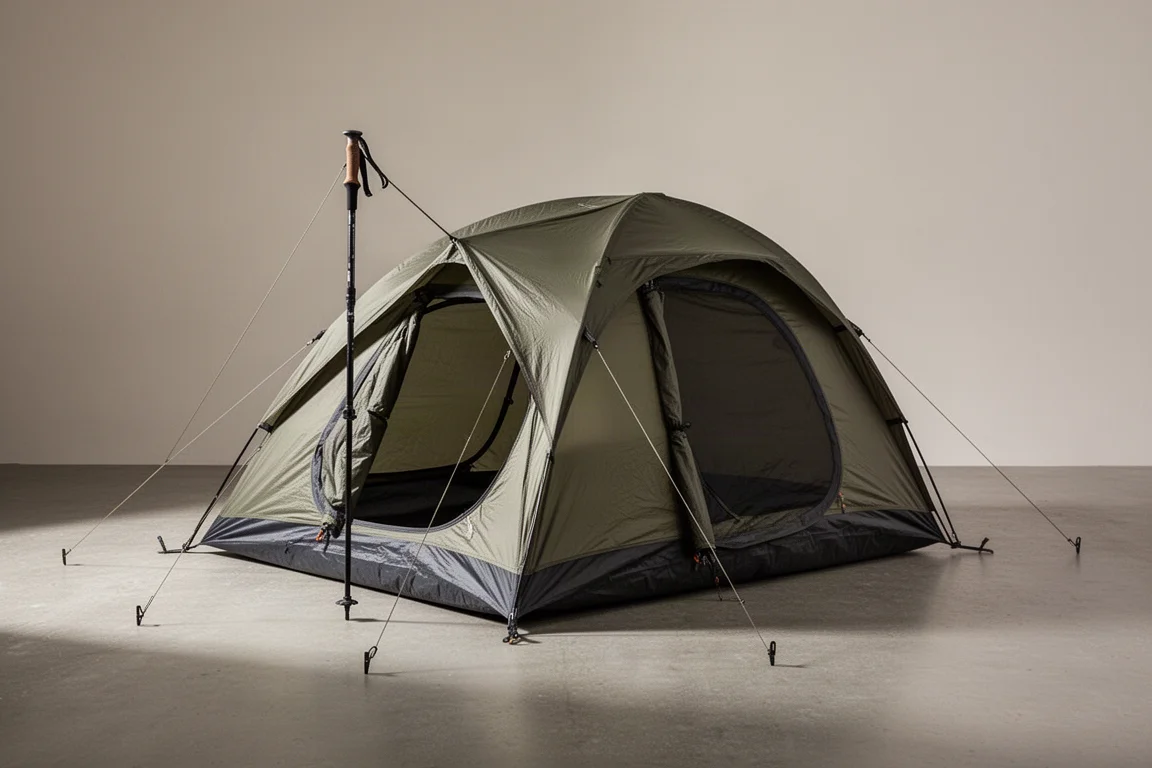
3FUL Gear Lanshan 2 Pro 4-Season Review: A Sub-$200 Single-Wall Trekking Pole Tent
An early look at the 3FUL Gear Lanshan 2 Pro 4-Season, covering its straightforward pitch, generous interior space, and the condensation and seam-sealing questions that come with any single-wall shelter.
Camping Tents
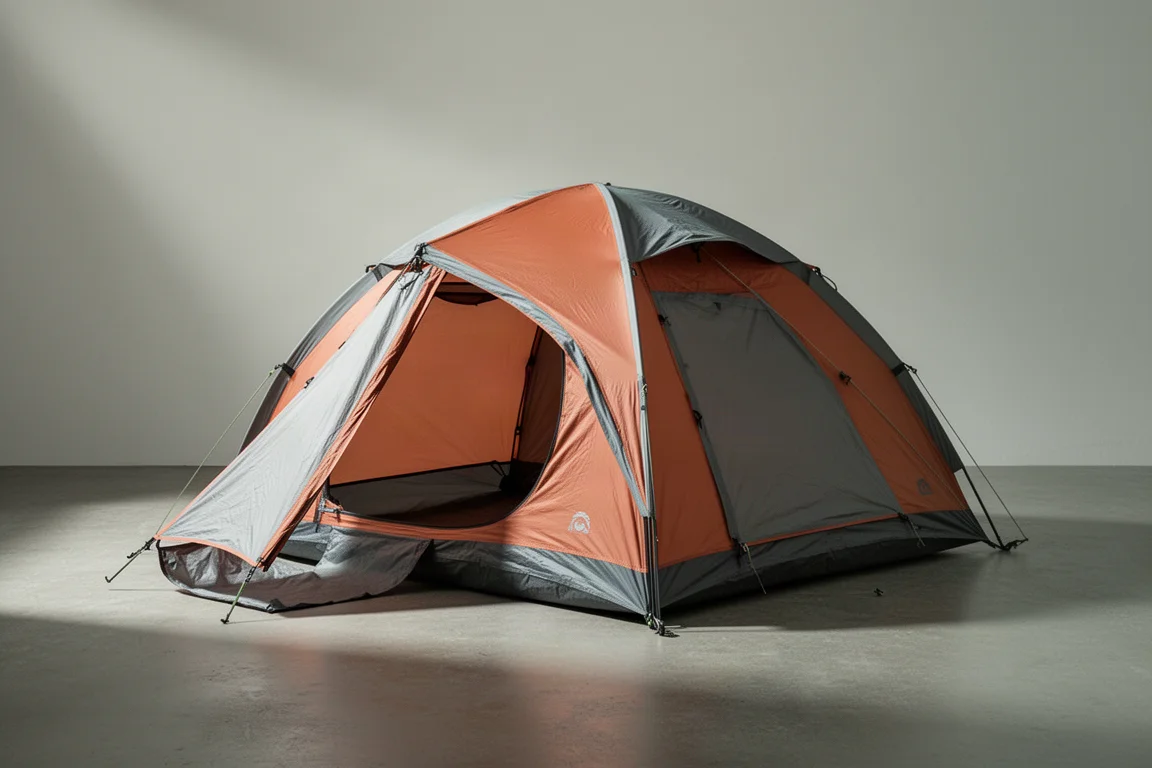
Alps Mountaineering Lynx 1-Person Tent Review: Big Value in a Small Budget Tent
A close look at the Alps Mountaineering Lynx 1-Person Tent, covering real interior dimensions, materials, setup time, ventilation limits, and who should buy it.