Camping Tents
NatureHike Black Dog Tent Review: What the Waterproofing Claims Are Worth in Real Rain
A field test of the NatureHike Black Dog tent in cold rain and high wind, covering what the listing promises, how the shelter performed, and who should avoid it.
Introduction
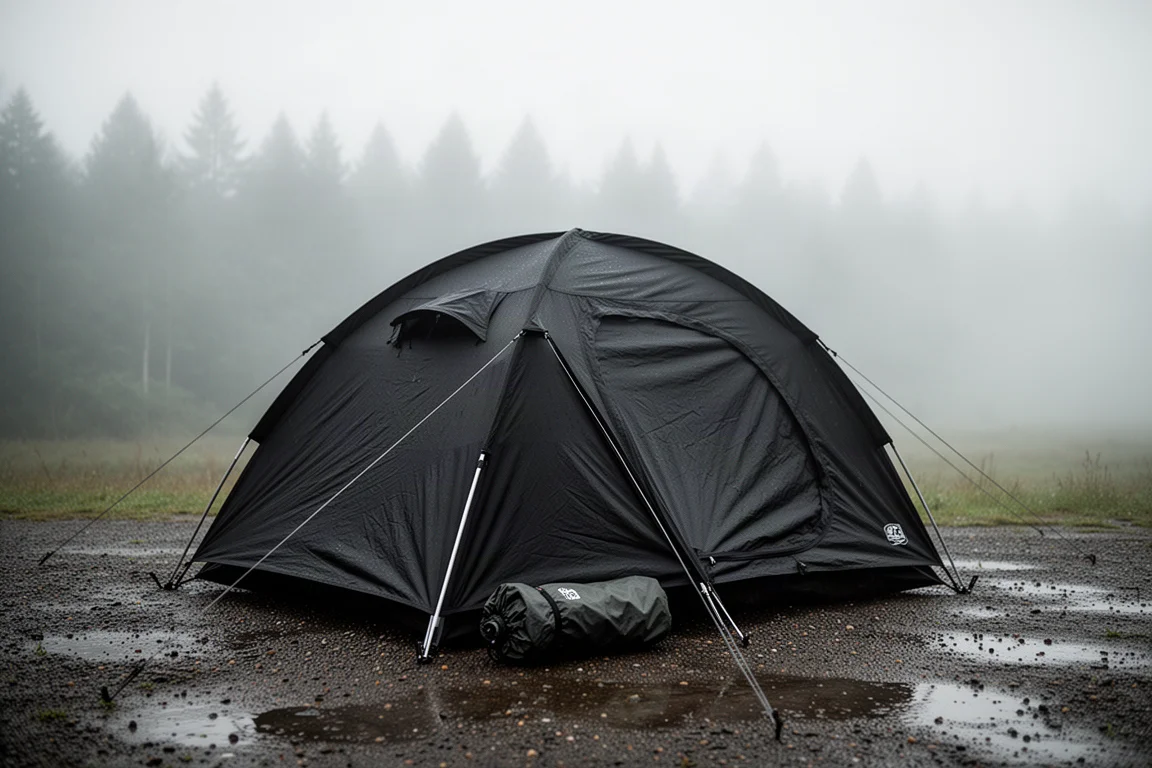
Cold fronts make honest tests out of outdoor gear. The plan for this trip was deliberately simple: one tent, one night, no tarp backup, at a campsite that was already foggy, cool and raining when the shelter went up. A high wind warning and a severe thunderstorm warning followed, and temperatures slid from roughly 45°F in the afternoon to about 32°F overnight.
The tent is the NatureHike Black Dog, part of a sub-brand in which every product is finished in black. It sells for around $148. The listing promises serious weather protection. In sustained rain, the shelter leaked more than any tent in this test series to date. What follows is what the description claims, what actually happened overnight, and who should think carefully before buying.
Who This Tent Is For
This is a low-cost, two-person shelter with a distinctive all-black finish. That is the realistic brief. The listing suggests room for five to eight people, but the usable interior is far smaller, and two adults is the honest limit before gear starts crowding the floor.
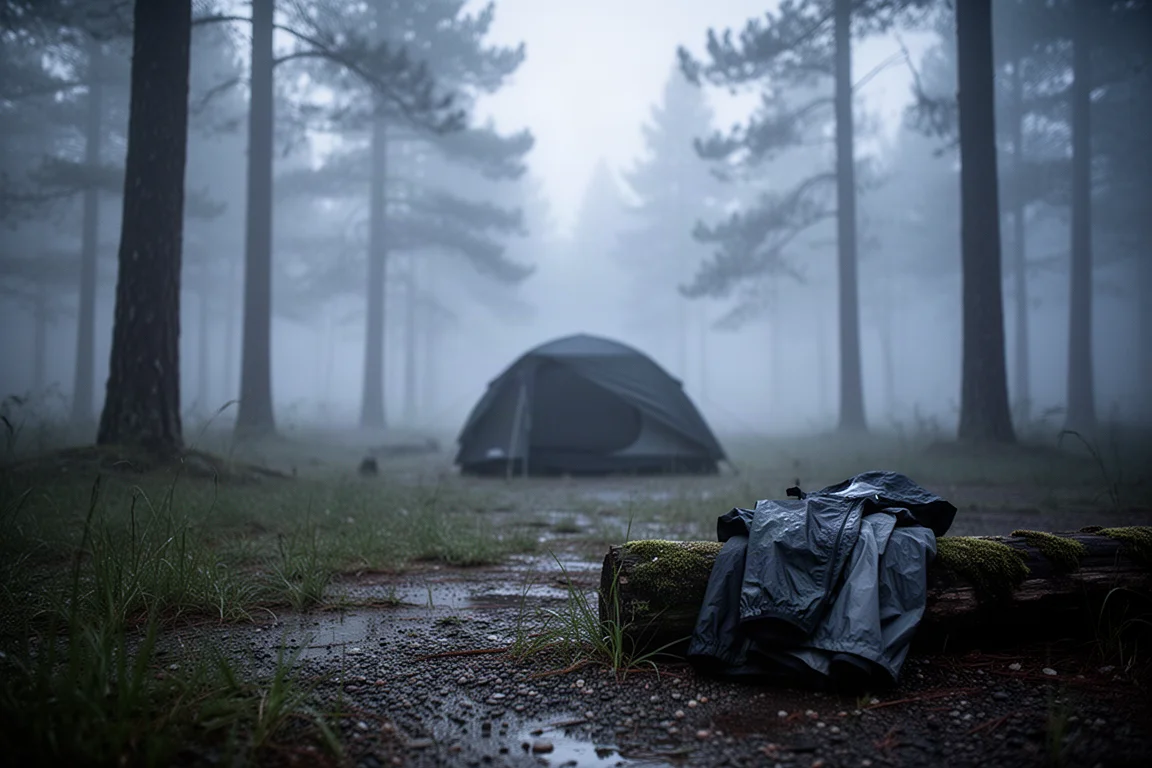
For short trips in reliably dry weather, the modest price is the main draw. For wet climates, exposed pitches, or any trip where the shelter has to hold up overnight, this is not a tent to depend on.
Main Strengths
Pitching was the smoothest part of the test. The tent went up in light drizzle without a fight, which made it possible to get it standing before the heavier rain arrived.
The price is also low for a two-person shelter at around $148, and the all-black finish is a deliberate aesthetic choice rather than the usual bright camping palette. Those points are genuine, but they are the only clear advantages worth listing.
Build Quality and Stability
Materials feel light and inexpensive, and the frame does not inspire confidence. In this test the shelter needed guying out immediately, because without it the structure looked capable of collapsing in wind.
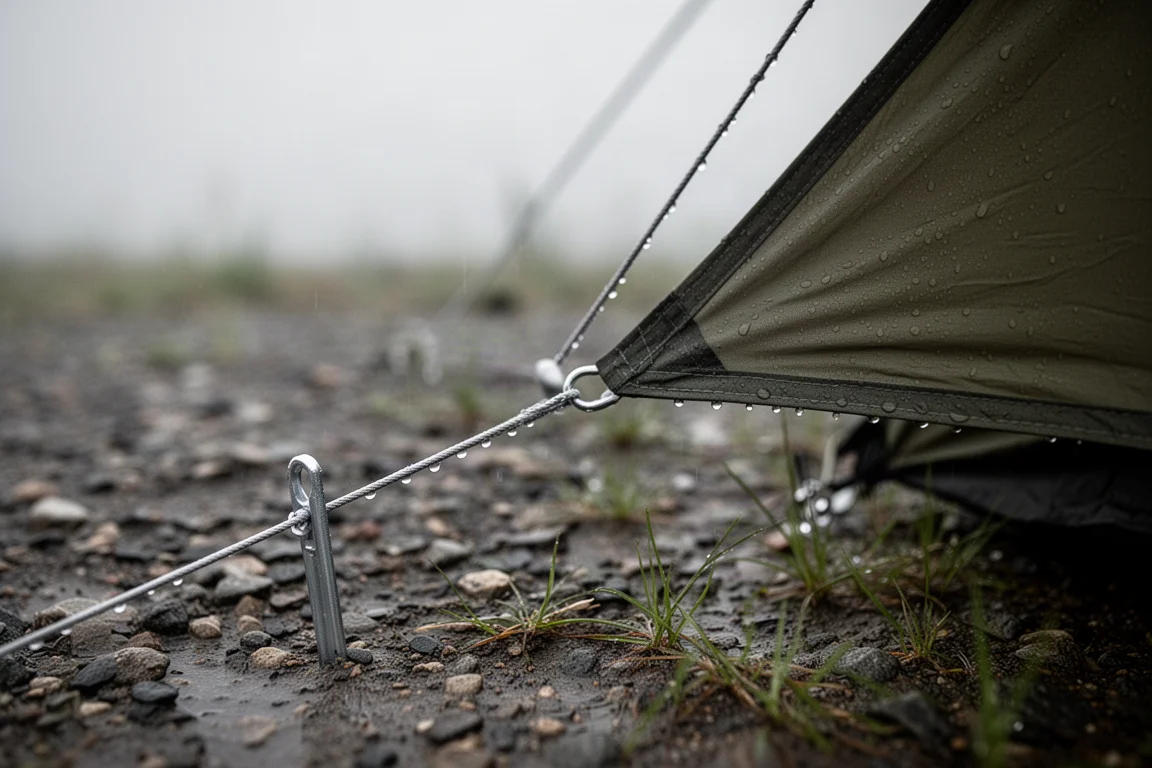
The description refers to a skeleton made from high-strength technical materials that resists strong winds. In hand, the poles flex noticeably and the whole structure reads as light-duty rather than weather-ready. That gap between the wording and the physical product is the first thing to weigh before ordering.
What the Listing Claims
The product page makes several specific promises: waterproofing rated to 30,000 mm, four layers of PU-coated fabric, a high-strength frame, wind resistance up to force 5, and interior space for five to eight people.
None of those numbers match what the tent does in the field. The waterproofing failed within a single wet night, the frame is visibly flexible, and the interior comfortably holds two people at most. Treat the specifications as marketing language rather than tested performance.
Real-World Performance in Rain and Wind
The tent was pitched in light drizzle and stayed dry long enough to move gear inside. By morning that had changed completely. Water was entering through the seams and above the door zipper, and large puddles had formed across the floor. Those puddles were not caused by pitching in the rain, since the drizzle at setup was light; the water tracked back to the seams.
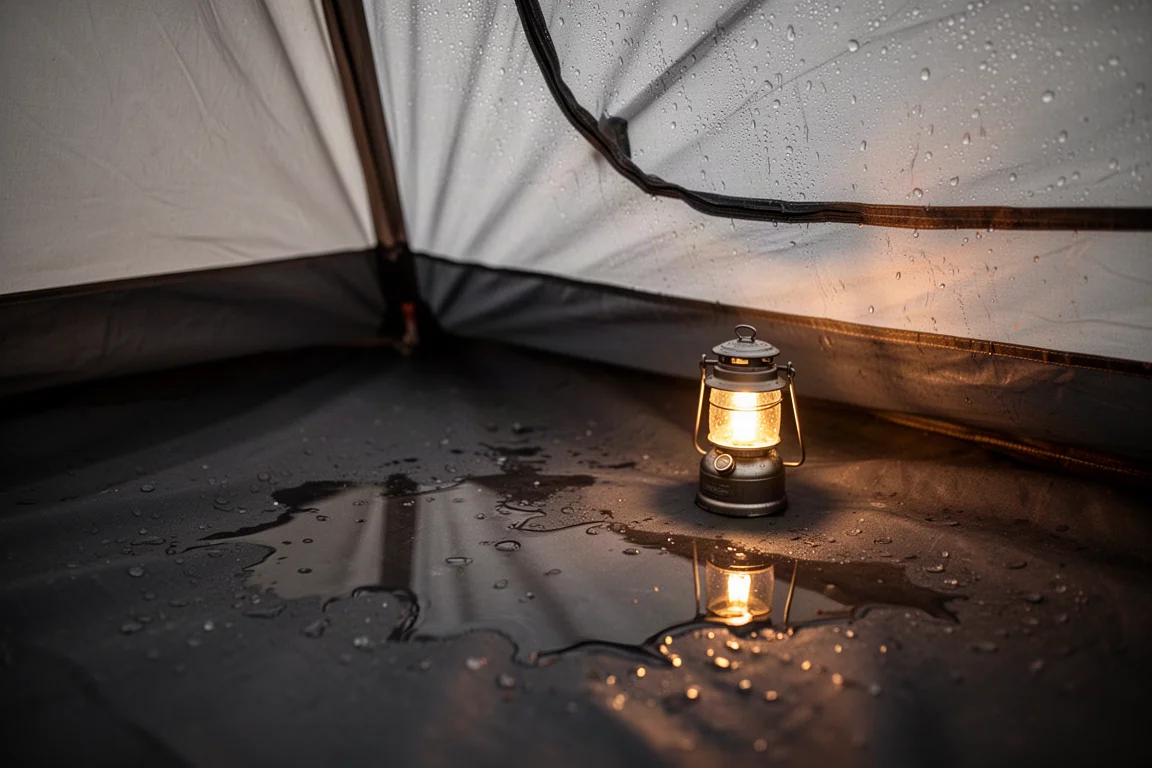
Overnight rainfall was heavy, with a severe thunderstorm warning issued and a high wind warning in effect for the early hours. Gusts were strong enough to test any lightweight shelter, and the tent never came close to demonstrating the wind resistance the listing advertises. Measured against every tent tested so far, this one holds the record for the most leakage.
Things to Consider Before Buying
- Waterproofing: the 30,000 mm rating and four-layer fabric description did not keep the interior dry through one night of rain.
- Capacity: the five-to-eight-person claim is far removed from the real two-person interior.
- Stability: budget on guying the tent out every time, since it does not stand confidently on its own in wind.
- Drying out: when temperatures drop toward freezing, anything that gets wet inside is difficult to dry the next day.
Buying Advice
If the shelter has to stay dry through a night of heavy rain, this tent does not deliver. The leakage was severe enough that the tent was abandoned mid-trip and the vehicle became the base for the rest of the night, with gear moved out into it.
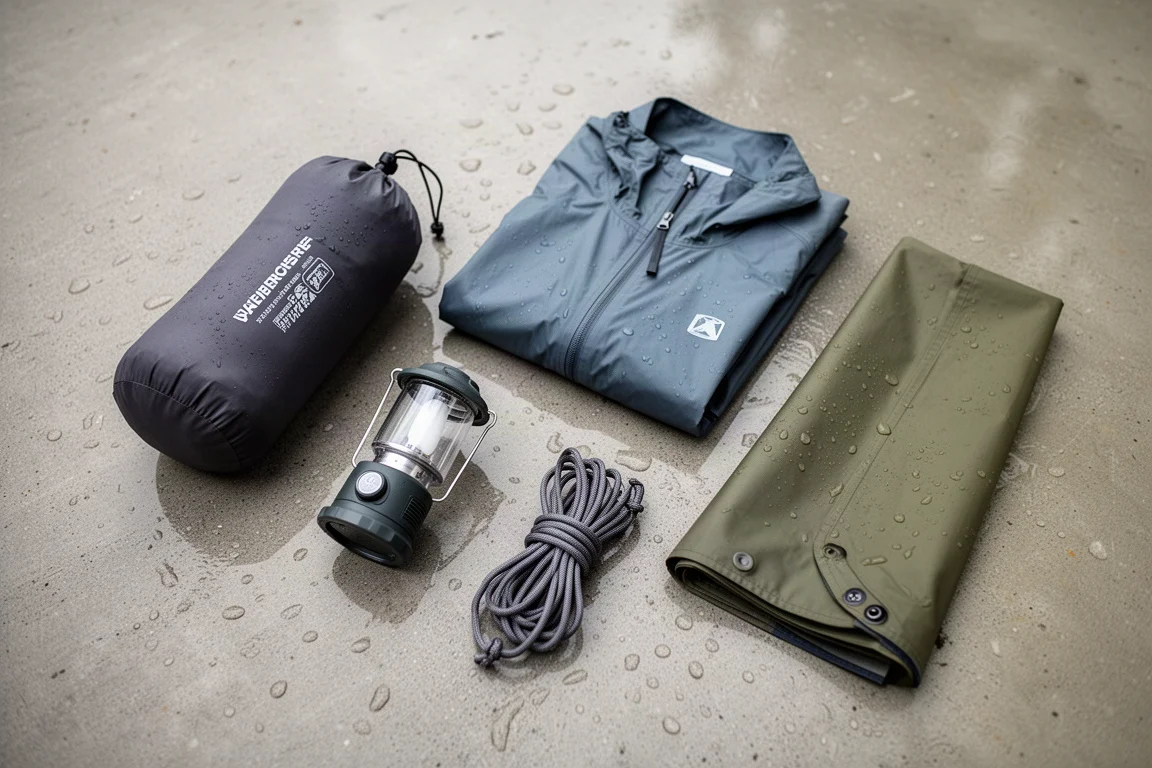
For dry-weather weekends and very short trips, a $148 two-person tent can still look appealing, but the value case weakens once the waterproofing claims are set aside. The safer approach is to treat dramatic specifications as unproven until independent testing confirms them, and to choose a shelter with a documented record in wet conditions.
Conclusion
The NatureHike Black Dog tent is a cheap, light, all-black shelter that pitches easily and then struggles badly once real weather arrives. Its seams leaked through a single wet night, its frame needs constant guying, and its advertised capacity and waterproofing bear little relation to the product in the field. For dry-weather use at a low price it may still find a place, but anyone shopping for dependable rain protection should look elsewhere.
Product link
View more details for NatureHike Black Dog Tent
This product is mentioned in the review. Check the specifications, options, and compatibility before buying.
View more details for NatureHike Black Dog TentFurther reading
Related Reviews
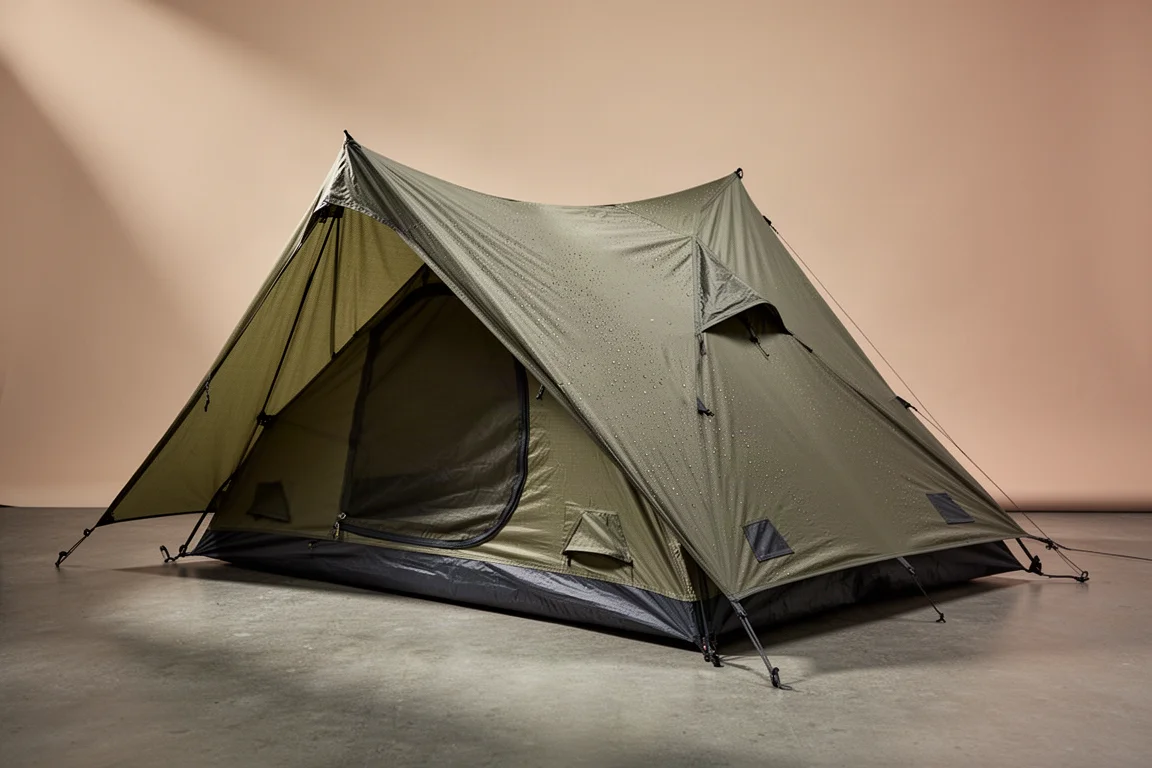
Camping Tents
3F UL Gear Taiji Two-Person Tent Review: Field Waterproofing Results and Buying Advice
The Taiji pairs an attached fly with a removable inner, but sustained rain exposed untaped vent seams that need sealing before this shelter can be trusted.
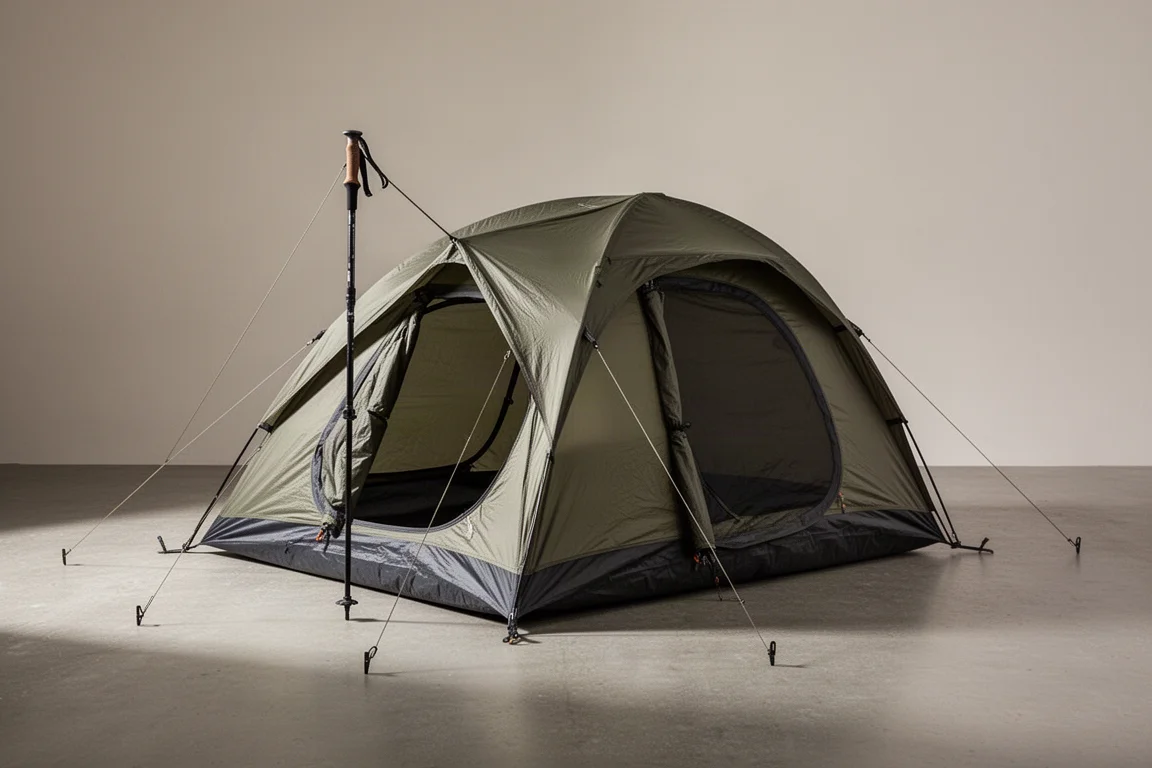
Camping Tents
3FUL Gear Lanshan 2 Pro 4-Season Review: A Sub-$200 Single-Wall Trekking Pole Tent
An early look at the 3FUL Gear Lanshan 2 Pro 4-Season, covering its straightforward pitch, generous interior space, and the condensation and seam-sealing questions that come with any single-wall shelter.
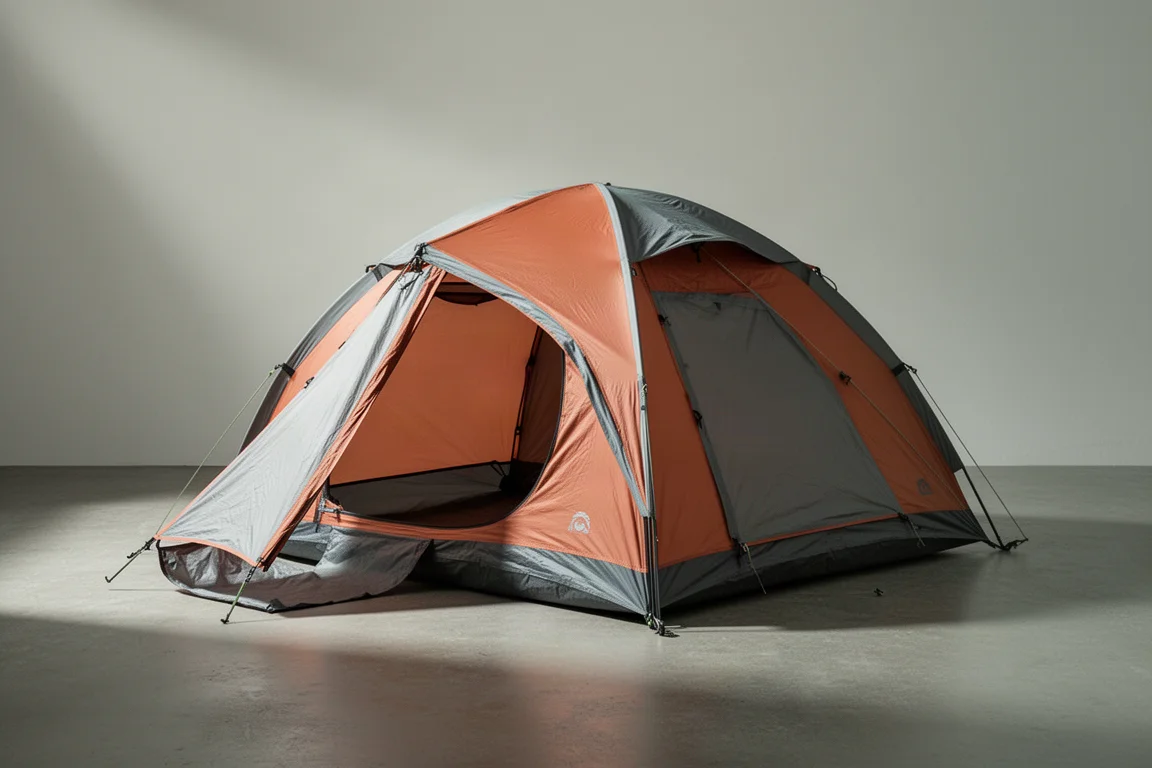
Camping Tents
Alps Mountaineering Lynx 1-Person Tent Review: Big Value in a Small Budget Tent
A close look at the Alps Mountaineering Lynx 1-Person Tent, covering real interior dimensions, materials, setup time, ventilation limits, and who should buy it.