Camping Tents
Naturehike Bare Ultralight Tent Review: Huge Space, Two Doors, and a Setup That Takes Practice
A single-wall two-person tent with oversized doors, a footprint included, and a genuinely large interior, plus the setup quirks and condensation questions worth weighing first.
Introduction
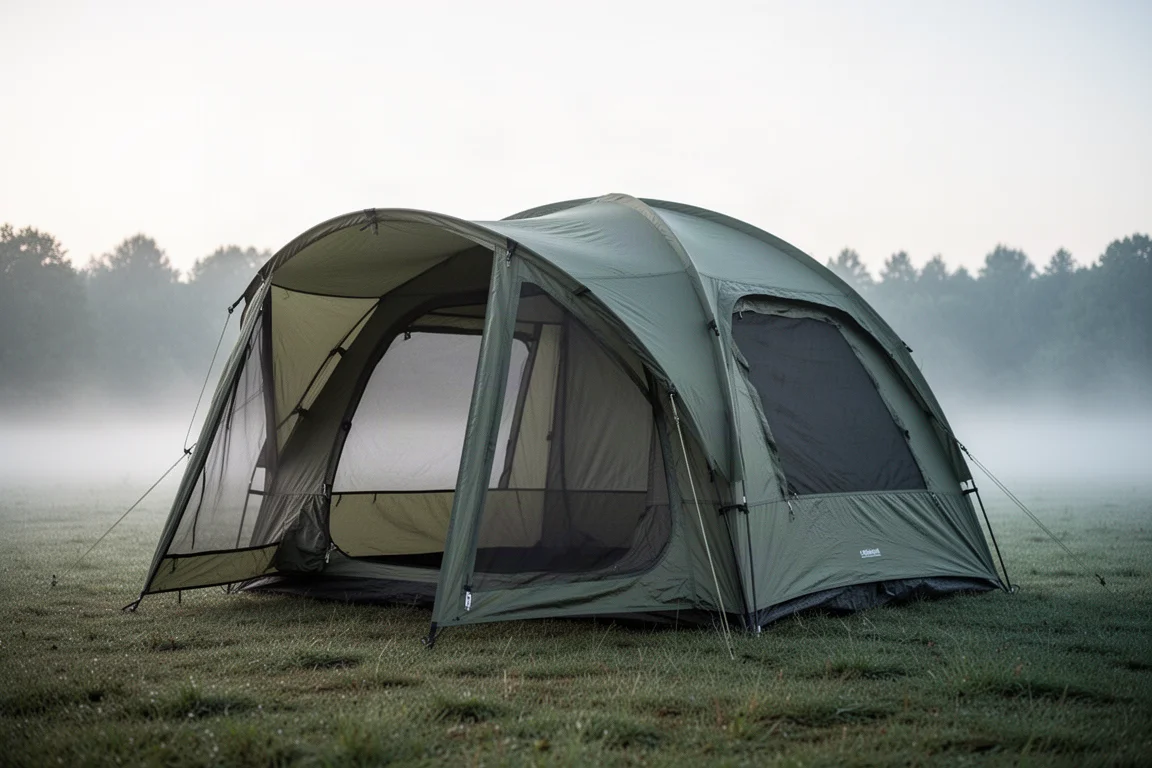
The Naturehike Bare Ultralight is a two-person single-wall tent built around an unusually generous footprint. Measured out, the interior runs about 52 inches wide, 38 inches tall, and 88 inches long, which works out to more than four feet across, more than three feet of headroom, and a sleeping area over seven feet deep. For context, that is a lot of tent for two people, and enough length that taller campers are likely to fit without sleeping diagonally.
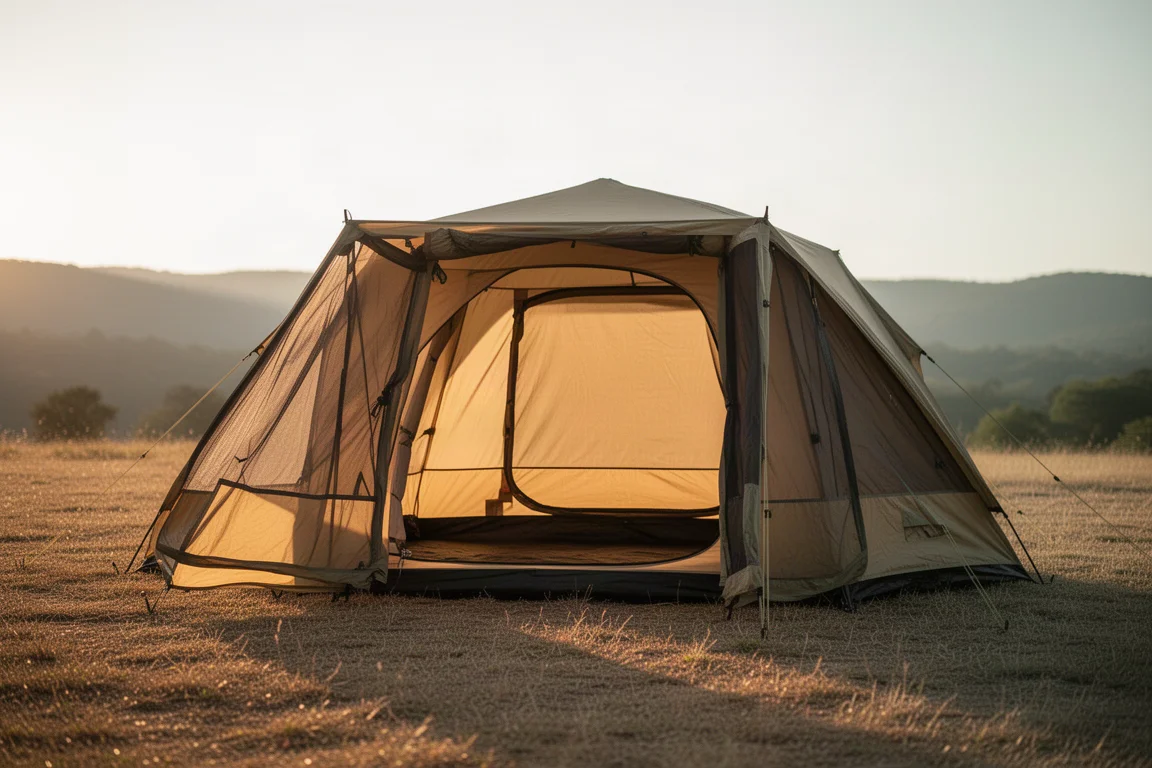
Two features define the design. The first is the pair of oversized doors, which unzip fully and can be run as pure mesh, giving a genuine crosswind through the shelter when both sides are open. The second is the internal fly arrangement, where the solid fabric layer sits inside the mesh rather than over the top as a separate outer fly. That combination is what makes the tent look and behave differently from a conventional double-wall design.
This article covers what the tent includes, how it is put together, what it does well, and the questions worth answering before committing. Waterproofing and condensation behaviour have not yet been verified in sustained weather, so those points are treated here as open items rather than settled results.
Who This Tent Is For
The most obvious audience is taller campers and anyone who finds most two-person tents cramped. With 88 inches of length and 38 inches of peak height, the Bare Ultralight gives back the headroom and stretch-out space that compact backpacking shelters usually sacrifice. Couples who want room to sit up, change layers, and keep bags inside the sleeping area will find the proportions far more livable than a typical lightweight two-person tent.
The two full-size doors also suit campers who prioritise airflow. In warm, humid conditions, being able to open both sides to mesh and let air move straight through the shelter is a meaningful comfort advantage, and it is one of the strongest arguments for this design over a single-door alternative.
Because the tent has no vestibules, it is less suited to anyone who relies on covered outdoor storage for wet packs, muddy boots, or cooking gear. Everything lives inside the sleeping area or outside on the ground. Campers who treat the tent purely as a place to sleep and are comfortable with that trade-off will get the most from it.
Design, Materials, and Setup
The fly uses a 20-denier silicone-treated nylon that Naturehike describes as a lattice cloth, while the interior is a 20-denier nylon check cloth. The description points toward a ripstop-style weave, though the exact terminology is the manufacturer’s own. The tent also uses B3 breathable mesh, aluminum poles, and aluminum stakes, and Naturehike rates the fabric at a 3,000 mm hydrostatic head. Available colours are blue and green.
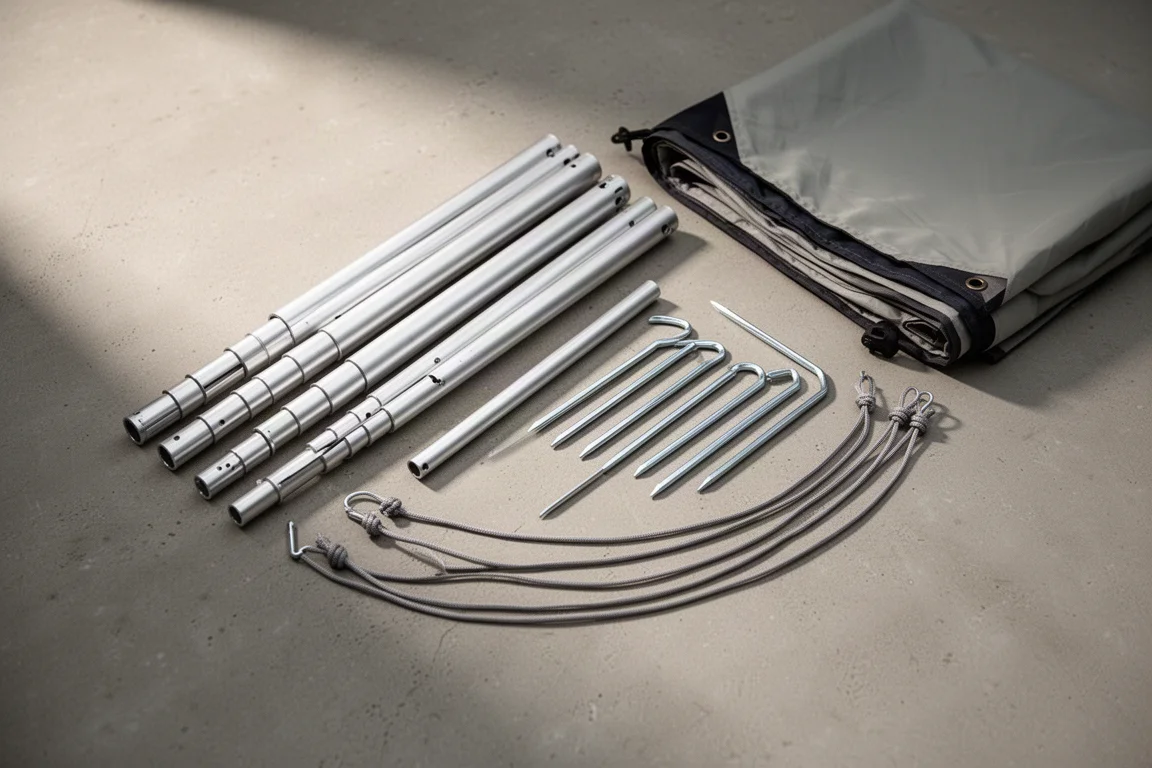
Included in the package are the tent, a storage bag with a handle at the base and a draw pull at the top, a ground sheet, three poles, eight stakes, and four guy lines. Two of the poles are exceptionally long, among the longest tent poles you are likely to handle, and the third is a short piece that Naturehike calls the hanging pole. That short pole threads through a grommet at the top of the canopy and runs across the width of the tent, which is an unusual approach compared with the hanging lines used on most shelters.
Setup is where the design asks for patience. The poles feed through sleeves that are smooth rather than grippy, which helps, but the poles crisscross and the process of getting them seated takes time. The short hanging pole has to be bent down before it connects, and by the time the final grommet is reached, the top fabric is under noticeable tension. It is not a difficult tent in absolute terms, but it is not a quick one either, and first-time pitches will take longer than the stated layout suggests.
Main Strengths
The interior volume is the headline. This is a genuinely large two-person tent, and the benefit is practical rather than cosmetic: more usable floor area, real sitting height, and space to organise gear without constantly moving it out of the way. Campers who have outgrown tight backpacking shelters will notice the difference immediately.
The doors are the second strength. Both are full size, both unzip completely, and both can be run as mesh only, which produces airflow that most tents in this class cannot match. The solid fabric panels can be rolled aside when conditions are mild, then closed from inside when weather turns, with storm flaps covering the zippers.
Ventilation hardware supports that approach. There are two vents, one on each side, and both can be opened and closed from inside the tent by pushing the vent through and securing it with hook-and-loop fastening. Combined with the large doors, that gives a useful amount of control over airflow without leaving the shelter. Inside, a bathtub floor rises roughly four inches up the walls, and mesh pockets at both ends handle phones, keys, and small items.
Build quality reads as solid in the hand, with one loose thread noted as the only finishing issue. The footprint is included rather than sold separately, which is a real value point at this price. Weight lands at 4.6 lb without the ground sheet and just over 5 lb with it, which is light for the size but not ultralight in the strictest sense.
Things to Consider Before Buying
Setup is the first thing to weigh honestly. The crisscrossing poles, the threaded hanging pole, and the tension in the top fabric add up to a pitch that takes practice. Anyone who values a fast, intuitive setup above all else should think carefully about whether the learning curve is acceptable, because the process does not appear to be one that becomes effortless after a single outing.
The single-wall construction raises the second question. With the solid fabric layer sitting inside the mesh, condensation has the potential to be significant in cool, still, humid conditions. The dual vents and the oversized doors are clear mitigation, and the tent has fabric extensions on each side that may allow the doors to stay partially open even in rain, provided wind is not driving moisture sideways. How well that works in practice is still an open question.
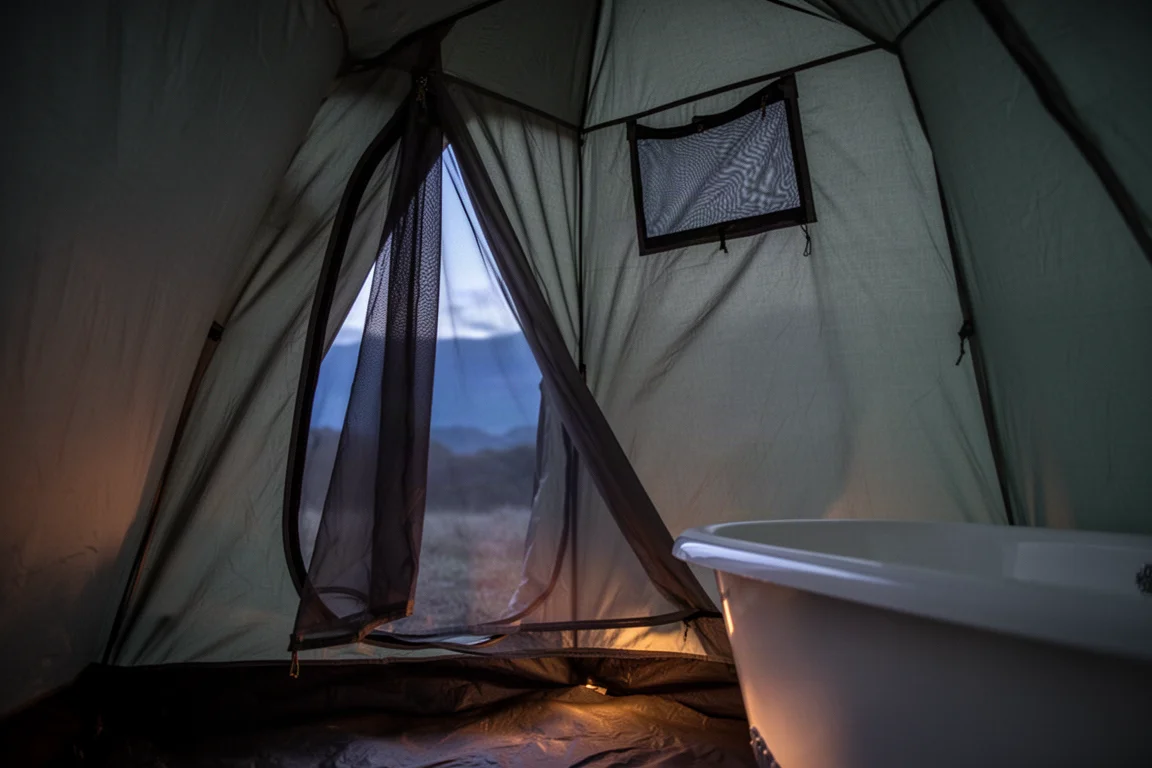
Zippers are the third consideration. The storm flaps cover them, but the zippers themselves are not waterproof. In strong, driving wind, water can be pushed behind the flap and through the zipper into the living space. Internal fly designs have a long history of leaking in exactly these conditions, so the realistic expectation is that this tent will handle a typical summer pop-up storm comfortably, while sustained wind-driven rain is the scenario that needs proving.
Finally, waterproofing has not been field verified. Naturehike generally performs well on this front, and the 3,000 mm rating is a reasonable figure on paper, but the honest position is that real-world performance in heavy rain remains to be confirmed. Buyers who camp in reliably wet climates may want to wait for that confirmation.
Pricing and Availability
The Bare Ultralight is listed at around $190 on the Naturehike website, where the footprint is included. It has also appeared at roughly $140 through AliExpress. Against the size and feature set, both figures sit in a reasonable range, particularly since the ground sheet is part of the package rather than an add-on.
Colour options are blue and green. Availability and pricing do vary by seller and region, so it is worth confirming that the listing includes the footprint before ordering, since that inclusion is a meaningful part of the value at this price.
Buying Advice
If interior space is the priority, this tent makes a strong case. The dimensions are large enough to change how a two-person pitch feels, the two full doors deliver ventilation that most competitors cannot match, and the included footprint keeps the total cost sensible. For tall campers who have struggled to find a shelter with genuine length and headroom, it is a design worth a serious look.
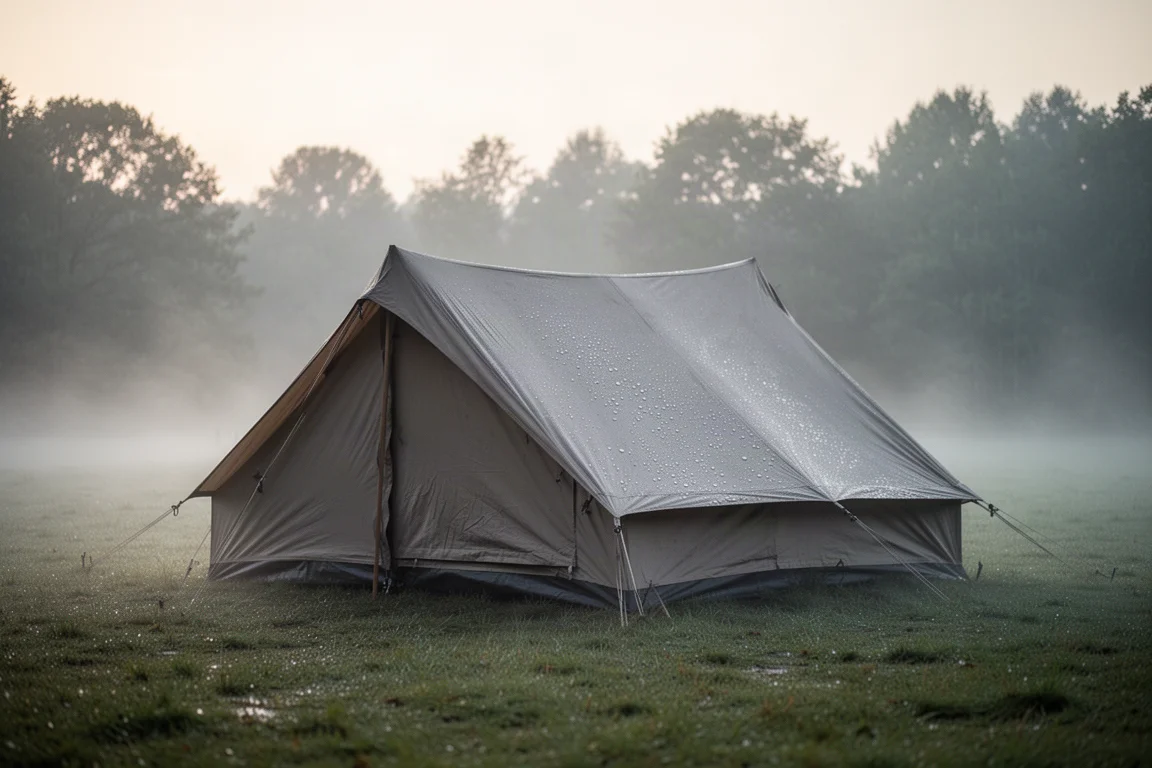
If weather resistance is the priority, a little patience is the smarter move. Waterproofing, condensation behaviour, and performance in wind-driven rain are the three areas that determine whether this tent is a bargain or a compromise, and none of them can be settled from specifications alone. Buyers who camp mainly in warm, mild conditions have the least to lose. Buyers who regularly pitch in sustained rain or cold, damp nights should wait until those questions have real answers.
Conclusion
The Naturehike Bare Ultralight is an unusual and appealing tent. Its size is exceptional for the class, its dual doors and internal vent controls give it real ventilation flexibility, and the included footprint plus a price around $140 to $190 makes the package easy to justify on paper. The trade-offs are equally clear: a setup that demands practice, a single-wall design that invites condensation questions, and zippers that are not waterproof. Campers who value space and airflow over fast pitching will find plenty to like here, while those who camp in demanding wet weather should hold off until the performance questions are answered.
Product link
View more details for Naturehike Bare Ultralight Tent
This product is mentioned in the review. Check the specifications, options, and compatibility before buying.
View more details for Naturehike Bare Ultralight TentFurther reading
Related Reviews
Camping Tents
3F UL Gear Taiji Two-Person Tent Review: Field Waterproofing Results and Buying Advice
The Taiji pairs an attached fly with a removable inner, but sustained rain exposed untaped vent seams that need sealing before this shelter can be trusted.
Camping Tents
3FUL Gear Lanshan 2 Pro 4-Season Review: A Sub-$200 Single-Wall Trekking Pole Tent
An early look at the 3FUL Gear Lanshan 2 Pro 4-Season, covering its straightforward pitch, generous interior space, and the condensation and seam-sealing questions that come with any single-wall shelter.
Camping Tents
Alps Mountaineering Lynx 1-Person Tent Review: Big Value in a Small Budget Tent
A close look at the Alps Mountaineering Lynx 1-Person Tent, covering real interior dimensions, materials, setup time, ventilation limits, and who should buy it.