Camping Tents
Nature Hike Vic 2 Person Tent: Setup, Strengths, and Buying Advice
A practical look at the Nature Hike Vic 2 Person Tent, from its integrated all-in-one pitch and color-matched hardware to the details worth checking before you buy.
Introduction
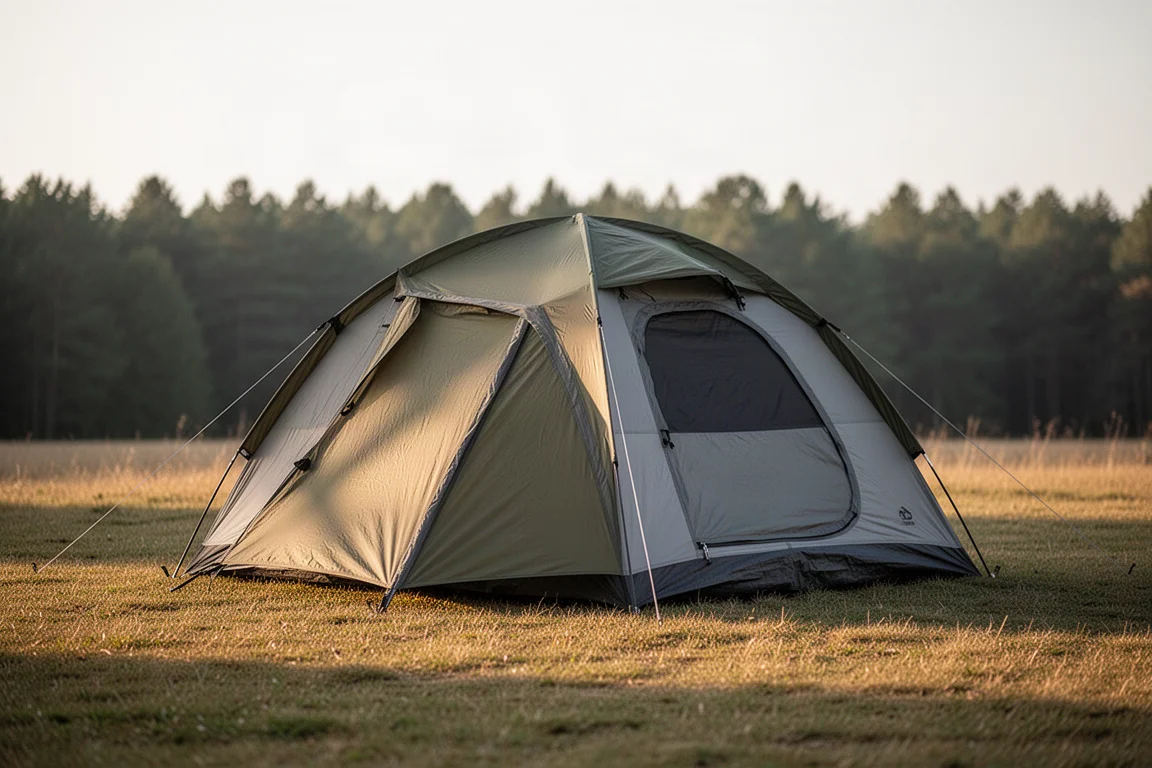
The Nature Hike Vic 2 Person Tent is built around one simple idea: keep pitching quick, and keep the parts that usually get lost in the process permanently connected. The fly and the inner body are an integrated unit, so there is no second stage where you wrestle a separate rainfly over the top. That single design decision shapes almost everything about how this tent goes up, and it is the main reason the pitch feels fast once you understand the sequence.
This guide covers what the tent does well, how the setup actually works step by step, and the details worth weighing before you commit to a purchase.
Who This Tent Is For
This is a tent for campers who pitch and strike often and would rather not spend the first twenty minutes of every stop assembling two separate layers. The all-in-one body and fly design means both go up together, which suits weekend campers, first-time buyers, and anyone who has been put off by tents that require a rainfly to be threaded over a pitched inner tent.
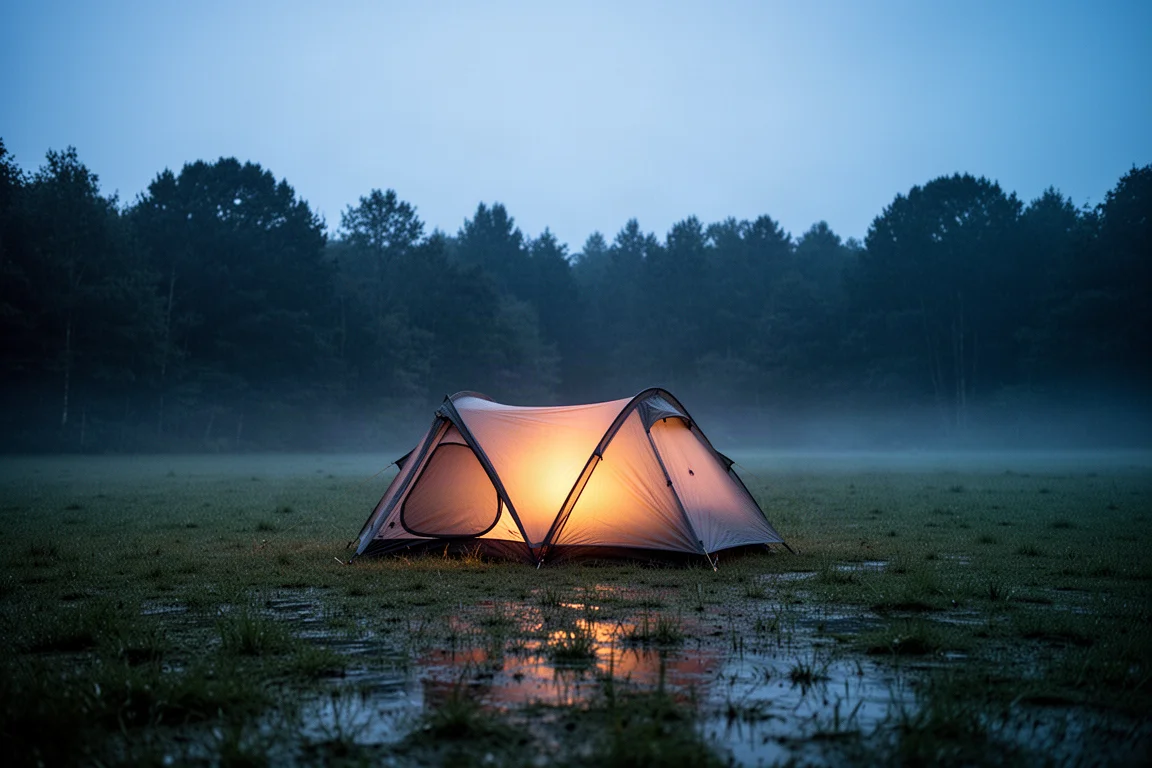
It also suits campers who like gear that carries its own spares and extras. The Vic 2 includes a ground sheet, so you can protect the floor from the first trip without buying anything else. If you prefer a tent you can simply lay out, tension, and forget about, this one fits that habit well.
Main Strengths: An All-in-One Pitch
The headline strength is the integrated construction. Because the fly and the body are connected, the tent reaches full setup in a single pass rather than two. There is no moment where the inner tent stands exposed while you hunt for the fly, and no guesswork about which layer goes on first. Once the structure is tensioned, you can open the vents, make your final adjustments, and you are done.
For anyone who has pitched a conventional two-layer tent in wind or fading light, that reduction in steps is the real value here. Fewer stages means fewer chances for something to snag, flap, or end up the wrong way around.
Color-Matched Poles and Twist-Lock Clips
The hardware is deliberately visual. The main pole has two orange tips and two grey tips, and the tent body and footprint use the same color coding on their corresponding sleeves and attachment points. Match orange to orange and grey to grey, and the structure lines up without trial and error.
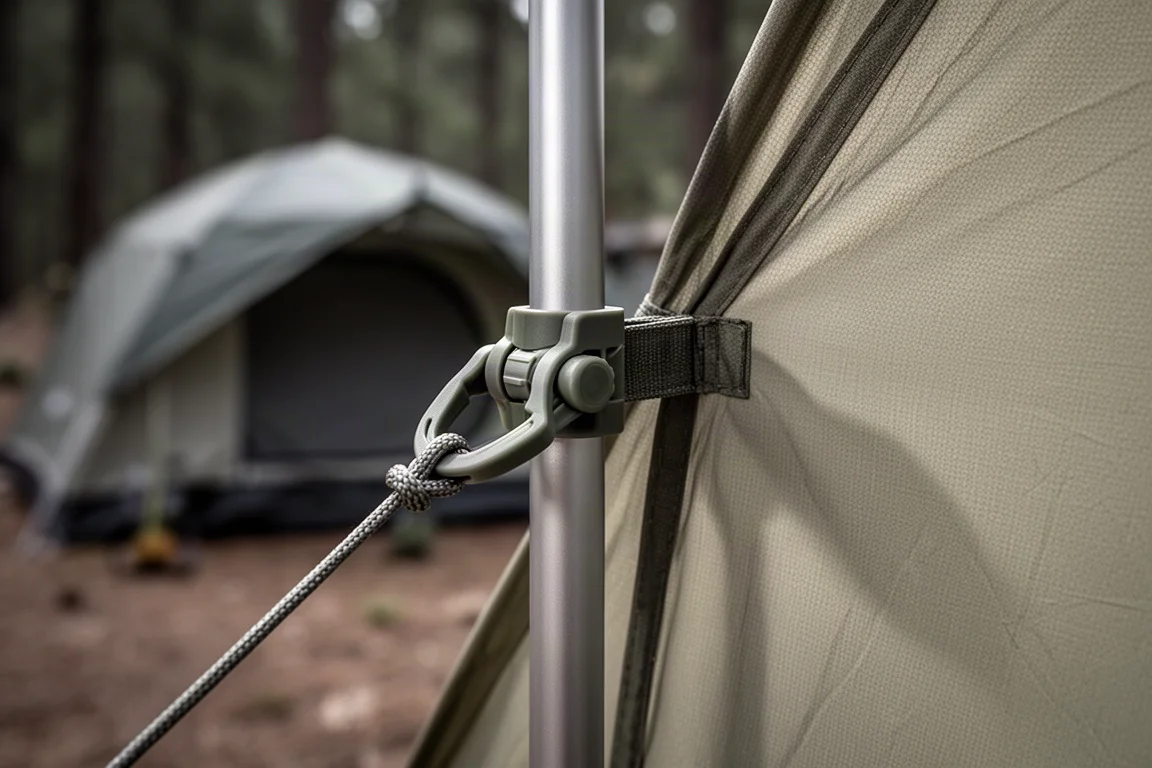
The pole clips are a little different from the spring clips many campers are used to. Rather than pressing on, you place the clip onto the pole and twist it to lock it into position. It is a secure connection once engaged, but it is worth learning the motion before your first trip rather than discovering it in the dark.
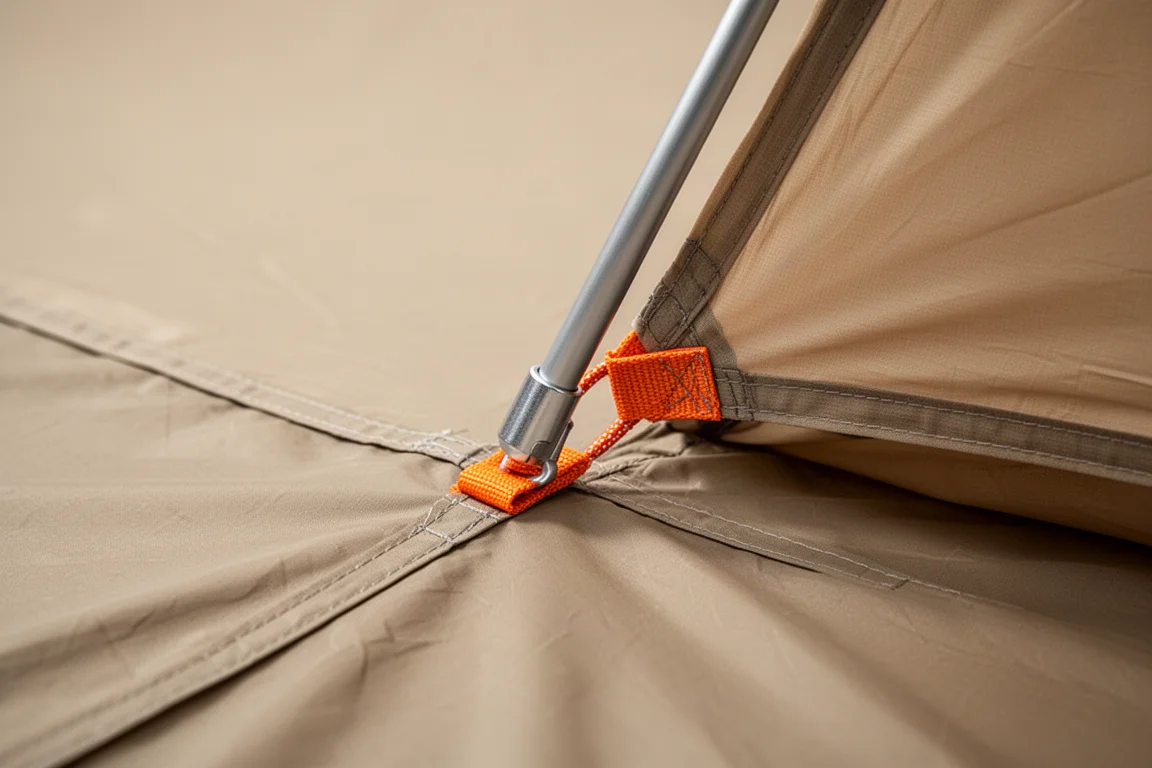
From there, the center lock clicks into place, the secondary pole sits across the top, and the hardware connects on both sides before you stake everything out. The whole sequence is short and logical, which is exactly why it works so well once learned.
How the Setup Process Works
The pitch follows a clear order. Start by laying out the ground sheet if you plan to use it, then separate the components and focus on the body. Lay the body flat on the ground or on top of the footprint, and make sure the color-coded hardware on the body and the footprint line up.
Assemble the poles, then identify the main one with its orange and grey tips. Insert those tips into the matching hardware on the body and the footprint. Because the fly and body are integrated, both are being set up at the same time, so there is nothing left to add afterwards.
Work around the tent connecting every pole clip, locking each one with the twist motion. Lock the center connection, fit the secondary pole across the top, connect the hardware on both sides, and stake the tent out. At that point you are essentially finished: pull everything taut, open the vents, and the tent is ready. On a difficulty scale where ten is easiest, this pitch sits around an eight, which reflects how few genuinely fiddly steps there are.
Things to Consider Before Buying
The twist-lock clips are the biggest adjustment for most people. They are not difficult, but they are not the same as the press-on clips found on many tents, and the twist motion takes a few repetitions before it becomes automatic. Practicing the pitch once at home removes almost all of that friction.
Color matching also rewards attention. It makes the setup faster, but it does ask you to check that the correct tips are going into the correct sleeves, especially in low light or when you are in a hurry.
Long-term durability is the other open question. Early hands-on time has shown both impressive aspects and points that deserve a closer look, and a complete picture of how the tent holds up over a full season of use is still being established. That is not a reason to dismiss the tent, but it is a reason to think about how hard you plan to use it and how much you value a proven track record.
What Still Needs Confirmation
A tent this simple to pitch still has to prove itself in the places that matter: repeated setup and takedown, sustained wind, and long-term fabric and hardware wear. Those are the areas where an easy pitch tells you nothing on its own. If you are buying for occasional fair-weather camping, the setup experience and included footprint already carry a lot of the value. If you are buying for demanding, high-mileage use, it makes sense to wait for a fuller picture of durability before committing.
Buying Advice
If your priority is a two-person tent that goes up quickly, keeps its layers together, and includes a footprint in the box, the Vic 2 is worth a serious look. The integrated fly and body design removes the most tedious part of pitching, and the color-matched hardware turns a potentially confusing assembly into something you can learn in one practice run.
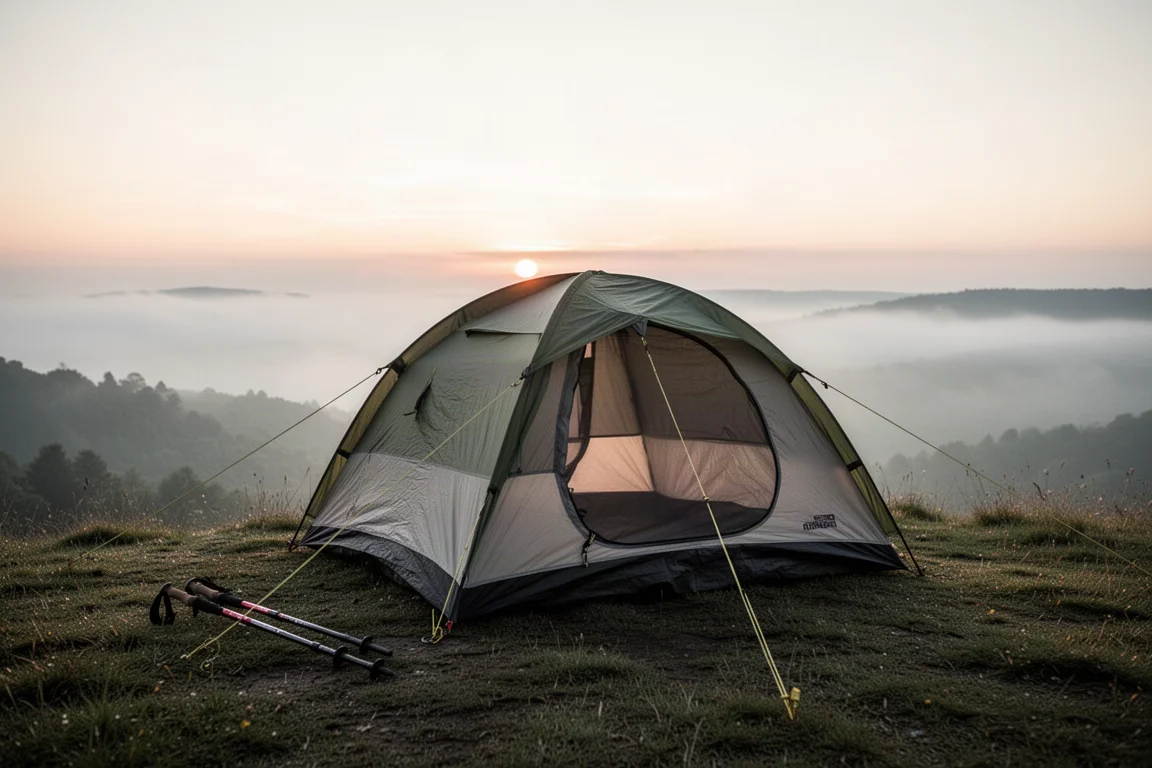
Before your first trip, pitch it once in the yard or a park. Get familiar with the twist-lock clips and the color coding, then time yourself. If that process feels natural, the tent will serve you well as an everyday, easy-pitch shelter. If you need documented long-term durability before you spend, give it a little more time and revisit it once a full season of testing is behind it.
Conclusion
The Nature Hike Vic 2 Person Tent earns its appeal through simplicity. An all-in-one body and fly, color-coded poles and hardware, twist-lock clips, an included ground sheet, and a pitch that rates near the easy end of the scale make it a genuinely convenient tent for campers who value fast setup. The caveats are equally clear: the clip system takes a moment to learn, and long-term durability is still being confirmed. Buy it for the pitch and the convenience, and go in with realistic expectations about how much field history it has behind it.
Product link
View more details for Nature Hike Vic 2 Person Tent
This product is mentioned in the review. Check the specifications, options, and compatibility before buying.
View more details for Nature Hike Vic 2 Person TentFurther reading
Related Reviews
Camping Tents
3F UL Gear Taiji Two-Person Tent Review: Field Waterproofing Results and Buying Advice
The Taiji pairs an attached fly with a removable inner, but sustained rain exposed untaped vent seams that need sealing before this shelter can be trusted.
Camping Tents
3FUL Gear Lanshan 2 Pro 4-Season Review: A Sub-$200 Single-Wall Trekking Pole Tent
An early look at the 3FUL Gear Lanshan 2 Pro 4-Season, covering its straightforward pitch, generous interior space, and the condensation and seam-sealing questions that come with any single-wall shelter.
Camping Tents
Alps Mountaineering Lynx 1-Person Tent Review: Big Value in a Small Budget Tent
A close look at the Alps Mountaineering Lynx 1-Person Tent, covering real interior dimensions, materials, setup time, ventilation limits, and who should buy it.