Camping Tents
Nature Hike Spire One Person Tent Review: A Compact Trekking Pole Shelter With Clear Limits
A single-person pyramid shelter with quality materials, a $130 retail price, and a very small interior that suits smaller backpackers best.
Introduction
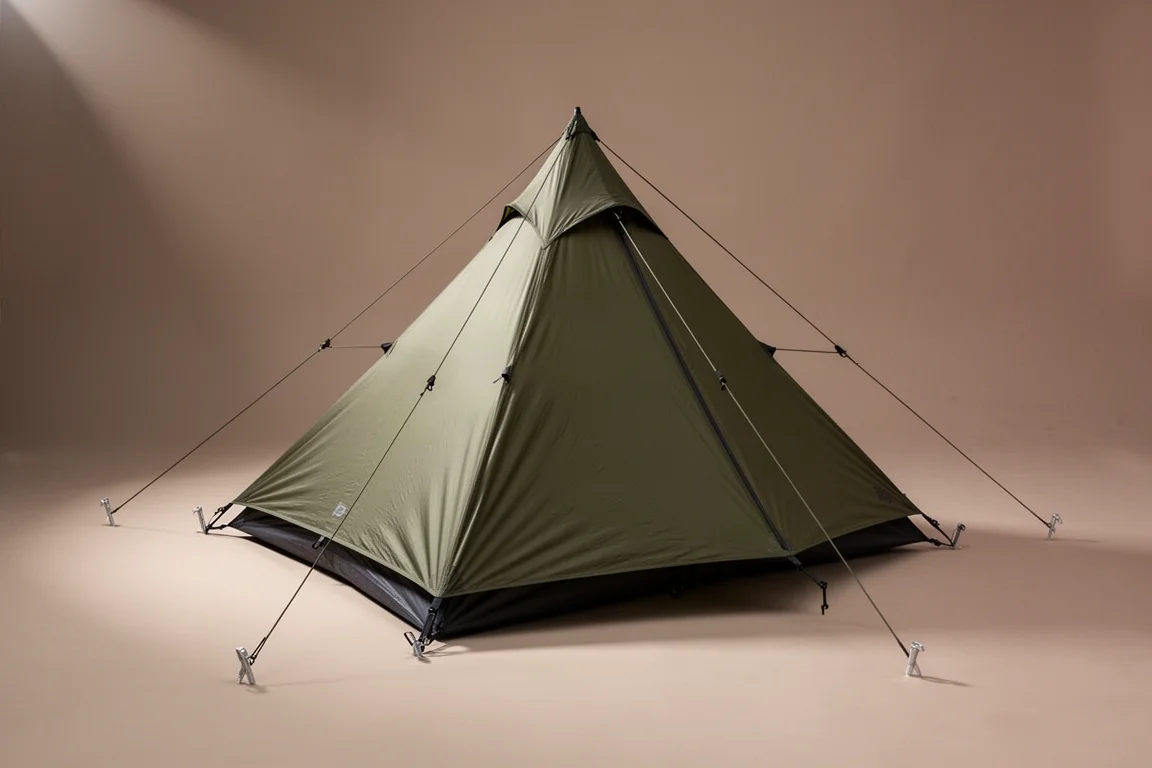
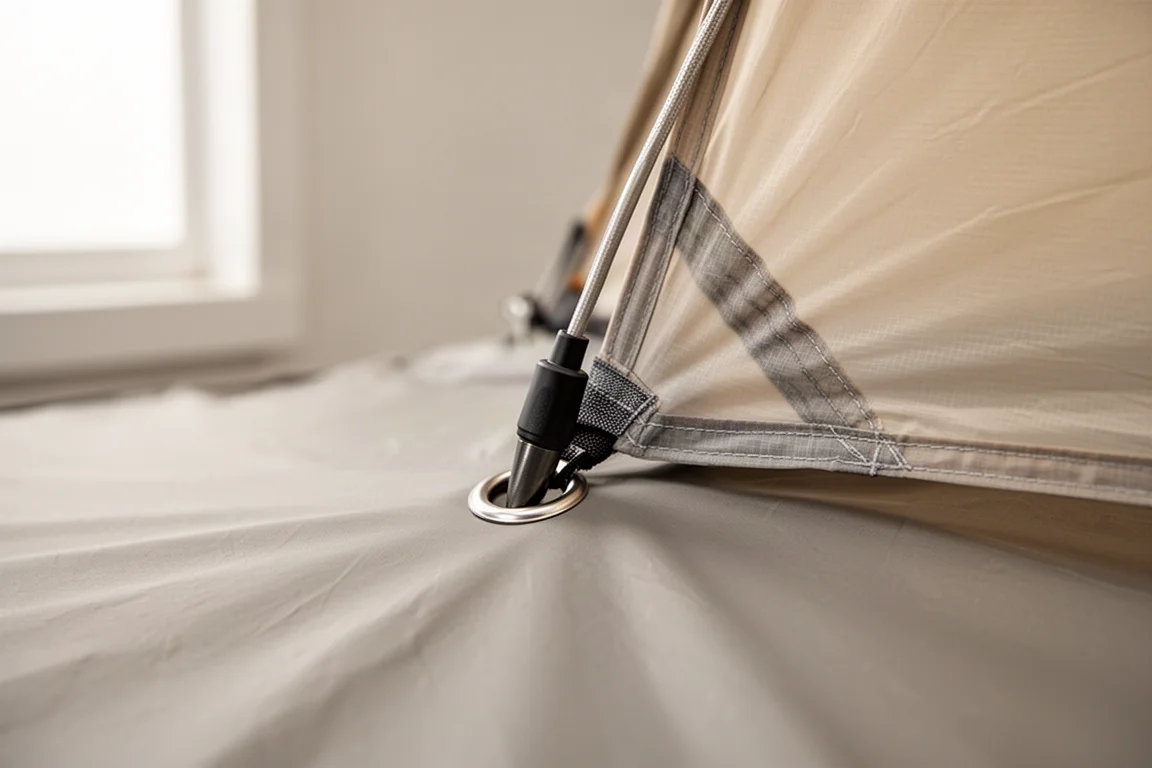
The Nature Hike Spire is a single-person pyramid shelter built around a trekking pole rather than a dedicated frame. The handle of the pole sits at the apex, the tip drops into a small grommet at the base of the inner body, and that single connection pulls the whole structure taut. It arrives as two packages: the tent itself and a ground sheet made specifically for this model. In the United States it is sold in one color at a retail price of $130.
The materials list is genuinely impressive for the money. The fly is a 20 denier silicone treated nylon, the floor is 38T nylon, and each corner is reinforced with 300 denier Oxford polyester. Nature Hike rates the fly at a 2,000 mm hydrostatic head and the floor at 3,000 mm. Inside there is a bathtub floor, a large amount of mesh, two-way zippers, two vents at the top of the shelter, a single door, and one interior pocket. Fifteen aluminum stakes and eight pre-attached guy lines come in the bag.
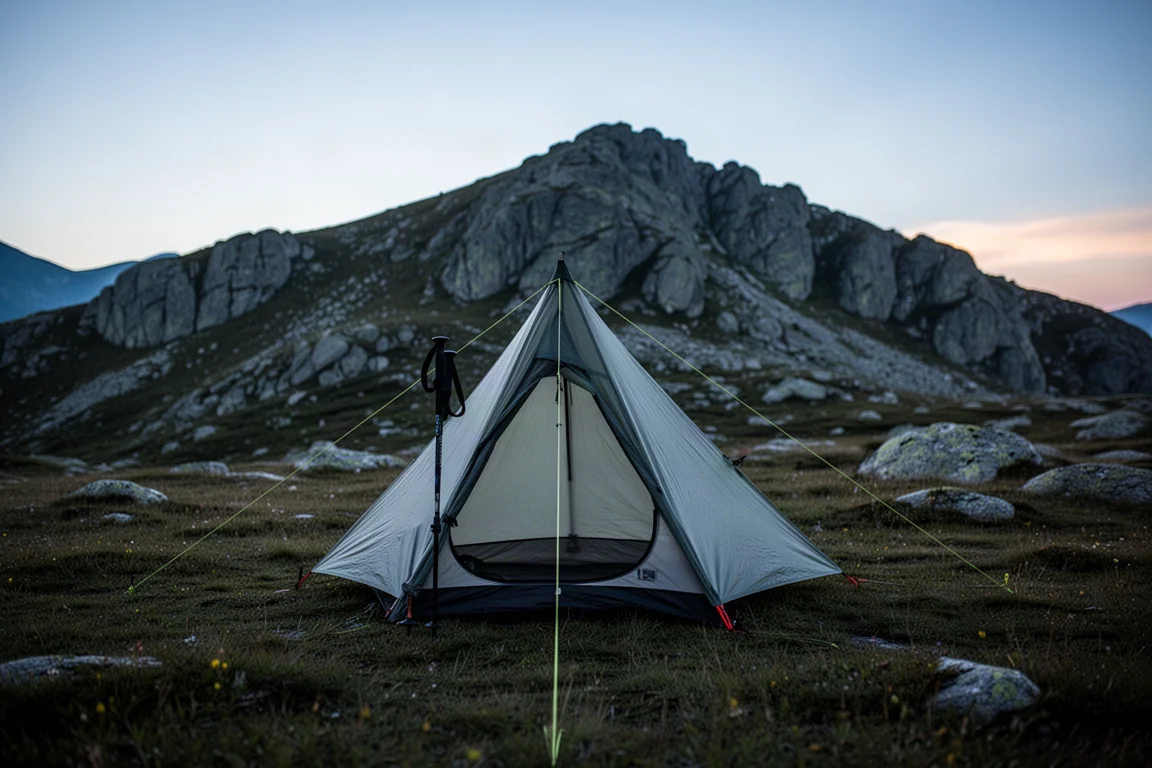
Packed away, the tent measures about 15.75 inches long by 5.1 inches wide, which is easy to slot into a pack. Weight is 2.4 pounds for the fly and body alone, rising to 3.2 pounds once the stakes, guy lines, accessories and ground sheet are counted. Because no poles are supplied, a trekking pole has to be added to that figure, and that is where the real-world weight conversation starts.
Who This Tent Is For
This shelter makes the most sense for smaller backpackers who already walk with trekking poles and want a compact, affordable pyramid pitch rather than a freestanding tent. If you are roughly 5 feet 3 inches or shorter, the interior length can work, and the low packed volume suits trips where every litre of pack space matters.
It is also a reasonable option for anyone who wants a simple fly-only pitch for fast, minimal overnight trips in mild conditions. The fly can be set up on its own, or with the inner body attached, and the ground sheet is optional rather than required.
Design and Setup Notes
The Spire is a traditional pyramid: one pole, one apex, and a footprint that tapers to a point. No poles are included, so the tent cannot be pitched without trekking poles. The top ring on the inner body is not the pole anchor; it is the attachment point for the body itself. The pole tip belongs in the small grommet at the base of the inner, with the handle pointing up toward the apex.
Setup instructions are printed on the inside of the storage bag in English and several other languages, but they are difficult to interpret. The tent can still be pitched by following them, though the result is unlikely to be the cleanest possible setup. Once staked out properly, the exterior footprint measures 82.6 inches by 82.6 inches with a peak height of 53 inches.
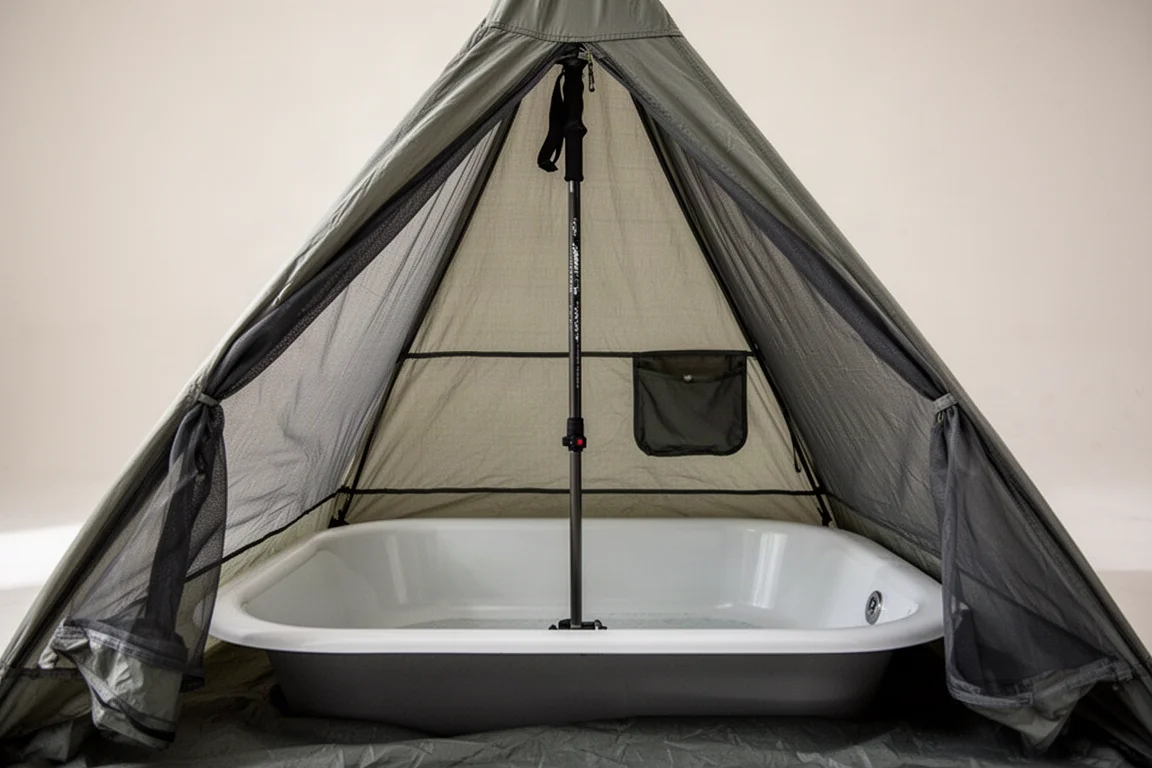
Getting in and out is the most awkward part of the design. The centre pole runs directly through the middle of the living space, so there is no clean path in or out, and the difficulty increases with the size of the occupant. The door opening itself is small, which adds to the sense that every movement inside the tent has to be planned.
Main Strengths
Build quality is the standout. The stitching is clean with no loose threads, the seam tape is neatly applied, and the materials read as top-notch for this price bracket. The reinforced corners and the Oxford polyester panels where the shelter meets the ground suggest the tent was designed to take some abuse.
The feature set is thoughtful too. The bathtub floor keeps the sleeping area contained, the extensive mesh improves ventilation and reduces condensation, and the two top vents give warm air somewhere to escape. Two-way zippers on the door are a practical touch, and the single interior pocket covers the essentials. Eight pre-attached guy lines and fifteen aluminum stakes mean you have enough hardware to handle a proper stakeout without buying anything extra.
Things to Consider Before Buying
Interior space is the real limitation. Measured inside, the tent is about 30 inches wide and about 34 inches tall, and the usable length tops out at roughly 5 feet 3 inches. Taller sleepers will find head and feet pressed against the tapered walls, and even at 5 feet 4 inches, body parts tend to make contact. Some taller users do get these tents to work, but that generally involves modifying the shelter to pull the walls outward, which is not how the tent is designed to perform.
There is a second consideration that is easy to overlook: the fabric has a tendency to drape down onto the occupant, and tightening the stakeout points fully does not fully solve it. Combined with a small door and a centre pole, the interior feels tighter than the measurements alone suggest.
Weight is the other point worth being honest about. Trekking pole tents have a reputation for being extremely light, but the genuinely featherweight examples tend to be very expensive. Affordable pyramid shelters only become light once you factor in the poles you were already carrying, and once stakes, accessories and the ground sheet are included, this tent sits at around 3.2 pounds.
Material Behavior and Weather Questions
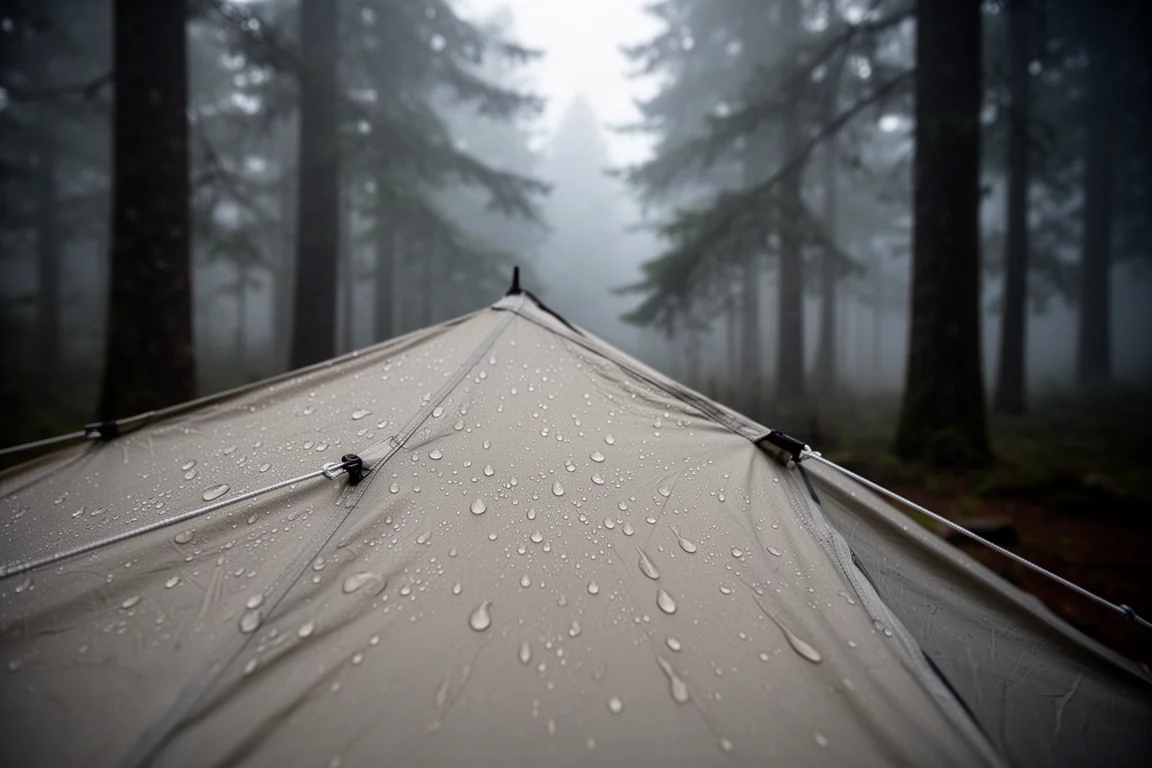
The fly uses a 20 denier silicone treated nylon, and silicone treated nylon is known to stretch when it gets wet. Nature Hike rates the fly at a 2,000 mm hydrostatic head and the floor at 3,000 mm, which are solid numbers on paper for a shelter at this price. How much the fabric actually relaxes and sags through a long, sustained wet night is the open question, and that is the detail worth watching rather than the headline ratings.
For anyone planning trips in consistently wet climates, that behaviour matters more than the initial pitch tension. A shelter that starts taut and ends the night sagging onto a sleeping bag is a different proposition from one that holds its shape.
Buying Advice
If you are a smaller backpacker who already carries trekking poles and wants a well-built, inexpensive pyramid shelter for solo trips, the Spire is a sensible buy. The materials, stitching, reinforcements and included hardware are all stronger than the $130 retail price would suggest, and the packed size of roughly 15.75 by 5.1 inches is easy to live with.
If you are taller than about 5 feet 4 inches, or you want a shelter you can sit up and move around in, this is not the right tent. Look instead for a larger single-person or two-person design, or one that uses crossing poles to create vertical walls. It is also worth remembering that this model has been available outside the United States for some time and has only recently arrived in the US market in a single color, so anyone who has been waiting for local availability now has the option.
Conclusion
The Nature Hike Spire gets the fundamentals right: excellent construction, a bathtub floor, generous mesh, solid waterproofing ratings, and a low retail price. What holds it back is space. At roughly 5 feet 3 inches of usable length, about 30 inches of width and about 34 inches of interior height, it is a shelter for smaller solo backpackers who value low pack volume and low cost over room to move, and for that specific buyer it remains a compelling option.
Product link
View more details for Nature Hike Spire One Person Tent
This product is mentioned in the review. Check the specifications, options, and compatibility before buying.
View more details for Nature Hike Spire One Person TentFurther reading
Related Reviews
Camping Tents
3F UL Gear Taiji Two-Person Tent Review: Field Waterproofing Results and Buying Advice
The Taiji pairs an attached fly with a removable inner, but sustained rain exposed untaped vent seams that need sealing before this shelter can be trusted.
Camping Tents
3FUL Gear Lanshan 2 Pro 4-Season Review: A Sub-$200 Single-Wall Trekking Pole Tent
An early look at the 3FUL Gear Lanshan 2 Pro 4-Season, covering its straightforward pitch, generous interior space, and the condensation and seam-sealing questions that come with any single-wall shelter.
Camping Tents
Alps Mountaineering Lynx 1-Person Tent Review: Big Value in a Small Budget Tent
A close look at the Alps Mountaineering Lynx 1-Person Tent, covering real interior dimensions, materials, setup time, ventilation limits, and who should buy it.