Tent Accessories
Nature Hike Mongar 2 Tent Vestibule Review: Covered Storage With a Short Ceiling
A practical look at the Mongar 2 vestibule add-on: how it attaches, how much space it really adds, what it weighs, and who should spend the money.
Introduction
The Nature Hike Mongar 2 has earned a following as a genuinely roomy two-person tent that seals well and stays affordable, and it comes in a wide range of colors. This vestibule is a separate add-on built for that tent, sold on its own and designed to expand the covered area around the doors.
It is a much narrower proposition than the tent itself. The materials are sound and the added volume is real, but the usable height and the price tag both deserve a close look before you commit.
What the Mongar 2 Vestibule Adds
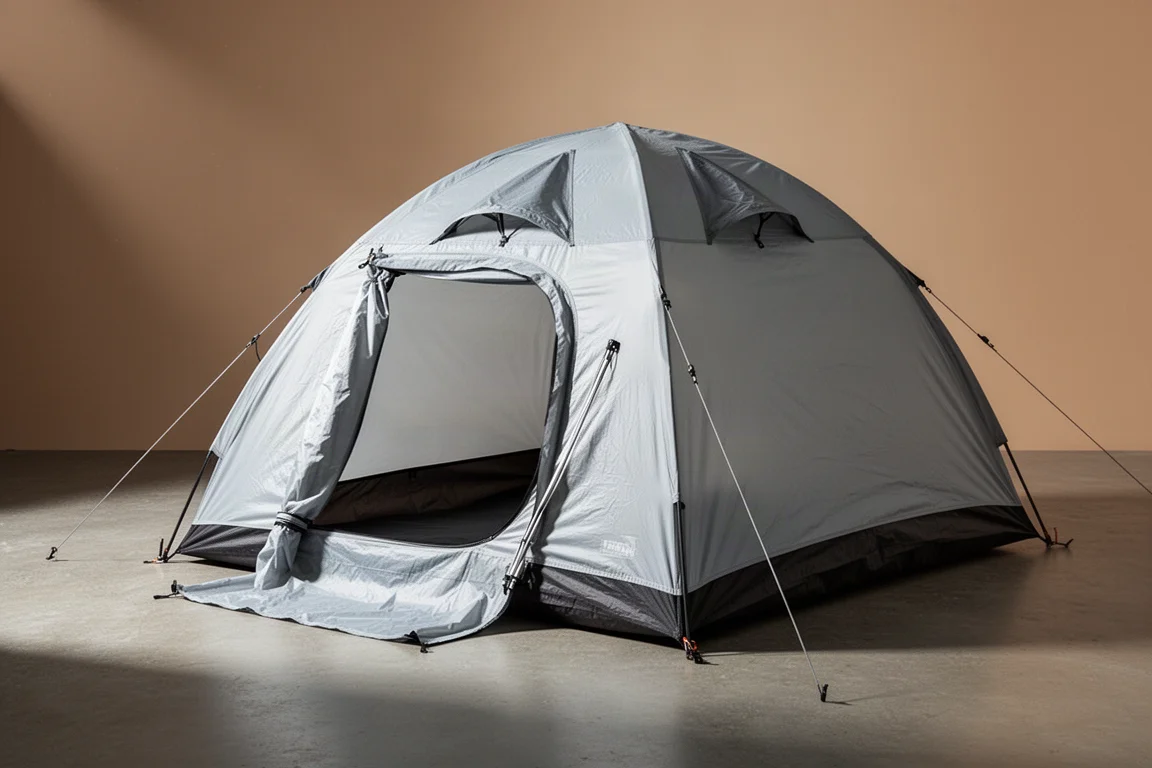
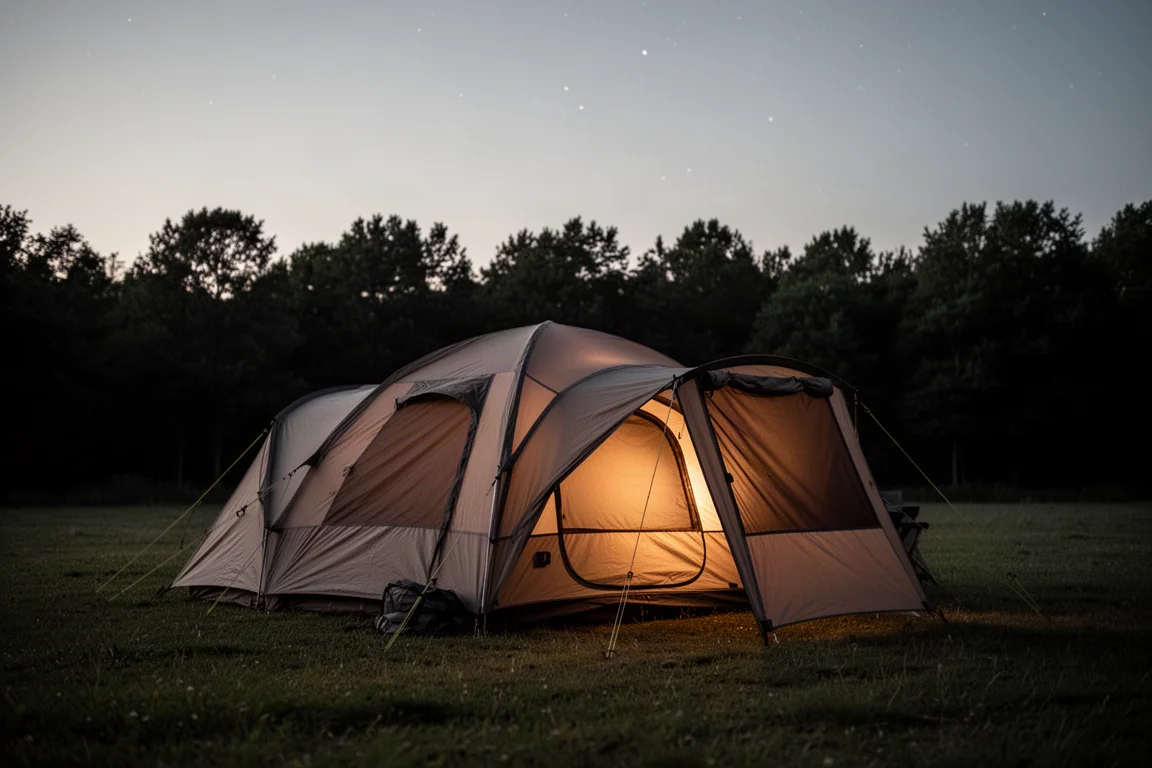
The vestibule is a 20 denier nylon panel that clips onto the Mongar 2’s existing frame. Because it borrows the tent’s own poles as its structure, it can be mounted on either the front or the rear door area, so you can choose the orientation that suits your pitch. There is only one door on the vestibule itself, so decide which side you want access from before you start setting up.
Measured when pitched, it runs about 68 inches long and about 64 inches wide at its widest point, with a peak height of 33 inches. Packed away, the kit measures roughly 16.5 inches long and 3.5 inches wide, and the complete kit weighs 1.7 pounds.
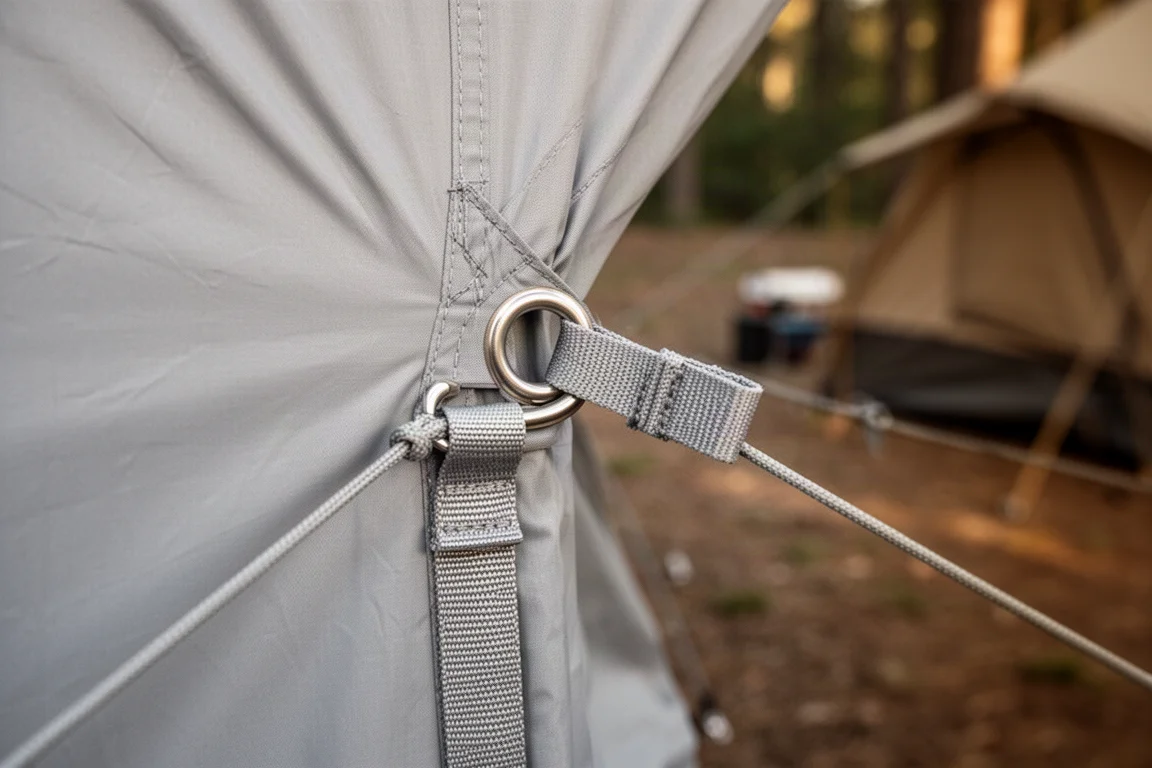
Inside, the space reads as covered storage rather than a room. Two vents sit at the front, and there are several guy line points to help with airflow and tension once everything is staked out. A storm flap covers the zipper.
Setup and Installation
The vestibule goes on before the tent’s fly. It connects to the tent frame at two main attachment points: a metal grommet that sits underneath the tent’s own grommet, and a second clip positioned higher up on the side of the tent’s center. A single aluminum pole threads through a sleeve and connects to grommets on both sides, after which the panel is staked out at the front, around the sides, and at the pole junction.
The included kit covers the essentials: the vestibule, one aluminum pole, three guy lines, five tent stakes, a storage bag, a strap, and printed setup instructions.
Expect to spend some time on the first pitch. Working out which clip goes where, and which way you want the door facing, takes a few attempts. One detail worth watching is the straps, which are easy to mix up. Two of them run along the ground, while another passes underneath the vestibule to give it shape and stop the door area from spreading out too far.
Adjustment is a balance rather than a one-time job. The attachment points need to be tight enough that the grommet does not slip off the pole, but tightening too far will deform the tent body.
Main Strengths
Materials are the strongest part of this add-on. The 20 denier nylon matches the fabric class you would expect from a tent in this bracket, and the panel is finished with a storm flap over the zipper. Build quality is decent rather than exceptional, in line with the brand’s other tents, and these products have generally held up well in real use.
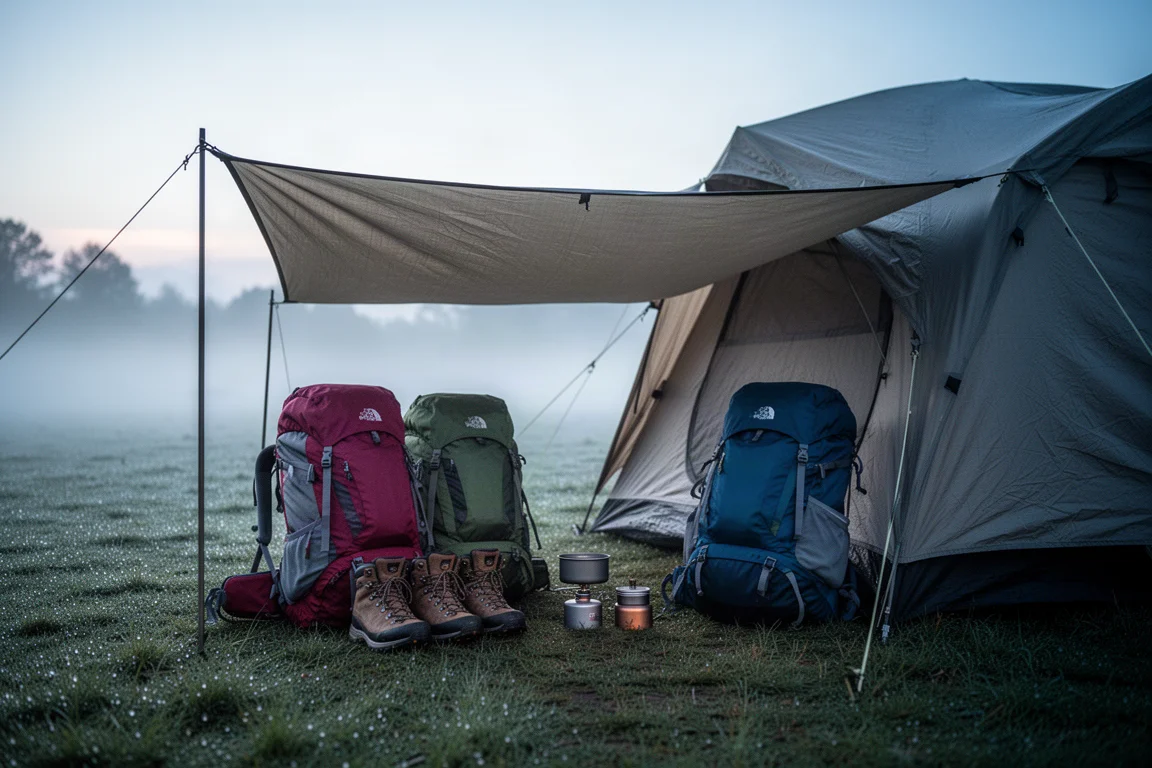
The volume it adds is genuinely useful. It creates a large covered area in front of the door, which is exactly what you want for packs, boots, cooking gear, or anything else you would rather not leave in the sleeping area. A bike will mostly fit underneath it, though not completely.
Weight is reasonable for what it does. The kit is 1.7 pounds on its own, and pairing it with the Mongar 2 brings the combined setup to around six pounds.
How the Vestibule Works With the Tent Fly
The fly goes on after the vestibule and passes over the top of it. From there, pitching follows the same process as a standard Mongar 2 setup. The one difference is the door on the vestibule side, which does not zip shut with the fly in place. You unzip it, lay it over the top of the vestibule, roll the doors up, and zip down far enough that the vestibule stays fully protected.
Things to Consider Before Buying
The headline limitation is height. At 33 inches at the peak, the vestibule is too short to sit up in comfortably, and a camp chair will not fit under it. Using the space means being down on your hands and knees. Treat it as storage and nothing more, because that is the job it is built for.
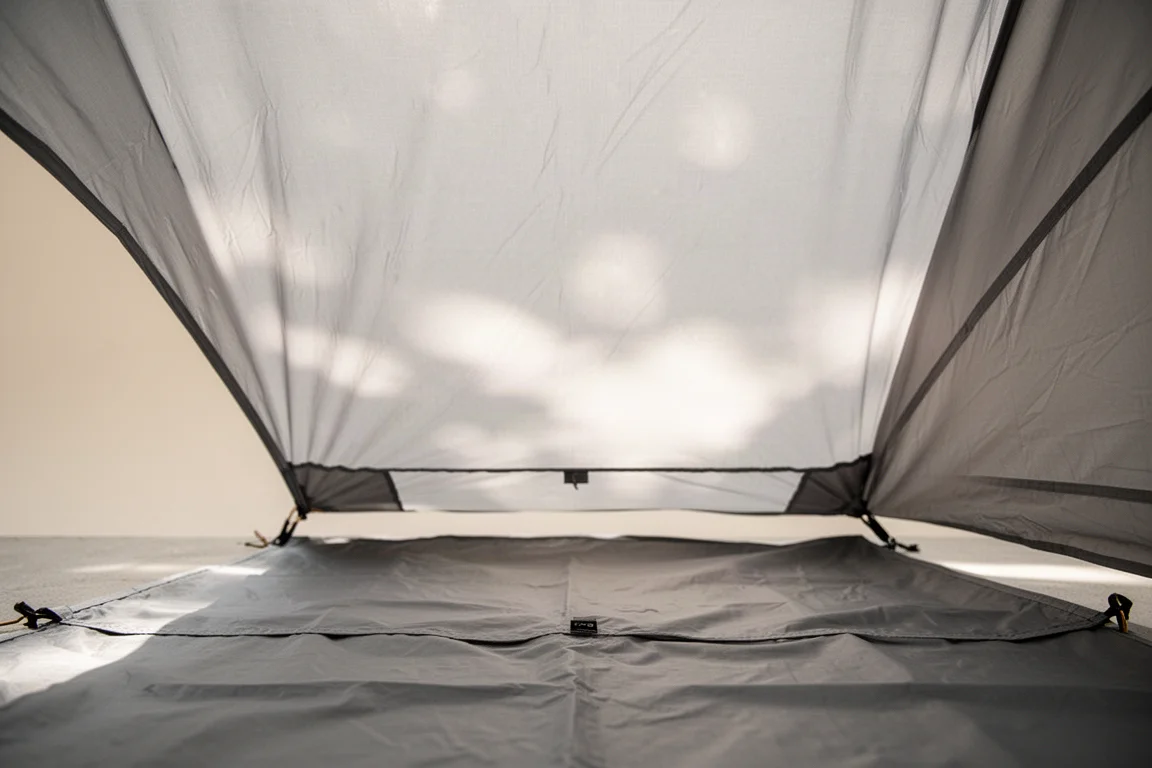
Color choice is limited to a single light gray, while the Mongar 2 itself is offered in a wide range of colors, so the two will rarely match exactly.
Specification transparency is another gap. Setup dimensions, packed dimensions, and the hydrostatic head rating are not published on the product page, which leaves buyers to work out those details for themselves. Water resistance has not been confirmed in sustained wet weather, so treat that as an open question rather than a settled one.
Storage Space, Not Living Space
The most useful way to think about this vestibule is as a dry locker bolted to the front of your tent. It swallows the bulk of the clutter that normally ends up inside a two-person tent, which keeps the sleeping area cleaner and more comfortable across a multi-day trip. It is not a porch, a cooking shelter, or a place to sit, and imagery that suggests otherwise sets the wrong expectation for buyers.
Buying Advice
At around $80, this is a significant addition relative to the tent it belongs to. Mongar 2 tents have been available on sale for roughly $100, so the vestibule can approach the cost of the tent itself at a discount. It is also sold only through the brand’s own website, and only in one color.
That math makes the decision fairly straightforward. If you regularly need a large, dry, covered space for gear and you already own a Mongar 2, the extra capacity is real and the materials are solid. If you are after sheltered living space or somewhere to sit out a storm, this product does not deliver that, and the money is better spent elsewhere.
Conclusion
The Mongar 2 vestibule does one job: it adds a substantial amount of covered storage to an already roomy two-person tent. Setup takes patience, the usable height suits gear rather than people, and the price sits on the high side for an accessory. Buy it for the storage and it makes sense. Buy it expecting an extra room and it will disappoint.
Product link
View more details for Nature Hike Mongar 2 Tent Vestibule
This product is mentioned in the review. Check the specifications, options, and compatibility before buying.
View more details for Nature Hike Mongar 2 Tent VestibuleFurther reading
Related Reviews
Backpacking Gear
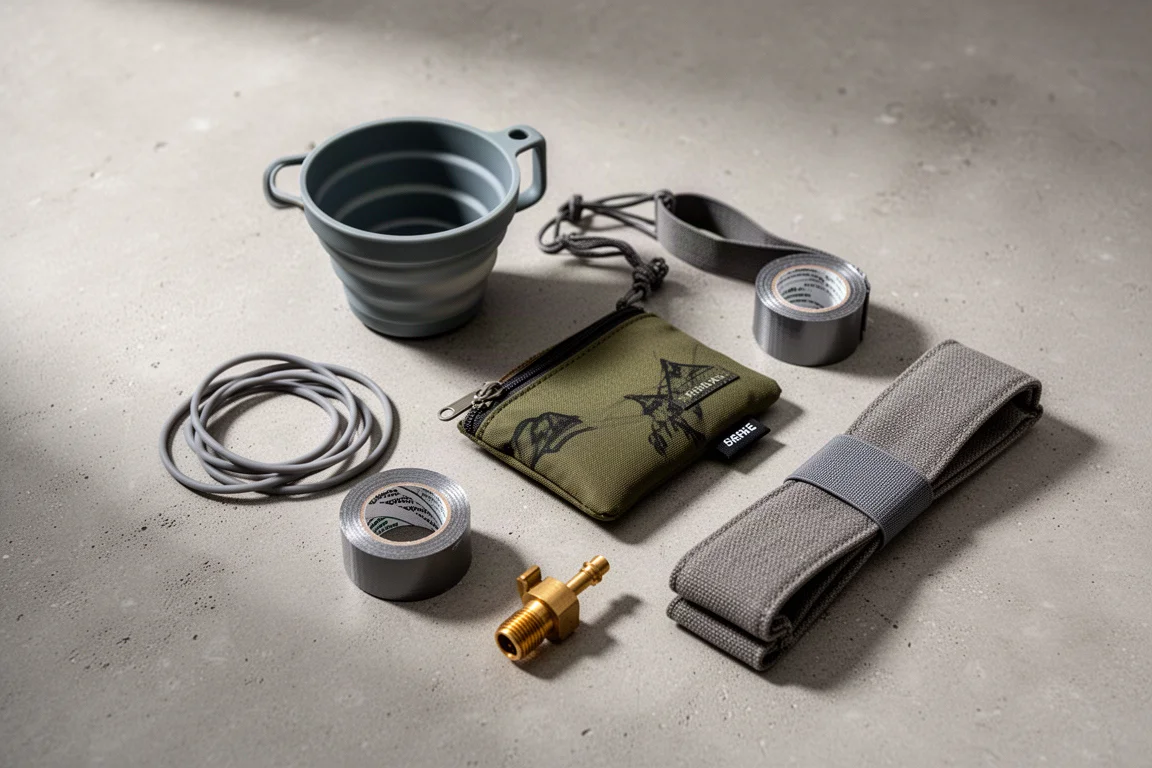
8 Ultralight Backpacking Gear Upgrades Worth Carrying
Eight small, affordable backpacking upgrades that solve real trail annoyances, from a pillow that stays put to a fuel valve that rescues leftover canister gas.
Backpacking Gear
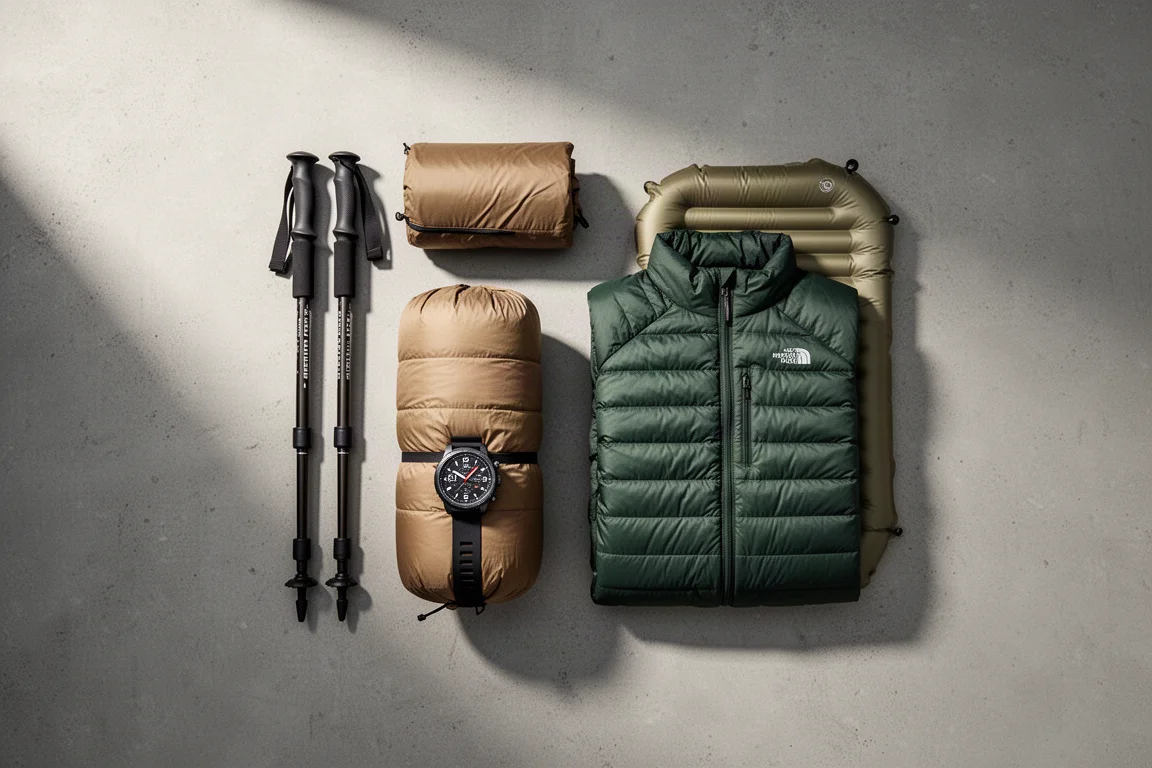
Affordable Alternatives to Premium Backpacking Gear: Five Budget Picks Compared
Five premium backpacking items paired with five lower-cost alternatives, compared on weight, materials, weather performance, and price.
Backpacking Gear
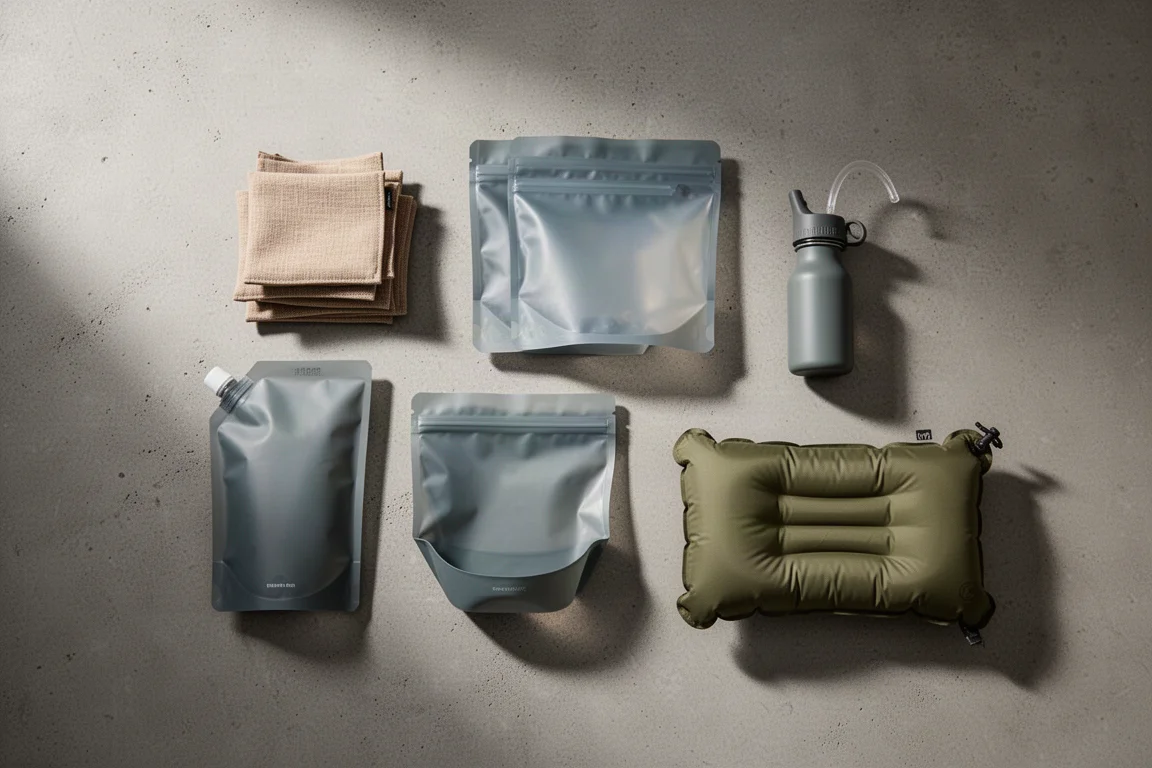
Affordable Backpacking Gear: Four Low-Cost Items That Make Trips Better
Four inexpensive backpacking items, from reusable food bags to a sub-100 gram camp pillow, plus the packing habits that keep pack weight honest.