Camping Tents
Nature Hike Kota 8 Review: A Huge Three-Season Tent Built for Airflow
A close look at the Nature Hike Kota 8, an eight-to-ten-person three-season tent built around mesh ventilation, with full specs, setup notes, and what to verify before buying.
Introduction
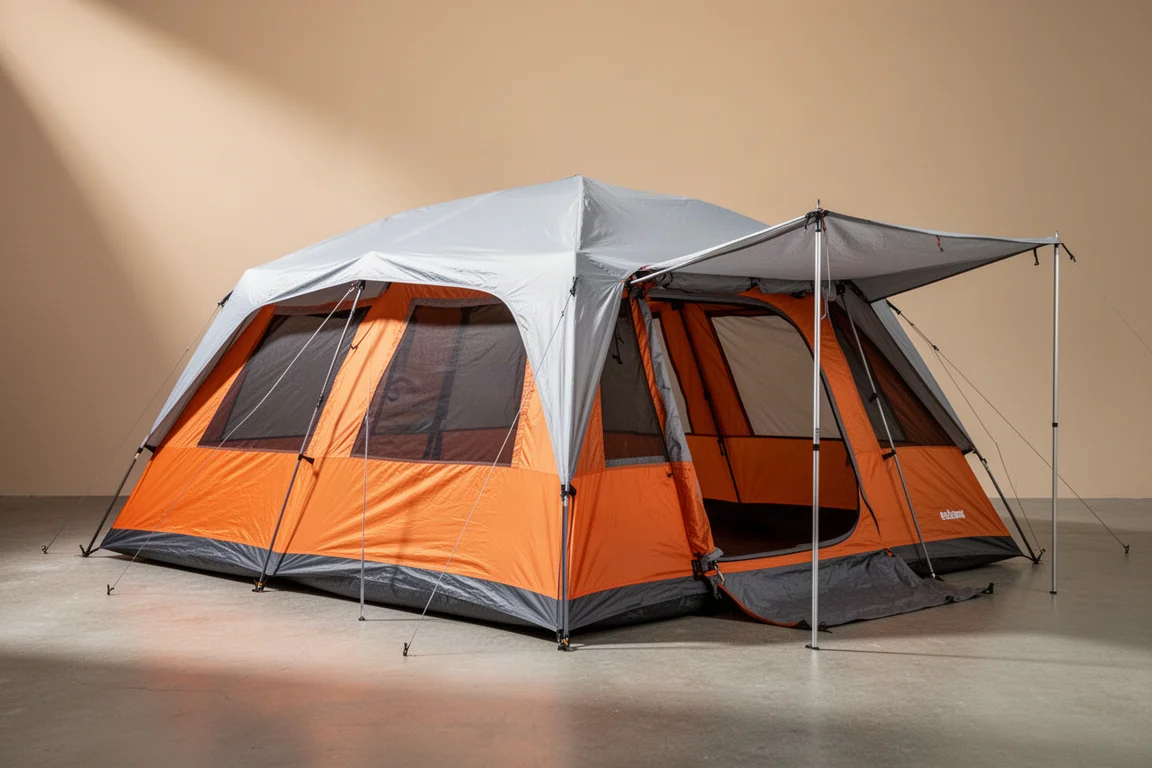
The Nature Hike Kota line does not behave like a family of near-identical tents. The four-person, six-person, and eight-person models each take a different approach, and the Kota 8 is the one aimed squarely at warm weather. It is a three-season shelter designed around ventilation and airflow, and the amount of mesh in the build makes that intention obvious the moment it goes up.
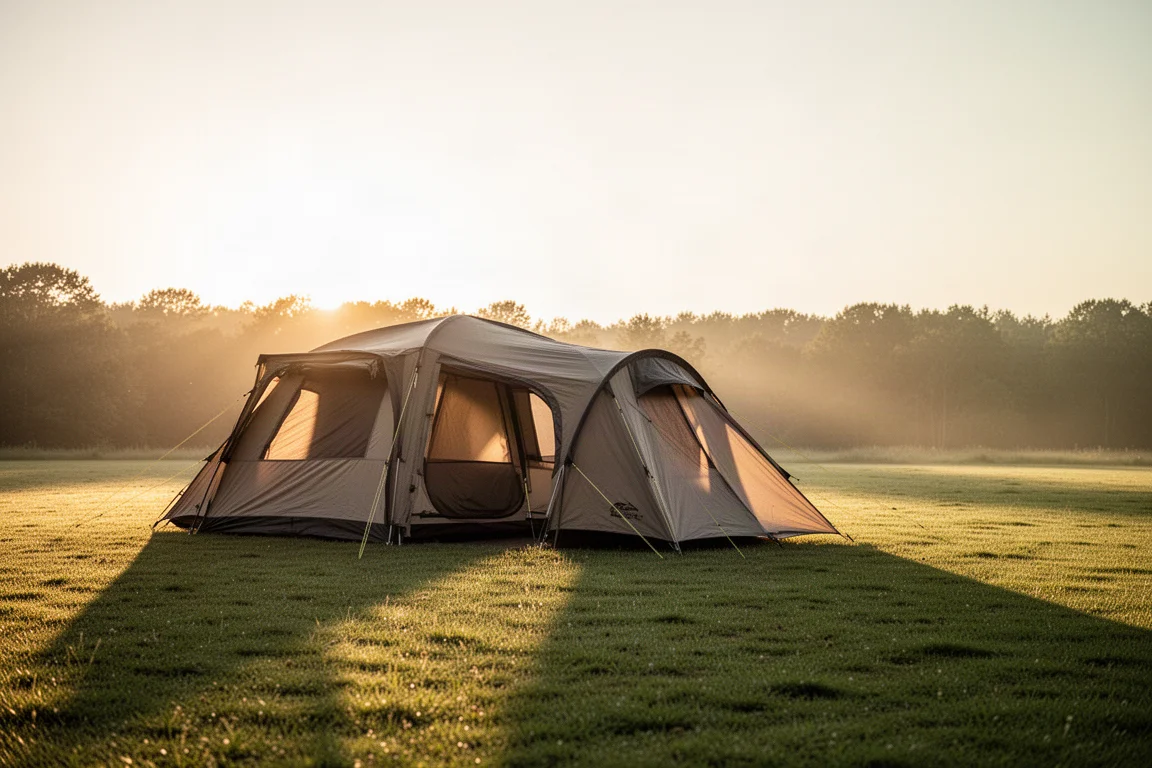
The headline is scale. The Kota 8 measures 18 ft long, 9.3 ft wide, and 6 ft tall, and it is rated for 8 to 10 people. The waterproof rating is 30,000 mm, the packed weight is 19 lb, and the retail price is $300. Those numbers describe a serious shelter, so the useful question is not whether it is big, but whether the big tent is also a good one.
Who the Kota 8 Is For
This is a tent for campers who want volume and air movement in mild conditions. Families, groups, and base-camp setups will get the most from it, because the interior is long enough for multiple air mattresses or cots and tall enough to stand up in.
It is also a sensible choice for anyone who has struggled with a stuffy tent in summer. The mesh coverage runs along the front, the sides, the back, and the roof, and the rainfly pulls away from the inner, so air can move through the shelter rather than sitting inside it.
It is not a winter shelter. The Kota 8 is built for warm conditions, and the six-person model in the same range is the hybrid hot tent if cold-weather use with a stove is the priority.
Main Strengths: Space, Ventilation, and Build Quality
The interior is the most striking feature. It is tall, wide, and long, and the layout is dominated by orange mesh rather than fabric panels. A bathtub floor rises roughly 7 in around the perimeter, and there are multiple mesh pockets plus a hanging hook near the top of the roof.
The tent carries two doors, two windows, and three vents. The side windows are large mesh openings that can be sealed from the inside with panel covers, and the vents have a deep internal lip, which suggests they should stay dry even in a heavy downpour.
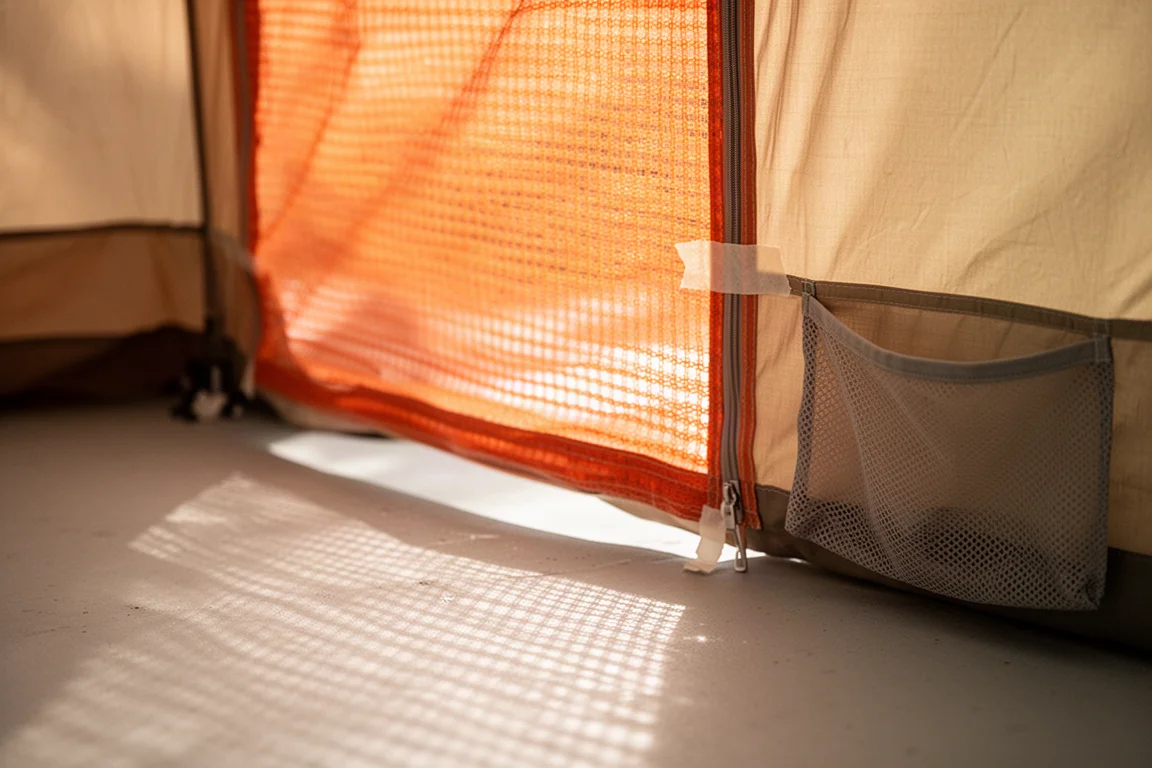
Build quality is the other thing that stands out. A shelter this size has a lot of seams and a lot of stitching, and on close inspection everything lines up cleanly with no visible faults. The fly is also cut to sit away from the inner, which supports the airflow goal rather than working against it.
Setup, Doors, and Living Space
Pitching is straightforward. Four poles are involved: two very long poles that run crossbody, a shorter support pole that goes over the top, and a slightly longer pole at the front. One person can manage it in around 15 minutes, and two people will get it done considerably faster. The only real obstacle is the sheer size of the thing.
The front door uses an inverted T zipper arrangement, so you can open one panel at a time or both for a very wide entry. The rear door opens at the bottom and unzips at the top, with a storm flap covering the zipper. Both doorways are large, which makes getting in and out easy even if mobility is a concern.
The front door panel can also be converted into an awning using the grommets at its base. Poles for that setup are not included. The awning is a dry-weather feature and it is not tall enough to stand under, but it will comfortably shade two chairs and a table.
Things to Consider Before Buying
The main open question is the internal window panels. Historically, internally sealed panels on tents of this type were a known weak point and tended to leak. Manufacturers have since worked out how to make them watertight, and there is no reason to expect problems here, but the panels have not yet been proven in sustained rain.
A few smaller points are worth noting. The rear vent sits high up on a steeply angled wall, which makes it awkward to reach for many people. The awning poles are a separate purchase. Packed down, the tent measures 24.8 in by 11 in and weighs 19 lb, which is manageable for a shelter this large but still worth planning around.
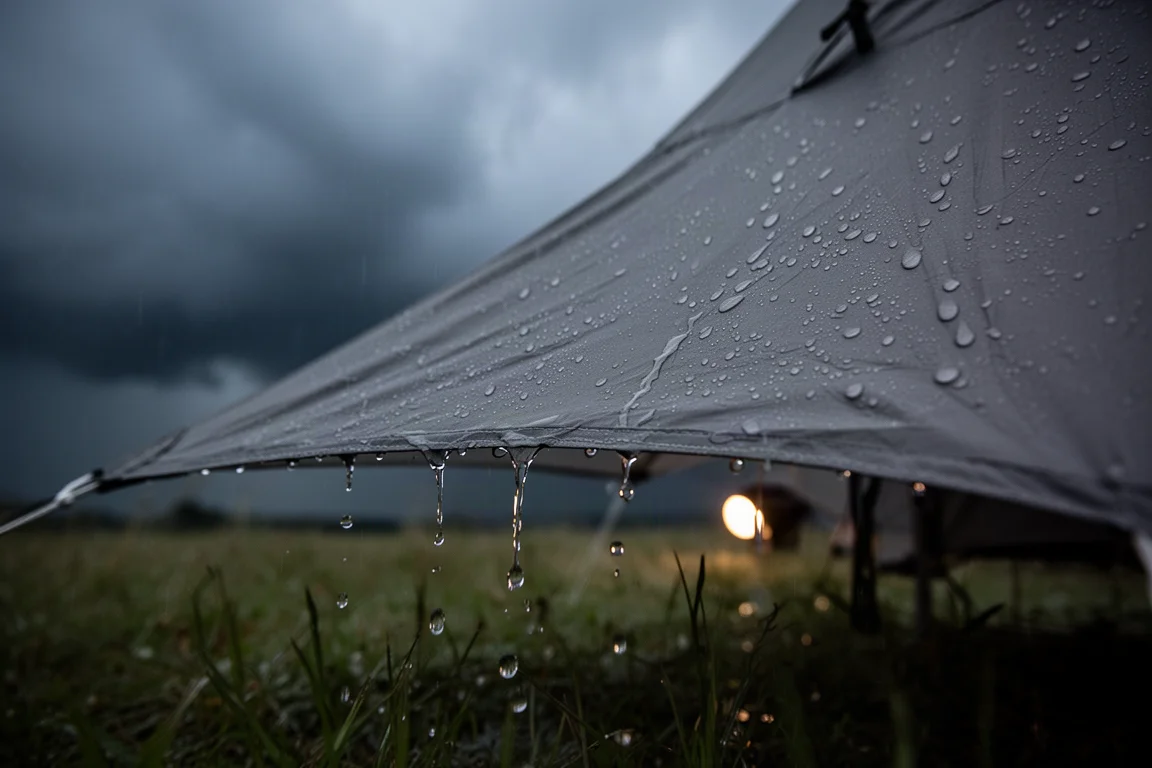
Ventilation and condensation control are the other areas to confirm in the field. The design points in the right direction, but the mesh-heavy approach and the deep vent lips have not yet been verified across a full range of weather.
Buying Advice
At $300 retail, the Kota 8 undercuts what its footprint would normally suggest. No discount was available at the time of writing, so $300 is the figure to budget for.
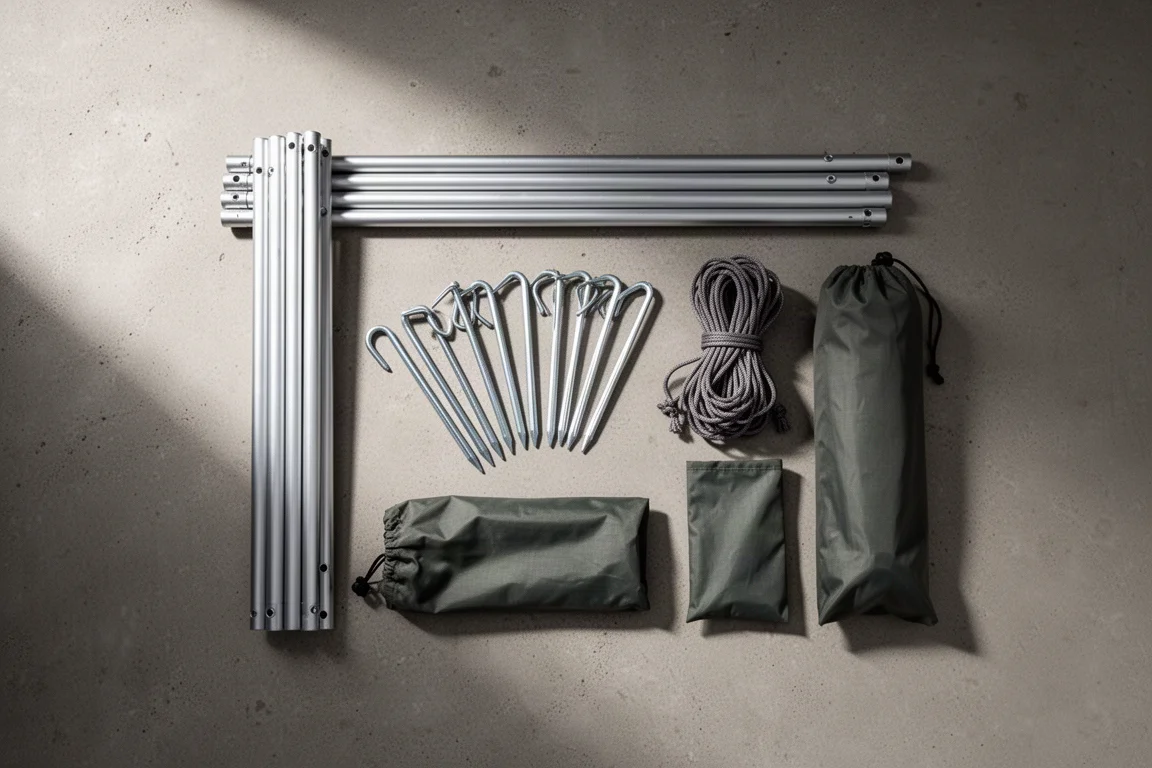
The box includes four poles, the rainfly, the tent inner, 15 tent stakes, eight guylines, one compression strap, a storage bag for the tent, a storage bag for the poles, and a storage bag for the stakes and guylines. That is a complete kit, with the awning poles as the only meaningful gap.
Buyers should decide which Kota they actually need before committing. The eight-person model is the warm-weather, airflow-focused option. Anyone who wants a single shelter that can handle a wood stove in winter should be looking at the hybrid model in the range instead.
The Bottom Line on the Kota 8
The Kota 8 delivers on its core promise. It is enormous, it is remarkably well made for a tent of this size, and the mesh-heavy construction should make it one of the more comfortable places to sleep on a hot night. Setup is simple enough for one person, and the two large doorways make the interior genuinely liveable rather than just spacious.
The remaining caveat is waterproofing on the internal window panels. Given how far tent construction has come, the expectation is that they will hold, but that is the detail to watch once real rain testing is done.
Conclusion
If you need a large, airy, three-season tent and your camping happens in warm conditions, the Nature Hike Kota 8 is an easy tent to recommend on design, build quality, and price. If you need winter capability or a stove, this is the wrong model in an otherwise strong lineup. Match the tent to the season and the value is clear.
Product link
View more details for Nature Hike Kota 8
This product is mentioned in the review. Check the specifications, options, and compatibility before buying.
View more details for Nature Hike Kota 8Further reading
Related Reviews
Camping Tents
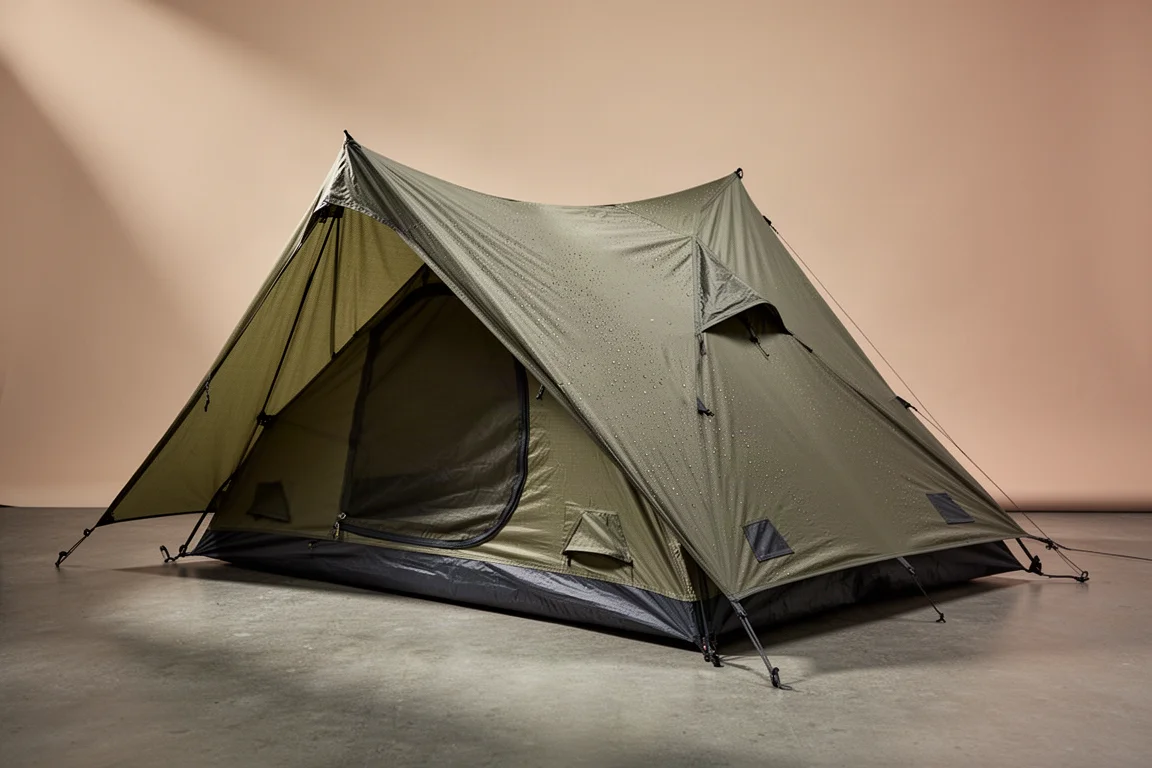
3F UL Gear Taiji Two-Person Tent Review: Field Waterproofing Results and Buying Advice
The Taiji pairs an attached fly with a removable inner, but sustained rain exposed untaped vent seams that need sealing before this shelter can be trusted.
Camping Tents
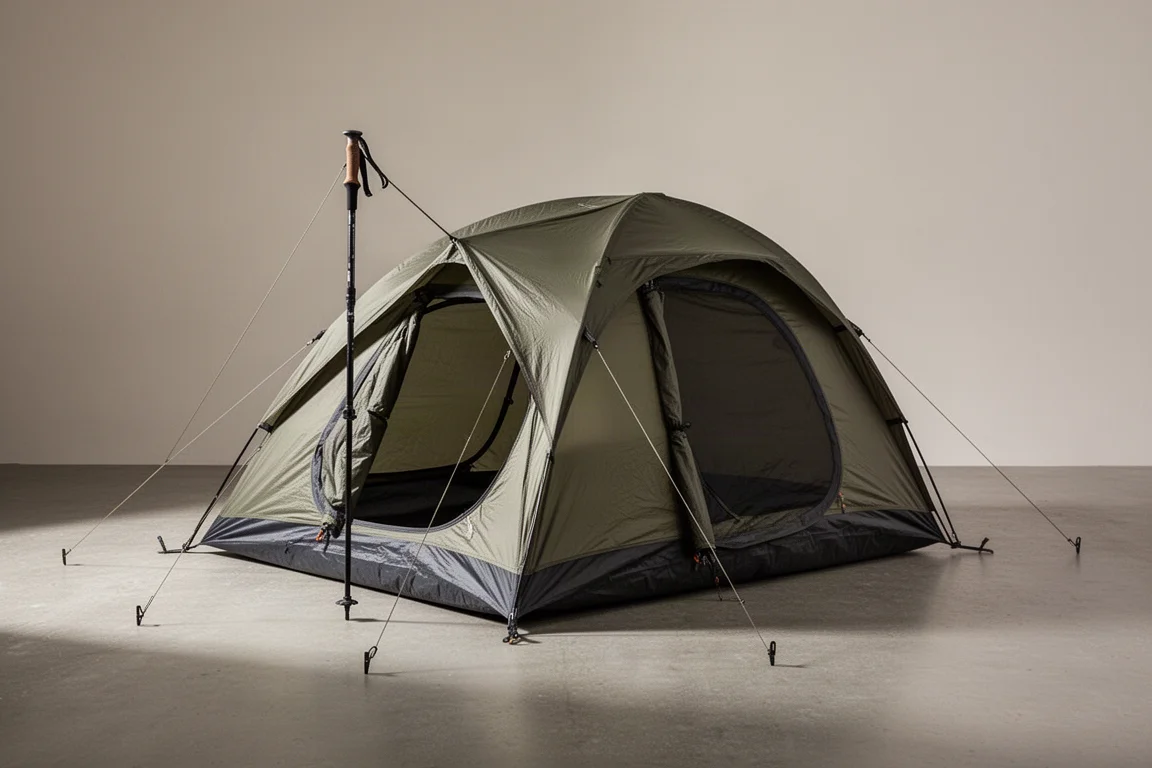
3FUL Gear Lanshan 2 Pro 4-Season Review: A Sub-$200 Single-Wall Trekking Pole Tent
An early look at the 3FUL Gear Lanshan 2 Pro 4-Season, covering its straightforward pitch, generous interior space, and the condensation and seam-sealing questions that come with any single-wall shelter.
Camping Tents
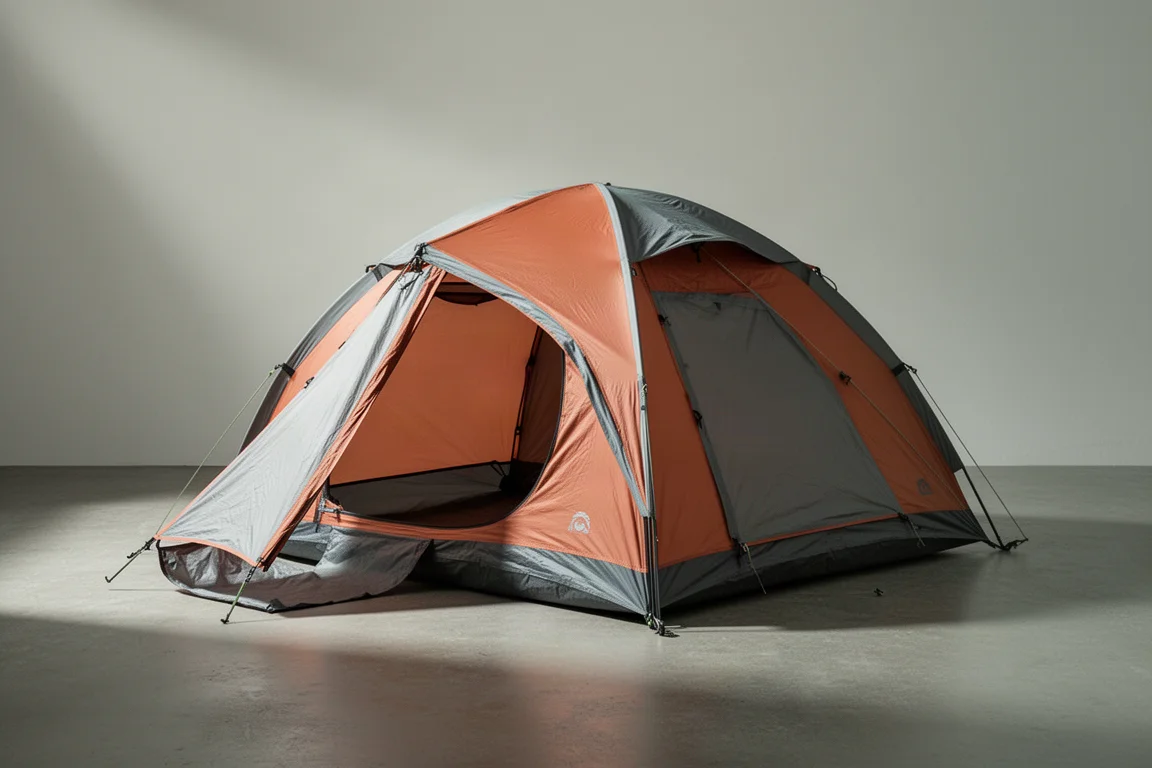
Alps Mountaineering Lynx 1-Person Tent Review: Big Value in a Small Budget Tent
A close look at the Alps Mountaineering Lynx 1-Person Tent, covering real interior dimensions, materials, setup time, ventilation limits, and who should buy it.