Camping Tents
Nature Hike Cloud 2 Review: A Compact Two-Person Tent Tested in Multi-Day Rain
A close look at the Nature Hike Cloud 2, a lightweight two-person tent that stays dry in sustained rain but falls well short of its four-season claim.
Introduction
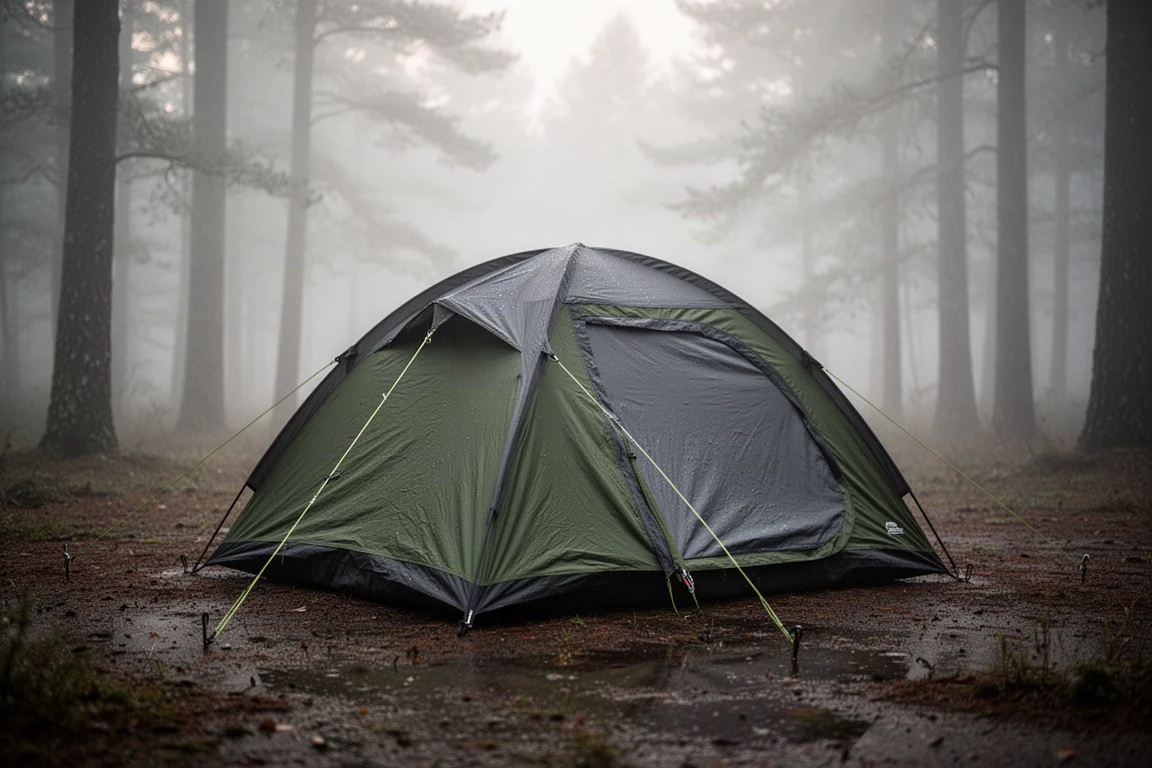
The Nature Hike Cloud 2 is a two-person tent with a genuinely compact packed form and a very low weight for its size. It is sold as a four-season shelter, and that claim deserves scrutiny: the design leans heavily on mesh, the aluminium poles are notably thin, and the supplied stakes are small. What the tent does deliver, convincingly, is weather protection in sustained rain. Across a multi-day test in North Carolina, with more than an inch of rain falling and wind arriving overnight, the interior stayed completely dry.
This review covers where the Cloud 2 performs well, where it falls short, and which buyers it actually suits.
Who This Product Is For
The Cloud 2 makes the most sense for three-season campers who want a small, light two-person tent at a budget-friendly price. The form factor is the standout: it packs down small and is easy to carry, which matters for backpackers and car campers who do not want bulk.
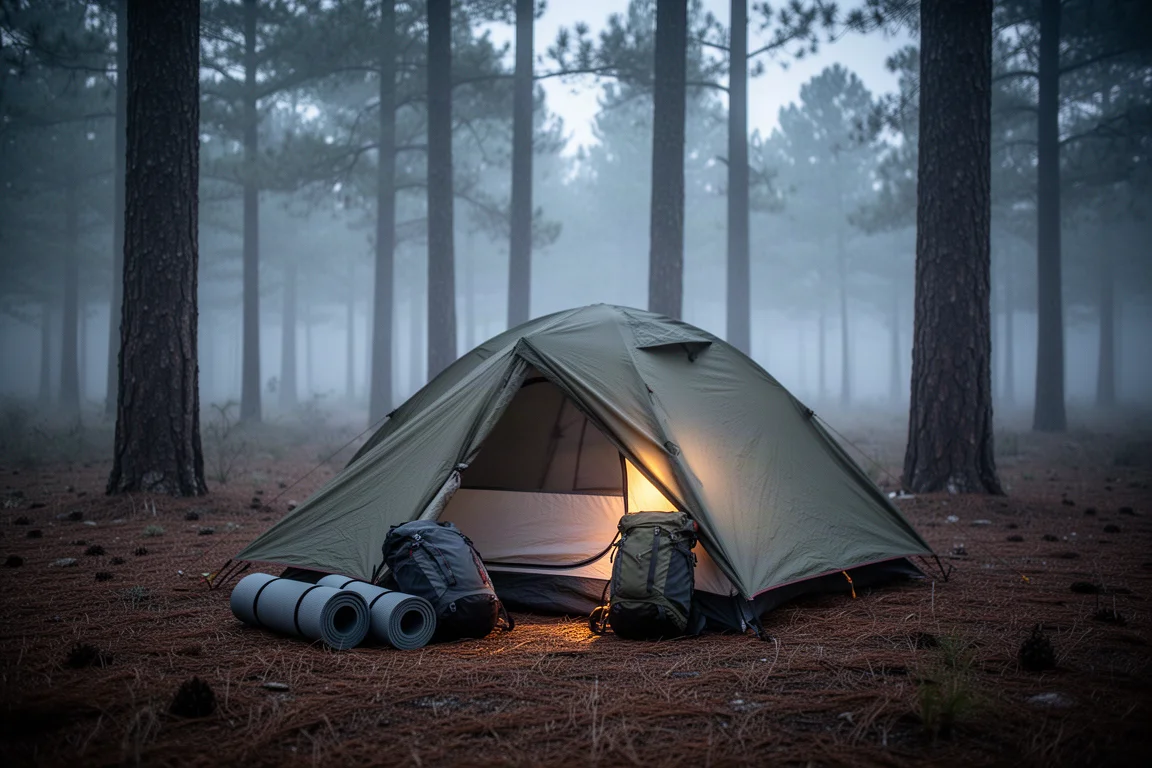
It is a less obvious fit for winter mountaineering, snow loading, or exposed ridgelines. The poles are among the thinnest around, the stakes will not hold in snow or sand, and the ventilation design works against cold-weather condensation control. Buyers looking for a genuine four-season shelter should treat the Cloud 2 as a fair-weather and shoulder-season option instead.
Main Strengths
Waterproofing is the headline. After more than an inch of rain, with more falling afterwards, there was no leaking inside the tent. Seam tape and stitching both looked sound, and the fly sheds water reliably.
Overall build quality is good for the money. The materials feel reasonable, and the finish holds up better than some more expensive tents. There were a couple of loose threads on the outside near the door, but nothing structural.
The snow skirt, unusual as it is on a tent this light, does its job of blocking wind and trapping warmth. On a roughly 40 degree night, the interior warmed to around 50 degrees, enough that hands felt hot inside. That is a real benefit in cold, still conditions.
Waterproofing in Multi-Day Rain
Rain arrived early in the morning and continued through the night, paused, then returned the following evening. Through all of it the Cloud 2 stayed dry inside, with no drips, no damp patches on the floor, and no water tracking in along the seams.
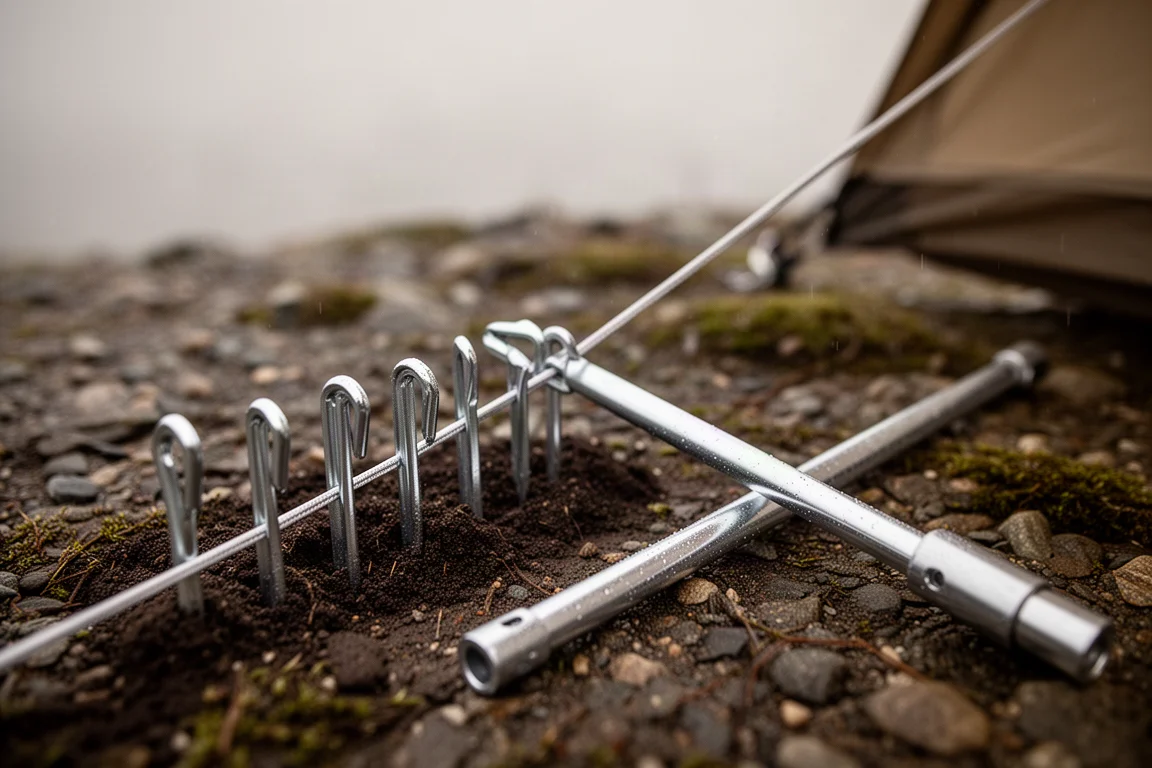
The fly sits well away from the inner body, which is a meaningful design advantage. Even when condensation builds on the fly, that gap keeps the wet fabric off the sleeping area. In still conditions this arrangement works well. In strong wind the fly can be pushed against the wall, which is the one scenario where moisture transfer becomes a concern.
Ventilation and Condensation
Ventilation is the Cloud 2’s weakest area. There is a vent, guy lines that create a small opening under the fly, and some openings around the front, but airflow remains limited overall.
The snow skirt is the main culprit. It runs almost to the ground all the way around, blocking the breeze but also blocking the airflow that a four-season tent normally keeps behind its fabric. The result is a shelter that neither holds heat efficiently nor breathes properly.
Condensation is the predictable consequence. After a windy night, the fly was heavily coated in moisture, and at one point the entire wall was soaking wet where wind pressed the fabric against the body. A better-ventilated design would not have collected that much water.
Four-Season Claims and Winter Limits
The four-season label does not hold up. There is too much mesh across the top for a true winter shelter, and the design sits closer to a three-plus-season tent.
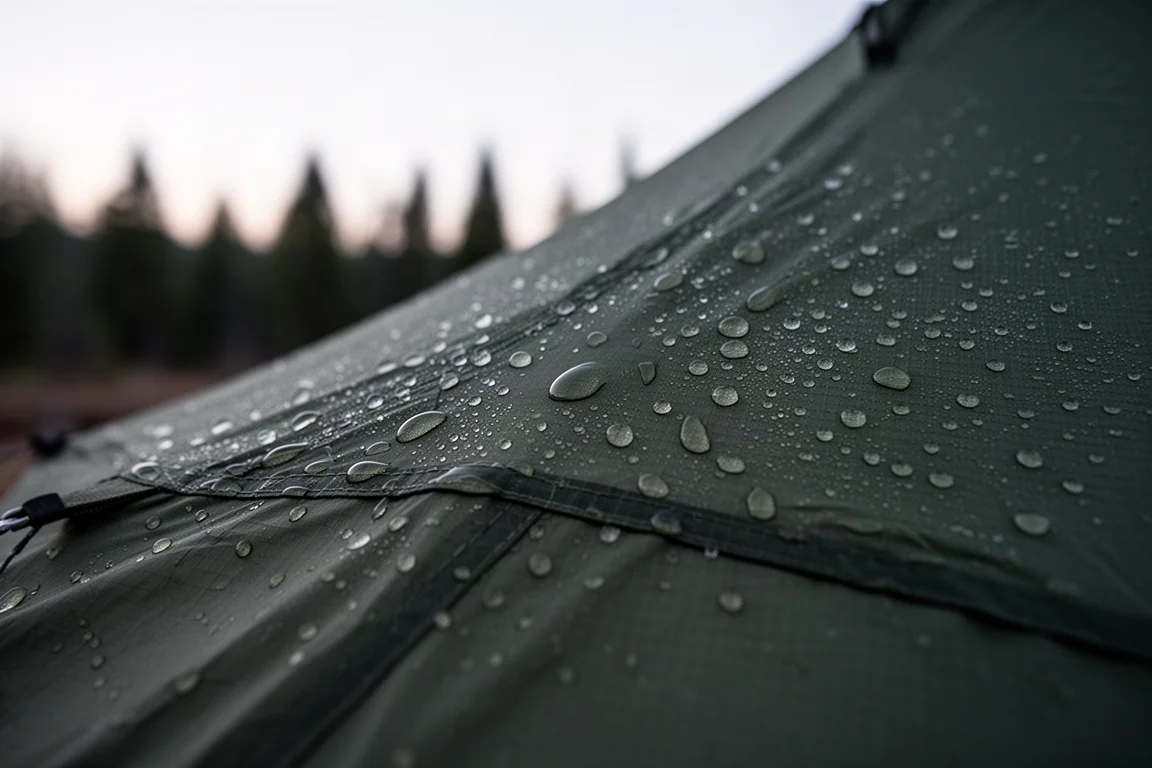
The practical implications are worth spelling out. Snow loading is not something this tent should be asked to handle, and strong winds are a genuine risk given the pole diameter. The fly does not attach to the poles, which further limits how rigid the structure becomes in poor conditions. Winter camping in calm, cold weather is possible, but taking the Cloud 2 into a real storm would put a lot of trust in a very inexpensive shelter.
If the snow skirt were removed, the ventilation picture would improve considerably. Buyers who want a version without it should look for one, or consider that modification themselves.
Things to Consider Before Buying
The zipper is the most persistent annoyance. It snags frequently, the pull is awkward to use, and the storm flap catches in the teeth, especially when wet. Replacing the pulls with cordage is a simple fix that makes the door far easier to live with.
One stake point arrived without its tie-off material, and the supplied stakes are small enough that they will not hold in soft ground, snow, or sand. Upgrading them is a reasonable extra cost to plan for.
Packing expectations matter too. This is a small two-person tent, so two adults with gear will find space tight, and taller campers should check the interior dimensions before committing.
Buying Advice
For three-season camping, the Cloud 2 has a clear place. It is light, compact, waterproof in sustained rain, and priced for budget-conscious buyers. Campers who want a small shelter for spring through autumn, and who mostly pitch in sheltered sites, will get real value here.
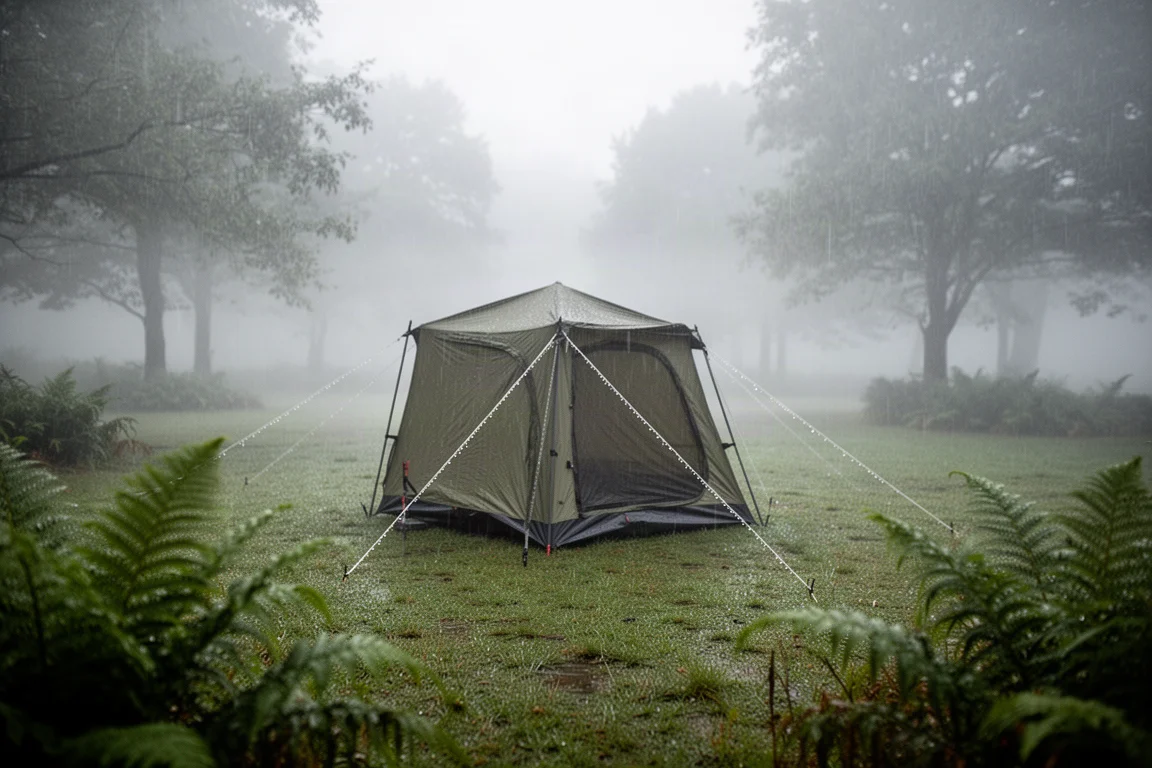
For winter use, the answer is different. The marketing describes a four-season tent, but the mesh body, thin poles, and small stakes tell another story. Buyers who need a shelter for snow, high winds, or genuine alpine conditions should spend their money elsewhere. Treat the Cloud 2 as what it is: a capable, affordable three-season tent rather than a winter one.
Conclusion
The Nature Hike Cloud 2 is an unusual design that gets the fundamentals right and the seasonal rating wrong. Its waterproofing and compact form make it a strong choice for three-season trips, while its limited ventilation, thin poles, and condensation build-up rule it out for serious winter use. Buyers who match the tent to the conditions it was built for will be pleased with it.
Product link
View more details for Nature Hike Cloud 2
This product is mentioned in the review. Check the specifications, options, and compatibility before buying.
View more details for Nature Hike Cloud 2Further reading
Related Reviews
Camping Tents
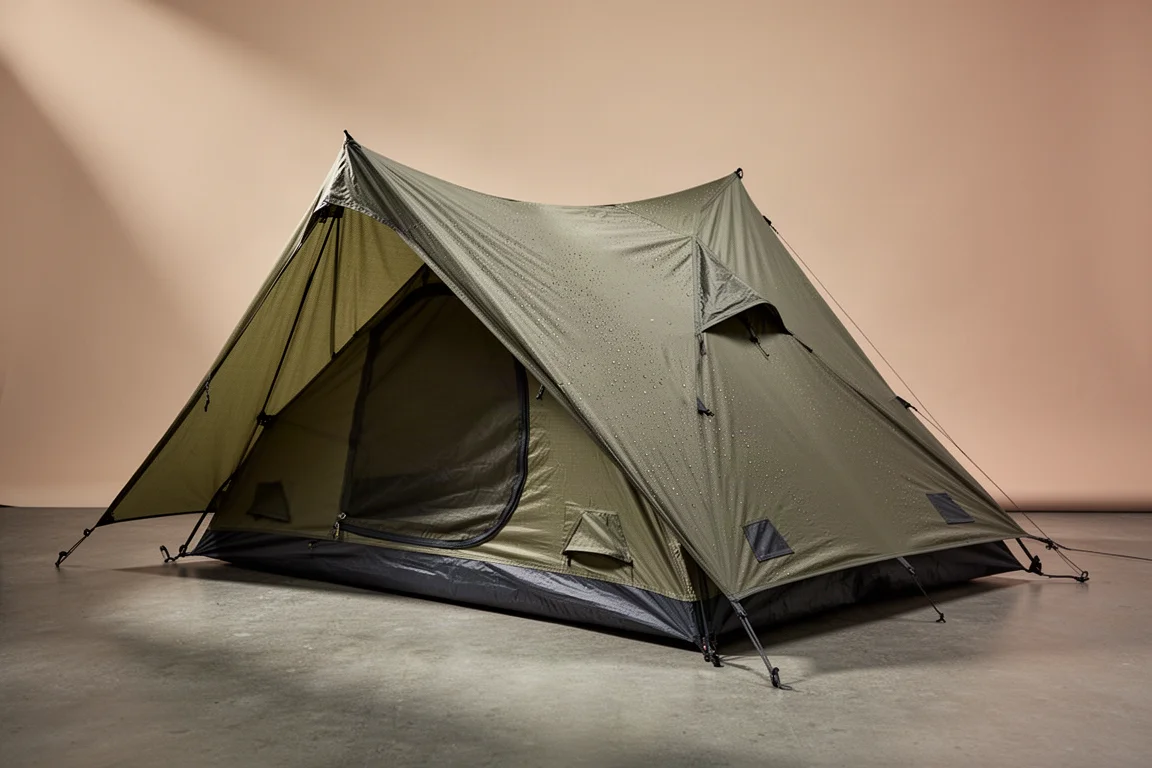
3F UL Gear Taiji Two-Person Tent Review: Field Waterproofing Results and Buying Advice
The Taiji pairs an attached fly with a removable inner, but sustained rain exposed untaped vent seams that need sealing before this shelter can be trusted.
Camping Tents
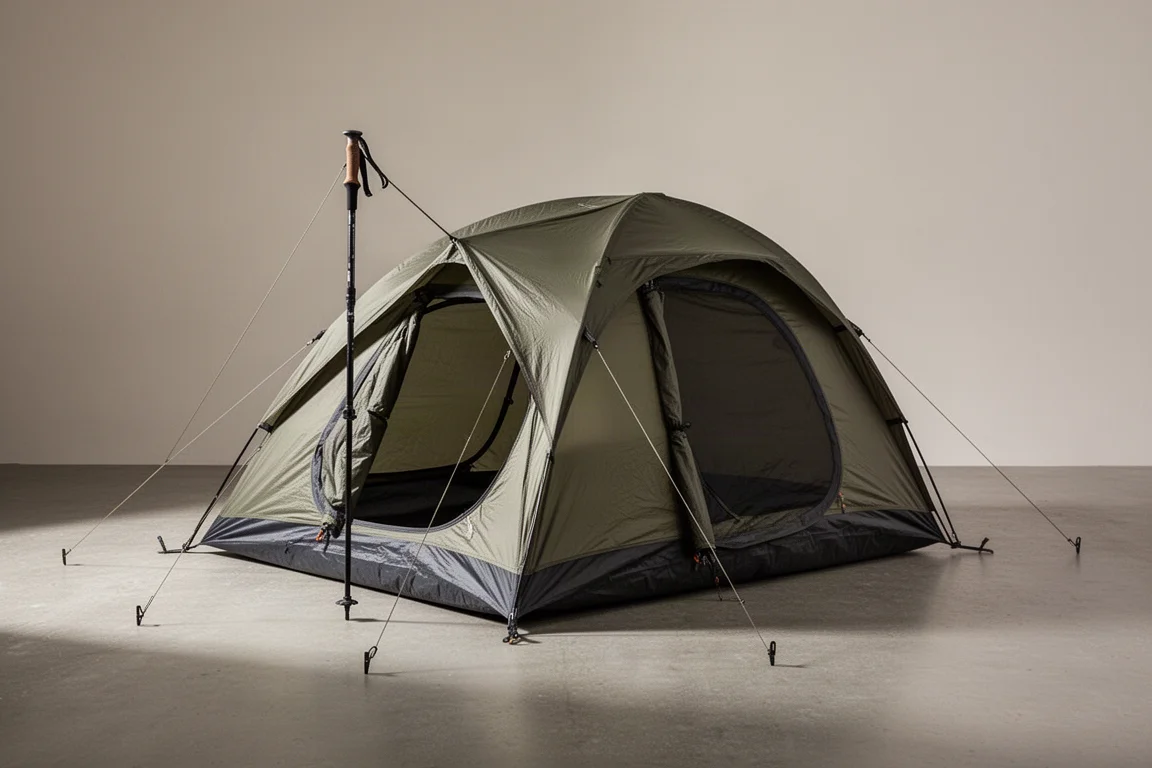
3FUL Gear Lanshan 2 Pro 4-Season Review: A Sub-$200 Single-Wall Trekking Pole Tent
An early look at the 3FUL Gear Lanshan 2 Pro 4-Season, covering its straightforward pitch, generous interior space, and the condensation and seam-sealing questions that come with any single-wall shelter.
Camping Tents
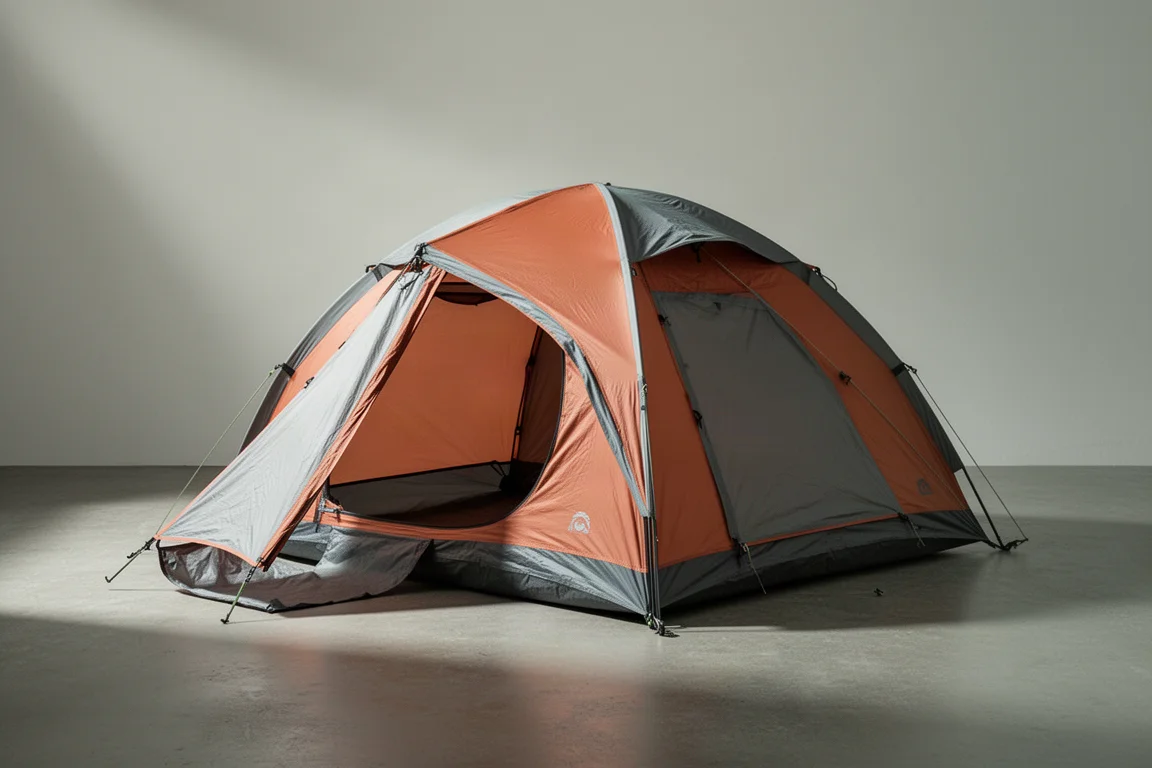
Alps Mountaineering Lynx 1-Person Tent Review: Big Value in a Small Budget Tent
A close look at the Alps Mountaineering Lynx 1-Person Tent, covering real interior dimensions, materials, setup time, ventilation limits, and who should buy it.