Cycling Components
Narrow Road Handlebars: How Narrow Is Too Narrow?
A practical look at narrow road handlebar widths, the aerodynamic gains, the handling trade-offs, and two real-world bars at opposite ends of the spectrum.
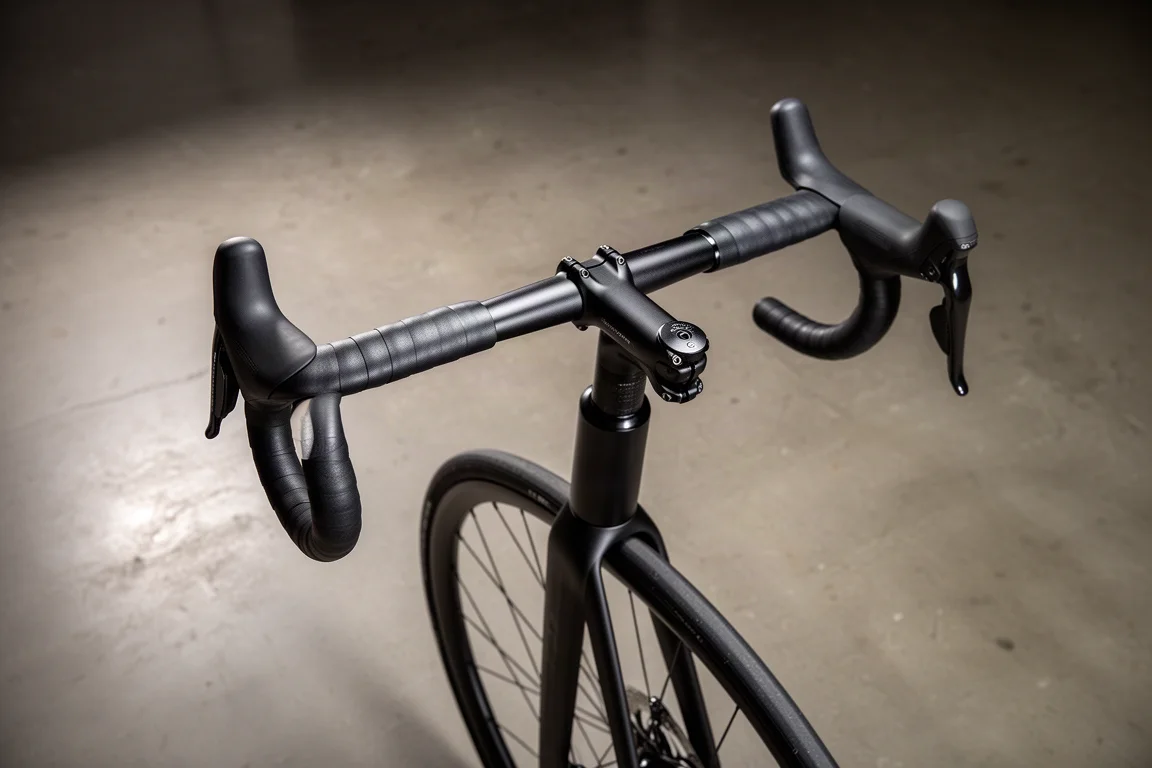
Introduction
Road handlebar width is one of the few contact points on a bike that can be changed for relatively little money, and it has a measurable effect on both aerodynamics and the way a bike steers. Narrow bars have moved from track bikes into mainstream road builds, and the obvious question follows: how narrow is too narrow?
This guide covers what counts as a narrow bar, how width is actually measured, the aerodynamic case for going narrower, the handling trade-offs that come with it, and two real bars that sit at opposite ends of the spectrum.
What Counts as a Narrow Road Handlebar
There is no industry-wide definition, but standard road handlebar sizing sits at roughly 40 to 44 cm. On that basis, a narrow handlebar is anything under 40 cm, and a wide handlebar is anything over 44 cm, since that falls outside the standard range.
Width usually scales with frame size. Smaller bikes commonly come with 40 cm bars, medium frames with 42 cm, and larger frames with 44 cm or wider.
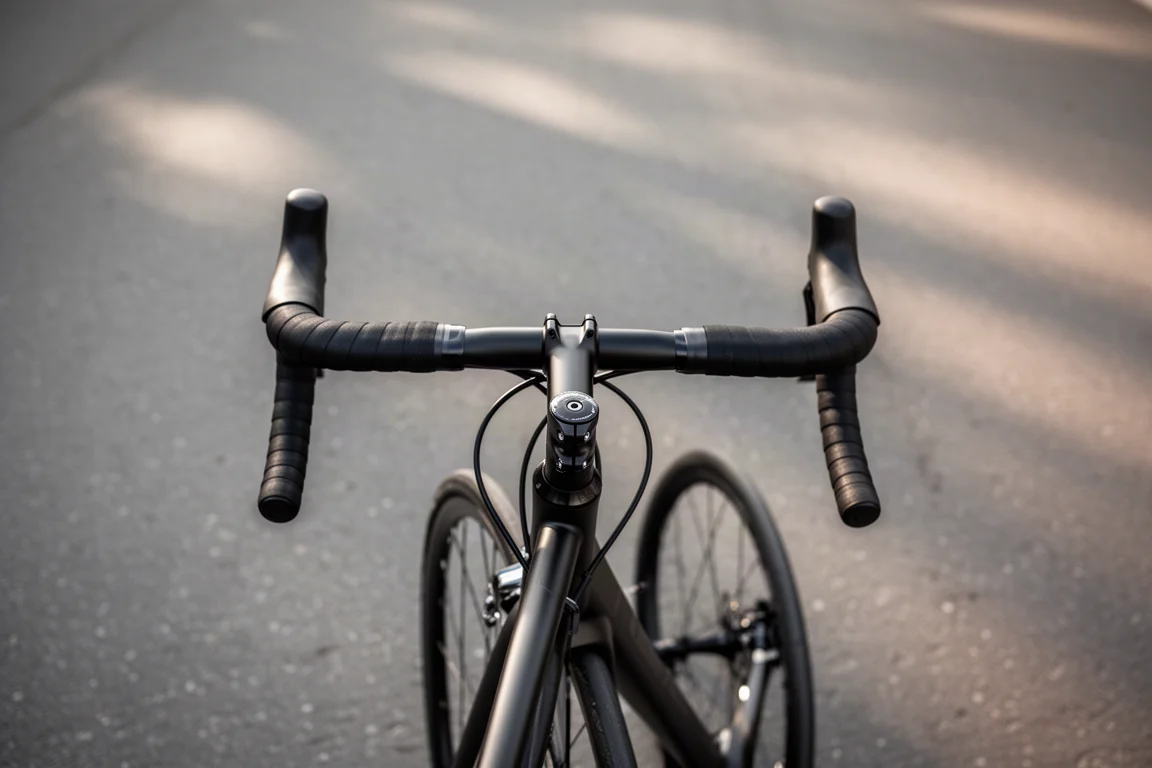
That scaling is worth keeping in mind, because a rider on a small frame may already be on what many would call a narrow bar without having chosen one deliberately. The width that arrives with a bike is a starting point, not a recommendation.
How Handlebar Width Is Measured
Handlebar width is normally defined as the distance between the brake lever mounting points, measured from the centre line of each drop. Some brands, Deda among them, measure from the outside edge of the bar on one side to the outside edge on the other.
That difference matters when changing brands, because two bars with the same nominal figure can feel noticeably different once they are on the bike. It is worth checking the measurement standard before buying.
Why Narrow Handlebars Can Make You Faster
The rider’s body is the largest single source of aerodynamic drag in the rider plus bike system, so narrowing the arms narrows the frontal area. Aerodynamics specialist Xavier Disley puts the gain at around half a watt per 10 mm at 30 km/h, rising to roughly 2 watts per 10 mm at 45 km/h.
Put into context, going from a 42 cm bar to a 38 cm bar is worth around 7 to 8 watts at 45 km/h. That is broadly comparable to swapping an 80 mm rear wheel for a disc wheel on a time trial bike, which makes it a cost-effective change on a fast road bike.
Track cyclists at the Tokyo 2020 Olympic Games pushed this idea to its limit. For slower riders the absolute saving is smaller, but a slower rider also spends longer on the course, which gives the saving more time to accumulate.
How Narrow Handlebars Affect Handling
Handling comes down to two factors: steering torque and force input accuracy.
Steering torque is how much force is needed to turn the bar by a given amount, and wider bars work as longer levers. Comparing a 42 cm bar with a 26 cm bar, the turning circle shrinks by roughly 20 percent, so a narrow bar needs more effort to steer and becomes tiring if the route demands a lot of steering input. Riders adapt to this to a degree, and a longer stem or more handlebar reach can enlarge the turning circle enough to offset it.
Force input accuracy describes how precisely a steering input is translated into the bar. The ends of a wider bar travel further for the same input, which slows steering and makes it easier to avoid over or under steering. A narrower bar shortens that travel by around 20 percent, so the response is quicker but also more prone to variation. Riders who push and pull on the bars a lot will notice it most.

The practical guidance is that narrow handlebars suit a steady riding style and more experienced riders. Riders with less strength or less refined bike handling are generally better served by a slightly wider bar.
The Narrowest Test: Worx Track Handlebars
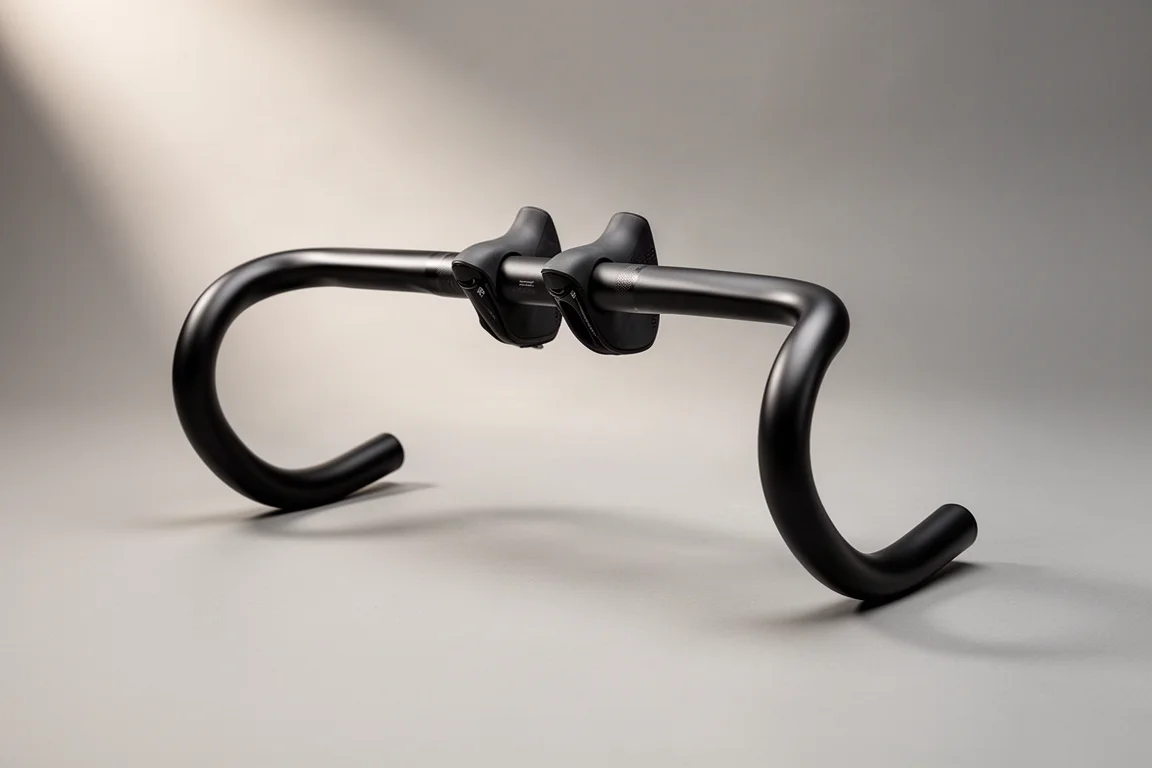
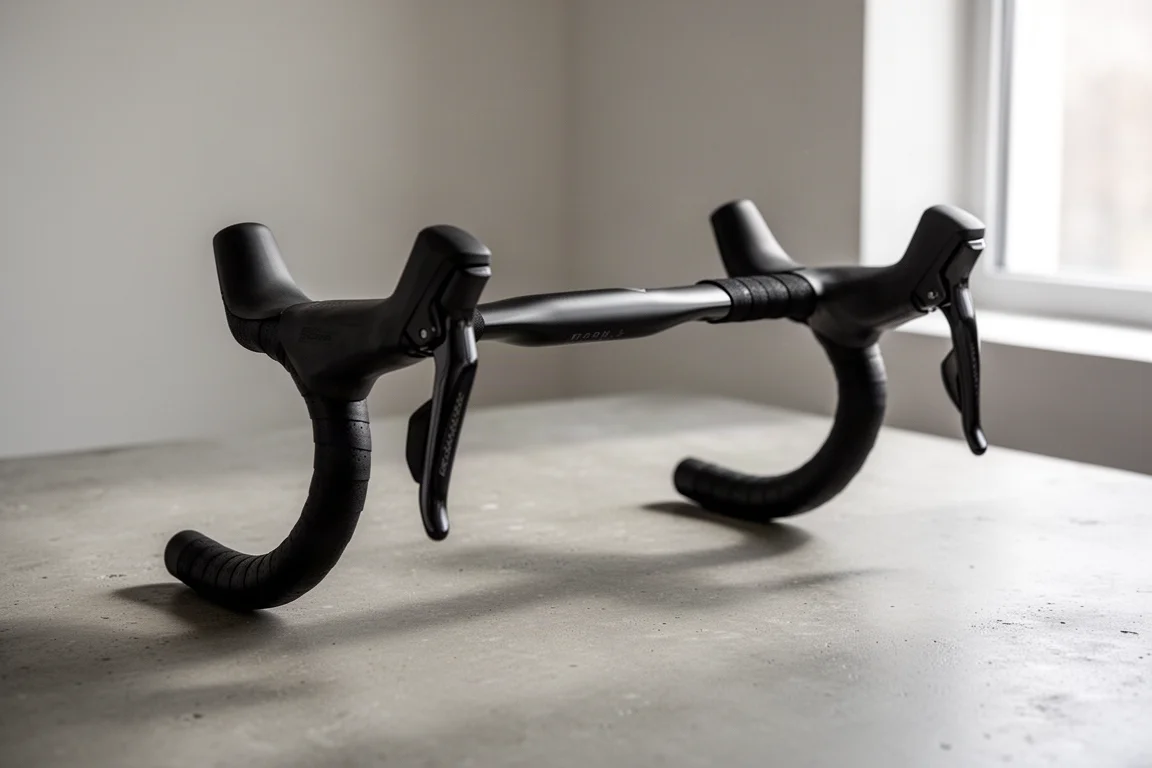
The Worx Track handlebars measure just 26 cm at the brake hoods and 33 cm at the drops, which makes them about as narrow as a drop bar gets. They also have flared drops, so the position at the drops is wider than the position at the hoods.
On flat and rolling roads the aerodynamic position is noticeably better, which is expected. The surprise is how ordinary they feel. After about ten minutes the bike stops feeling strange, largely because a road bike is steered more by leaning and counter-steering than by large movements of the hands, so steering torque and force input accuracy do not come into play as often as the numbers suggest.
The flared drops are genuinely useful. At 33 cm they are still narrow, but the extra width and the more accurate force input compared with the hoods add stability when descending at speed. These are not bars for a rider who wants an upright, relaxed position, and the very narrow hood spacing is a long way from what most riders are used to.
What to Consider Before Going Narrower
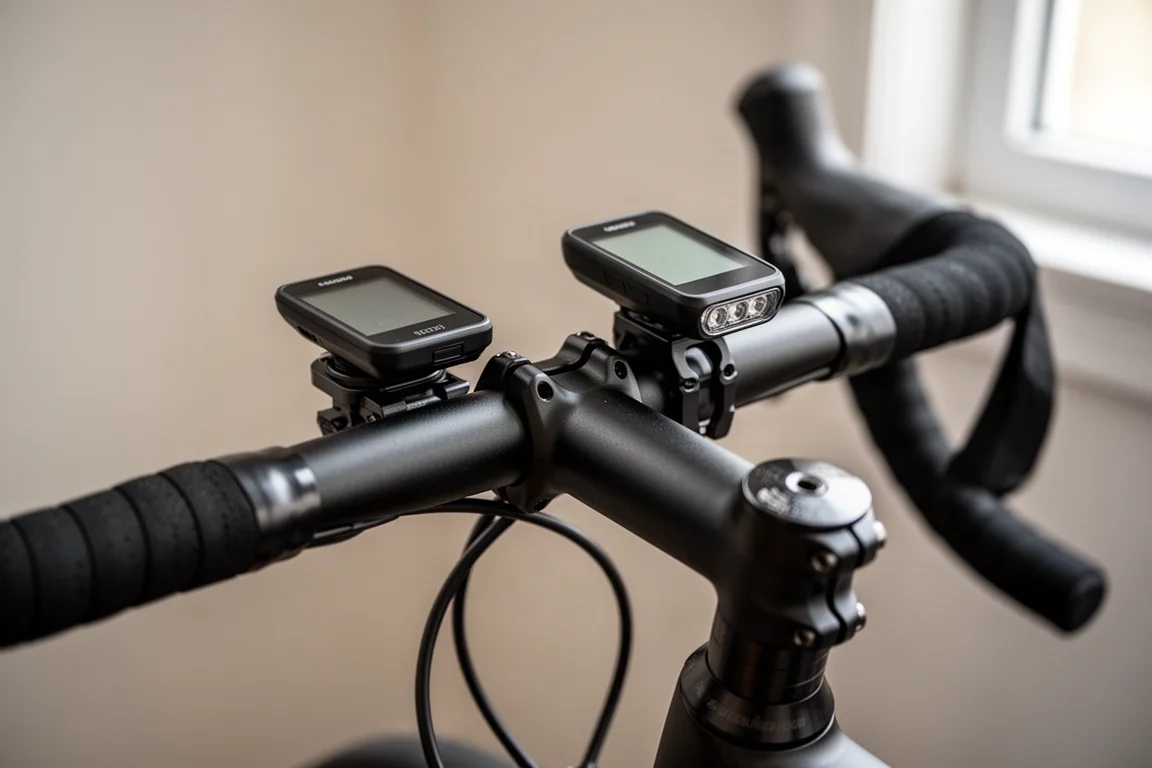
The most obvious drawback is the loss of space on the tops. On a very narrow bar the tops hand position effectively disappears unless the hands sit right against the stem, and there is little room for handlebar-mounted accessories such as computers and lights.
Climbing out of the saddle on steep gradients is also less comfortable, because the hands are much closer together and more upper body strength is needed to stabilise the bike. That can be worked around with easier gears and more seated climbing, but it depends on how low the gearing goes and how steep the terrain is.
The aerodynamic ceiling is tempting. AeroCoach track testing recorded an 11.3 watt saving at 45 km/h when moving from 38 cm to 28 cm bars, with larger savings at higher speeds. That is a track result, and it says more about the direction of travel than about what a road rider should fit.
Integrated bar and stem designs add another consideration, because replacing them is considerably more expensive and can create installation headaches, which reduces the value case for an upgrade.
A Practical Alternative: Rose Race Attack GF Aero Bar
The Rose Race Attack GF Aero Bar is a useful counterpoint to the extremes. In a 36 cm size it offers a 36 cm hood position with 40.5 cm at the drops, so the hoods are very narrow while the drops stay usable.
It does without internal cable routing, and the drops are not the traditional bend shape that some riders prefer. Against that, it cost just 23.95 euros, which made it a bargain at the time of purchase, before Rose stopped selling bikes and parts to the UK.
For riders who want the aerodynamic benefit of a narrow hood position without going to a track bar, this is the shape of a sensible compromise. Bars in the 36 to 40 cm range are unlikely to cause handling problems for the majority of cyclists, provided the fit works, and they should make a rider slightly faster for no extra effort. On an aero road bike or any fast build, that is an easy upgrade to justify.
How Narrow Is Too Narrow?
At 26 cm at the hoods, the Worx Track handlebars are probably too narrow for general road riding. There is no space on the tops for a relaxed upright position, and the bar is race-oriented all of the time, which is a real cost on easy days.
For most riders, 36 to 40 cm is where the practical sweet spot sits. It is narrow enough to bring a measurable aerodynamic benefit, and wide enough that handling, climbing and everyday comfort are not compromised. Anything wider than 36 cm is also unlikely to be a limiting factor for a rider who has no fit issues.
Buying Advice
Start by checking the current width and the measurement standard used by the brand. A rider moving between brands may need to adjust the target figure, because centre-to-centre and outside-to-outside measurements do not match.
Match the width to the riding, not to the maximum possible gain. Riders who spend most of their time on flat and rolling roads and want a faster position will get the most from a narrower bar. Riders who climb out of the saddle often, ride in a relaxed upright position, or are still building confidence in bike handling will be better served by staying slightly wider.
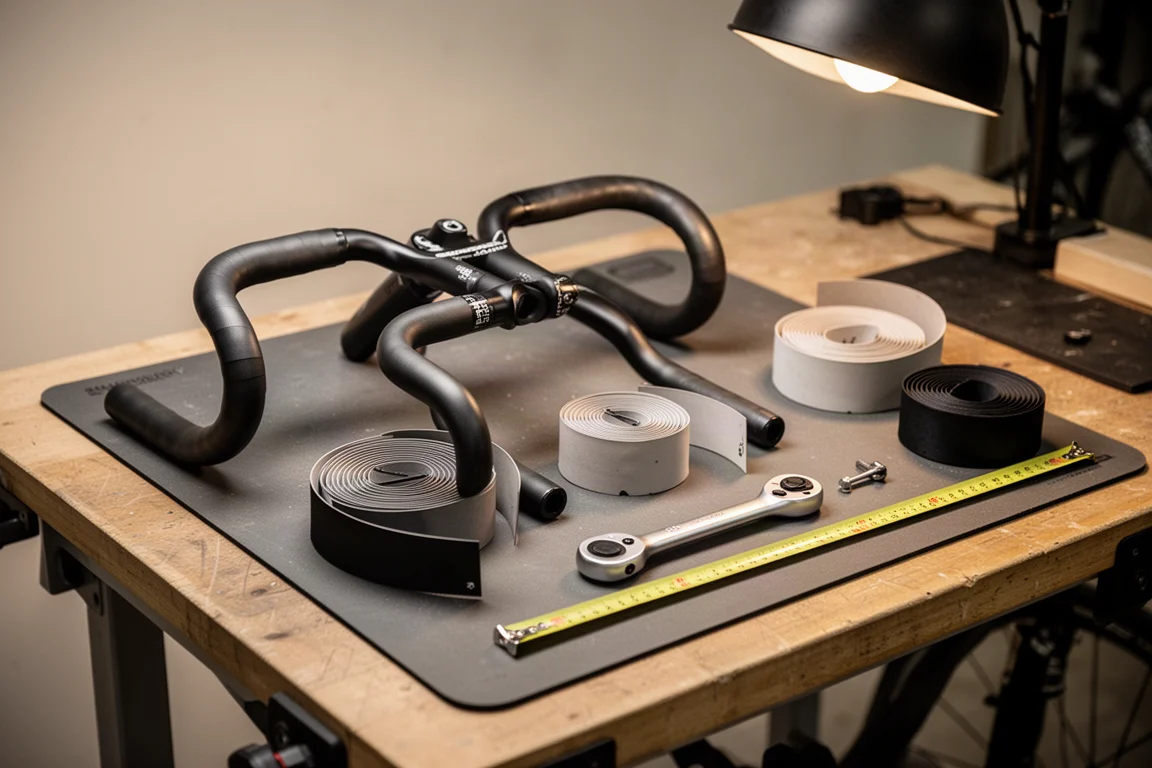
Handlebar-mounted computers, lights and other accessories need to be accounted for as well, since a very narrow bar leaves less room to mount them. Riders on integrated cockpit bikes should weigh the cost and the installation work before committing.
Conclusion
Narrow handlebars are a legitimate and relatively affordable upgrade for riders chasing aerodynamic efficiency. The gains are real, particularly at higher speeds, and most riders adapt to the altered steering feel faster than they expect. The sensible range for the majority sits between 36 and 40 cm, while 26 cm bars remain a track-inspired experiment best suited to experienced riders on flat, fast terrain.
Further reading
Related Reviews
Cycling Components
A 20,000-Mile Budget Race Bike Build: Five Parts Worth Knowing
A rim brake race bike assembled from low-cost components and ridden for 20,000 miles. Here is what delivered real speed, what caused problems, and what to weigh before copying the formula.
Cycling Components
7 Bike Fit Products Fitters Avoid: What to Check Before You Buy
Seven bike components that regularly cause knee, foot and saddle problems, with the specific concerns behind each one and what to look for instead.
Cycling Components
Four Affordable Bike Upgrades That Improve Ride Feel
Four low-cost cycling products that make a real difference to ride feel, plus the free setup changes worth trying first.