Cycling Components
Narrow Handlebars Tested: Do 24-30 cm Bars Really Deliver Aero Gains?
Three handlebars, one wind tunnel: what 24 cm, 30 cm and 36 cm bars actually deliver in drag savings, comfort and control.
Introduction
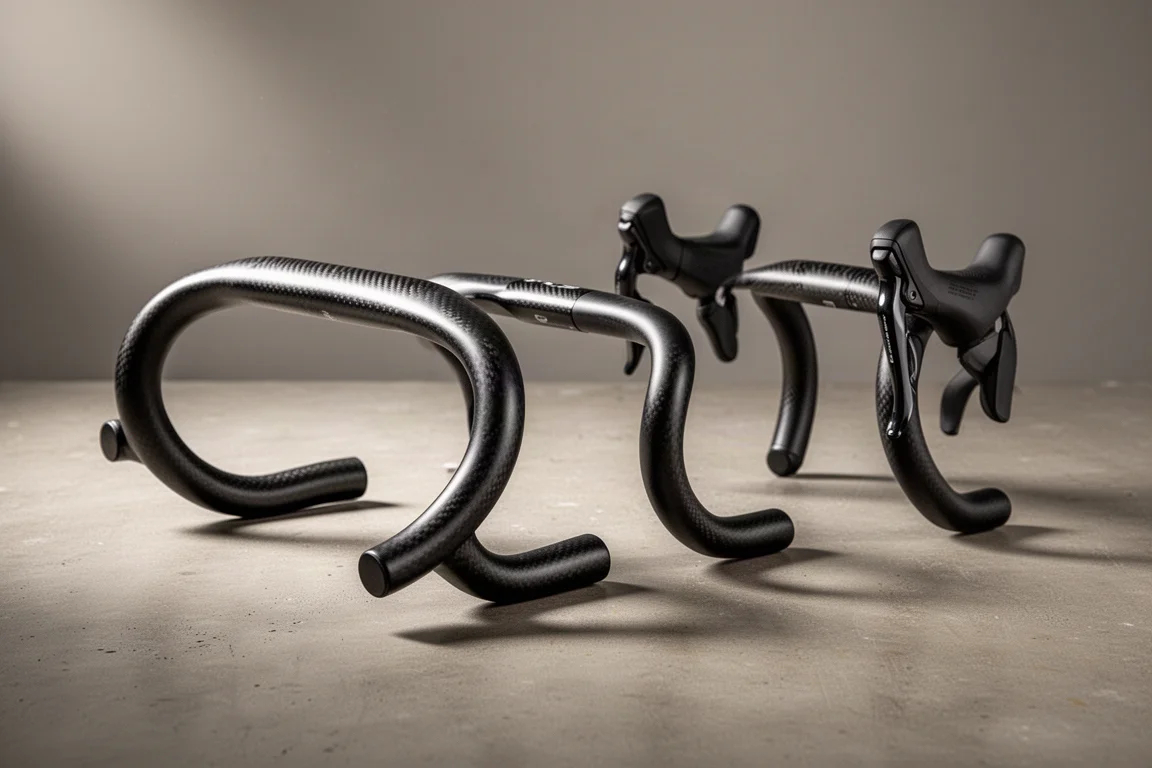
Handlebar width has been shrinking across road racing for several seasons, and the trend has moved well past the point of novelty. Teams have been running custom widths that would have looked unrideable a decade ago, and the appeal is easy to understand: a narrower frontal profile should mean less drag, and less drag should mean free speed. Custom carbon tooling can run into the tens of thousands, which tells you how seriously some teams are treating the question.
The open questions are whether those gains are real and whether the bars stay controllable in a bunch. To find out, three handlebars went into the wind tunnel at the Silverstone Sports Engineering Hub: two from British brand WXR, and a 36 cm Zipp bar as a baseline. The results were larger than expected.
What We Tested and How
The two WXR handlebars come from a brand with deep track cycling roots. WXR has developed handlebars for Team GB and built an entire bike used by the Malaysian track cycling team at the Tokyo 2020 Olympic Games, and it has carried that knowledge across to road design.
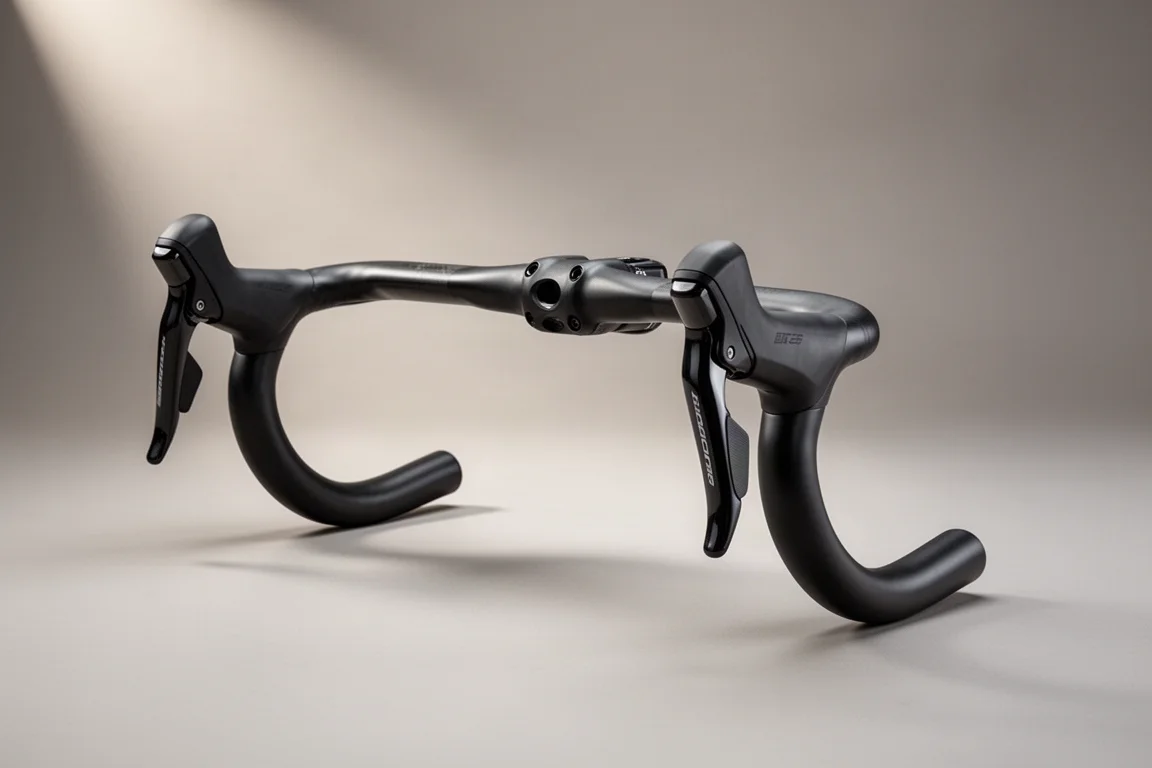
The WXR Narrow measures 30 cm center to center across the tops and 37 cm from edge to edge at the drops. The WXR Super Narrow goes considerably further, at 24 cm center to center at the tops and 35 cm outside edge to outside edge at the drops. Both are UCI legal, because the rules require the widest part of the handlebar, measured outside to outside, to be at least 35 cm.
The baseline was a Zipp bar measuring 36 cm center to center and roughly 39 cm outside to outside. That is a fairly common width in racing and, if anything, it already sits slightly on the narrow side.
Testing covered five body positions, three speeds and three yaw angles. The comfort position, riding on the hoods, was run at 35 and 45 km/h. A more aggressive neutral racing position was run at 35, 45 and 55 km/h. The remaining three positions were run only at the faster speeds of 45 and 55 km/h: an aggressive position with the elbows bent to 90 degrees, the same posture moved down to the drops, and a track-derived super aggressive position with the elbows as low as they will go.
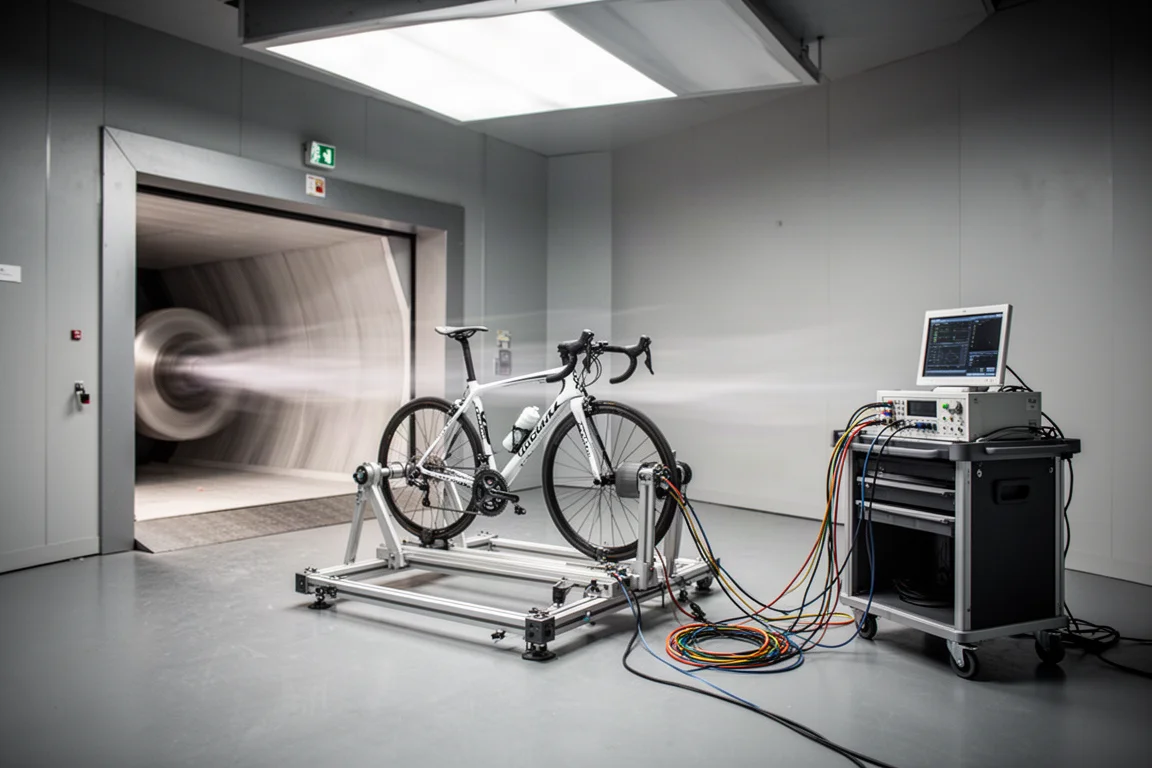
Repetition mattered here. Each configuration was run across multiple yaw angles rather than a single idealized head-on condition, so the numbers reflect wind that shifts as you ride instead of a best-case laboratory figure.
WXR Narrow Handlebars: 30 cm Tops, 37 cm Drops
The WXR Narrow is the more conservative of the two WXR shapes. At 30 cm across the tops it is already far narrower than a conventional road bar, but the 37 cm measurement at the drops keeps the lower hand position wider, which preserves leverage for sprinting and cornering.
In practice the bar surprised us. Despite being significantly narrower than a standard 42 cm handlebar, it felt comfortable, and in the comfort position it was genuinely more comfortable than the wider baseline. Climbing out of the saddle takes a little adjustment, but the adaptation period is short.
Riders with broader shoulders may find that a very narrow bar compresses the chest. A longer stem helps, because it moves the arms forward and out of the way of the chest cavity. That is a fit change worth budgeting time for rather than treating as an afterthought.
WXR Super Narrow Handlebars: 24 cm Tops, 35 cm Drops
The WXR Super Narrow is the most radical shape in this comparison. At 24 cm center to center across the tops it sits right at the edge of what the rules allow once the drops are measured outside to outside at 35 cm.
It is a distinctly different experience to ride. Handling feels noticeably removed from a conventional bar, but it is not the handful that people assume. It was ridden in a criterium around an airfield, and while the corners there were not especially tight, the bar never felt remotely dangerous.
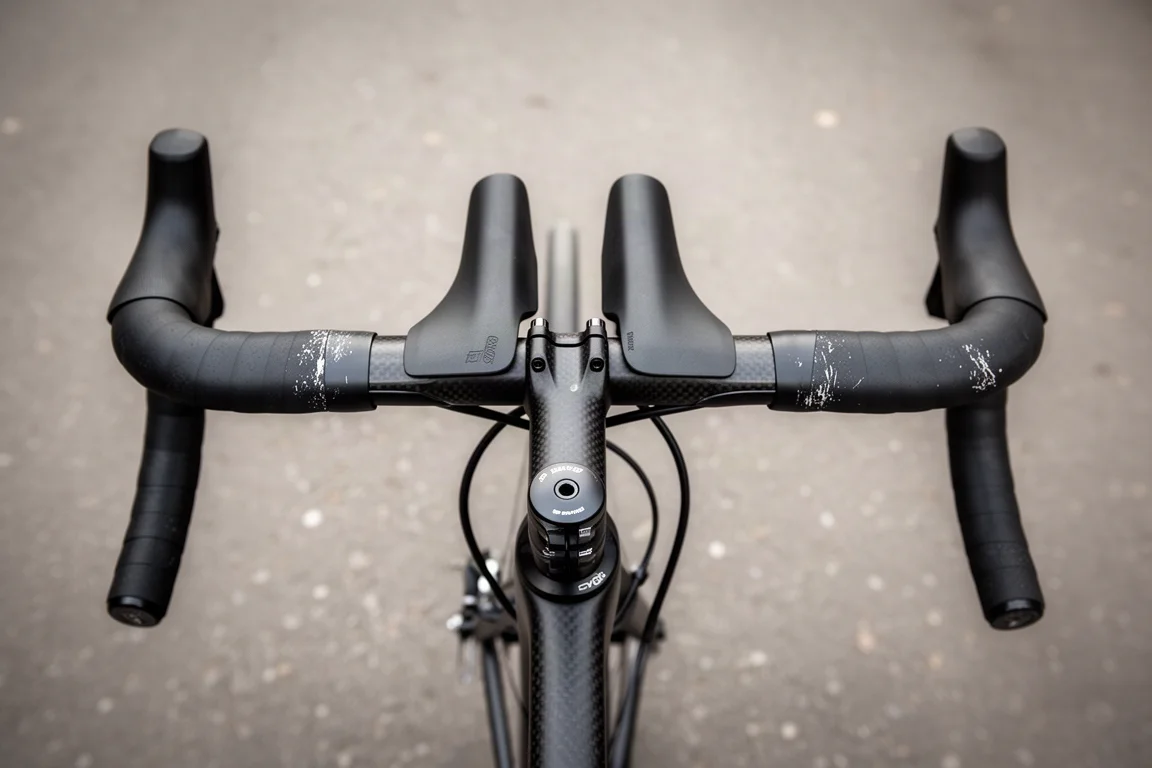
Comfort is where it gives ground. For a wider shoulder width it can feel cramped, and it is best understood as a racing tool rather than an all-day bar. Riders who are prepared to work on position will get more out of it than those looking for a drop-in upgrade.
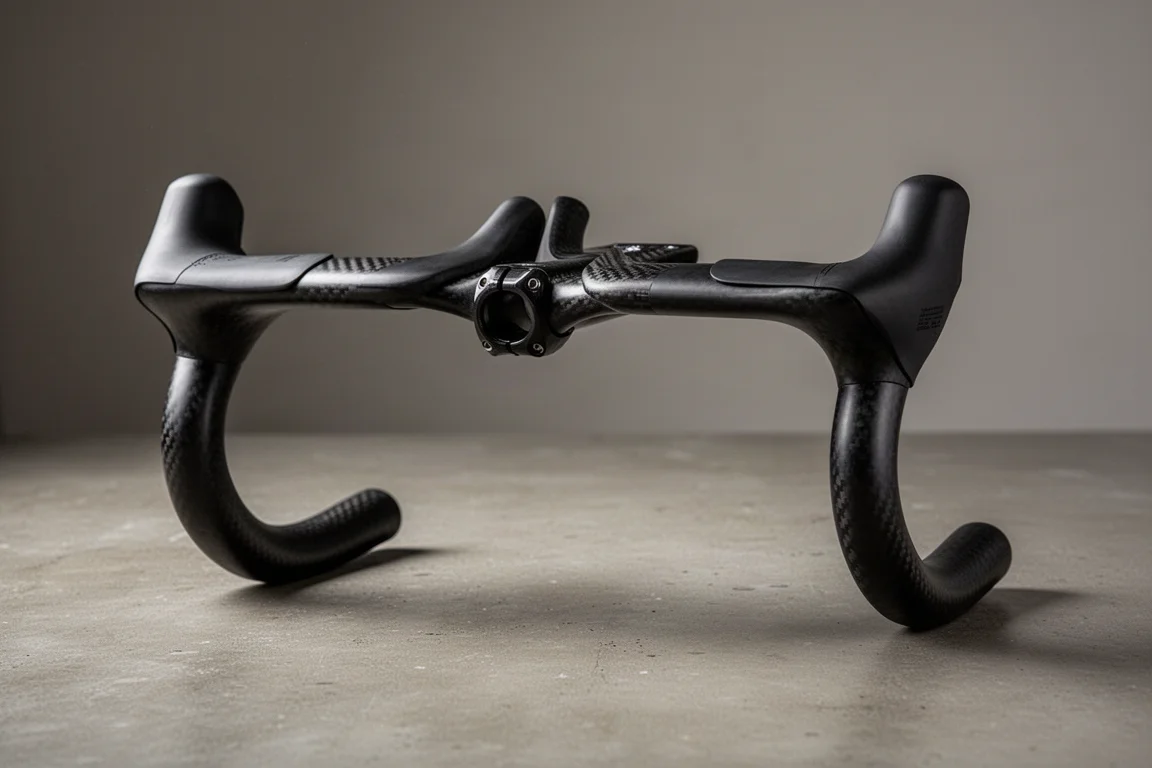
Zipp 36 cm Handlebar: The Baseline Width
The Zipp bar at 36 cm center to center, roughly 39 cm outside to outside, served as the reference point for every run. It represents a width that is already common in racing and slightly narrower than a typical stock road bar.
It is the sensible benchmark for most riders: narrow enough to be aero-aware, wide enough to feel familiar. Every gain the WXR bars produced has to be measured against it, and that context is what makes the numbers in the next section worth reading carefully.
What the Wind Tunnel Numbers Mean
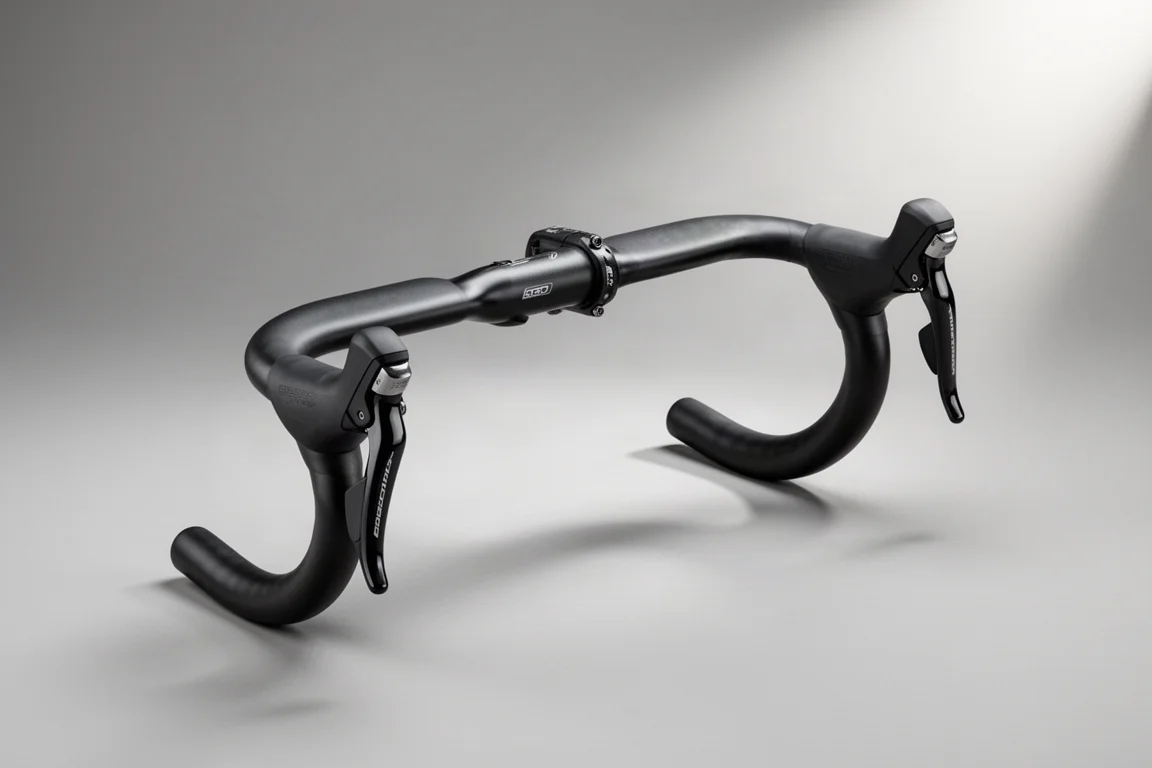
In the comfort position at 35 km/h, swapping from the 36 cm baseline to the 30 cm WXR Narrow produced a 17 watt gain. At that speed, 17 watts is in the order of 10 percent of total power for most riders, which is a substantial return for a component change. The difference in feel between the two bars was minimal.
In an aggressive race position at 45 km/h the saving rose to 34 watts, with body position held constant. That is the kind of margin that can separate riding at threshold from riding in the upper aerobic range.
The ultra narrow bar pushed things further again. At 55 km/h it was in the order of 50 watts better than the baseline. In an optimized aggressive position, with the shoulders brought up and the head tucked, the gain reached about 65 watts over the baseline bar. That last position is not easy to hold, but it responds to training.
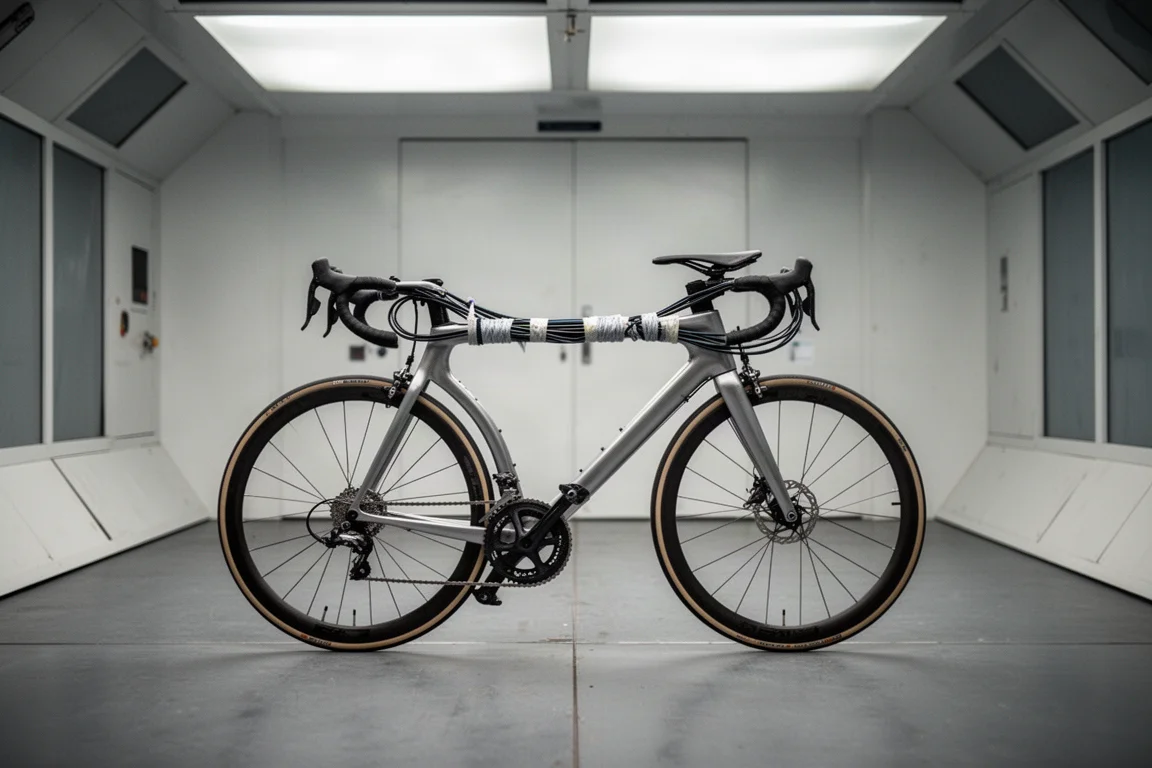
What stands out is that none of these results required a different body position. Simply changing the bar produced the majority of the saving, which is unusual for aero equipment, where gains normally come from combining hardware and posture.
Comfort, Control, and Bike Fit
Comfort varied more between the bars than raw drag did. The 30 cm shape was genuinely comfortable and, in testing, more comfortable than the wider baseline. The 24 cm shape was a clear step back in comfort, cramped for a shoulder width that did not suit it.
Bike fit is the lever that makes narrow bars work. A longer stem opens the chest and lets the arms sit clear of the body, which addresses the most common complaint from broader riders. Time spent on position is not optional if you are moving to a very narrow bar.
Control was less of a problem than expected. Narrow bars carry a reputation for twitchy handling, but the reality is a different feel that takes a short time to trust rather than a genuine safety concern.
How to Choose a Narrow Handlebar
Start with your shoulder width and your riding discipline. If you race, a very narrow flared bar is worth considering seriously, particularly now that rules on tilted-in hood positions are being tightened and width is one of the remaining places to find aero gains. If you ride mostly for fitness and comfort, a 30 cm top section is the more sensible step.
Cost is part of the argument. A new set of carbon wheels can run into the thousands and may deliver around 10 watts at best over an existing carbon pair. A high-level handlebar sits in the low hundreds, and combined with a bit of position work it can return considerably more than that.
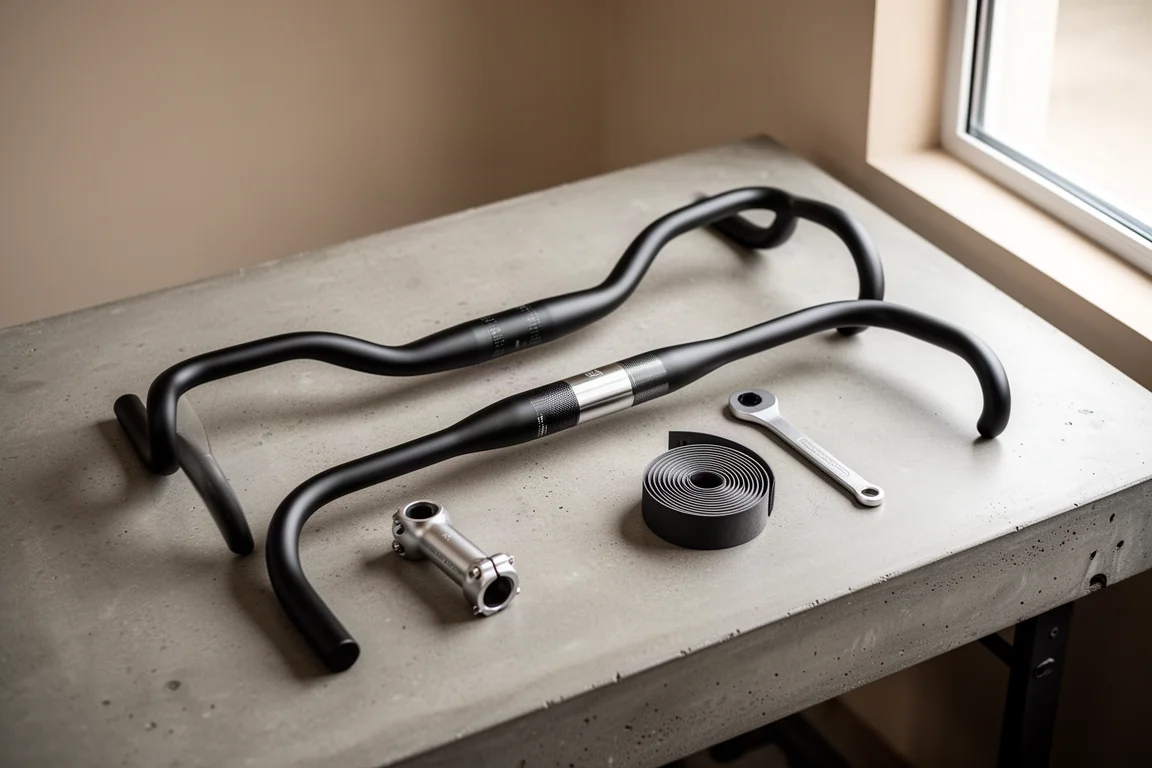
The practical advice is to treat width as a fit decision first and an aero decision second. Get the stem length and reach right, ride the bar for a few weeks before judging it, and let the numbers do the rest.
Conclusion
Narrow handlebars are not a gimmick. In this testing the gains were real, repeatable and larger than expected, and the handling worries turned out to be overstated. The 30 cm WXR Narrow is the practical choice for most riders, the 24 cm WXR Super Narrow is a racing tool for the right shoulder width, and the Zipp 36 cm bar remains a sound reference point for anyone who wants to stay closer to a conventional setup.
Further reading
Related Reviews
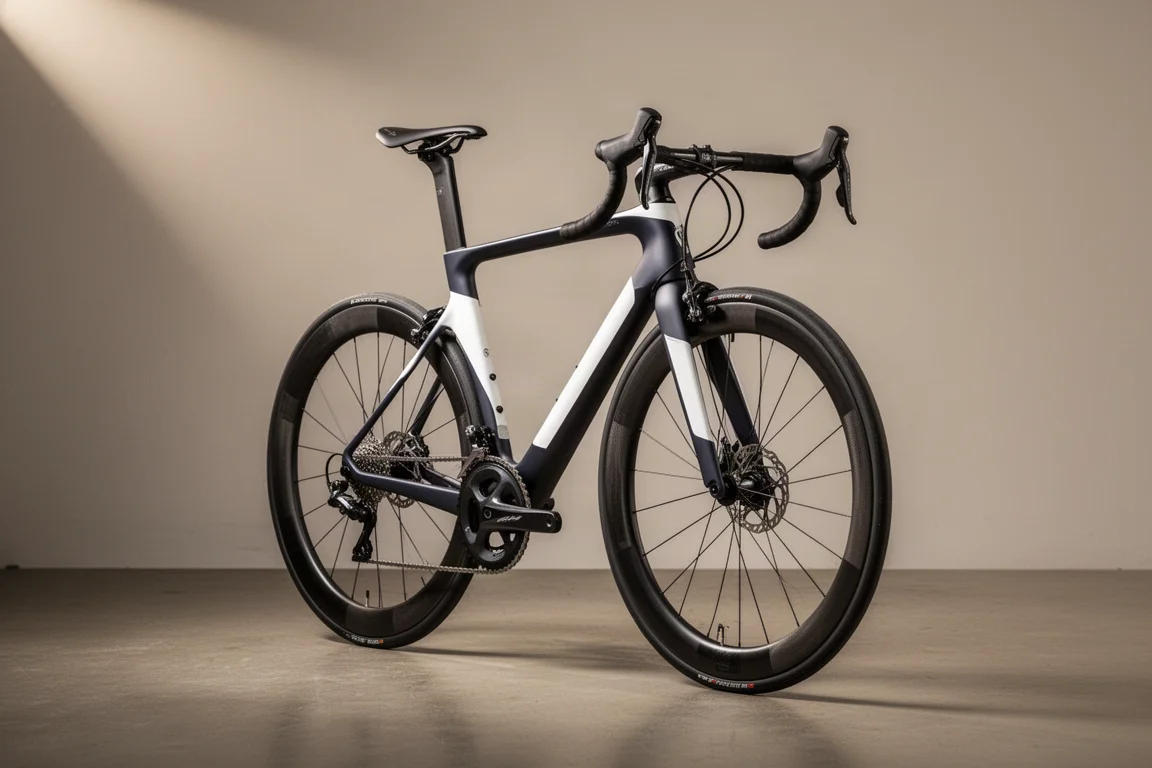
Cycling Components
A 20,000-Mile Budget Race Bike Build: Five Parts Worth Knowing
A rim brake race bike assembled from low-cost components and ridden for 20,000 miles. Here is what delivered real speed, what caused problems, and what to weigh before copying the formula.
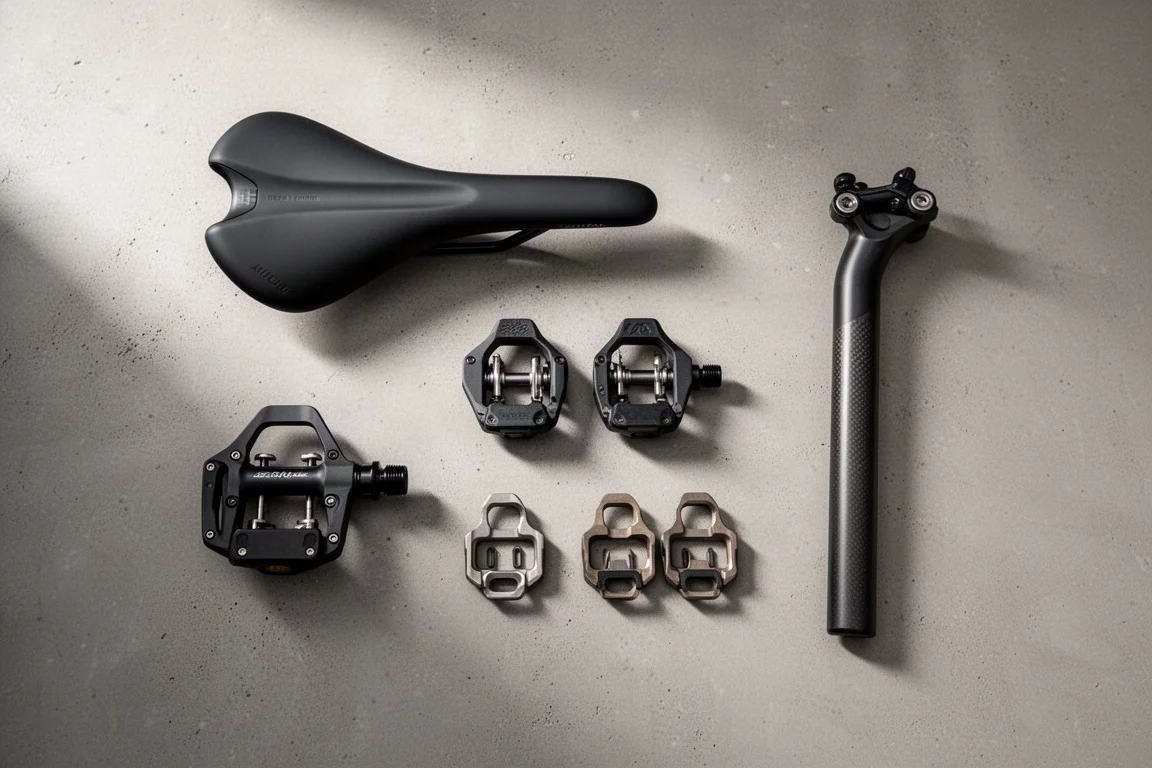
Cycling Components
7 Bike Fit Products Fitters Avoid: What to Check Before You Buy
Seven bike components that regularly cause knee, foot and saddle problems, with the specific concerns behind each one and what to look for instead.
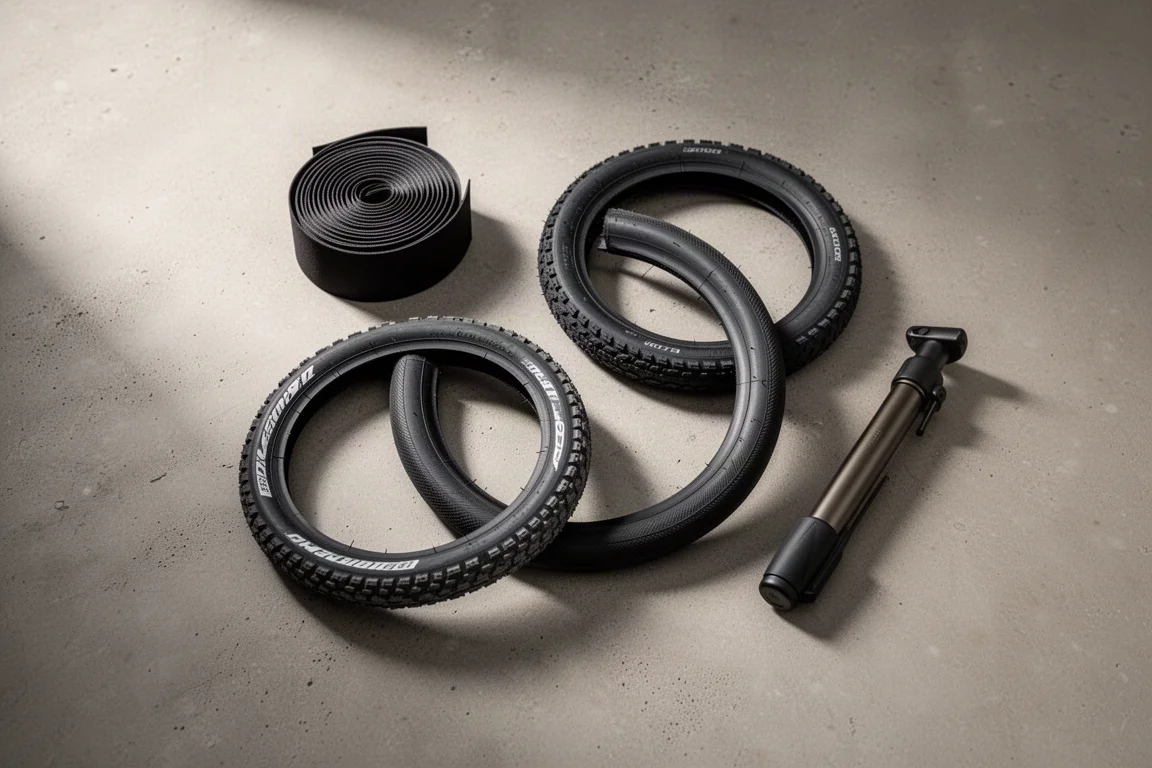
Cycling Components
Four Affordable Bike Upgrades That Improve Ride Feel
Four low-cost cycling products that make a real difference to ride feel, plus the free setup changes worth trying first.